



1 Michelin Star · We're Smart World 2 Radishes · Gault & Millau Prestige Restaurant
Our verdict
Three generations of the Ibarboure family have shaped one of the Basque Country's most considered fine dining addresses. Xabi and Patrice Ibarboure hold a Michelin star and an Opinionated About Dining ranking of #347 in Europe (2025), drawing on produce from the estate's own garden and the region's storied larder — Kintoa pig, Adour salmon, Espelette pepper — to build menus rooted in place.

Pearl is the En Primeur Club membership app — saves, bookings, and concierge access live there. Same editors, same standards.
- Address
- 281 Chem. Ttalienea, 64210 Bidart, France
- Phone
- +33 5 59 47 58 30
- Website
- freresibarboure.com
- Directions
- Get directions
- Booking
- Book on the venue's website
The menu
What to order
- Txangurro
- Cochon Kintoa
- Soufflé de saison
Where the Basque Terroir Becomes the Menu
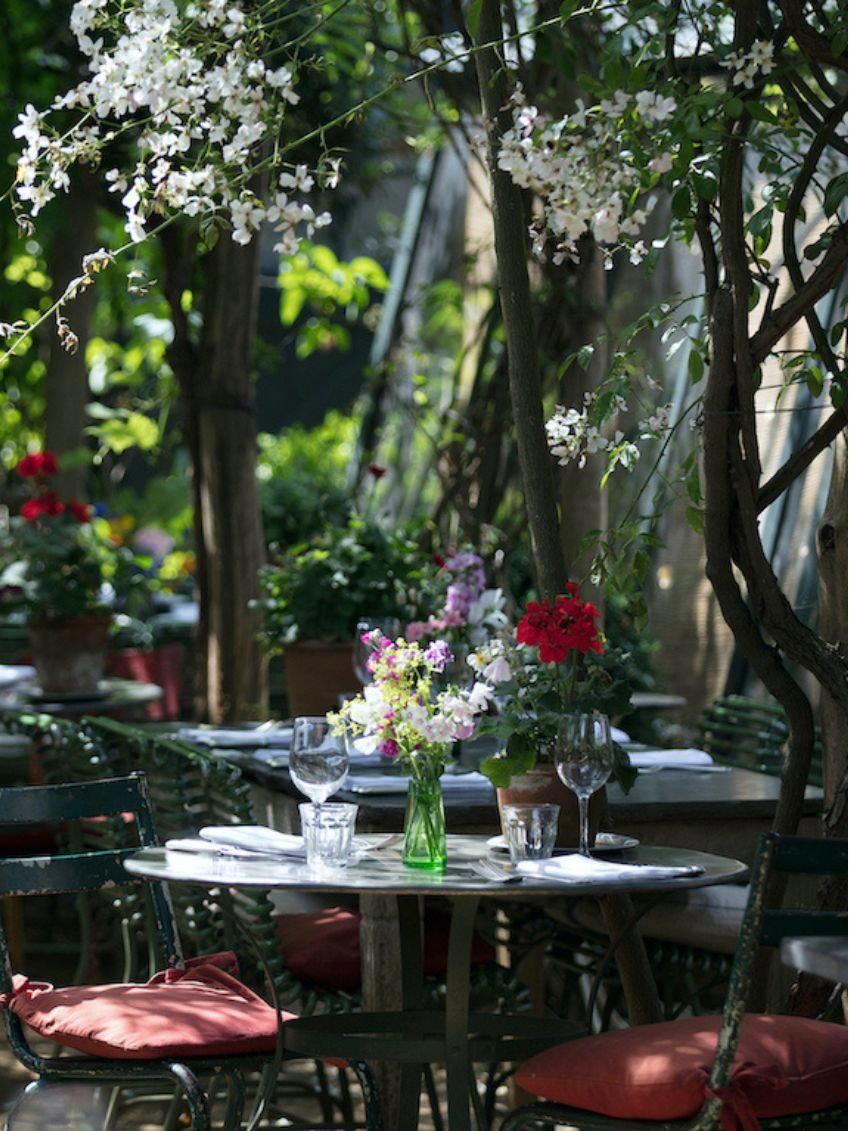
The road to Bidart from the Basque coast climbs away from the beach towns and into a quieter register: low hills, working farms, the Atlantic light hitting fields rather than promenades. At 281 Chemin Ttalienea, the Ibarboure property sits in that agricultural hinterland, and arriving here makes the point before a single dish is served. This is not a restaurant that happens to talk about terroir. It is one that is physically embedded in it, with a kitchen garden and greenhouse on the estate supplying herbs, flowers, and citrus directly to the kitchen.
That proximity to land and sea is the organising principle of the food served inside. The French Basque Country has one of the most coherent regional larders in Europe: the black Kintoa pig, a heritage breed raised in the Pyrenean foothills; Adour river salmon; Ossau-Iraty, the firm sheep's-milk cheese made across the mountain pastures; Espelette pepper, the only French chilli with an AOC designation; Pyrenean lamb raised at altitude. These are not ingredients assembled for a menu concept. They are the materials a serious kitchen in this region is expected to work with, and has worked with for centuries. The kitchen at La Table des Frères Ibarboure treats them as such.
A Third Generation at the Stove
French fine dining has a long tradition of family continuity — the Troisgros lineage at Troisgros - Le Bois sans Feuilles in Ouches, the Haeberlin family at Auberge de l'Ill in Illhaeusern, the generational weight carried by Paul Bocuse - L'Auberge du Pont de Collonges in Collonges-au-Mont-d'Or — and the Ibarboure kitchen belongs to that tradition. The third generation now runs the property, with brothers Xabi and Patrice working in partnership across the kitchen. Patrice holds the distinction of Leading Pastry Maker of France 2019, a credential earned after formative years in Paris and New York, and the pastry section reflects that formation: technically precise, but oriented toward the Basque palette of red fruits, citrus, and aromatic herbs from the garden.
The sibling kitchen partnership is its own culinary form. Where solo-chef restaurants at the €€€€ tier, from Alléno Paris au Pavillon Ledoyen in Paris to AM par Alexandre Mazzia in Marseille, are shaped by a single creative intelligence, dual-kitchen models tend toward a different kind of coherence: more negotiated, more conversational in its logic. The food at La Table des Frères Ibarboure reads that way, with savoury and pastry sequences that feel integrated rather than sequential.
The Awards Picture and What It Signals
Recognition across multiple independent systems tends to be more informative than any single award. La Table des Frères Ibarboure holds a Michelin one star (2024) and an Opinionated About Dining ranking of #347 in Europe for 2025, improving from #362 in 2024, with OAD recommendation stretching back to 2023. The OAD system, built from votes cast by well-travelled diners rather than anonymous inspectors, tends to surface restaurants with high repeat visitor loyalty, which says something about the Bidart dining room's ability to hold attention across multiple meals.
The Michelin star places the restaurant in a competitive context that runs from coastal Basque addresses up to the three-star rooms in France's major cities. At the regional level, the one-star tier in the Basque Country and the Landes includes several technically accomplished kitchens, but the combination of family property, estate-grown produce, and a resident pastry credential of Patrice's level is less common. Contrast with mountain-adjacent fine dining addresses like Flocons de Sel in Megève or border-territory kitchens like Mirazur in Menton, where geography similarly shapes menu identity, and the Ibarboure approach reads as part of a distinctly French tradition of anchoring serious cooking to a specific piece of land.
The Basque-French Table: What Gets Cooked Here
The menu at La Table des Frères Ibarboure works within the seasonal arc of the Basque larder. Adour salmon arrives in its river season. Landes green asparagus, barbecued, carries smoke against the sweetness of the stem. Kintoa black pig, which was nearly extinct by the mid-twentieth century and was revived by Basque breeders from the 1980s onwards, appears in whatever form the season and the kitchen's logic dictates. Pyrenean lamb, leaner and more mineral than lowland alternatives, maps onto the pastoral geography of the hinterland. Ossau-Iraty, aged in mountain caves, anchors the cheese section.
Garden and greenhouse produce, herbs, edible flowers, citrus, do the fine-tuning work. Pineapple sage sorbet paired with Meyer lemon shows how the kitchen uses its own-grown aromatics not as garnish but as structural elements in a dish. This is a pattern found across the more considered end of terroir cooking: the estate garden as laboratory for flavour combinations that the broader market does not supply.
Espelette pepper, the AOC chilli from the village twenty kilometres inland, operates as both seasoning and cultural marker throughout Basque cooking. Its heat is mild enough to use as a finishing spice rather than a primary flavour, and it appears across both traditional Basque domestic cooking and the region's fine dining registers. A kitchen in Bidart that does not use it would be making a deliberate statement; one that uses it well is participating in a centuries-old regional grammar.
Bidart at the €€€€ Tier: Context and Comparisons
Bidart itself is a small commune between Biarritz and Saint-Jean-de-Luz, better known internationally for its surf breaks than its gastronomy. The serious dining room at La Table des Frères Ibarboure sits at a different register from the coastal restaurants along the Côte Basque, and prices accordingly. At the €€€€ bracket, it is competing for the same diner as destination restaurants in San Sebastián, forty-five minutes south across the Spanish border, where the density of high-end Basque kitchens is among the highest in Europe.
The French side of the Basque Country operates with less international visibility than its Spanish counterpart, which means La Table des Frères Ibarboure draws a more local and domestic French travel audience than the San Sebastián circuit attracts. For the visitor who already has the Spanish Basque kitchens mapped, crossing north into Bidart offers a different expression of the same cultural tradition: more classically French in technique, more rooted in the estate model, less caught up in the avant-garde competition that drives the Spanish side.
For dining beyond this address, Ahizpak and Ezkia represent other Bidart options worth investigating. The broader picture of the town's food and drink scene is covered in our full Bidart restaurants guide, with accommodation options in our full Bidart hotels guide. Those extending into the full Basque coastal area will find useful planning context in our full Bidart bars guide, our full Bidart wineries guide, and our full Bidart experiences guide.
For those building a wider French fine dining itinerary, the tradition of regionally anchored haute cuisine extends across the country, from Bras in Laguiole in the Aubrac to Assiette Champenoise in Reims in Champagne. Internationally, the modern fine dining tradition the Ibarboure kitchen belongs to has counterparts in rooms like Frantzén in Stockholm and FZN by Björn Frantzén in Dubai, where serious technical ambition is paired with strong local sourcing logic.
Planning a Visit
The kitchen is open Tuesday through Saturday for lunch (12:15 to 14:00) and dinner (19:30 to 21:30), with Monday and Sunday closed. The address at 281 Chemin Ttalienea sits outside central Bidart, making a car the practical mode of arrival, and the estate setting means the approach itself forms part of the experience.
What Regulars Order
What do regulars order at La Table des Frères Ibarboure?
The kitchen's most referenced dishes draw on the estate's own garden alongside the Basque region's defining ingredients. Barbecued Landes green asparagus is among the preparations documented in award citations, as is a vegetarian salad built around garden produce, and a sorbet of pineapple sage and Meyer lemon that shows the pastry programme's orientation toward aromatic precision rather than sugar-forward dessert work. Patrice Ibarboure's standing as Leading Pastry Maker of France 2019 means the dessert sequence carries particular weight here: the awards, the regional context, and the cuisine all point toward a kitchen where the close of the meal receives the same attention as the opening. Seasonal produce from the Basque larder, Adour salmon, Kintoa black pig, Ossau-Iraty, Espelette pepper, runs through the savoury menu, and what gets ordered depends significantly on when you arrive.
Frequently asked questions
What are La Table des Frères Ibarboure's hours?
Hours at La Table des Frères Ibarboure: Hours: Monday Closed Tuesday 12:15-14:00 19:30-21:30 Wednesday 12:15-14:00 19:30-21:30 Thursday 12:15-14:00 19:30-21:30 Friday 12:15-14:00 19:30-21:30 Saturday 12:15-14:00 19:30-21:30 Sunday Closed.
Where do I go for La Table des Frères Ibarboure?
La Table des Frères Ibarboure is located at 281 Chem. Ttalienea, 64210 Bidart, France, Bidart.
Cuisine-First Comparison
| Venue | Cuisine | Price | Awards |
|---|---|---|---|
| La Table des Frères IbarboureThis venue — the venue you are viewing | Modern Basque Fine Dining | $150–200 | 1 Michelin Star · We're Smart World 2 Radishes |
| Alléno Paris au Pavillon Ledoyen | Creative | Not listed | Michelin 3 Star |
| Kei | Contemporary French, Modern Cuisine | Not listed | Michelin 3 Star |
| L'Ambroisie | French, Classic Cuisine | Not listed | Michelin 3 Star |
| Le Cinq - Four Seasons Hôtel George V | French, Modern Cuisine | Not listed | Michelin 3 Star |
| Plénitude | Contemporary French | Not listed | Michelin 3 Star |
Recognition history
Dated appearances from independent guides and award organizations, with the underlying list record or original source where available.
Michelin 1 Star
Michelin
Gault & Millau Prestige Restaurant
Gault & Millau
Opinionated About Dining Classical in Europe Ranked #347
Opinionated About Dining
We're Smart World 2 Radishes
We're Smart World
Full recognition history (8 entries)
Michelin 1 Star
Michelin
Michelin 1 Star
Michelin
Opinionated About Dining Classical in Europe Ranked #362
Opinionated About Dining
Opinionated About Dining Classical in Europe Recommended
Opinionated About Dining
Details
- Elegant
- Romantic
- Cozy
- Sophisticated
- Rustic
- Special Occasion
- Date Night
- Celebration
- Private Dining
- Terrace
- Garden
- Historic Building
- Extensive Wine List
- Sommelier Led
- Local Sourcing
- Garden
- Tasting Menu
- Prix Fixe
- Wine
- Vegetarian Friendly
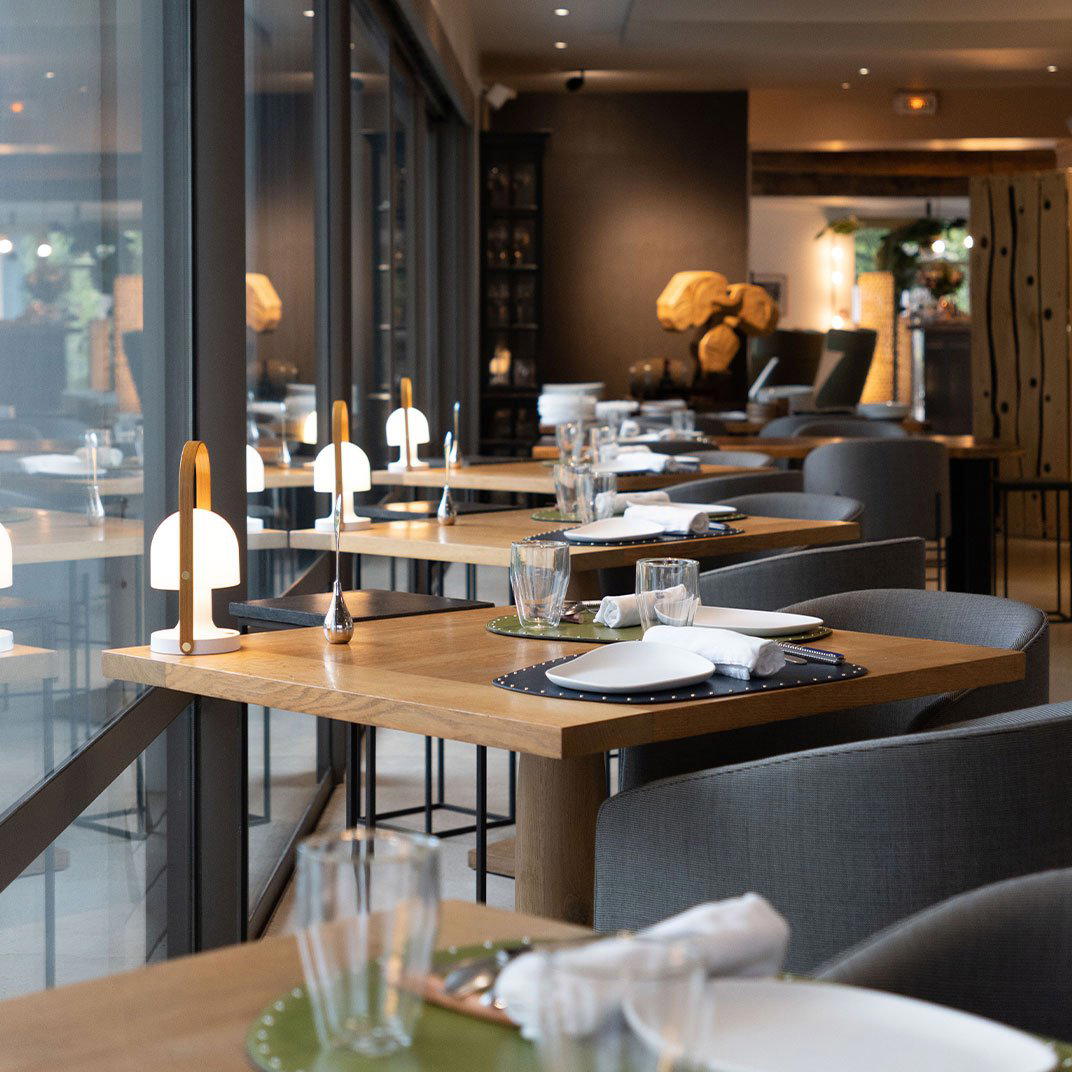
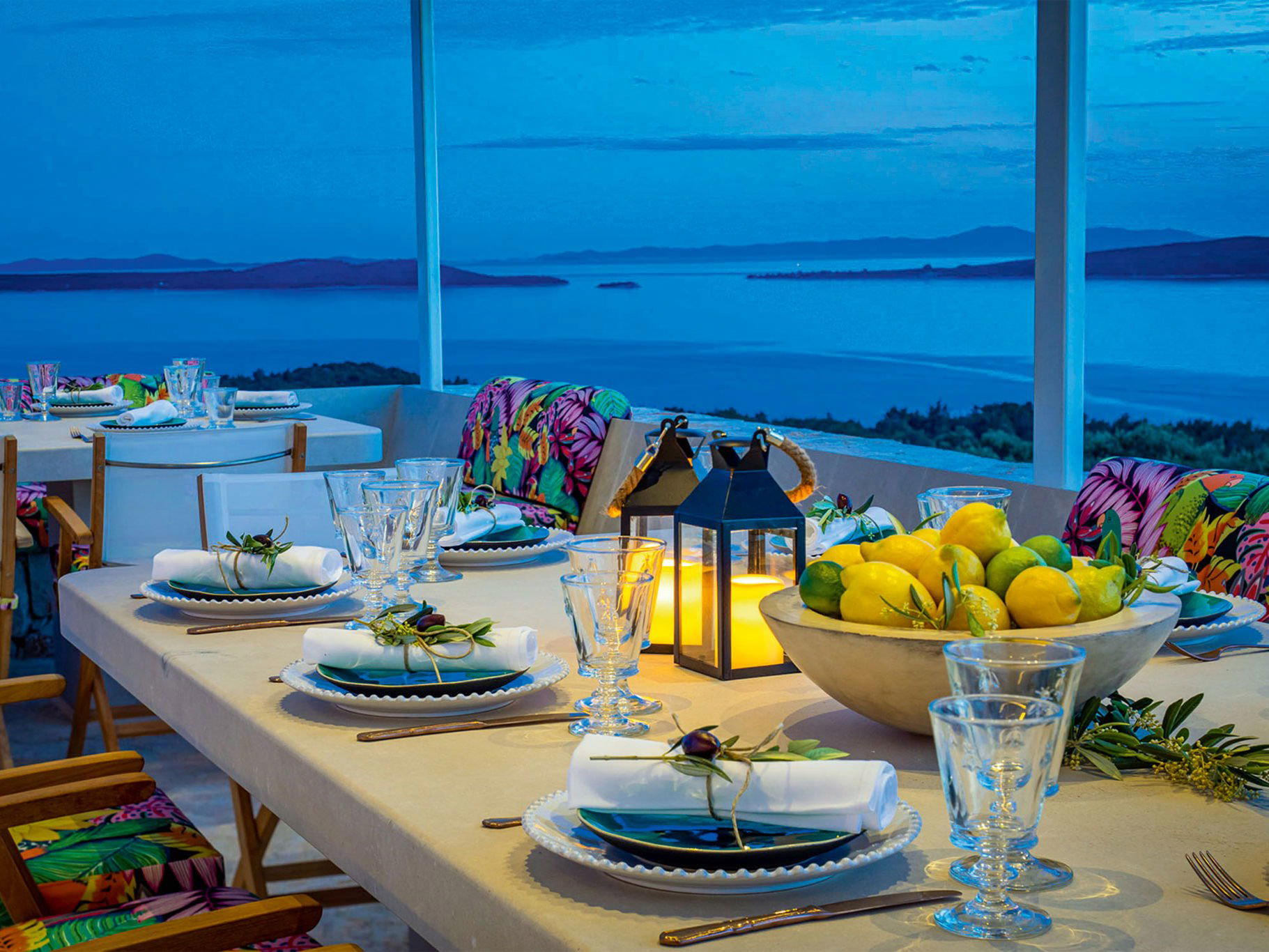
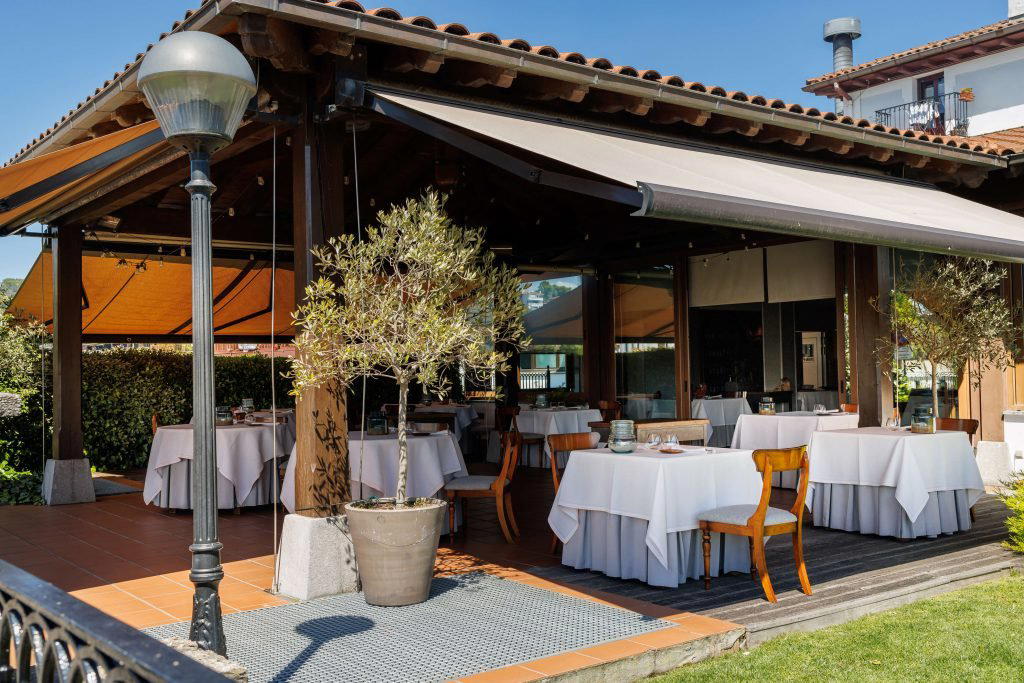
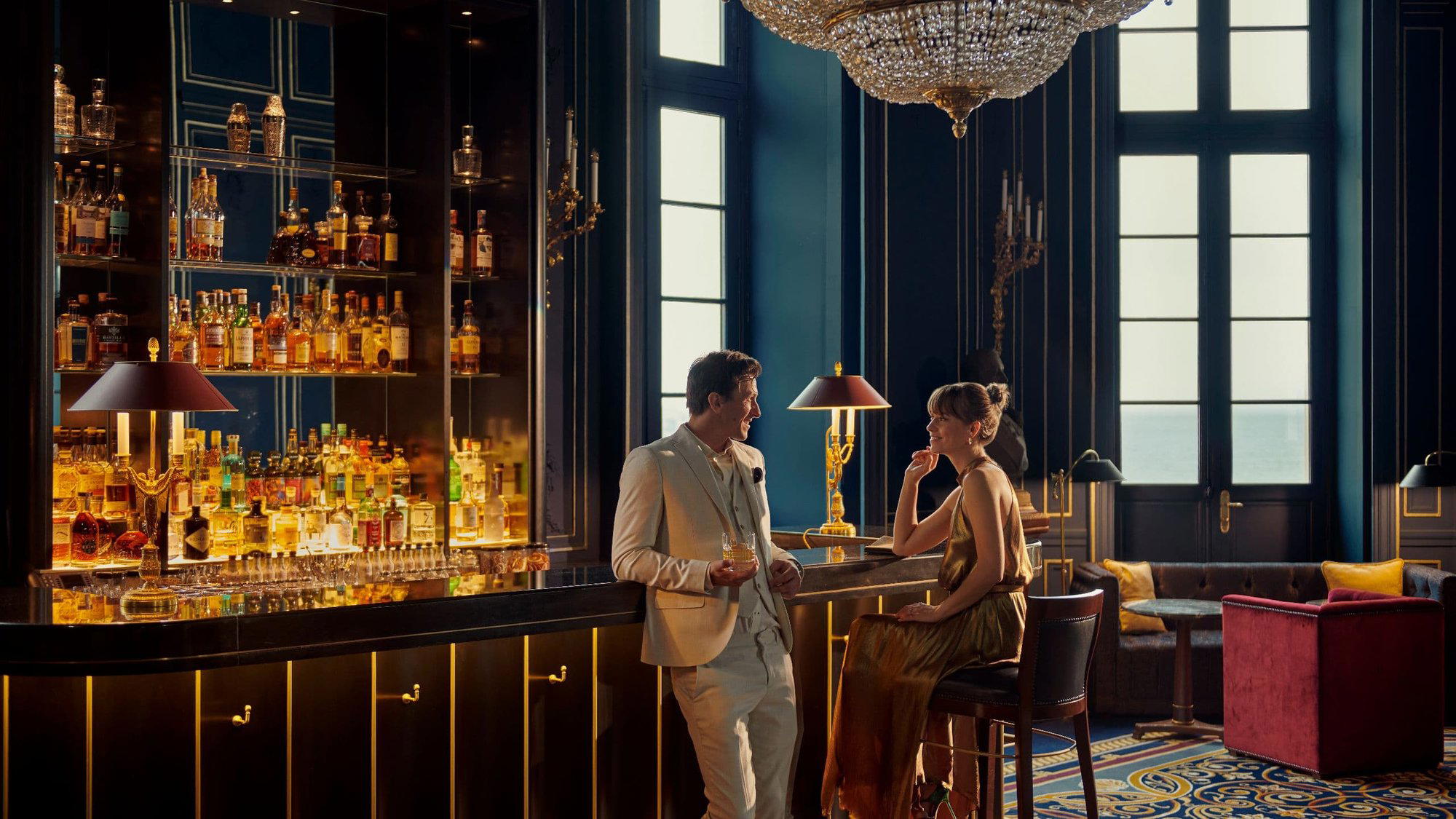
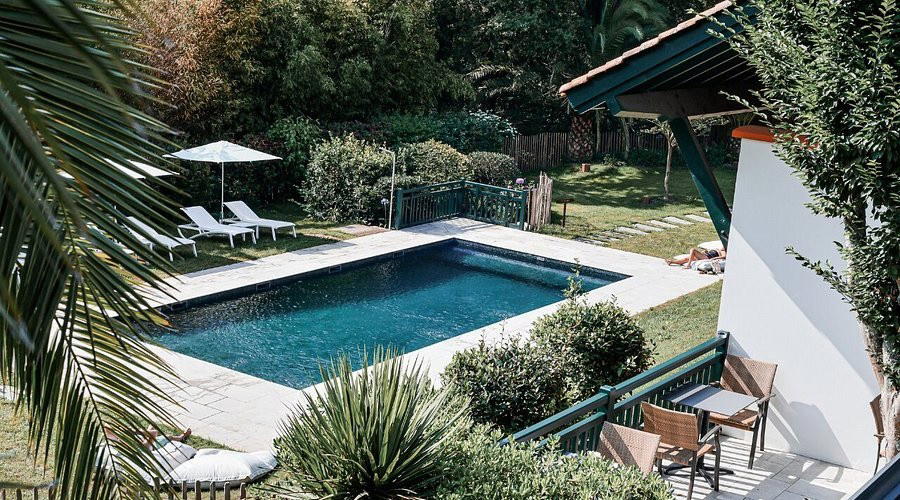
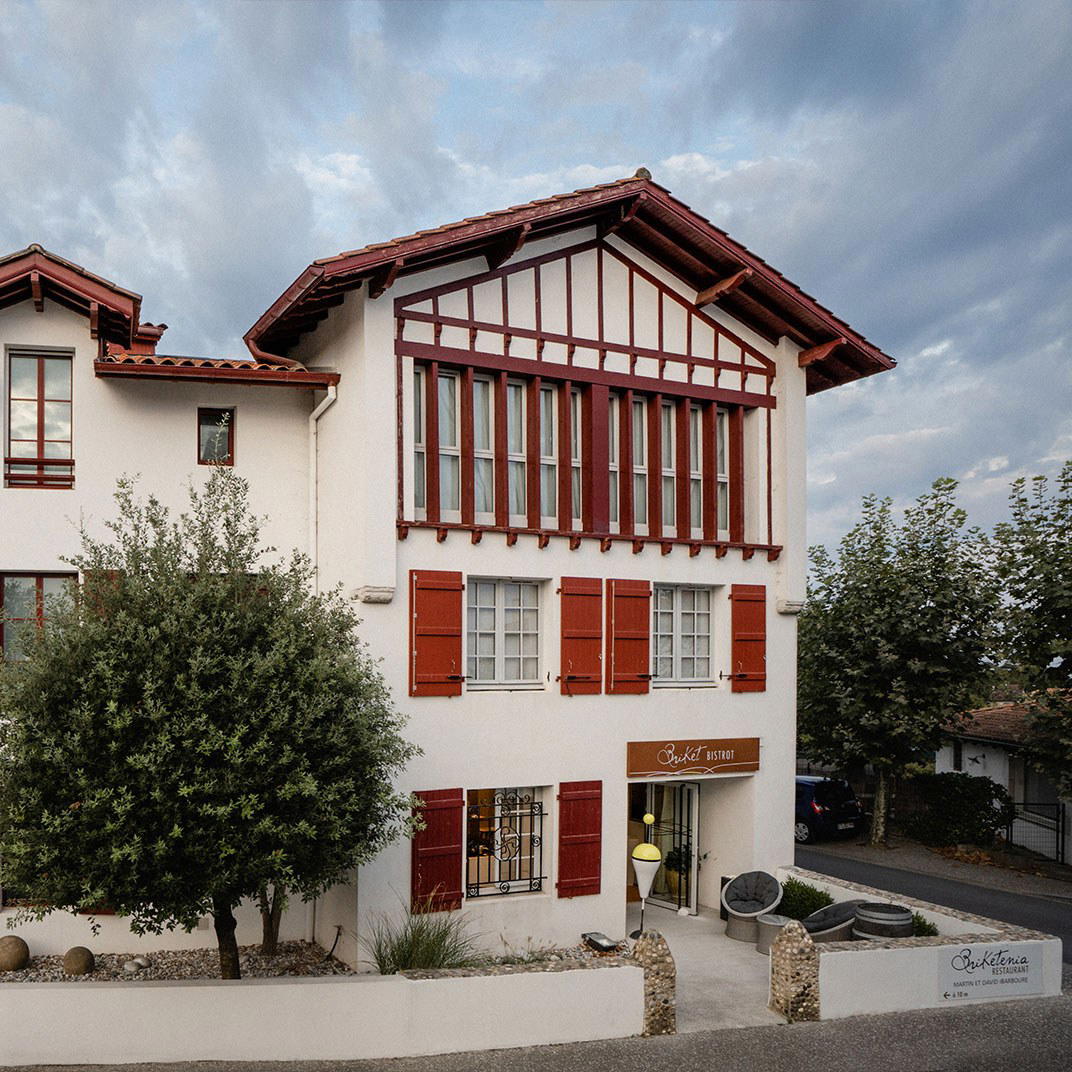
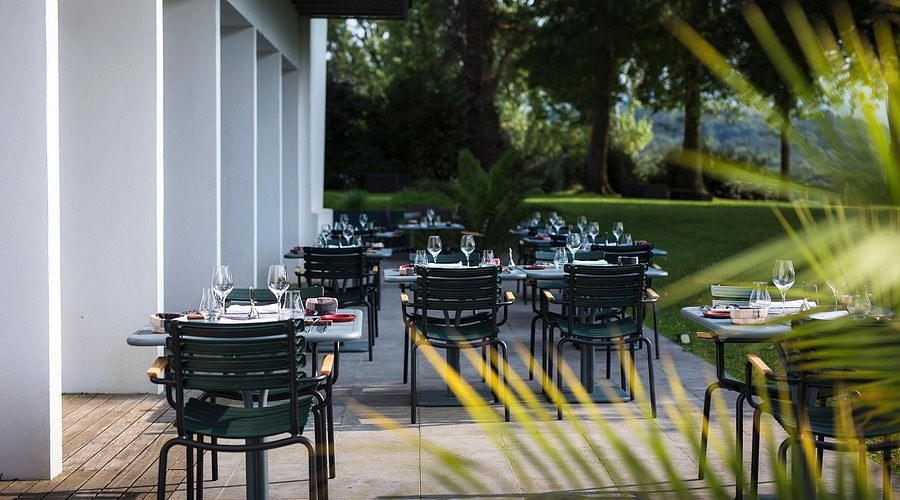
Elegant and serene atmosphere in multiple warmly decorated rooms with local artisan furniture, vitrals, and woodwork; terrace and veranda offer garden views, creating a bucolic and intimate setting.