
Michelin Plate
Our verdict
Basa sits on Rue d'Espagne in the heart of Bayonne's old town, holding a Michelin Plate (2025) for creative cooking that draws on the Basque-Landes corridor's exceptional larder. At a €€ price point among Bayonne's mid-range dining tier, it offers serious sourcing credentials and inventive plates without the formality of a full tasting-menu house. One of the more thoughtful addresses on the city's restaurant circuit.

Pearl is the En Primeur Club membership app, where members save venues, book tables and use the concierge.
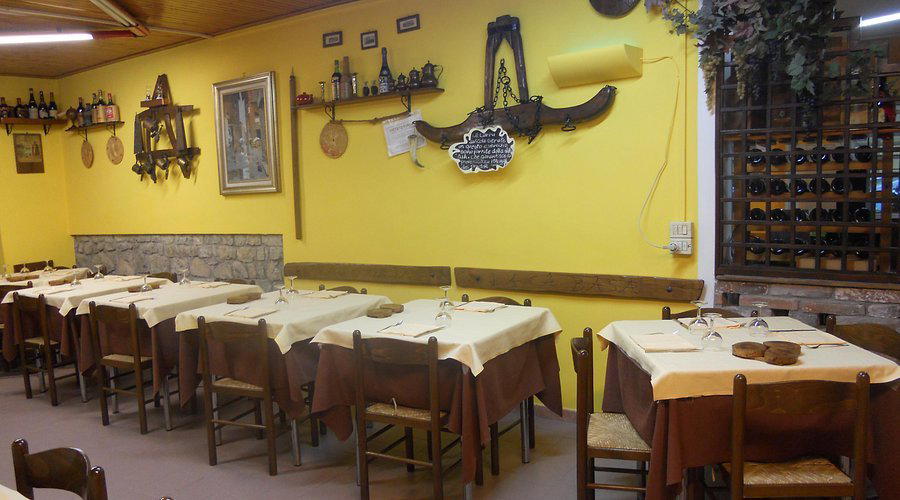
The menu
What to order
- Bao with spicy steak and kimchi
- Calf’s head
- Boudin maison
Rue d'Espagne and the Question of Provenance
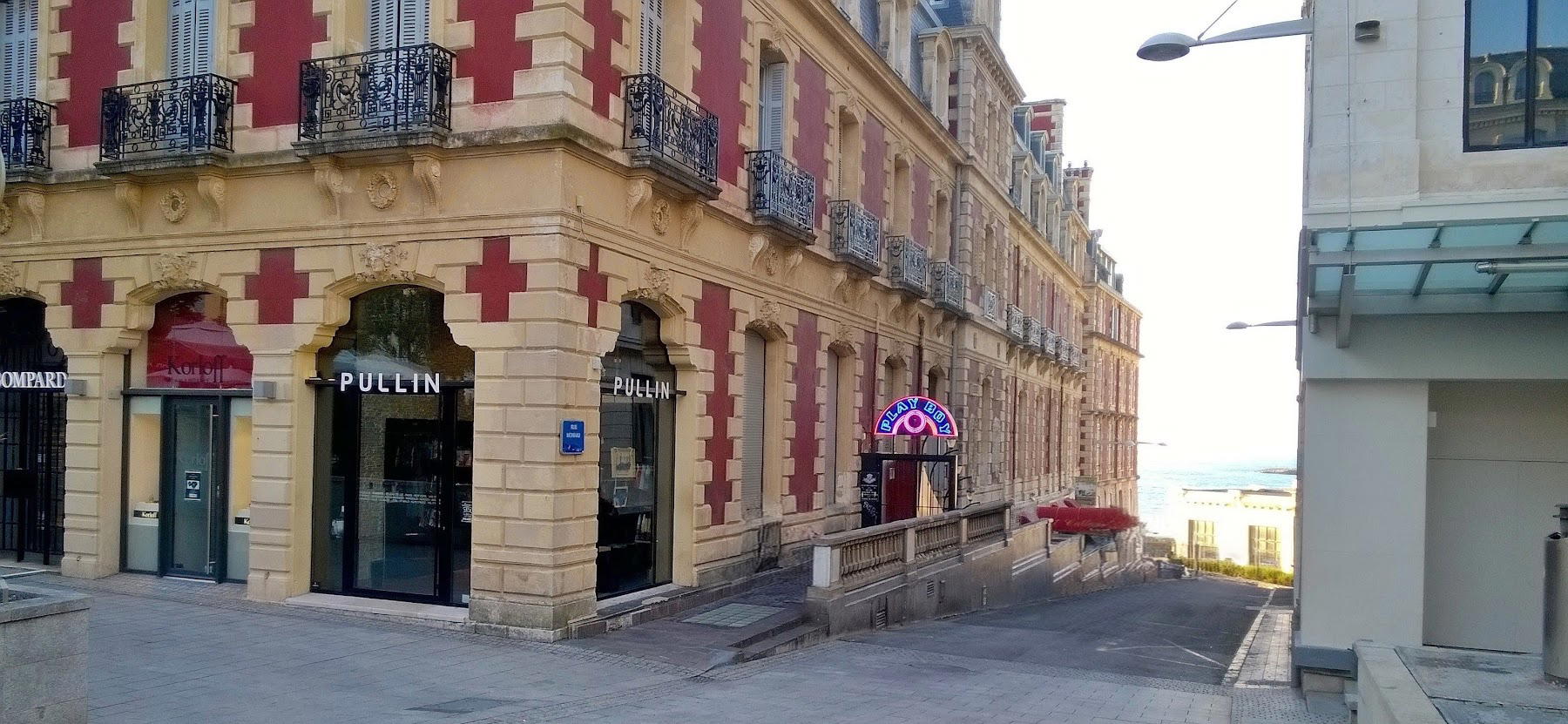
Bayonne's main commercial artery, Rue d'Espagne, threads through the old town past chocolatiers, charcutiers, and the low-slung façades that give the Basque city its particular density. The street has never been a dining destination in the way that, say, San Sebastián's Parte Vieja concentrates restaurant ambition into a few tight blocks. That makes the presence of a Michelin Plate-recognised creative kitchen at number 74 worth pausing over. Basa is not a hidden discovery in the romantic sense, but it occupies a position that the neighbourhood's traditional-leaning dining culture rarely makes room for: cooking that treats local ingredients as a starting point for invention rather than an end in themselves.
The Basque-Landes border zone that Bayonne sits on is one of France's most consequential larders. Piment d'Espelette from the Nive valley, Bayonne ham aged in the hill villages above the city, line-caught fish from Saint-Jean-de-Luz and the wider Côte Basque, milk-fed lamb from the upland pastures, and Landes foie gras from the flatlands north of the Adour: the density of protected and artisan produce within a short radius is not matched by many French cities of comparable size. For a creative kitchen, this creates both an opportunity and an obligation. The more ambitious address in this context is the one that sources precisely and then does something considered with the material, rather than simply listing regional credentials on the menu.
Where Basa Sits in Bayonne's Dining Tier
At €€ pricing, Basa occupies the same general bracket as several of Bayonne's stronger independent restaurants. La Table - Sébastien Gravé works a farm-to-table format at the same price tier, keeping the sourcing narrative explicit and the cooking anchored to seasonal availability. Goxoki and La Grange hold down the traditional end of that bracket, where the Basque canon of piperade, ttoro, and axoa defines the menu logic. Nuance and Relief work modern cuisine registers within the same general price range.
What the Michelin Plate recognition does is signal that the kitchen at Basa is cooking at a level the Guide considers worth noting, without yet reaching starred status. In France's provincial cities, the Plate is often where the most interesting work happens: chefs with clear technique and a defined sourcing approach, operating below the cost structure and format rigidity that starred ambition can impose. The category positions Basa closer to creative kitchens that have a point of view about ingredients than to the traditional-cuisine addresses that dominate Bayonne's broader restaurant count.
For context on what creative cooking looks like at higher-tier French addresses, Mirazur in Menton and Bras in Laguiole both demonstrate how a kitchen rooted in regional terroir can produce cooking with genuine intellectual reach. At the other end of the ambition spectrum, Arpège in Paris has made ingredient provenance the central argument of its cooking for decades. Basa is not operating at those levels of recognition, but it shares the underlying premise: that sourcing decisions are culinary decisions, not just procurement ones.
The Logic of Creative Cooking in a Basque Context
Creative cuisine in the Basque country carries specific reference points. The Spanish side of the border, particularly San Sebastián, has defined a model where technical innovation and local-produce loyalty are treated as compatible rather than competing values. Cocina Hermanos Torres in Barcelona extends that Iberian creative tradition toward a more Mediterranean register. On the French side, Basque and Gascon produce has tended to be expressed through classically structured cooking rather than the avant-garde approaches associated with the Spanish kitchen.
A creative kitchen in Bayonne is therefore working against a conservative local grain. The city's dining culture is proud of its charcuterie, its chocolate, its ham, and its fish, and restaurants that depart too sharply from those reference points can find themselves without an audience. The more sustainable position, evidenced by the range of €€ restaurants in the city, is one that maintains a clear connection to regional produce while applying enough technique and editorial judgment to the menu to hold the interest of diners who have already eaten piperade many times. Basa's Michelin Plate recognition suggests it has found a workable version of that balance.
Ingredient Sourcing as Editorial Stance
In the broader context of French creative kitchens, the sourcing question has become increasingly central to how a restaurant defines itself. Flocons de Sel in Megève and Auberge de l'Ill in Illhaeusern both demonstrate how a kitchen's relationship with its immediate geography can become a consistent editorial argument across menus and seasons. Troisgros in Ouches and Alléno Paris at Pavillon Ledoyen represent two different ways that starred ambition approaches the same underlying question of what the kitchen owes to its environment.
At the €€ level in a city like Bayonne, the same question plays out at a different scale and without the same resources. What it produces, in the better versions, is cooking that is genuinely specific to its location: you cannot eat the same plates somewhere else because the produce is not available somewhere else in the same form. The Piment d'Espelette grown at altitude in the Pyrenean foothills carries different heat and fragrance than dried piment sourced from elsewhere. Bayonne ham is a cured product with its own microclimate and ageing conditions baked into its character. A kitchen that uses these materials thoughtfully earns a different kind of credibility than one that invokes terroir as a marketing note.
Planning Your Visit
Basa is at 74 Rue d'Espagne, 64100 Bayonne, in the Grand Bayonne district on the left bank of the Nive. The mid-range price point makes it accessible for a weekday lunch or a dinner that does not require a special-occasion budget. The restaurant sits within walking distance of the city's covered market, the cathedral, and the chocolate quarter, which makes it a natural anchor for a half-day in the old town. For a broader survey of what Bayonne's restaurant circuit offers, the full Bayonne restaurants guide maps the range from traditional Basque kitchens to the city's emerging creative addresses. Parallel itineraries are available in the Bayonne hotels guide, the bars guide, the wineries guide, and the experiences guide.
Frequently asked questions
Does Basa have a Michelin star or similar recognition?
Basa has received recognition including: Michelin Plate (2025).
What's the best thing to order at Basa?
Basa runs a creative format, meaning the menu moves with season and availability rather than anchoring on fixed signature dishes. The Michelin Plate recognition in 2025 suggests the kitchen's output is consistent enough to merit attention across the menu rather than a single standout. The practical approach is to follow the server's lead on the day and prioritise whatever reflects current sourcing.
How much does it cost to eat at Basa?
Pricing at Basa is listed as €€.
Where exactly is Basa?
Basa is located at 74 Rue d'Espagne, 64100 Bayonne, France, Bayonne.
Should I book Basa in advance?
At €€ pricing with a 2025 Michelin Plate, Basa draws a broader audience than most creative kitchens at this level, Michelin recognition in a city of Bayonne's size concentrates demand on a short list of addresses. Booking ahead is the sensible move, particularly on weekends when Bayonne's old town sees consistent foot traffic from both locals and visitors crossing from the Spanish Basque coast.
Comparison Snapshot
Comparable venues nearby, for context on price, style, and recognition.
| Venue | Cuisine | Price | Awards | Notes |
|---|---|---|---|---|
| BasaThis venue (the venue you are viewing) | Modern French Brasserie with Basque and Asian Influences | $30–50 | Michelin Plate | Not listed |
| Goxoki | French Gastronomic Brasserie | $50–100 | Michelin Plate | Petit Bayonne |
| Le Chistera | Traditional Basque | $20–30 | Not listed | Downtown |
| Nuance | Modern French Fine Dining | $50–100 | Michelin Plate | Petit Bayonne |
| Relief | Modern French Bistronomic | Not listed | Michelin Plate | Saint Esprit |
| La Grange | Traditional Basque Bistro | $30–50 | Michelin Plate | Quai Galuperie |
Recognition history
Dated appearances from independent guides and award organizations, with the underlying list record or original source where available.
Michelin Plate
Michelin
Full recognition history (2 entries)
Michelin Plate
Michelin
Basa
Featured Guides
Continue exploring
More in Bayonne
Restaurants in Bayonne
All restaurants in Bayonne →
Details
- Modern
- Cozy
- Elegant
- Date Night
- Casual Hangout
- Special Occasion
- Open Kitchen
- Terrace
- Historic Building
- Natural Wine
- Local Sourcing
- Organic
- A La Carte
- Small Plates
- Natural Wine
- Craft Beer
- Vegetarian Friendly
- Gluten Free Options
Current opening hours
- Monday
- 12–10 PM
- Tuesday
- 12–10 PM
- Wednesday
- 12–10 PM
- Thursday
- 12–10 PM
- Friday
- 12–10 PM
- Saturday
- 12–10 PM
- Sunday
- 12–4 PM
Hours can change for holidays and private events. Hours as of .
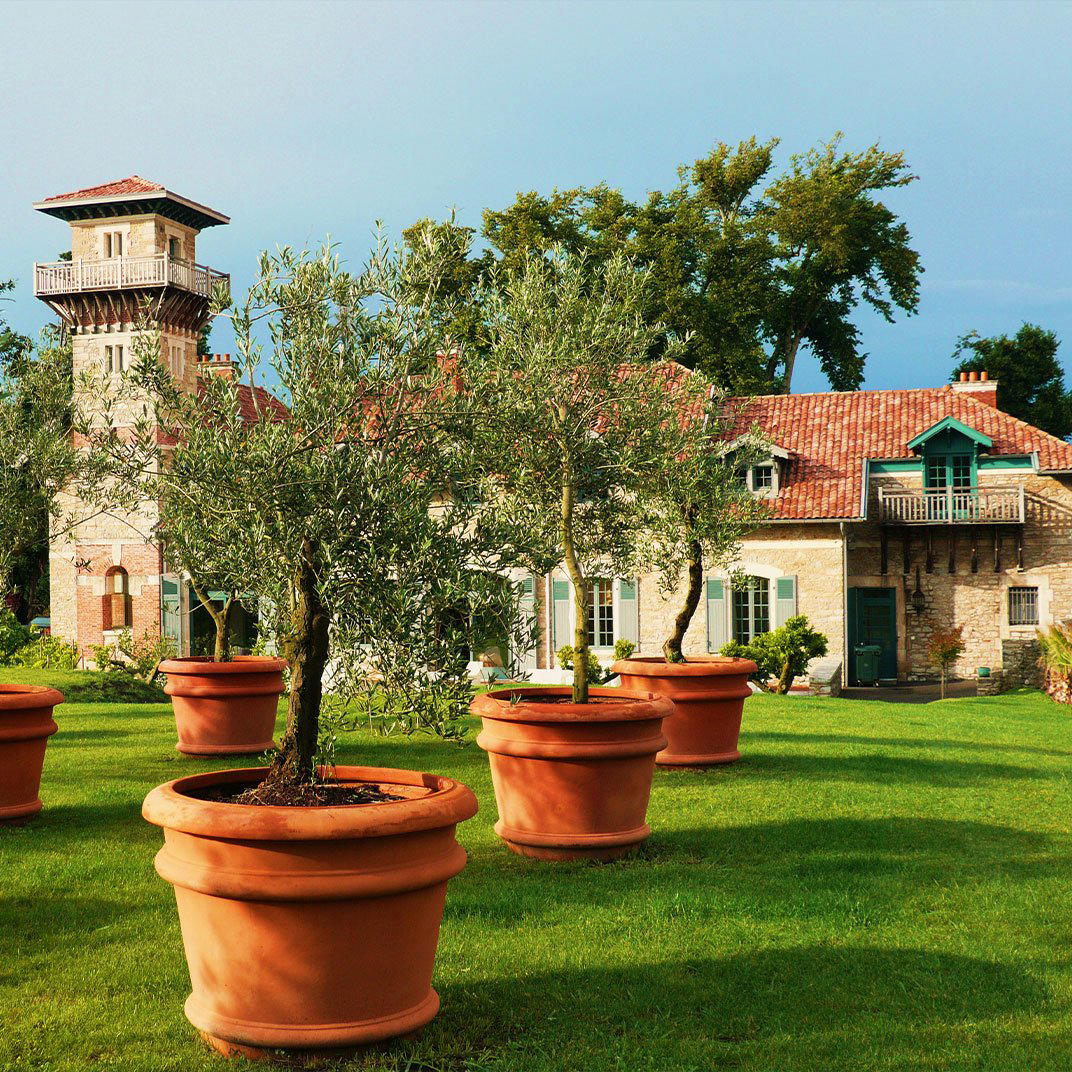
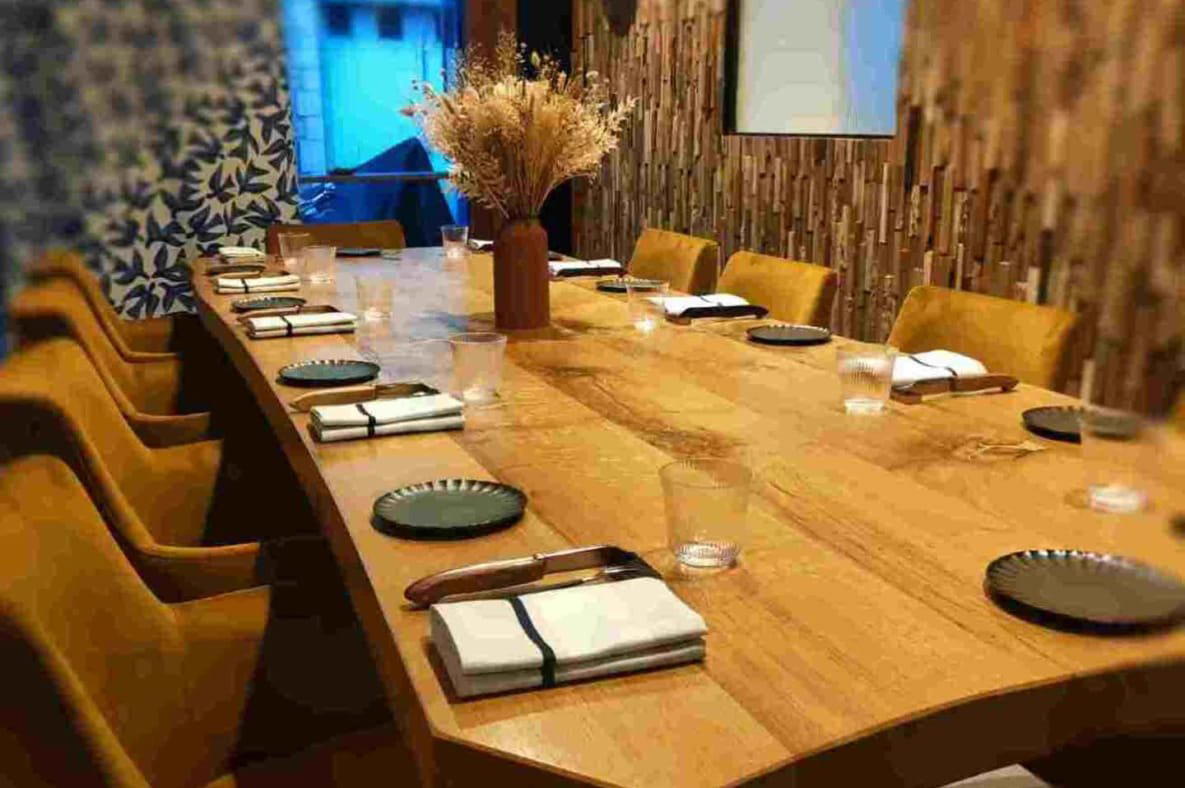
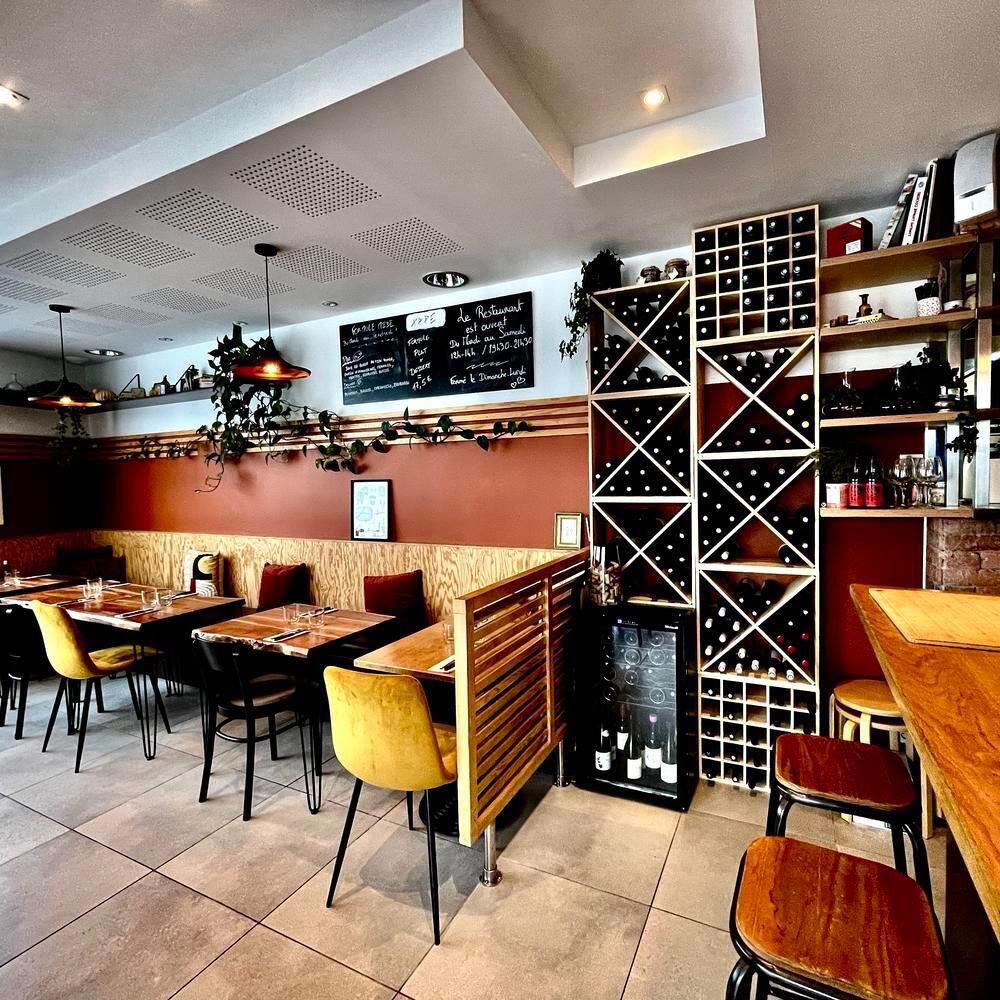
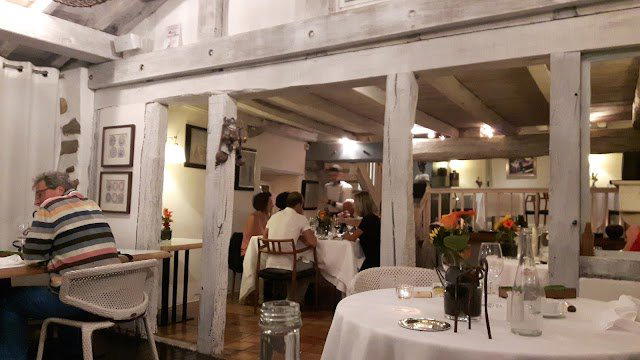
Chic contemporary-brasserie decor in a historic setting with subdued cocooning atmosphere, plant-filled serene courtyard terrace, and open kitchen.