La Table de Cédric Béchade - L'Auberge Basque



1 Michelin Star · Relais Chateaux Award · Gault & Millau Remarkable Restaurant
Our verdict
A Michelin-starred auberge in the Basque Country hills, La Table de Cédric Béchade earns its 2025 star through rigorous terroir sourcing and a creative menu that moves between land and coast. Trained at the Hôtel du Palais in Biarritz and the Plaza Athénée in Paris, Béchade brings serious classical credentials to a farmhouse setting twelve kilometres from Biarritz airport, with guestrooms that make an overnight stay the logical choice.

Pearl is the En Primeur Club membership app — saves, bookings, and concierge access live there. Same editors, same standards.
- Address
- 745 Vieille Route de Saint-Pée, 64310 Saint-Pée-sur-Nivelle, France
- Phone
- +33 5 59 51 70 00
- Hours
- Daily 12–3 PM, 7–11 PM
- Website
- aubergebasque.com
- Directions
- Get directions
The menu
What to order
- Piperade with Espelette pepper leaves
- Marmitako of Basque fishermen's tuna
- Chipiron in squid ink
- Veal ris with seaweed crust
A Farmhouse with a View of the Rhune
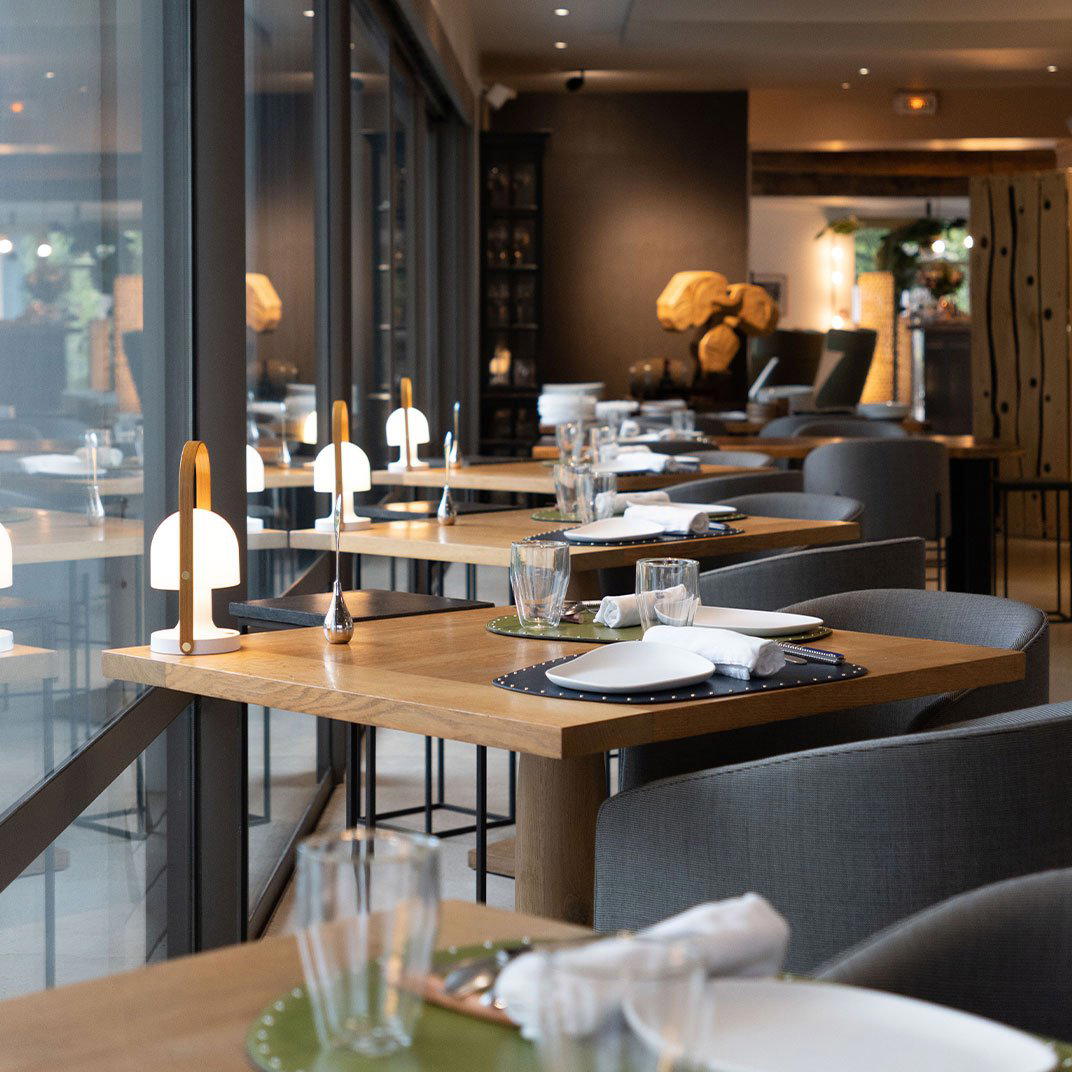
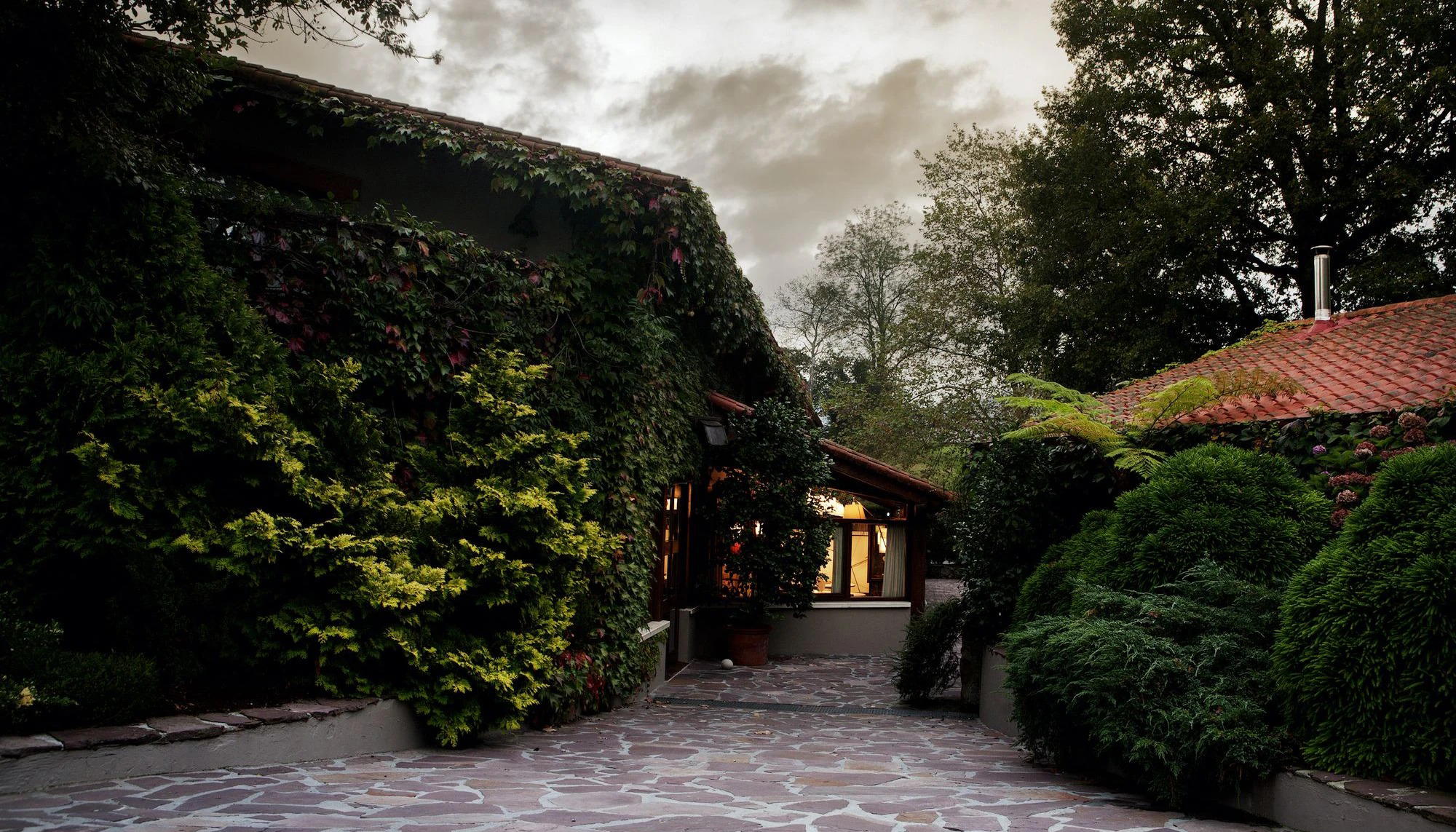
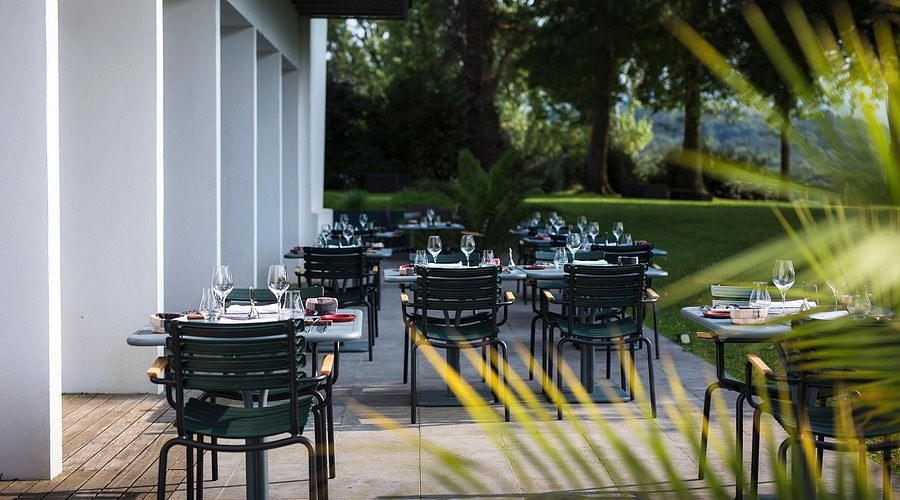
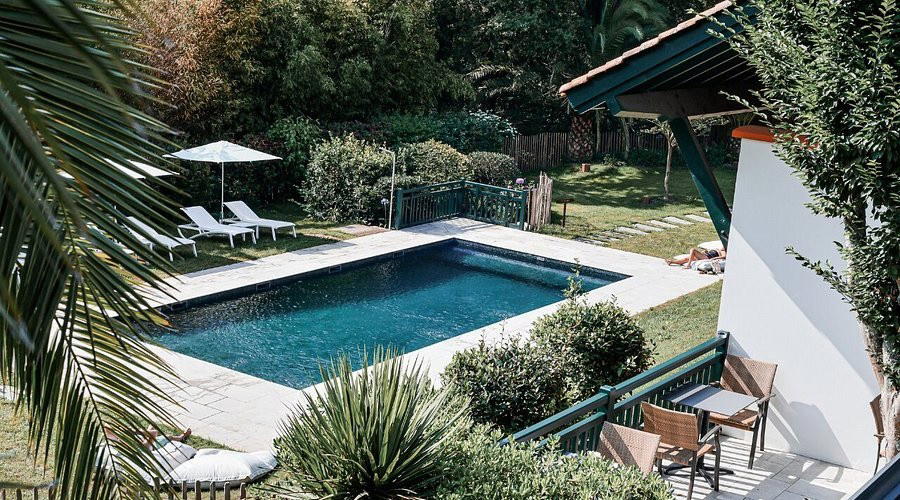
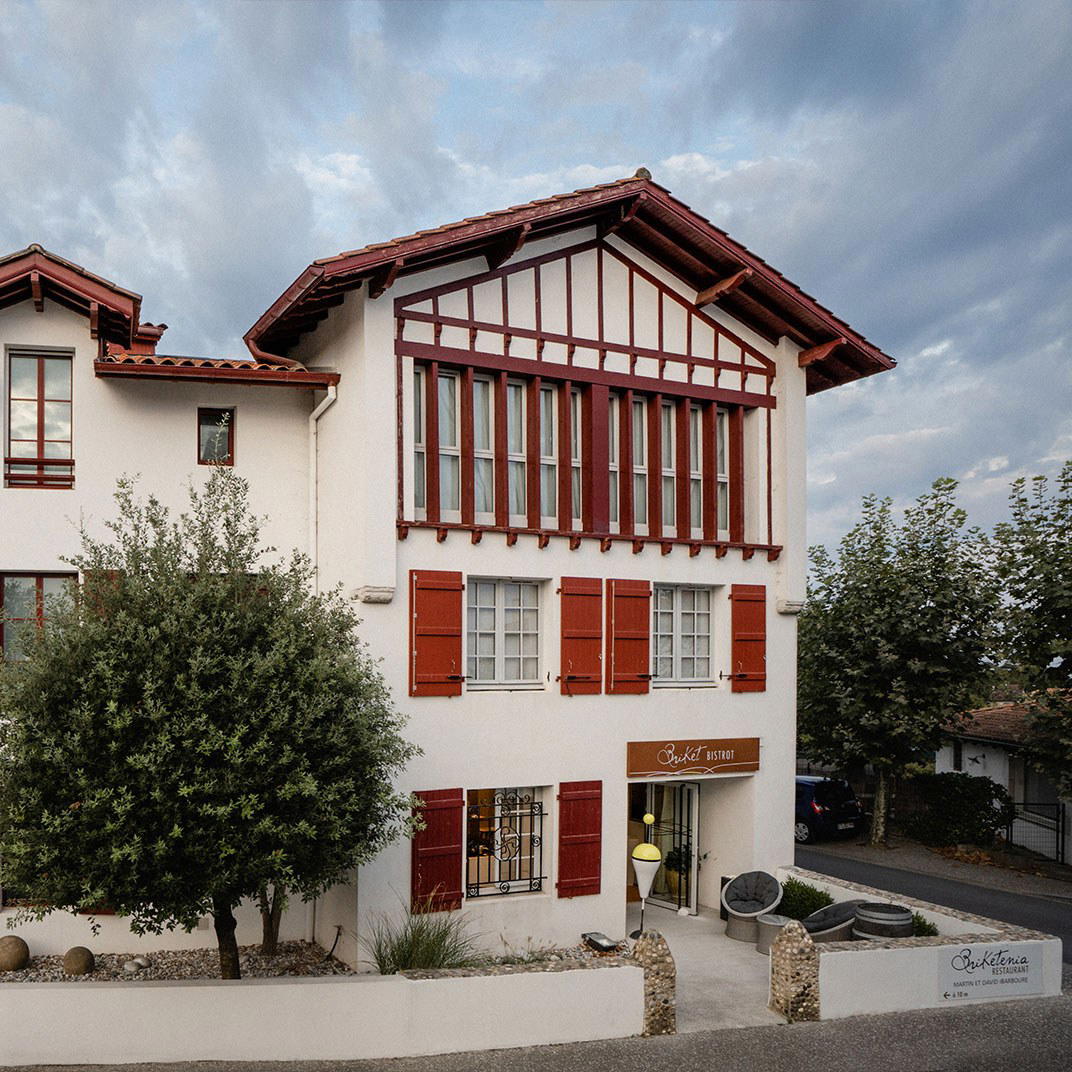
The approach to L'Auberge Basque sets the register before you reach the door. The road from Saint-Pée-sur-Nivelle climbs through pasture and oak-lined lanes, and the silhouette of La Rhune — the 905-metre mountain that anchors the Basque interior — fills the horizon to the south. The building itself is an old Basque farmhouse extended by a contemporary wing, and the contrast is deliberate: exposed stone and timber beams on one side, floor-to-ceiling glass overlooking the mountain and the valley on the other. In fine weather, the terrace draws guests away from the dining room entirely, and on clear days the sight line stretches across open countryside toward the coast.
This is the physical grammar of a particular French tradition: the auberge gastronomique set in agricultural land, at a remove from the city, where the setting is part of the argument the kitchen is making. Auberge de l'Ill in Illhaeusern and Auberge du Vieux Puits in Fontjoncouse work in the same format: a destination outside the urban circuit, guestrooms to extend the stay, and a menu that points toward the surrounding land as its primary source. Bras in Laguiole operates on the same logic at higher altitude. The format rewards the effort of getting there by making the journey part of the experience rather than a concession to it.
The Training Behind the Menu
French gastronomy's career ladder is unusually well-documented, and a chef's CV functions as a kind of culinary genealogy. Cédric Béchade trained at the Hôtel du Palais in Biarritz, one of the grand palace hotels of the Atlantic coast, and then moved to the Plaza Athénée in Paris, where he worked alongside Jean-François Piège. That sequence places him in the classical French tradition at its most technically demanding: palace hotel kitchens that operate at volume and at standard simultaneously. The lineage matters because it explains what the menu is doing. Béchade is not a self-taught regionalist or a product of the natural-wine-and-foraged-herbs school; he is a trained classicist who has chosen to direct that technique toward the ingredients of the Basque Country specifically.
The result sits in a category that French gastronomy has increasingly moved toward: chefs with serious Parisian or palace hotel credentials who relocate to a region and use classical training as a frame for local produce rather than as an end in itself. Flocons de Sel in Megève operates in a comparable register, as does Mirazur in Menton, where the departure from a major culinary capital toward a specific terrain becomes the defining editorial choice. At L'Auberge Basque, that terrain is the Basque Country, a region with its own strong culinary identity, indigenous produce, and proximity to both the Atlantic and the Pyrenean interior.
Terroir as Method
The Michelin Guide's 2025 distinction for L'Auberge Basque comes with two signals: the star itself, and an additional recognition as an Expression of the Terroir. That second designation is not automatic with a star, it is awarded separately to restaurants where the sourcing and the sense of place are considered integral to the cooking's identity, not incidental to it. In the Basque Country context, that means working with a food culture that already has strong claims on European culinary identity: Iberian-influenced charcuterie traditions, exceptional seafood from the Bay of Biscay, piment d'Espelette (the only French chili pepper with AOP status), and cheeses including Ossau-Iraty. The kitchen's orientation toward ingredients sourced as close as possible to the region is not a marketing position; it is the Michelin inspector's own reading of what the menu communicates.
Menu's creative framework places it in a different category from the more traditionalist Basque kitchens of the interior. L'Auberge Basque operates at €€€€ pricing, the same bracket as Alléno Paris au Pavillon Ledoyen and AM par Alexandre Mazzia in Marseille, which signals a tasting-menu format with serious mise en place and kitchen infrastructure behind it. The creative cuisine designation means the menu moves beyond regional representation into original combinations and techniques, using terroir as raw material rather than as a constraint. Dishes cited in Michelin's own coverage include baby squid served with its ink, and a dessert built around yuzu sourced from the nearby village of Ahyerre, an ingredient that situates the kitchen in a Japan-aware conversation with French pastry without abandoning the local sourcing premise. Arpège in Paris and Cocina Hermanos Torres in Barcelona occupy adjacent creative territory, each working through a strongly articulated sourcing philosophy at comparable price points.
Where It Sits in the French Auberge Tradition
Auberge format has survived in French gastronomy partly because it solves a structural problem: how to justify a destination meal at high price points when the food alone may not be sufficient reason to travel. The guestrooms at L'Auberge Basque convert a two-hour dinner into a longer stay, and the setting, mountain views, terrace, the rhythm of the Basque countryside, provides the context that makes the meal cohere. Paul Bocuse's Auberge du Pont de Collonges established the template for the grand destination auberge; Troisgros - Le Bois sans Feuilles in Ouches is a more recent iteration, where relocation to the countryside became an opportunity to rethink the entire hospitality proposition. L'Auberge Basque fits within that lineage while operating at a single-star register that makes it more approachable than the three-star country houses it references.
For the Basque Country specifically, the restaurant positions itself as the starred option between the high-volume pintxos culture of San Sebastián and the higher-priced fine dining of the Spanish side. Assiette Champenoise in Reims and Au Crocodile in Strasbourg represent comparable regional anchor points in other parts of France: starred restaurants that define the high-end of their specific geography rather than competing directly with the Parisian three-star tier.
Getting There and Planning the Visit
L'Auberge Basque sits at 745 Vieille Route de Saint-Pée, with GPS coordinates 43.3677, -1.5845, and access from the A63 motorway at exit 3 (Saint-Jean-de-Luz Nord). Biarritz airport is 12 kilometres away, making it one of the more accessible country-house restaurants of its type in France, a short transfer from an international hub rather than a half-day drive from the nearest city. The train to Saint-Jean-de-Luz connects to the national rail network, though a car is practical for the final approach. The terrace is the favoured option in summer, and the guestrooms make an overnight stay sensible given the distance from most urban departure points. For those building a longer visit to the Basque Country, the area around Saint-Pée-sur-Nivelle supports a full trip: see our full Saint-Pée-sur-Nivelle restaurants guide, our full Saint-Pée-sur-Nivelle hotels guide, our full Saint-Pée-sur-Nivelle bars guide, our full Saint-Pée-sur-Nivelle wineries guide, and our full Saint-Pée-sur-Nivelle experiences guide for broader area coverage.
Frequently asked questions
Is La Table de Cédric Béchade appropriate for children?
Is the atmosphere formal or casual?
What is the signature dish at La Table de Cédric Béchade?
Comparison Snapshot
| Venue | Cuisine | Price | Awards |
|---|---|---|---|
| La Table de Cédric Béchade - L'Auberge BasqueThis venue — the venue you are viewing | Modern Basque Gastronomique | $150–200 | 1 Michelin Star · Relais Chateaux Award |
| Alléno Paris au Pavillon Ledoyen | Creative | Not listed | Michelin 3 Star |
| Kei | Contemporary French, Modern Cuisine | Not listed | Michelin 3 Star |
| L'Ambroisie | French, Classic Cuisine | Not listed | Michelin 3 Star |
| Le Cinq - Four Seasons Hôtel George V | French, Modern Cuisine | Not listed | Michelin 3 Star |
| Plénitude | Contemporary French | Not listed | Michelin 3 Star |
Recognition history
Dated appearances from independent guides and award organizations, with the underlying list record or original source where available.
Michelin 1 Star
Michelin
Relais Chateaux Award
Relais Chateaux
Gault & Millau Remarkable Restaurant
Gault & Millau
Full recognition history (6 entries)
Michelin 1 Star
Michelin
Relais Chateaux Award
Relais Chateaux
Michelin 1 Star
Michelin
Continue exploring
More in Saint-Pée-sur-Nivelle
Restaurants in Saint-Pée-sur-Nivelle
Browse all →
Bars in Saint-Pée-sur-Nivelle
Browse all →
Details
- Romantic
- Elegant
- Sophisticated
- Scenic
- Date Night
- Special Occasion
- Celebration
- Business Dinner
- Terrace
- Garden
- Hotel Restaurant
- Private Dining
- Panoramic View
- Sommelier Led
- Farm To Table
- Local Sourcing
- Organic
- Mountain
- Garden
- Tasting Menu
- A La Carte
- Prix Fixe
- Wine
- Cider
- Vegetarian Friendly
- Allergy Accommodating
Current opening hours
- Monday
- 12–3 PM, 7–11 PM
- Tuesday
- 12–3 PM, 7–11 PM
- Wednesday
- 12–3 PM, 7–11 PM
- Thursday
- 12–3 PM, 7–11 PM
- Friday
- 12–3 PM, 7–11 PM
- Saturday
- 12–3 PM, 7–11 PM
- Sunday
- 12–3 PM, 7–11 PM
Hours can change for holidays and private events. Last verified .
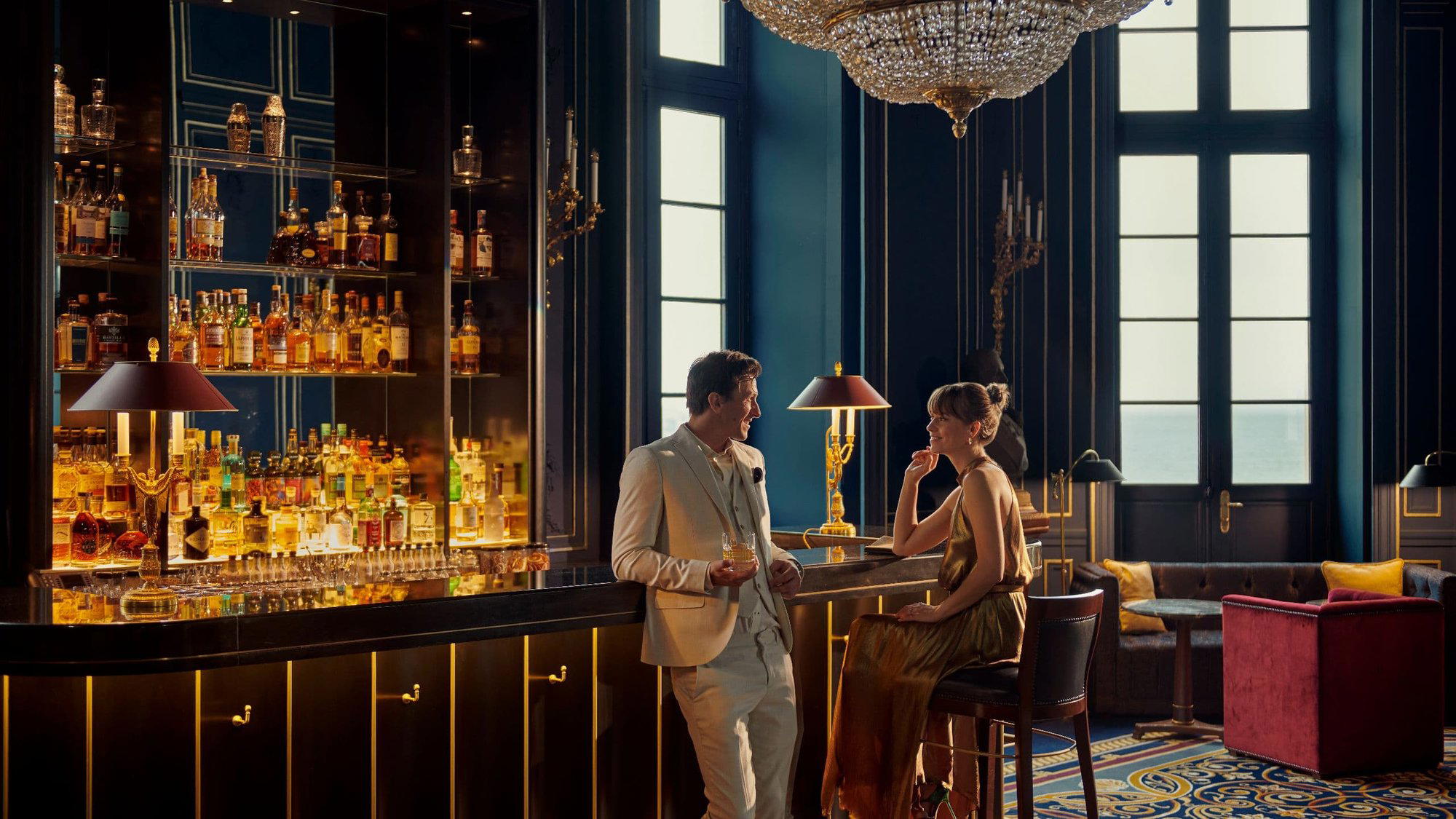
Refined and warm contemporary setting within a 17th-century Basque farmhouse with elegant decor, soft lighting, and views overlooking the Rhune mountain and countryside.