
Michelin Plate
Our verdict
In Petit Bayonne, Goxoki has built its reputation on the seasonal cooking that defines this corner of the French Basque Country. At the €€ price tier, it sits within a compact neighbourhood scene that balances tradition with a new wave of creative addresses.

Pearl is the En Primeur Club membership app, where members save venues, book tables and use the concierge.
Petit Bayonne and the Case for Seasonal Tradition
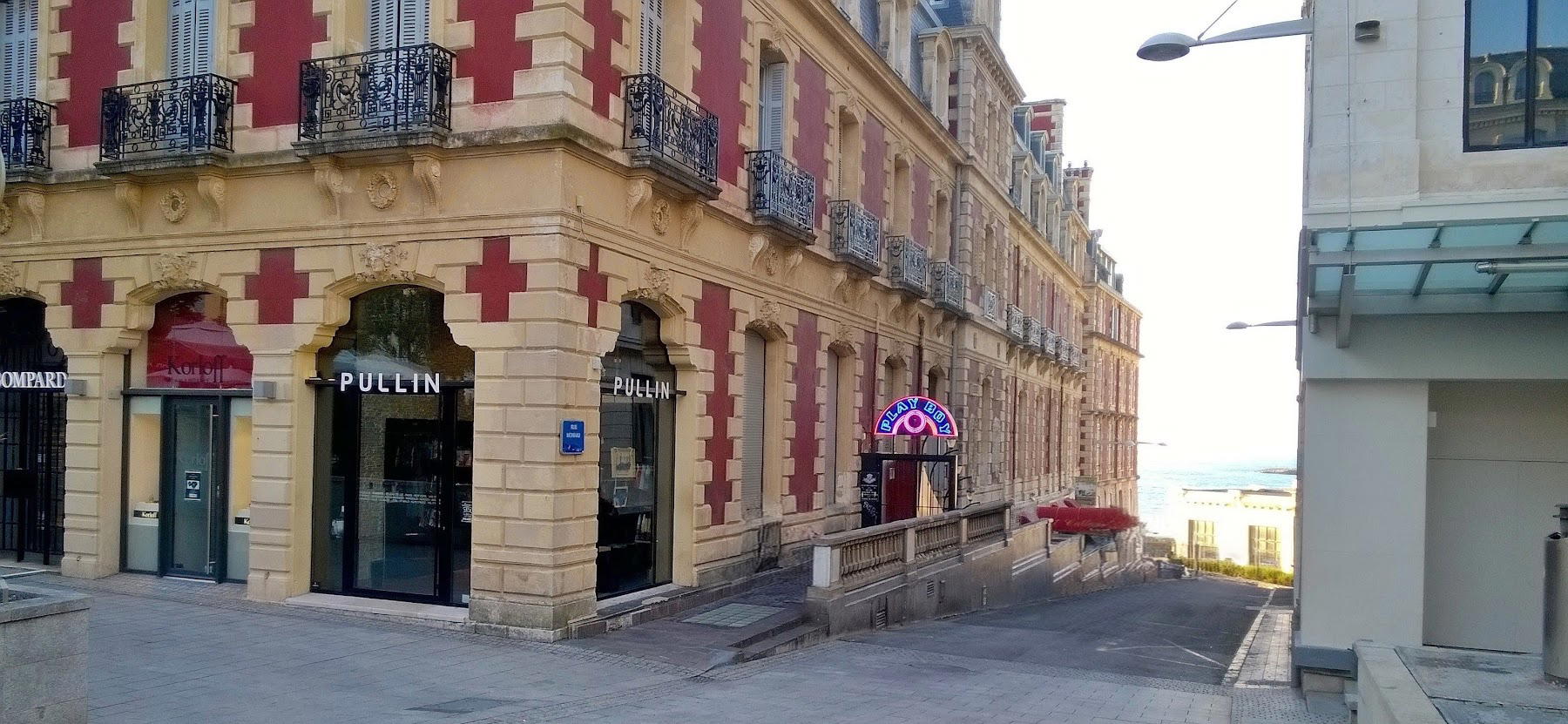
The neighbourhood of Petit Bayonne sits on the left bank of the Nive, a few minutes from the covered markets and the arcaded streets of Grand Bayonne. It has historically been the more working-class, less tourist-facing side of the city, the side where locals eat. That character has shaped the kind of restaurants that have taken root here: less performative, more anchored to produce and season. Goxoki, at 24 Rue Marengo, is a direct expression of that tradition. The name itself, meaning "an inviting place" in Basque, signals an intent that the address has spent years earning through consistency rather than spectacle.
The French Basque Country occupies a specific position in France's regional cooking traditions. It is not the high-altitude, mountain-herb territory of Flocons de Sel in Megève, nor the Mediterranean-influenced synthesis that has made Mirazur in Menton one of France's most discussed addresses. Bayonne sits at a cultural and geographic crossroads: Atlantic fish, Pyrénéen game, Spanish border influences, and a deep-rooted Basque identity that resists being folded into generic southwestern French cooking. The leading tables here navigate that particularity without theatrics.
The Seasonal Menu and What It Prioritises
Goxoki's kitchen concentrates on local seasonal produce, with the game menu forming the clearest expression of this approach. In autumn and into winter, the menu takes on considerable weight: fillet of wood pigeon, pithiviers of the legs, hare à la royale, and wild turbot with beurre blanc represent the kind of cooking that requires both sourcing discipline and technical confidence. These are not casual preparations. Hare à la royale, in particular, carries significant culinary history in France, a dish debated since the nineteenth century, demanding long braising and precise sauce work. Its presence on a neighbourhood menu at the €€ tier says something specific about what this kitchen is prepared to do.
Wild turbot with beurre blanc pulls in the other direction: Atlantic coast, Basque waters, the clean restraint of butter and acid against a firm, slow-cooked fish. This combination of land and sea, game and coast, appears throughout the cooking traditions of the French Basque Country. Goxoki's menu navigates that duality with what its regulars apparently return to find: generous, considered plates without the editorial distance of a tasting menu format.
For comparison within the wider tradition of French regional cooking that takes terroir seriously, addresses such as Bras in Laguiole, Troisgros - Le Bois sans Feuilles in Ouches, and Auberge de l'Ill in Illhaeusern set benchmarks at higher price points and with significant institutional recognition. Goxoki occupies a different tier: family-run, neighbourhood-embedded, priced accessibly, but working within the same respect for regional produce that defines France's most serious regional tables. The equivalent comparison in a different geographic tradition might be Auberge Grand'Maison in Mûr-de-Bretagne, or across the border into Asturias, Auga in Gijón, addresses where the institutional weight is lower but the kitchen's relationship with local produce is not.
The Hourcastagnou Family and the Logic of Family-Run Restaurants
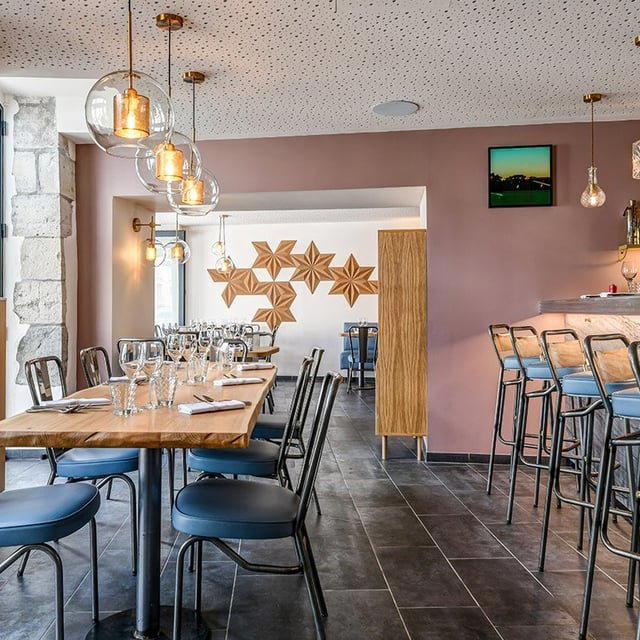
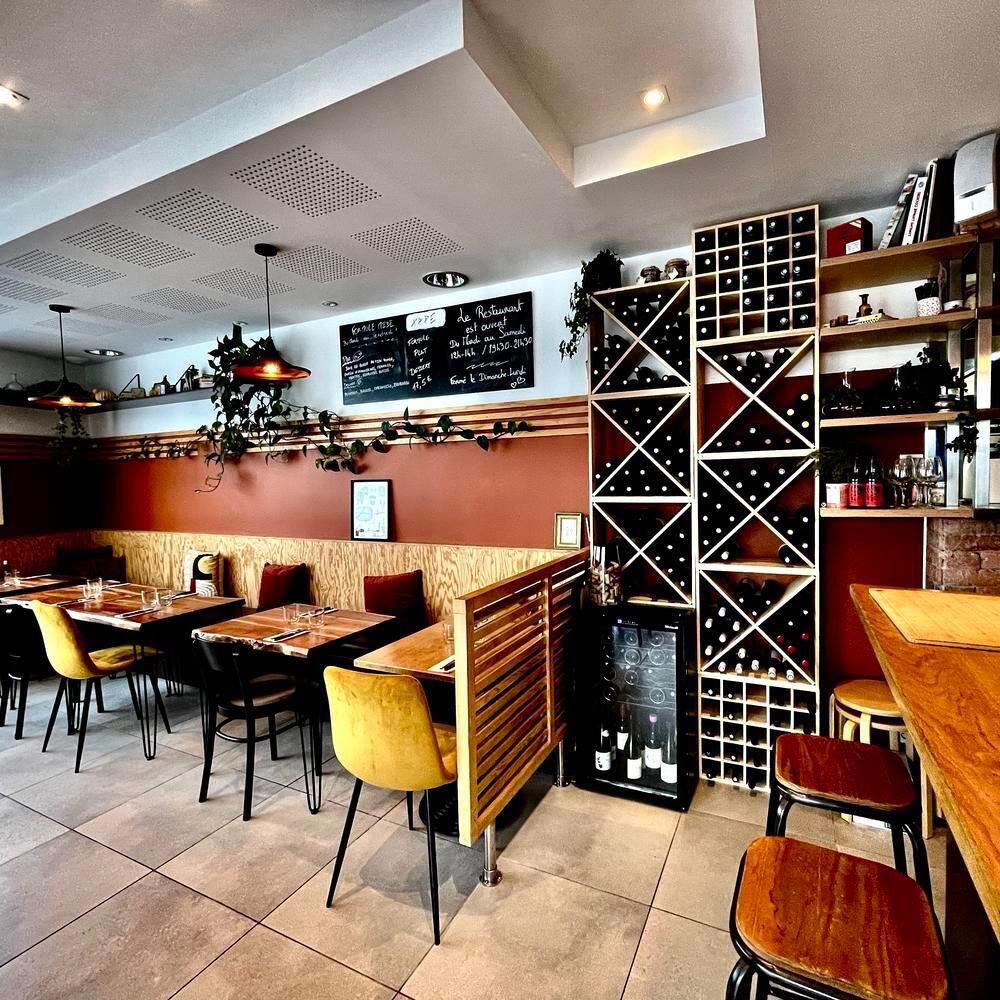
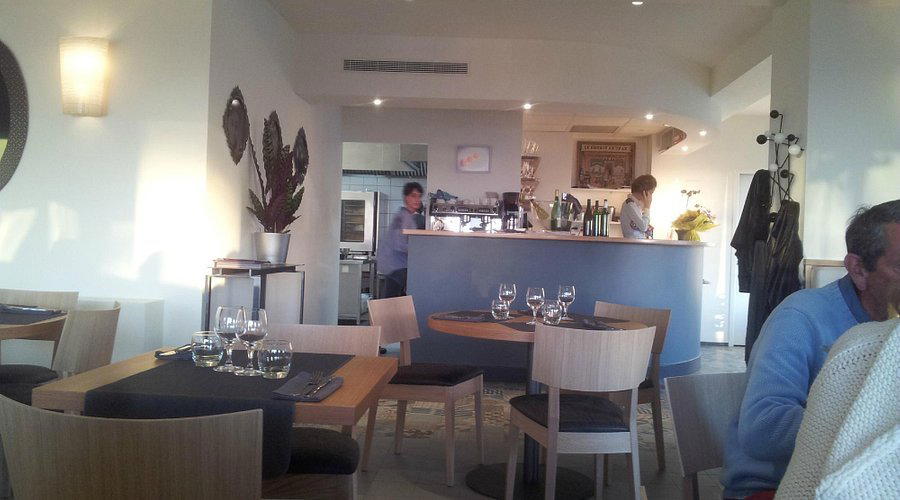
Family-run restaurants in France carry a specific cultural logic. The continuity across generations, of supplier relationships, of recipes, of a dining room's character, produces something that hired teams in corporate restaurant groups rarely replicate. In the French Basque Country, this model has particular resonance. The region's culinary identity has been transmitted through family kitchens, both domestic and professional, in ways that formal culinary institutions have only partially codified. The Hourcastagnou family's operation of Goxoki places the address inside that tradition. The dining room is described as timelessly elegant, which in this context means a room that has not been redesigned to follow hospitality trends but has been maintained with care over time.
For a neighbourhood address without the amplification of major awards recognition, that volume of positive feedback reflects repeat custom and word-of-mouth consistency rather than a single spike from media attention. Regulars returning to a game menu is a behaviour pattern associated with restaurants that have built genuine loyalty around specific seasonal moments, not venues riding a trend.
Bayonne's Broader Restaurant Scene
Bayonne's dining scene at the €€ tier covers a wider range of approaches than the city's modest international profile might suggest. La Grange operates in the same traditional cuisine category as Goxoki. Basa works a creative register, while Nuance and Relief represent the city's modern cuisine offer. La Table - Sébastien Gravé brings a farm-to-table framework into the mix. In that context, Goxoki's commitment to traditional technique and seasonal game gives it a distinct position, it is competing on the depth of its relationship with Basque produce rather than on novelty of format.
For visitors building a broader picture of what Bayonne offers, the full Bayonne restaurants guide covers the city's range across styles and tiers. The Bayonne hotels guide, bars guide, wineries guide, and experiences guide round out the planning picture for the city.
France's most ambitious regional tables, Alléno Paris au Pavillon Ledoyen at the uppermost end of the French fine dining register, operate in a fundamentally different economy of scale and recognition. Goxoki does not compete in that space. It holds a different role: the neighbourhood table that a city's residents actually use, season after season, because it does the things it does with consistency and without pretension.
Planning a Visit
Goxoki is at 24 Rue Marengo in Petit Bayonne, on the left bank of the Nive. The €€ price positioning makes it one of the more accessible serious tables in the city. The game menu makes autumn through early winter the most purposeful time to visit, when wood pigeon, hare, and the kitchen's more elaborate preparations are in season.
What dish is Goxoki famous for?
Goxoki is most closely associated with its seasonal game menu. Hare à la royale and fillet of wood pigeon with pithiviers of the legs are the preparations that bring regulars back through the autumn and winter months. Wild turbot with beurre blanc anchors the coastal side of the menu. These dishes collectively reflect the French Basque kitchen's position at the intersection of Atlantic produce and Pyrénéen game, specific to the region and requiring sourcing relationships and technical preparation that most casual addresses at this price tier do not attempt.
Cost Snapshot
Comparable venues nearby, for context on price, style, and recognition.
| Venue | Cuisine | Price | Awards | Notes |
|---|---|---|---|---|
| GoxokiThis venue (the venue you are viewing) | French Gastronomic Brasserie | $50–100 | Michelin Plate | Not listed |
| La Table - Sébastien Gravé | Modern Basque Bistronomie | $50–100 | Michelin Plate | Petit Bayonne, Modern Basque Bistronomie |
| Nuance | Modern French Fine Dining | $50–100 | Michelin Plate | Petit Bayonne, Modern French Fine Dining |
| Relief | Modern French Bistronomic | Not listed | Michelin Plate | Saint Esprit, Modern French Bistronomic |
| Germaine | Modern French Creative | $50–100 | Michelin Plate | Quai Amiral Dubourdieu, Modern French Creative |
| Basa | Modern French Brasserie with Basque and Asian Influences | $30–50 | Michelin Plate | centre de Bayonne, Modern French Brasserie with Basque and Asian Influences |
Recognition history
Dated appearances from independent guides and award organizations, with the underlying list record or original source where available.
Michelin Plate
Michelin
Full recognition history (2 entries)
Michelin Plate
Michelin
Continue exploring
More in Bayonne
Restaurants in Bayonne
All restaurants in Bayonne →
Details
- Cozy
- Elegant
- Modern
- Intimate
- Date Night
- Special Occasion
- Open Kitchen
- Extensive Wine List
- Sommelier Led
- Local Sourcing
- Set Menu
- A La Carte
Current opening hours
- Monday
- 12–1:30 PM, 7:30–10 PM
- Tuesday
- 12–1:30 PM, 7:30–10 PM
- Wednesday
- 7:30–10 PM
- Thursday
- 7–10 PM
- Friday
- 12–1:30 PM, 7:30–10 PM
- Saturday
- 12–1:30 PM, 7:30–10 PM
- Sunday
- 12–1:30 PM
Hours can change for holidays and private events. Hours as of .
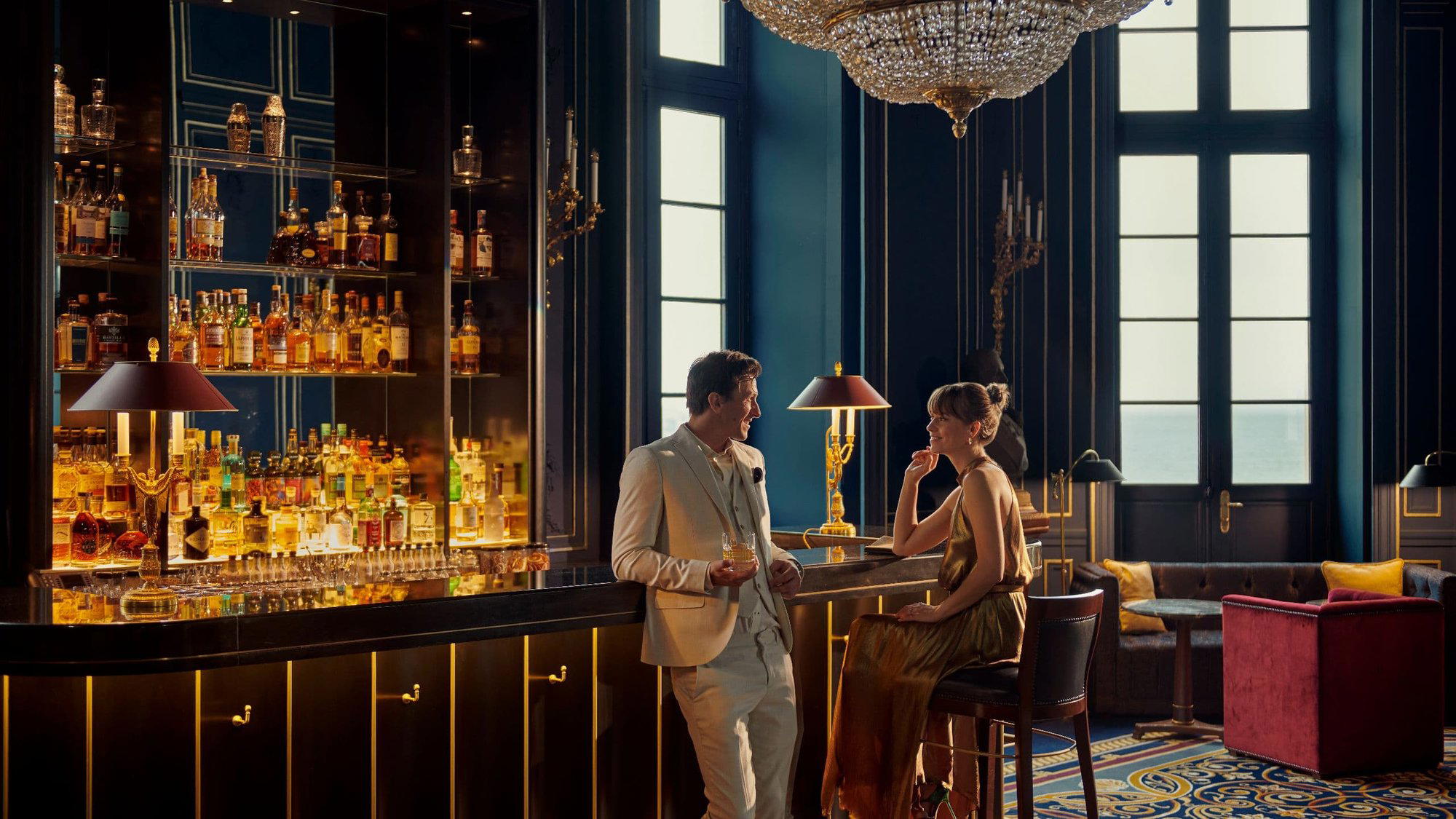
Elegant and intemporel decor blending ancient stone with contemporary touches, warm and convivial atmosphere with modern interior.