

Michelin Plate · Relais Chateaux Award
Our verdict
A Michelin Plate recipient on the Route de Murs in Joucas, La Table du Mas brings modern cuisine to the heart of the Luberon at a €€€ price point. The kitchen works within the Provençal tradition of letting regional produce carry the menu, positioning it as a more accessible but serious alternative to the starred tables nearby. For visitors exploring the Luberon's dining circuit, it earns a place in the itinerary on its own terms.

Pearl is the En Primeur Club membership app — saves, bookings, and concierge access live there. Same editors, same standards.
- Address
- Rte de Murs, 84220 Joucas, France
- Phone
- +33 (0)4 90 05 79 79
- Hours
- Mon–Wed 12–4 PM, 7:30 PM–12 AMThu–Sun 12–4 PM
- Website
- ib.guestonline.fr
- Directions
- Get directions
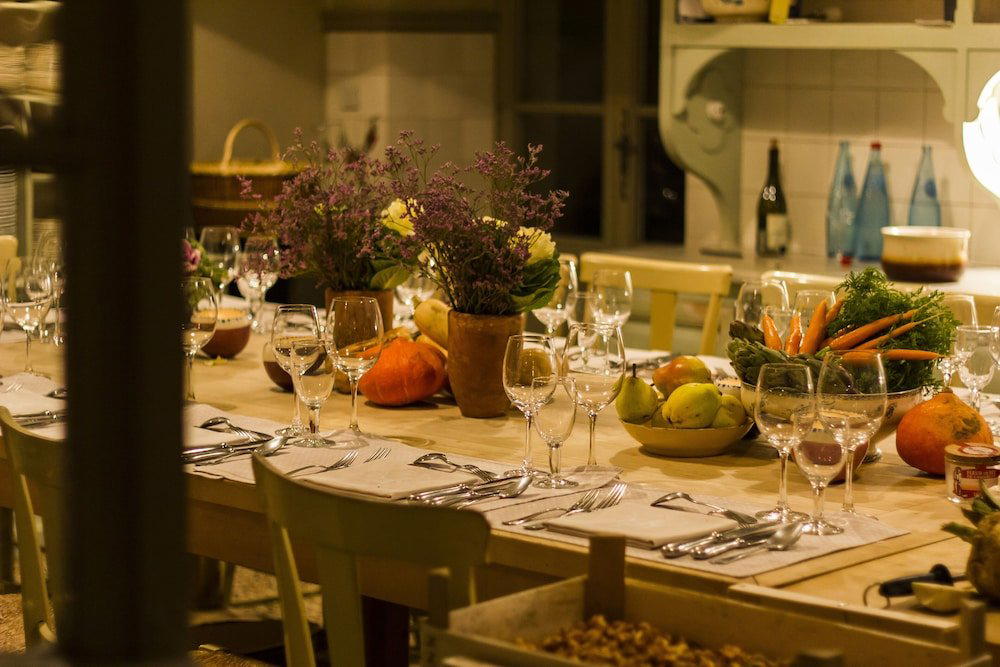
Stone, Light, and the Logic of Provençal Produce
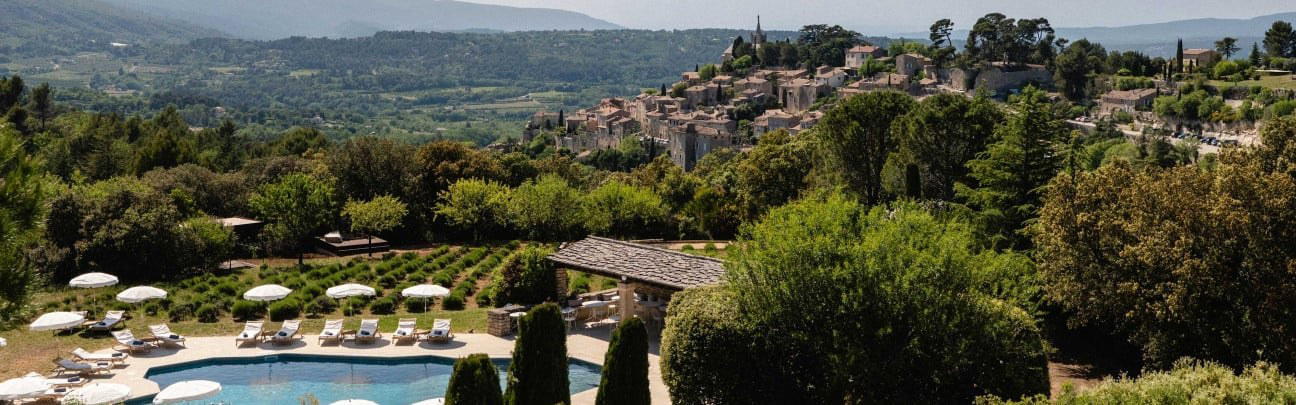
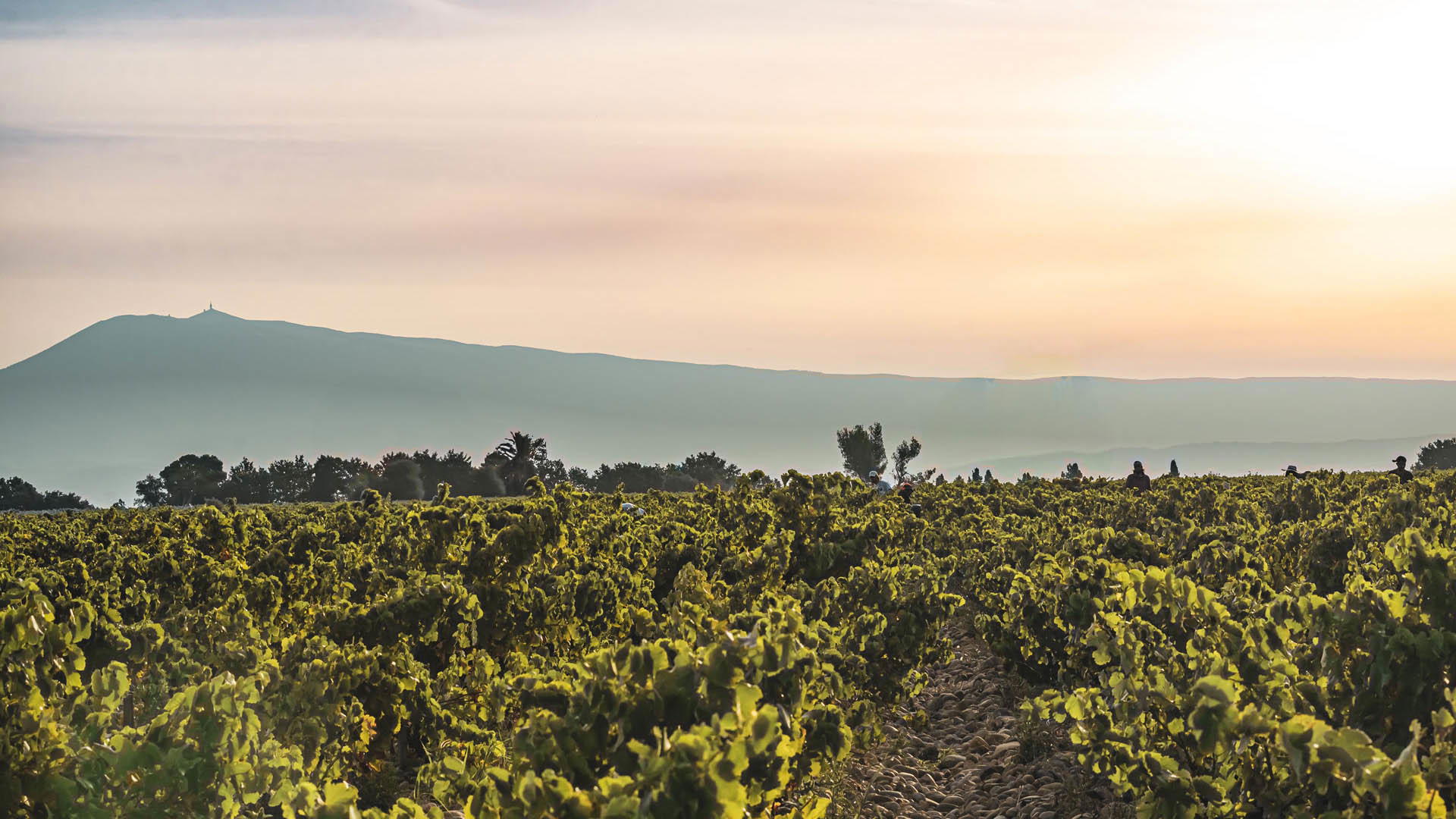
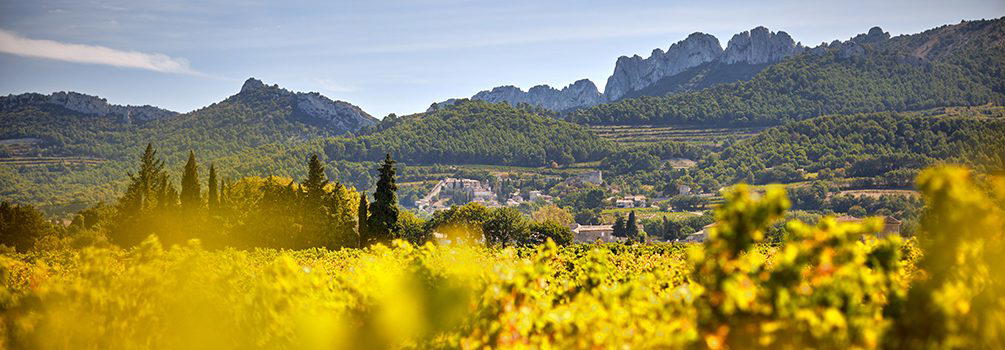
The road between Joucas and Murs cuts through limestone plateau country where the Luberon's agricultural logic becomes visually legible: lavender fields giving way to herb-scented scrubland, market gardens pressing up against dry-stone walls, and orchards that follow the contours of the terrain rather than any imposed geometry. Arriving at La Table du Mas along this route, the setting does the contextual work before a single dish arrives. This is a part of France where the argument for ingredient-led cooking is made by the land itself, and the restaurant operates within that framework honestly.
In the Luberon and the broader Vaucluse, the modern cuisine category covers a wide spectrum. At one end sit Michelin-starred addresses with tasting menus priced to match the ambition. At the other, village bistros that trade on regionality without particular technical depth. La Table du Mas, carrying a Michelin Plate recognition in 2024, occupies a considered middle position: cooking that takes its produce seriously, presented at a €€€ price point that sits below the starred tier but above the casual end of the village restaurant circuit. For context, La Table de Xavier Mathieu in the same village holds a Michelin star and prices at €€€€, which places La Table du Mas in a distinct bracket: accessible enough for multiple visits during a Luberon stay, but not a compromise on substance.
The Ingredient Case: Why Provençal Sourcing Matters Here
The Vaucluse sits within one of France's most concentrated agricultural zones. The Luberon's elevation and limestone soils produce herbs, vegetables, and stone fruits with an intensity that chefs in Paris pay significant premiums to access. For a kitchen operating directly in this territory, the sourcing advantage is structural rather than aspirational. The tomatoes, courgettes, aubergines, and aromatics that define the Provençal pantry are not shipped in for effect; they arrive because the supply chain starts nearby.
This matters to how modern Provençal cooking should be read. In France's broader fine dining circuit, where restaurants like Mirazur in Menton have built international reputations on hyperlocal sourcing philosophy, or where Bras in Laguiole has made the argument for regional terroir at the highest level, the principle of letting local ingredients define the menu is well-established as a mark of culinary seriousness. At the Michelin Plate level, the recognition signals that the execution is consistent and the kitchen is working with genuine intent, even without the additional complexity demanded of a starred operation.
What the Michelin Plate designation does not tell you is which direction the kitchen leans within modern cuisine. In a village like Joucas, with a population measured in hundreds rather than thousands, the practical answer is almost certainly that the menu tracks the season closely and that Provençal flavour profiles, olive oil, herbs, alliums, and stone-fruit acidity, provide the backbone for dishes that may carry more contemporary plating or technique at the margins. The honest interpretation of modern cuisine in this geography is that it usually means classical Provençal thinking expressed with current kitchen discipline, not a departure from the region's agricultural identity.
Where It Sits in the Joucas Dining Circuit
Joucas is a genuinely small village on the northern face of the Luberon, and the concentration of serious restaurants it supports is disproportionate to its size. Le Phébus & Spa - Villa des Anges and Mas des Herbes Blanches operate within the hotel-restaurant model that has long anchored Luberon hospitality, while Le Café de la Fontaine represents the more casual Mediterranean end of the village offer. La Table du Mas does not map neatly onto any of these categories, which is part of what makes it useful. It is not a hotel dining room, not a village café, and not quite a destination restaurant in the starred sense. It operates as a standalone table with a clear price-to-ambition ratio that makes sense for a certain kind of Luberon visitor: someone staying for several nights, eating well but not ceremonially, and interested in quality without the full commitment of a tasting menu evening.
For visitors building a broader picture of southern French dining, the Michelin Plate here functions as a useful calibration point. The gap between this recognition and the starred kitchens at addresses like Auberge de l'Ill or Troisgros is significant in terms of formal ambition, but within a specific geography like the Luberon, the Plate-level table often delivers the more characteristic meal. The produce is the same; the elaboration is simply calibrated differently.
Planning a Visit
La Table du Mas sits on the Route de Murs, making it most accessible by car, as Joucas itself has no train connection and public transport links across the Luberon plateau are minimal. A vehicle is the working assumption for almost any visit to this part of the Vaucluse, and the road itself provides orientation to the landscape before arrival. The €€€ pricing puts a meal here in the range of a serious evening out without the financial planning required by the four-bracket restaurants in the region. Booking ahead is advisable, particularly during the high Luberon season from late spring through August, when village restaurants at this quality level fill quickly. Hours and reservation contact are best confirmed directly with the restaurant before visiting.
Visitors who want to extend their time in Joucas or build a longer Luberon itinerary can consult our full Joucas restaurants guide, alongside our Joucas hotels guide, bars guide, wineries guide, and experiences guide. For those planning a wider circuit of French fine dining, reference points across the country range from Alléno Paris au Pavillon Ledoyen and Paul Bocuse in Collonges-au-Mont-d'Or to Flocons de Sel in Megève, each representing a different regional expression of French culinary ambition. For international modern cuisine at the highest tier, Frantzén in Stockholm and FZN by Björn Frantzén in Dubai offer useful comparative context for how the modern cuisine category operates at a different scale of investment and ambition.
Frequently asked questions
What's the pricing like at La Table du Mas?
Pricing at La Table du Mas is listed as €€€.
What's the address for La Table du Mas?
La Table du Mas is located at Rte de Murs, 84220 Joucas, France, Joucas.
Budget Reality Check
| Venue | Cuisine | Price | Awards | Notes |
|---|---|---|---|---|
| La Table du MasThis venue — the venue you are viewing | Provençal Fine Dining | $50–100 | Michelin Plate · Relais Chateaux Award | Not listed |
| La Table de Xavier Mathieu | Provençal Fine Dining | $150–200 | 1 Michelin Star · Relais Chateaux Award | Mediterranean Cuisine |
| Le Café de la Fontaine | Provençal Bistro | $50–100 | Michelin Plate · Relais Chateaux Award | Not listed |
| Mas des Herbes Blanches | Refined Provençal Gastronomy | $100–150 | Relais Chateaux Award | Not listed |
Recognition history
Dated appearances from independent guides and award organizations, with the underlying list record or original source where available.
Michelin Plate
Michelin
Relais Chateaux Award
Relais Chateaux
Full recognition history (3 entries)
Relais Chateaux Award
Relais Chateaux
Continue exploring
More in Joucas
Restaurants in Joucas
Browse all →
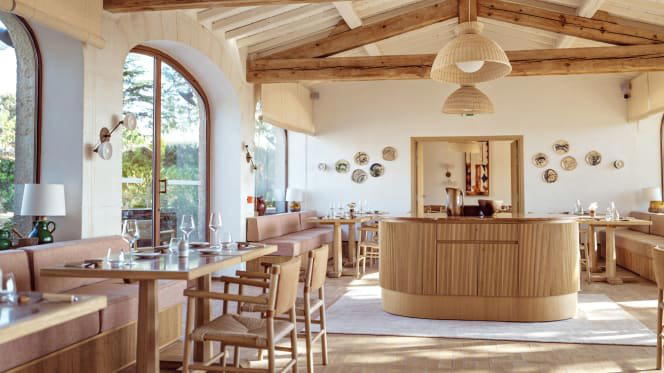
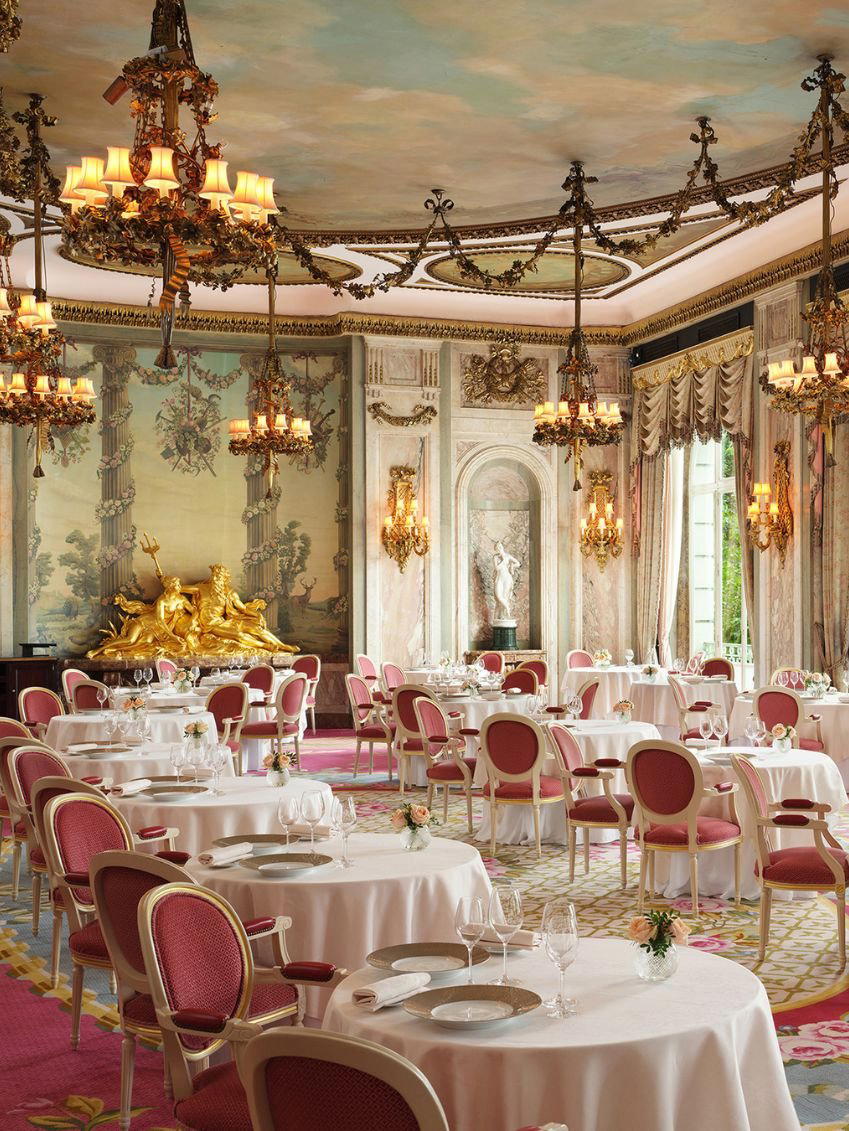
Bars in Joucas
Browse all →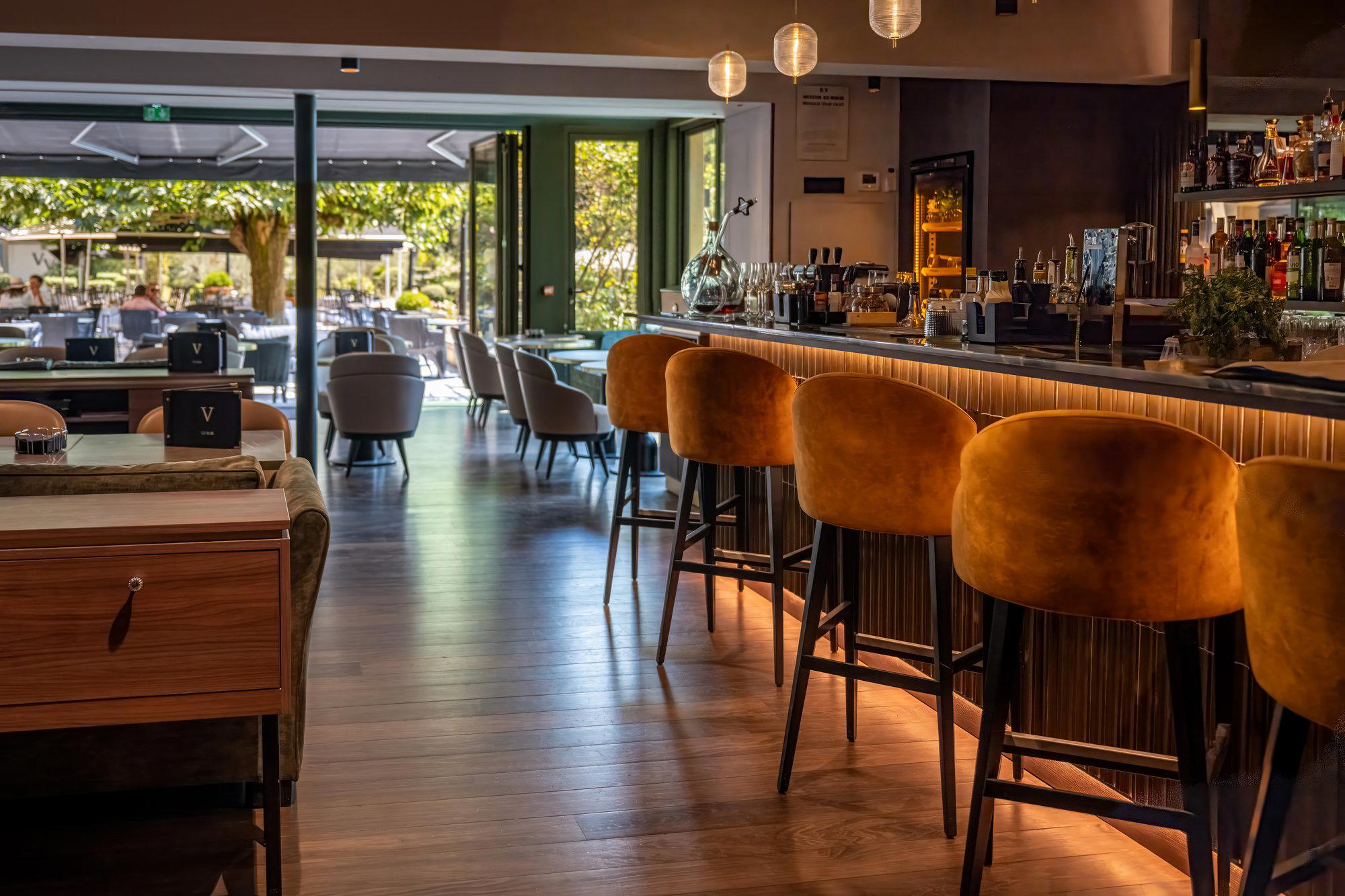
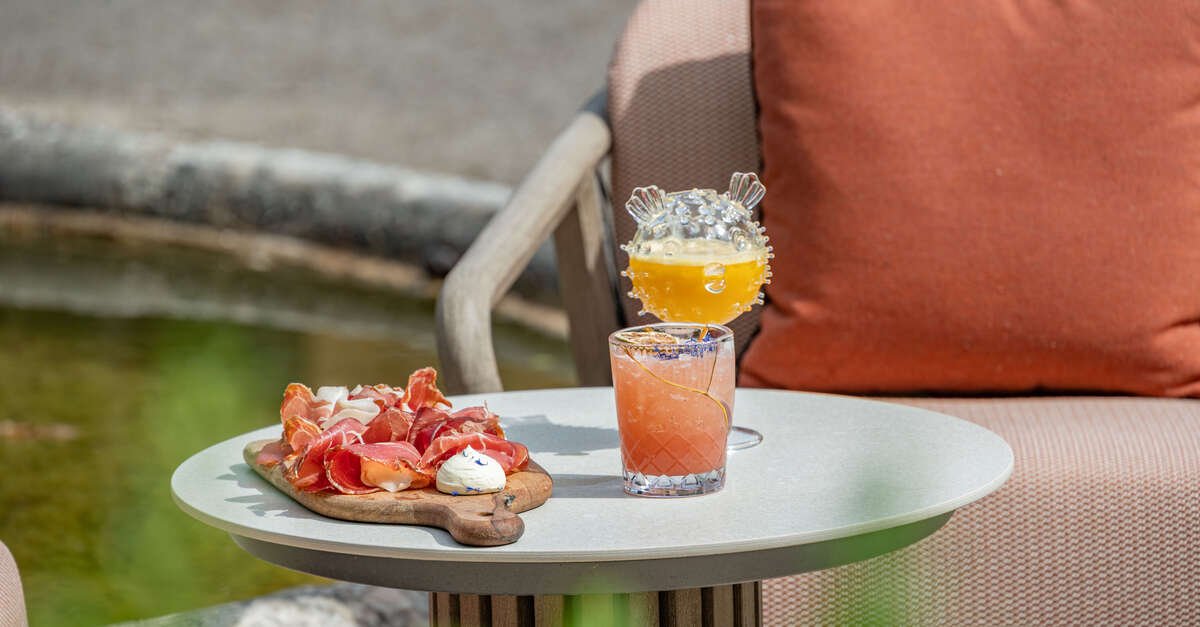
Hotels in Joucas
Browse all →
Details
- Romantic
- Elegant
- Rustic
- Scenic
- Sophisticated
- Date Night
- Special Occasion
- Celebration
- Terrace
- Panoramic View
- Hotel Restaurant
- Extensive Wine List
- Sommelier Led
- Local Sourcing
- Mountain
- Vineyard
- Tasting Menu
- A La Carte
- Vegetarian Friendly
Current opening hours
- Monday
- 12–4 PM, 7:30 PM–12 AM
- Tuesday
- 12–4 PM, 7:30 PM–12 AM
- Wednesday
- 12–4 PM, 7:30 PM–12 AM
- Thursday
- 12–4 PM
- Friday
- 12–4 PM
- Saturday
- 12–4 PM
- Sunday
- 12–4 PM
Hours can change for holidays and private events. Last verified .
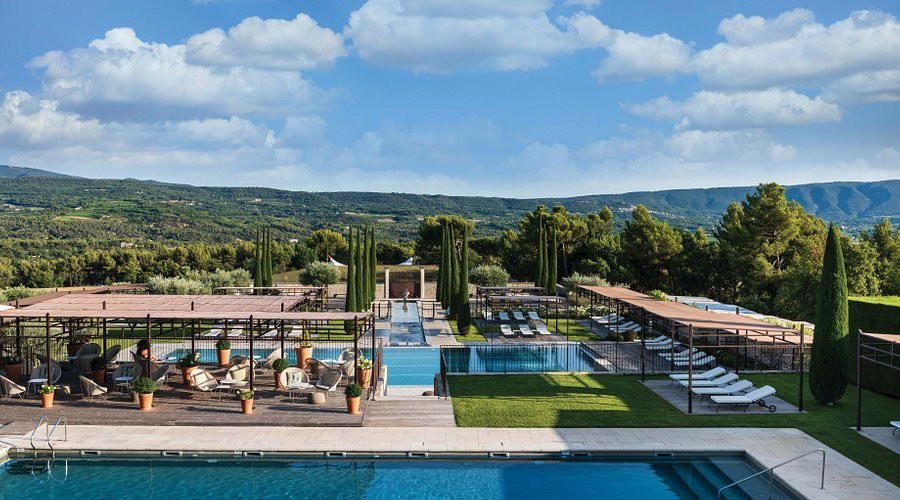
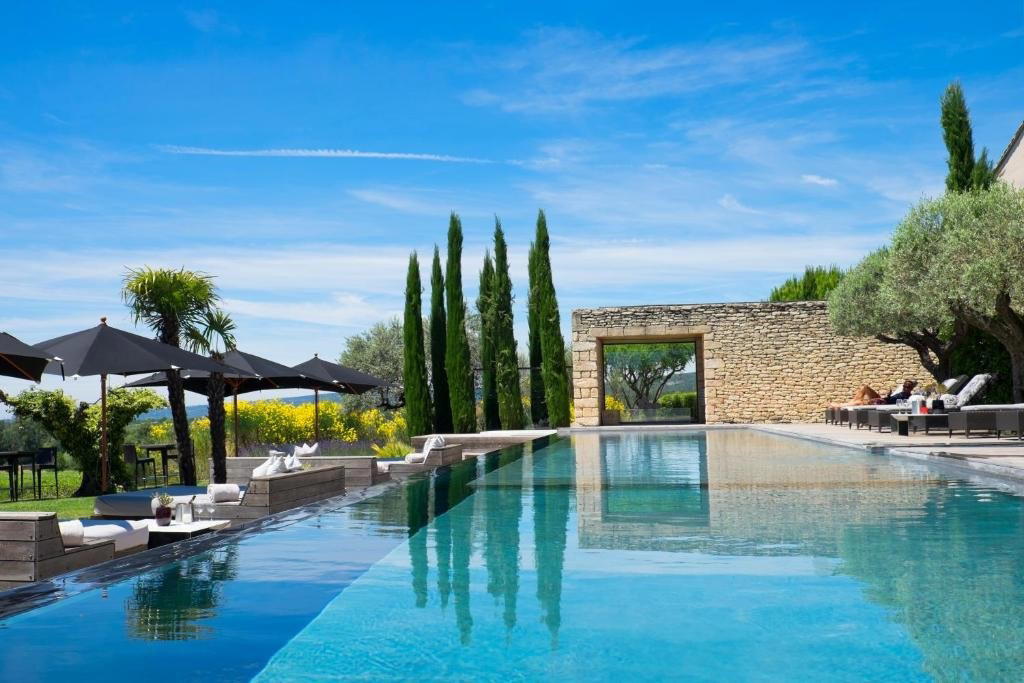
Romantic and sumptuous terrace dining under the stars with mountain vistas; classic interior described as provincial by some.