Located on Avenue Duquesne in the 7th arrondissement, La Table d'Estrées occupies a corner of Paris where civic grandeur and neighbourhood dining culture converge. The address places it squarely in a tier of Left Bank tables where sourcing credentials and kitchen discipline matter more than spectacle. For those tracking Paris's quieter sustainability turn, this is a table worth examining.
Pearl is the En Primeur Club membership app — saves, bookings, and concierge access live there. Same editors, same standards.
- Address
- 35 Av. Duquesne, 75007 Paris, France
- Phone
- +33661745649
- Website
- latabledestrees.fr
- Directions
- Get directions
 Saves & bookings on Pearl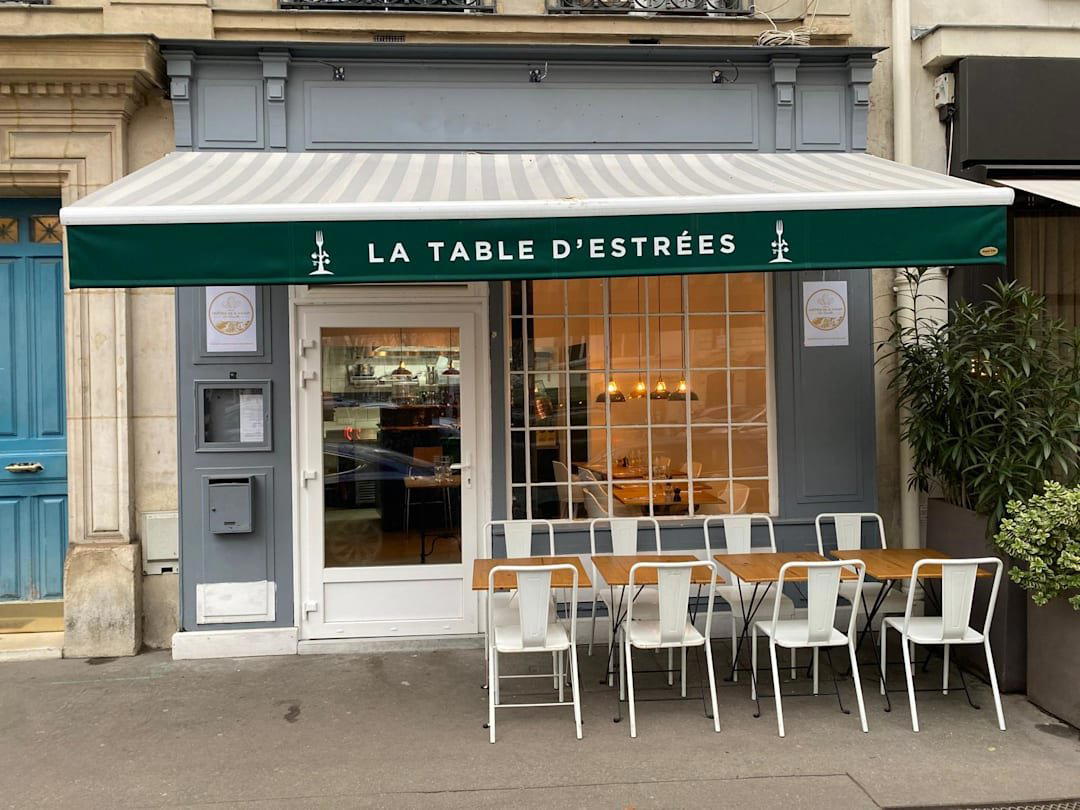
The 7th Arrondissement and the Quiet Shift in Parisian Fine Dining
Paris's 7th arrondissement has long been defined by institutional weight: ministries, military monuments, the broad avenues that fan out from the Invalides. Its restaurant culture has followed a similar logic, favouring discretion over visibility, and sustained quality over trend-chasing. In that context, the question of how a table earns its reputation here is different from how it does so in the 1st or the 8th. The neighbourhood rewards consistency and restraint, and diners who seek it out are generally more interested in what is on the plate than in who is photographing it.
That dynamic has been shifting across Paris's premium tier over the past decade. Where houses like Alléno Paris au Pavillon Ledoyen have made provenance and extraction technique central to their public identity, and where Arpège built its reputation around a kitchen garden long before farm-to-table became shorthand for anything, the broader Parisian dining scene has been absorbing the lesson that sourcing is not a marketing layer but a structural commitment. La Table d'Estrées is a Modern French Bistro at 35 Av. Duquesne, 75007 Paris, France.
Sourcing, Seasonality, and the Sustainability Turn in French Gastronomy
The significant movement in French fine dining over the past fifteen years has not been a technique or a trend. It has been a reckoning with supply chains. Houses that once relied on the prestige of a market name, a famous truffle supplier, or a long-standing relationship with a Rungis wholesaler have had to confront harder questions: distance, waste, carbon load, the ethics of scarcity-driven ingredients. That reckoning has produced a spectrum of responses across France.
At one end sit the deeply territorial tables: Bras in Laguiole, which has shaped its entire identity around the Aubrac plateau for decades, or Flocons de Sel in Megève, where Alpine proximity is not a concept but a logistical reality. At the other end are city restaurants that must work harder to build those same connections from within an urban context, importing the discipline of regional sourcing into a metropolitan kitchen without the geographic advantage of sitting on top of their suppliers.
Paris tables in this position have developed different strategies. Kei has built its identity around the intersection of French technique and Japanese precision, where both traditions share a structural respect for ingredient integrity. L'Ambroisie maintains its standing through an almost austere classicism that privileges quality of raw material above all else. The common thread across these different approaches is a shift of attention from the kitchen's creativity to the chain of decisions made before anything reaches the stove.
For a table on Avenue Duquesne, operating in a neighbourhood where the clientele includes diplomats, senior civil servants, and the kind of Parisian who has been eating well for forty years, the pressure to demonstrate that chain of decisions with integrity is acute. This is not an audience that is easily impressed by the language of sustainability. It responds to evidence.
The Broader French Context: Waste, Locality, and the Ethics of the Menu
France's relationship with food waste has been formalised at a policy level since 2016, when legislation made it illegal for large food retailers to destroy unsold food. That moment accelerated a broader cultural conversation about what responsible cooking actually looks like at the restaurant level. The question is no longer whether a kitchen recycles; it is whether the menu is structured to use every part of what it buys, whether portion logic reflects a genuine philosophy or a price point, and whether seasonal rotation is a real operational commitment or a decorative gesture.
Across France, several houses have made this question central to their identity in verifiable ways. Mirazur in Menton has operated around a biodynamic garden and a menu structured by lunar calendar. Troisgros in Ouches has maintained multi-generational supplier relationships that function less like contracts and more like shared custodianship of a region. Auberge de l'Ill in Illhaeusern draws its identity from the Alsatian riverine landscape in a way that makes locality structural rather than decorative. These are the benchmarks against which urban tables are increasingly measured, even when the urban context makes identical approaches impossible.
In Paris specifically, the conversation about ethical sourcing has also intersected with a broader critique of fine dining excess. The €€€€ tier, occupied by houses like Le Cinq at the Four Seasons George V, operates in a register where luxury and restraint are in productive tension. The 7th arrondissement, with its civic seriousness, tends to resolve that tension toward restraint. A table here is expected to earn its price point through substance, not spectacle.
Placing La Table d'Estrées in Its comparable set
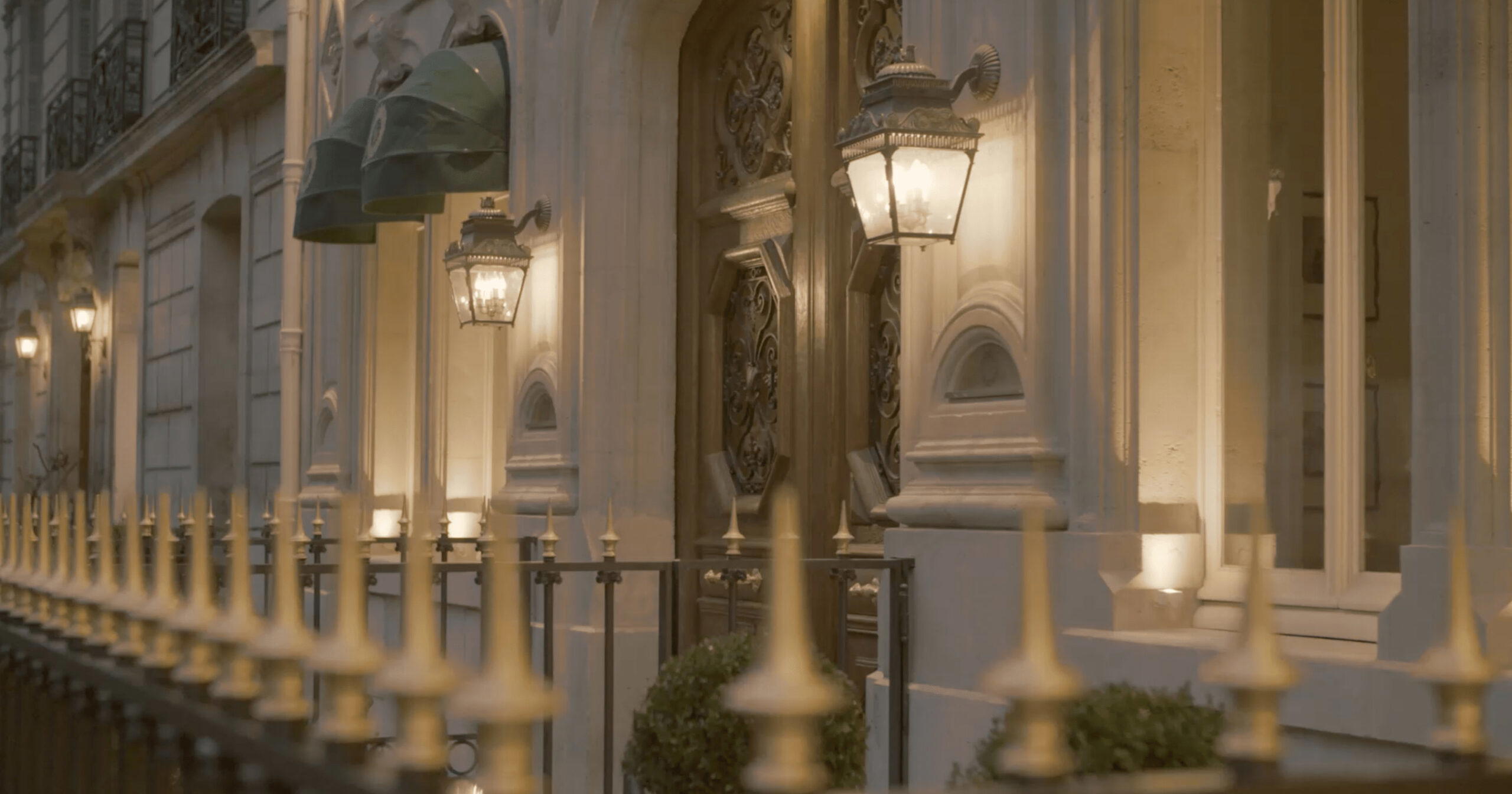
Avenue Duquesne runs from the Invalides esplanade toward the École Militaire, a short stretch of Haussmann geometry that does not announce itself as a dining destination. That invisibility is, in a sense, the point. Tables that survive and develop reputations in this part of the 7th do so on the strength of repeat custom and word-of-mouth among a socially dense neighbourhood network, not on tourist foot traffic or social media discovery cycles.
For comparison, houses like Auberge du Vieux Puits in Fontjoncouse or AM par Alexandre Mazzia in Marseille have built their identities in similarly non-obvious locations, where the absence of a famous address forces the kitchen to be the entire argument. In Paris, that dynamic plays out differently because the city's density means that an unlisted neighbourhood address can still draw a well-informed clientele. But the underlying logic is the same: the room cannot do the work the food needs to do.
Internationally, the comparison set for a Left Bank table of this type might extend to Le Bernardin in New York, where rigour and restraint define the proposition without relying on a theatrical setting, or to Atomix in New York, where a small-format counter concentrates attention entirely on what is served. Houses like Assiette Champenoise in Reims and Au Crocodile in Strasbourg represent the French provincial model of sustained quality in a non-capital context. La Table d'Estrées occupies the Parisian equivalent: a table that earns its standing through what happens in the kitchen rather than where the kitchen happens to be located.
For those visiting Paris with an interest in how the city's more serious tables are responding to the sourcing and sustainability questions now reshaping French gastronomy, the 7th arrondissement is a productive place to spend attention. The neighbourhood's character rewards the kind of diner who reads a menu carefully and notices when a kitchen is making choices with intention rather than habit. Avenue Duquesne is a reasonable place to look. The restaurant at Paul Bocuse's Auberge du Pont de Collonges represents the historical pole of French institutionalised gastronomy; La Table d'Estrées represents the quieter, less codified version of that seriousness, applied to a contemporary urban context where the questions being asked of fine dining have changed considerably.
Fast Comparison
Comparable venues nearby, for context on price, style, and recognition.
| Venue | Cuisine | Price | Notes |
|---|---|---|---|
| La Table d'EstréesThis venue — the venue you are viewing | Modern French Bistro | $$$ | Not listed |
| Market | French-Asian Fusion | $$$ | 8th Arr. - Élysée |
| Magdalena | Traditional French Brasserie | $$$ | 8th arrondissement |
| Le Bistrot des Vignes | Traditional French Bistro | $$$ | Passy |
| Le Grand Colbert | Traditional French Brasserie | $$$ | 2nd arrondissement |
| Un jour à Peyrassol | Provençal Truffle Bistro | $$$ | Vivienne |
Continue exploring
More in Paris
Restaurants in Paris
Browse all →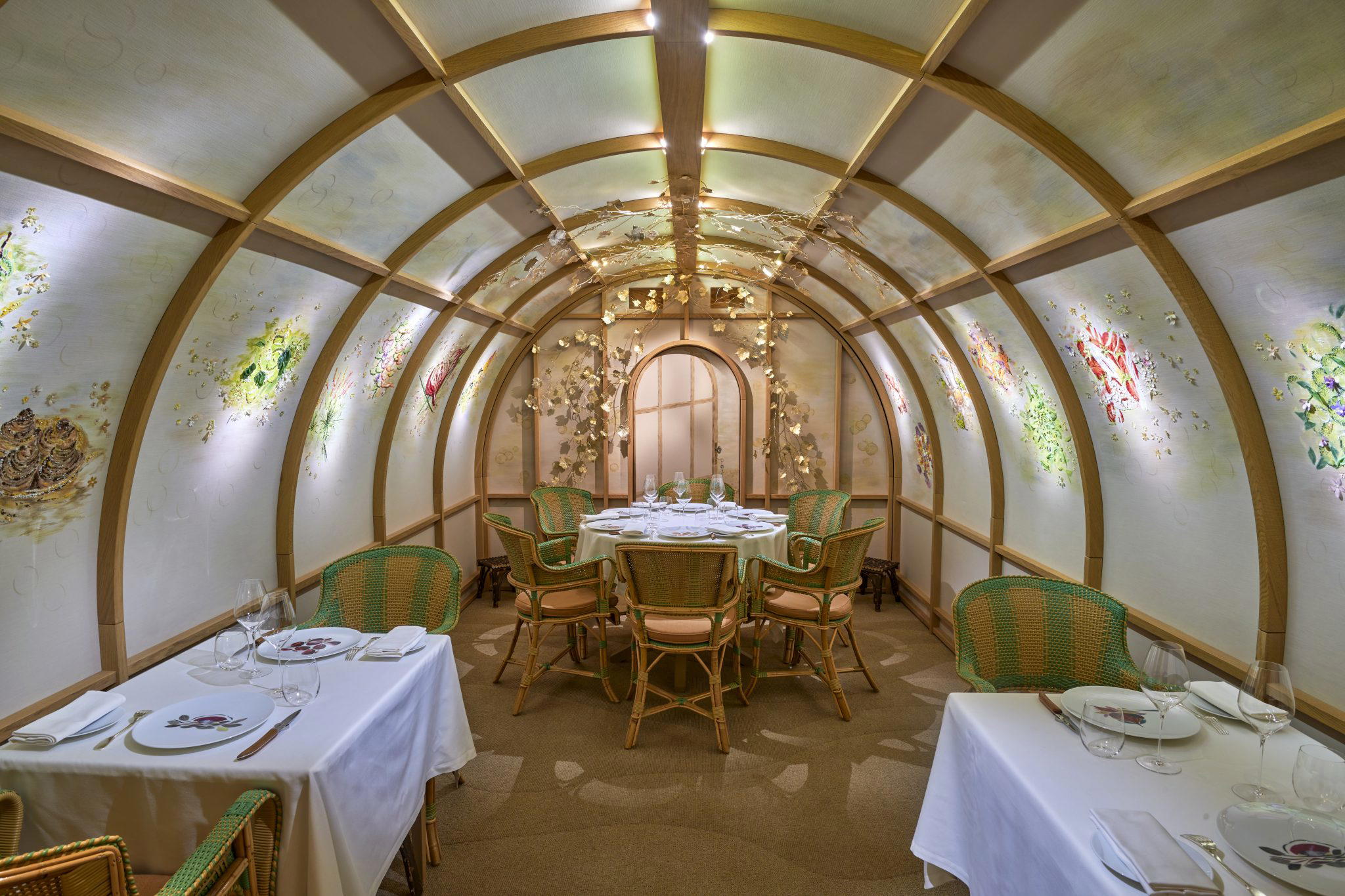
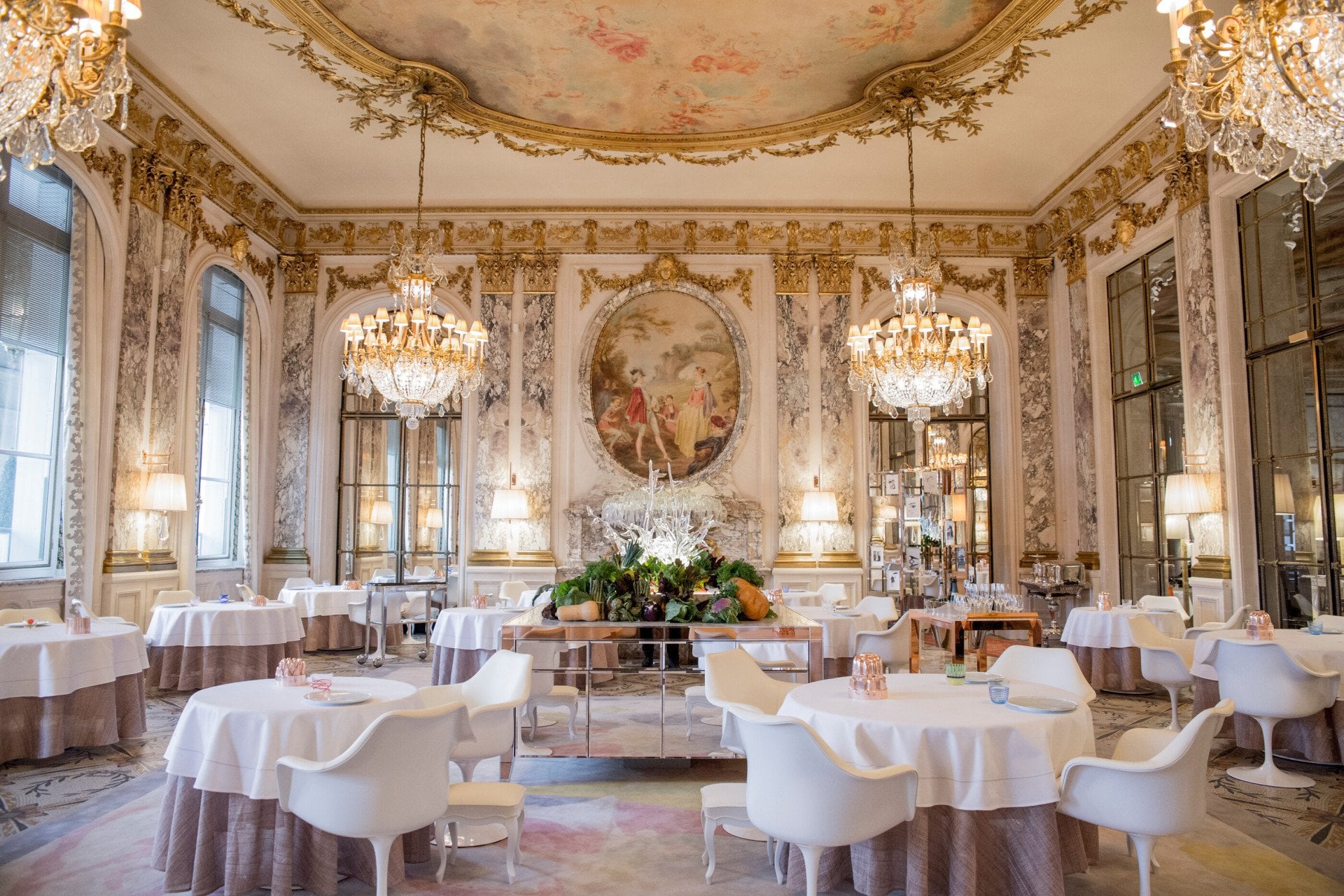
Bars in Paris
Browse all →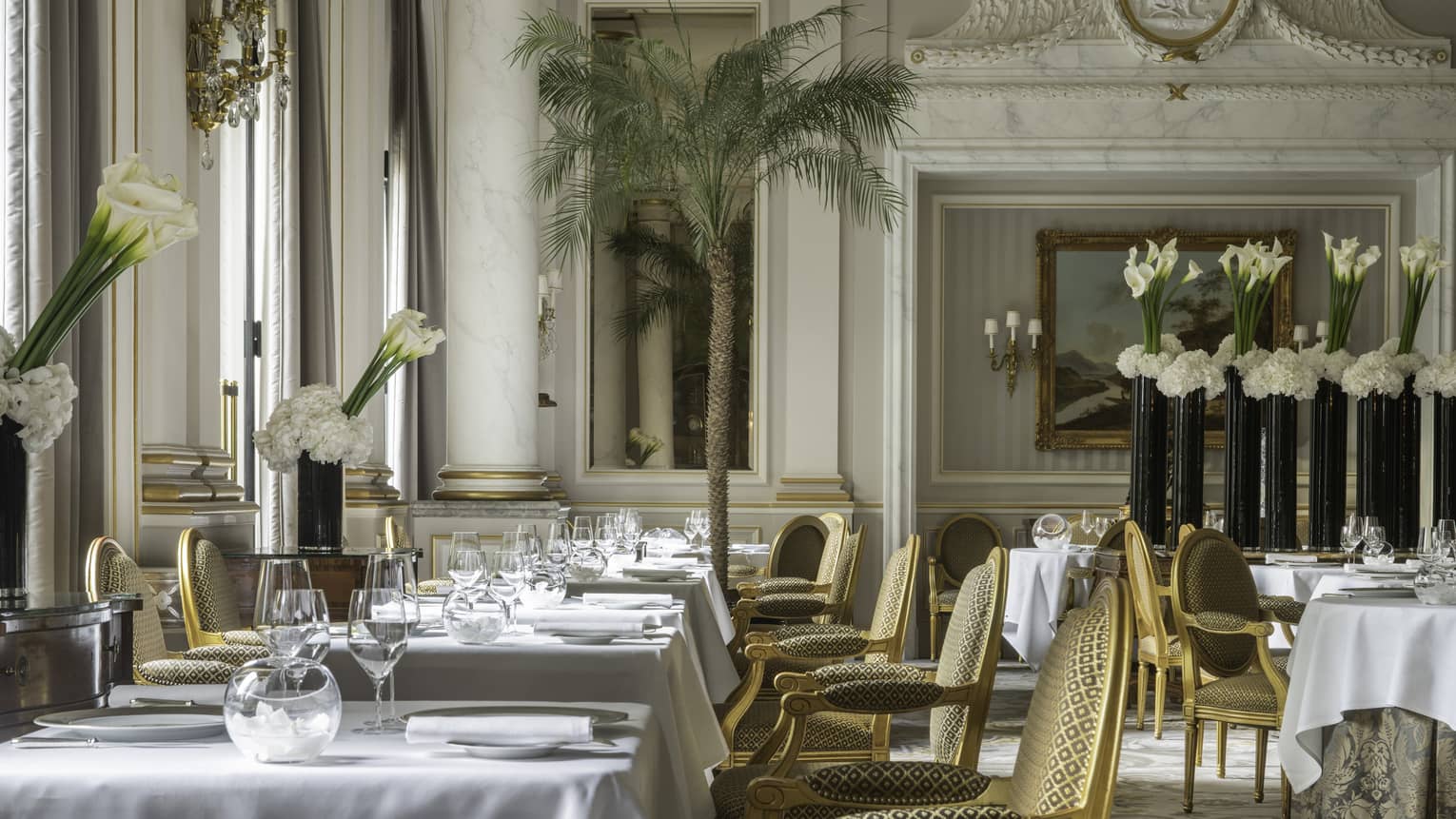
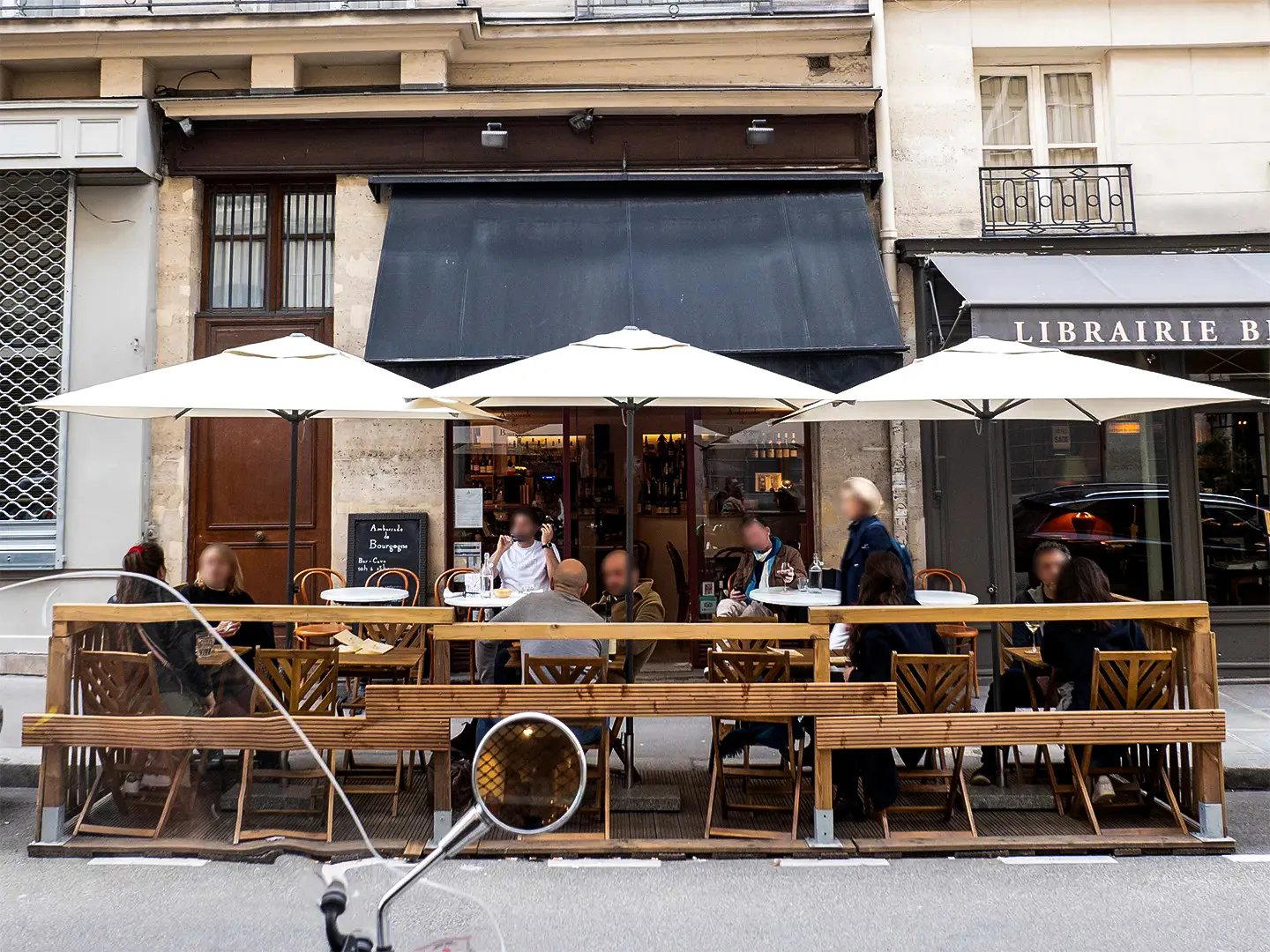
Hotels in Paris
Browse all →
Wineries in Paris
Browse all →
At a Glance
- Intimate
- Cozy
- Elegant
- Classic
- Date Night
- Special Occasion
- Open Kitchen
Current opening hours
- Monday
- Closed
- Tuesday
- 12–2:30 PM, 7–10:15 PM
- Wednesday
- 12–2:30 PM, 7–10:15 PM
- Thursday
- 12–2:30 PM, 7–10:15 PM
- Friday
- 12–2:30 PM, 7–10:15 PM
- Saturday
- 12–2:30 PM, 7–10:15 PM
- Sunday
- Closed
Hours can change for holidays and private events. Last verified .
Warm, intimate, and carefully curated atmosphere with an open kitchen providing an authentic and convivial dining experience.