La Table de Léa
.png)
La Table de Léa holds consecutive Michelin Plate recognition (2024 and 2025) for farm-to-table cooking in the Ardèche village of Villeneuve-de-Berg. The kitchen works close to its agricultural surroundings, with sourcing that reflects the produce rhythms of southern France rather than a fixed menu construct. At the €€ price tier, it sits well below the threshold of destination fine dining while operating at a recognised standard of quality.
Pearl is the En Primeur Club membership app — saves, bookings, and concierge access live there. Same editors, same standards.
- Address
- 823 route de St Maurice d'Ibie, Le Petit Tournon, 07170 Villeneuve-de-Berg, France
- Phone
- +33 4 75 94 70 36
- Website
- restaurant-table-lea.fr
 Saves & bookings on Pearl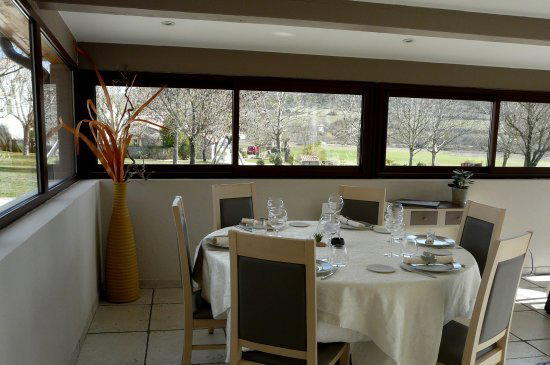
Where the Ardèche Feeds the Kitchen
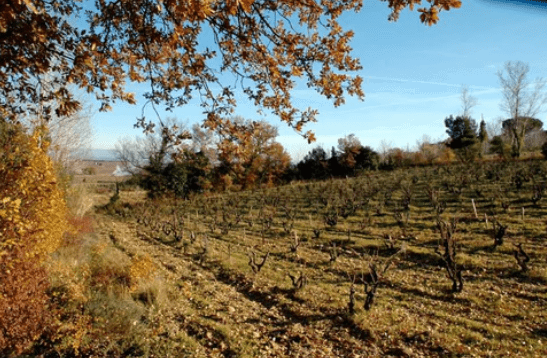
The southern Ardèche doesn't attract the same dining pilgrimage traffic as the Rhône Valley appellations to the east or the Languedoc garrigue towns to the south, which means restaurants that earn Michelin recognition here tend to do so on the strength of what's growing nearby rather than on reputation-by-address. La Table de Léa is a restaurant in Villeneuve-de-Berg, France, at Le Petit Tournon. Arriving from the main village square, you're in agricultural country: the plateau de Coiron to the north, chestnut forests, dry-stone terraces, small producers working lavender, sheep, and market gardens that define the interior Ardèche's food culture. The restaurant sits where it belongs, close to its sources, in a region where farm-to-table isn't a positioning statement but a geographic fact.
La Table de Léa holds two consecutive Michelin Plate recognitions, 2024 and 2025. At €€ pricing, it is the kind of regional table that Michelin recognizes for consistent cooking.
What Farm-to-Table Means in the Ardèche
The farm-to-table category covers a wide range of ambition, from restaurants that list a few local suppliers on a chalkboard to kitchens that build their entire menu architecture around what arrived that morning. In the Ardèche, the agricultural calendar is specific enough to make the latter approach genuinely meaningful. The region produces chestnut flour, raw-milk cheeses, lamb from the high plateau, wild mushrooms in autumn, stone fruit through summer, and an olive oil culture that edges toward Provençal the further south you travel. A kitchen that sources seriously here has material that most urban farm-to-table operators would pay a premium to access.
That sourcing logic shapes not just what appears on the plate but how a menu is structured. When the supply chain is short, a local farm rather than a distributor, a forager rather than a wholesaler, the kitchen tends to work in smaller batches with more variable availability. The result, for the diner, is a menu that shifts with the season rather than remaining static across a year. This is a different contract with the guest than the one a fixed grand menu tasting restaurant offers. You arrive knowing the region's produce calendar is running the show.
For comparison, Bras in Laguiole, one of France's most cited examples of terroir-led cooking in a rural setting, established that a restaurant deeply rooted in its landscape can hold the highest international recognition. The southern Massif Central, which the Ardèche borders, has its own culinary logic, and La Table de Léa operates within that tradition at a more accessible price tier. Similarly, Auberge du Vieux Puits in Fontjoncouse demonstrates what sustained Michelin recognition looks like for a deeply rural southern French address, the precedent exists for serious cooking far from metropolitan centres.
Reading the Michelin Plate Signal
Two consecutive Michelin Plate listings, 2024 and 2025, carry a specific meaning worth unpacking. The Plate designation (a fork and spoon symbol in Michelin's visual language) indicates a kitchen producing food of good quality: it's a quality floor, not a ceiling, and it's held across two consecutive guides, which implies consistency rather than a one-year performance. For a €€ restaurant in a village of fewer than 3,000 people, it's a meaningful signal that the kitchen is operating above casual bistro standard.
The Google review score of 4.7 across 436 reviews adds a volume dimension that Michelin alone doesn't provide. A high average across several hundred reviews at a small rural restaurant suggests the audience isn't primarily tourist-passing-through traffic, but repeat visitors and locals who have tested the kitchen over time. That pattern is more common at restaurants with a genuine relationship to their community and supply network than at venues relying on a single visit occasion.
Among farm-to-table addresses in the broader European context, Au Gré du Vent in Seneffe and BOK Restaurant Brust oder Keule in Münster represent how the category plays in northern European settings. The Ardèche version has distinct advantages in raw material access, the Mediterranean-influenced climate means a longer growing season and more varied produce than most northern counterparts.
Placing La Table de Léa in the Villeneuve-de-Berg Dining Picture
Villeneuve-de-Berg is a medieval bastide town, which means its food culture predates the current farm-to-table trend by several centuries. The market traditions, the relationship between town and surrounding farmland, and the Ardèche's general resistance to industrialised food supply all create conditions where a kitchen focused on local sourcing is operating with the grain of the place rather than against it. This is worth noting when assessing whether a farm-to-table concept has genuine roots or functions as a branding posture, here, the geography answers the question.
For visitors building a broader trip around serious French regional cooking, the Rhône-Alpes and southern France circuits offer strong context. Flocons de Sel in Megève represents the mountain-terroir approach further north; AM par Alexandre Mazzia in Marseille shows how Mediterranean produce is handled at the starred end of the Marseille scene. La Table de Léa sits in a different register from both, more grounded, less theatrical, priced for a meal rather than an occasion, but operating in the same broad tradition of French cooking that takes its cues from geography.
Getting to Villeneuve-de-Berg requires a car; the nearest rail connection is Montélimar, roughly 25 kilometres north on the A7 corridor, from which the D107 runs west into the Ardèche plateau. Visiting as part of a wider Ardèche itinerary makes logistical sense: the gorges, the wine producers of the southern Ardèche around Ruoms and Saint-Montan, and the Coiron plateau's landscape all sit within easy driving range.
At-a-Glance Comparison
Comparable venues nearby, for context on price, style, and recognition.
| Venue | Cuisine | Price | Awards | Notes |
|---|---|---|---|---|
| La Table de Léa | French Market Cuisine | $$$$ | Michelin Plate | Villeneuve-de-Berg |
| Le Vieux Castillon | Modern Provençal French Fine Dining | $$$$ | Michelin Plate | Castillon-du-Gard village center |
| Les Trois Dômes | Modern French Brasserie | $$$$ | Michelin Plate | Quartier Bellecour Carnot |
| Marcelle - Domaine de Verchant | Modern French Terroir Gastronomy | $$$$ | Michelin Plate | Castelnau-le-Lez |
| Auberge de Cassagne & Spa | Provençal Fine Dining | $$$$ | Michelin Plate | Le Pontet |
| Auberge du Paradis | French Fusion Fine Dining with Spices | $$$$ | Michelin Plate | Saint-Amour-Bellevue |
Continue exploring
More in Villeneuve-de-Berg
Restaurants in Villeneuve-de-Berg
Browse all →
Hotels in Villeneuve-de-Berg
Browse all →
At a Glance
- Elegant
- Rustic
- Cozy
- Intimate
- Date Night
- Special Occasion
- Family
- Terrace
- Local Sourcing
- Garden
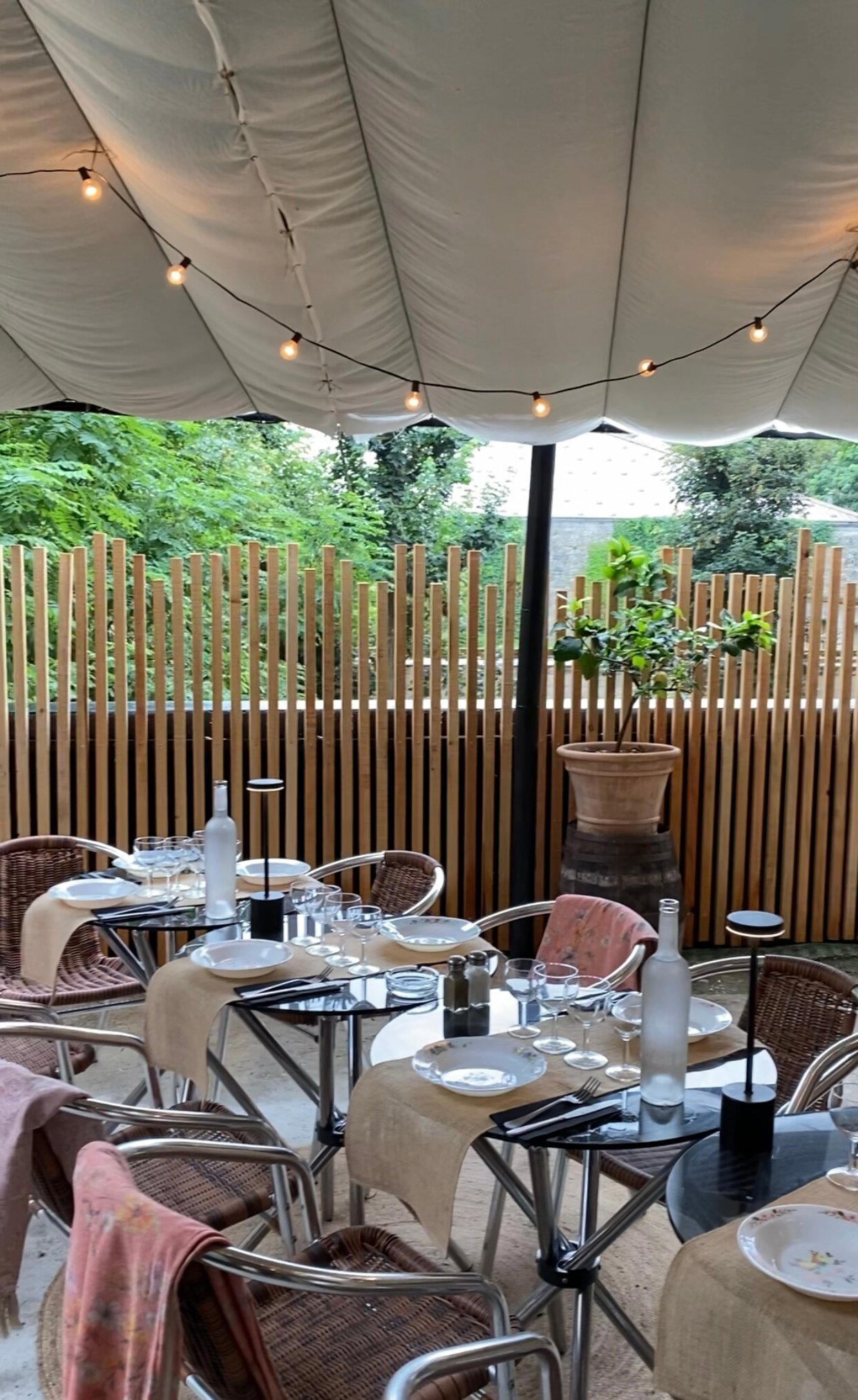
Spacious, light-filled dining room in former barn with large bay windows; pleasant shaded terrace overlooking verdant park