
Michelin Selected
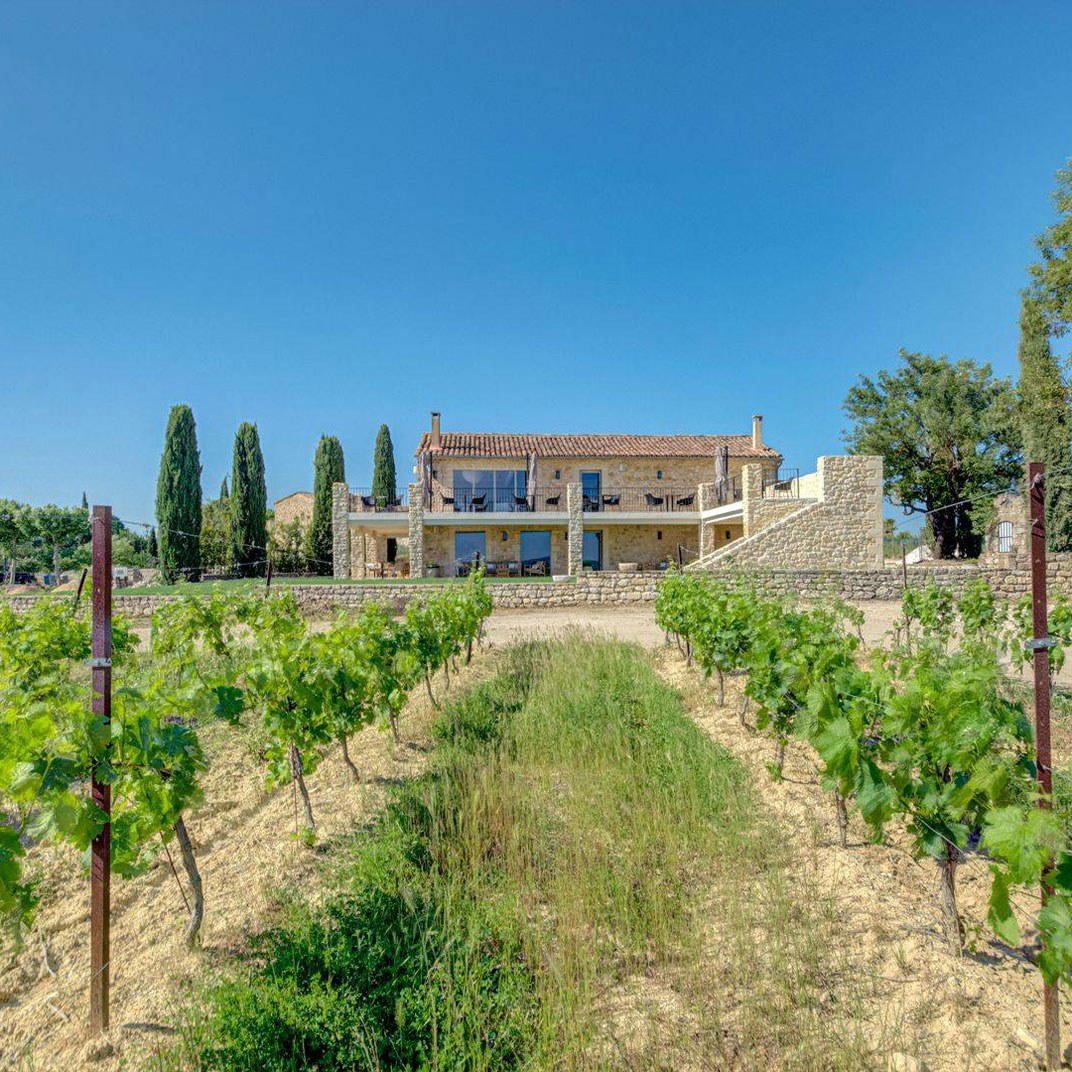
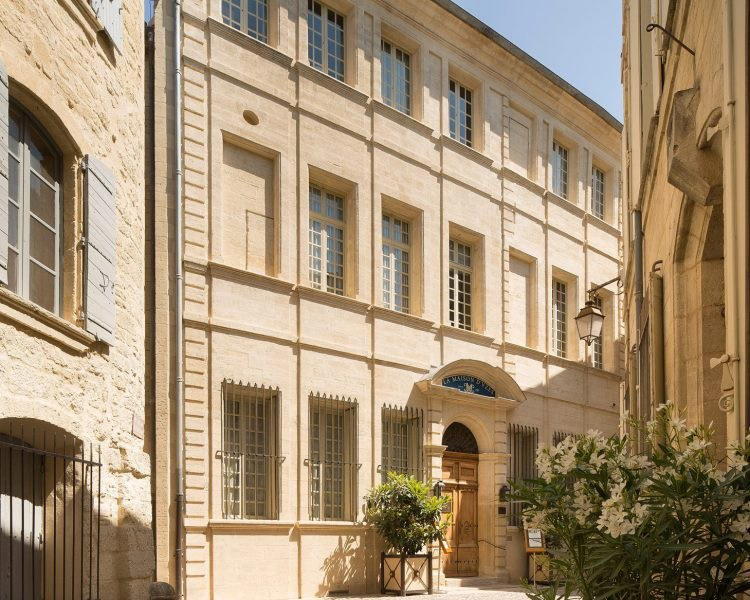
A Michelin Selected auberge occupying a fortified village in the Ardèche, Auberge de Banne offers stone-walled accommodation at the edge of the Cévennes. The property sits on Place du Fort in one of the region's most architecturally intact medieval settlements, making it a serious base for exploring southern France's least-trafficked hill country.

Pearl is the En Primeur Club membership app — saves, bookings, and concierge access live there. Same editors, same standards.
- Address
- Le Fort, 07460 Banne, France
- Phone
- +33 4 75 89 07 78
- Website
- aubergedebanne.fr
- Directions
- Get directions
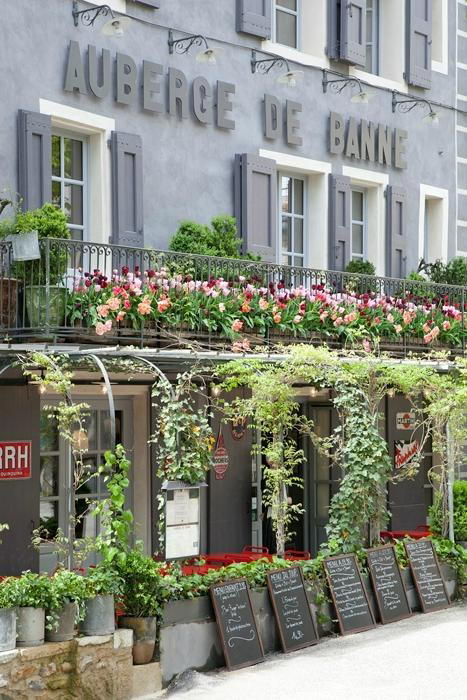
Stone, Silence, and the Ardèche Uplands
There is a category of French provincial hotel that trades not on spa suites or celebrity chefs but on the weight of the building itself. In the southern Ardèche, that category is represented at its most concentrated by Auberge de Banne, a property that occupies a medieval fortified village perched above the Chassezac valley. The approach matters here: the road rises through chestnut forest and limestone escarpment before the silhouette of Banne's ramparts appears against the ridge. That sequence, repeated every time a guest arrives or departs, is part of what the property is selling.
Michelin's hotel selection process for 2025 recognised Auberge de Banne, placing it in the Michelin Selected tier for hotels and stays. That designation, while below the Michelin Keys awarded to properties like Le Bristol Paris or Hôtel de Paris Monte-Carlo, is meaningful in the southern French interior, where the pool of properties reaching any Michelin threshold is thin.
Architecture as the Primary Argument
The architectural identity of Banne village predates the concept of hospitality design by several centuries. The settlement was a Protestant stronghold during the Wars of Religion, and its position on a limestone bluff was chosen for military defensibility rather than scenic appeal, though the result of that choice is considerable visual drama. The fortified gate, the compressed lanes of dark-coursed stonework, and the wide views south toward the Cévennes foothills are not renovated heritage features — they are the original building, intact and in use.
This places Auberge de Banne in a tradition of French accommodation that makes its architectural shell the primary argument. Properties like Château du Grand-Lucé or Baumanière Les Baux-de-Provence operate from a similar premise, where the inherited physical structure sets the register for the guest experience before a single contemporary design decision is made. The difference in Banne is scale: this is a village auberge, not a grand château, and the stone rooms are intimate rather than ceremonial.
The address, Place du Fort, confirms the position within the fortified core. Guests arrive not at a rural property that has borrowed village aesthetics but at an auberge embedded inside the original defensive settlement. The distinction is material, not merely atmospheric.
Where Banne Sits in the Southern Interior
The Ardèche is among the least hotel-dense departments in southern France, and its interior produces a specific kind of traveller: those willing to trade convenience infrastructure for space, silence, and access to river gorges, chestnut forests, and stone-village walking. The Chassezac valley directly below Banne is sparsely visited compared to the upper Ardèche gorge corridor, which draws considerable summer traffic. That relative quiet is the practical advantage of positioning further south and east, at the edge of the Gard border.
For context within the region, the Provençal luxury circuit runs through properties such as La Bastide de Gordes, Château de la Gaude, and Villa La Coste. Auberge de Banne operates at a different register and serves a different itinerary: the traveller building a route through the Cévennes and lower Ardèche rather than the Luberon and Alpilles circuit. Its Michelin Selected status makes it the most credentialled fixed point on that less-trafficked southern arc.
Comparable in spirit, if not in category, to properties like La Ferme Saint-Siméon in Honfleur — which uses a historic Norman farmstead as its architectural premise, Auberge de Banne makes a similar bet: that the building's age and physical integrity are sufficient to carry the experience without recourse to comprehensive luxury programming.
The Auberge Format in Contemporary French Hospitality
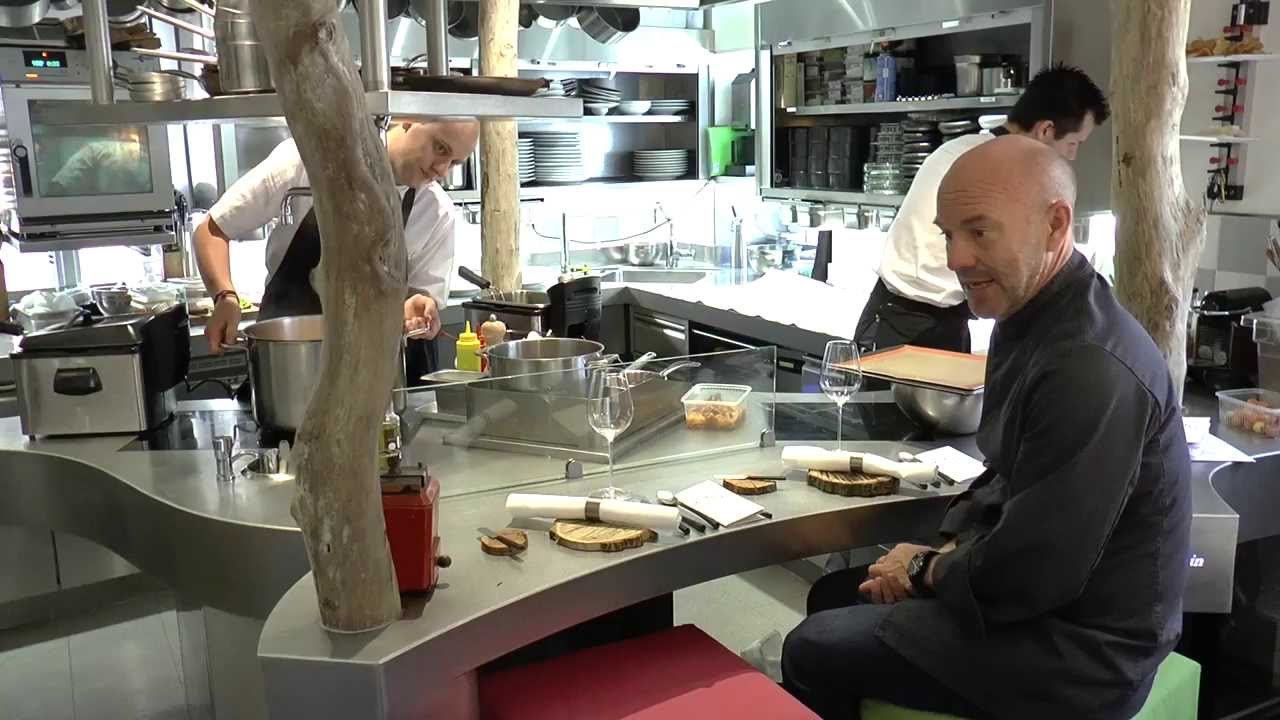
The word auberge carries specific expectations in France. It implies a property where food and lodging are inseparable, where the kitchen is the gravitational centre of the operation, and where scale is deliberately small. The form has been refined at the high end by properties like Domaine Les Crayères in Reims and Royal Champagne Hotel and Spa in Champillon, where the auberge framework supports Michelin-starred dining and polished accommodation. Auberge de Banne sits closer to the format's original definition: a place to stop, eat, and sleep within a specific landscape.
That positioning is not a limitation. It reflects a segment of French hospitality that has found sustained international demand, particularly from travellers arriving from northern Europe and from American visitors building self-drive itineraries through regions outside the major tourist circuits. The Ardèche's combination of thermal landscapes, medieval villages, and low visitor density compared to Provence proper makes it attractive for that demographic, and a Michelin-recognised auberge in the fortified core of Banne provides the credibility anchor such itineraries require.
Planning a Stay
Banne is located in the southern Ardèche, approximately 45 minutes by road from Alès and reachable from Nîmes via the N106 corridor. The village itself is compact and pedestrianised within the fortified zone, so arrival by car requires parking outside the walls. Summer months bring warmth and longer days suited to walking the valley below, while autumn shifts the surrounding chestnut forest into colour and reduces visitor numbers significantly. Given the Ardèche's mountain micro-climate, spring arrivals should account for variable conditions at altitude.
For a complete picture of what Banne and its surroundings offer, including dining and day-trip context, see our full Banne guide.
Quick Comparison
Comparable venues nearby, for context on price, style, and recognition.
| Venue | Cuisine | Price | Awards | Notes |
|---|---|---|---|---|
| Auberge de BanneThis venue — the venue you are viewing | hôtel de charme with vintage poetic authenticity | $100–200 | Michelin Selected | Not listed |
| Royal Emeraude - MGallery | Belle Epoque heritage boutique | Not listed | Michelin Selected | city center |
| U Capu Biancu | Rustic Corsican luxury with Mediterranean charm; hidden by fragrant maquis and built above the sea with elegant, colorful design. | $500–750 | Michelin Selected | Domaine de Pozzoniello |
| NOAE by Emerald Stay | Historic 17th-century palazzo reimagined as a contemporary luxury boutique hotel with art gallery elements. | Not listed | Michelin Selected · Mr & Mrs Smith Seal of Approval | Oletta |
| L'Aiguille Grive | Contemporary chalet hotel with eco-friendly low-energy constructions. | Not listed | Michelin Selected | Charmettoger |
| Le Manoir du Lys | Historic hunting lodge reimagined as a luxury countryside retreat with modern sensibilities and refined French hospitality. | $100–200 | Michelin Selected | Bagnoles-de-l'Orne |
Recognition history
Dated appearances from independent guides and award organizations, with the underlying list record or original source where available.
Michelin Selected
Michelin

Details
- Romantic
- Rustic
- Elegant
- Cozy
- Scenic
- Romantic Getaway
- Weekend Escape
- Historic Building
- Panoramic View
- Terrace
- Wi Fi
- Pool
- Restaurant
- Spa
- Massage
- Concierge
- Mountain
- Garden
- Wheelchair Accessible
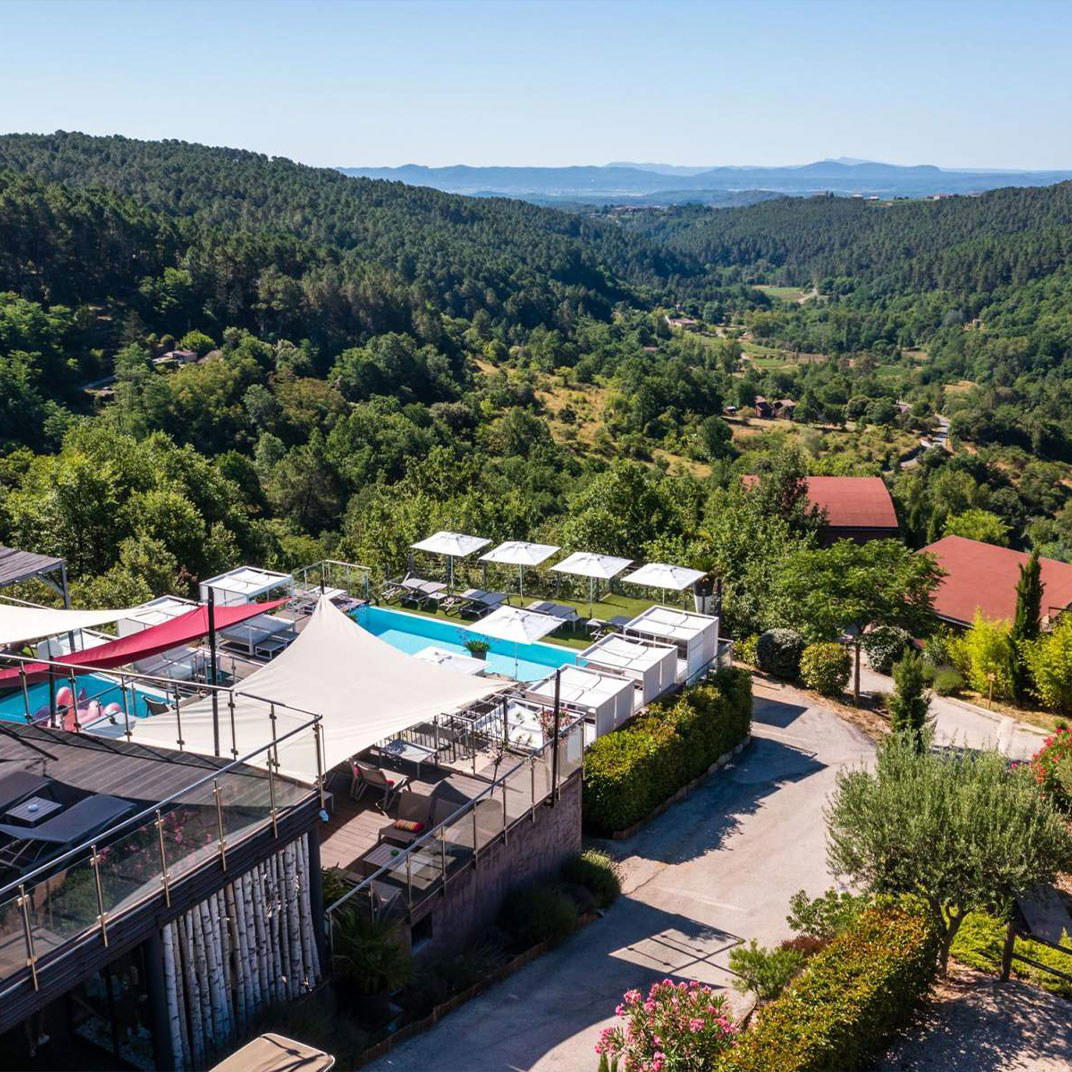
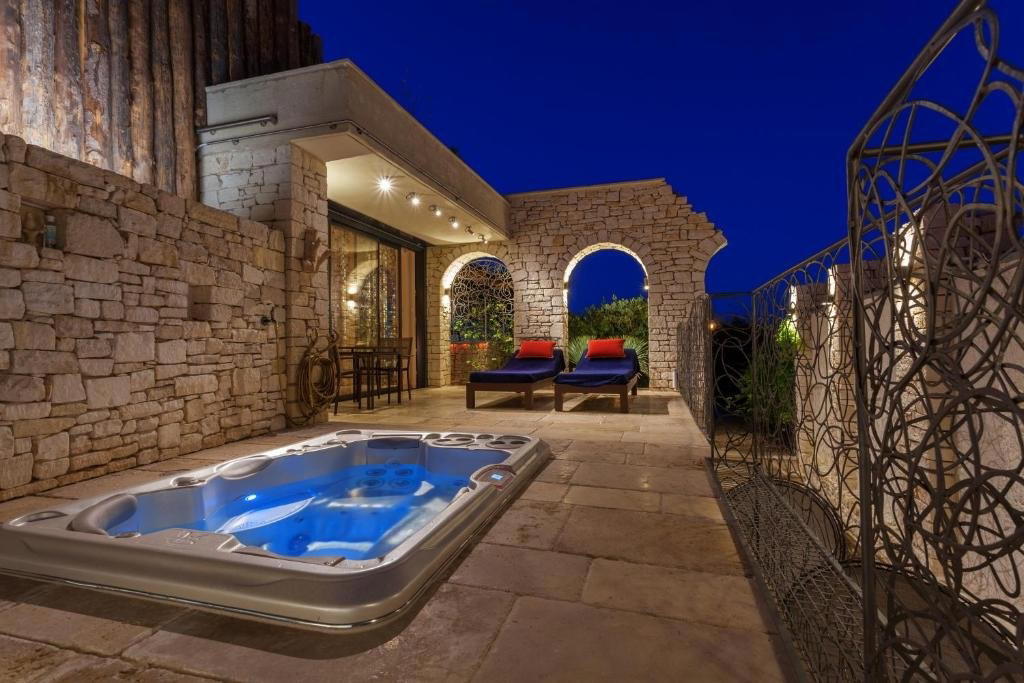
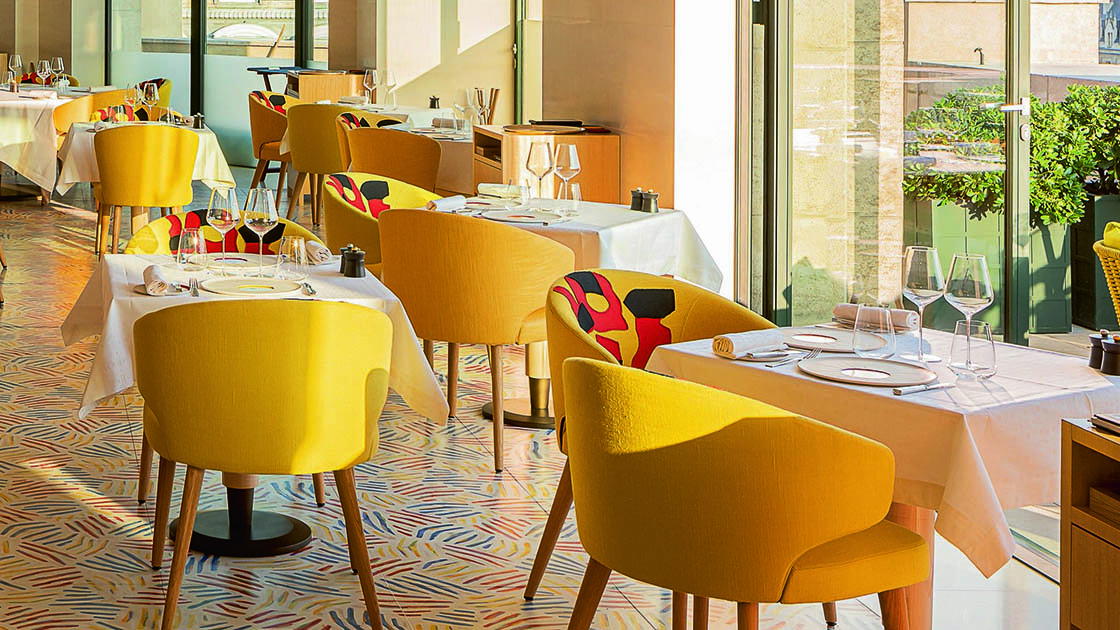
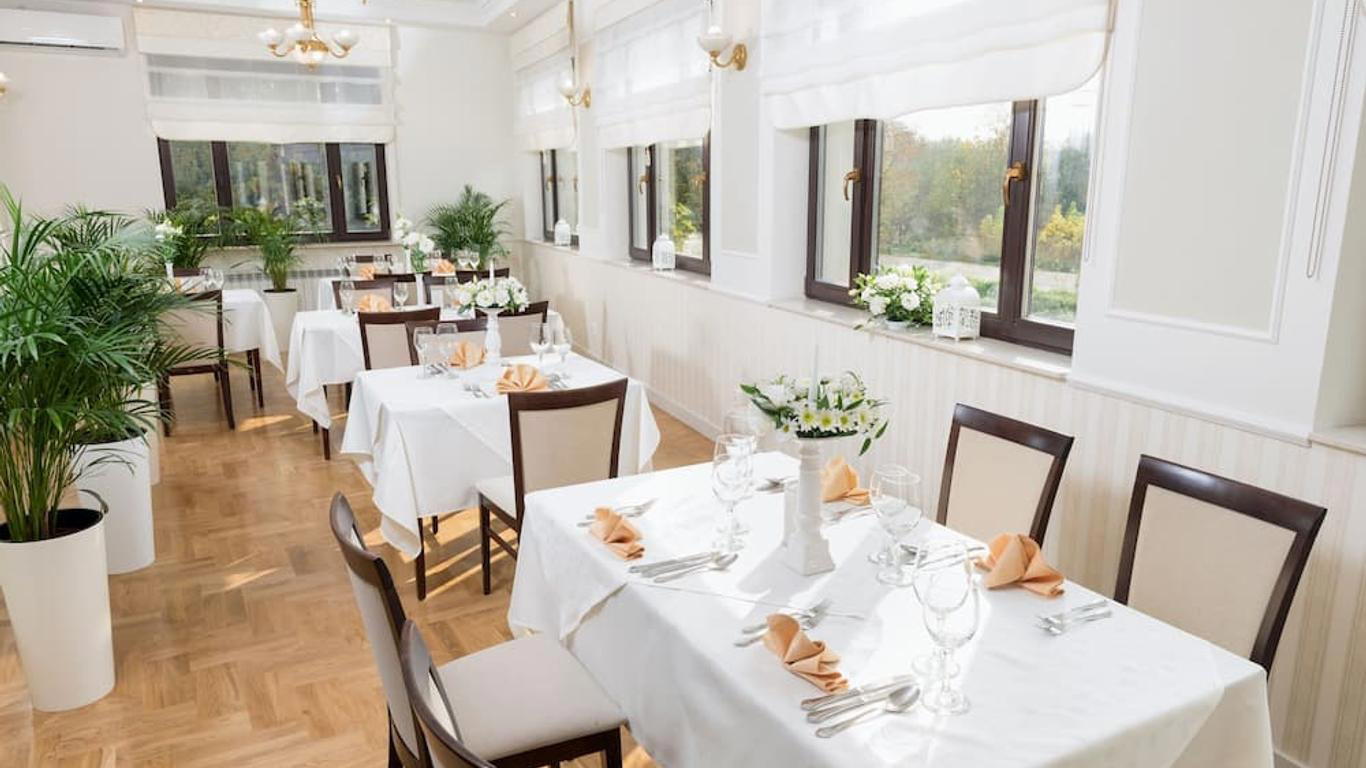
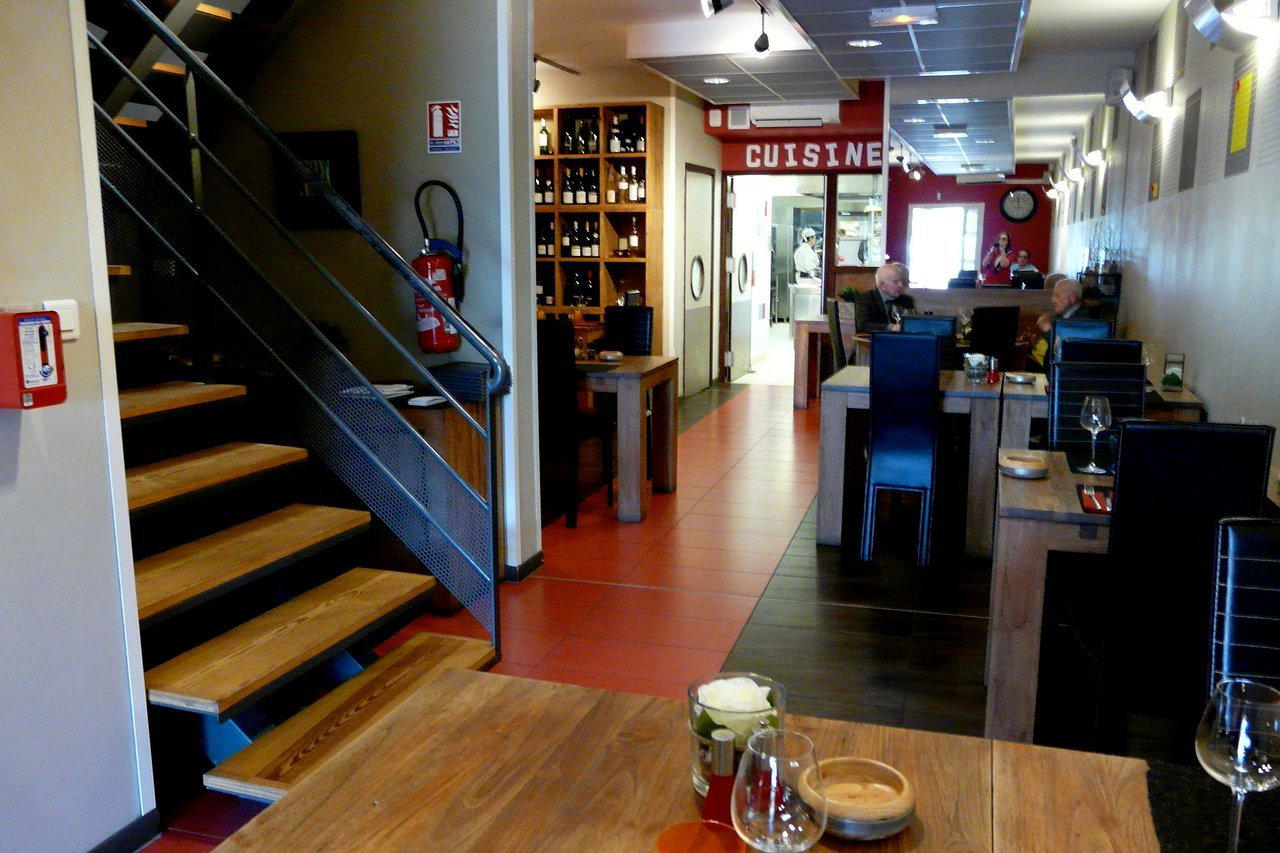
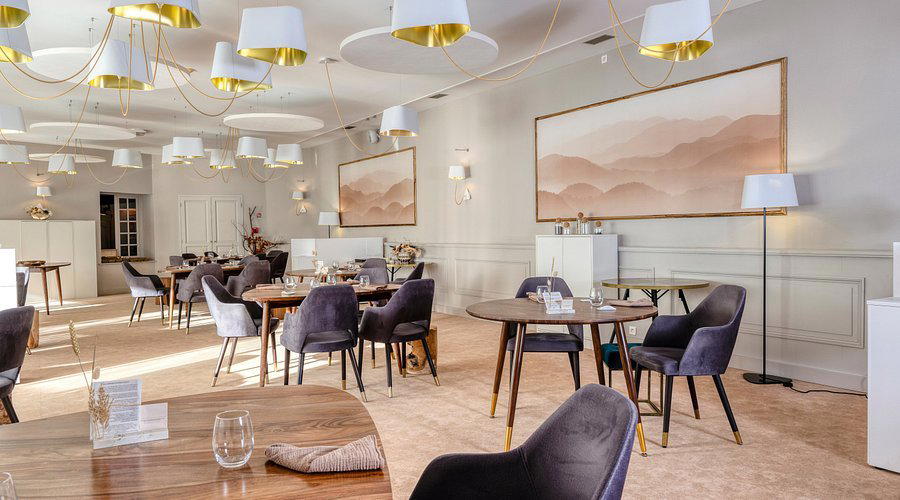
Poetic vintage elegance with sober luxury rooms, mirror-decorated lounge opening to a green balcony, and bistro chic restaurant atmosphere.