Marcelle - Domaine de Verchant


Set within a 16th-century wine estate on the edge of Montpellier, Marcelle earns its 2025 Michelin Plate under chef Eric Spear with modern cuisine that draws from the surrounding Languedoc terroir. The dining room sits inside Domaine de Verchant, a Relais & Châteaux property that doubles as a working winery, giving the restaurant an unusually direct relationship between cellar and kitchen. For the Occitanie region, it occupies a distinctive position: country-house formality with genuine agricultural grounding.
Pearl is the En Primeur Club membership app — saves, bookings, and concierge access live there. Same editors, same standards.
- Address
- 1 Bd Philippe Lamour, 34170 Castelnau-le-Lez, France
- Phone
- +33 4 67 07 26 00
- Website
- domainedeverchant.com
- Directions
- Get directions
 Saves & bookings on Pearl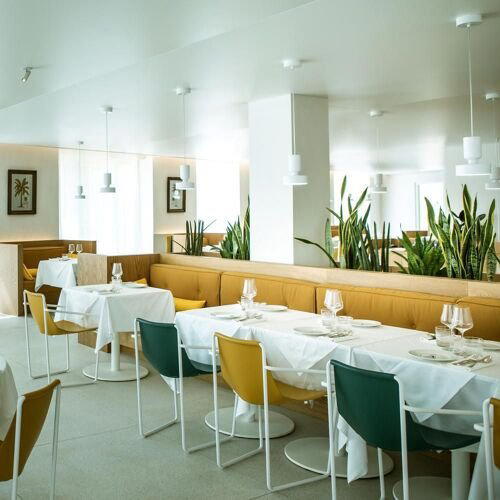
Where a Wine Estate Becomes the Dining Room's Context
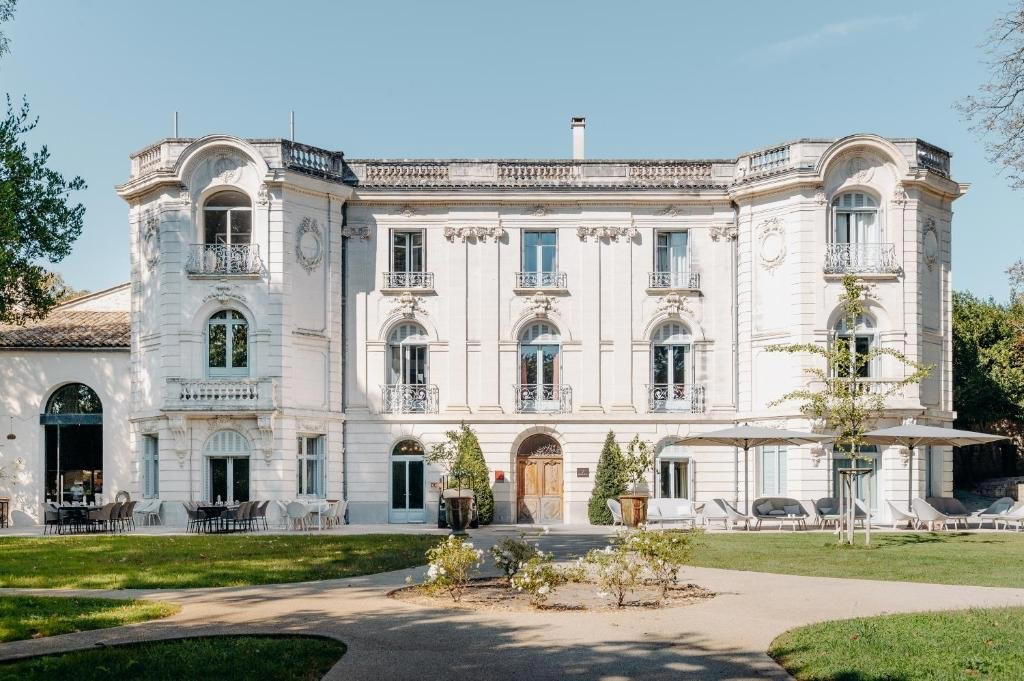
Approaching Domaine de Verchant from the Montpellier ring road, the shift from suburban arterial to tree-lined estate track happens quickly enough to feel deliberate. The 16th-century country house sits at the end of that approach, flanked by vines that belong to the estate rather than a decorative landscaping decision. This physical relationship between the building and its agricultural land is the first thing the setting communicates, and it sets the terms for everything that follows inside Marcelle.
The Languedoc has a long tradition of estates where production and hospitality occupy the same address, but Domaine de Verchant operates at a different register from the farm-stay category. As a Relais & Châteaux property, it sits in the tier of rural French houses that position themselves against urban fine dining rather than simply offering a rural alternative to it. Marcelle, the estate's restaurant, is the formal expression of that positioning. It is a restaurant in Castelnau-le-Lez, near Montpellier, with a smart casual dress code and an essential reservation policy.
Eric Spear and the Logic of Place-Driven Modern Cuisine
Modern cuisine in France covers a wide spectrum, from the pyrotechnic creativity of Alléno Paris au Pavillon Ledoyen in Paris to the mountain-rooted precision of Flocons de Sel in Megève. What distinguishes the more coherent practitioners of the genre is a discernible logic connecting location to plate, rather than technique deployed as an end in itself.
Chef Eric Spear works within that framework at Marcelle. The Languedoc terroir around Castelnau-le-Lez is among the more diverse in southern France: Mediterranean herb gardens, coastal fishing access, garrigue-influenced lamb, and a wine culture that runs from Pic Saint-Loup in the hills to the coastal Languedoc appellations. A kitchen with an estate vineyard at its back door and all of that regional supply chain within reach has more raw material to work with than most urban counterparts, and Spear's program reflects that breadth. The Michelin Plate recognition confirms the kitchen is executing at a consistent level.
The Michelin Plate designation sits below the star tier but above the general field in Michelin's own language. For context, starred houses in the broader southern French region include Mirazur in Menton at three stars and Auberge du Vieux Puits in Fontjoncouse in the Corbières. Marcelle operates below that altitude but within the same regional tradition of kitchens that treat the south of France as a source rather than a backdrop.
The Estate Setting and What It Means Practically
Domaine de Verchant's dual identity as a hotel and working wine estate shapes the dining experience in ways that a standalone restaurant cannot replicate. Guests staying on the property eat in a context where the wine in the glass comes from vines they can see from their room window, a continuity of place that remains relatively rare even in wine-producing regions. The village ambiance of Castelnau-le-Lez, a commune that reads more as a prosperous residential suburb of Montpellier than as a tourist destination, reinforces that sense of being somewhere slightly outside the normal circuits.
This is not a setting that trades on spectacle in the way that Mirazur in Menton's clifftop position does, or that the Bras in Laguiole ridge commands. The domain's appeal is quieter: a walled estate, a 16th-century structure with the architectural weight that implies, and a vineyard that connects the cellar to the kitchen through direct ownership rather than a purchasing relationship with a supplier.
For the broader pattern of French rural fine dining, this matters. The category divides between estates that use country-house prestige as decoration and those where the land is genuinely productive. Domaine de Verchant belongs to the second group. Whether that distinction translates consistently into the menu's most memorable moments depends on seasonal availability and Spear's choices in any given service, but the structural conditions for it are present in a way they simply are not at properties that happen to have a garden.
Castelnau-le-Lez in the Regional Picture
Montpellier's dining scene has grown considerably in range over the past decade, with the city now supporting a tier of serious modern kitchens alongside its traditional brasserie and wine-bar culture. Castelnau-le-Lez, immediately to the northeast, adds a quieter register to that picture: close enough to the city for a dinner visit but removed enough that the atmosphere of a country estate holds without the urban pressure that Montpellier's central addresses carry.
For visitors constructing a southern France itinerary around serious eating, the Occitanie and Languedoc-Roussillon corridor now warrants more attention than it received in the era when French gastronomy was mapped almost entirely through Paris, Lyon, and Alsace. Houses like AM par Alexandre Mazzia in Marseille on the coast and the long-established Auberge du Vieux Puits in Fontjoncouse in the Corbières have established that the south supports cooking at the highest level. Marcelle positions itself within that regional argument, one tier below those starred addresses but with a setting advantage that neither of them can match in quite the same way.
Planning a Visit
Marcelle sits within the Domaine de Verchant hotel complex at 1 Boulevard Philippe Lamour, Castelnau-le-Lez, making it accessible either as a standalone dinner from Montpellier or as part of an overnight stay on the estate. Reservations are essential. The restaurant sits at about $150 per person. Given the estate setting, booking ahead is advisable, particularly across the warmer months when outdoor dining on the domain grounds adds another dimension to the experience.
Comparison Snapshot
Comparable venues nearby, for context on price, style, and recognition.
| Venue | Cuisine | Price | Awards | Notes |
|---|---|---|---|---|
| Marcelle - Domaine de VerchantThis venue — the venue you are viewing | Modern French Terroir Gastronomy | $$$$ | Michelin Plate | Not listed |
| La Coquerie | Contemporary French Mediterranean | $$$$ | Michelin Plate | Mont St Clair |
| La Table de Léa | French Market Cuisine | $$$$ | Michelin Plate | Villeneuve-de-Berg |
| La Table d'Emilie | Traditional French Bistro | $$$$ | Michelin Plate | Marseillan |
| Le Poème de Grignan | Provençal French Gastronomic | $$$$ | Michelin Plate | Grignan |
| Le Temps d'Aime | Modern French Market Cuisine | $$$ | Bib Gourmand | Port Ariane |
Recognition history
Dated appearances from independent guides and award organizations, with the underlying list record or original source where available.
Michelin Plate
Michelin
Michelin Plate
Michelin
Relais Chateaux Award
Relais Chateaux
Michelin Plate
Michelin
Continue exploring
More in Castelnau-le-Lez
Restaurants in Castelnau-le-Lez
Browse all →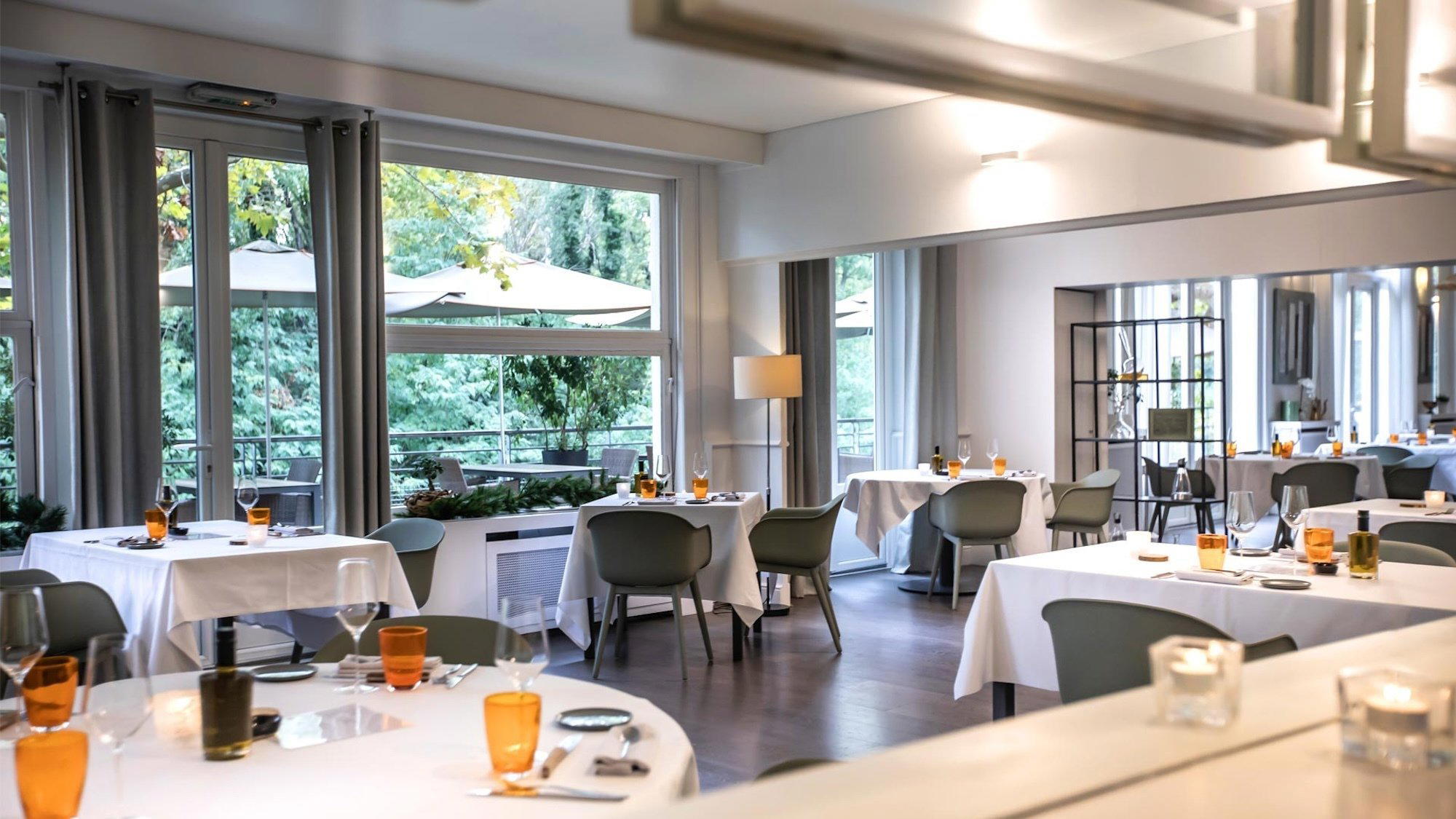
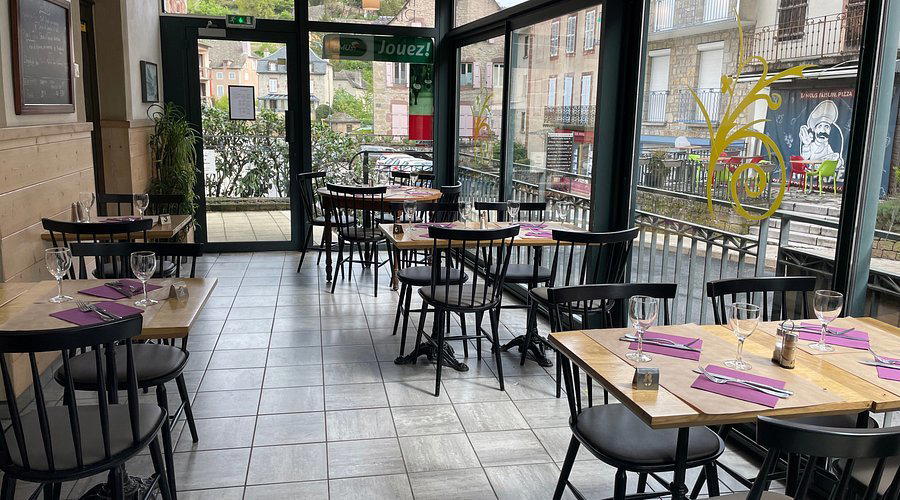
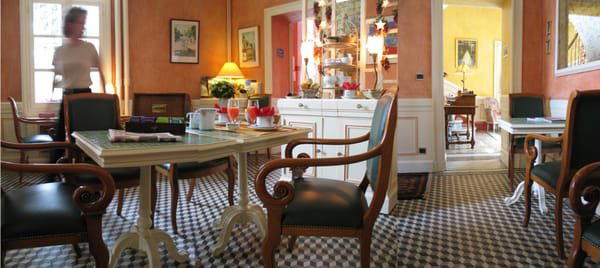
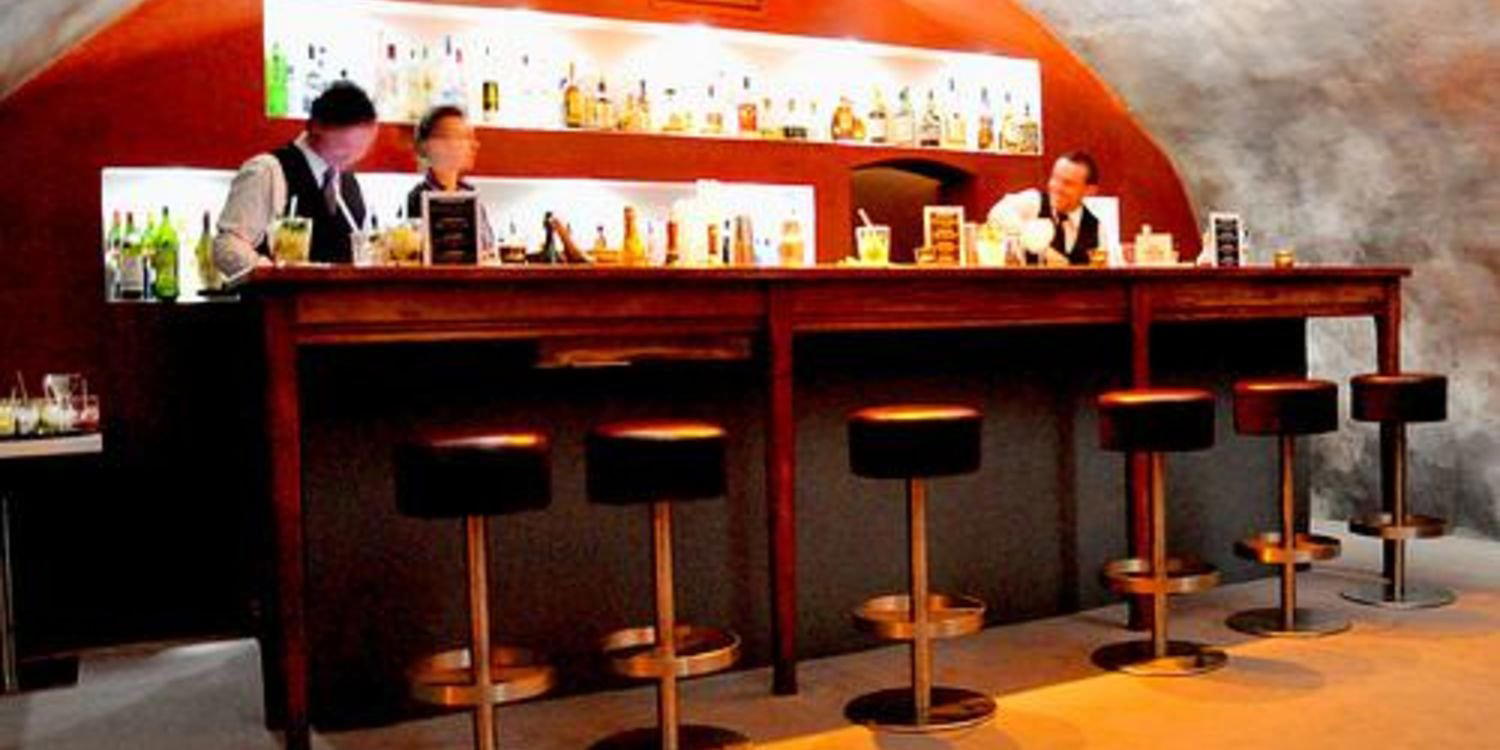
Bars in Castelnau-le-Lez
Browse all →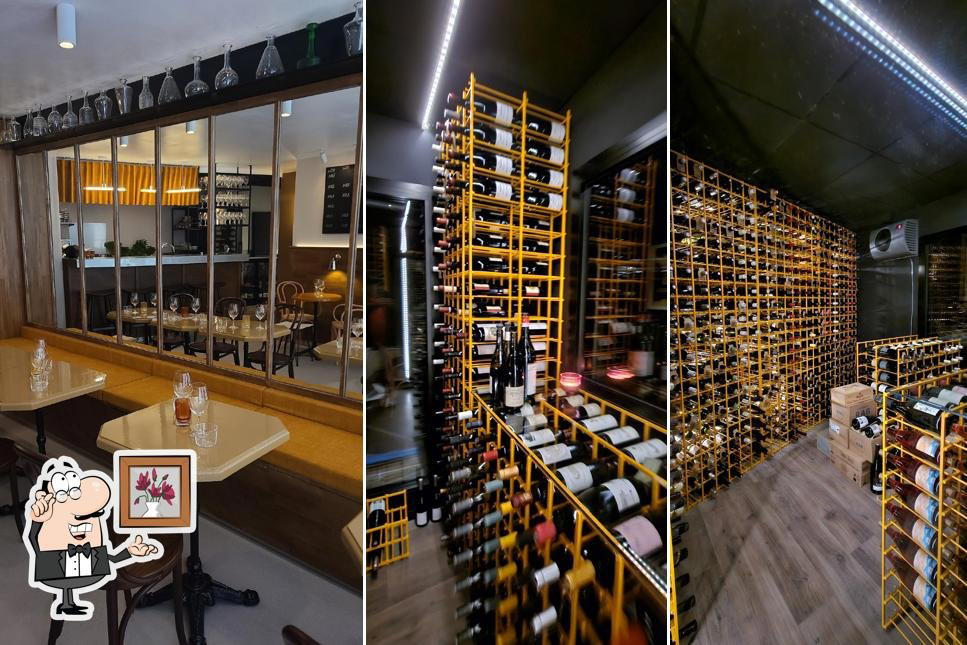
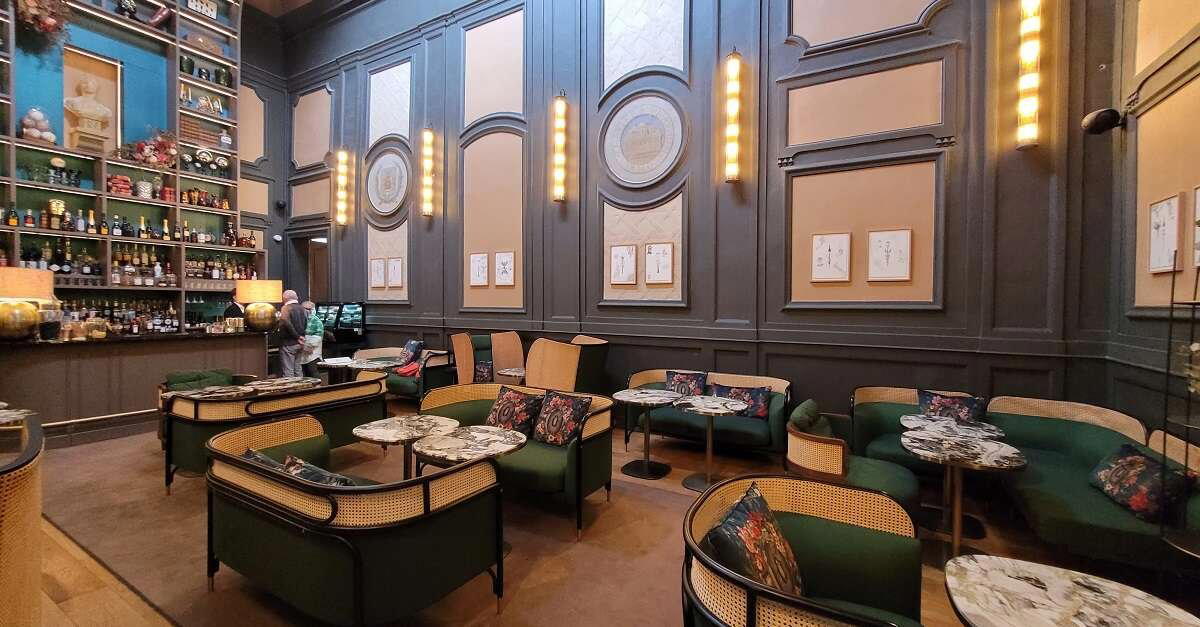
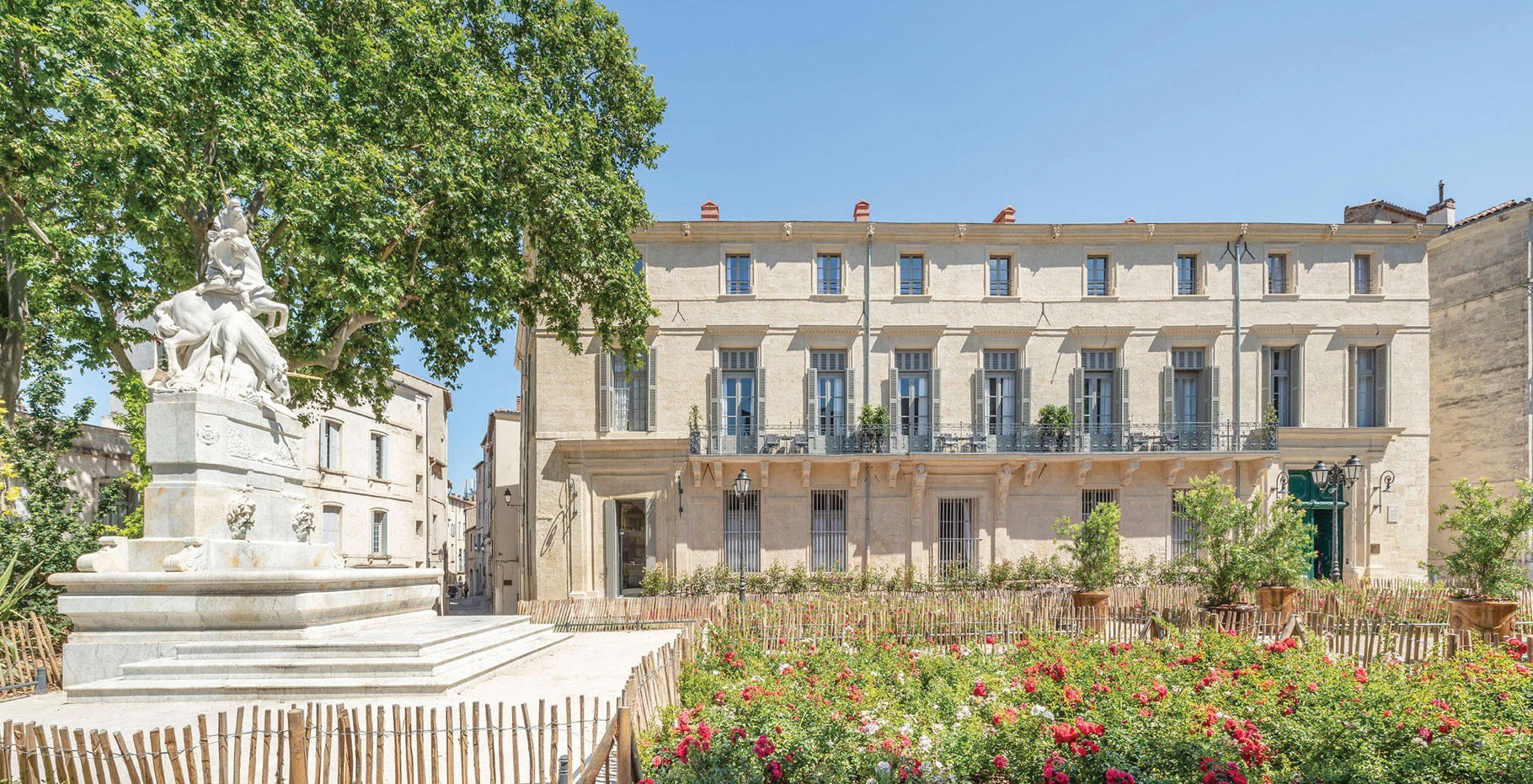
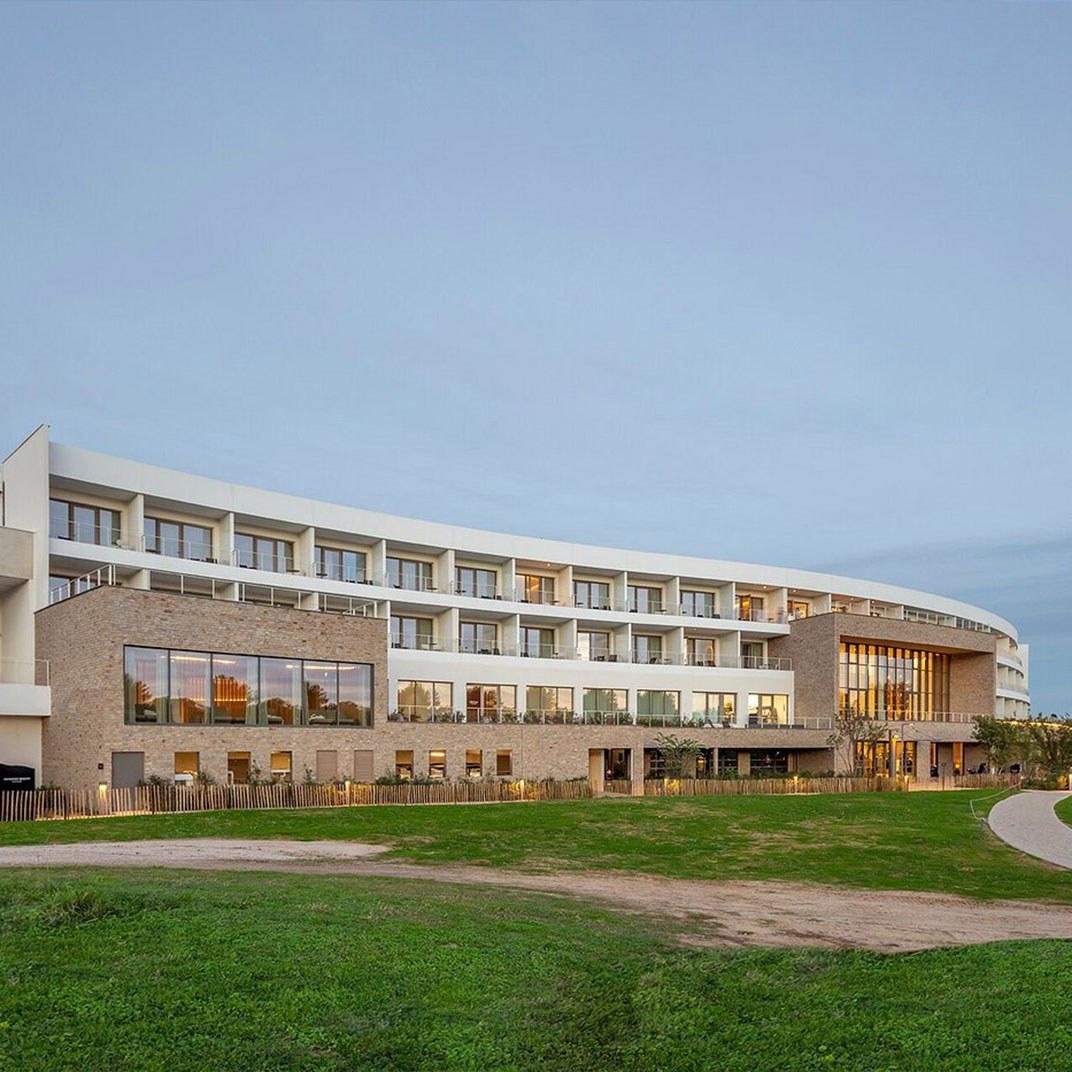
Hotels in Castelnau-le-Lez
Browse all →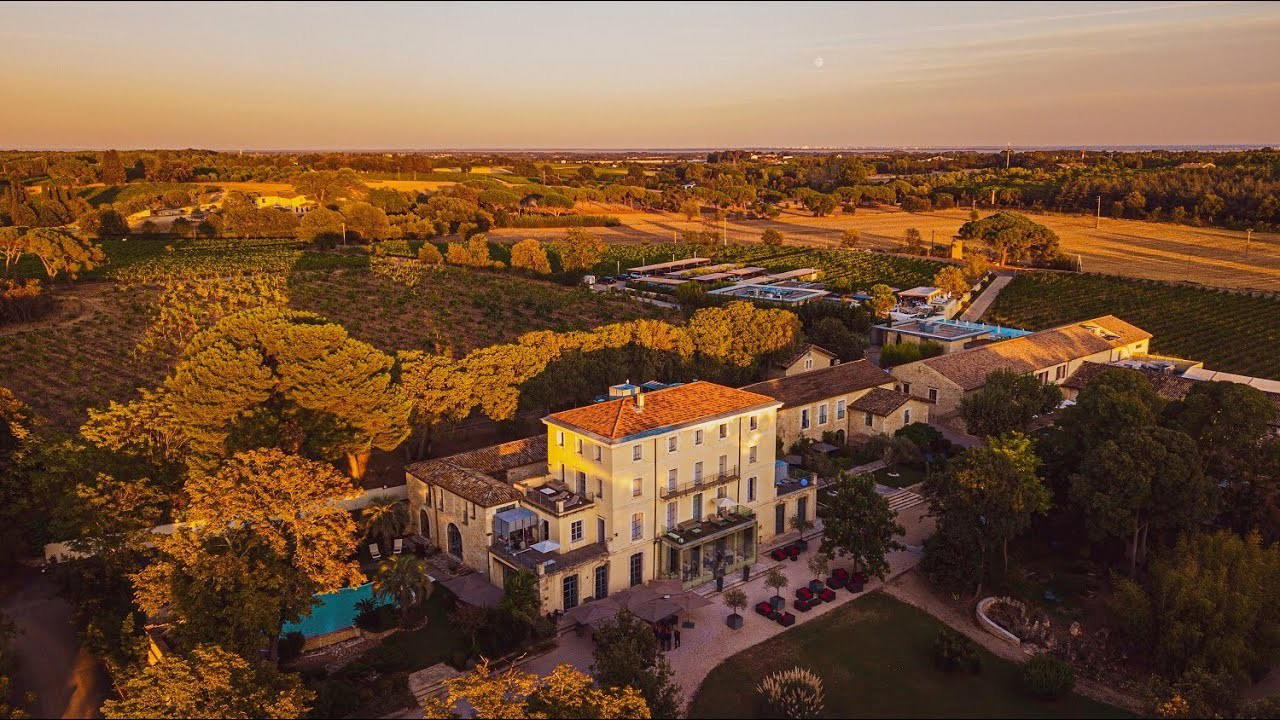

At a Glance
- Elegant
- Sophisticated
- Intimate
- Date Night
- Special Occasion
- Celebration
- Garden
- Terrace
- Hotel Restaurant
- Extensive Wine List
- Sommelier Led
- Local Sourcing
- Garden
Elegant and warm atmosphere in a luminous dining room opening onto a terraced garden, creating a refined and serene setting.