Our verdict
La Source Bleue sits in the quiet Cusance valley of the Doubs department, where the eponymous blue spring has shaped the character of this corner of Franche-Comté for centuries. The setting frames a dining experience rooted in the region's larder: river fish, mountain pasture, and the forested plateau that defines Burgundy's eastern edge. For travellers moving through this undervisited part of eastern France, it represents a considered stop in a region with a serious but low-profile food tradition.

Pearl is the En Primeur Club membership app — saves, bookings, and concierge access live there. Same editors, same standards.
- Address
- 17 Vge du Val, 25110 Cusance, France
- Phone
- +33381841282
- Directions
- Get directions
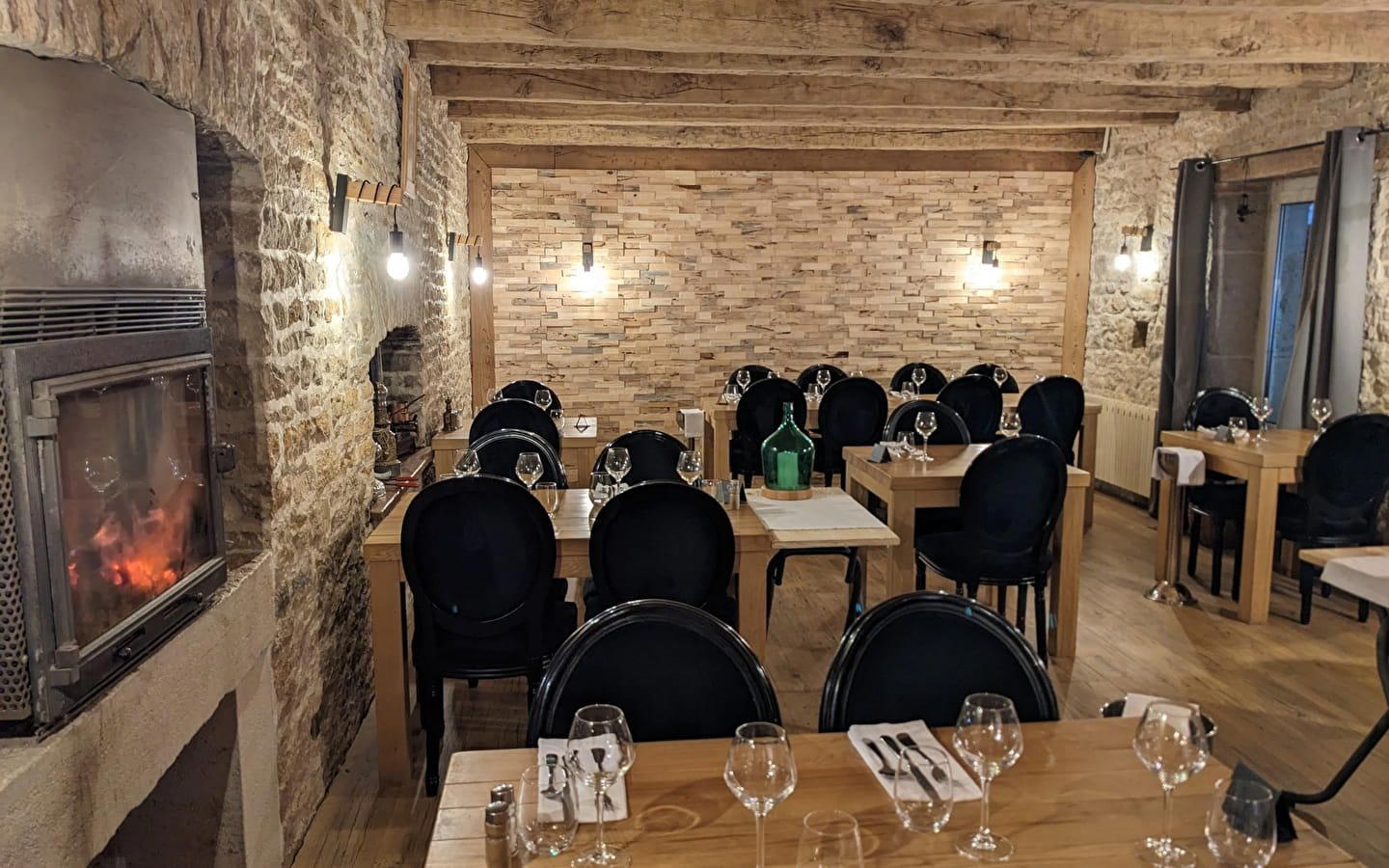
The menu
What to order
- Truite au vin jaune
Where the Spring Defines the Table
The Cusance valley sits in the Doubs department of Franche-Comté, a stretch of eastern France that most visitors cross on their way to Switzerland rather than stopping to examine. That passage is a mistake. The Loue and its tributaries carve through limestone plateaus here, feeding springs cold and clear enough to sustain wild trout populations that have made this corridor a reference point for freshwater fishing since the nineteenth century. La Source Bleue takes its name from the blue spring at the head of the valley — a resurgence that pushes thousands of litres of mineral-rich water up through karst rock daily. The physical environment is not incidental to what ends up on the plate; in this part of France, water quality, elevation, and forest cover directly determine what the local larder contains.
Arriving through the village of Cusance along the D121, the transition from open farmland to wooded valley is abrupt and deliberate-feeling. The scale drops. The sound changes. This is the kind of micro-environment that France's eastern interior specialises in producing: contained, self-referential, and quietly productive in ways that don't announce themselves to passing traffic. For the broader context of dining in this region, see our full Cusance restaurants guide.
Franche-Comté's Larder and Why It Earns Attention
The ingredient logic of Franche-Comté is built around three dominant pillars: freshwater fish from cold-running rivers, aged cheeses from upland pastures, and preserved pork from a charcuterie tradition that predates industrial refrigeration by several hundred years. Comté cheese alone spans over forty flavour profiles depending on the altitude of the pasture and the month of production. Morteau sausage, cold-smoked over sawdust from pine and juniper, carries an IGP designation that anchors it to a specific geography. These are not background details — they are the structural grammar of any serious kitchen operating in the region.
The river systems feeding the Doubs valley support a wild trout and grayling population that places this area among the more productive freshwater fishing zones in metropolitan France. Restaurants positioned near these resurgences have long used proximity to source as a genuine credential rather than a marketing posture. In that sense, the sourcing argument here is geographic before it is philosophical: the spring is the supply chain.
This model of hyper-local ingredient sourcing has parallels across France's provincial fine dining tradition. Bras in Laguiole built its entire identity around the flora of the Aubrac plateau. Auberge du Vieux Puits in Fontjoncouse draws on a similarly circumscribed southern larder. La Marine in Noirmoutier-en-l'île has made Atlantic island produce the organising principle of its menu. What distinguishes each of these is not simply sourcing rhetoric but the degree to which the surrounding geography physically limits and shapes what the kitchen can access. The Cusance valley offers that kind of constraint, and constraint in this context functions as quality control.
Eastern France's Dining Register: Context for the Serious Traveller
Franche-Comté sits in a different register from the more visited dining destinations of eastern France. Alsace, to the north, has Michelin-starred infrastructure stretching from Strasbourg to Colmar, anchored by institutions like Auberge de l'Ill in Illhaeusern and Au Crocodile in Strasbourg. Burgundy to the west has its own gravitational pull for wine-led dining. Franche-Comté occupies the gap: a region with serious agricultural credentials and a long culinary tradition that the international dining circuit has not systematically mapped.
That absence of recognition is not evidence of quality deficit. It reflects the region's structural remove from the routes that generate sustained critical attention. The same dynamic applies, to varying degrees, to the rural dining traditions surrounding Georges Blanc in Vonnas and Troisgros in Ouches, both of which built internationally recognised reputations from towns with minimal tourist infrastructure. The point is that provincial location has never been a reliable predictor of dining quality in France, and Franche-Comté's relative obscurity should be read as opportunity rather than warning.
For travellers who have built itineraries around Mirazur in Menton, Alléno Paris au Pavillon Ledoyen, or Flocons de Sel in Megève, a detour through the Doubs valley offers a fundamentally different kind of engagement with French cuisine: one less mediated by international recognition systems and more directly tied to the immediate geography.
The Ingredient Argument at La Source Bleue
Venues positioned on or adjacent to significant natural features in rural France occupy a specific category within the country's dining culture. The spring at Cusance is not a decorative backdrop. The karst hydrology of the Doubs plateau means the water emerging here has filtered through limestone over decades, producing the mineral clarity that supports wild fish populations and the particular grass and herb profiles of upland grazing. A kitchen that draws on this environment, its fish, its dairy, its foraged periphery, is working with ingredients shaped by processes operating on a geological rather than agricultural timescale.
This is the ingredient sourcing argument at its most concrete: not farm-to-table in the generic sense, but place-to-table in the specific sense, where the place is doing work that cannot be replicated through supply chain substitution. The same logic underpins some of France's most closely watched kitchens. Christopher Coutanceau in La Rochelle has built a seafood-centred programme that treats Atlantic provenance as non-negotiable. AM par Alexandre Mazzia in Marseille draws on Mediterranean ingredient logic with a rigour that makes geography legible on the plate.
Planning a Visit: What to Know
Cusance is a small commune in the Doubs department, most practically approached from Baume-les-Dames or Besançon. The D121 through the valley is the primary access route and navigable by car without difficulty. Specific operational details for La Source Bleue, hours, pricing, and reservation logistics, are best confirmed directly with the venue, as rural properties in this part of France often operate seasonally and may adjust their format based on the time of year. Spring and early autumn tend to align with peak freshwater fishing conditions in the Doubs tributaries, which historically shapes what is available in regional kitchens.
Travellers combining this area with broader French dining itineraries may also consider the Champagne region to the northwest, where Assiette Champenoise in Reims anchors a strong regional dining identity. For those routing through Alsace, Auberge de l'Ill remains the reference point. Further afield, L'Oustau de Baumanière in Les Baux and Paul Bocuse's Auberge du Pont de Collonges represent the kind of historically grounded provincial dining that the Doubs valley, in its quieter way, also participates in.
Frequently asked questions
Is La Source Bleue child-friendly?
La Source Bleue sits in a rural valley commune in the Doubs department, and venues in this category across Franche-Comté typically attract family visitors drawn to the natural setting as much as the table. The address at 17 Vge du Val, Cusance places it within walking distance of the Cusance springs, which adds a practical outdoor dimension for families.
What's the overall feel of La Source Bleue?
La Source Bleue occupies a position defined by its geography: a spring-fed valley in the Doubs department of Franche-Comté, a part of eastern France with no particular appetite for urban restaurant theatre. The setting at Cusance suggests a register closer to the rural auberge tradition than to destination gastronomy, with the natural surroundings carrying much of the atmosphere. This is a place shaped by its location in the Val de Cusance rather than by any designed interior concept.
Is La Source Bleue worth a detour from Besançon or Baume-les-Dames?
Cusance sits in the Doubs department roughly between Besançon and Baume-les-Dames, making it a realistic detour rather than a dedicated long-distance journey. The draw is the Val de Cusance itself — a spring-fed valley that places La Source Bleue in a distinct category of French rural dining where the natural setting is a material part of the proposition. For travellers already moving through Franche-Comté, the valley merits a stop on its own terms, and La Source Bleue at 17 Vge du Val is the primary table in that immediate area.
What do regulars order at La Source Bleue?
That said, Franche-Comté's dominant ingredients are freshwater fish from cold-running rivers like the Doubs, aged cheeses including Comté and Morbier, and cured meats from upland farms — these appear consistently across the region's serious tables. A venue positioned directly on the Cusance springs would have obvious access to the freshwater fish tradition.
Where exactly is La Source Bleue?
La Source Bleue is located at 17 Vge du Val, 25110 Cusance, France, Cusance.
What's the best way to book La Source Bleue?
No booking phone number or website is currently documented for La Source Bleue at 17 Vge du Val, Cusance. For rural venues in the Doubs department, the most reliable approach is to contact the local Cusance or Baume-les-Dames tourist office, who can often confirm current operating status and provide direct contact details. Visiting the address directly during likely service hours is also a practical option for a venue of this scale.
Comparison Snapshot
| Venue | Cuisine | Price | Awards | Notes |
|---|---|---|---|---|
| La Source BleueThis venue — the venue you are viewing | Refined Franche-Comté French | Not listed | Not listed | Not listed |
| Alléno Paris au Pavillon Ledoyen | Modern French Fine Dining | $150–200 | 3 Michelin Stars · World's 50 Best #79 | Creative |
| Kei | Modern French with Japanese Influences | $300–500 | 3 Michelin Stars · World's 50 Best #93 | Contemporary French, Modern Cuisine |
| L'Ambroisie | Classic French Haute Cuisine | $300–500 | 2 Michelin Stars · World's 50 Best #23 | French, Classic Cuisine |
| Le Cinq - Four Seasons Hôtel George V | Modern French Fine Dining | $300–500 | 3 Michelin Stars · World's 50 Best #24 | French, Modern Cuisine |
| Mirazur | Modern French Fine Dining | $300–500 | 3 Michelin Stars · World's 50 Best #1 | Modern French, Creative |
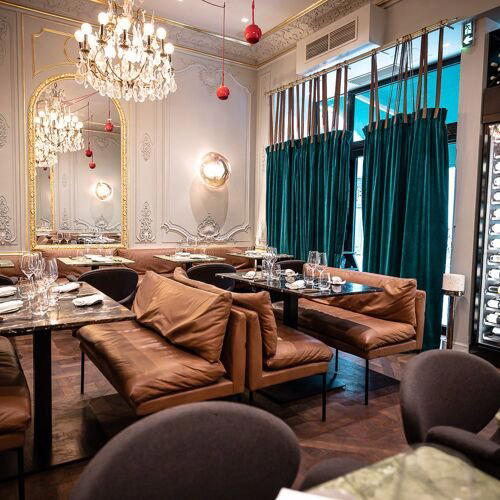
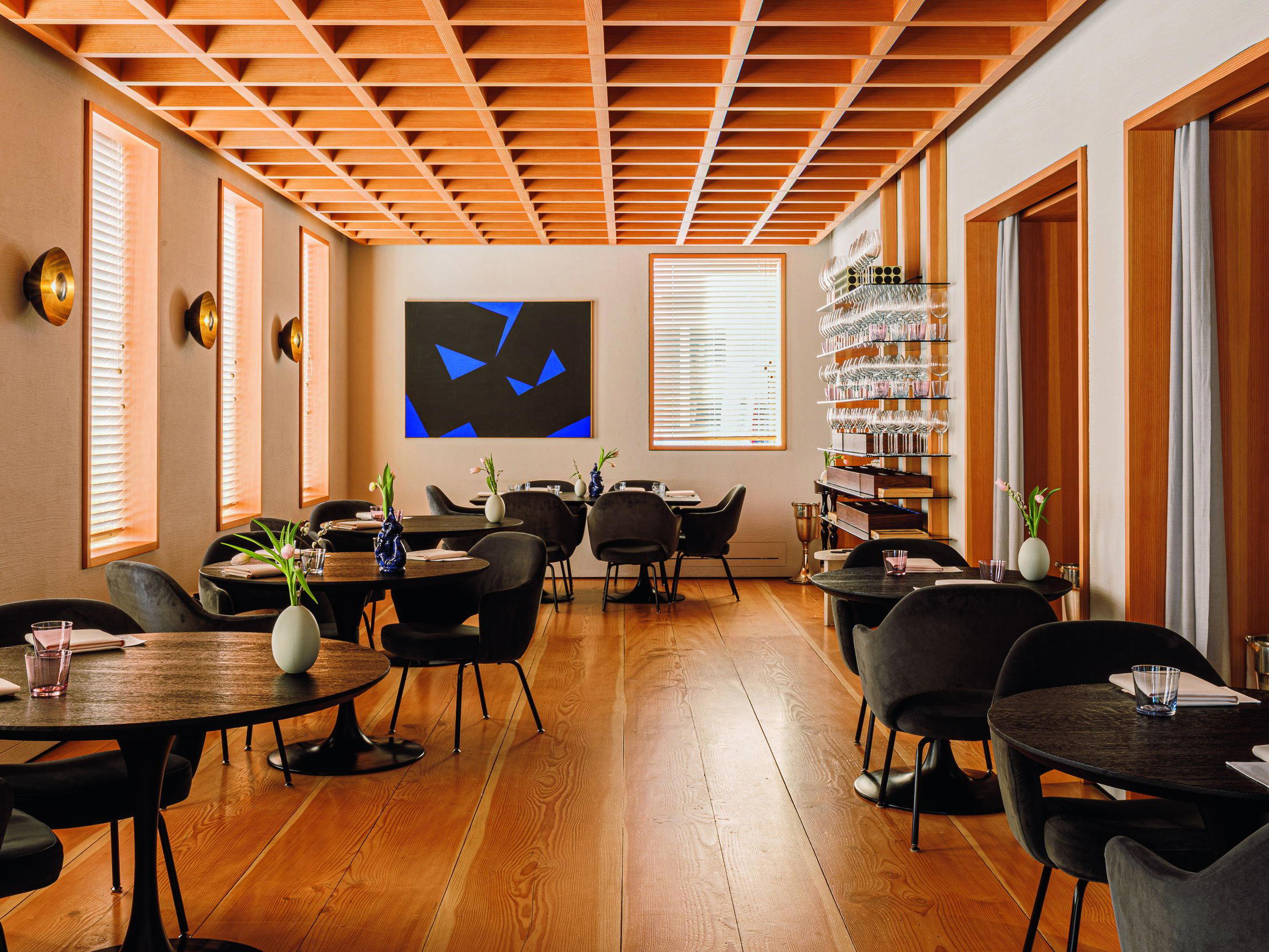
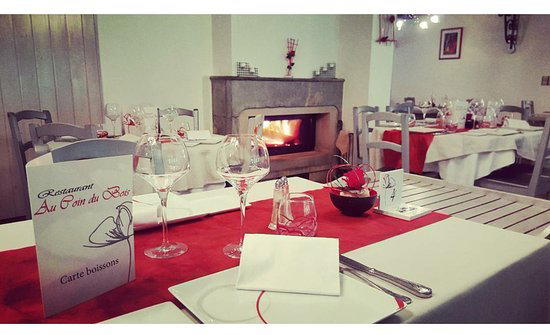

La Source Bleue
The wine
- Wine program
- Curated wine list
- Extensive wine list
Details
- Rustic
- Cozy
- Scenic
- Elegant
- Family
- Date Night
- Special Occasion
- Terrace
- Historic Building
- Extensive Wine List
- Local Sourcing
- A La Carte
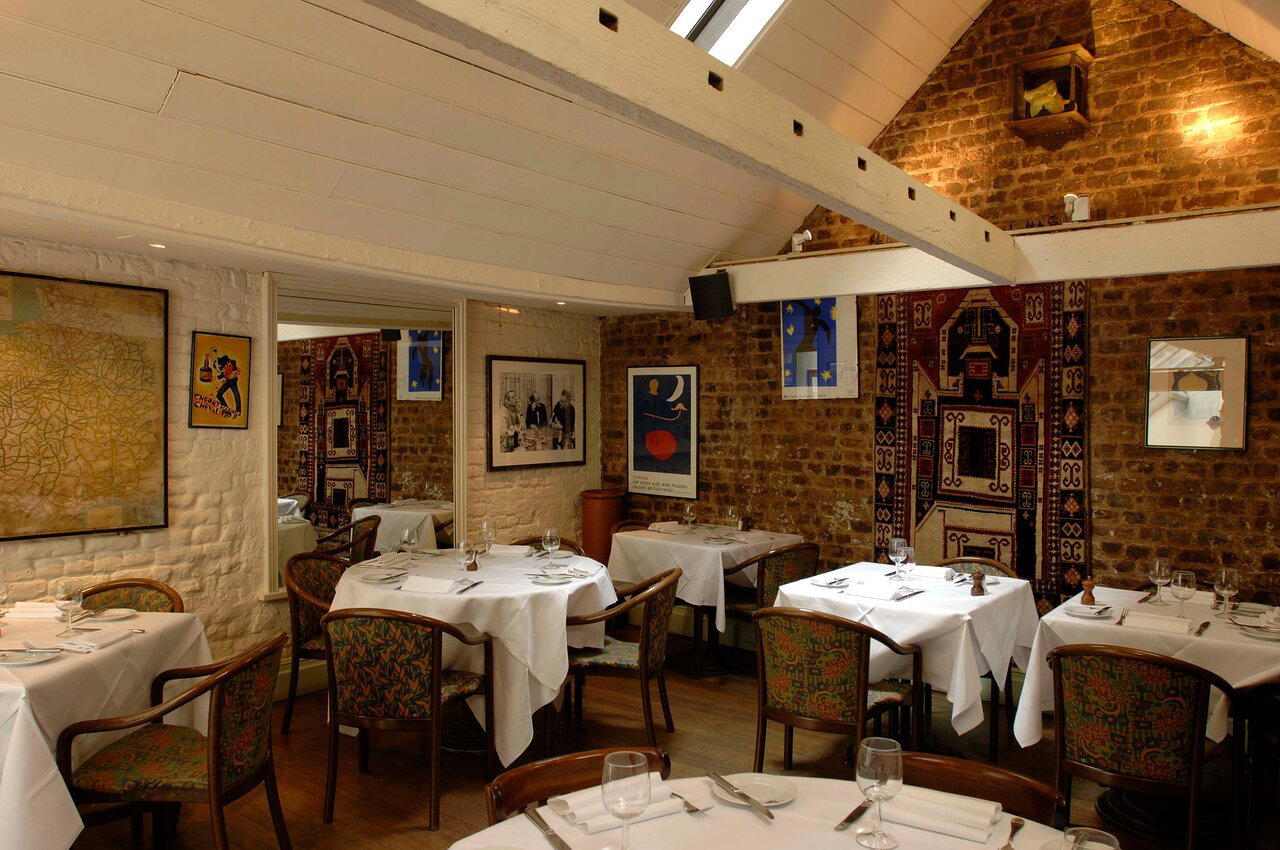
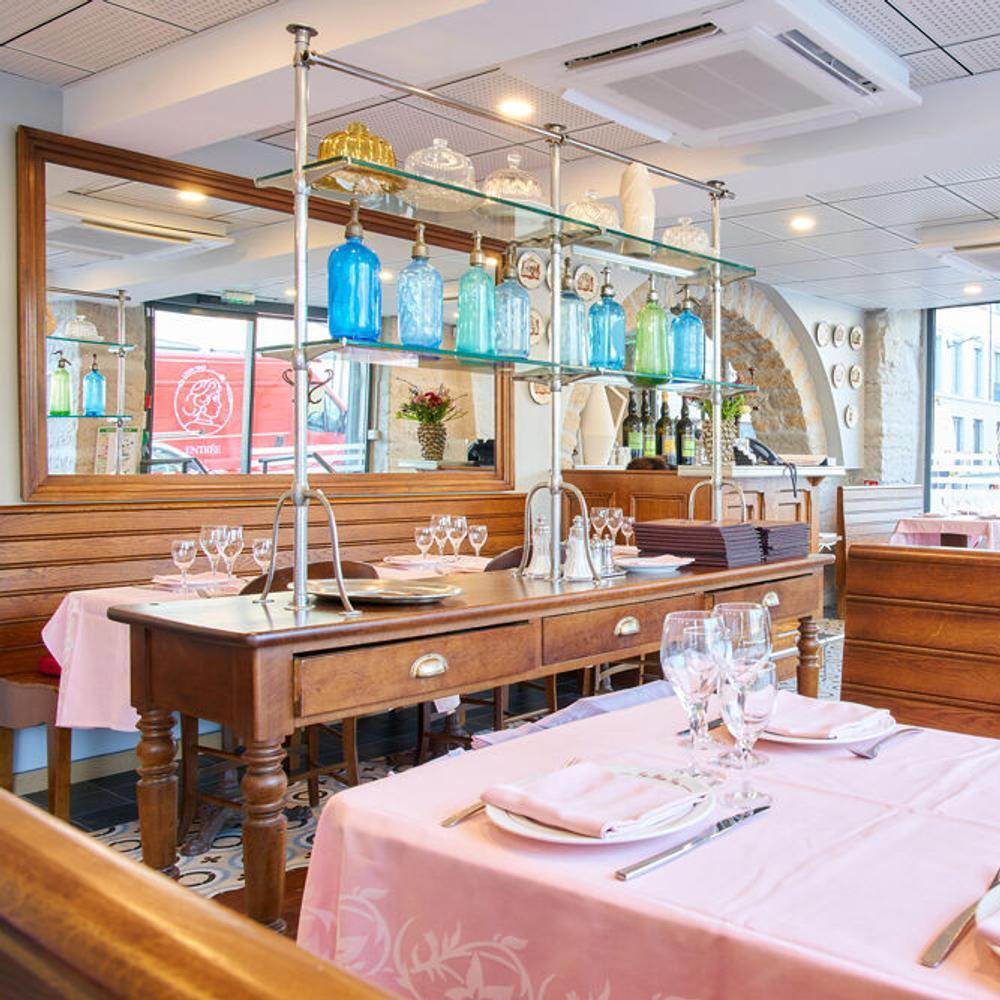
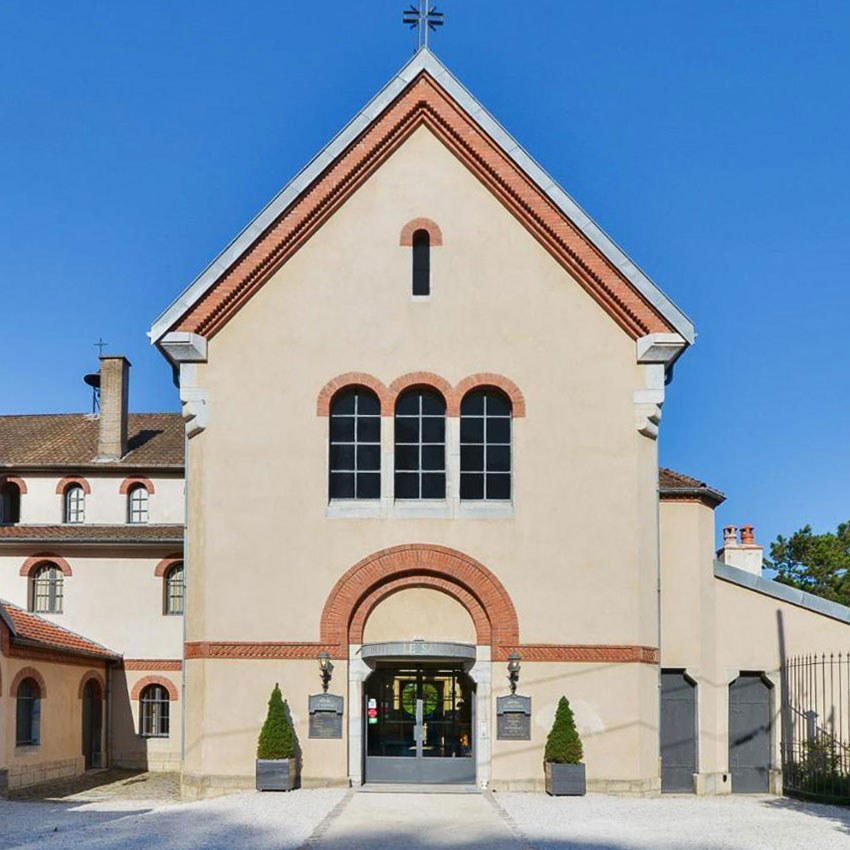
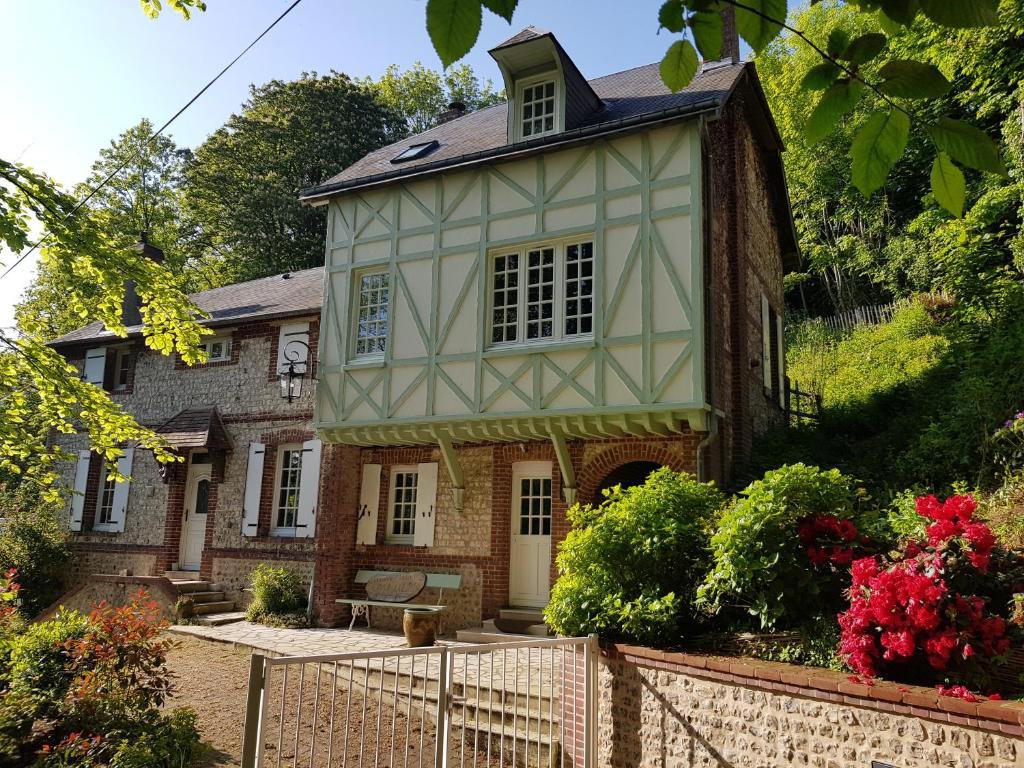
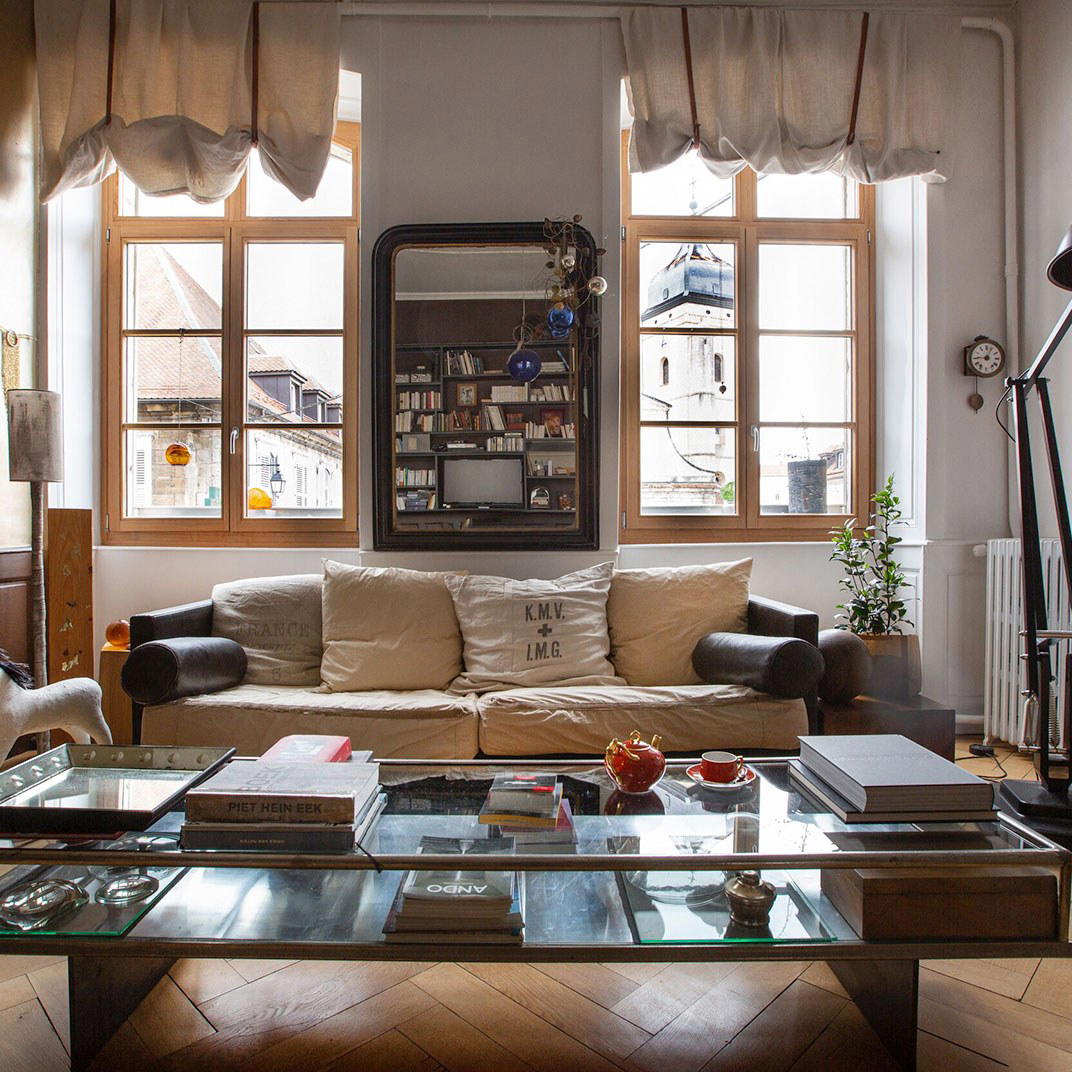
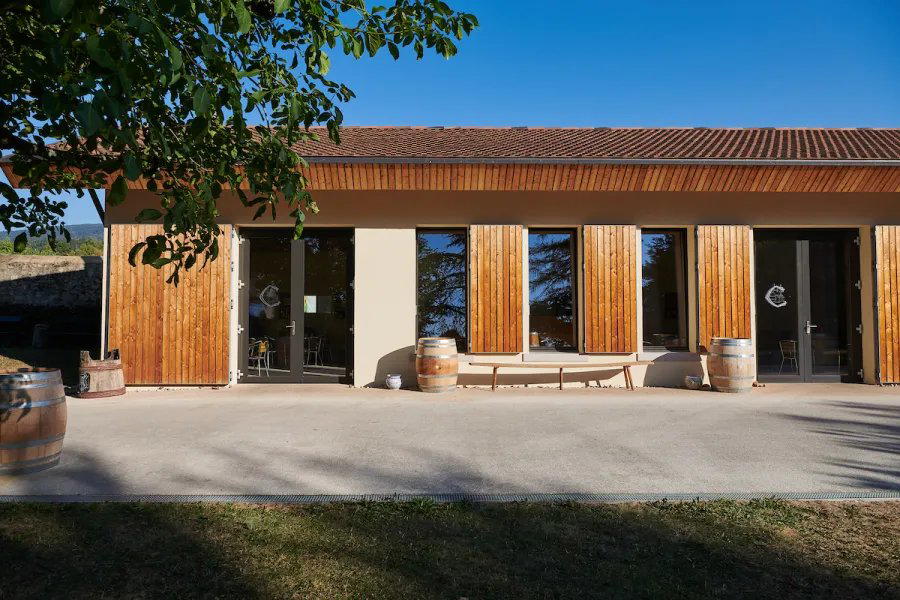
Warm and pleasant atmosphere in a rustic stone building with shaded terrace, quiet indoor seating, and caring service.