Domaine de Montmollin

Domaine de Montmollin gives Auvernier’s Lake Neuchâtel wine culture a serious scale: 50 hectares, organic certification since the 2019 vintage, and a portfolio built around Pinot Noir, Chasselas, Oeil de Perdrix, Gamaret and Garanoir. The draw is terroir clarity rather than hospitality theatre, with clay-limestone slopes and lake-reflected light shaping a classic Neuchâtel profile.
Pearl is the En Primeur Club membership app — saves, bookings, and concierge access live there. Same editors, same standards.
- Address
- Auvernier, Canton of Neuchâtel, Canton of Neuchâtel, Schweiz
 Saves & bookings on Pearl
Domaine de Montmollin is a venue in Auvernier with a classic, scenic, rustic character and a historic-building setting. On the information available here, that sense of place is the main point to hold onto: the venue is best understood through its atmosphere, location and general style rather than through a long list of services or features.
For travellers comparing options in Auvernier, Domaine de Montmollin is distinctive most clearly on setting and atmosphere rather than on claims about format, awards or amenities. Treat this as a concise planning note: the reliable facts are the name, the Auvernier location, the $$ price indication and the classic, scenic, rustic, historic-building profile. That makes it useful for shortlisting if your first filter is mood: somewhere with a traditional feel, a scenic context and the visual weight that comes with a historic-building setting.
Setting and atmosphere in Auvernier
The strongest description is atmospheric. Domaine de Montmollin is associated with a classic and rustic feel, a scenic setting and a historic building. Those terms point toward a venue whose appeal is likely to rest less on novelty and more on continuity, texture and a sense of place. “Classic” suggests a familiar, established tone; “rustic” suggests a more grounded and informal character; “scenic” puts the surrounding impression into the foreground; and “historic building” gives the setting a particular kind of depth.
For a visitor, that combination can be helpful when deciding whether the venue fits the shape of a day in Auvernier. If the goal is to seek out places with a more traditional atmosphere, the winery belongs on the relevant list. If, on the other hand, the decision depends on specific practical details, the current information here is not enough to answer those questions with confidence.
Because the confirmed information is intentionally narrow, avoid assuming details such as walk-in access, guided visits, food service, private-event capacity or particular offerings. Check the venue’s own current channels before making plans that depend on any of those specifics. This is especially important because a scenic or historic setting can sometimes lead travellers to infer more than has actually been verified. The safest approach is to separate the confirmed mood and location from any operational assumptions.
What is confirmed here
For that reason, the winery should not be presented here through unconfirmed product claims. The safer reading is simple: it is an Auvernier venue with a scenic, classic and historic-building profile, listed at a $$ price level. That is enough to describe its broad positioning, but not enough to promise a particular kind of visit, menu, programme, service style or visitor experience.
The $$ indication is best treated as a general price signal rather than a precise statement about cost. It can help place the winery roughly in a planning comparison, but it should not be read as a substitute for checking current details. Similarly, the descriptive words used here are useful for tone and expectation, but they are not a complete operational guide. They tell you how the venue is framed; they do not confirm exactly what will be available at any given moment.
If your visit depends on a particular purchase option, accessibility need, dietary question, group arrangement or service schedule, confirm those details directly with the winery before arrival. The more specific the need, the more important that confirmation becomes.
How to place it within an Auvernier outing
The winery can be considered as part of a broader Auvernier outing, especially if you are prioritising a scenic, rustic and historic-building atmosphere. In that kind of plan, it works as a candidate for travellers who value setting and character as much as, or more than, a defined checklist of amenities. The venue’s appeal, as described here, is not built around an extensive set of stated features, but around the impression created by place, style and historic context.
A practical comparison would therefore keep to broad categories: whether a place feels more classic or contemporary, whether the atmosphere is more rustic or polished, whether the price indication fits the intended budget, and whether the venue’s own current information supports the timing and purpose of the visit.
For planning, keep the confirmed facts in view: the winery is in Auvernier, carries a $$ price indication and is best described here as classic, scenic, rustic and historic. Anything more specific should be checked with the venue directly. Used in that way, the listing is a grounded starting point rather than a complete promise: it identifies the venue’s broad character, flags the need for direct confirmation and helps travellers decide whether its atmosphere belongs in their Auvernier plans.
Recognition history
Dated appearances from independent guides and award organizations, with the underlying list record or original source where available.
Falstaff Winery - 3 Stars
Falstaff
Continue exploring
More in Auvernier
Wineries in Auvernier
Browse all →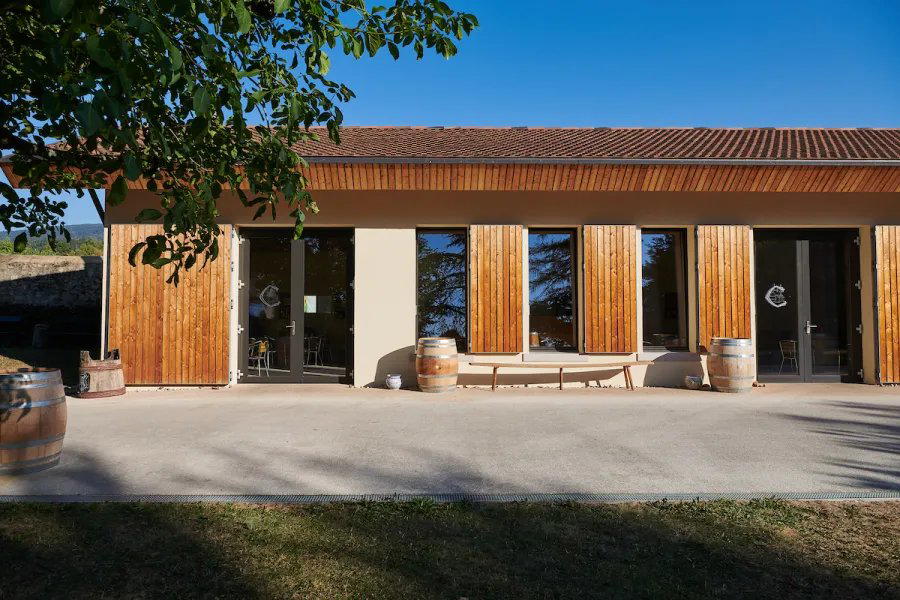
Restaurants in Auvernier
Browse all →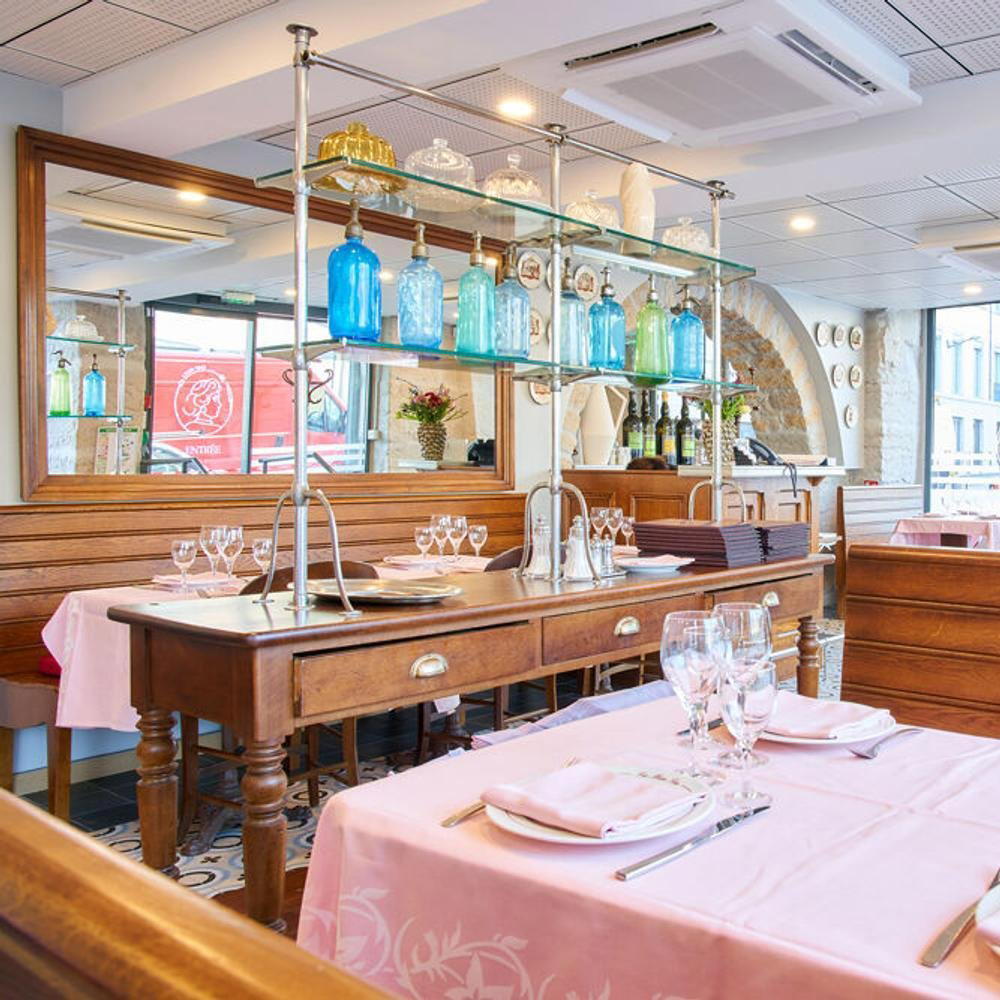
At a Glance
- Classic
- Scenic
- Rustic
- Group Outing
- Wine Education
- Solo Exploration
- Romantic Getaway
- Estate Grounds
- Waterfront
- Historic Building
- Organic
- Biodynamic
- Waterfront
- Vineyard
- Neuchâtel AOC
- Pinot Noir
- Chasselas
- Gamaret
- Garanoir
- Still Red
- Still White
- Still Rosé
- Dessert