Cocina de Campo by Agricole

Michelin Bib Gourmand
Our verdict
Cocina de Campo by Agricole sits along the Baja Sur corridor in El Pescadero, where a farm-to-table approach and Michelin Bib Gourmand recognition in both 2024 and 2025 place it among the more credentialed contemporary kitchens between Todos Santos and Cabo San Lucas. Chef Kevin Ng leads a menu shaped by local agriculture, with a price point that keeps the room accessible without softening the kitchen's ambitions.

Pearl is the En Primeur Club membership app — saves, bookings, and concierge access live there. Same editors, same standards.
- Address
- Carretera a Los Cabos KM59 El Trampuchete, 23300 El Pescadero, B.C.S., Mexico
- Phone
- +52 612 217 3734
- Hours
- Mon–Wed 1–8 PMThu–Sun 7 AM–8 PM
- Website
- agricole.mx
- Directions
- Get directions
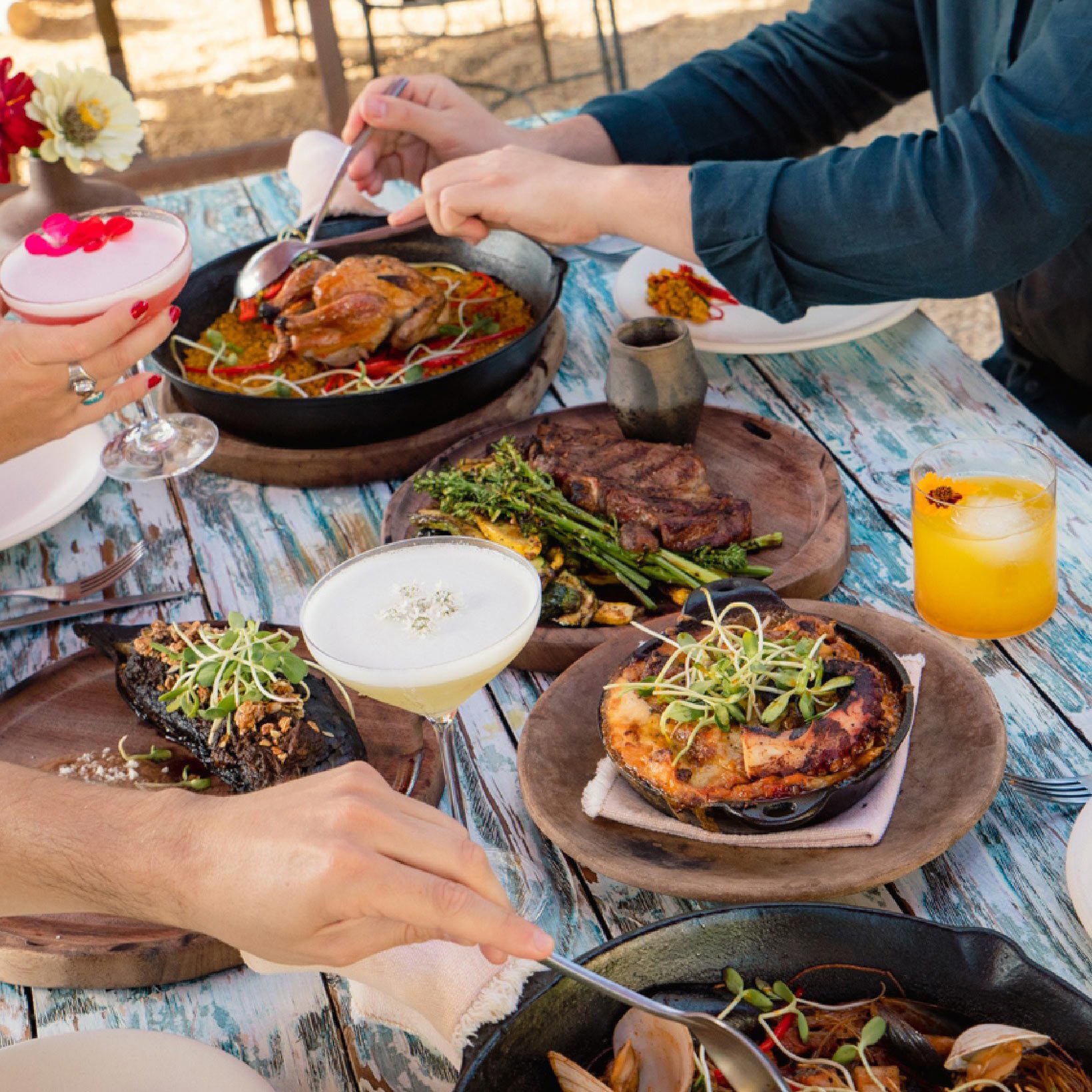
The menu
What to order
- Heirloom Tomato Salad with Kalamata Olive Tapenade
- Seafood Orzo
- Duck Magret with Guava Mole
- Fish Tacos
- Ceviche
Where Baja's Agricultural Belt Meets the Table
The stretch of Pacific coastline running south from Todos Santos through El Pescadero is not a dining destination in the conventional sense. There are no dense restaurant rows, no valet queues, no sommelier theater. What exists instead is a corridor of small farms, surf breaks, and low-rise pueblos where the growing conditions — ocean breezes, volcanic soil, reliable sun — quietly support some of the most productive agriculture in Baja California Sur. Against that backdrop, Cocina de Campo by Agricole occupies a position that feels less like a restaurant insertion and more like a logical extension of the land itself. The name signals the intent plainly: cocina de campo translates to country kitchen, and agricole points directly to the farming operation that anchors the concept.
Arriving via Carretera a Los Cabos at KM59, the setting is unhurried in a way that Los Cabos proper rarely allows. The region has seen increasing attention from the kind of traveler who has already worked through the resort tier of the peninsula and is now looking laterally, toward the smaller towns and working landscapes north of San José del Cabo. El Pescadero sits in that zone, and Cocina de Campo is among the clearest arguments for spending time there. For context on the broader dining and hospitality options in the area, our full El Pescadero restaurants guide covers the field in more depth.
A Kitchen Shaped by Where It Stands
Contemporary Mexican cuisine has developed along several distinct trajectories over the past decade. At the highest price tier, restaurants like Pujol in Mexico City and Le Chique in Puerto Morelos operate as destination-dining propositions with tasting menus priced at the level of their Michelin recognition. A parallel track has emerged in wine and farm country, where places like Animalón in Valle de Guadalupe and Olivea Farm to Table in Ensenada have made the agricultural connection their primary editorial statement rather than a decorative footnote. Cocina de Campo belongs to this second category, where proximity to the source material is the organizing principle of the kitchen.
Chef Kevin Ng leads the operation, and the background he brings to a farm-rooted contemporary format in rural Baja reflects a broader pattern in how serious kitchens end up in unexpected geographies. The contemporary category, as defined by the Michelin Guide, covers kitchens that apply technical discipline to local ingredients without subordinating those ingredients to technique. That balance is harder to hold than it sounds, particularly in a location where supply chains are narrower and sourcing requires more direct engagement with growers. The Bib Gourmand designation, which Michelin awards to kitchens offering food of notable quality at a moderate price point, arriving in both 2024 and 2025, suggests the kitchen has maintained that balance consistently rather than delivering it once and letting standards drift.
The Bib Gourmand Signal and What It Means Here
Michelin's Bib Gourmand category carries a specific implication that is worth unpacking in this context. At the $$ price range Cocina de Campo operates within, the designation means Michelin inspectors found the cooking worth the journey on its own terms, not as a curiosity or a budget fallback relative to something more expensive nearby. For a kitchen in El Pescadero to receive that assessment in consecutive years places it in a smaller company than the volume of Bib Gourmand listings might suggest.
For reference, kitchens like KOLI Cocina de Origen in Monterrey, Alcalde in Guadalajara, and Levadura de Olla Restaurante in Oaxaca each represent the kind of regionally grounded contemporary cooking that Michelin has increasingly recognized across Mexico beyond the capital. Cocina de Campo sits within that national conversation while remaining physically removed from any urban dining circuit. That geographic isolation sharpens rather than dilutes the kitchen's identity.
The Room and the Pace
Contemporary farm restaurants in Mexico's coastal zones tend to operate on a pace set by the kitchen rather than the reservation system. That breadth of positive reception is a different signal than a narrower, more devoted following, and it points to a kitchen that communicates its intentions clearly rather than requiring prior context to be appreciated.
The physical environment along this stretch of the Baja corridor invites a particular kind of unhurried eating. There is no urban noise floor to push against, no performance pressure from neighboring tables running tasting menu paces. Dinners here tend to settle into the cadence of the surrounding landscape, which is an argument for arriving without a compressed schedule.
Travelers building a wider itinerary around this part of Baja will find supporting context in our El Pescadero hotels guide, bars guide, wineries guide, and experiences guide. For those extending the trip into the broader Mexican contemporary dining circuit, kitchens like Arca in Tulum, HA' in Playa del Carmen, Pangea in San Pedro Garza Garcia, and Lunario in El Porvenir each offer points of comparison across different regional contexts. For those interested in how the contemporary format operates internationally, César in New York City and Jungsik in Seoul illustrate how different cities anchor the category.
Planning the Visit
Cocina de Campo sits at KM59 on the Carretera a Los Cabos in the El Trampuchete area, accessible by car from both Todos Santos to the north and the Los Cabos corridor to the south. The $$ price range positions it well below the tasting-menu tier of Michelin-recognized Mexican dining, making it viable as a regular choice during a longer Baja stay rather than a single-occasion reservation. Given the consecutive Bib Gourmand recognition and the limited scale of dining options in El Pescadero, booking ahead is advisable, particularly on weekends when traffic from Los Cabos resort travelers increases. Arriving at opening or for an early lunch tends to offer the most settled experience.
Frequently asked questions
Would Cocina de Campo by Agricole be comfortable with kids?
At the $$ price point and in a town like El Pescadero, the room is unlikely to carry the formality of a tasting-menu venue. If dining with young children is a primary consideration, contacting the restaurant directly before arrival is the practical approach.
What is the atmosphere like at Cocina de Campo by Agricole?
The atmosphere reflects the setting: rural Baja, agricultural, unhurried. El Pescadero sits outside the resort orbit of Los Cabos, which shapes the room's character significantly. The $$ pricing reinforces that accessibility. Expect a pace and atmosphere closer to a serious farm restaurant than to a destination tasting-menu experience.
What's the must-try dish at Cocina de Campo by Agricole?
What the Michelin Bib Gourmand designation does confirm is that the kitchen's cooking, across whatever the current menu holds, met the inspectors' standard for quality relative to price in both 2024 and 2025. Chef Kevin Ng leads a contemporary kitchen with a farm-rooted sourcing model, which typically means seasonal rotation rather than a fixed signature list. Arriving without a fixed agenda and letting the current menu guide the meal is the more reliable approach at kitchens structured this way.
Comparable Spots, Quickly
| Venue | Cuisine | Price | Awards | Notes |
|---|---|---|---|---|
| Cocina de Campo by AgricoleThis venue — the venue you are viewing | Contemporary Mexi-Cali Farm-to-Table | $30–50 | Michelin Bib Gourmand | Not listed |
| Pujol | Mexican | Not listed | Michelin 2 Star | Not listed |
| Quintonil | Modern Mexican Fine Dining | $300–500 | 2 Michelin Stars · World's 50 Best #7 | Modern Mexican, Contemporary |
| Rosetta | Mexican-Italian Fusion Fine Dining | $30–50 | 1 Michelin Star · World's 50 Best #39 | Italian, Creative |
| Em | Mexican | Not listed | Michelin 1 Star | Not listed |
| Le Chique | Avant-Garde Mexican Tasting Menu | $200–300 | 1 Michelin Star · World's 50 Best #58 | Mexican, Contemporary |
Recognition history
Dated appearances from independent guides and award organizations, with the underlying list record or original source where available.
Michelin Bib Gourmand
Michelin
Full recognition history (3 entries)
Michelin Bib Gourmand
Michelin
Michelin Bib Gourmand
Michelin
Continue exploring
More in El Pescadero
Restaurants in El Pescadero
Browse all →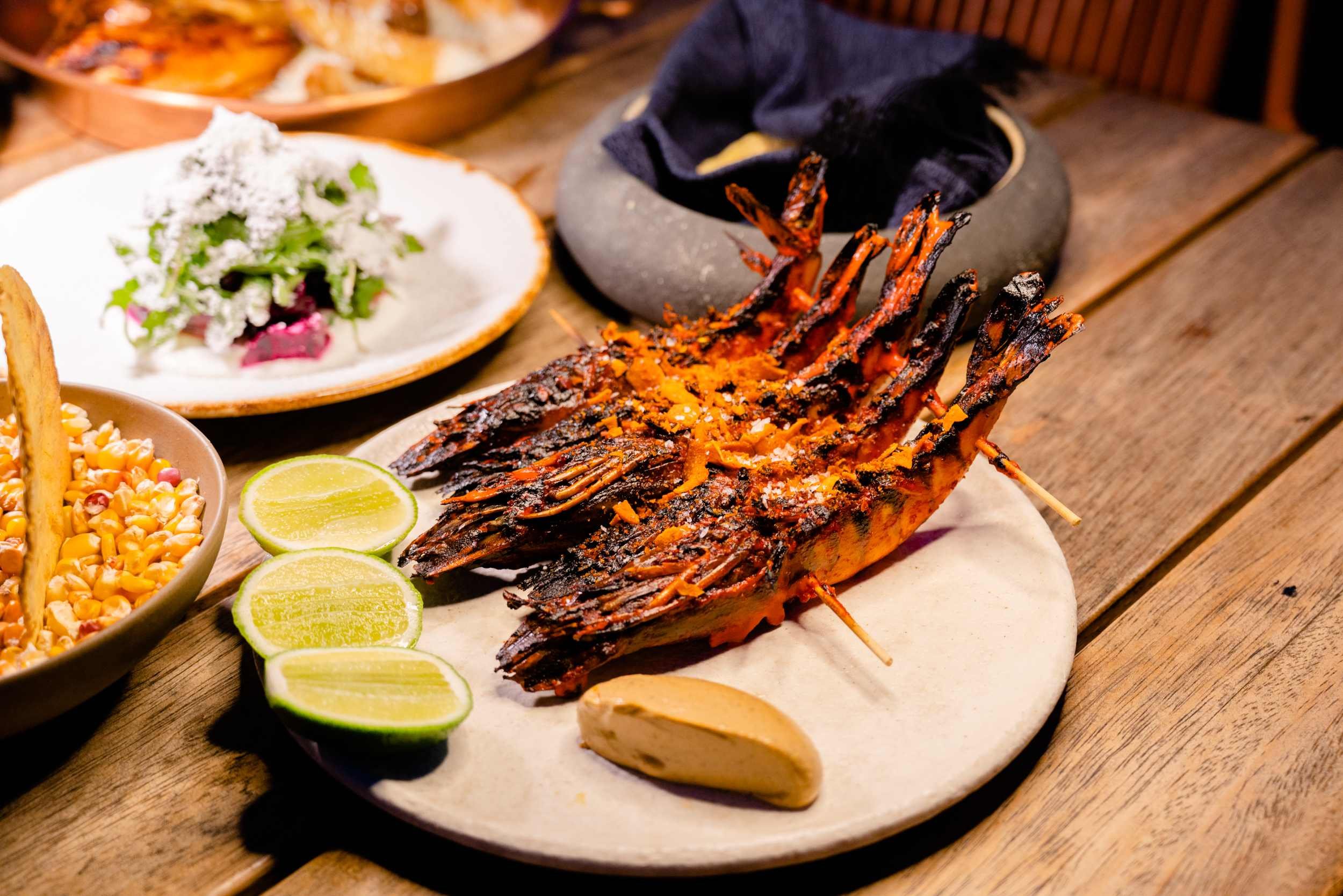
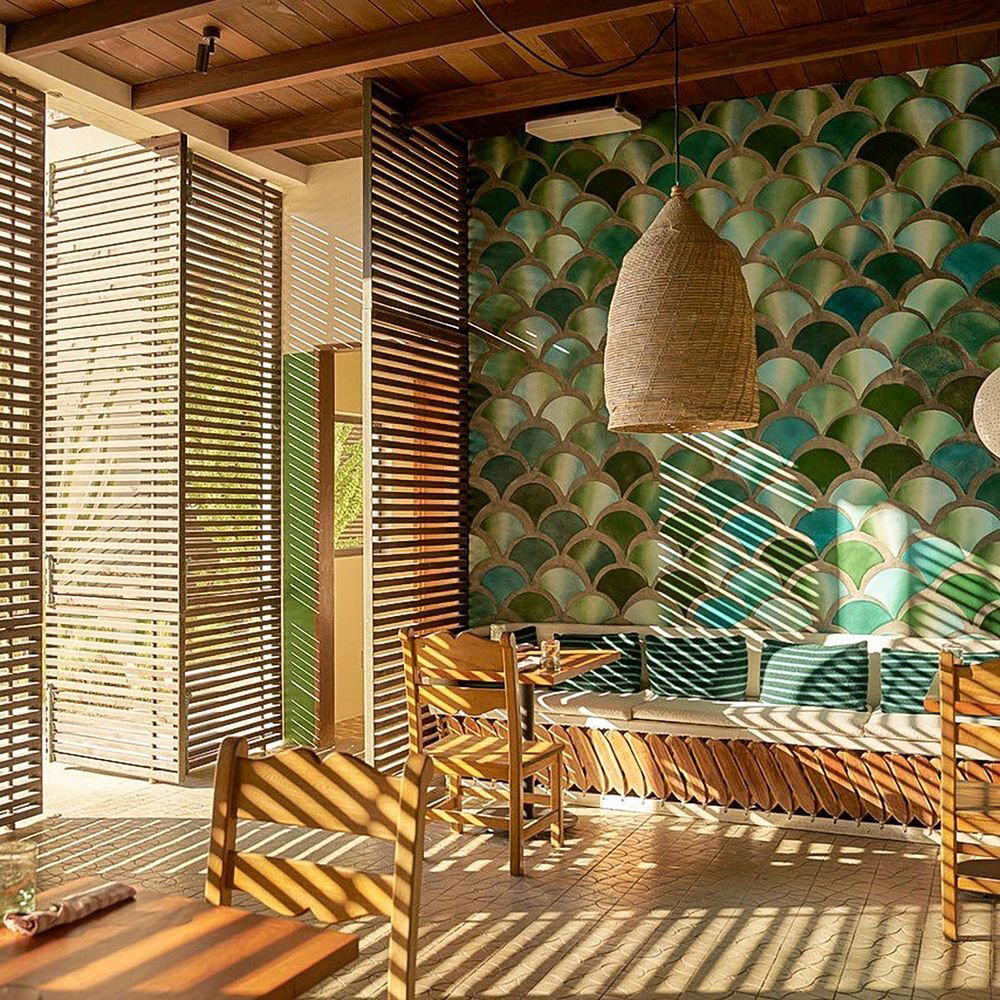
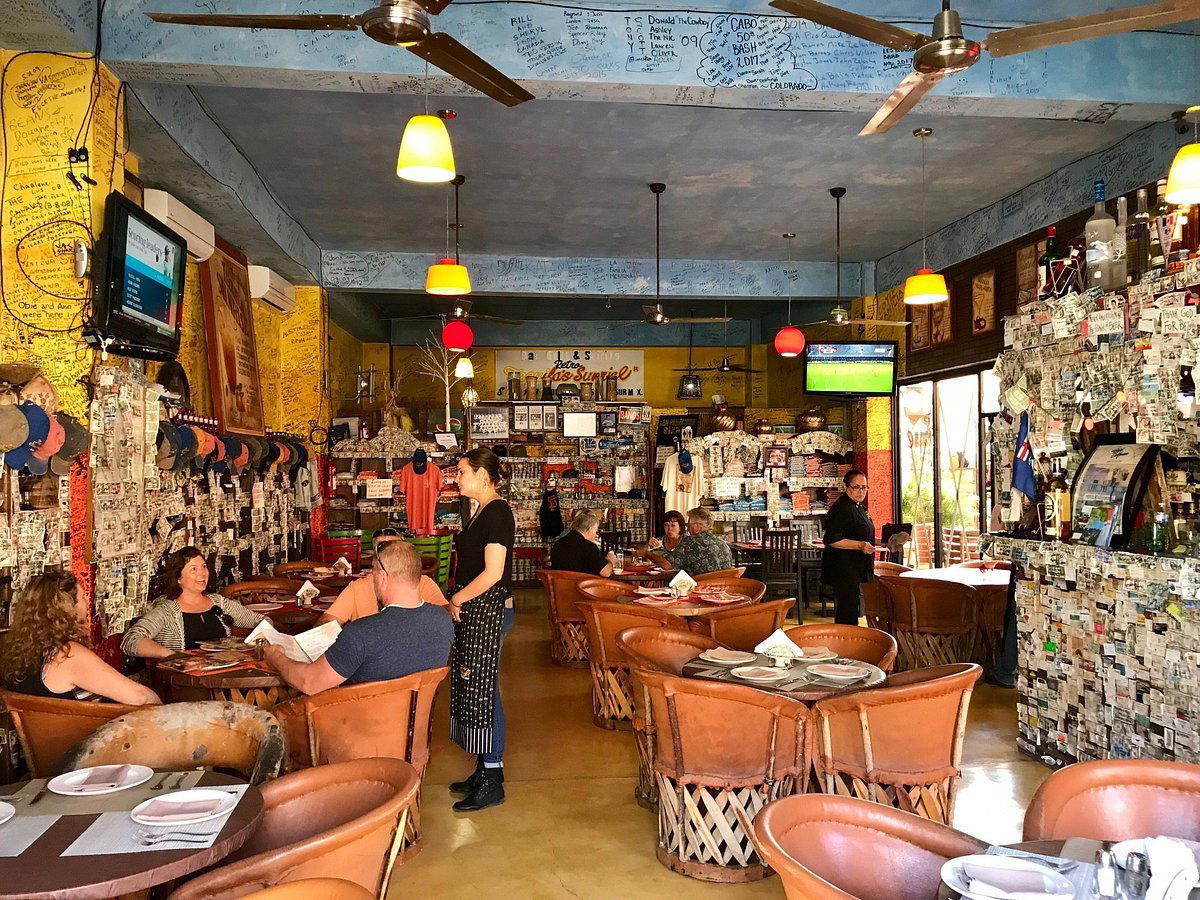
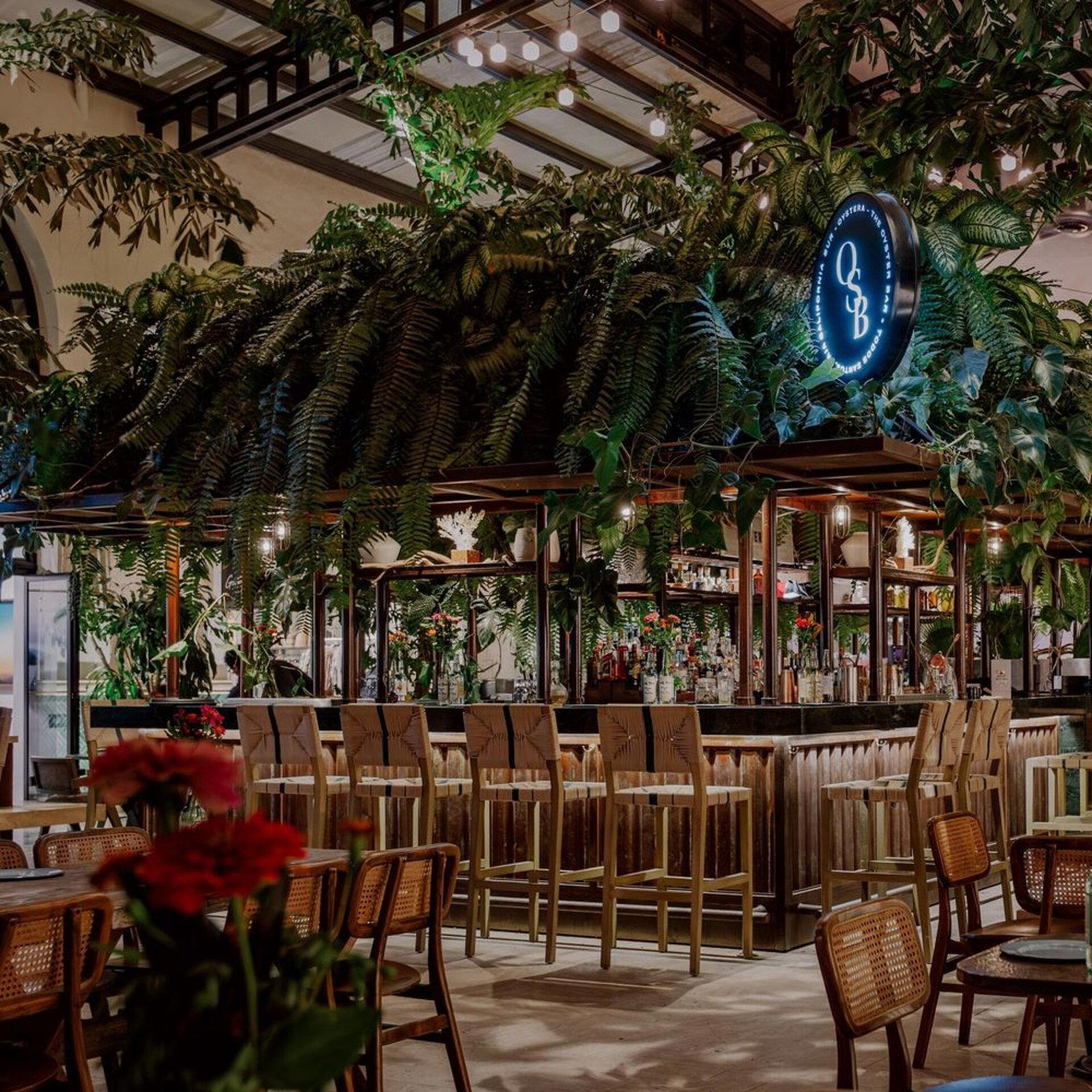
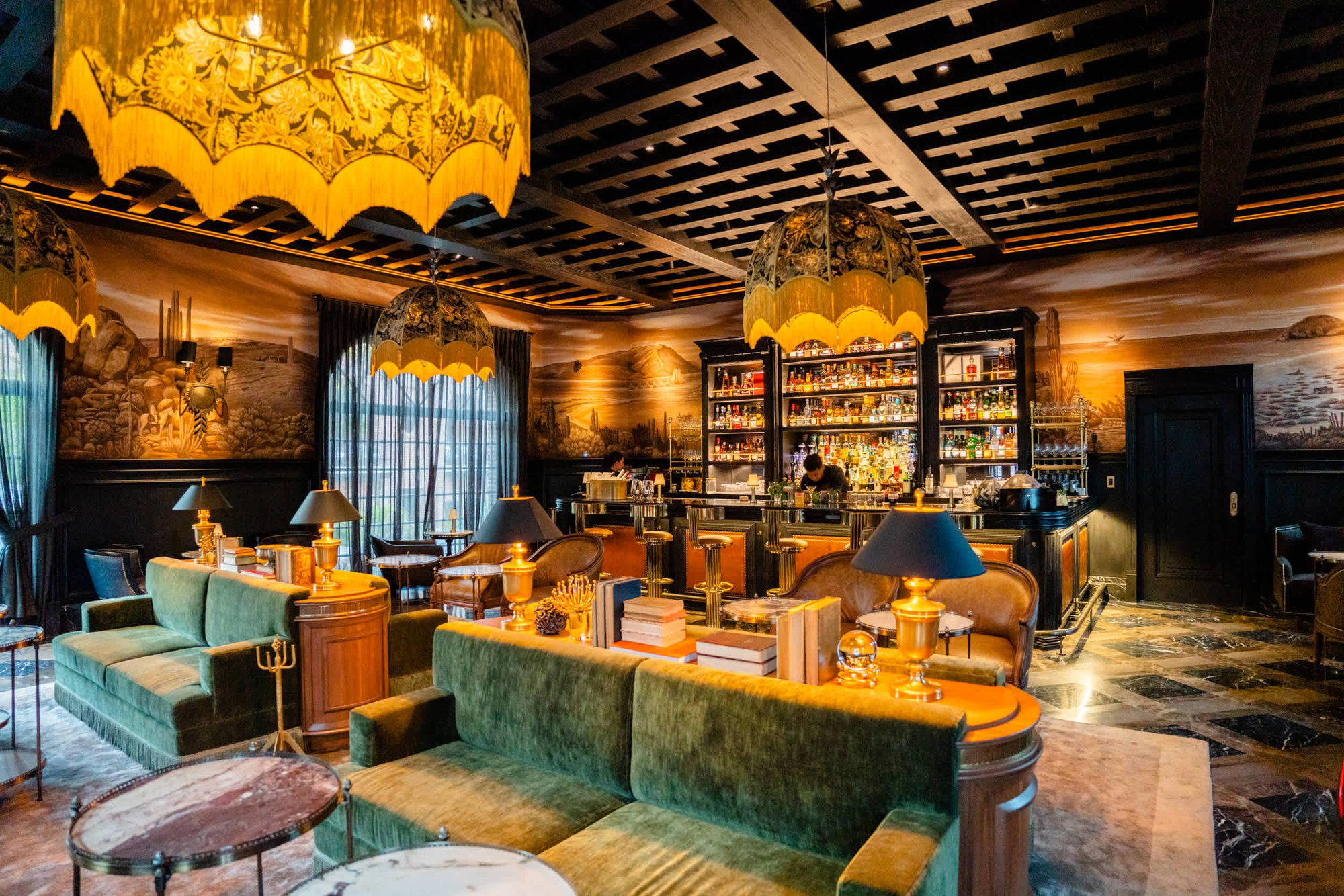
Bars in El Pescadero
Browse all →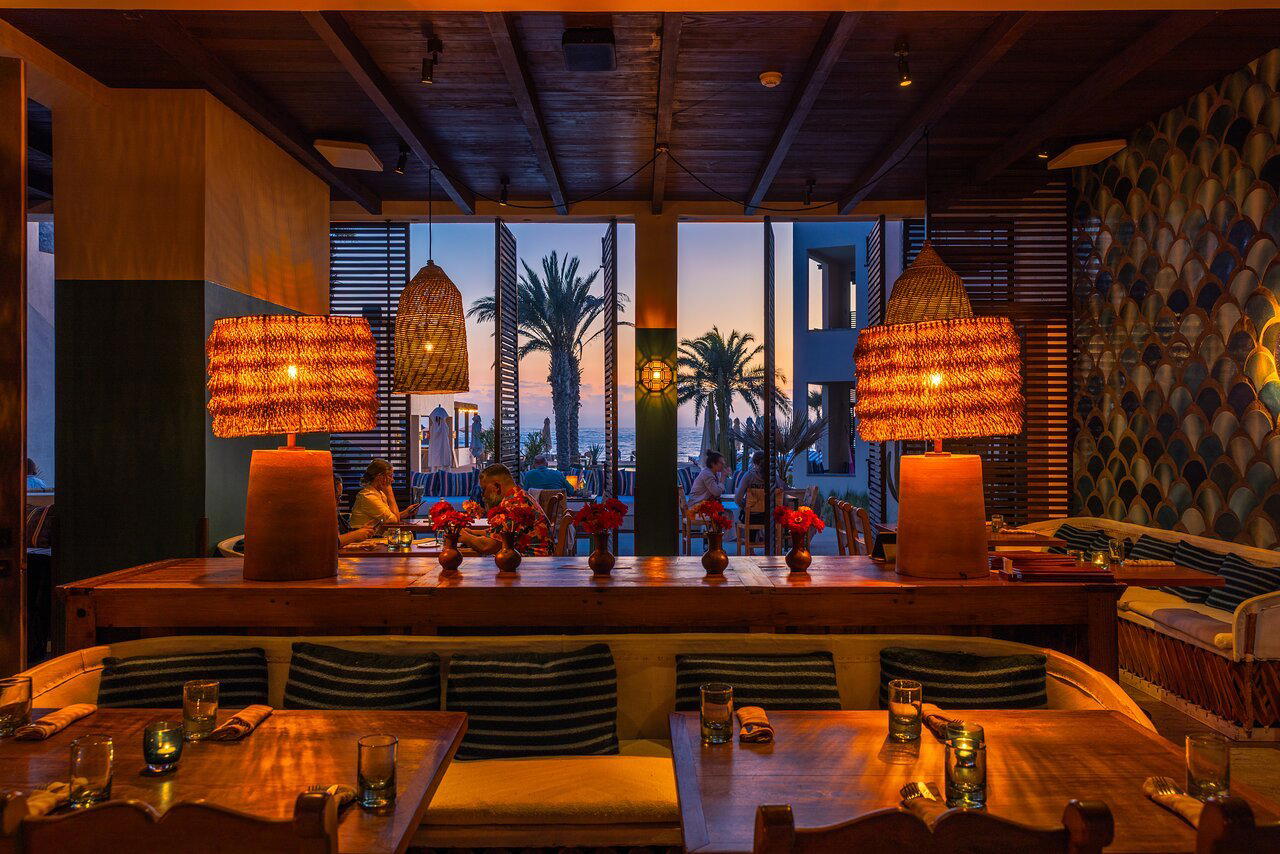
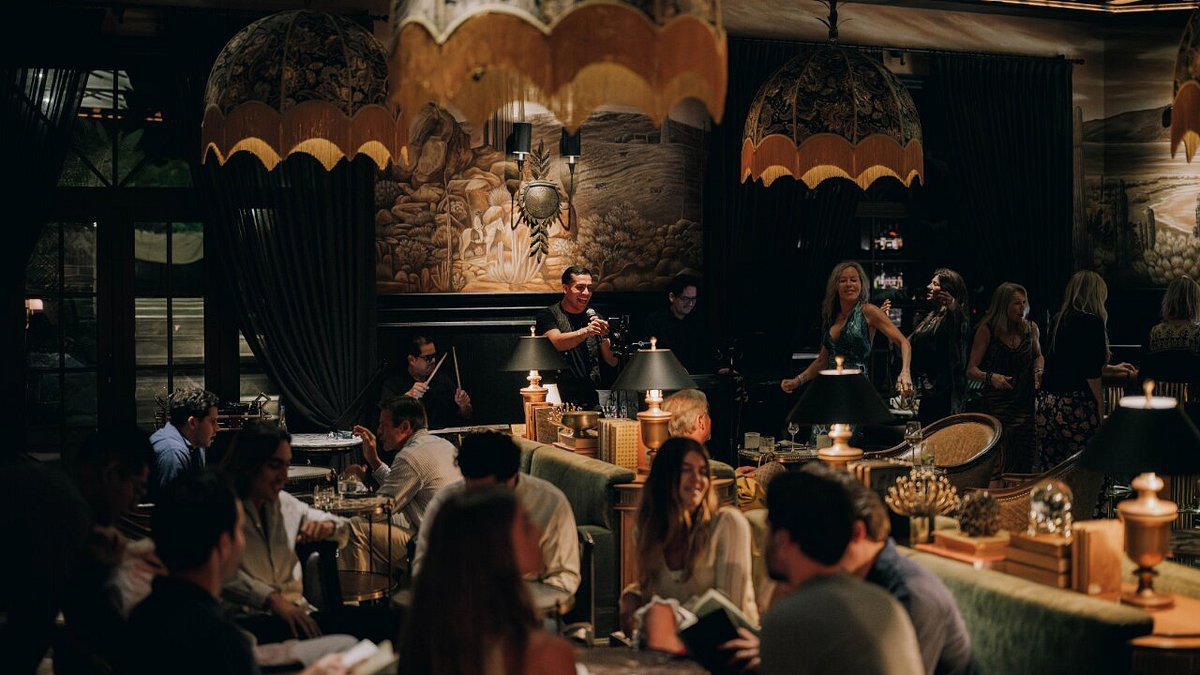
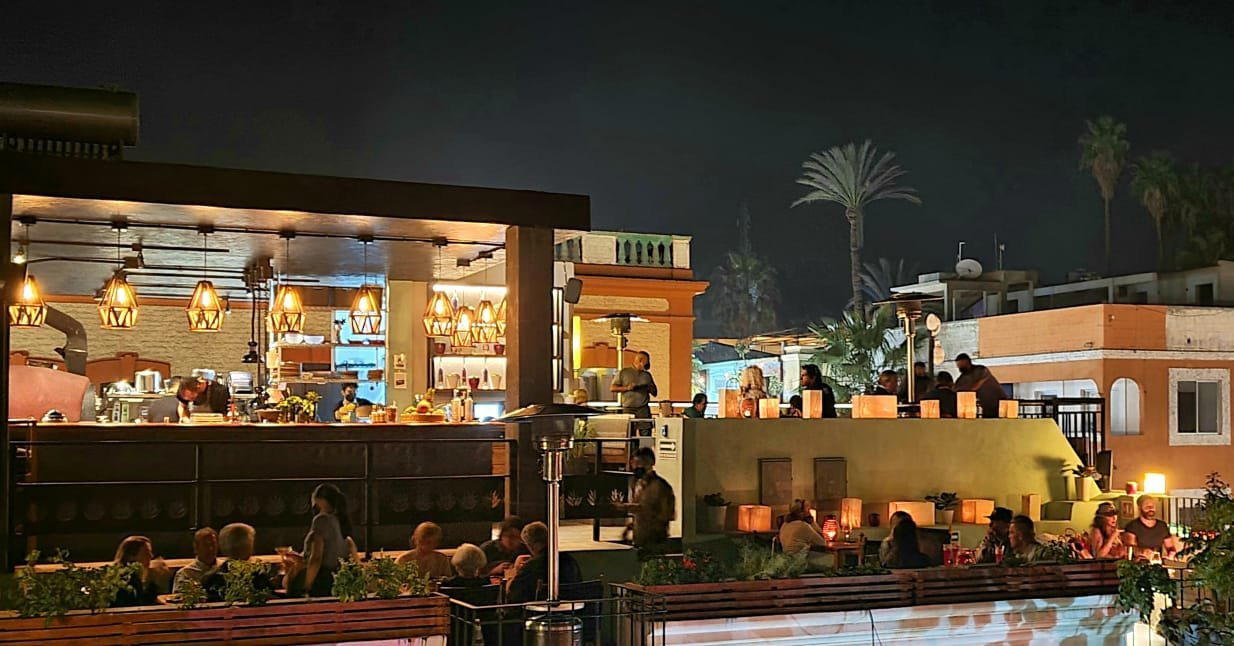
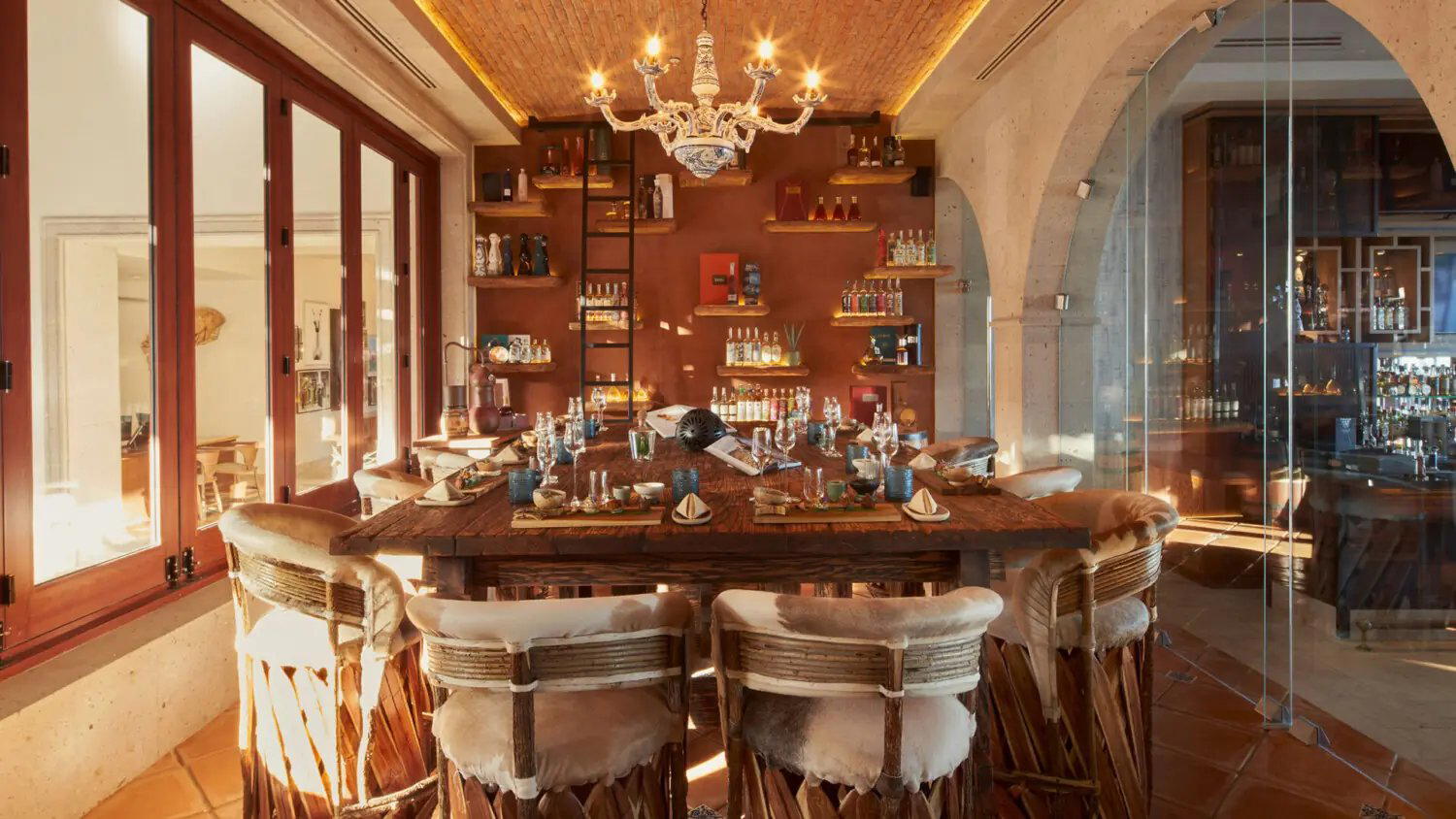
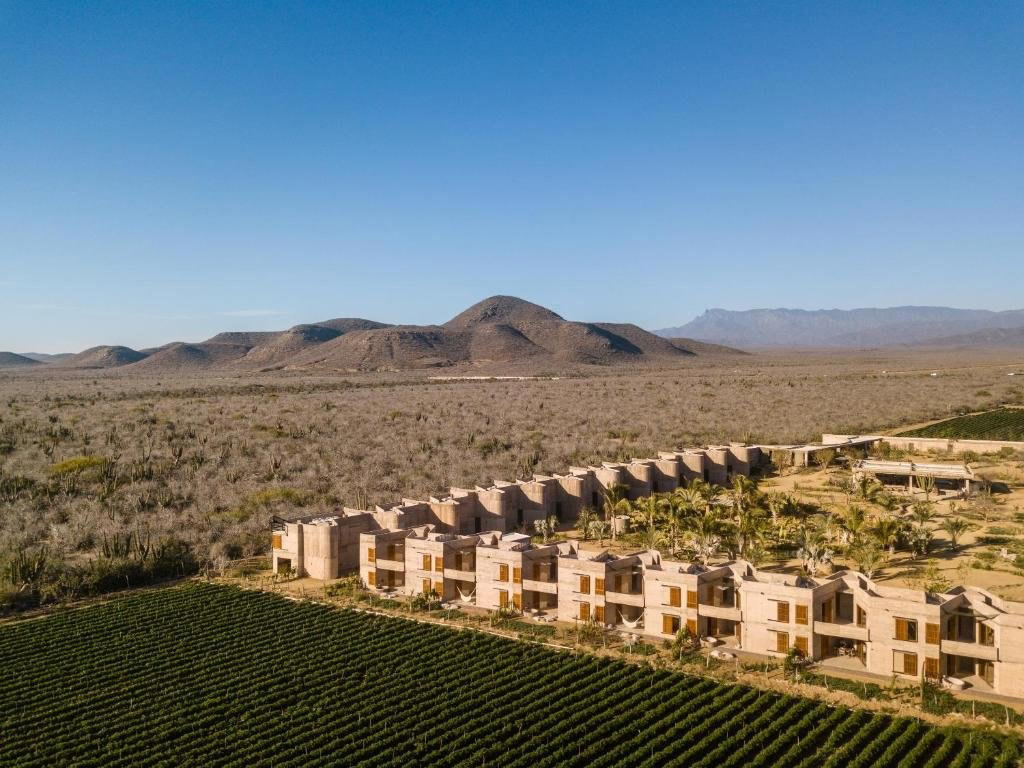
Cocina de Campo by Agricole
The wine
- Wine program
- Curated wine list
- Craft cocktails
Details
- Scenic
- Rustic
- Bohemian
- Cozy
- Elegant
- Casual Hangout
- Group Dining
- Date Night
- Family
- Celebration
- Garden
- Terrace
- Live Music
- Craft Cocktails
- Farm To Table
- Organic
- Local Sourcing
- Garden
- A La Carte
- Craft Cocktails
- Wine
- Vegetarian Friendly
- Organic Focus
- Pescatarian Friendly
Current opening hours
- Monday
- 1–8 PM
- Tuesday
- 1–8 PM
- Wednesday
- 1–8 PM
- Thursday
- 7 AM–8 PM
- Friday
- 7 AM–8 PM
- Saturday
- 7 AM–8 PM
- Sunday
- 7 AM–8 PM
Hours can change for holidays and private events. Last verified .
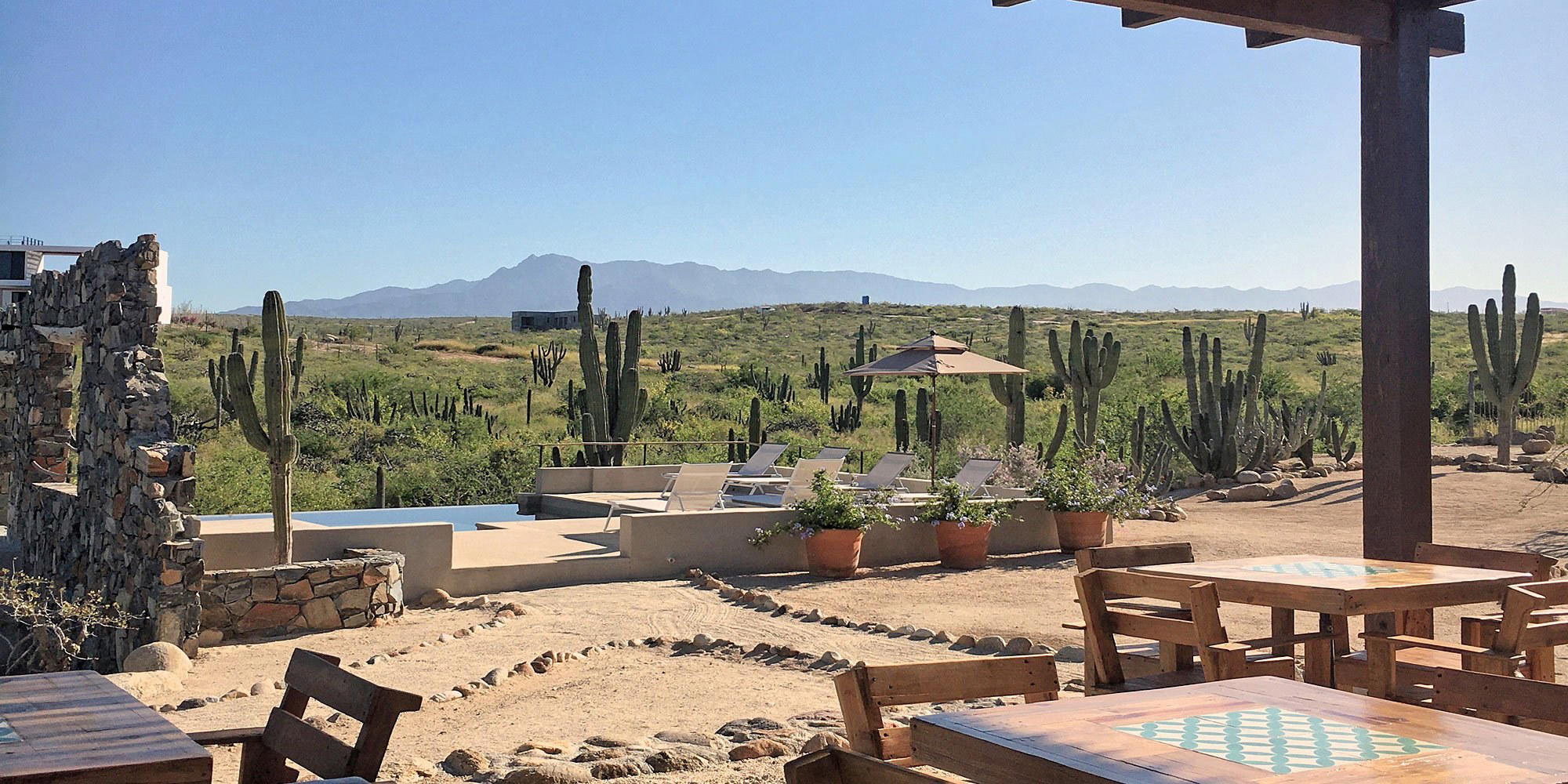
Bright, natural garden setting with gravel floors, abundant flowers on tables, and plenty of shade options; relaxed yet refined atmosphere with views of farmland and organic gardens.