Our verdict
Comedor HRP sits on Belisario Domínguez in La Paz's Zona Central, positioned within a city whose dining scene has quietly developed into one of Baja California Sur's more considered destinations. The address places it at the intersection of local comedor tradition and a broader regional movement toward ingredient-led cooking rooted in the Gulf of California coastline.

Pearl is the En Primeur Club membership app — saves, bookings, and concierge access live there. Same editors, same standards.
- Address
- Belisario Domínguez 387, Zona Central, 23000 La Paz, B.C.S., Mexico
- Phone
- +526122219125
- Hours
- Daily 5–10:30 PM
- Website
- linktr.ee
- Directions
- Get directions
- Booking
- Book on OpenTable
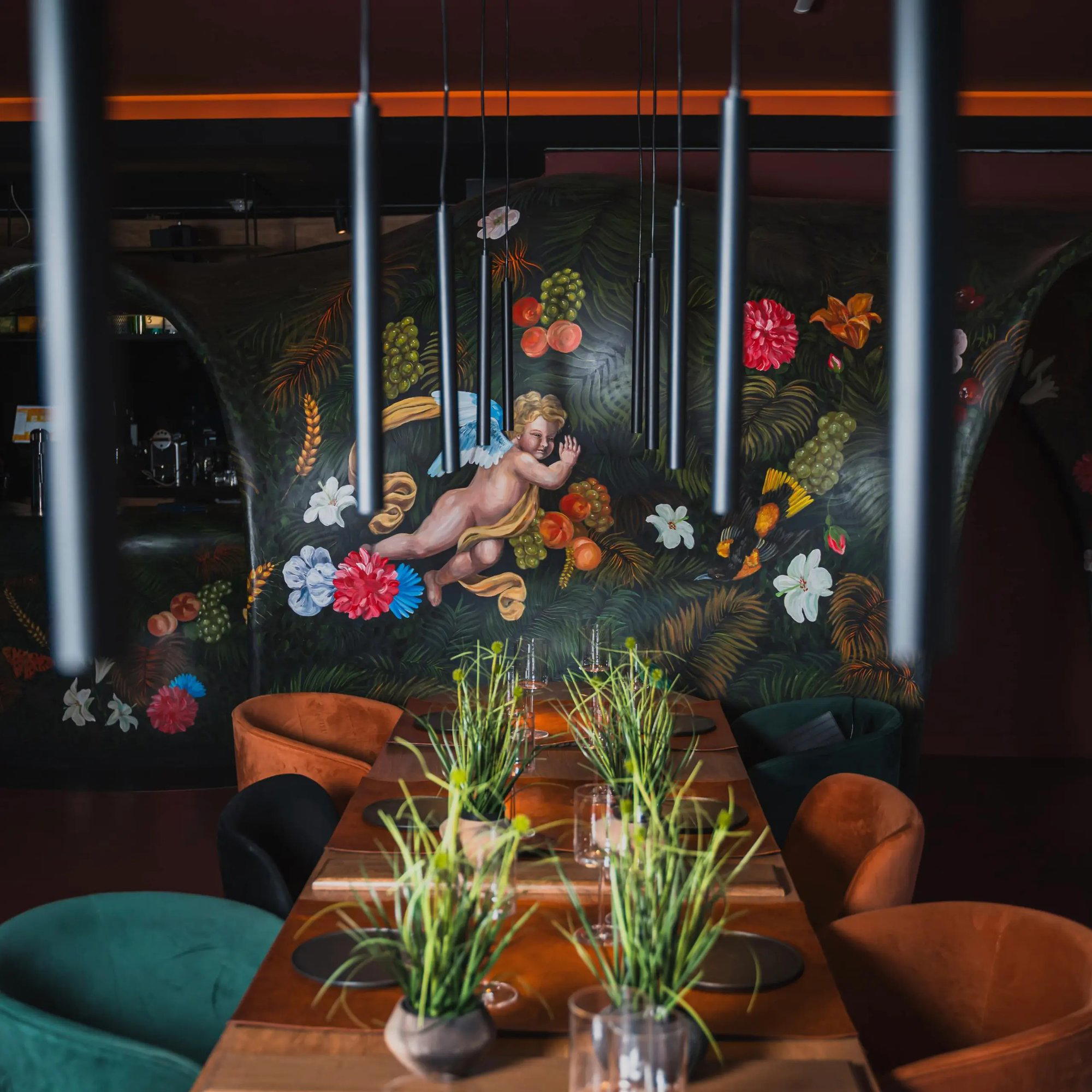
The menu
What to order
- Chocolate clams
- Duck confit tacos
- Pork belly gyozas
- Catch of the day in jasmine tea
La Paz and the Comedor Tradition
La Paz occupies an unusual position in the Mexican dining conversation. It is neither the international benchmark of Mexico City's fine-dining corridor nor the wine-country showcase of Valle de Guadalupe to the north, yet it draws from both currents. The city's food culture is anchored by the comedor, a format that predates every tasting menu and wine-pairing program in the country. A comedor is, at its most precise definition, a place where people eat together: communal, practical, and shaped by what arrives from the sea and the surrounding Baja terrain each morning. That tradition is not merely nostalgic; it is a structural argument about how meals should work.
Comedor HRP, at Belisario Domínguez 387 in the Zona Central, operates within that lineage while belonging to a generation of Mexican dining rooms that take the comedor format seriously as a cultural statement. The Zona Central is La Paz's commercial and civic core, a neighbourhood of pedestrianized streets and low-rise architecture that moves at a different pace from the Malecón waterfront a few blocks west. Eating here means participating in how the city actually feeds itself, rather than watching it perform for visitors.
The Gulf of California as a Kitchen
To understand what a La Paz restaurant can reasonably draw on, it helps to understand the geography. The Gulf of California, known locally as the Sea of Cortez, is one of the most productive marine environments in the Western Hemisphere. Jacques Cousteau's characterisation of it as the world's aquarium has aged into something approaching documented fact: the species diversity is genuinely exceptional by any oceanographic measure. For a kitchen operating on the Baja California Sur coast, this means access to totoaba, cabrilla, chocolate clams, bay scallops, and a rotating cast of seasonal catches that no inland Mexican restaurant can replicate with equivalent freshness.
Restaurants across La Paz that engage seriously with this resource, including Agricole Cocina de Campo and Ancestral, have built their identities around proximity to that supply. The comedor format, with its shorter menus and daily-adjusted offerings, is structurally better suited to that kind of ingredient dependency than a fixed tasting menu. When the catch changes, the plate changes. That responsiveness is not a feature; it is the operating logic.
Where Comedor HRP Sits in the Local Picture
Arami brings Japanese-inflected technique to local seafood. Cardón draws on Baja's desert pantry. Gustu, the South American-rooted operation, adds a regional internationalism that positions the city within a wider Latin American culinary conversation. Comedor HRP fits into this picture as a Zona Central address with a name that signals deliberate alignment with the comedor tradition rather than an aspirational departure from it.
That positioning matters. The restaurants doing the most interesting work in Mexican coastal dining right now tend to be those that resist the urge to repackage local ingredients inside imported formats. Pujol in Mexico City and Le Chique in Puerto Morelos operate at the formal end of that spectrum, where Mexican ingredients meet multi-course architecture. The comedor end of the spectrum, which Comedor HRP occupies, is a different proposition: fewer courses, more directness, and a logic that owes more to the market than to the tasting menu circuit. For context on how this plays out across the country, Levadura de Olla in Oaxaca and Alcalde in Guadalajara represent comparable commitments to regional Mexican cooking outside the capital's gravitational pull.
Reading the Menu at a Baja Comedor
At a comedor operating in La Paz's Zona Central, the menu is most usefully read as a document of the week rather than a fixed text. Baja California Sur cooking at this register draws on three main pillars: the day's Gulf catch, the desert-coastal produce of the peninsula (cardón cactus, pitaya, local chiles), and the deep-rooted traditions of northern Mexican cooking that arrived with settlement from Sonora and Sinaloa. The result is a cuisine that is neither the mole-and-masa framework of central Mexico nor the Pacific-fusion idiom of Valle de Guadalupe, but something more specific to this stretch of coast.
Elsewhere in Baja, Animalón in Valle de Guadalupe and Olivea Farm to Table in Ensenada have built reputations on land-to-table sourcing within wine country. La Paz kitchens work a different axis, one that runs from the sea inward rather than from the vineyard outward. That orientation shapes everything from the proteins on offer to the cooking methods most likely to appear. Grilling over direct heat, raw preparations for fresh catch, and braised or slow-cooked treatments for tougher cuts and legumes are the structural moves of this tradition.
Planning Your Visit
Comedor HRP is located at Belisario Domínguez 387, in the Zona Central of La Paz, a walkable neighbourhood from most of the city's central accommodation. La Paz is served by Manuel Márquez de León International Airport, with connections to Mexico City and several US gateway cities. The city sits approximately three to four hours by road from Los Cabos, making it a practical extension of any southern Baja itinerary. The shoulder seasons, particularly late autumn and early spring, tend to offer the most stable weather and the most varied Gulf catch, conditions that favour the kind of ingredient-responsive cooking a comedor format depends on.
For a broader orientation to what La Paz offers across price points and cuisines, our full La Paz restaurants guide maps the scene in more detail. Those building a wider Mexico itinerary around serious regional cooking might also consider KOLI Cocina de Origen in Monterrey, Pangea in San Pedro Garza García, or HA' in Playa del Carmen, each of which represents a distinct regional approach to Mexican ingredient-led cooking. For comparative reference points outside Mexico, Lazy Bear in San Francisco and Le Bernardin in New York City illustrate how the comedor's emphasis on seasonal sourcing and direct cooking translates into very different formats at different price tiers. Lunario in El Porvenir provides another Baja reference point for wine-country dining that complements rather than duplicates what La Paz offers.
Frequently asked questions
Is Comedor HRP suitable for children?
The comedor format in La Paz's Zona Central — where Comedor HRP sits at Belisario Domínguez 387 — typically runs at a relaxed pace without the formality of a tasting-menu counter. That environment is generally accommodating for families.
What should I expect atmosphere-wise at Comedor HRP?
Comedor HRP occupies the Zona Central, La Paz's walkable commercial core, which sets the register: neighbourhood rather than resort-facing. The comedor category in Mexico reads as a working dining room — direct, without ceremony — and that holds in La Paz whether the kitchen is serving fishermen's staples or something more considered. Expect a room that earns its atmosphere through the food, not the fit-out.
How does Comedor HRP compare to other restaurants in La Paz's current dining scene?
Comedor HRP, located at Belisario Domínguez 387 in the Zona Central, operates within the comedor tradition, which positions it as a ground-level expression of Baja California Sur's market and fishing supply rather than a concept-forward destination. That distinction matters when choosing between venues in a city where the dining conversation is still being written.
What should I order at Comedor HRP?
At a comedor in La Paz's Zona Central, the menu shifts with Gulf of California landings and Baja California Sur produce, so the most useful strategy is to follow whatever is market-led that week rather than arriving with a fixed order in mind. Seafood sourced from the Gulf — one of the most biodiverse fisheries in the world — is the logical anchor of any meal here. Ask the kitchen what came in that morning.
Where exactly is Comedor HRP?
Comedor HRP is located at Belisario Domínguez 387, Zona Central, 23000 La Paz, B.C.S. Mexico, La Paz.
Cost Snapshot
Comparable venues nearby, for context on price, style, and recognition.
| Venue | Cuisine | Price | Awards | Notes |
|---|---|---|---|---|
| Comedor HRPThis venue — the venue you are viewing | Contemporary Asian Fusion | $50–100 | Not listed | Not listed |
| Jazamango | Regional Mexican Farm-to-Table | $50–100 | La Liste Top Restaurants | Todos Santos, Regional Mexican Farm-to-Table |
| Agricole Cocina de Campo | Contemporary Mexi-Cali Farm-to-Table | $30–50 | Michelin Bib Gourmand | El Pescadero, Farm-to-Table Mexi-Cali |
| Cardón | Modern Mexican Fine Dining | $30–50 | Star Wine List | Lomas De Palmira, Modern Mexican Fine Dining |
| Zenna Los Cabos | Asian-Latin Fusion | $50–100 | Not listed | San José del Cabo, Asian-Latin Fusion |
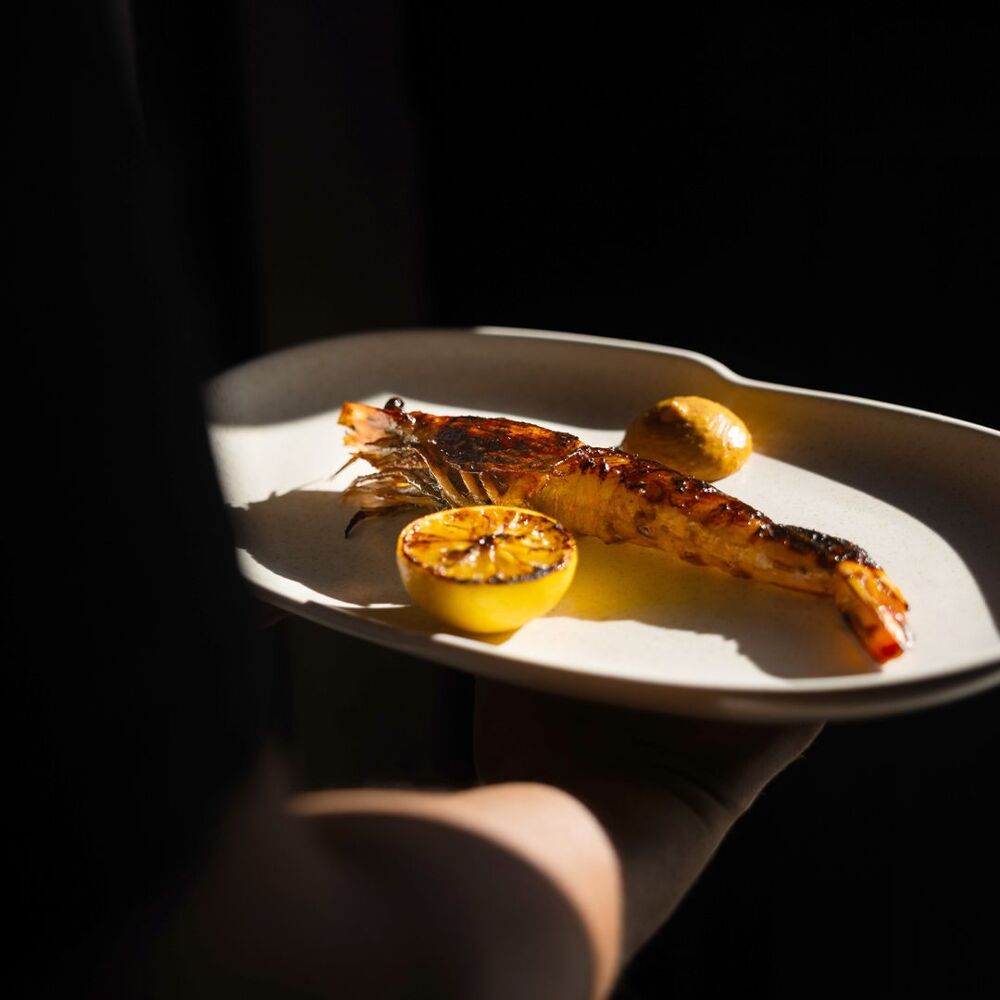
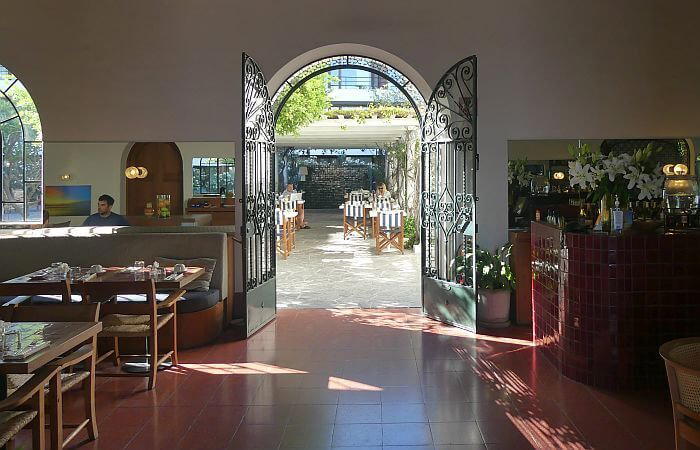
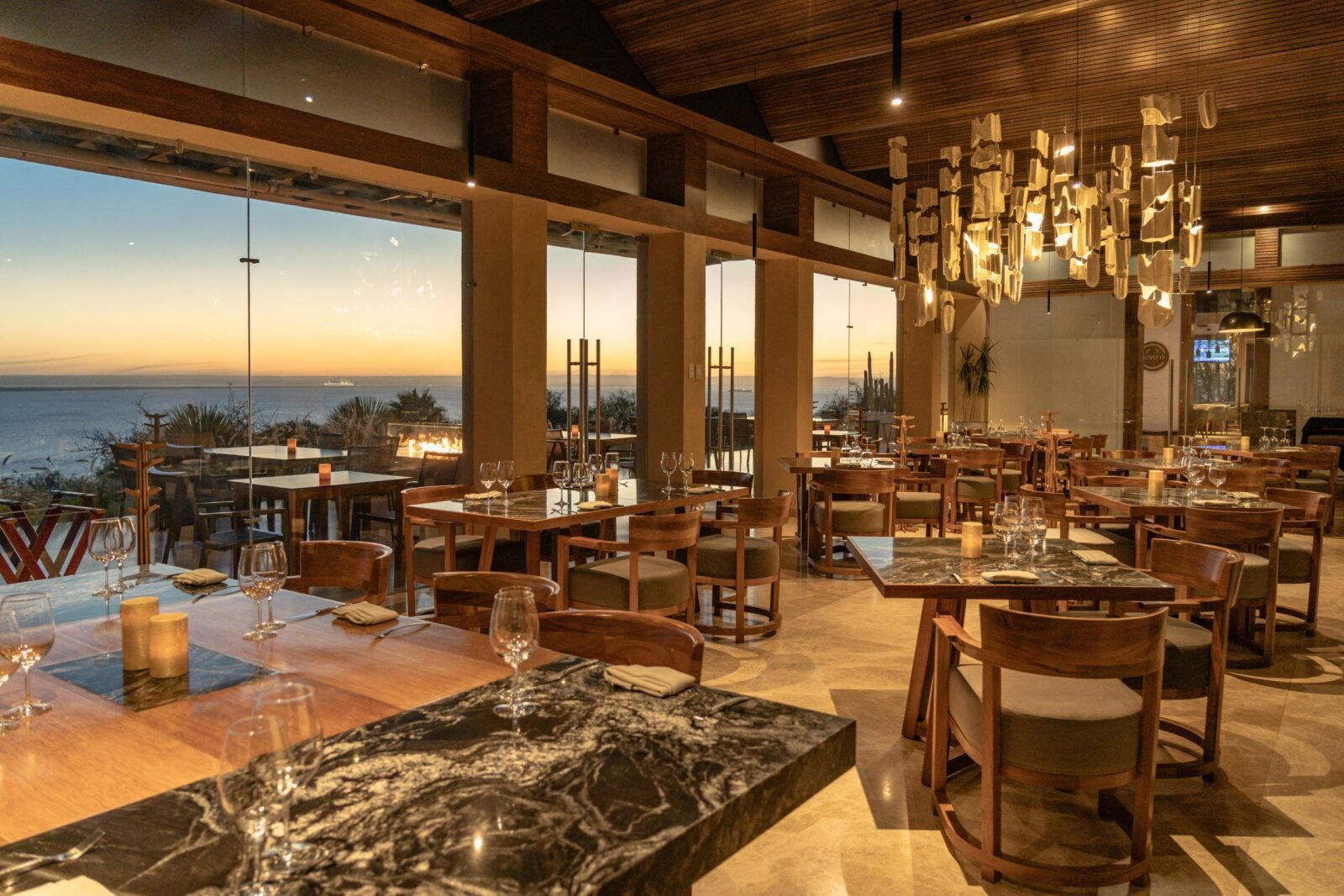
Comedor HRP
The wine
- Wine program
- Curated wine list
- Extensive wine list
- Craft cocktails
Details
- Modern
- Sophisticated
- Trendy
- Intimate
- Date Night
- Group Dining
- Special Occasion
- Business Dinner
- Design Destination
- Standalone
- Craft Cocktails
- Extensive Wine List
- Local Sourcing
- A La Carte
- Wine
- Cocktails
Current opening hours
- Monday
- 5–10:30 PM
- Tuesday
- 5–10:30 PM
- Wednesday
- 5–10:30 PM
- Thursday
- 5–10:30 PM
- Friday
- 5–10:30 PM
- Saturday
- 5–10:30 PM
- Sunday
- 5–10:30 PM
Hours can change for holidays and private events. Last verified .
Contemporary, design-forward dining with an artistic feel and a polished casual-elegant atmosphere.