

Michelin Plate · We're Smart World 3 Radishes
Our verdict
A Michelin-starred auberge in the village of Vailhan, Äponem operates from a converted presbytery where the kitchen draws directly from an on-site vegetable garden and foraged wild herbs. The cooking sits in the precise, produce-led register that defines the best of provincial modern French cuisine. It has built a quiet but committed following in the Languedoc.

Pearl is the En Primeur Club membership app — saves, bookings, and concierge access live there. Same editors, same standards.
- Address
- 4 Rue de l'Eglise, 34320 Vailhan, France
- Phone
- +33 6 16 61 66 44
- Hours
- Mon–Wed ClosedThu 7:30–11:30 p.m.Fri 12:30–4:30 p.m., 7:30–11 p.m.Sat–Sun 12:30–4 p.m., 7:30–11 p.m.
- Directions
- Get directions
- Booking
- Book on Zenchef
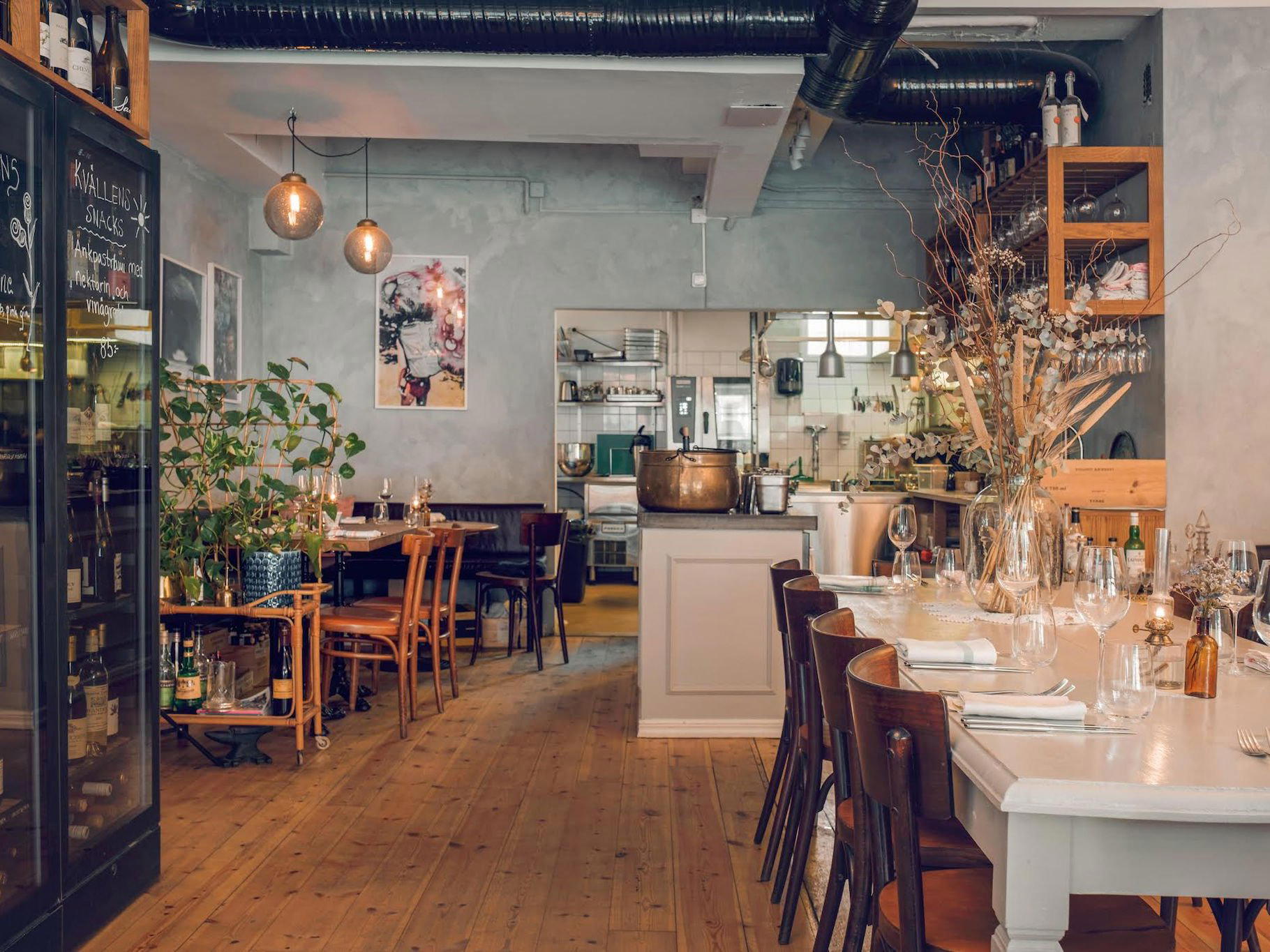
Where the Languedoc Earns Its Stars Quietly
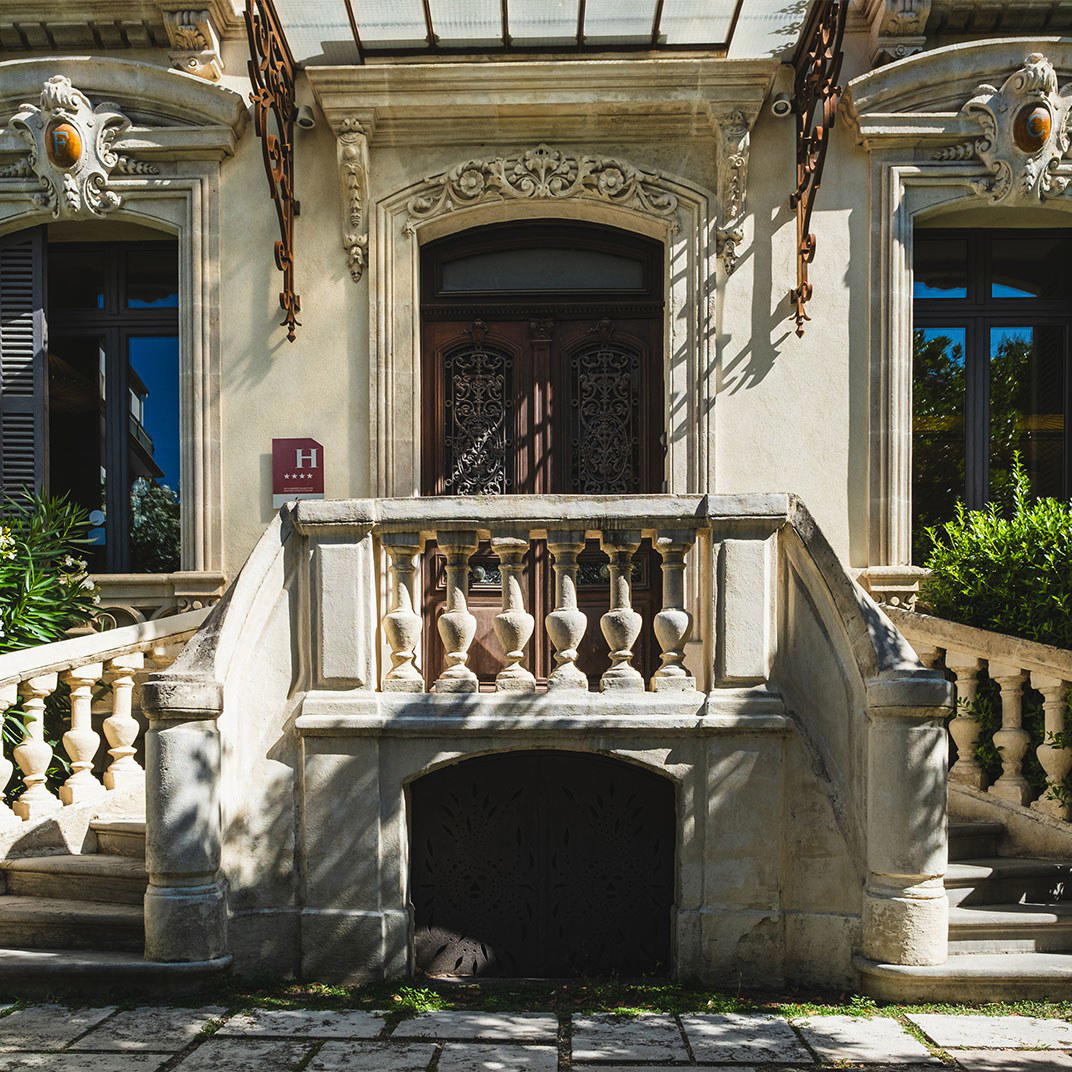
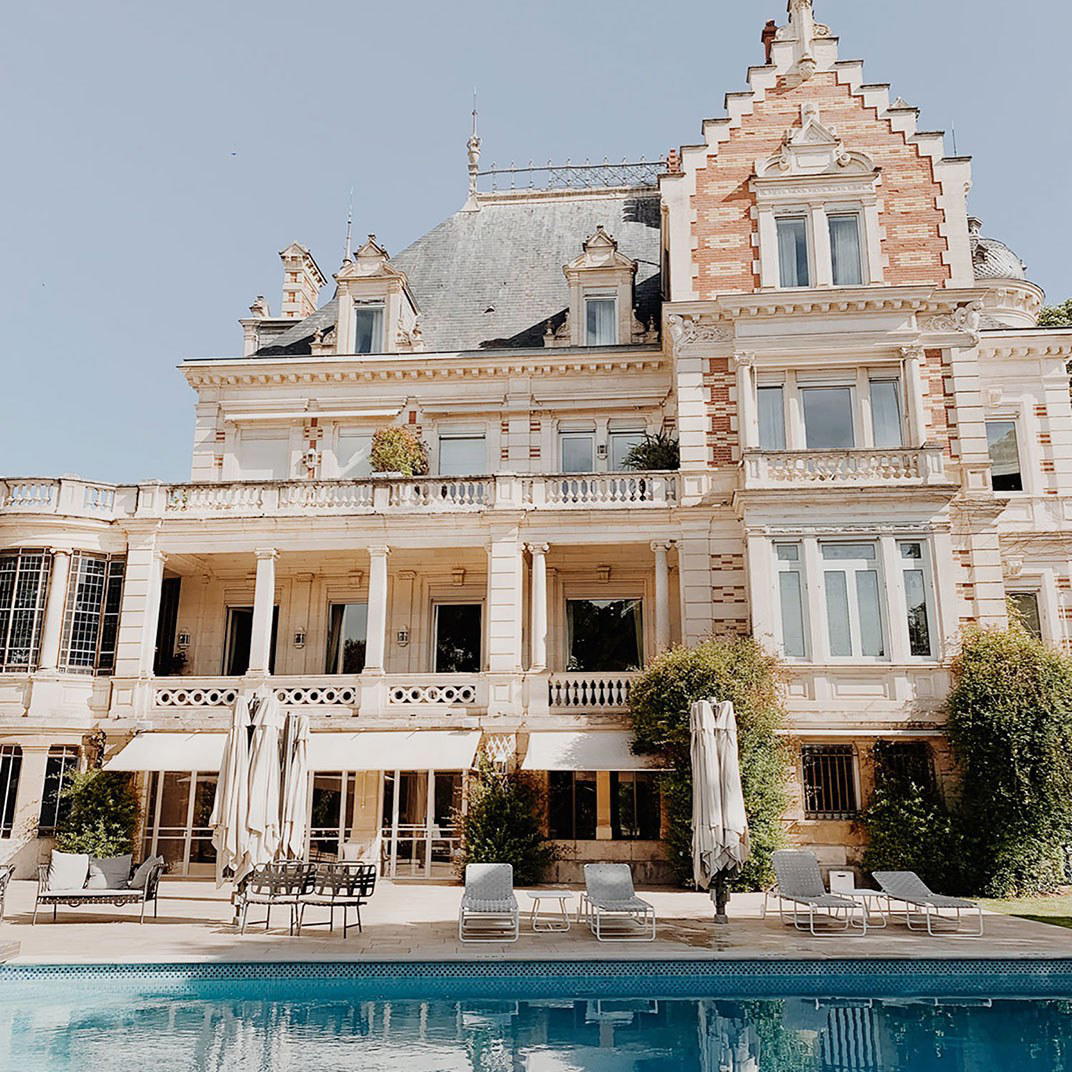
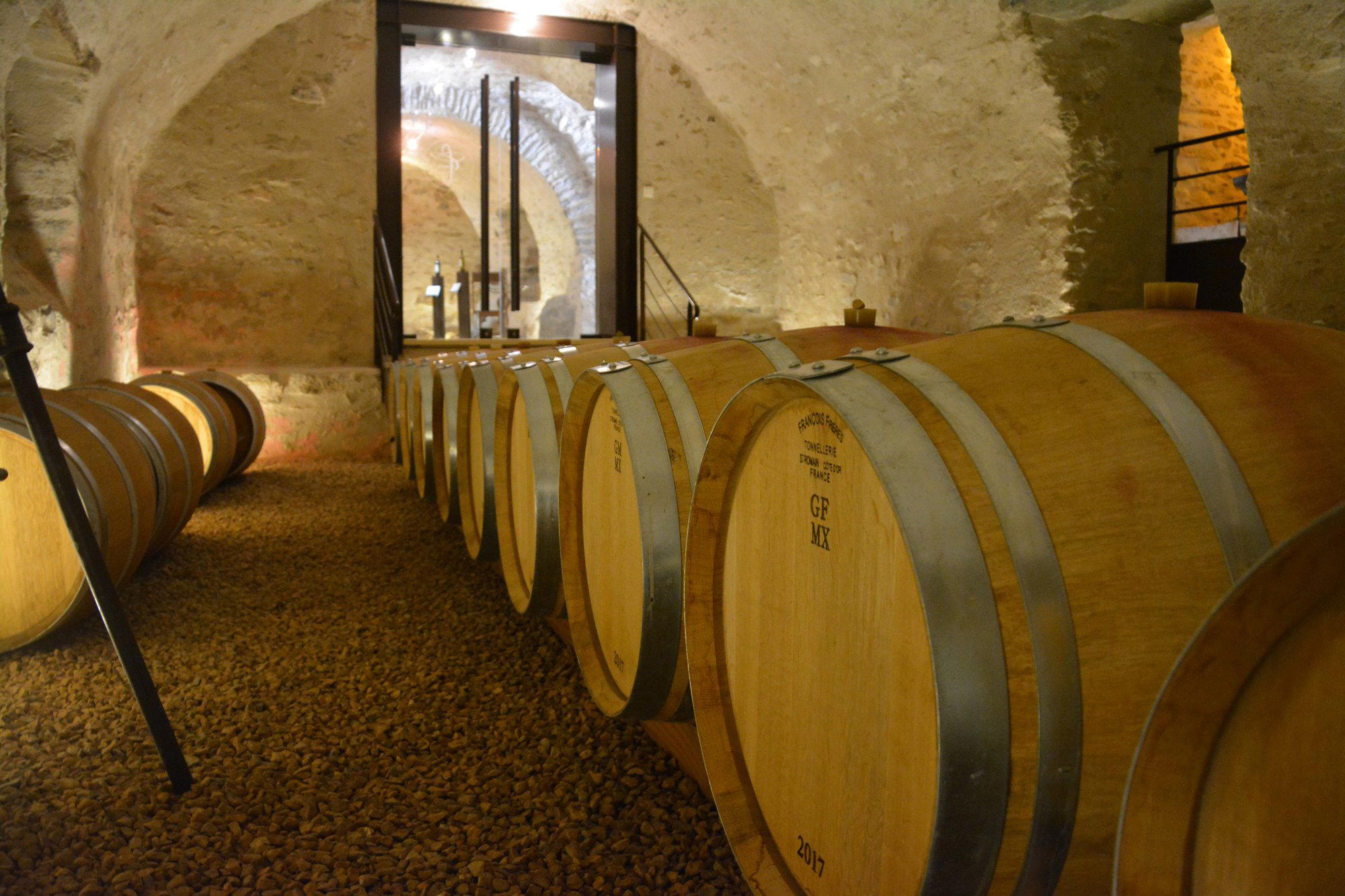
There is a particular category of French destination restaurant that exists at a deliberate remove from urban fine dining circuits. These are places built around land access rather than supply chains, where the kitchen's identity is shaped by what grows within walking distance rather than what arrives from Rungis. Äponem - Auberge du Presbytère, in the village of Vailhan in the Hérault, belongs to that category with conviction. Arriving along the narrow roads that wind through the garrigue and vine-covered hills of the Languedoc, the setting frames the experience before you have even sat down. The former presbytery, set beside the village church on the Rue de l'Eglise, carries the architectural weight of a building that has long been at the centre of community life — now redirected toward a table that has earned Michelin recognition.
For context on where Äponem sits in the broader French fine dining picture, consider the contrast with the urban end of the spectrum: the grand Parisian houses like Alléno Paris au Pavillon Ledoyen, or the Alpine precision of Flocons de Sel in Megève. Those kitchens operate within metropolitan supply ecosystems and high-visibility food cultures. Äponem functions in a different register — the provincial auberge that earns its star not through spectacle but through a direct relationship between soil and plate.
The Garden as Kitchen Infrastructure
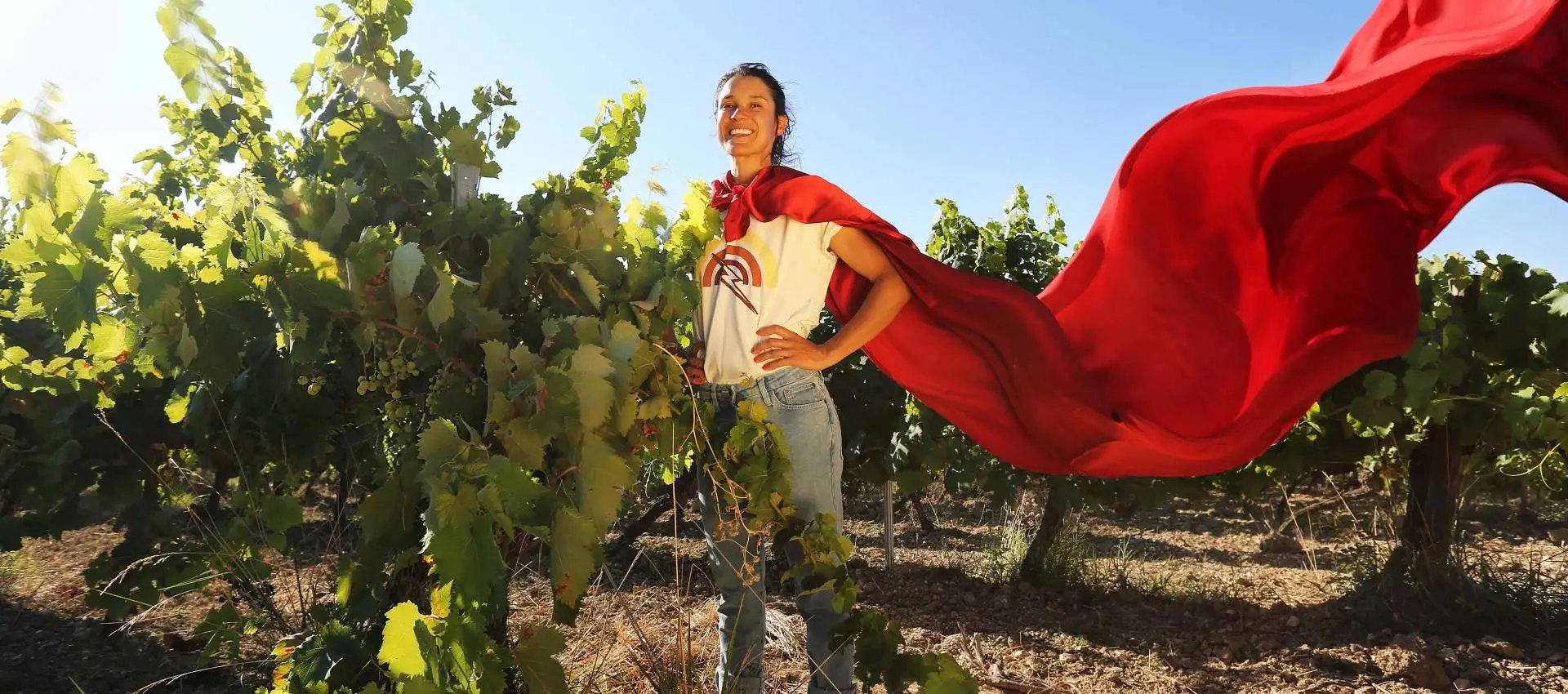
The sourcing model here is not a marketing position but a structural fact. The vegetable garden attached to the property supplies the kitchen directly, and wild herbs gathered from the surrounding hills complete the picture. In a region where the scrubland and hillsides carry thyme, rosemary, and a dozen other aromatic plants through most of the growing season, this is not a token gesture. It is a genuine ingredient pipeline that connects the Languedoc's distinctive terroir to the plate in a way that no wholesale relationship can replicate.
This approach places Äponem in a longer French tradition of cuisine that anchors itself to specific geography. Michel Bras at Bras in Laguiole built a body of work around the plateau of the Aubrac and its wild flora. Mirazur in Menton made the kitchen garden a defining element of its identity long before it reached the best of global rankings. The difference at Äponem is one of scale and register: this is not a destination that positions itself against global fine dining, but one that works within a tighter, more local frame, delivering the same logic of place at a village level.
The Michelin assessors noted the herbs picked in the wild and the vegetable garden explicitly in their recognition, language that appears rarely in starred citations, which tend toward technique and execution. That the sourcing was called out directly signals that inspectors read the kitchen's relationship to its ingredients as a defining quality, not a background detail. The 2025 Michelin Plate and the 2024 one-star designation together confirm that this is a kitchen performing with consistency at a level that warrants the detour.
What the Cooking Expresses
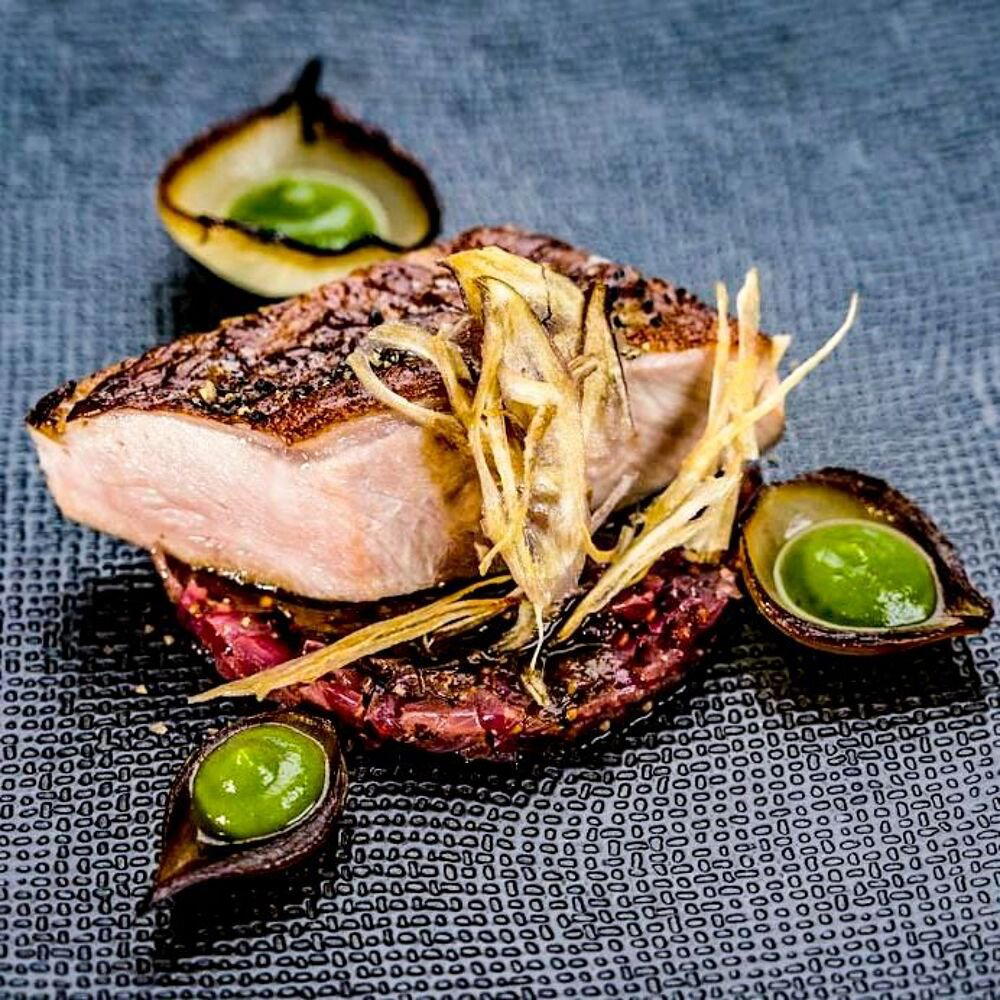
The guiding description from those who know the kitchen well is precise, simple, and tasty, a formulation that cuts against the grain of how contemporary fine dining often describes itself. The phrase does real work here. Precision without complexity, simplicity without plainness, flavor as the end rather than technique as the point. In the wider context of modern French cuisine, this positions the kitchen closer to the philosophical end occupied by the great Alsatian house Auberge de l'Ill in Illhaeusern than to the experimental edge represented by AM par Alexandre Mazzia in Marseille.
A feminine touch is referenced in recognition of the kitchen, worth noting as a descriptor because it carries editorial meaning in a profession still heavily male at the starred level. Kitchens led by women in France have historically operated outside the dominant critical vocabulary, which has often defaulted to vocabulary of power and architecture when praising cooking. The language attached to Äponem suggests something different: attentiveness, restraint, a willingness to let ingredients carry the argument rather than imposing structure on them.
For comparable southern French cooking at a similar level of regional seriousness, Auberge du Vieux Puits in Fontjoncouse offers a useful peer reference point in the Aude, another village restaurant that operates at Michelin level in deep rural Languedoc. The parallel underlines that the region is capable of sustaining serious kitchens far from metropolitan support structures.
The Auberge Format and Who It Suits
The auberge format matters here. Unlike a standalone restaurant, an auberge carries the implicit promise of hospitality in full: lodging, food, and the particular rhythm of a stay built around a table. This is a format with deep roots in French provincial culture, where the pilgrim road, the market town, and the travelling tradesman once relied on houses that offered bed and board together. Troisgros - Le Bois sans Feuilles in Ouches and Paul Bocuse - L'Auberge du Pont de Collonges occupy the grand end of that tradition. Äponem is a different scale entirely, but the underlying logic is the same: the meal is part of a larger experience of place, not a discrete urban transaction.
The address at 4 Rue de l'Eglise, 34320 Vailhan, puts the restaurant in a village in the Hérault department, roughly between Béziers and Montpellier, in wine country that stretches toward the Pic Saint-Loup and the Languedoc appellations of the Hérault valley. This is not a location you pass through by accident. Anyone seated at this table has made a deliberate choice to come here, which shapes the room's composition and the pace at which the kitchen can work.
For those building a trip around food in this part of France, the Languedoc and its surrounding departments offer a constellation of serious tables that rarely get the same press attention as the Rhône Valley or Provence. Our full Vailhan restaurants guide, hotels guide, bars guide, wineries guide, and experiences guide cover the full picture for the area.
At the €€€€ price tier, Äponem is priced at the upper end of what the French provinces typically ask, which reflects both the Michelin recognition and the labour-intensive nature of a kitchen this close to its ingredient sources. That price point places it alongside starred peers rather than the broader auberge market.
For the reader planning this trip: Vailhan is a drive-to destination. The journey through the Hérault hills is part of the proposition. Anyone who has made comparable pilgrimages to Assiette Champenoise in Reims or Au Crocodile in Strasbourg will understand the calculus: the distance from a city center is not a deterrent but part of the frame. The meal begins when you decide to make the drive.
For context on how garden-to-table sourcing plays out at the international end of the modern cuisine spectrum, Frantzén in Stockholm and its international offshoot FZN by Björn Frantzén in Dubai represent the high-capital, multi-element version of a similar philosophy. Äponem is the antithesis of that model in terms of scale, but the underlying argument about provenance and ingredient integrity runs through both ends of the spectrum.
Frequently asked questions
How much does it cost to eat at Äponem - Auberge du Presbytère?
Pricing at Äponem - Auberge du Presbytère is listed as €€€€.
Comparison Snapshot
| Venue | Cuisine | Price | Awards |
|---|---|---|---|
| Äponem - Auberge du PresbytèreThis venue — the venue you are viewing | Modern French Fine Dining | $50–100 | Michelin Plate · We're Smart World 3 Radishes |
| Alléno Paris au Pavillon Ledoyen | Creative | Not listed | Michelin 3 Star |
| Kei | Contemporary French, Modern Cuisine | Not listed | Michelin 3 Star |
| L'Ambroisie | French, Classic Cuisine | Not listed | Michelin 3 Star |
| Le Cinq - Four Seasons Hôtel George V | French, Modern Cuisine | Not listed | Michelin 3 Star |
| Plénitude | Contemporary French | Not listed | Michelin 3 Star |
Recognition history
Dated appearances from independent guides and award organizations, with the underlying list record or original source where available.
Michelin Plate
Michelin
We're Smart World 3 Radishes
We're Smart World
Full recognition history (4 entries)
Michelin Plate
Michelin
Michelin 1 Star
Michelin
Continue exploring
More in Vailhan
Restaurants in Vailhan
Browse all →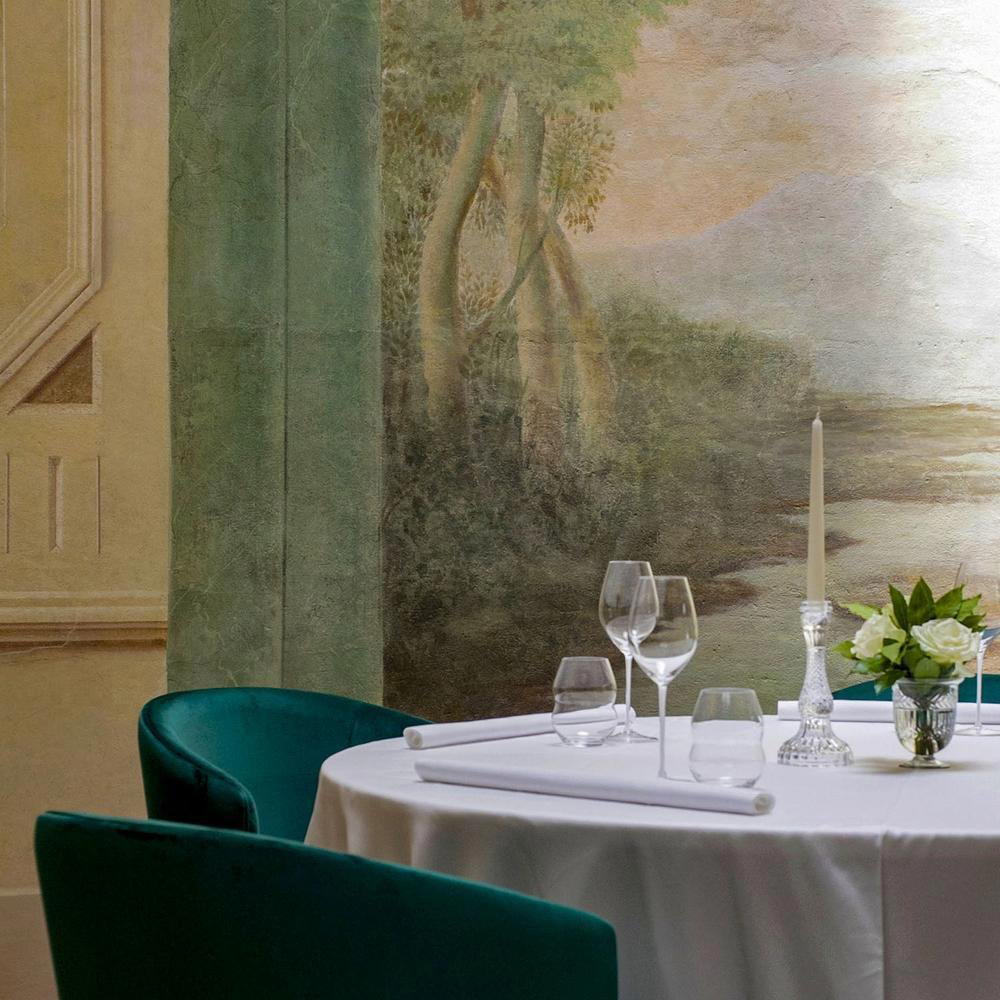
Bars in Vailhan
Browse all →
Hotels in Vailhan
Browse all →

Details
- Rustic
- Cozy
- Intimate
- Elegant
- Special Occasion
- Date Night
- Historic Building
- Open Kitchen
- Terrace
- Extensive Wine List
- Farm To Table
- Local Sourcing
- Mountain
- Garden
- Tasting Menu
- Vegetarian Friendly
- Gluten Free Options
Current opening hours
- Monday
- Closed
- Tuesday
- Closed
- Wednesday
- Closed
- Thursday
- 7:30–11:30 p.m.
- Friday
- 12:30–4:30 p.m., 7:30–11 p.m.
- Saturday
- 12:30–4 p.m., 7:30–11 p.m.
- Sunday
- 12:30–4 p.m., 7:30–11 p.m.
Hours can change for holidays and private events. Last verified .
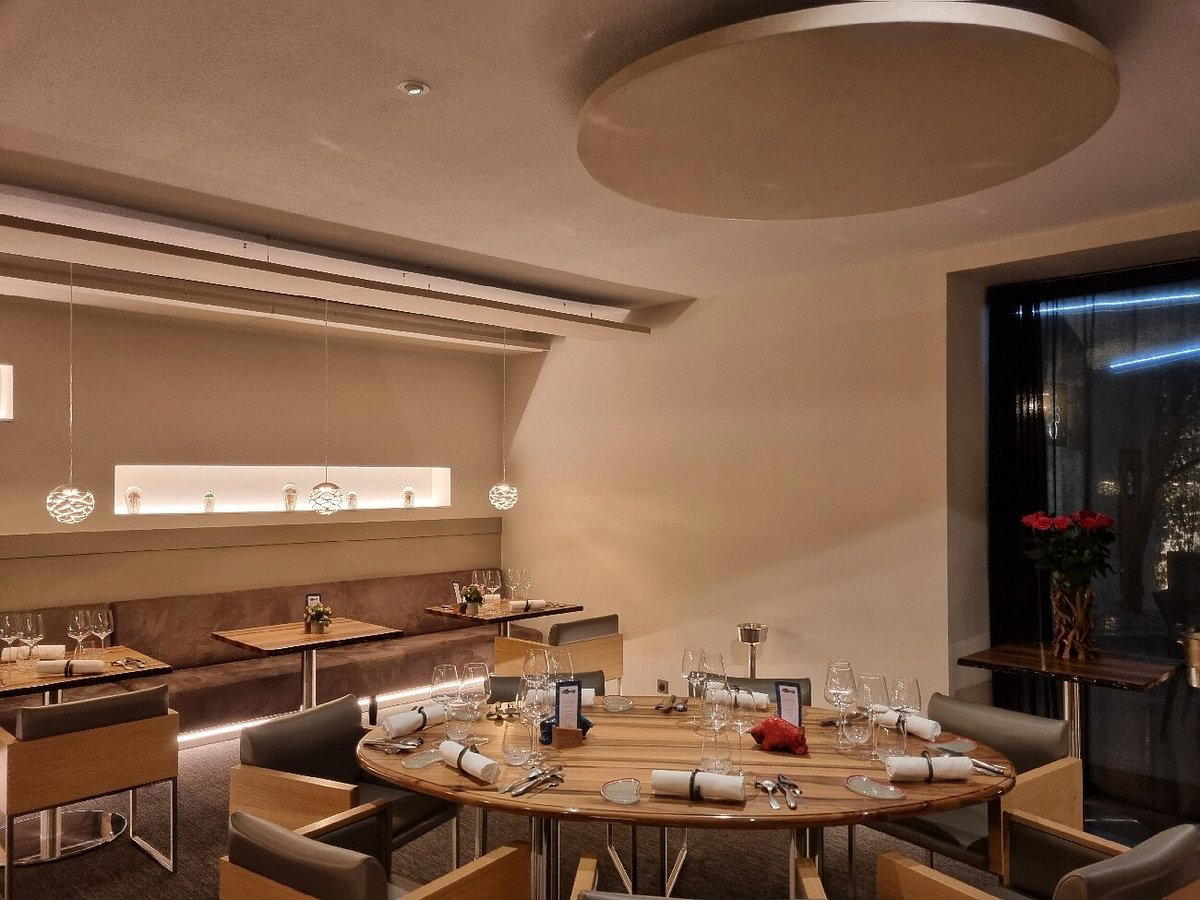
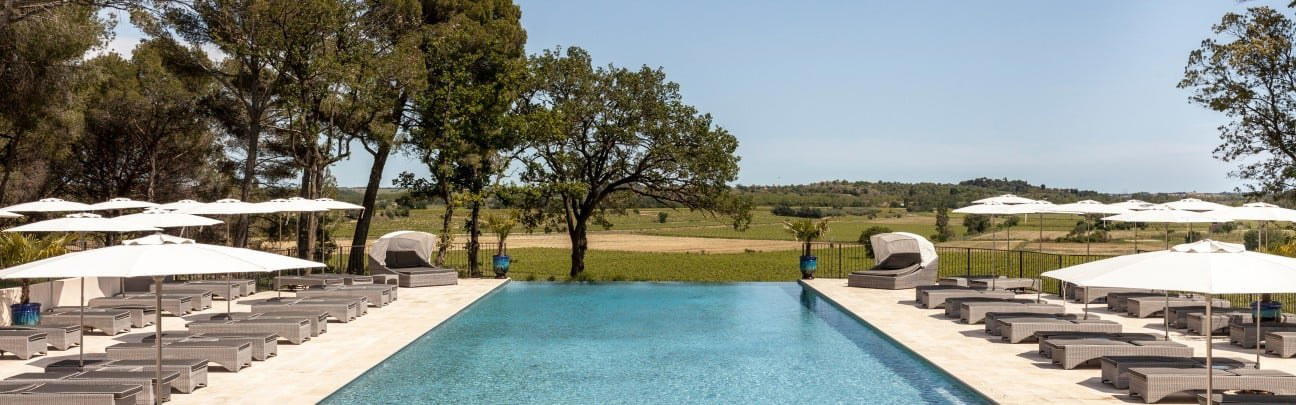
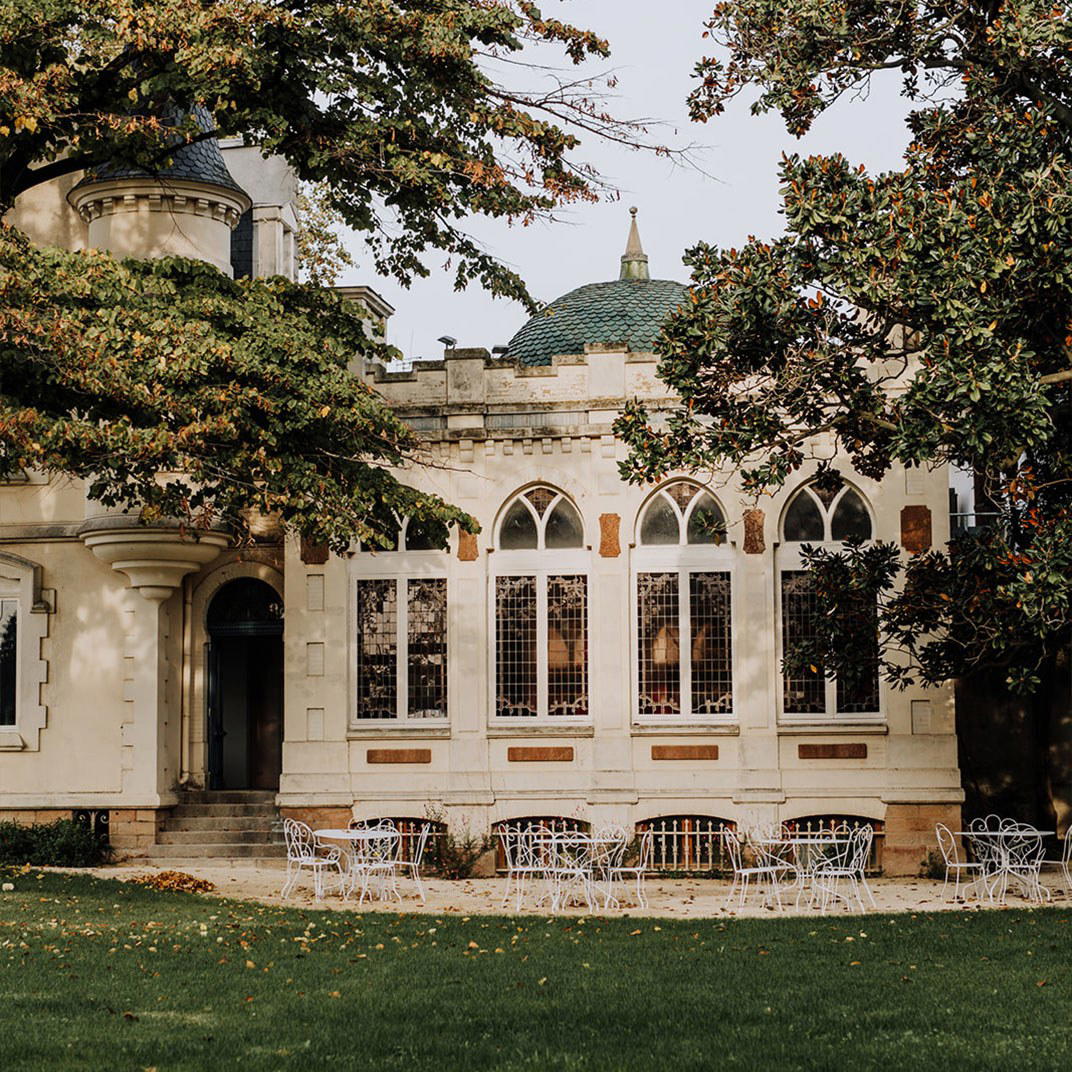
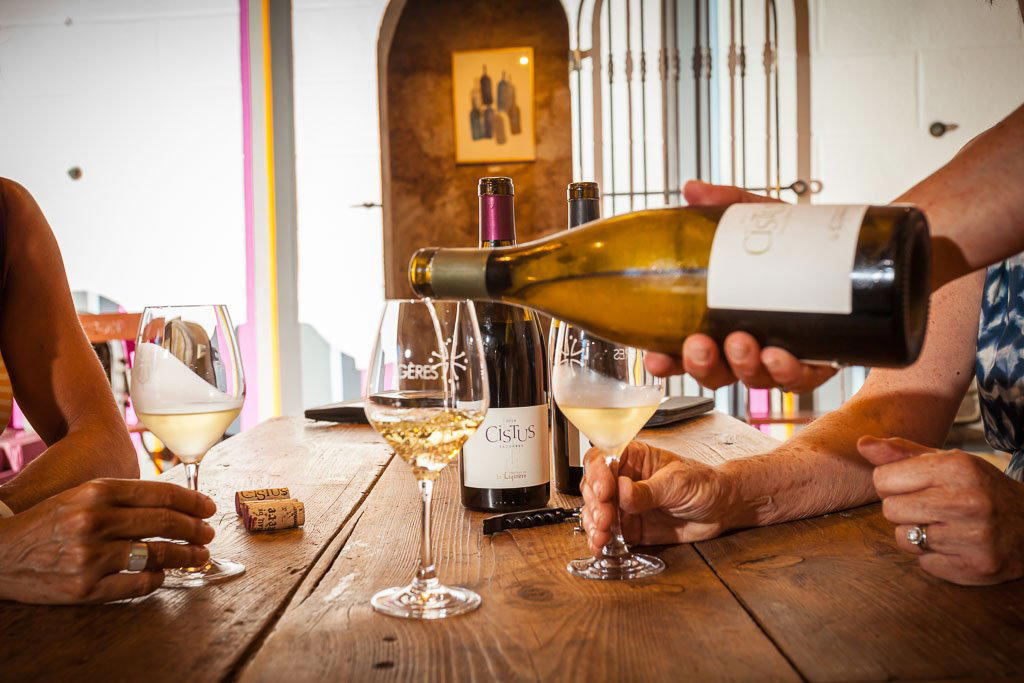
Spruce, understated interior with unfussy tables, soft lighting, and glass walls offering countryside views; charming shaded terrace under wisteria.