La Rosa Vermuteria & Colmado
Our verdict
La Rosa Vermuteria & Colmado sits on Carrer de la Rosa in Palma's historic centre, operating within the Balearic tradition of vermouth bars that double as provisions shops. The colmado format places equal weight on what's poured and what's stocked on the shelves. For Palma's mid-afternoon culture of slow drinking and grazing, it reads as a reliable neighbourhood anchor.

Pearl is the En Primeur Club membership app — saves, bookings, and concierge access live there. Same editors, same standards.
- Address
- Carrer de la Rosa, 5, Centre, 07003 Palma, Illes Balears, Spain
- Phone
- +34 971 77 89 29
- Hours
- Daily 12 PM–12 AM
- Website
- larosavermuteria.com
- Directions
- Get directions
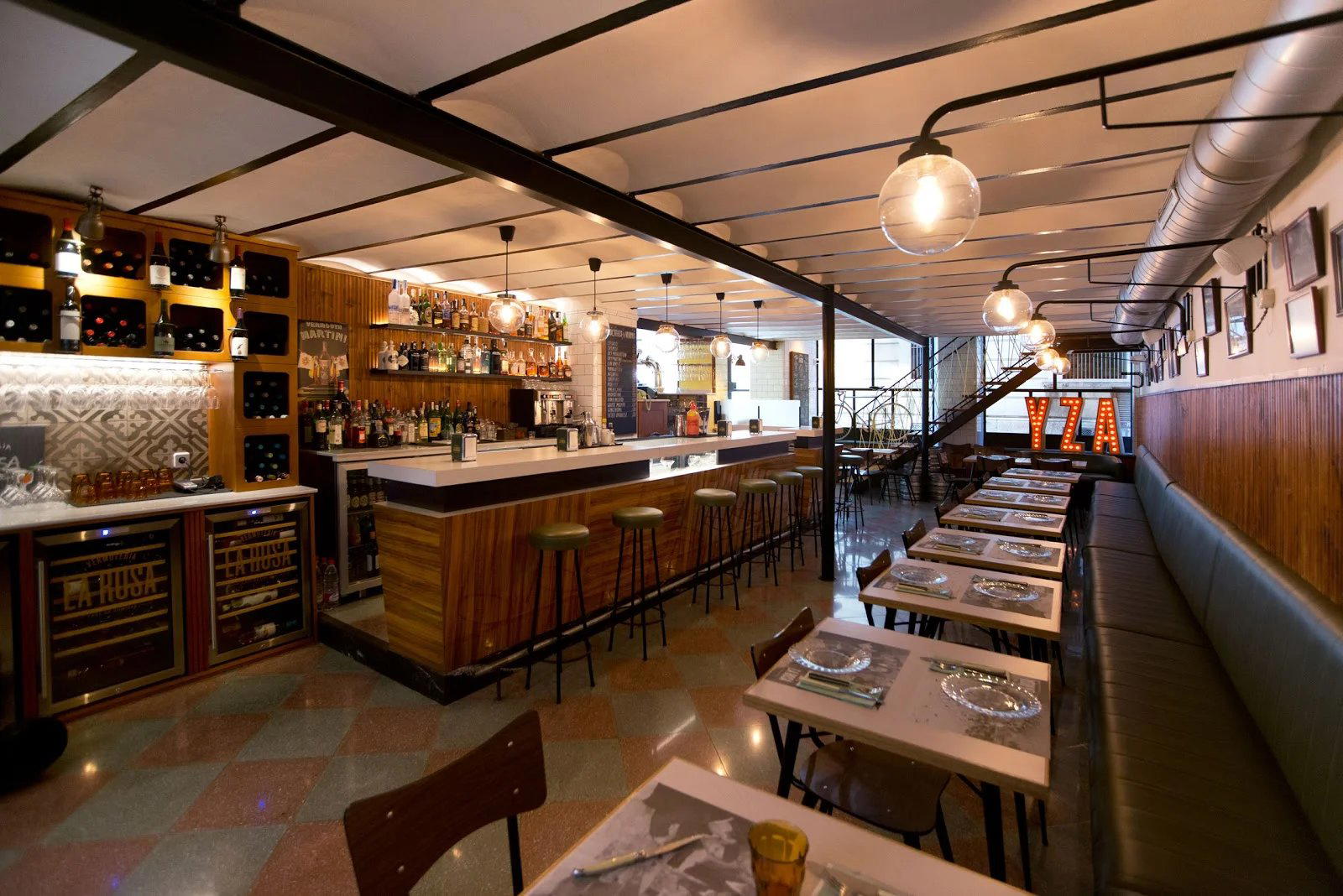
The menu
What to order
- Truffle tortilla
- Patatas bravas
- Grilled octopus
The Colmado Tradition and What It Means in Palma
Palma's old quarter holds a particular type of establishment that resists easy categorisation: the vermuteria-colmado hybrid. Part bar, part provisions store, these spaces exist at the intersection of drinking culture and local sourcing, where bottles of vermouth share shelf space with cured meats, conservas, and whatever the market delivered that week. The format is older than the city's current restaurant boom, and it operates on a different set of priorities than the fine-dining addresses that have brought Mallorca increasing international attention. Where Clandestí and NUS represent Palma's contemporary tasting-menu ambition, La Rosa Vermuteria & Colmado belongs to an older, more utilitarian tradition — one that treats sourcing as the editorial point rather than the backstory.
The colmado model is, at its core, an argument about ingredients. The shop element is not decorative. Goods displayed for sale on the shelves are the same goods being served across the bar, which creates a transparency about provenance that more formal restaurants often approximate but rarely achieve structurally. When a can of Ortiz anchovies or a wedge of Mallorcan sobrasada appears as part of your order, the price, producer, and origin are literally readable from the label. It is a format that predates the farm-to-table rhetoric of the past two decades by a century.
Where the Food Comes From and Why the Format Makes It Legible
The Balearic Islands have a distinct larder. Mallorca's agricultural interior — the Tramuntana foothills, the Pla plain, the smaller farming villages around Inca and Sineu, produces sobrasada, ensaïmada dough, local lamb, and capers at a scale and quality that sustains both domestic consumption and export. At the same time, the island sits within reach of mainland Spanish conserva producers and the Mediterranean fishing grounds that supply the tuna, anchovies, and canned shellfish that define the snacking culture of Spanish bar life.
Vermuteria-colmado format makes these supply chains visible in a way that a plated restaurant dish cannot. A colmado's shelves function as a kind of live inventory: you see the producers, you see what's in season or in stock, and the bar portion reflects that same selection. This is not the curated narrative of a sommelier explaining a wine's terroir, it is more direct than that. The product is on the shelf. The price is marked. The origin is printed. For travellers accustomed to Palma's more polished restaurant addresses, the colmado experience offers a different register of quality, one measured in producer relationships and pantry depth rather than kitchen technique.
Spain's broader fine-dining conversation, represented by institutions like El Celler de Can Roca in Girona, Quique Dacosta in Dénia, or Aponiente in El Puerto de Santa María, has spent the last two decades interrogating Spanish ingredients through increasingly technical lenses. The vermuteria operates on the opposite premise: minimum intervention, maximum legibility. Where Mugaritz in Errenteria or DiverXO in Madrid build argument through transformation, the colmado builds argument through selection.
The Vermouth Dimension
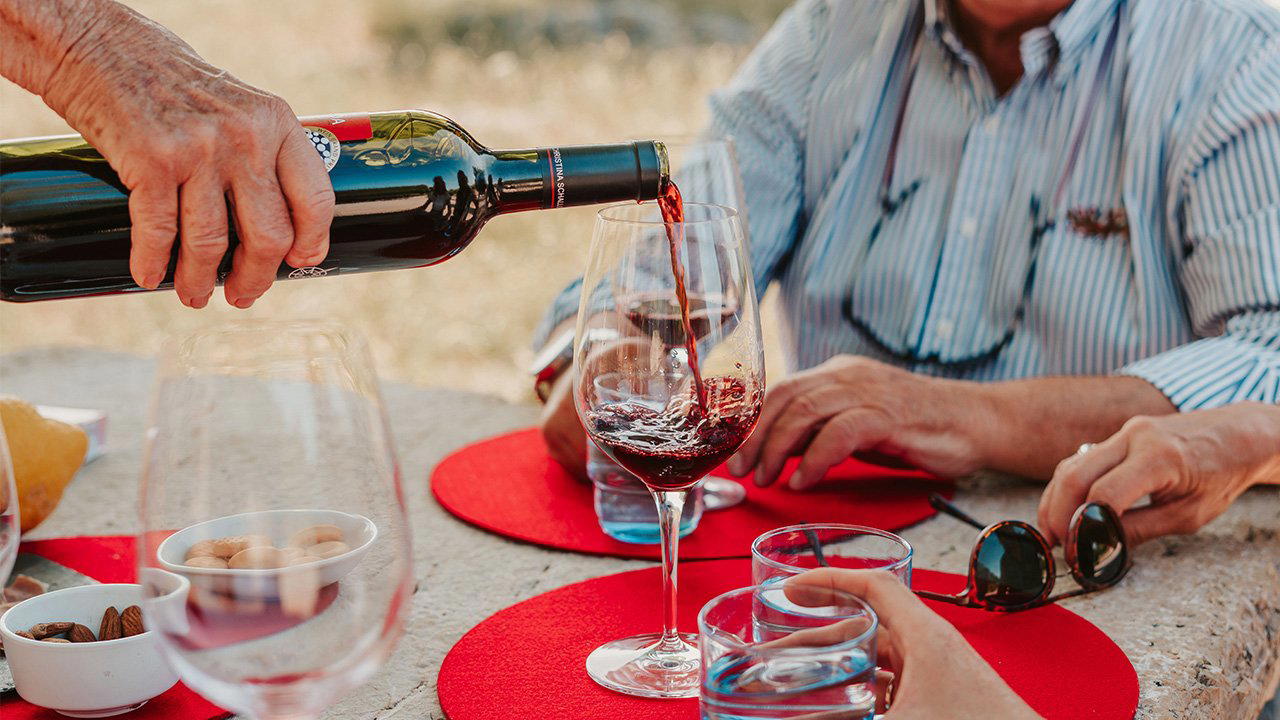
Vermouth culture in Spain has undergone a genuine revival over the past decade, and the Balearics have not been exempt from that shift. The traditional La Hora del Vermut, roughly the late-morning to early-afternoon window before lunch, has been commercialised, aestheticised, and in some cases exported wholesale to brunch menus across northern Europe. What distinguishes a vermuteria operating within that tradition from one merely performing it is the seriousness of the selection and the framing of the drink as the anchor of the experience rather than a decorative element.
The pairing logic at a colmado-style bar tends to follow the Spanish aperitivo model: vermouth, beer, or cava alongside conservas, olives, bread with tomato, and whatever charcuterie the house stocks. The food is not an afterthought, but it does not try to compete with the drink for primacy. Both components are sourced with intention, and the leading examples of the format hold both to the same standard. For comparison, Andana and Mouna represent Palma's more contemporary dining registers, La Rosa operates in a format that precedes both.
Neighbourhood and Practical Context
Carrer de la Rosa sits inside Palma's historic centre, the dense network of medieval streets between the cathedral and the old Arab quarter. This part of the city has a high concentration of neighbourhood bars and provisions shops that have survived successive waves of tourist development, in part because the streets themselves are narrow enough to discourage the scale of retail intervention that has transformed other areas of central Palma. The address at number 5 places it within walking distance of the main market and the older residential blocks of the centre, a location that explains the mix of local and visitor clientele that characterises establishments of this type.
For practical planning: the colmado format typically operates within Spanish bar hours, which means the most active period falls in the late morning through early afternoon, the traditional vermouth window, and again in the early evening. Visits during peak tourist season (June through August) may require patience with crowds in the surrounding streets, though establishments of this size tend to cycle through tables at a pace that differs from reservation-led restaurants. The address at Carrer de la Rosa, 5 is the fixed point.
Palma's restaurant scene has attracted increasing critical attention in recent years, with addresses like Ricard Camarena in València and Cocina Hermanos Torres in Barcelona representing the broader Spanish Mediterranean fine-dining arc that Mallorca now intersects. The vermuteria sits at a different point on that spectrum, informal, supply-chain-forward, and priced to reflect bar culture rather than tasting-menu ambition. For visitors building a fuller picture of what Palma eats and drinks, our full Palma De Mallorca restaurants guide covers the range from this kind of neighbourhood anchoring to the more formal addresses in the city's contemporary dining tier.
Frequently asked questions
Can I bring kids to La Rosa Vermuteria & Colmado?
La Rosa sits on Carrer de la Rosa in Palma's dense medieval centre, operating as a vermuteria-colmado hybrid where the focus is vermouth, Balearic provisions, and counter culture. The format skews toward adults grazing and drinking through a leisurely morning or early afternoon slot. It is not inherently family-hostile, but the rhythm of the space — small plates, aperitivo timing, a provisions counter — suits older children better than toddlers.
What kind of setting is La Rosa Vermuteria & Colmado?
La Rosa occupies the colmado-bar format that Palma's old quarter has preserved better than most Spanish cities: part provisions shop, part stand-up vermouth counter, with the two functions overlapping rather than separating. The address on Carrer de la Rosa places it in the tight medieval grid between the cathedral and the old Arab quarter, where foot traffic is local as much as it is tourist. Expect a compact, counter-led space rather than a full sit-down dining room.
What is the vermut hour at La Rosa Vermuteria & Colmado and when should I visit?
In Spanish bar culture, the vermut hour typically runs from late morning to early afternoon — roughly 11:00 to 14:00 — and La Rosa, as a dedicated vermuteria in Palma de Mallorca's historic centre, is oriented around that aperitivo window. The colmado side of the operation, stocked with Balearic provisions, makes the pre-lunch slot the most coherent time to visit: vermouth in hand, provisions counter open, the pace unhurried. Weekends draw a denser local crowd to this part of Palma's old quarter, so mid-week mornings offer a quieter read of the space.
What's the must-try dish at La Rosa Vermuteria & Colmado?
La Rosa operates within the colmado tradition, which means the food programme is built around Balearic larder staples — cured meats, conservas, local cheeses — rather than a kitchen-driven menu with headline dishes. The Mallorcan agricultural interior and the island's distinct produce inform what lands on the counter. Ordering around the provisions display and pairing with house vermouth is the format the space is designed for.
What part of town is La Rosa Vermuteria & Colmado in?
La Rosa Vermuteria & Colmado is located at Carrer de la Rosa, 5, Centre, 07003 Palma, Illes Balears, Spain, Palma De Mallorca.
Is La Rosa Vermuteria & Colmado reservation-only?
La Rosa follows the walk-in logic of the vermuteria tradition, where the culture is to arrive, claim a spot at the counter, and order as you go. Formal reservation systems are not standard for this format in Palma's historic centre. For weekend late-morning slots — the peak vermouth hour in Spanish bar culture — arriving early is the practical approach.
How It Stacks Up
| Venue | Cuisine | Price | Awards |
|---|---|---|---|
| La Rosa Vermuteria & ColmadoThis venue — the venue you are viewing | Spanish Tapas & Vermuteria | $20–30 | Not listed |
| Clandestí | Modern Spanish Market Cuisine | $100–150 | Star Wine List |
| NUS | Spanish Fusion with Asian Influences | $30–50 | Star Wine List |
| Andana | Modern Mallorcan Mediterranean | $50–100 | Star Wine List |
| Mouna | Organic Artisan Mediterranean Vegetarian | $20–30 | We're Smart World 3 Radishes |
Continue exploring
More in Palma de Mallorca
Restaurants in Palma de Mallorca
Browse all →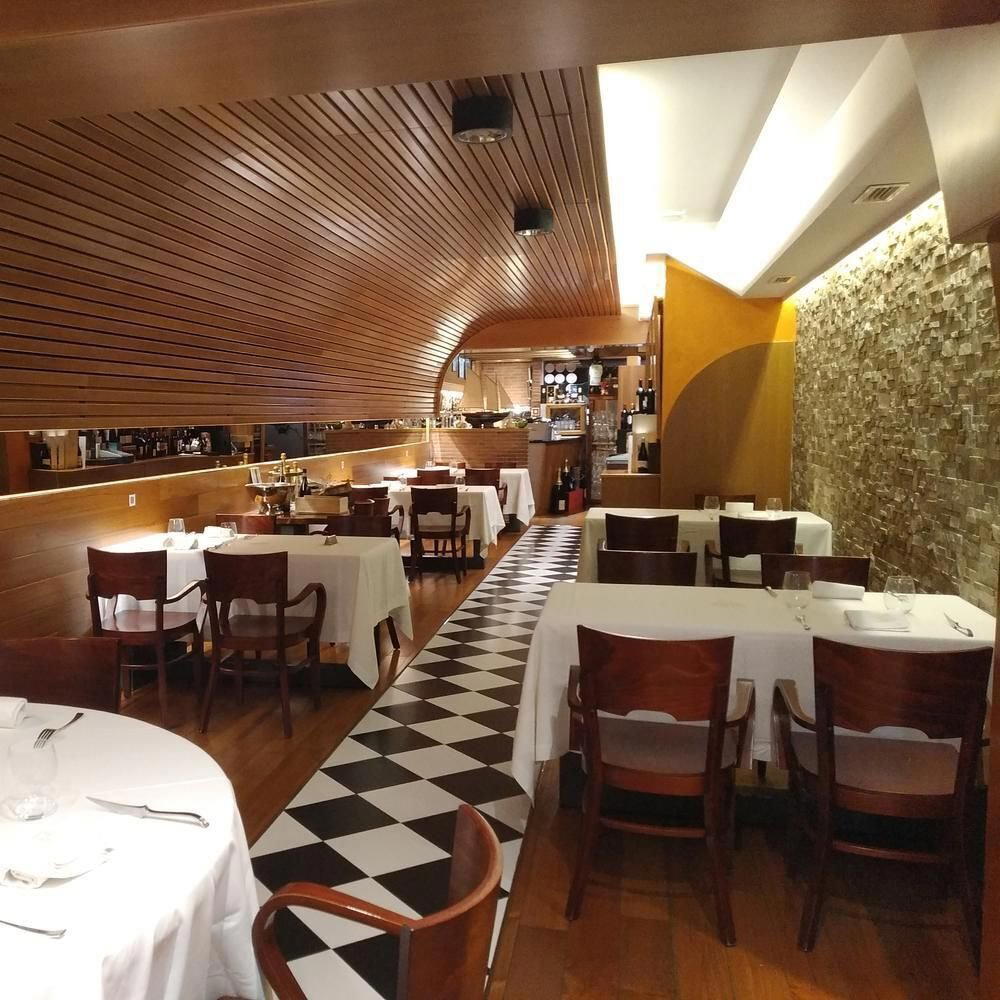
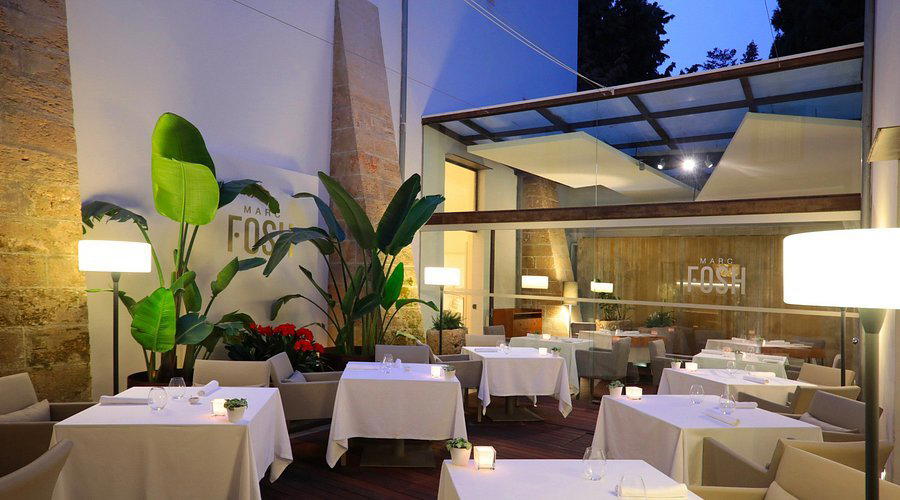
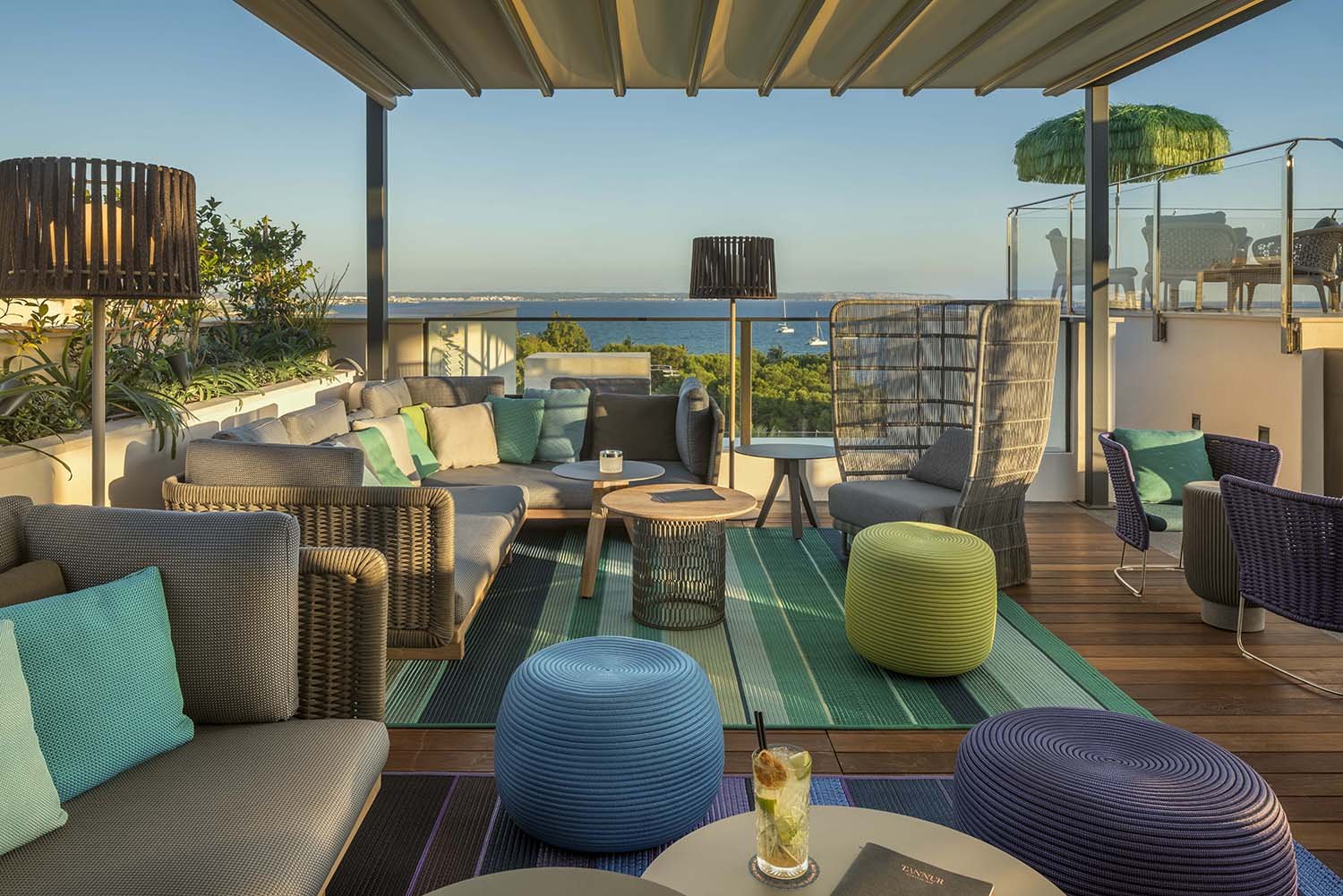
Bars in Palma de Mallorca
Browse all →
Hotels in Palma de Mallorca
Browse all →
La Rosa Vermuteria & Colmado
The wine
- Wine program
- Curated wine list
- Natural wine
- Craft cocktails
Details
- Lively
- Rustic
- Industrial
- Trendy
- Casual Hangout
- After Work
- Group Dining
- Open Kitchen
- Natural Wine
- Craft Cocktails
- Local Sourcing
- Small Plates
- A La Carte
- Vermouth
- Sangria
- Vegetarian Friendly
- Vegan Options
- Gluten Free Options
Current opening hours
- Monday
- 12 PM–12 AM
- Tuesday
- 12 PM–12 AM
- Wednesday
- 12 PM–12 AM
- Thursday
- 12 PM–12 AM
- Friday
- 12 PM–12 AM
- Saturday
- 12 PM–12 AM
- Sunday
- 12 PM–12 AM
Hours can change for holidays and private events. Last verified .
Busy and busy with vintage décor, industrial elements, and traditional details creating a lively, welcoming atmosphere.