Hotel Cappuccino - Palma
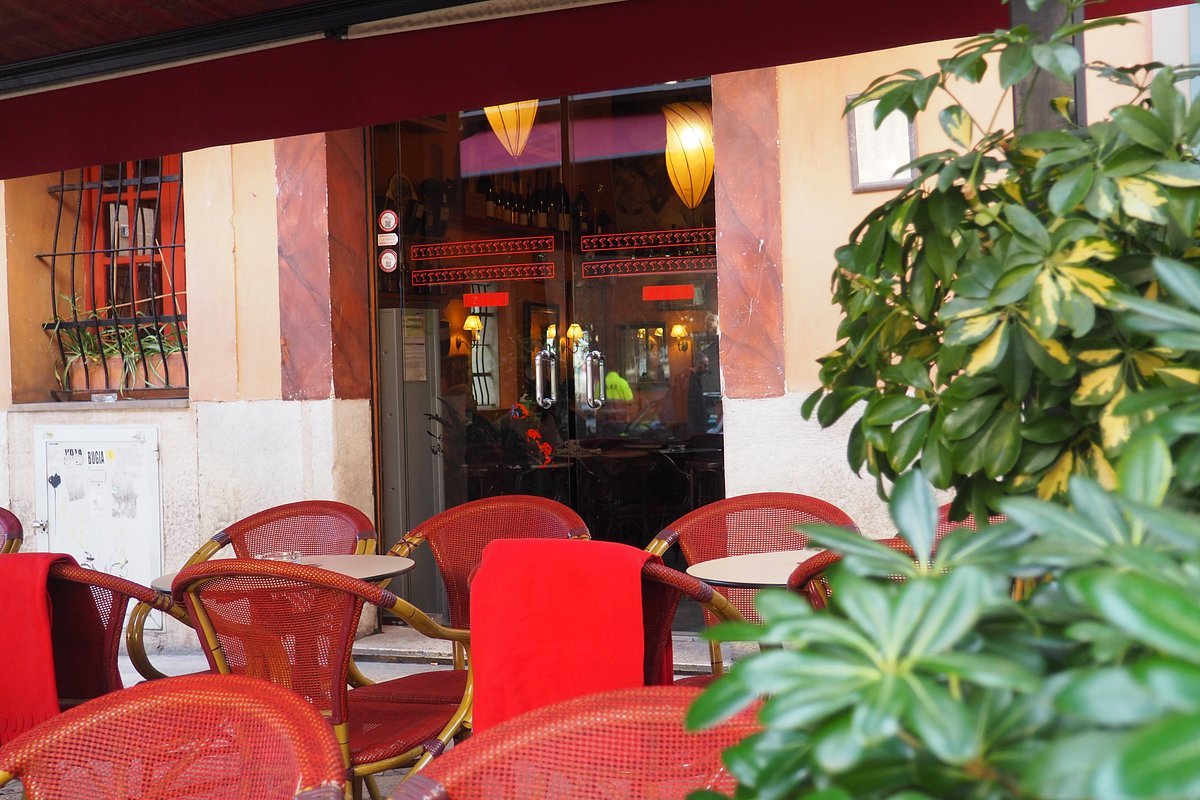
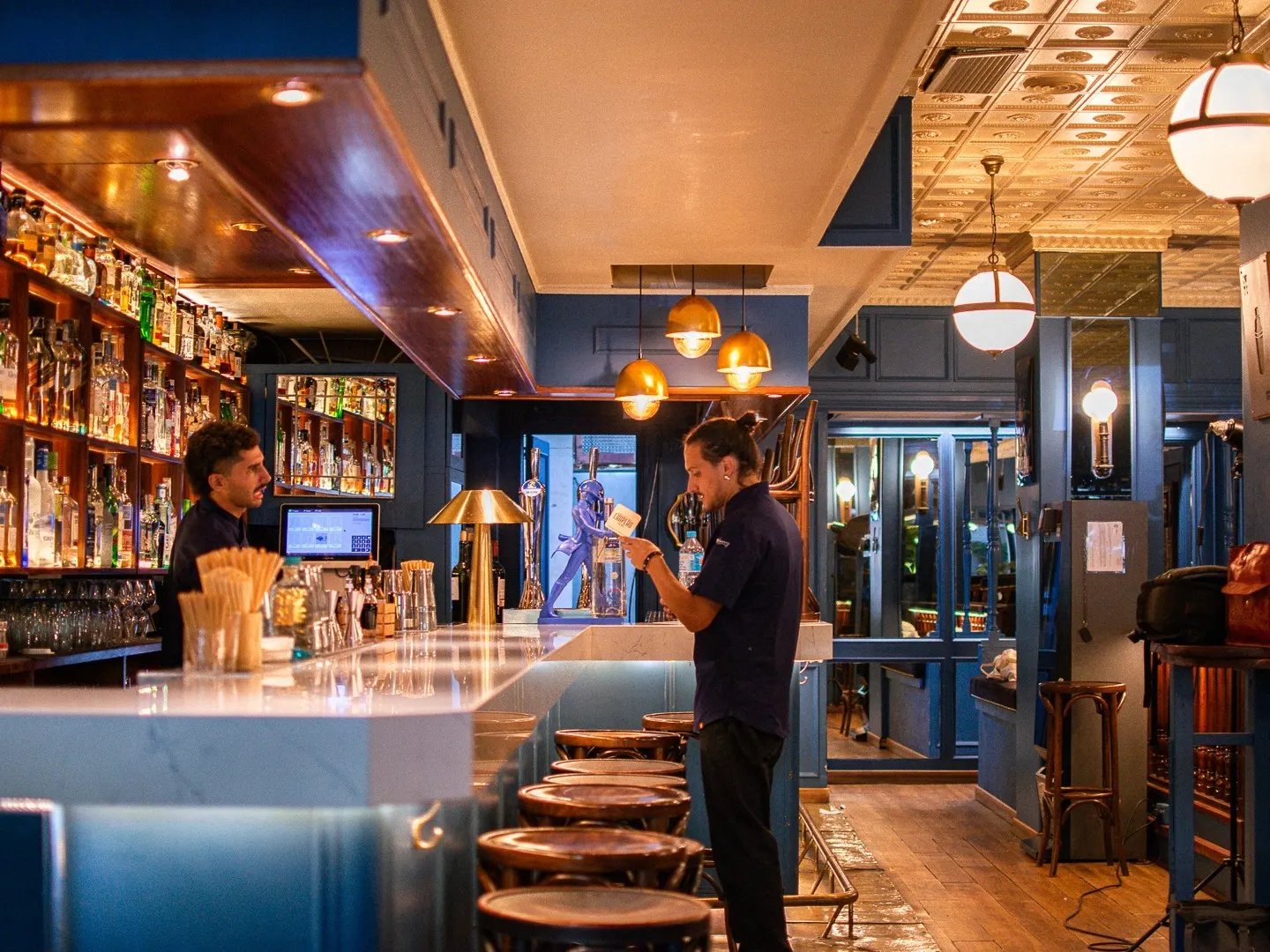
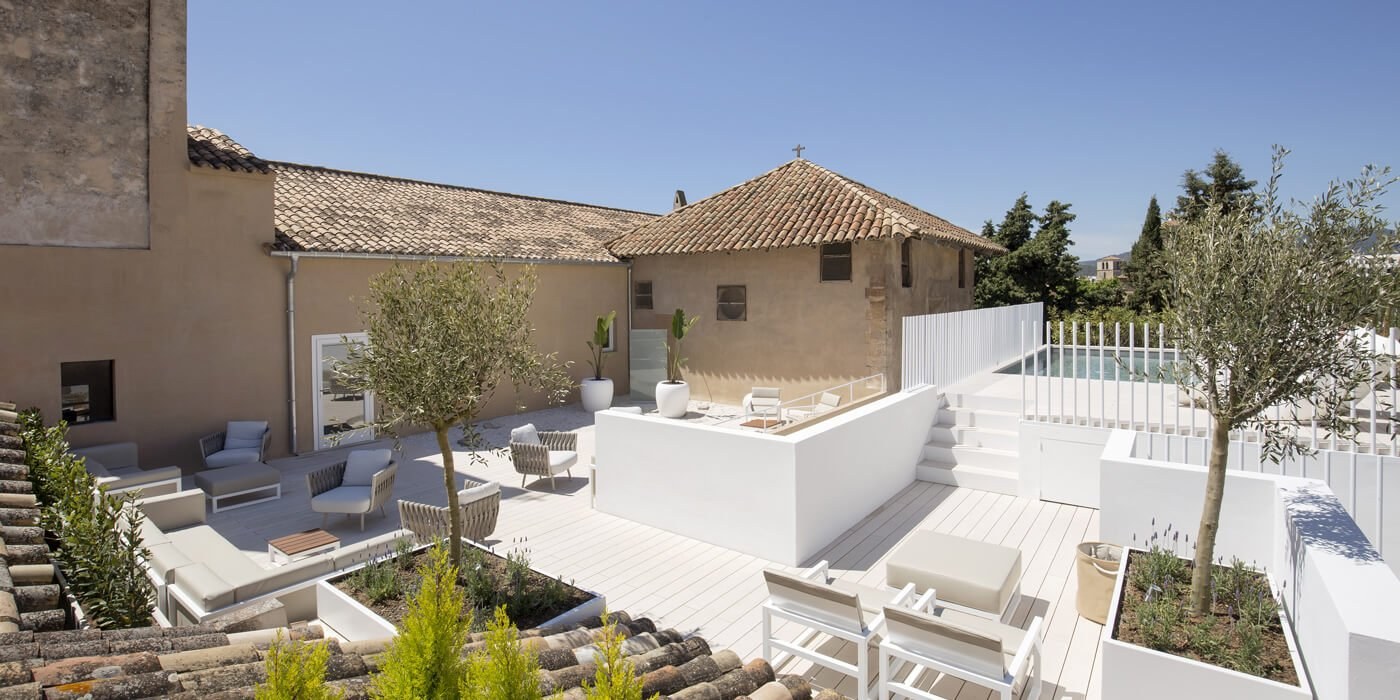
Hotel Cappuccino occupies a patrician address on Plaça de Cort, Palma's civic centre, positioning it within the older, more architecturally formal tier of the city's bar and hotel scene. The back bar draws particular attention for its curated spirits program, making it a reference point for serious drinkers in a city whose cocktail culture has grown steadily more sophisticated over the past decade.
 Discover on Pearl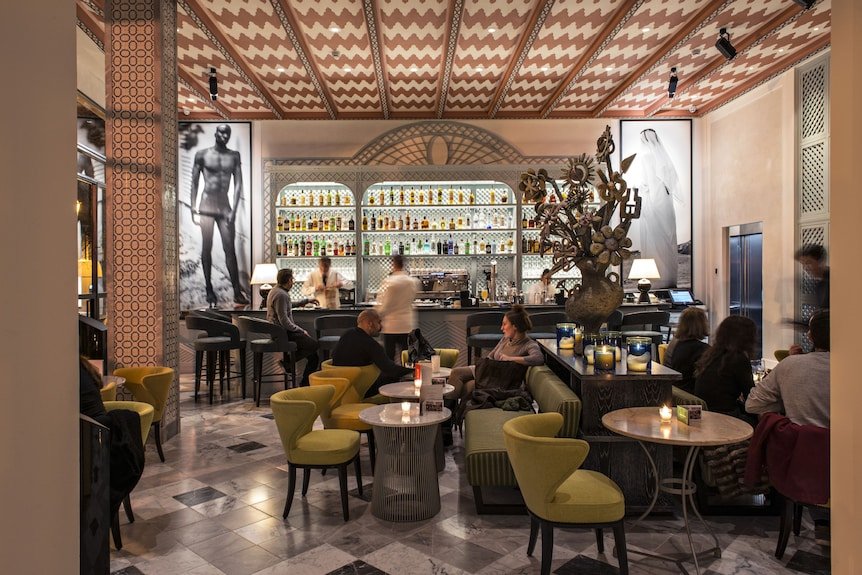
Plaça de Cort and the Logic of Palma's Drinking Geography
Palma's bar scene divides along a rough geographic and cultural fault line. The waterfront and Santa Catalina districts pull younger, internationally mobile crowds toward natural wine lists and low-intervention cocktail programs. The historic centre, anchored by the Ajuntament and the stone facades of Plaça de Cort, operates at a different register: more formal, more architecturally serious, and increasingly home to properties that treat the back bar as a statement rather than an afterthought. Hotel Cappuccino sits squarely in that second category, at the civic address of Plaça de Cort 07001, where the setting itself shapes expectations before a drink is ordered.
The square is one of Palma's oldest public spaces, flanked by the Ajuntament building with its characteristic seventeenth-century facade and the slow rhythm of city government. Drinking here carries a different weight than drinking near the port. The pace is deliberate, the clientele tends toward the knowing rather than the transient, and the hotel's orientation toward a curated spirits program fits the context with more precision than it might elsewhere in the city.
The Spirits Program as Editorial Position
Across Spain's more considered drinking establishments, the back bar has become a legible signal of intent. At Angelita in Madrid, the focus on rare vermouth and sherry positions the bar within a tradition-aware framework. At Boadas in Barcelona, the depth of the classic cocktail canon speaks to institutional continuity. Hotel Cappuccino's approach at Plaça de Cort follows a comparable logic: the selection of spirits functions as curation, signalling both range and point of view rather than simply volume.
In cities where bar culture has matured, the distinction between a well-stocked back bar and a considered one becomes meaningful. A well-stocked bar accumulates; a considered one edits. The latter requires someone to make decisions about which distilleries, which vintages, and which categories deserve shelf space. That editorial work, when done well, gives a bar its character more reliably than interior design or a famous address. At Hotel Cappuccino, the back bar operates as this kind of positioned argument: an articulation of what the property believes serious drinking looks like in a Mediterranean hotel context.
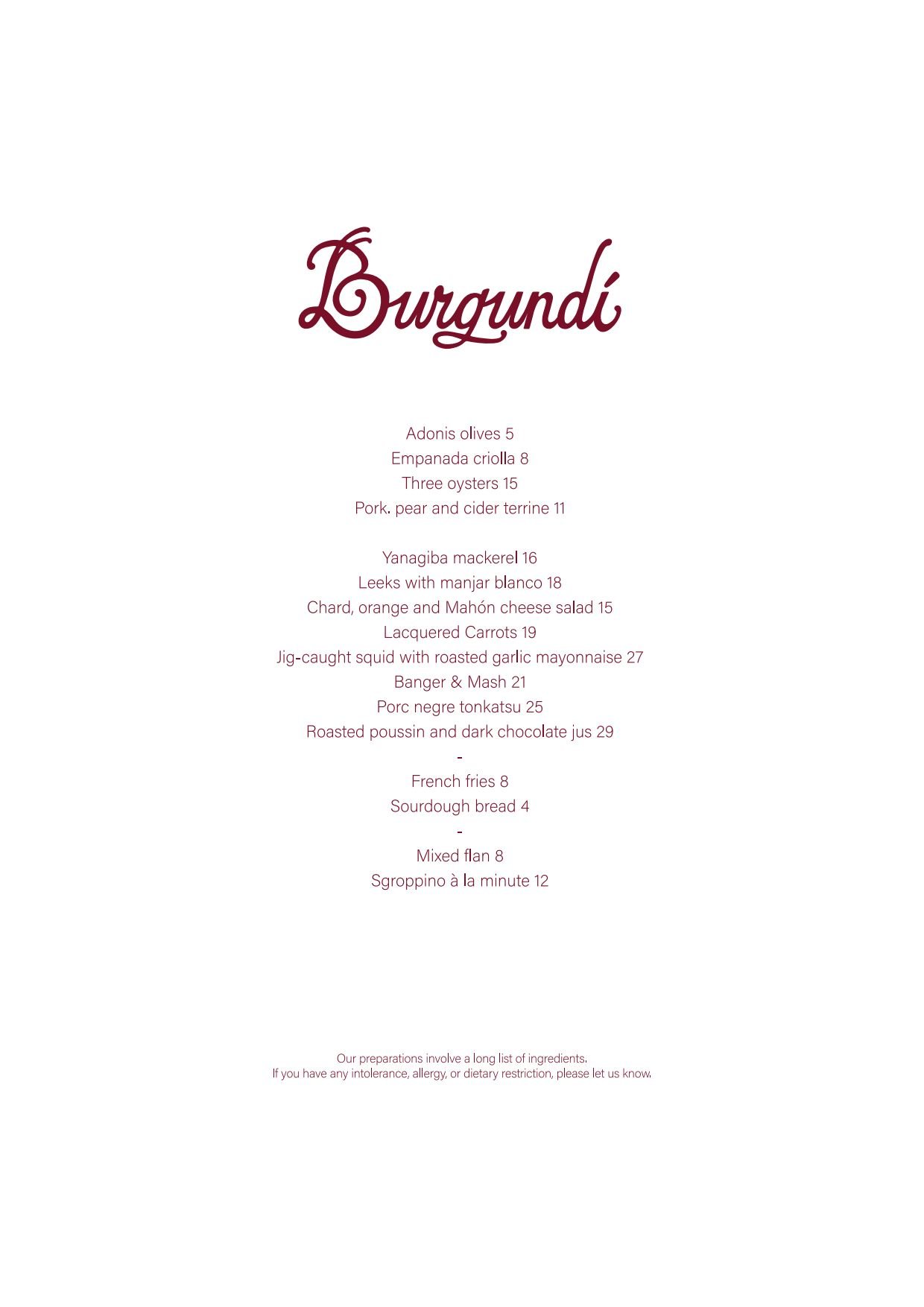
Within Palma specifically, this positions the hotel in a different peer set from the neighbourhood wine bars. CAV. vins and Burgundi work the natural wine register with depth and conviction. Bar La Sang and Chapeau Palma each represent distinct angles on Palma's cocktail culture. Hotel Cappuccino's spirits-forward orientation places it alongside those venues as part of the same broader shift toward program depth, while its hotel format gives it a different operational logic and a broader daily arc, from morning coffee through late evening.
The Mediterranean Hotel Bar Format
Hotel bars in the Balearics have historically underperformed their setting. The combination of strong tourist volume, high summer turnover, and pressure to serve broad preferences has tended to produce generic programs in even architecturally distinguished properties. The shift toward curated spirits and considered cocktail formats has been slower here than in Barcelona or Madrid, which makes properties that have moved in that direction more notable within their local peer set.
The pattern is visible across the archipelago's more serious drinking spots. La Margarete in Ciutadella has built a reputation on the Menorcan side of that shift. Garden Bar in Calvia takes a different approach within Mallorca's western municipalities. Hotel Cappuccino at Plaça de Cort addresses the question from the historic centre, where the architectural gravity of the address gives the property a particular kind of authority that purely bar-format venues cannot replicate.
The hotel bar format also carries logistical advantages for the visitor who wants to drink seriously without the coordination overhead of moving between venues. The daily arc from espresso through aperitivo into late-evening spirits drinking can unfold in one space, which in a city where the evening moves from early tapas to late cocktails is a practical consideration as much as an aesthetic one.
Palma in the Spanish Spirits Context
Spain's serious drinking culture has expanded well beyond the traditional vermouth bars of Catalonia and the sherry-forward tradition of Andalusia. At Bar Sal Gorda in Seville and Bar Gallardo in Granada, the southern Spanish approach to a considered back bar draws on regional ingredients and historical drinking patterns that differ significantly from the island context. Even internationally, programs like Bar Leather Apron in Honolulu demonstrate how a hotel bar format, when committed to curation, can operate as a primary drinking destination rather than a convenience amenity.
Palma occupies an interesting position in this geography. The island imports heavily but also produces: Mallorcan gin has grown from a local curiosity to a recognised category, and the island's wine producers have built credibility in international markets over the past fifteen years. A hotel bar at Plaça de Cort with genuine program depth has the opportunity to work both the imported spirits tradition and the local production story, which gives the back bar more potential narrative range than an equivalent property on the Spanish mainland might have.
Planning a Visit
Hotel Cappuccino sits at Plaça de Cort in Palma's historic centre, walkable from the Cathedral and within the dense core of the old city where most serious bar-hopping in Palma begins. The address puts it close to the city's administrative and architectural heart, which means the surrounding streets carry foot traffic at most hours but thin out after the tourist day ends, leaving a more local and deliberate crowd in the evenings. For visitors combining serious drinking with the city's broader offerings, the our full Palma De Mallorca restaurants guide covers the neighbourhood context in depth and maps the bar scene across the city's distinct drinking zones. Given the hotel's position and format, an evening visit that begins with the aperitivo hour and extends into the back bar's spirits range is the most natural use of what the property offers. Specific booking details, hours, and pricing should be confirmed directly with the property before visiting.
Budget and Context
Comparable venues for orientation, based on our database fields.
| Venue | Price | Awards | Notes |
|---|---|---|---|
| Hotel Cappuccino - Palma | This venue | ||
| Bar La Sang | |||
| Burgundi | |||
| CAV. vins | |||
| Idilio Cocina y Vino | |||
| Mercat Negre |
Continue exploring