
Star Wine List
Our verdict
In Palma's Ponent district, NUS operates at the quieter, more considered end of the city's dining tier: a small room where the menu follows natural seasons, the pace is set by the kitchen rather than the clock, and eating and drinking are treated as the full purpose of the evening. It rewards guests who arrive without a fixed agenda and leave the schedule behind.

Pearl is the En Primeur Club membership app — saves, bookings, and concierge access live there. Same editors, same standards.
- Address
- Carrer d'Anníbal, 11, Ponent, 07013 Palma, Illes Balears, Spain
- Phone
- +34 871 17 86 03
- Hours
- Mon ClosedTue–Thu 5:30–11 PMFri–Sat 1–3:30 PM, 7–11 PMSun Closed
- Website
- nuspalma.com
- Directions
- Get directions
- Booking
- Book on TheFork
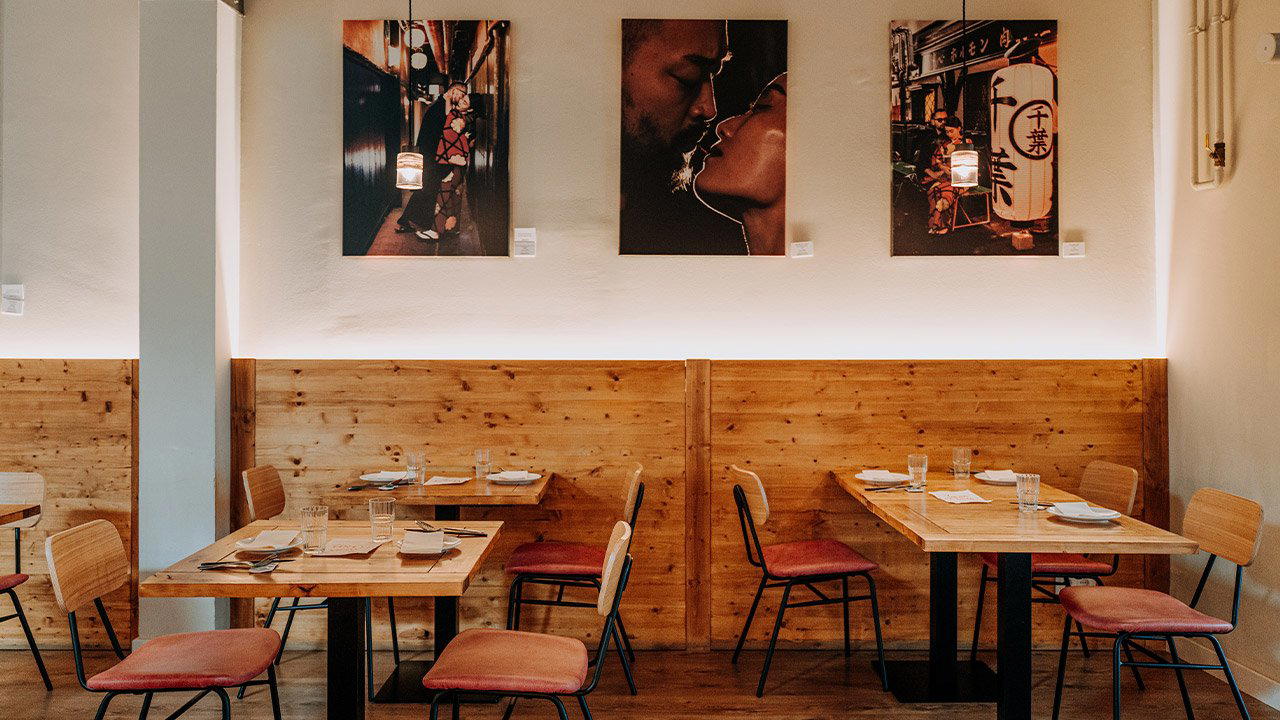
Where the Table Is the Point
Carrer d'Anníbal sits in the Ponent neighbourhood of Palma, a few streets west of the old city's better-trafficked tourist corridors. The area has a lived-in quality that the historic centre increasingly lacks: narrow pavements, residents rather than visitors, the kind of block where a restaurant survives on the merit of the meal rather than the footfall of the street. Arriving at NUS, the address itself signals something about what follows inside.
Palma's dining scene has fractured along a familiar axis in recent years. On one side, there is the resort-adjacent trade: high covers, seasonal staff, menus calibrated to the broadest possible audience. On the other, a smaller cohort of rooms that operate as if they are indifferent to that model entirely, where the rhythm of the meal is unhurried and the kitchen follows what the season dictates rather than what the summer crowd expects. NUS sits firmly in that second category. The phrase attached to the restaurant captures the philosophy in plain terms: a space where the table makes you feel at home, where time stands still, and where the most important thing is eating and drinking.
The Ritual of the Meal
There is a particular kind of restaurant where the pacing of service is itself the editorial statement. The kitchen does not hurry. Dishes arrive when they are ready, not when the table has been empty for a socially acceptable interval. The meal unfolds as a sequence of decisions made by the kitchen, with the diner's role closer to attentive guest than menu strategist. This format, common in smaller Spanish rooms with serious culinary intent, asks something of the table in return: you surrender the clock, and the kitchen surrenders improvisation.
At NUS, the menu changes in step with natural seasons. This is not a marketing claim about farm relationships; it is a structural commitment that makes any fixed menu description unreliable from one visit to the next. What arrives in early spring bears no relation to what arrives in August, and August bears no relation to November. The implication for planning is worth stating clearly: the specific dishes on a given evening cannot be predicted in advance, and that unpredictability is precisely the point. The cook and the season are in conversation; the diner listens in.
Spain has a long tradition of this kind of tasting-format seasonality, from the Basque Country through Catalonia and down the Mediterranean coast. Rooms like El Celler de Can Roca in Girona and Arzak in San Sebastián have made season-responsive menus central to their identities at the highest tier of formal recognition. At the more technically driven end, Azurmendi in Larrabetzu and Quique Dacosta in Dénia apply similar logic with a more experimental hand. NUS operates without those rooms' levels of institutional recognition, but it operates within the same cultural inheritance: the idea that a kitchen's integrity is measured by its willingness to let the calendar override the menu.
Palma's Quieter Dining Register
Mallorca's dining conversation tends to centre on the island's agricultural abundance, its olive oil and sobrasada, its catch from the surrounding waters. That abundance has attracted serious kitchen talent over the past decade, some of it imported from the mainland, some of it homegrown. The result is a tier of Palma restaurants that would be notable in any Spanish city, not merely in the context of an island better known for its coastline than its kitchens.
NUS belongs to the segment of that tier that prioritises intimacy over spectacle. This is not a room designed to photograph well from a wide angle; it is a room designed to feel right from the inside. That distinction matters when positioning it against nearby alternatives. Andana and Mouna represent different registers of the same general commitment to serious eating in Palma, while Clandestí occupies a more playful, creative corner of the city's table. Each of those rooms asks the diner to show up with attention; NUS adds the explicit request that you also surrender your schedule.
The dining customs at this kind of restaurant reward a specific kind of guest. Arriving without a hard stop later in the evening is not merely advisable; it is close to a precondition. The format assumes that the table is yours for the duration of the menu, not for an allocated window. European dining culture, particularly in Spain, has always been more comfortable with this arrangement than its Anglo-American counterpart. The two-hour turnaround that defines much of the restaurant industry in New York or London, practised even at serious rooms like Le Bernardin in New York City, sits awkwardly against a Mallorcan kitchen that considers the meal finished when the meal is finished.
The Drinking Side of the Equation
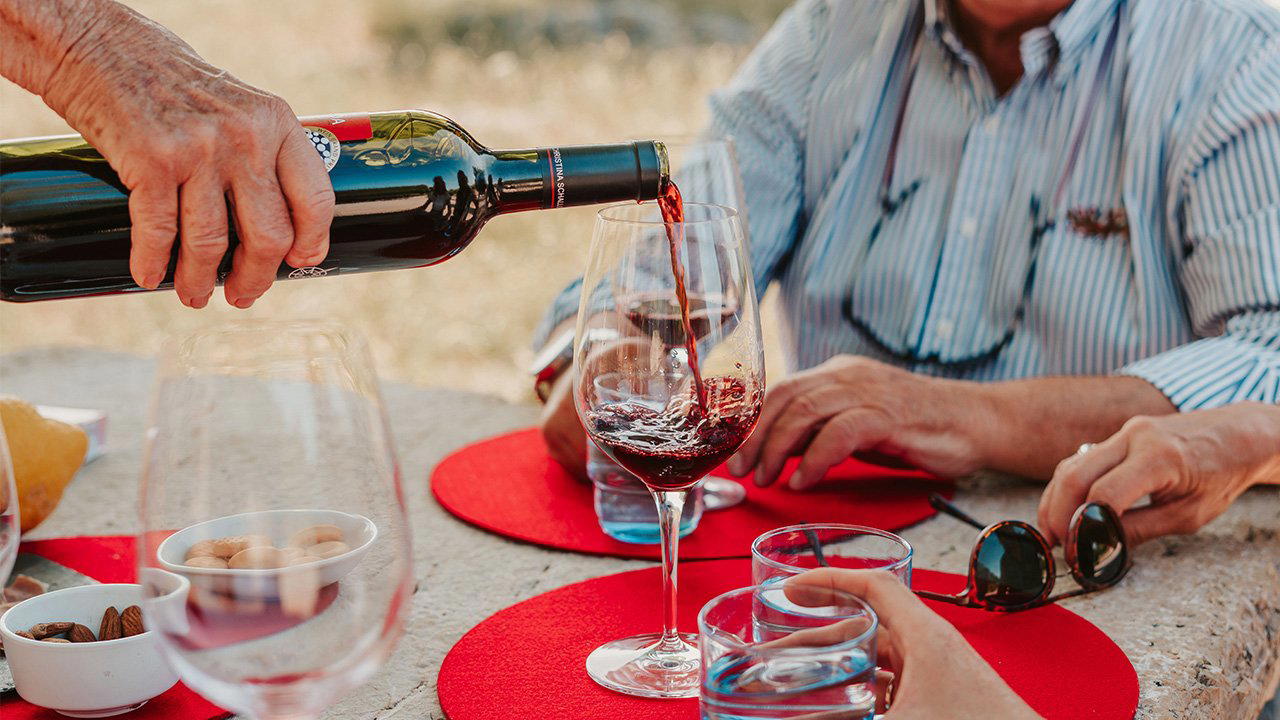
The phrase attached to NUS pairs eating and drinking as equals, and that pairing is worth taking at face value. Mallorca's wine production has expanded beyond the island's own consumption over the past two decades, with producers in the Binissalem and Pla i Llevant denominations achieving recognition outside the island. A kitchen that changes its food with the season tends to think about the glass with similar seriousness. Beyond the island's own bottles, Balearic restaurants with genuine wine programs typically draw from the breadth of Spanish regional production, which is among the most varied in Europe by grape variety and appellation. For a fuller picture of what the island produces, our full Palma de Mallorca wineries guide maps the relevant producers.
Planning Your Visit
NUS is located at Carrer d'Anníbal, 11 in the Ponent district of Palma de Mallorca. The neighbourhood is walkable from the city centre, though it sits at a remove from the tourist-saturated streets around the cathedral. Given the seasonal menu format and the intimate scale of the room, booking ahead is the sensible approach; the kitchen's commitment to seasonally driven, time-unhurried service implies limited covers rather than high-volume throughput. Contact details and current reservation availability are best confirmed directly, as hours and booking arrangements at this scale of restaurant are subject to change. For context on where NUS sits within the wider city offer, our full Palma de Mallorca restaurants guide covers the spectrum from casual neighbourhood plates to the most formal tables on the island.
Guests planning a broader trip will find supporting resources across our Palma guides: hotels, bars, and experiences each have dedicated coverage. For those using Palma as a base to explore Spain's broader restaurant conversation, the coordinates are well-placed: the island's airport connects directly to the mainland cities where rooms like Cocina Hermanos Torres in Barcelona, DiverXO in Madrid, Aponiente in El Puerto de Santa María, Martin Berasategui in Lasarte-Oria, and Emeril's in New Orleans operate at the formal end of the spectrum. NUS is not that kind of room; it operates in the register that sits just below institutional recognition but above casual eating, which is, for many travellers, exactly the tier that repays the most attention.
Frequently asked questions
Has NUS won any awards?
NUS has received recognition including: NUS creates a space where the table makes you feel at home, where time stands still, and where the most important thing is eating and drinking. The cuisine changes following the natural season of the....
What's the address for NUS?
NUS is located at Carrer d'Anníbal, 11, Ponent, 07013 Palma, Illes Balears, Spain, Palma de Mallorca.
What's the must-try dish at NUS?
NUS builds its menu around natural seasonal availability, so the kitchen's output shifts throughout the year and no fixed dish carries from one season to the next. The address at Carrer d'Anníbal, 11 in Palma's Ponent district draws an audience that returns specifically because the menu does not repeat itself. Visiting without a preselected target is the point — the season dictates the meal.
Is NUS reservation-only?
NUS positions itself within Palma's quieter, lower-volume dining register, where rooms tend to be intimate and seatings are not designed for high turnover. Advance booking is strongly advisable before visiting the Carrer d'Anníbal address. Walk-in availability depends entirely on the day and the season.
Cuisine-First Comparison
Comparable venues nearby, for context on price, style, and recognition.
| Venue | Cuisine | Price | Awards | Notes |
|---|---|---|---|---|
| NUSThis venue — the venue you are viewing | Spanish Fusion with Asian Influences | $30–50 | Star Wine List | Not listed |
| La Rosa Vermuteria & Colmado | Spanish Tapas & Vermuteria | $20–30 | Not listed | Centre |
| Mouna | Organic Artisan Mediterranean Vegetarian | $20–30 | We're Smart World 3 Radishes | La Lonja |
| Clandestí | Modern Spanish Market Cuisine | $100–150 | Star Wine List | Nord |
| Andana | Modern Mallorcan Mediterranean | $50–100 | Star Wine List | Plaça d'Espanya |
Recognition history
Dated appearances from independent guides and award organizations, with the underlying list record or original source where available.
Star Wine List
Star Wine List
Continue exploring
More in Palma de Mallorca
Restaurants in Palma de Mallorca
Browse all →
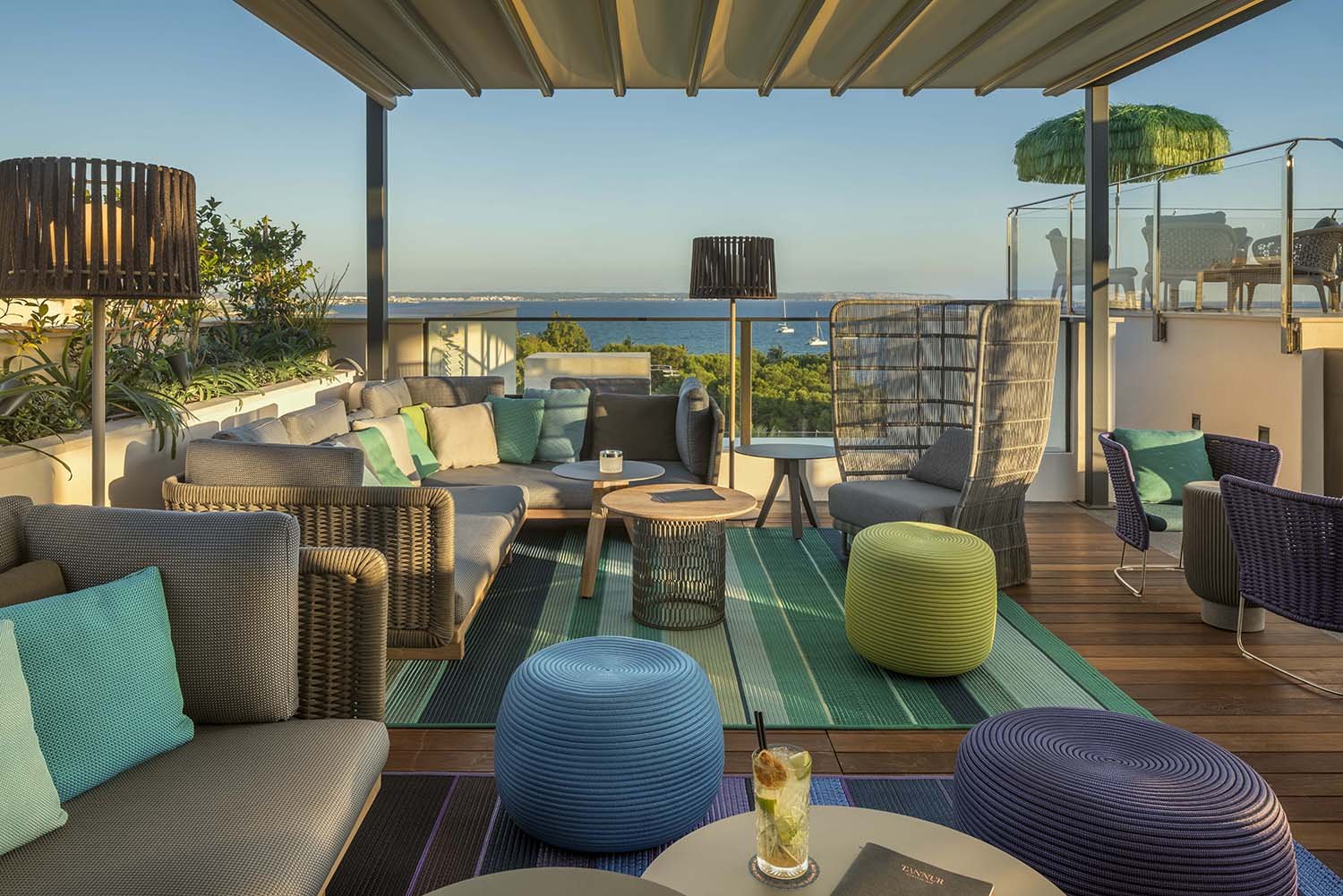
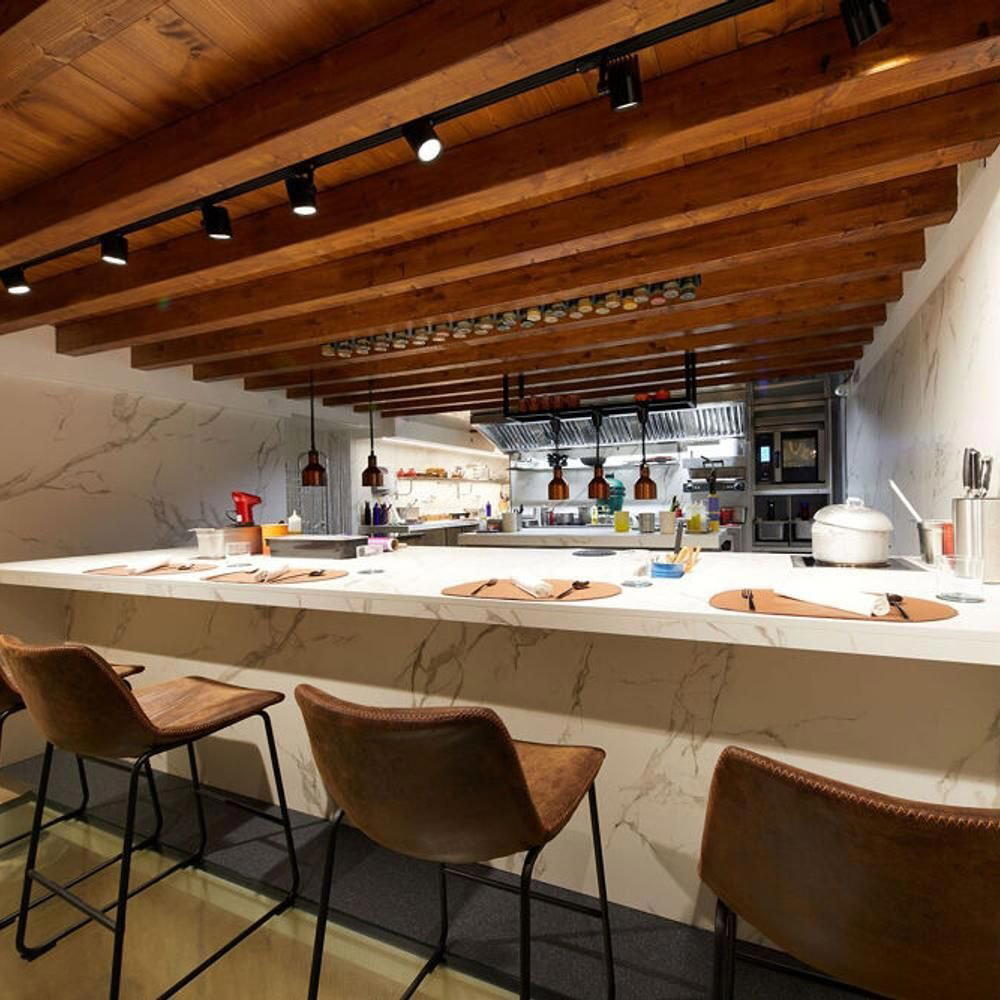
Bars in Palma de Mallorca
Browse all →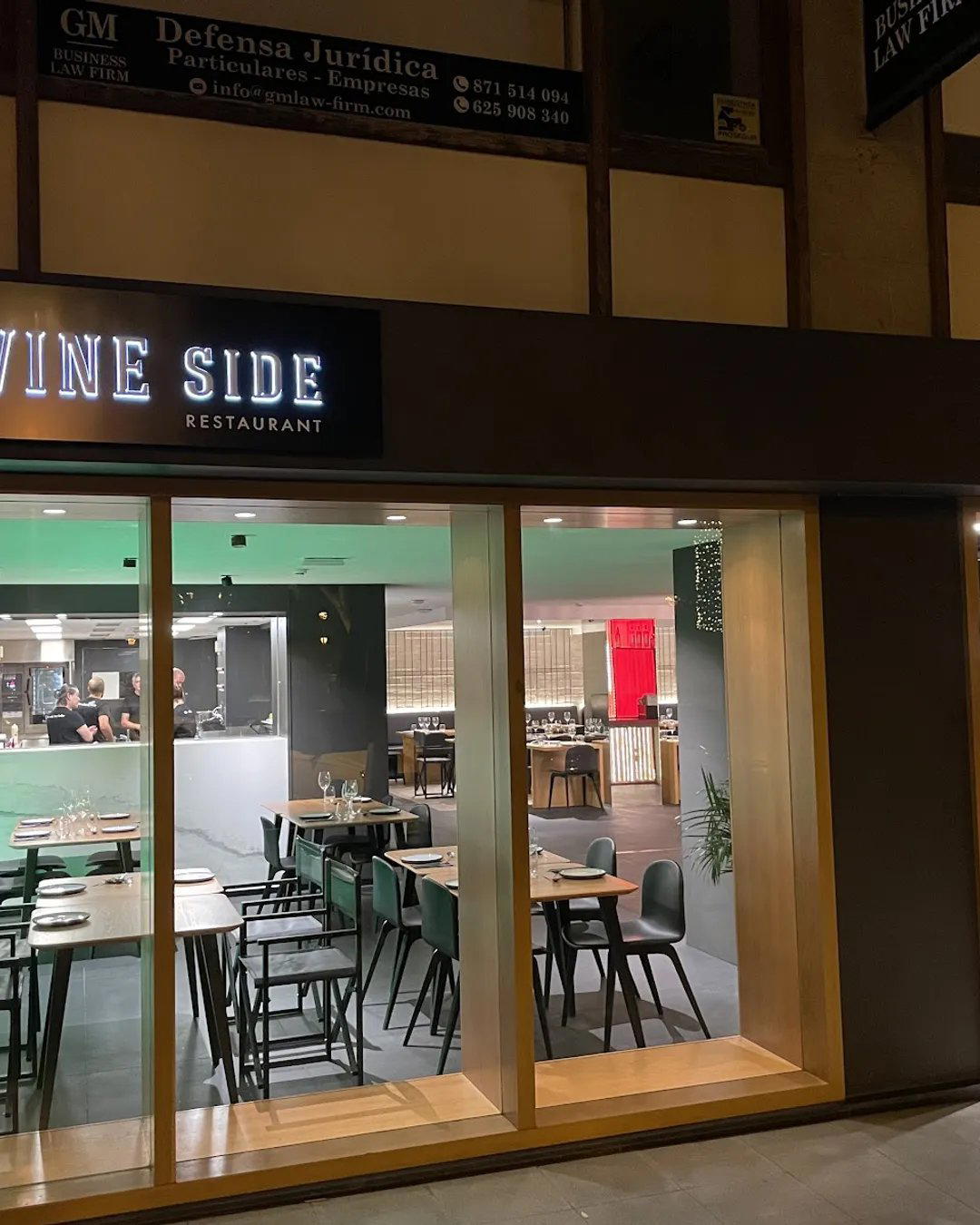
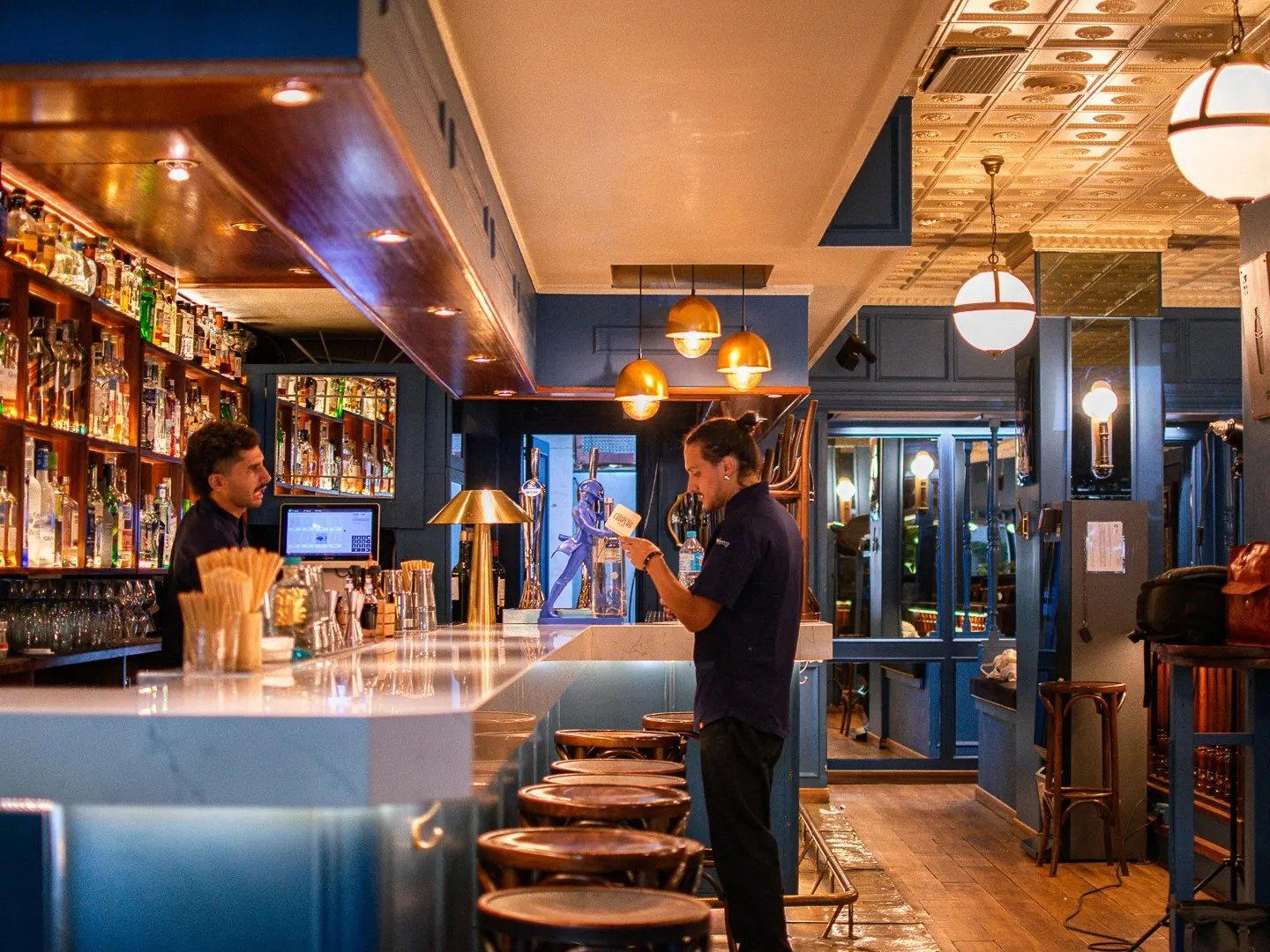
Hotels in Palma de Mallorca
Browse all →
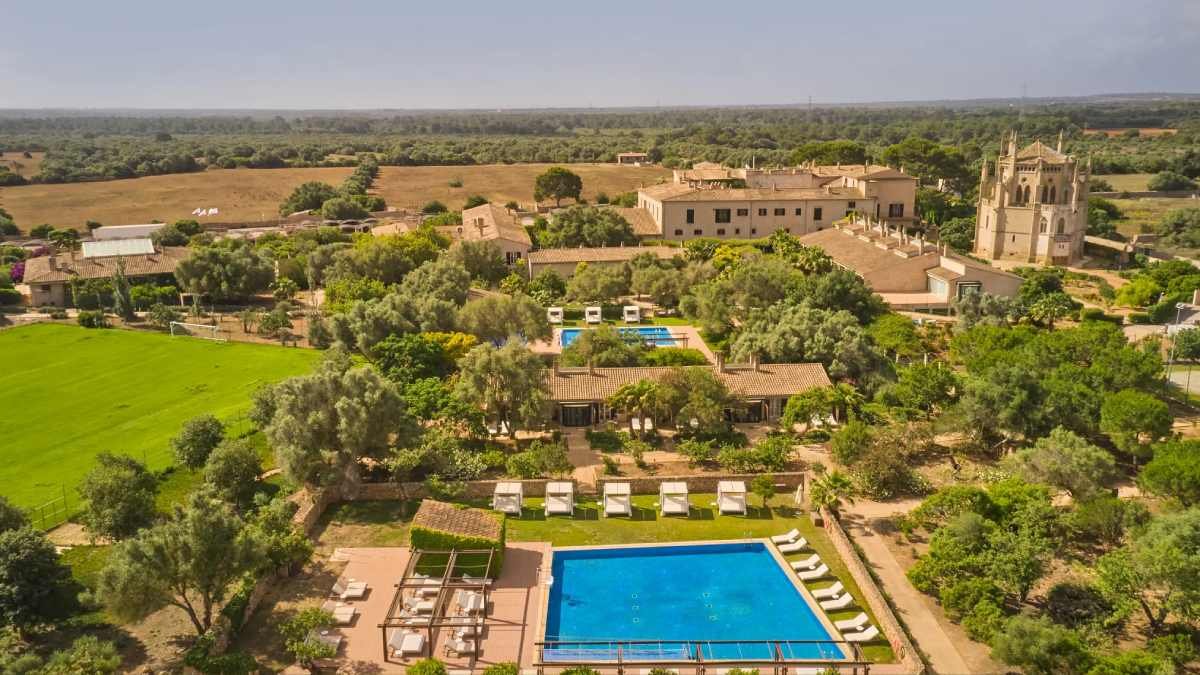
NUS
The wine
- Wine program
- Curated wine list
- Extensive wine list
Details
- Minimalist
- Intimate
- Cozy
- Date Night
- Special Occasion
- Terrace
- Extensive Wine List
- Small Plates
- Vegetarian Friendly
Current opening hours
- Monday
- Closed
- Tuesday
- 5:30–11 PM
- Wednesday
- 5:30–11 PM
- Thursday
- 5:30–11 PM
- Friday
- 1–3:30 PM, 7–11 PM
- Saturday
- 1–3:30 PM, 7–11 PM
- Sunday
- Closed
Hours can change for holidays and private events. Last verified .
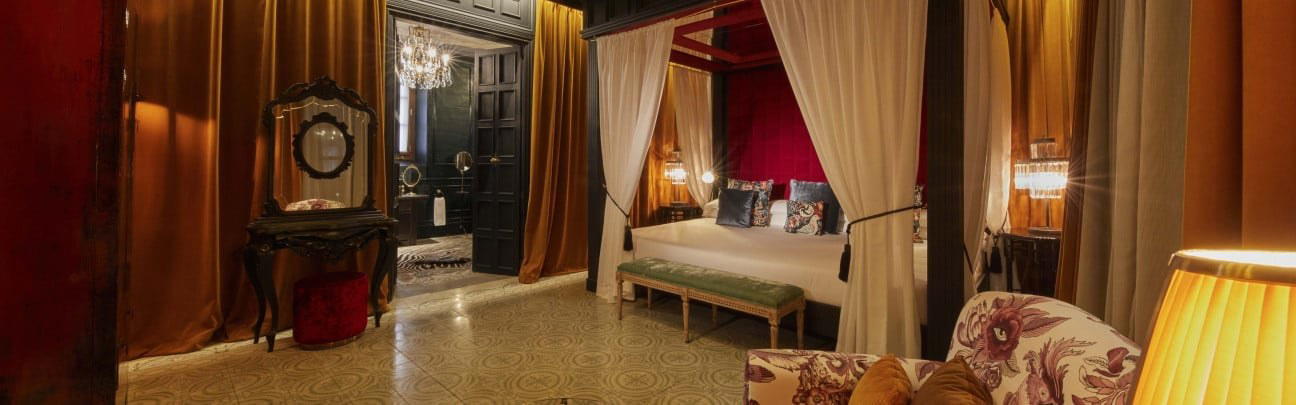
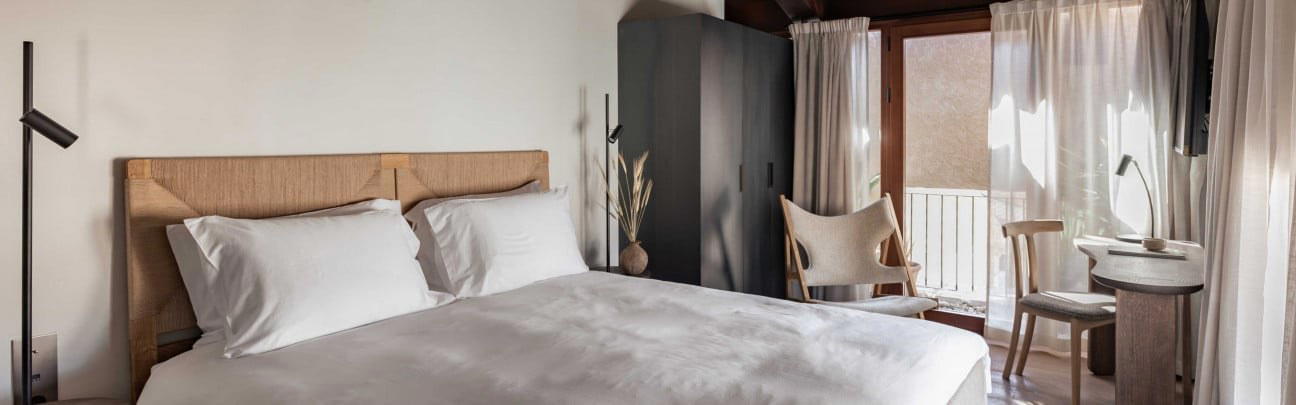
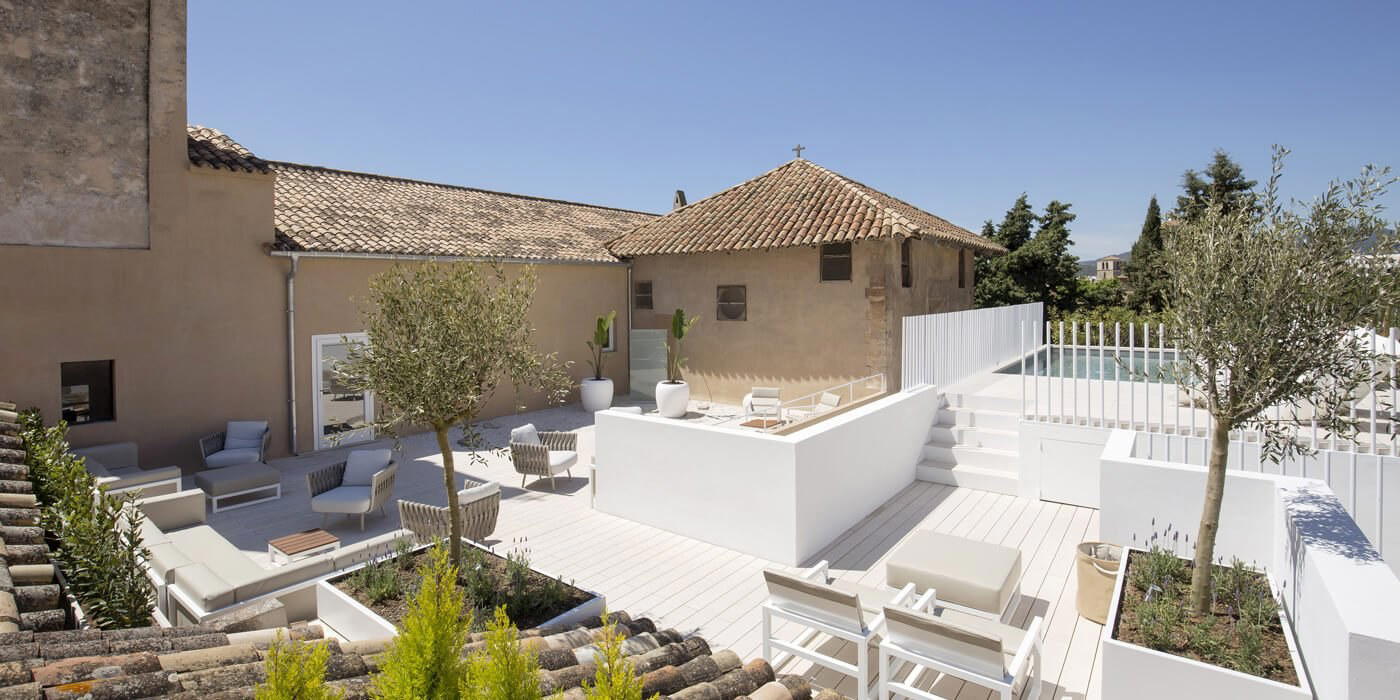
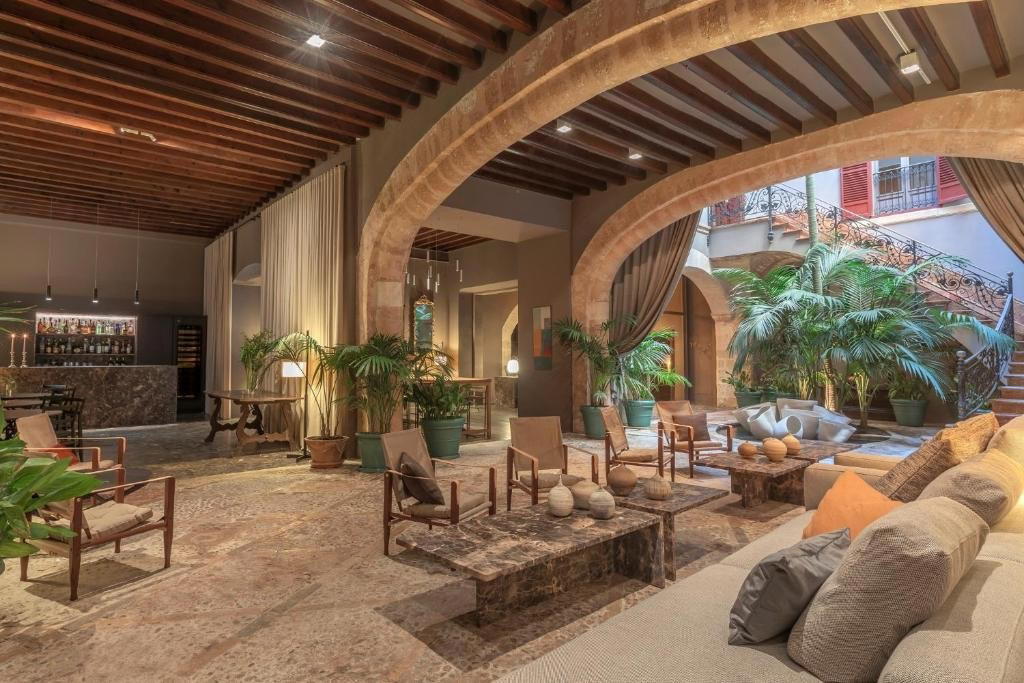
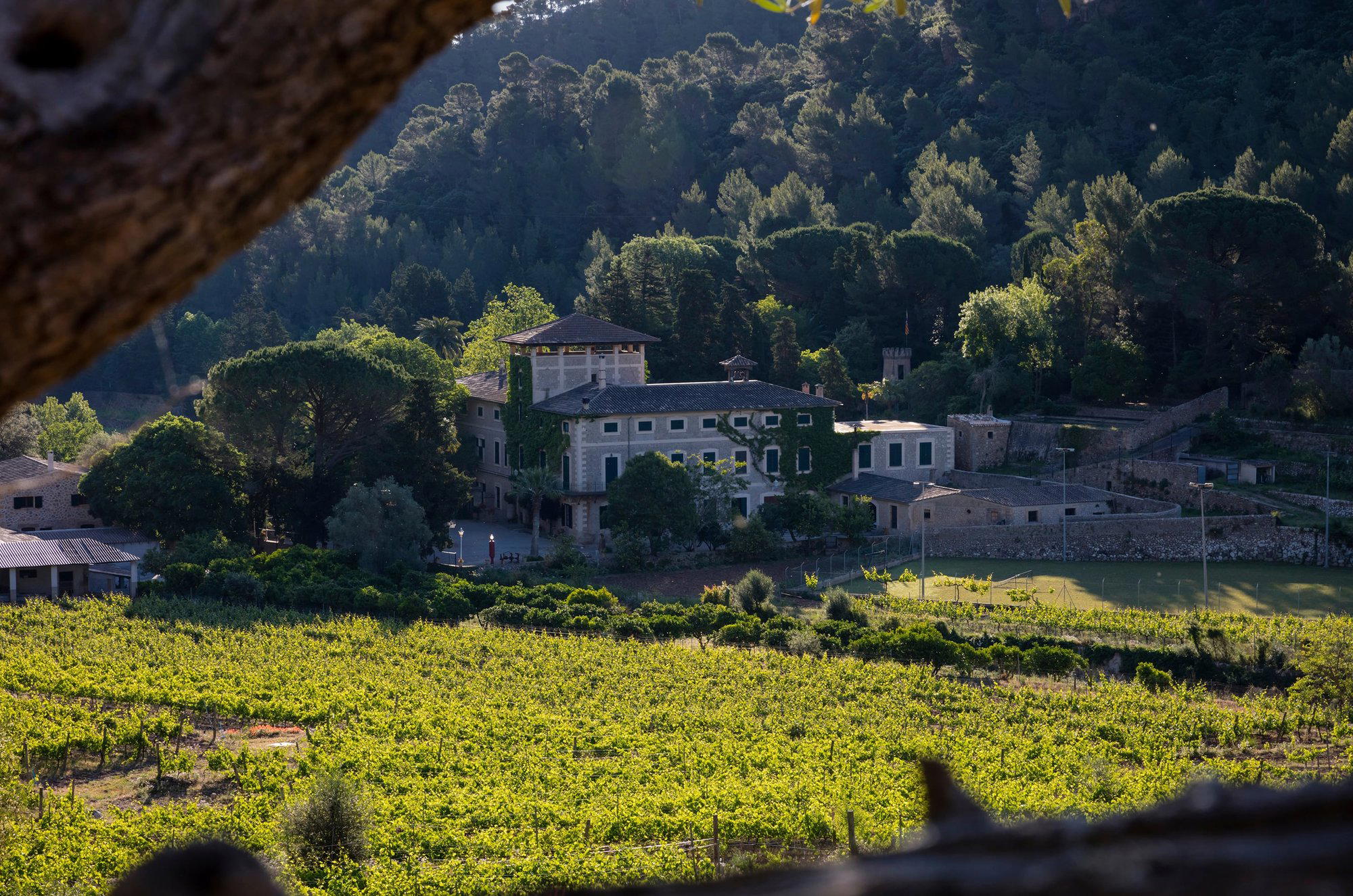
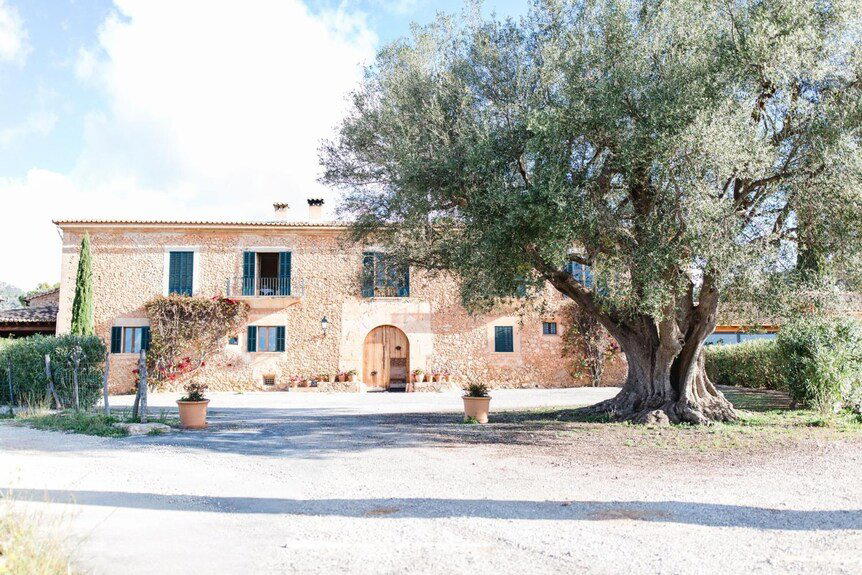
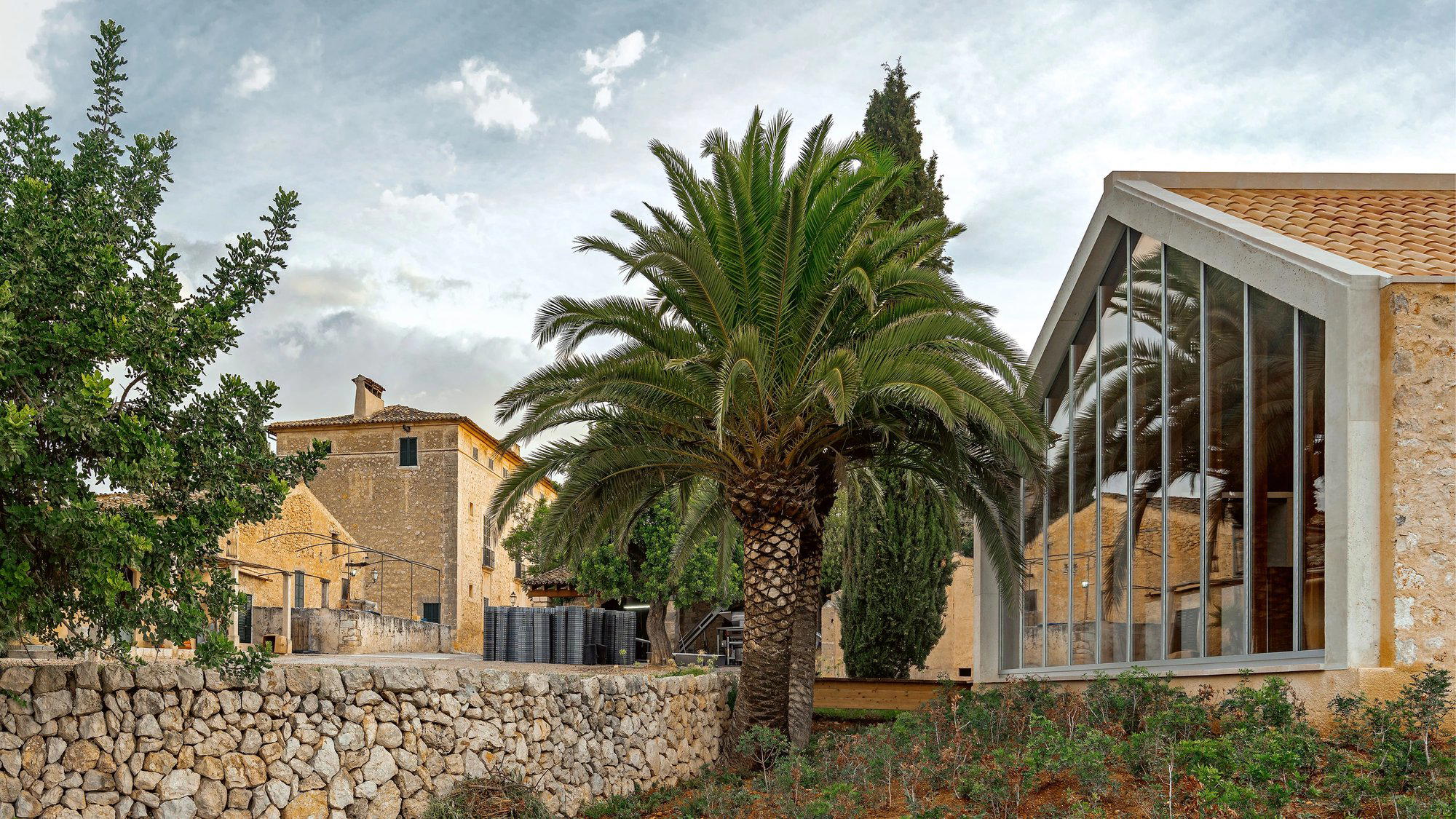
Inviting and minimalistic atmosphere where the table feels like home, time stands still, and guests enjoy a relaxed dining experience.