La Rocca
Our verdict
La Rocca serves authentic Italian in Copenhagen, with Seafood Tagliolino, Spinach and Ricotta Ravioli, and an extensive wine list in a conversational setting.

Pearl is the En Primeur Club membership app, where members save venues, book tables and use the concierge.

The menu
What to order
- Seafood Tagliolino
- Spinach and Ricotta Ravioli
Vendersgade and the Italian Counterpoint in Copenhagen
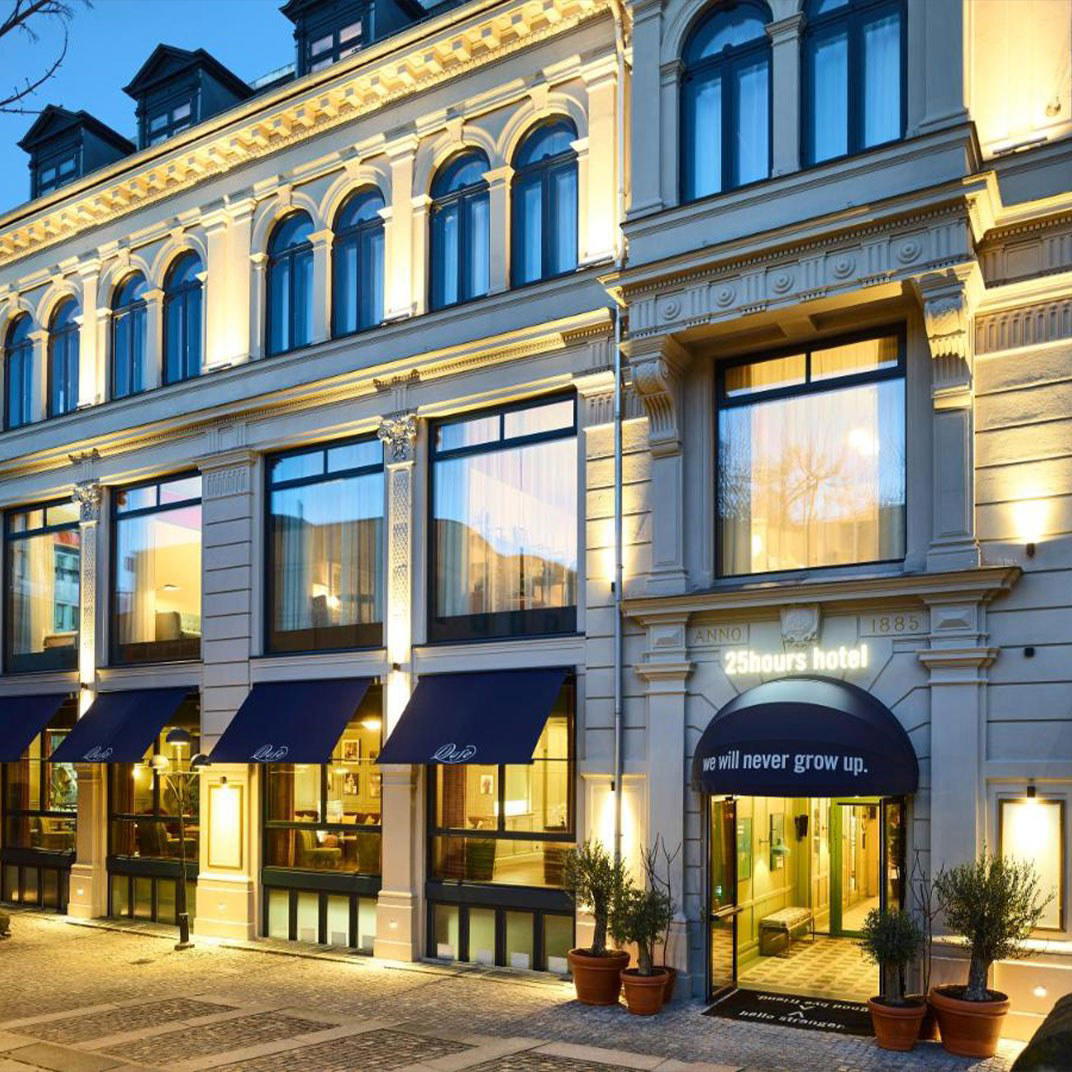
Copenhagen's dining identity has been shaped so decisively by New Nordic that the address at Vendersgade 23 registers as a deliberate counterpoint. La Rocca occupies a corner of the city where the culinary conversation runs parallel to, rather than inside, the tasting-menu orthodoxy that defines tables like Geranium and Alchemist. Approaching the address, the street is quiet relative to the busier corridors around Nørreport, and the building itself sits within a residential stretch of the inner city that keeps the venue's register domestic rather than destination-theatrical.
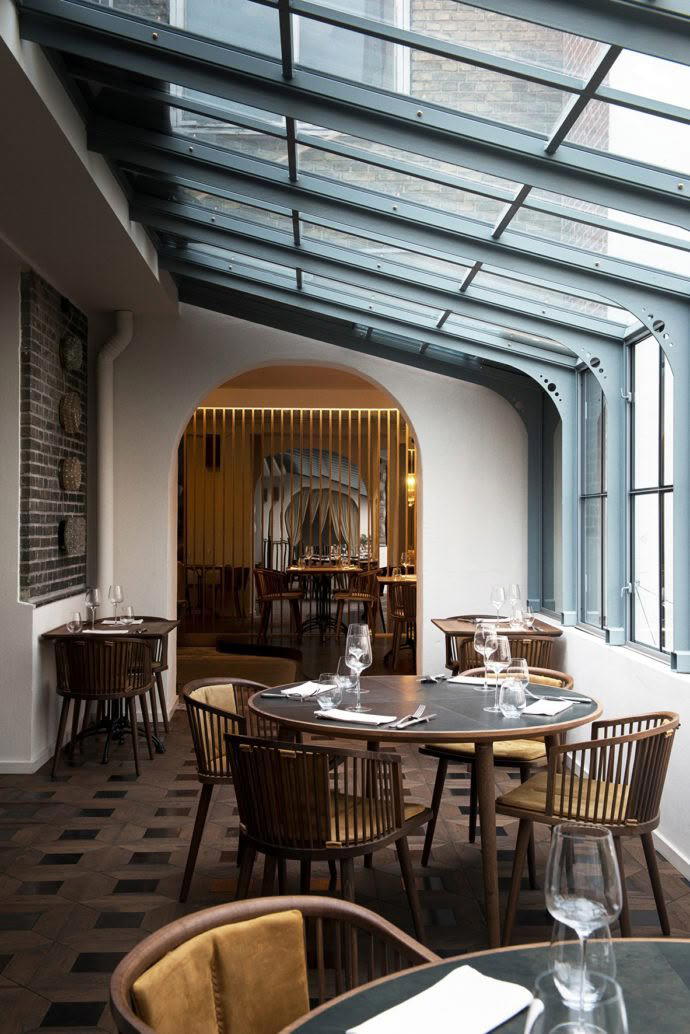
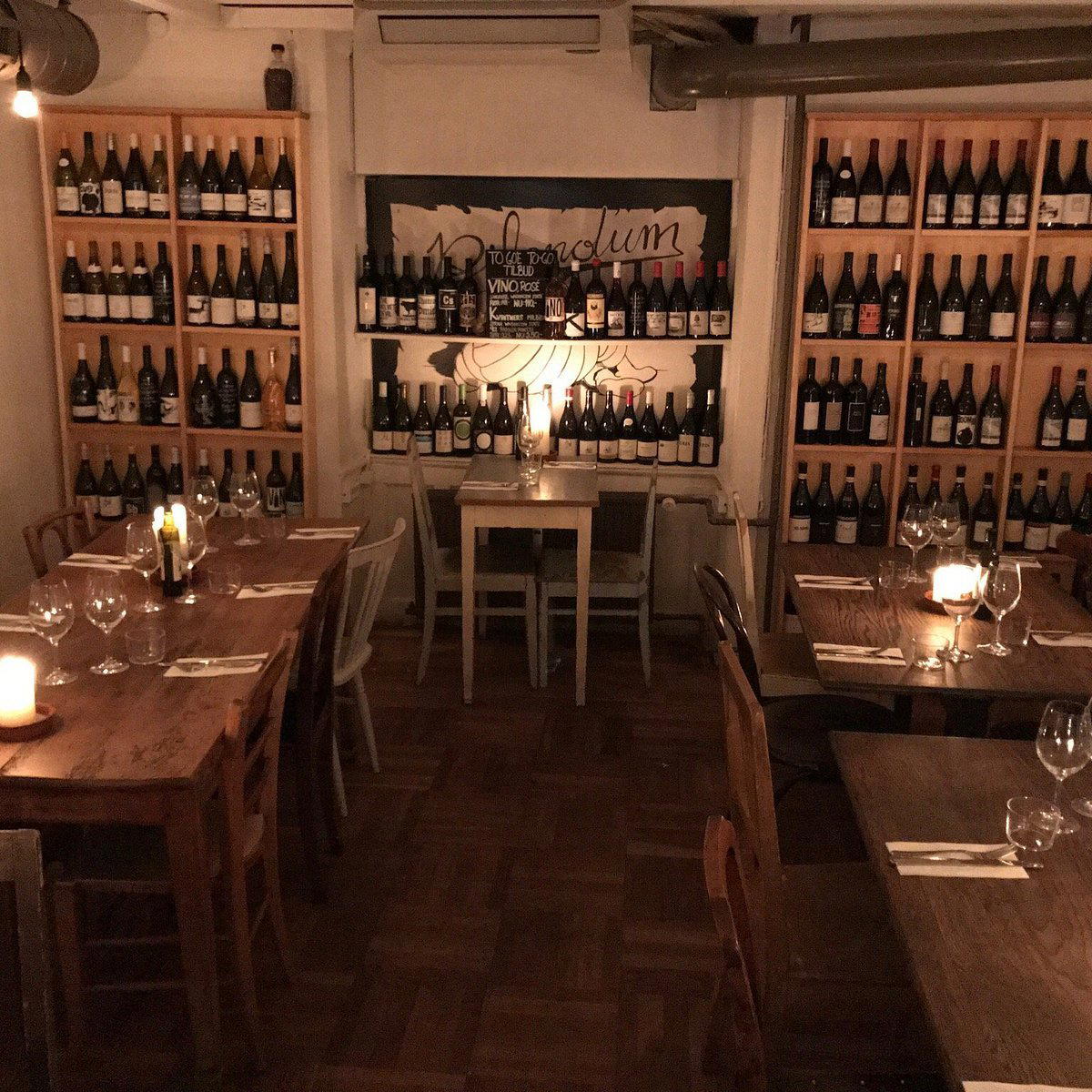
Inside, the physical environment reads as southern European transplant rather than Scandinavian minimal. Stone surfaces, warm light, and the kind of compressed intimacy that Italian trattorias in Rome or Bologna deploy deliberately to signal that the meal will be long and unhurried. Copenhagen has a thin but serious stratum of Italian dining that operates at a different frequency from the city's New Nordic dominance, and La Rocca positions itself within that stratum, where the wine list often does as much editorial work as the kitchen.
Wine as Architecture
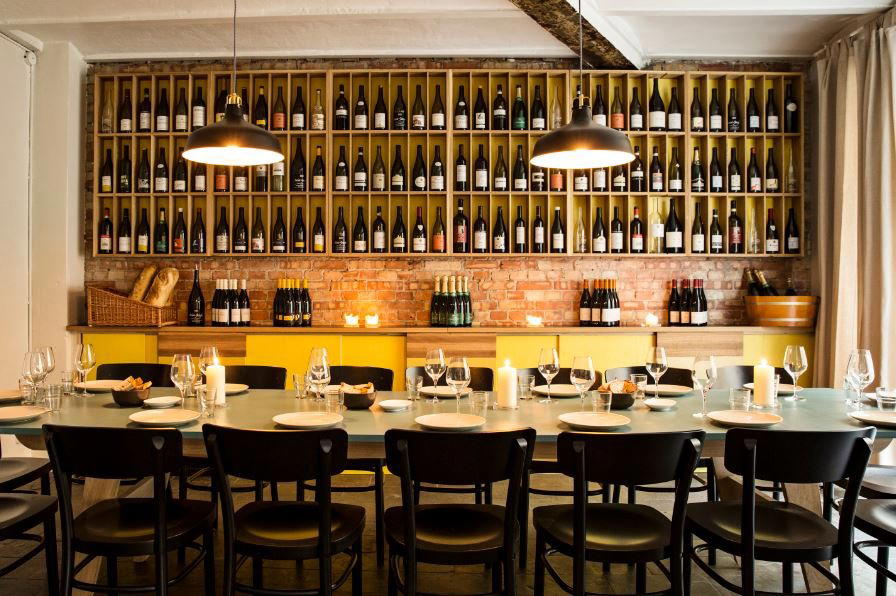
In Italian restaurant culture, the cellar is not an afterthought bolted onto a food program. It functions as a parallel argument about provenance, regionality, and time. Copenhagen's Italian dining tier has absorbed that logic, and Vendersgade 23 reflects a tradition in which the bottle arriving at the table is expected to carry as much intellectual weight as the plate preceding it.
Italian wine geography is complex enough that any serious list requires curatorial discipline: the distance in approach between a Barolo from a traditional Langa producer and a skin-contact Friulano from the Collio, or between a structured Aglianico del Vulture and a coastal Vermentino, is not just stylistic but philosophical. Lists that understand this do not simply sort by region, they argue for a particular reading of Italian wine as a plural and evolving canon. That argument, made bottle by bottle, is what separates a Italian cellar from a collection of familiar labels.
Copenhagen's broader dining scene has made the sommelier role central. Tables like Koan and Kadeau treat wine pairing as a structured editorial layer, and that expectation has filtered across the city's serious dining tier. At an Italian-focused address, the same standard applies with an additional layer of specificity: the list should demonstrate knowledge of producers rather than appellations, of vintages rather than categories.
The Copenhagen Italian Register
Italian restaurants in Copenhagen occupy a smaller, more contested space than the New Nordic tier represented by Noma or the creative tasting-menu format of Alchemist. The city's Italian dining has tended to split between casual neighbourhood pizzerias and a handful of more serious trattoria-format operations where the kitchen engages with regional Italian cooking in a way that goes beyond the familiar northern European interpretation of pasta and risotto.
The broader Danish fine-dining ecosystem extends well beyond the capital. Jordnær in Gentofte holds two Michelin stars and represents the kind of precision-led Nordic cooking that has given Denmark international culinary recognition. Outside Copenhagen, addresses like Frederikshøj in Aarhus, Henne Kirkeby Kro, and LYST in Vejle have built serious regional reputations. The contrast is instructive: a venue anchored in Italian tradition is playing a different game from those programs, one where the competitive reference points are not the Michelin Nordic tier but the quality of Italian restaurants across northern Europe.
Further afield, the standard set by restaurants like Le Bernardin in New York City demonstrates how European culinary traditions transplanted to new geographies can maintain rigour and specificity. Copenhagen's Italian tier aspires to a similar discipline, where fidelity to source tradition earns the venue its authority.
Atmosphere and Format
The format at a venue like this matters as much as any individual dish. Italian dining at its most serious operates through accumulation: antipasti giving way to a primo, the secondo arriving after a considered pause, the wine evolving through the sequence rather than being selected once at the start and forgotten. The physical intimacy of a room at Vendersgade encourages that pace. The compressed space, the warm surfaces, the absence of the kind of theatrical staging that defines something like Alchemist, all of it signals a meal structured around conversation and repetition rather than spectacle.
Copenhagen diners have become accustomed to formality in its Nordic guise: considered, sparse, technically precise. Italian formality is different in texture. The table feels more inhabited, the service more conversational, the pacing less metronomic. That contrast is part of what makes the Italian register in Copenhagen feel like a genuine alternative rather than a variation on the same theme.
Planning a Visit
La Rocca is located at Vendersgade 23 in Copenhagen's inner city, walkable from Nørreport station and within easy reach of the broader restaurant corridor that extends through the Indre By district. For context on how this address fits within Copenhagen's wider dining picture, our full Copenhagen restaurants guide maps the city's dining tiers with more granularity.
Reservations at serious Copenhagen restaurants tend to move faster than comparable cities at similar price points, tables at Geranium require planning months in advance, and that culture of forward booking has shaped expectations across the city's dining tier. Contacting La Rocca directly is the most reliable approach for current availability and any questions about the menu or wine list. Booking with at least one to two weeks ahead is a reasonable baseline assumption for weekend evenings.
Elsewhere in the Danish dining scene, venues worth considering alongside a Copenhagen itinerary include Alimentum in Aalborg, ARO in Odense, Domæne in Herning, Dragsholm Slot Gourmet in Hørve, Frederiksminde in Præstø, and MOTA in Nykøbing Sjælland.
Frequently asked questions
What should I expect atmosphere-wise at La Rocca?
La Rocca sits at Vendersgade 23 in Copenhagen's inner city, and the format follows the Italian tradition of accumulation rather than spectacle. Antipasti, primi, and secondi arrive in sequence, which sets a pace that favours conversation over theatre. The address places it firmly outside the New Nordic tasting-menu circuit, and that distinction shapes the room's energy.
Where is La Rocca located?
La Rocca is located at Vendersgade 23, 1363 København, Denmark, Copenhagen.
Is La Rocca a good option for wine-focused dining in Copenhagen?
La Rocca at Vendersgade 23 is positioned within Copenhagen's Italian dining register, where the cellar functions as a core part of the offer rather than an accessory. Copenhagen's Italian restaurant tier is smaller and more contested than its New Nordic counterpart, which means venues that treat wine as architecture rather than afterthought occupy a distinct niche. For diners prioritising Italian regional wine alongside food, La Rocca warrants consideration over more conversion-style Italian venues in the city.
What dish is La Rocca famous for?
What the venue is associated with, based on its positioning in Copenhagen's Italian register, is a cooking approach grounded in regional Italian provenance rather than Nordic-influenced adaptation. Visiting with an open menu order is advisable.
How far ahead should I plan for La Rocca?
Italian restaurants at this address tier in Copenhagen's inner city tend to fill weekend slots two to three weeks out during the summer season. Contacting the venue directly via their Vendersgade 23 address is the safest approach for current availability.
What's the signature at La Rocca?
La Rocca's defining characteristic, based on the body of evidence around its positioning, is the wine program treated as a structural argument rather than a supporting list. In serious Italian restaurant culture, the cellar runs parallel to the food as a statement about region and provenance. That orientation separates it from Copenhagen restaurants where wine is incidental.
Can La Rocca adjust for dietary needs?
Italian kitchens operating in a traditional multi-course format typically have some flexibility across antipasti and secondi, though structured menus can limit substitutions. Contacting the restaurant directly before booking is the practical step for any specific requirements.
At-a-Glance Comparison
Comparable venues nearby, for context on price, style, and recognition.
| Venue | Cuisine | Price | Awards | Notes |
|---|---|---|---|---|
| La RoccaThis venue (the venue you are viewing) | Authentic Italian | $50–100 | Not listed | Not listed |
| Vespa | Traditional Italian Osteria | $30–50 | Not listed | Indre By |
| Restaurant UVA | Modern Italian | $50–100 | Not listed | Indre By |
| Locale 21 | Italian Bistro | $50–100 | Not listed | Indre By |
| Mother | Authentic Italian Sourdough Pizza | $20–30 | Not listed | Vesterbro-Kongens Enghave |
| Pirlo | Italian Osteria with Nordic Flair | $50–100 | Star Wine List | Amager Øst |
Continue exploring
More in Copenhagen
Restaurants in Copenhagen
All restaurants in Copenhagen →
Bars in Copenhagen
All bars in Copenhagen →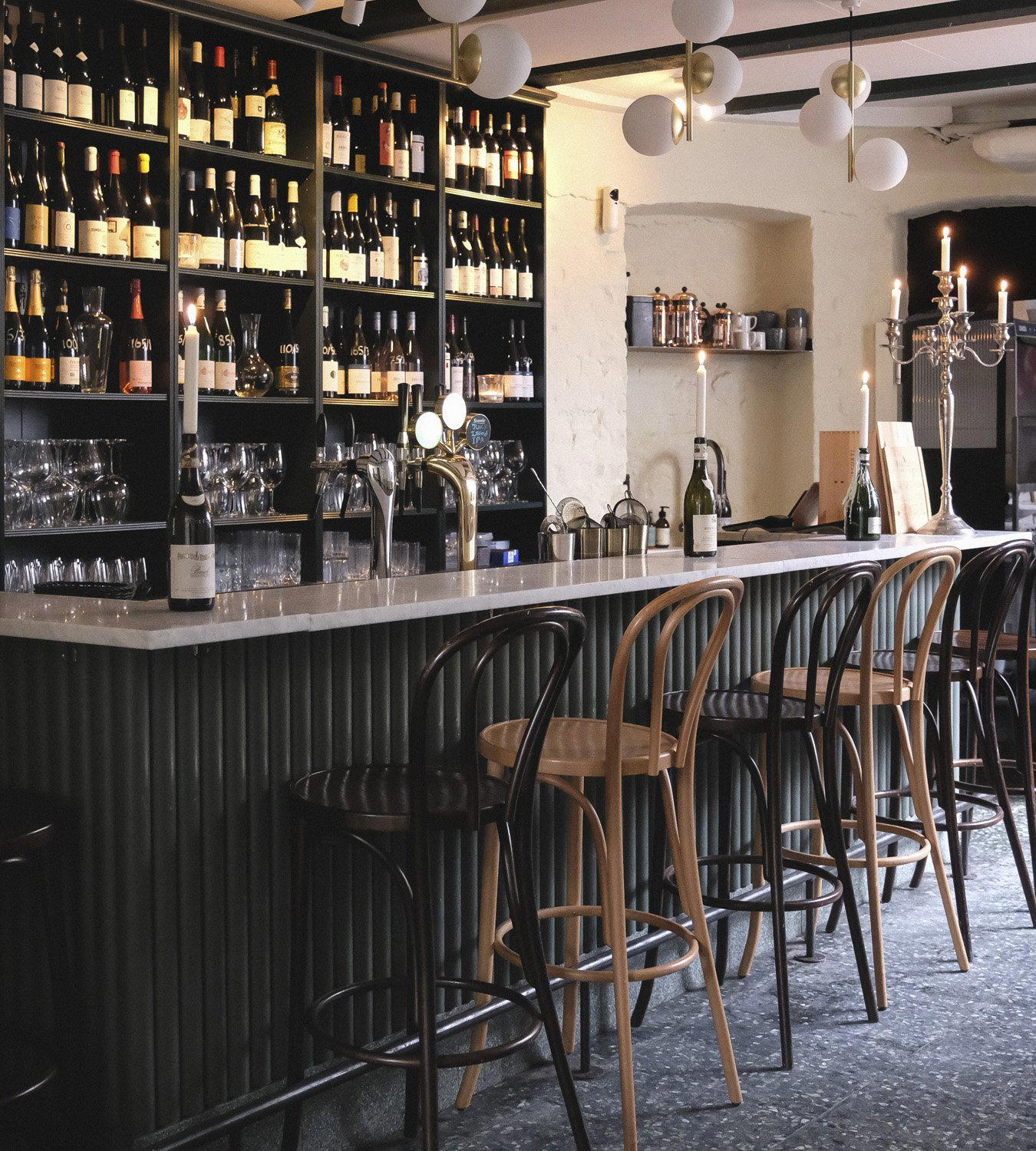

Details
- Cozy
- Elegant
- Intimate
- Classic
- Date Night
- Special Occasion
- Group Dining
- Open Kitchen
- Courtyard
- Extensive Wine List
- A La Carte
- Wine
- Vegetarian Friendly
- Vegan Options
- Gluten Free Options
Current opening hours
- Monday
- 12–11 PM
- Tuesday
- 12–11 PM
- Wednesday
- 12–11 PM
- Thursday
- 12–11 PM
- Friday
- 12–11 PM
- Saturday
- 12–11 PM
- Sunday
- 12–11 PM
Hours can change for holidays and private events. Hours as of .
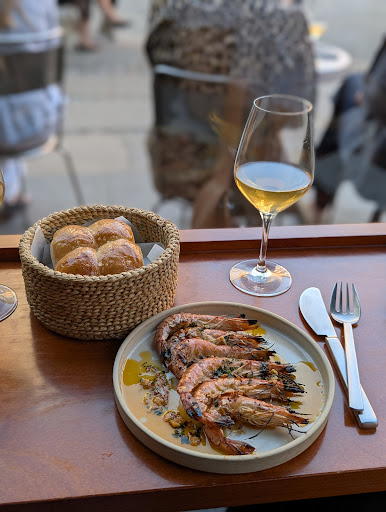
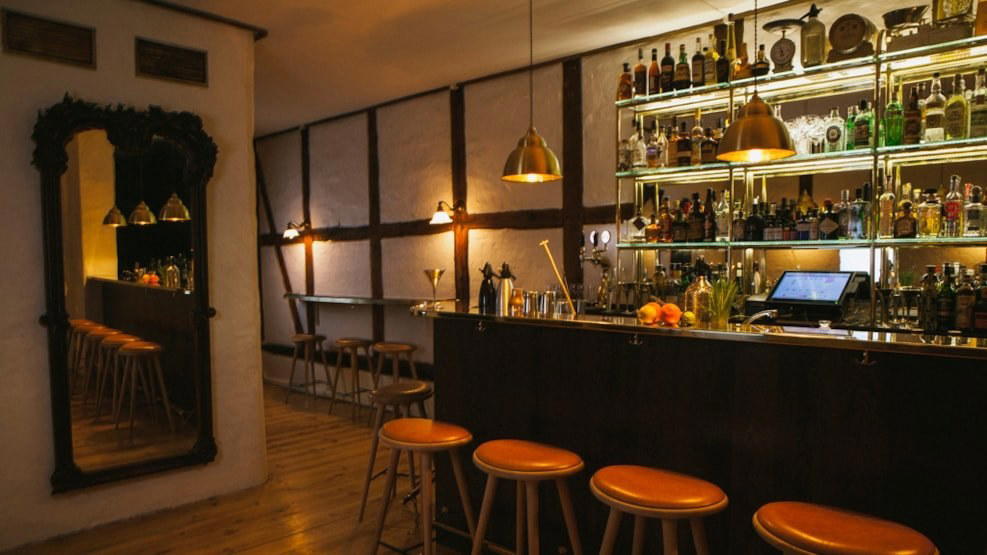
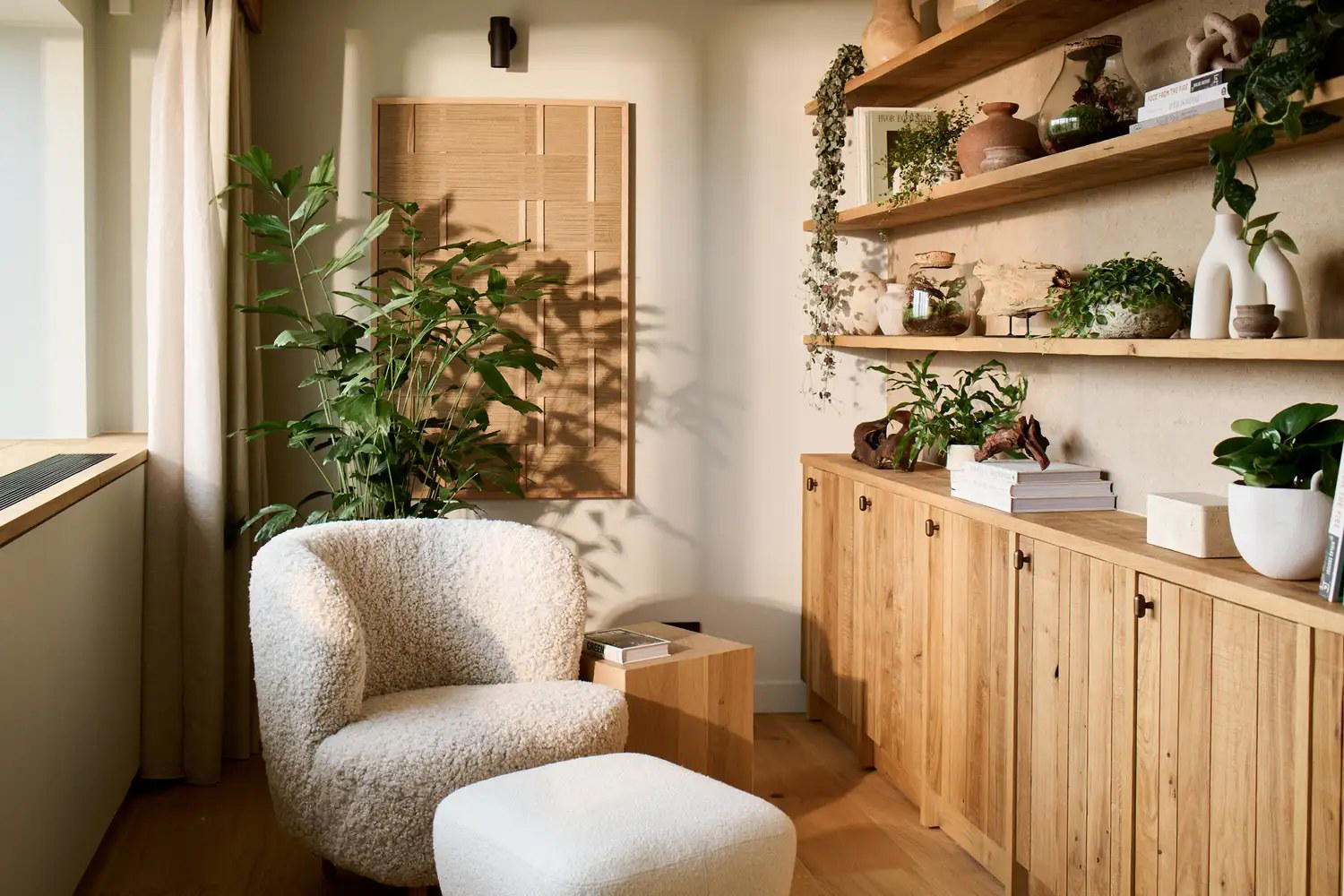
Warm, inviting, and homely with white tablecloths, upholstered chairs, stucco, chandeliers, and views of pasta-making.