Mother
Mother occupies a stretch of Høkerboderne in Copenhagen's Vesterbro district, where the city's appetite for wood-fired, produce-led cooking finds one of its most consistent expressions. The room draws a broad cross-section of the city rather than a tourist crowd, and the wine list tends toward natural and low-intervention producers that align with the kitchen's general sensibility. It sits in the accessible tier of Copenhagen's dining scene, well below the Michelin-stratosphere of Geranium or Alchemist but operating with clear intent.
Pearl is the En Primeur Club membership app — saves, bookings, and concierge access live there. Same editors, same standards.
- Address
- Høkerboderne 9-15, 1712 København, Denmark
- Phone
- +4522275898
- Website
- mother.dk
- Directions
- Get directions
 Saves & bookings on Pearl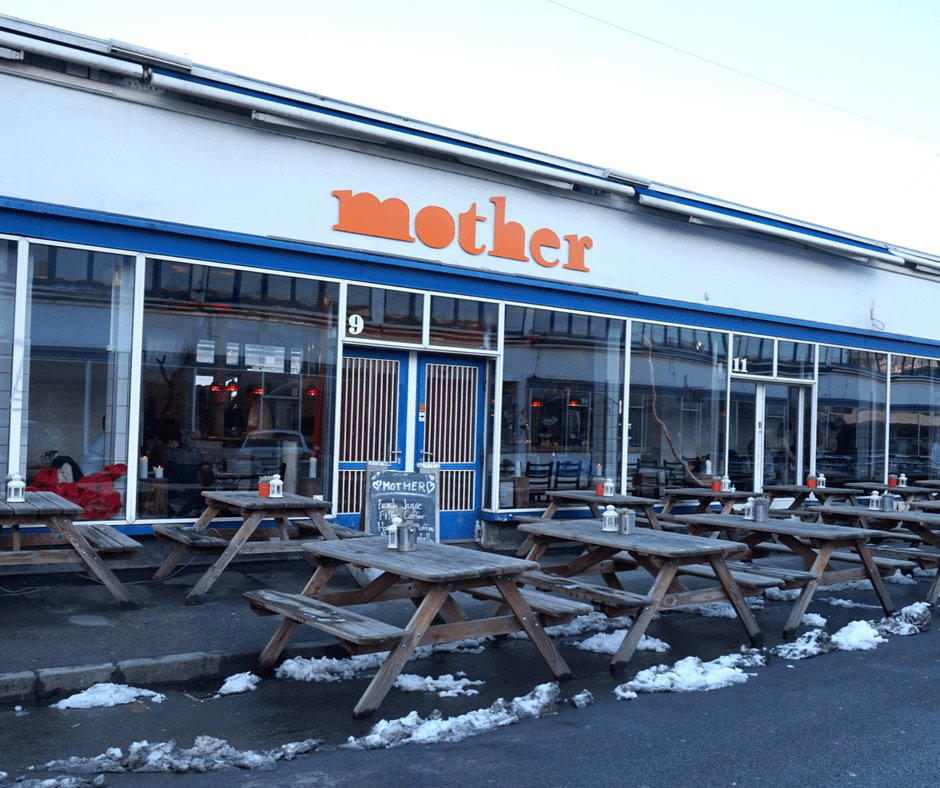
The Address and What It Signals
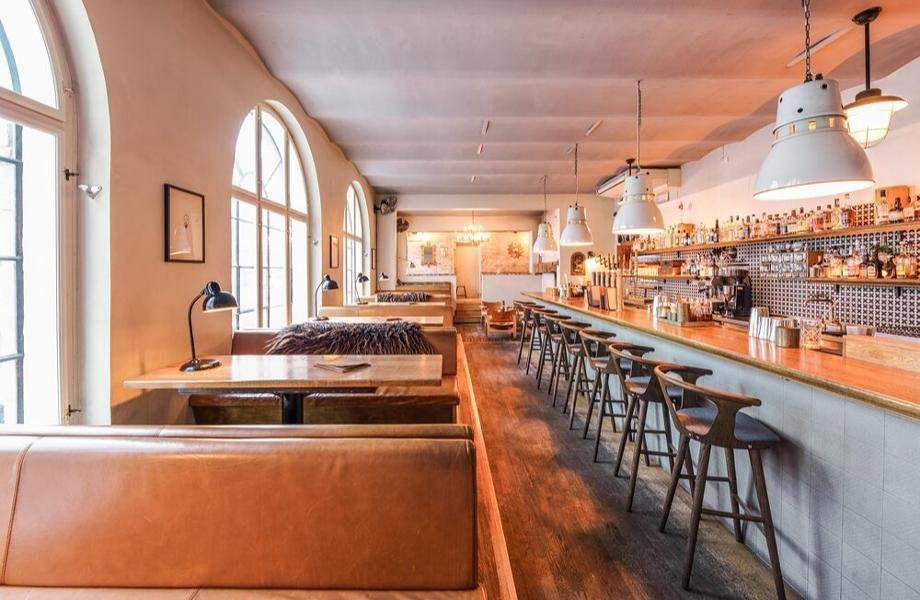
Høkerboderne is a short pedestrian strip in Vesterbro, a neighbourhood that shifted from working-class density to one of Copenhagen's more curated residential and dining corridors over the past two decades. The street itself retains some of the low-slung, brick-fronted character of its older incarnation, which makes it a plausible home for a restaurant that positions itself against the clinical precision of Copenhagen's high-end tasting menu circuit. Mother, at numbers 9 through 15, occupies a relatively generous footprint for the street, and the sight lines from outside — wood, warmth, an open kitchen — communicate the format before you push the door open.
The neighbourhood context matters. Vesterbro's dining density means that Mother competes not with Geranium or Alchemist but with a tier of restaurants where the proposition is quality ingredients and honest cooking rather than conceptual ambition. That's a different competitive conversation, and it's one Mother appears to have been having for long enough to build a local following rather than a purely tourist-driven one.
Wood-Fired Cooking in the Broader Copenhagen Context
Copenhagen's relationship with live-fire and wood-fired cooking predates the Noma moment but was significantly amplified by it. The logic is direct: wood fire provides an intensity of heat and a quality of char that electric and gas kitchens replicate poorly, and it connects the plate to a pre-industrial cooking tradition that resonates with the New Nordic ethos without requiring the laboratory apparatus of more progressive kitchens like Koan.
Mother operates in this tradition with an emphasis on sourdough and pizza-adjacent formats that place it closer to the European craft bakery-restaurant model than to the tasting menu houses that dominate Copenhagen's international press coverage. This is not a diminishment, it's a category distinction. The restaurants that consistently fill at the accessible tier in Nordic cities tend to succeed because they've resolved the core tension between ingredient quality and accessibility of format. A well-made sourdough crust from a wood-fired oven is a technically demanding product, and getting it right night after night is as much a mark of kitchen discipline as a twelve-course tasting menu.
For visitors mapping Copenhagen's dining scene, the context is useful: the city's leading tasting menu tier, including Kadeau and the previously mentioned Geranium, requires advance planning measured in weeks or months and pricing that reflects their Michelin standings. Mother occupies a different register, one where the planning horizon is shorter and the commitment lower, but the kitchen's relationship with its ingredients is not casual.
The Wine List as Curatorial Statement
In Copenhagen's more considered restaurants at this price tier, the wine list has become a significant part of the identity proposition. The shift toward natural, low-intervention, and biodynamic producers that accelerated across European cities in the 2010s is now the default mode for restaurants that take their lists seriously without operating at the grand cru level. Mother's list, consistent with the broader positioning of the room, tends toward producers working in that space.
This matters beyond preference. A wine list built around natural and low-intervention producers requires a different kind of curation than a conventional cellar. The wines are often less forgiving of poor storage, more variable vintage to vintage, and demand a floor team with enough knowledge to guide guests through the inevitable unfamiliar labels. When a list of this kind works well, it creates a coherent sensory argument: the acidity and energy of a well-made natural skin-contact white or a low-sulfur Gamay amplifies the char and fermentation notes that wood-fired cooking tends to produce. The pairing logic is not accidental.
Denmark's wine culture has developed considerably over the past decade. While the country has no meaningful domestic wine production at scale, its sommeliers and buyers have become notable voices in the natural wine conversation, a function, in part, of the Noma effect on what the city expects from its restaurant beverage programs. Visitors arriving from wine-focused cities like New York, where restaurants such as Le Bernardin and Atomix operate with substantial conventional cellar depth, may find Copenhagen's natural wine orientation a distinct shift in register.
Placing Mother in Denmark's Wider Restaurant Map
Copenhagen concentrates Denmark's highest-profile dining, but the country's restaurant culture extends well beyond the capital. Jordnær in Gentofte holds two Michelin stars and operates at a technical level that places it in the national conversation. Outside the city, Frederikshøj in Aarhus, Henne Kirkeby Kro in Henne, Alimentum in Aalborg, ARO in Odense, Domæne in Herning, Dragsholm Slot Gourmet in Hørve, Frederiksminde in Præstø, LYST in Vejle, and MOTA in Nykøbing Sjælland all represent the spread of serious cooking across the country.
Mother is not in that conversation, it occupies a different register, one defined by accessibility and volume rather than by tasting menu ambition. That's a feature rather than a limitation for a significant portion of Copenhagen visitors who want a good dinner in a room with atmosphere and a wine list worth reading, without the formality or the three-month booking lead time that the city's starred houses require. For a fuller picture of where Mother sits relative to Copenhagen's dining tiers, the EP Club Copenhagen guide maps the city's restaurants across price points and formats.
Planning a Visit
Vesterbro is accessible from central Copenhagen without significant travel time, and the Høkerboderne address is walkable from the central station corridor. Mother's format, wood-fired, relatively informal, with a wine list oriented toward natural producers, suits a mid-week dinner as well as a weekend booking. The planning horizon is shorter than the city's tasting menu houses: where a reservation at Geranium or Alchemist requires weeks of advance notice, Mother operates in a tier where same-week bookings are more likely to be available, though weekend evenings in peak season reward earlier planning.
How Mother Copenhagen compares with similar nearby venues.
| Venue | Cuisine |
|---|---|
| Prolog Coffee Bar | Café |
Continue exploring
More in Copenhagen
Restaurants in Copenhagen
Browse all →
Bars in Copenhagen
Browse all →
Hotels in Copenhagen
Browse all →

At a Glance
- Lively
- Trendy
- Cozy
- Casual Hangout
- Group Dining
- Brunch
- Open Kitchen
- Natural Wine
- Organic
Current opening hours
- Monday
- 11 AM–11 PM
- Tuesday
- 11 AM–11 PM
- Wednesday
- 11 AM–11 PM
- Thursday
- 11 AM–11 PM
- Friday
- 11 AM–12 AM
- Saturday
- 10 AM–12 AM
- Sunday
- 10 AM–10 PM
Hours can change for holidays and private events. Last verified .
Warm communal atmosphere with lively energy, well-suited for hanging out over pizza and Italian wine.
Know Before You Go
- Getting there
- Høkerboderne 9-15, 1712 København, Denmark