Vespa
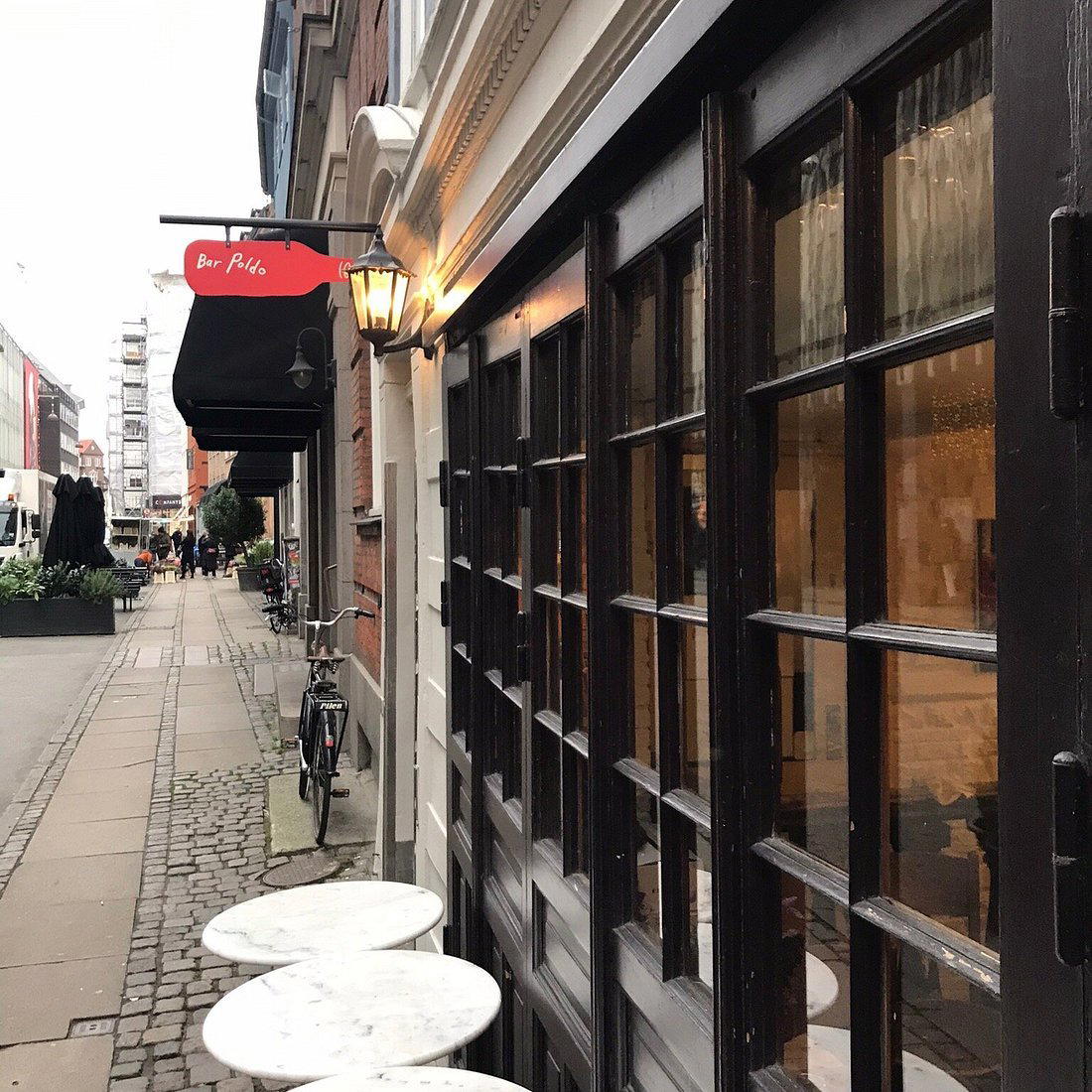
On Store Kongensgade in Copenhagen's Frederiksstaden quarter, Vespa occupies a stretch of the city where serious cooking and neighbourhood character coexist without either dominating. The address places it firmly within reach of Copenhagen's broader fine-dining circuit, yet the format reads as something quieter and more specific than the headline rooms at the summit of the Danish capital's restaurant hierarchy.
Pearl is the En Primeur Club membership app — saves, bookings, and concierge access live there. Same editors, same standards.
- Address
- Store Kongensgade 90, 1264 København, Denmark
- Phone
- +4533113700
- Website
- cofoco.dk
- Directions
- Get directions
 Saves & bookings on Pearl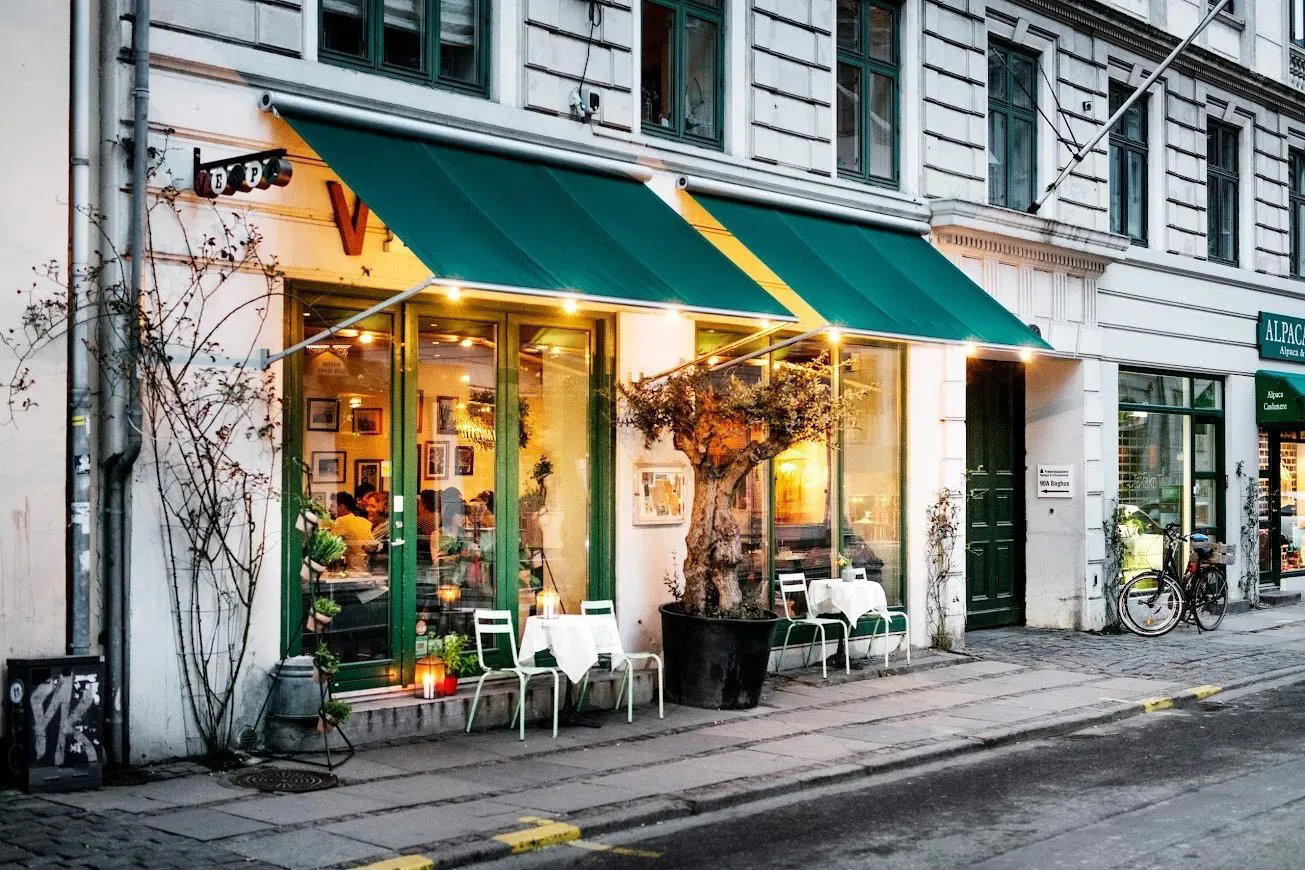
Store Kongensgade and the Quieter Side of Copenhagen Dining
Copenhagen's restaurant reputation has been built almost entirely on a handful of addresses that attract international pilgrims: the tasting-menu institutions on Kongens Nytorv and the harbourfront, the creative laboratories in Vesterbro and Refshaleøen. But the city's Frederiksstaden quarter, where Store Kongensgade runs parallel to the royal gardens, operates at a different register. Residents, not tourists, set the cadence here. The buildings are Georgian-era Danish baroque. The rhythm of the street is unhurried. Vespa, a Traditional Italian Osteria in København, sits at Store Kongensgade 90 in the Frederiksstaden district.
That distinction matters in a city where the distance between a neighbourhood restaurant and a global dining destination can be a single street. Copenhagen has, over the past two decades, developed among the more scrutinised fine-dining ecosystems anywhere in the world. Geranium, Noma, and Alchemist have defined what international critics expect when they land at Copenhagen Airport. But that upper tier is not the whole picture. Vespa represents a different layer of the city's dining fabric, one that runs on regulars rather than reservation queues and on cooking that answers to a narrower, more specific audience.
Ingredient Sourcing as the Central Argument
The New Nordic movement, catalysed in the mid-2000s and codified through the kitchens that eventually became places like Kadeau and Koan, reset Danish cooking's relationship with its own landscape. The core proposition was that Danish soil, Danish coastline, and Danish seasons were sufficient raw material for serious cuisine, provided kitchens were disciplined enough to source from them directly and handle them with restraint. That argument is now so embedded in Copenhagen's culinary identity that restaurants operating outside it need to explain themselves, while those operating inside it need to distinguish how they interpret it.
Sourcing specificity is where that distinction tends to happen. In the broader Nordic kitchen tradition, provenance is not decoration on a menu; it is the editorial framework through which dishes are decided. The question of whether an ingredient comes from a particular farm in Jutland, a particular island fisherman, or a particular forager operating within a day's drive of the kitchen shapes not just what appears on the plate but how it is treated once it arrives. Kitchens that take this seriously tend to build supply relationships that persist across seasons, which in turn creates a kind of institutional memory around what grows where and when.
Within Copenhagen specifically, restaurants that operate at the neighbourhood scale rather than the destination scale often develop sharper sourcing relationships than their larger peers, because they are buying for smaller volumes and can work with producers who cannot meet the throughput demands of a full-service destination room. This is a structural advantage that does not announce itself loudly but shapes the cooking in ways that regular visitors notice across multiple visits. Denmark's restaurant geography outside the capital reinforces this point: places like Henne Kirkeby Kro in Henne and Dragsholm Slot Gourmet in Hørve built their reputations almost entirely on proximity to specific producers, and that model has influenced how the city's neighbourhood kitchens think about the same question.
Where Vespa Sits in the Copenhagen Hierarchy
Copenhagen's restaurant market has stratified considerably since the early New Nordic years. At the leading, Michelin-starred rooms compete internationally for covers, drawing diners from New York and Tokyo the way Le Bernardin or Atomix do in New York. Below that, a second tier of technically serious but less formally structured rooms serves the city's own food-literate population. Vespa's Store Kongensgade address places it in conversation with this second tier, in a neighbourhood where the audience knows enough to notice when sourcing or technique slips.
That peer context is relevant because Copenhagen's second tier is competitive in ways that cities with smaller food cultures are not. The local audience has been educated by a decade and a half of world-attention on Danish cooking; they have eaten at Jordnær in Gentofte and Frederikshøj in Aarhus, or at minimum read about them. They bring that frame of reference to every booking. A restaurant in Frederiksstaden is not competing with the tourist circuit; it is competing for the attention of people who have options and know it.
The Physical Environment at Store Kongensgade 90
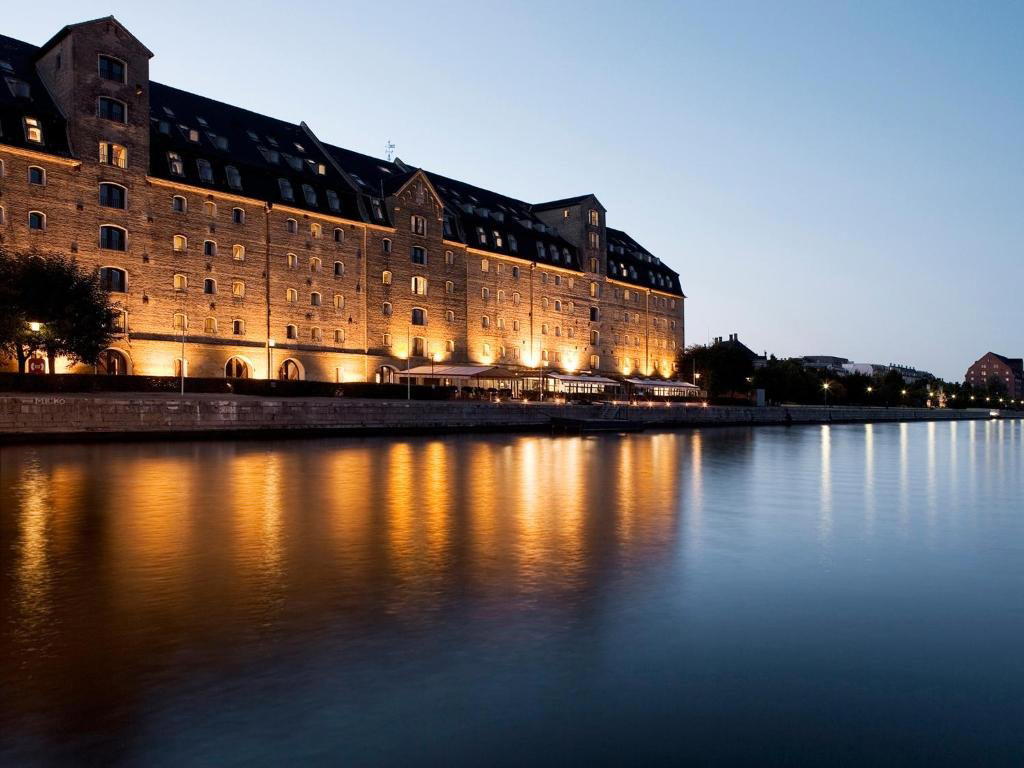
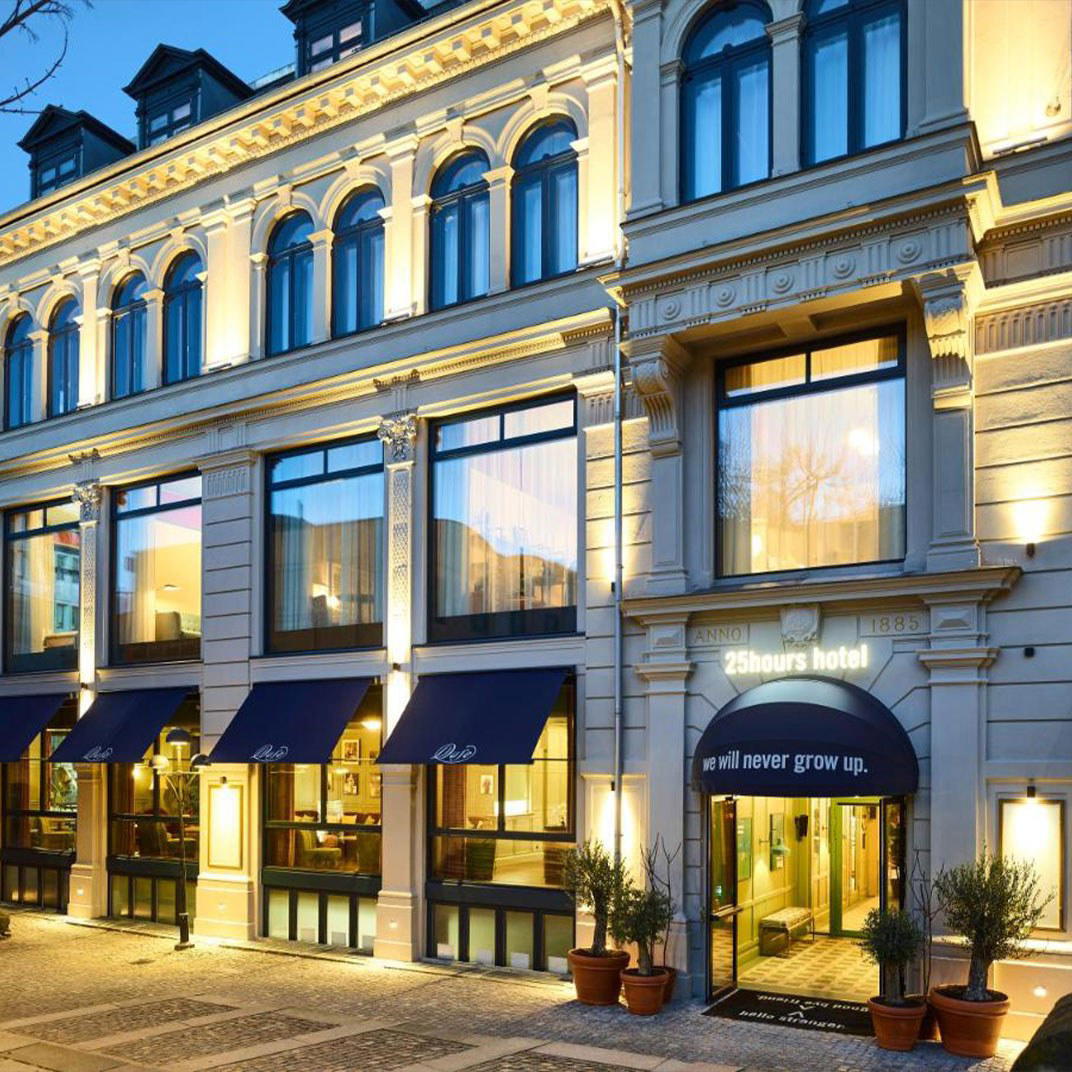
Store Kongensgade is a long, wide street that runs from Kongens Nytorv northward through Frederiksstaden toward the harbour. Number 90 sits in the section of the street where the scale begins to shift from grand institutional buildings to narrower residential and commercial frontages. The area is within comfortable walking distance of the National Gallery and Marmorkirken. In the evenings, foot traffic drops significantly compared to the streets closer to Nyhavn, which makes the stretch feel more residential than touristic, a distinction that tends to shape the mood inside restaurants that operate here.
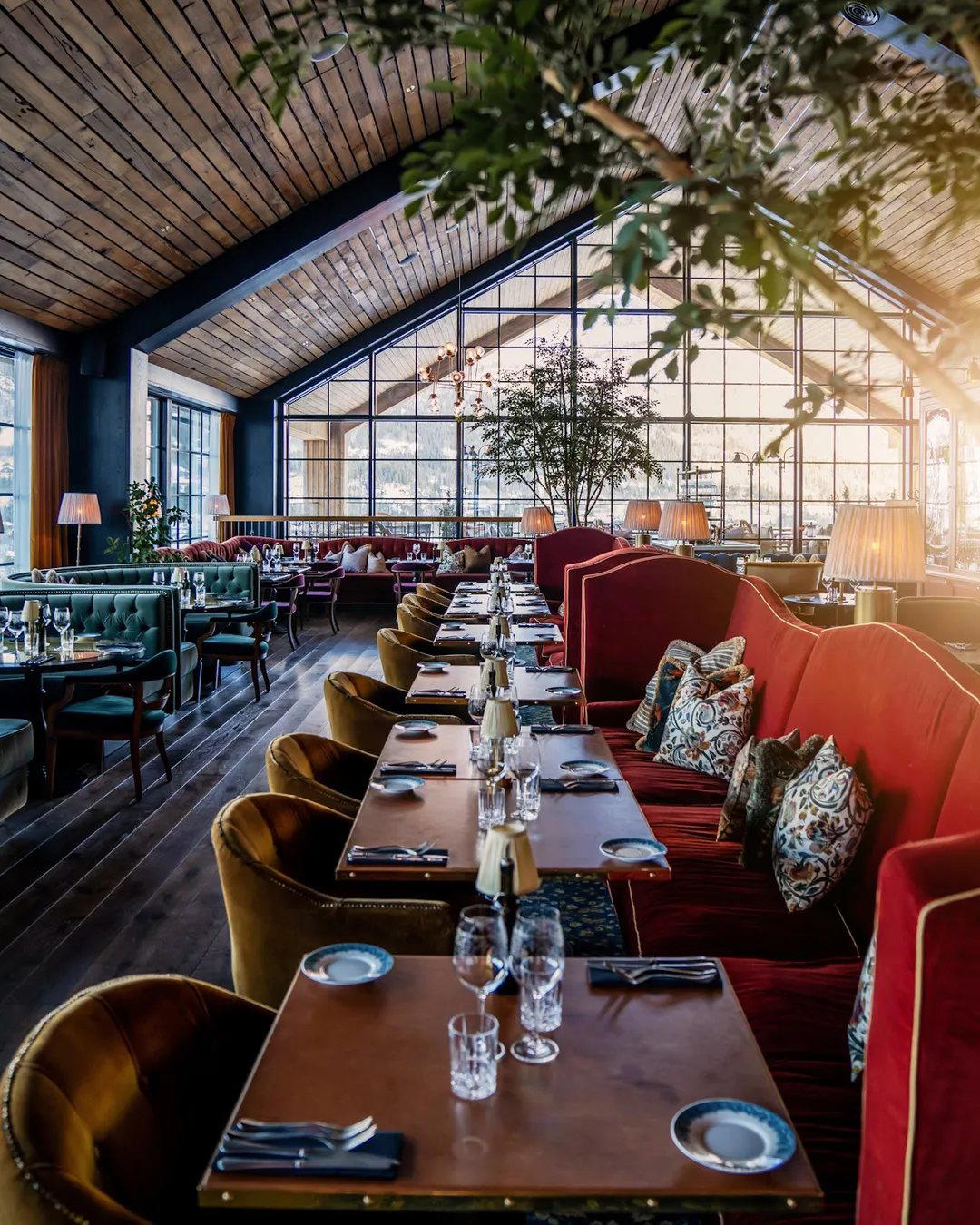
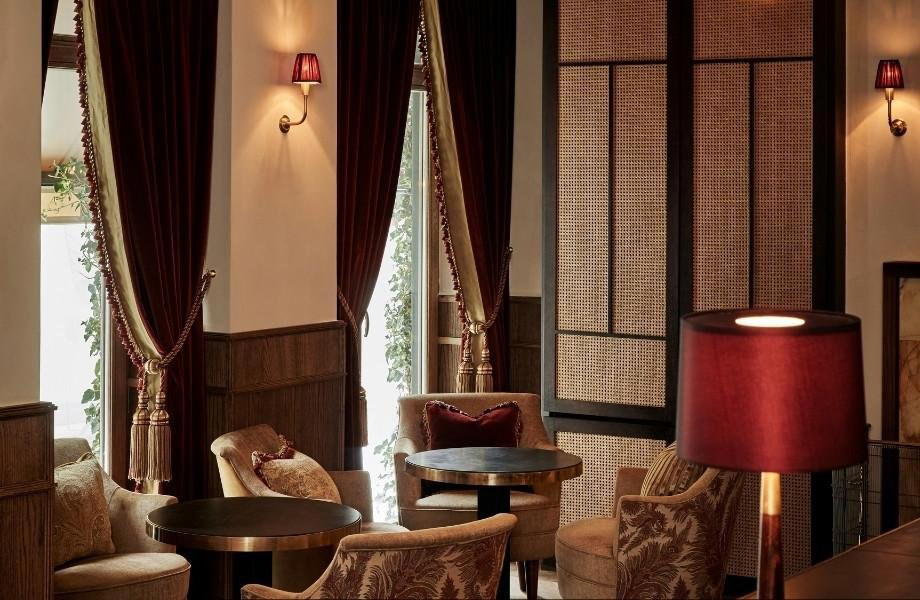
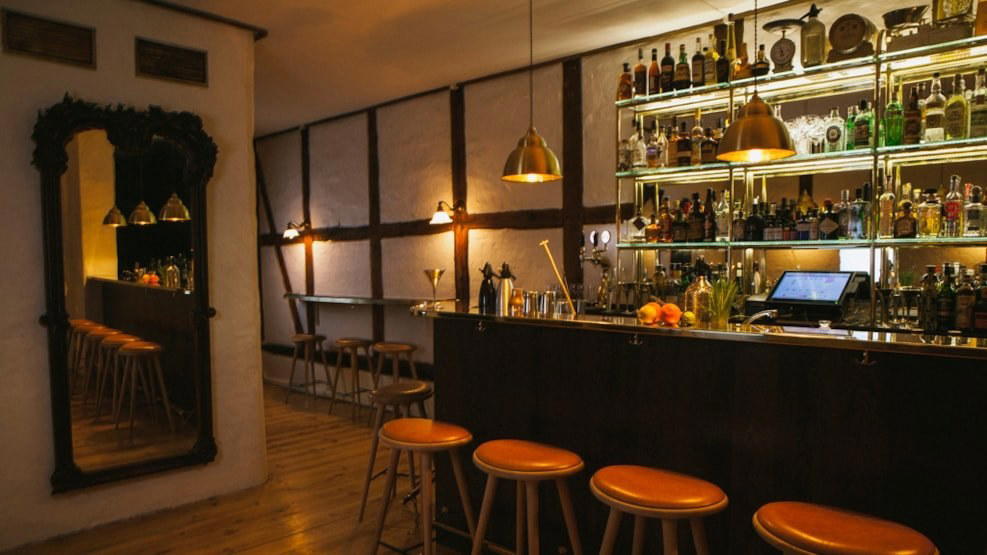
The name Vespa carries Italian associations, and the restaurant is listed as a Traditional Italian Osteria. What the address and neighbourhood context do establish is the kind of room this is likely to be: mid-format, rooted in a specific part of the city, and oriented toward the return visitor rather than the first-timer checking off a list. Copenhagen has enough restaurants in that category to constitute a recognisable cohort, and that cohort, spread across addresses from Frederiksberg to Østerbro, has become as important to the city's dining identity as its headline rooms.
Denmark's Wider Restaurant Context
Vespa operates in a country where serious cooking is no longer exclusively a Copenhagen story. Alimentum in Aalborg, ARO in Odense, LYST in Vejle, Domæne in Herning, MOTA in Nykøbing Sjælland, and Frederiksminde in Præstø have each developed distinct identities that make the case for Danish cooking beyond the capital. That dispersal matters for how Copenhagen itself is understood: the city no longer needs to carry the entire weight of Danish culinary ambition on its own, which has allowed some of its neighbourhood rooms to develop more quietly and more sustainably than the destination-format rooms that carried that weight in the early years.
Planning Your Visit
Store Kongensgade 90 is reachable on foot from Kongens Nytorv metro station in under ten minutes, or from Østerport S-tog station in a similar walk through the palace grounds. The address is central enough that most visitors staying in the inner city will find it within direct reach. Vespa is recommended for reservations and opens Monday through Saturday from 5:30 PM to 12 AM; it is closed on Sunday. Frederiksstaden is a neighbourhood that rewards an early evening arrival: the light on the Georgian facades before dinner, and the relative quiet of the streets compared to the Nyhavn side of the centre, make the walk itself part of the occasion.
Recognition Snapshot
Comparable venues nearby, for context on price, style, and recognition.
| Venue | Cuisine | Price | Notes |
|---|---|---|---|
| VespaThis venue — the venue you are viewing | Traditional Italian Osteria | $$ | Not listed |
| Hos Fischer | Authentic Roman Trattoria | $$ | Østerbro |
| Il gusto giusto | Italian Pizza and Pasta | $$ | Østerbro |
| Mother | Authentic Italian Sourdough Pizza | $$ | Vesterbro-Kongens Enghave |
| Osteria16 | Authentic Italian Antipasti | $$ | Vesterbro-Kongens Enghave |
| La Buca | Authentic Italian Trattoria | $$ | Vanløse |
Continue exploring
More in Copenhagen
Restaurants in Copenhagen
Browse all →
Bars in Copenhagen
Browse all →
At a Glance
- Cozy
- Intimate
- Lively
- Rustic
- Date Night
- Group Dining
- Casual Hangout
- Celebration
- Standalone
- Private Dining
- Beer Program
- Local Sourcing
Current opening hours
- Monday
- 5:30 PM–12 AM
- Tuesday
- 5:30 PM–12 AM
- Wednesday
- 5:30 PM–12 AM
- Thursday
- 5:30 PM–12 AM
- Friday
- 5:30 PM–12 AM
- Saturday
- 5:30 PM–12 AM
- Sunday
- Closed
Hours can change for holidays and private events. Last verified .
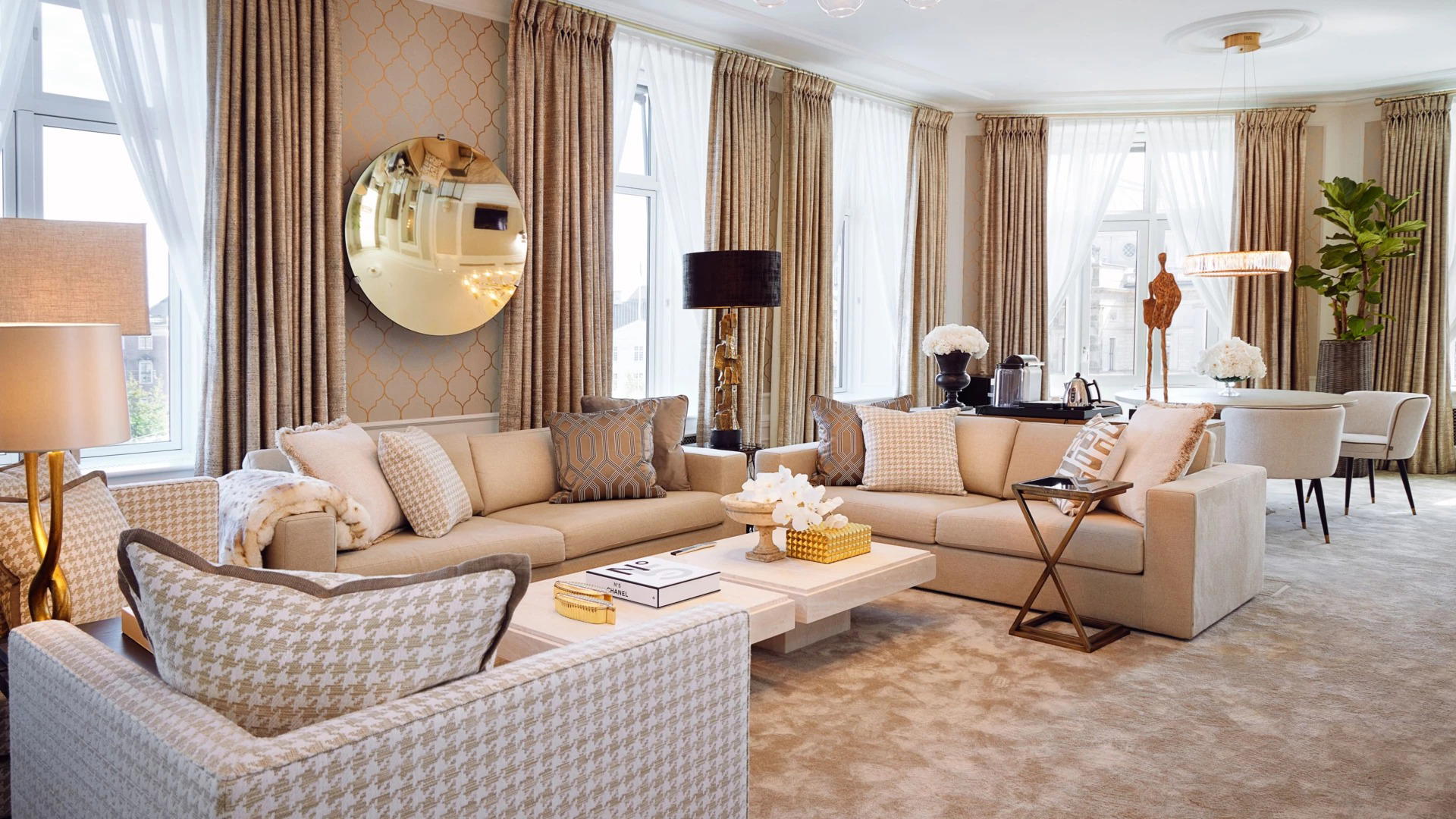
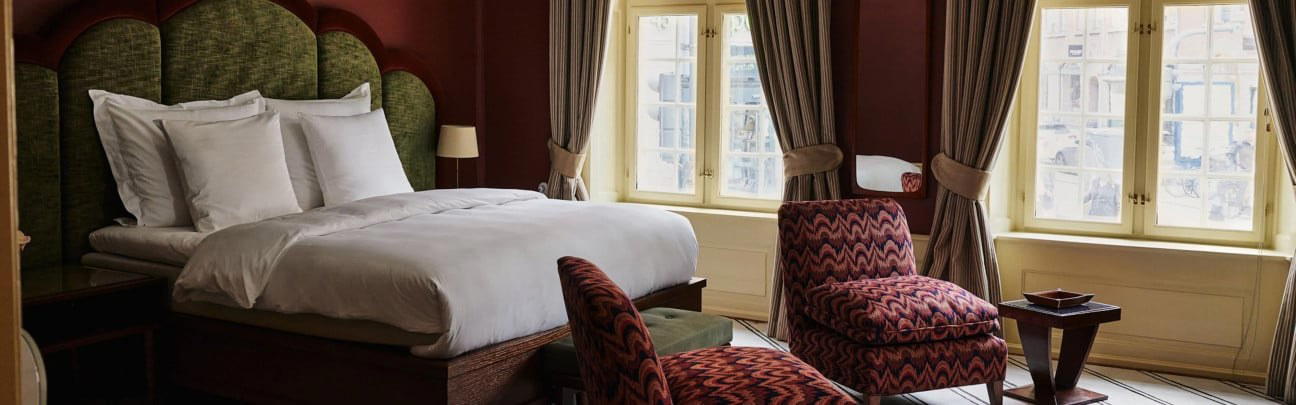
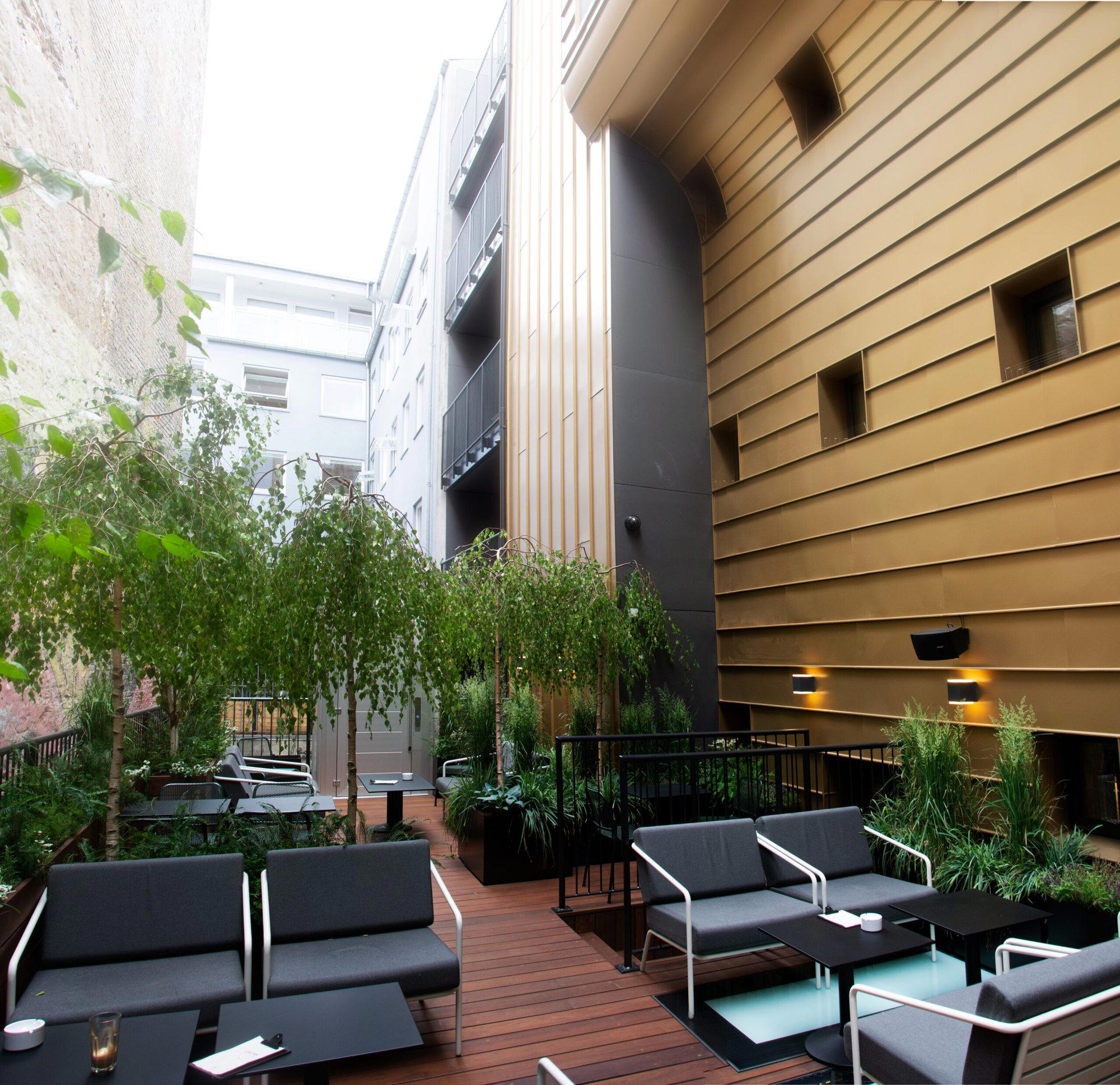
Warm and cozy with simple, unpretentious décor; bright natural light during evening hours; busy with happy guests and celebratory energy on weekends.