La Pulperia

La Pulperia sits at the centre of San Antonio de Areco's gaucho dining tradition, earning recognition for its expression of regional terroir under chef Carlos Barroz. Matheu 411 is where pampas produce meets an kitchen that takes provenance seriously.
Pearl is the En Primeur Club membership app — saves, bookings, and concierge access live there. Same editors, same standards.
- Address
- Matheu 411, B2760 San Antonio de Areco, Provincia de Buenos Aires, Argentina
- Phone
- +54 2326 43-4847
- Website
- instagram.com
- Directions
- Get directions
 Saves & bookings on Pearl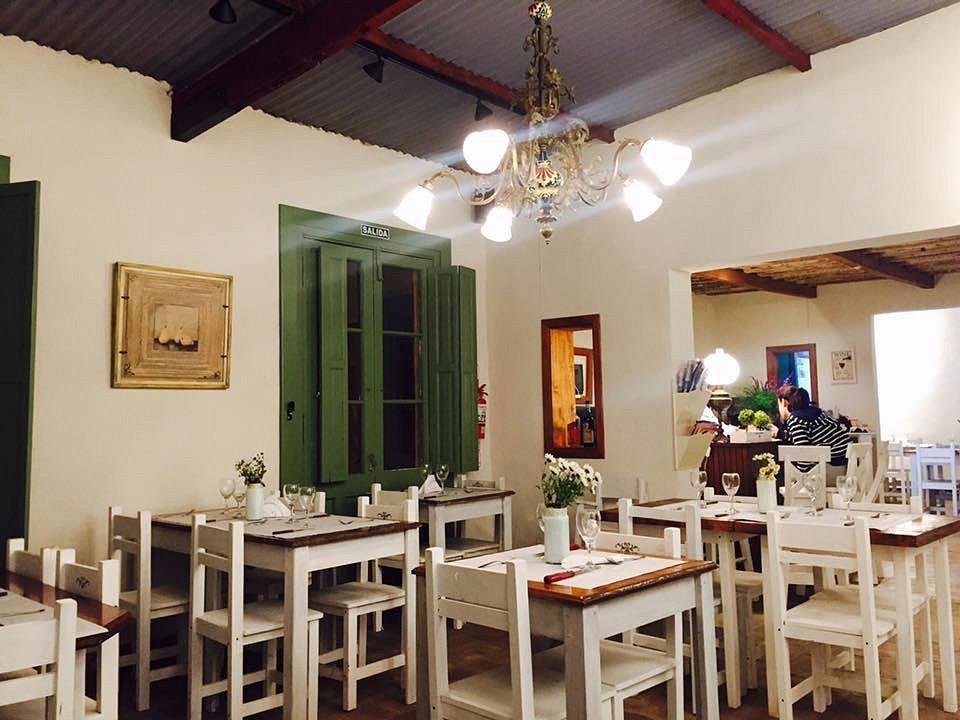
San Antonio de Areco is a town in Provincia de Buenos Aires where the gaucho tradition remains part of daily life. The town's pulperia culture predates the modern restaurant industry: these general stores doubled as taverns, meeting points, and informal canteens. That lineage gives a place like La Pulperia, on Matheu 411 in the heart of Areco, a specific kind of weight. The name is a historical reference.
What Terroir Means in the Pampas
The distinction that matters most at La Pulperia is encoded in its award recognition: Expression of the Terroir. In Argentina's wine country, terroir is a familiar marketing term, deployed loosely across Mendoza and Salta menus. In the pampas, it means something more concrete and more demanding. The terroir here is grass-fed beef raised on open range, offal cuts that require skill and confidence to execute, blood sausage, provoleta, and the slow fire of the asado tradition. These are not ingredients that benefit from embellishment. They are measured against a local standard that every resident at the table already knows.
Restaurants across rural Argentina that have pursued this path tend to anchor their menus in the specific produce of their geography rather than chasing a broad repertoire. La Pulperia operates within that same logic, trained on the Buenos Aires province's pastoral identity rather than the Andean or subtropical ranges that define kitchens further afield.
Chef Carlos Barroz and the Areco Kitchen
Chef Carlos Barroz works within a culinary tradition where the fire is both technique and philosophy. In Argentina's asado restaurants, the reference points are well established: Don Julio in Buenos Aires has built its reputation on the quality of its beef sourcing and the rigour of its grill work. Francis Mallmann's 1884 in Mendoza made the open fire a nationally discussed aesthetic. What Areco's kitchen tradition offers is a register distinct from both: less about showcase and more about continuity with a local way of eating.
Barroz's role here is to translate that continuity without freezing it. The Expression of the Terroir recognition signals fidelity to place. For the category of Argentine regional cooking, that is a demanding credential.
Reading La Pulperia Against Its comparable set
San Antonio de Areco sits roughly 113 kilometres northwest of Buenos Aires, making it suitable for a day trip or overnight stay. The town's dining scene is compact. It is not Mendoza, where wine tourism has generated a density of destination restaurants like Azafrán or the estate dining at Cavas Wine Lodge. Areco's pull is cultural and historical rather than gastronomic in the trophy-restaurant sense, which means the restaurants that earn serious reputations here do so against a different set of criteria.
At that volume, the score reflects consistent local and visitor consensus over time, not a cluster of enthusiastic early reviews. For comparison, provincial Argentine restaurants of similar cultural positioning rarely accumulate that review density without genuine repeat custom. La Bamba de Areco represents the estancia-dining end of the town's offer; the restaurant operates closer to town, in the pulperia lineage, as a different entry point into the same culture.
For visitors coming from Buenos Aires who want a wider lens on Argentine regional cooking, the comparison pool extends to places like La Table de House of Jasmines in the northwest and Las Balsas in the lake district. Each anchors itself in the produce and range of a specific Argentine geography. The restaurant does the same for Buenos Aires province's pampas identity.
Argentine cuisine is also now visible internationally in cities like Paris through Biondi, in Montreal through Beba, and in Los Angeles through Carlitos Gardel. Each of those addresses exports a version of the cuisine. The restaurant is, by contrast, the source material: a kitchen in the town that helped define what gaucho culture looks and tastes like.
Planning Your Visit
The restaurant is located at Matheu 411 in San Antonio de Areco, within walking distance of the town's central plaza and the Museo Gauchesco Ricardo Güiraldes. The town is most visited during November's Día de la Tradición festival, when accommodation books out weeks ahead and restaurants operate at maximum capacity. Visiting outside that window, particularly in the cooler autumn months of March through May, allows a quieter read of the town's everyday rhythm. The restaurant is walk-in friendly, so arriving early for lunch or dinner is one practical approach.
For a fuller picture of what the town offers beyond this address, EP Club maintains curated guides covering San Antonio de Areco restaurants, hotels, bars, wineries, and experiences in the area. For visitors interested in the estancia experience alongside dinner, El Colibri in Santa Catalina and Ti Amo in Adrogué offer further regional reference points within the broader Buenos Aires province circuit.
Cost Snapshot
Comparable venues nearby, for context on price, style, and recognition.
| Venue | Cuisine | Price | Notes |
|---|---|---|---|
| La PulperiaThis venue — the venue you are viewing | Argentinian | $$ | Not listed |
| La Bamba de Areco | Not listed | $$$$ | San Antonio de Areco, Traditional Argentine Asado |
| Kurt & Horacio | Ricardo Rojas, Argentine comfort food | $$ | Not listed |
| La Cocina | Not listed | $ | Recoleta, Authentic Catamarqueña Empanadas |
| Fabric Sushi Parque Leloir | Parque Leloir, Nikkei Sushi Bar | $$ | Not listed |
| NOLA | Once, Cajun & Creole Gastropub | $$ | Not listed |
Recognition history
Dated appearances from independent guides and award organizations, with the underlying list record or original source where available.
Relais Chateaux Award
Relais Chateaux
Relais Chateaux Award
Relais Chateaux
Continue exploring
More in San Antonio de Areco
Restaurants in San Antonio de Areco
Browse all →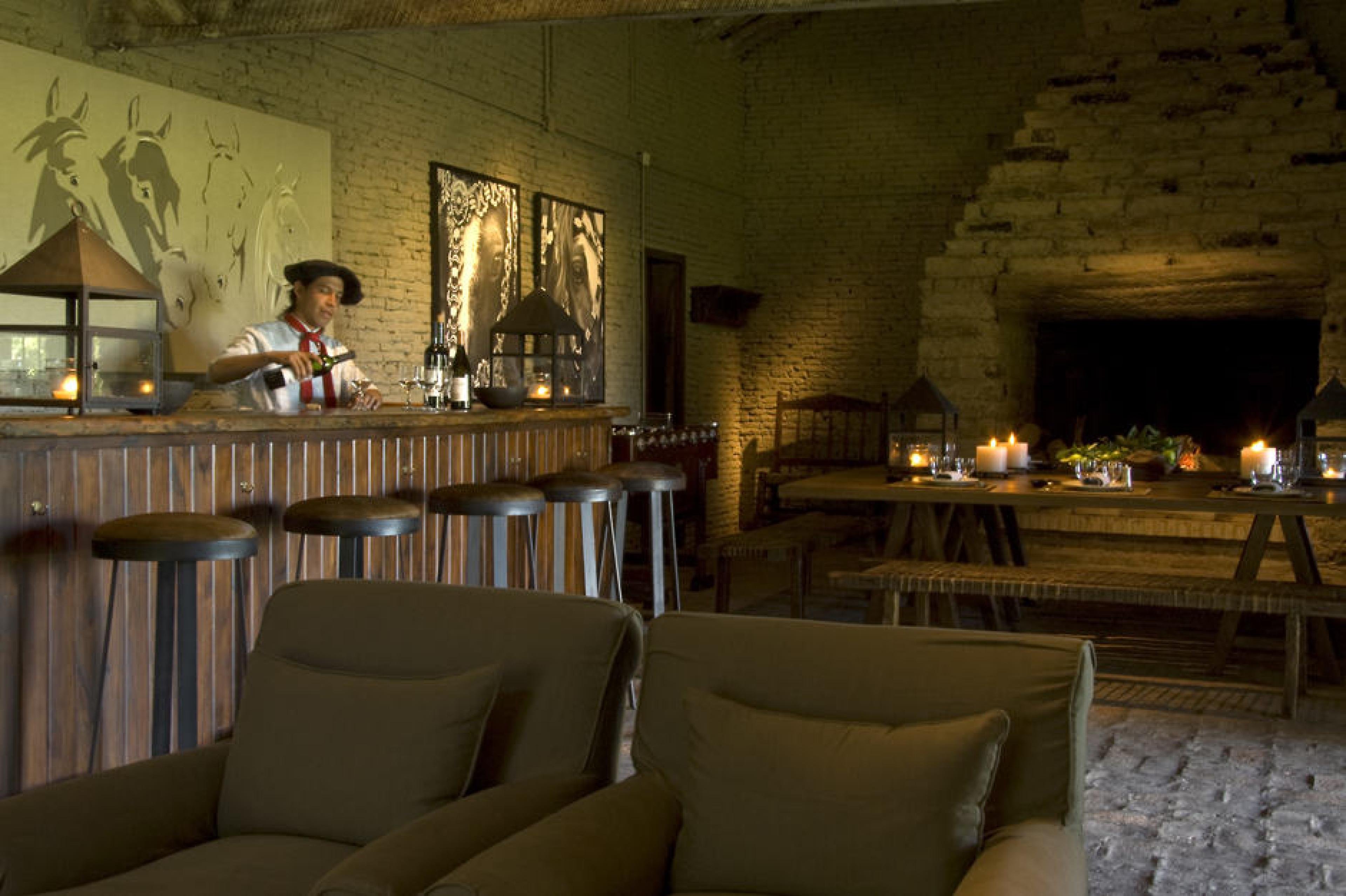
Hotels in San Antonio de Areco
Browse all →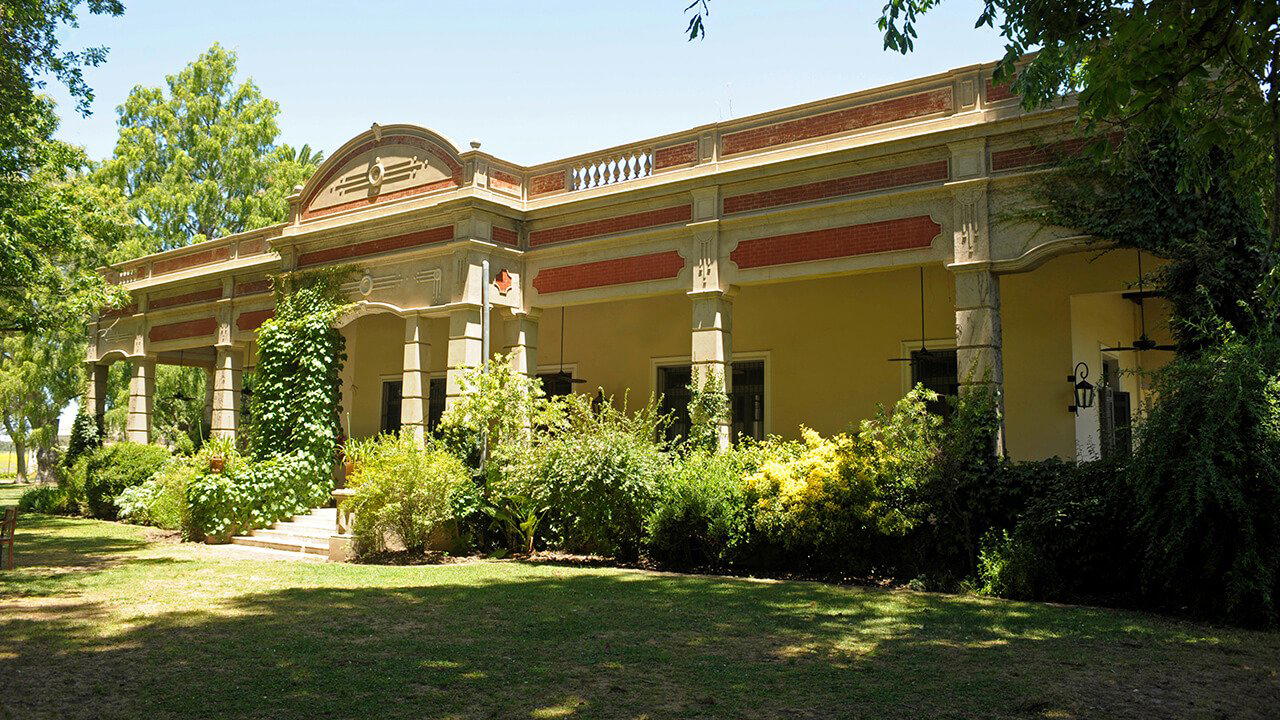
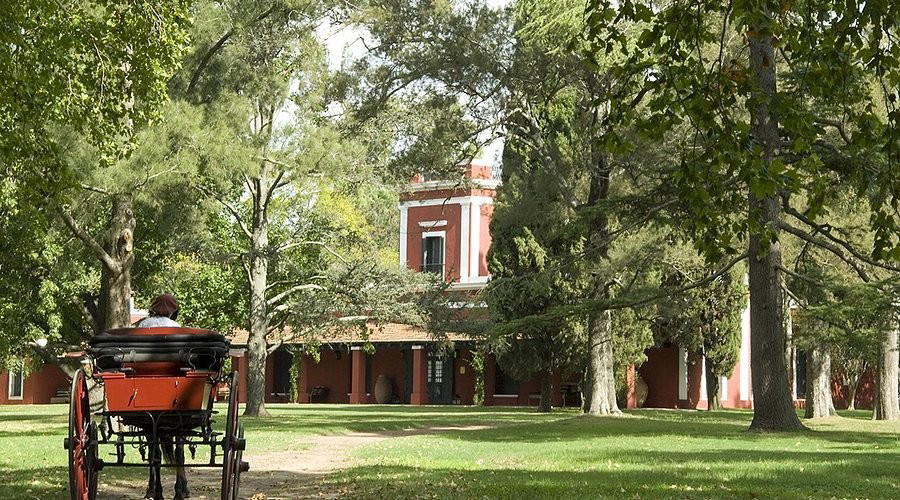
Wineries in San Antonio de Areco
Browse all →
At a Glance
- Rustic
- Classic
- Cozy
- Well Known
- Family
- Casual Hangout
- Group Dining
- Historic Building
Current opening hours
- Monday
- Closed
- Tuesday
- Closed
- Wednesday
- Closed
- Thursday
- 8–11:30 p.m.
- Friday
- 8–11:30 p.m.
- Saturday
- 12–3 p.m., 8–11:30 p.m.
- Sunday
- 12–3 p.m.
Hours can change for holidays and private events. Last verified .
Cozy and picturesque with antiques, warm lighting in a traditional gaucho atmosphere, pleasant patio, and occasional live guitar music.