
On Rue Amelot in the 11th arrondissement, Biondi brings Argentinian cooking to one of Paris's most food-serious neighbourhoods, earning consecutive Michelin Plate recognition in 2024 and 2025. The €€€ price point sits below the city's three-star French establishments, offering a distinct alternative for those who want rigour without the formality of the grande salle.
Pearl is the En Primeur Club membership app — saves, bookings, and concierge access live there. Same editors, same standards.
- Address
- 118 Rue Amelot, 75011 Paris, France
- Phone
- +33 1 47 00 90 18
- Website
- biondi-restaurant.fr
- Directions
- Get directions
 Saves & bookings on Pearl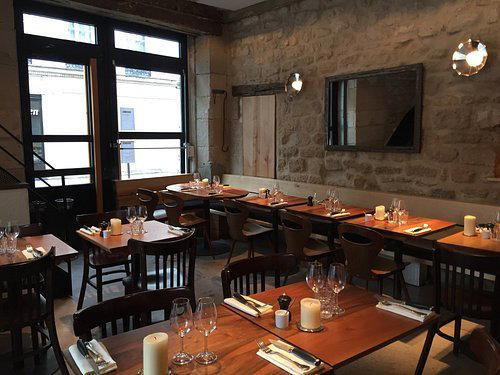
Where the 11th Eats Seriously
Rue Amelot runs through the 11th arrondissement at a remove from the tourist circuits of the Marais, and the stretch around number 118 reflects the neighbourhood's character: independent, food-literate, and resistant to trend-chasing. The 11th has spent the better part of two decades accumulating the kind of restaurants that attract working chefs on their nights off. Biondi arrived into that context as something genuinely distinct: an Argentinian table operating at a level that earned consecutive Michelin Plate recognition in 2024 and 2025. In a city where the Michelin hierarchy is dominated by French kitchens, that recognition at €€€ pricing signals something worth attention.
Paris's broader Michelin-recognised tier ranges from three-star houses like Alléno Paris au Pavillon Ledoyen, Kei, L'Ambroisie, and Le Cinq at the Four Seasons Hôtel George V down through plates and bib gourmands that cover a wide range of cuisines and price points. What makes Biondi's position interesting is the gap it occupies: Michelin-acknowledged but not locked into the grand format, non-French in a guide still heavily weighted toward classical tradition, and placed in a neighbourhood where the audience already knows how to eat.
The Ritual of the Argentinian Table
Argentinian dining has its own grammar, and it differs from the French model in ways that matter at the table. Where a classical French meal builds through a sequence of courses with increasing richness and a clear tonal arc, the Argentinian tradition centres the grill, treats meat as the structural element of the meal rather than one course among several, and favours an approach to seasoning, chimichurri, salt, smoke, that works through contrast and restraint rather than sauce-based complexity. The pacing tends to be more communal, the portions more generous, and the relationship between kitchen and table less ceremonial.
In a Paris context, that creates a specific kind of evening. The city's dining culture leans toward the extended meal: arrival, aperitif, unhurried progression. Biondi operates within that tempo while maintaining the Argentinian emphasis on the table as a social event rather than a performance. The meal is structured, but the energy is relaxed compared to the formal grande salle. For a diner calibrated to the full ceremony of Arpège, the register here is different: warmer, less architecturally precise, but no less considered in what it is trying to do.
The grill tradition that underpins Argentine cuisine draws on a long history of pampas cattle culture, and the leading versions of that cooking in any city involve understanding fire rather than just using it. Temperature management, resting, the relationship between exterior char and internal moisture, these are the technical variables that distinguish serious asado-influenced cooking from direct grilling. The Michelin Plate recognition in 2024 and 2025 confirms consistency across two annual cycles.
Argentinian Cooking in a French City
The question of how Argentinian cuisine reads in Paris is worth considering, because the city does not have a large community of Argentine restaurants operating at this tier. South American cooking more broadly has found footholds in Paris, but the Argentine tradition specifically, built around beef, fire, and the social architecture of the asado, has fewer high-profile representatives than, say, Japanese or Peruvian cuisines. That relative scarcity gives Biondi a competitive position that has less to do with out-executing French alternatives and more to do with offering something the city's mainstream fine-dining circuit does not provide.
For comparison, Argentinian restaurants operating at refined levels in other major cities, such as Beba in Montreal or Carlitos Gardel in Los Angeles, suggest what the category looks like when it takes itself seriously: attention to provenance, a wine program anchored in Malbec and Torrontés, and a kitchen that understands the technique behind what looks, on the surface, like simple cooking. The challenge for any Argentine restaurant outside Argentina is that the tradition depends heavily on ingredient quality, particularly beef, and sourcing the right material in France involves working with different supply chains than those available in Buenos Aires. That Biondi has sustained Michelin recognition across two years in that environment says something about how it has resolved the sourcing question.
Planning Your Visit
Biondi sits at 118 Rue Amelot, 75011 Paris, within walking distance of the Oberkampf and Filles du Calvaire metro stations. Parking is difficult and unnecessary given the neighbourhood's connectivity. The price range at €€€ places it meaningfully below the four-symbol houses that anchor Paris's formal dining circuit, which typically run to €200 and above per person for tasting menus. At €€€, expect an evening that is financially accessible relative to three-star Paris while still sitting well above casual dining. Booking in advance is advisable given the consecutive Michelin recognition and the neighbourhood's general density of food-motivated visitors. For broader planning across the city, our full Paris restaurants guide covers the range from grand maisons to neighbourhood tables, and our guides to Paris hotels, bars, wineries, and experiences cover the wider trip.
If your Paris trip extends to regional France, the country's serious dining circuit reaches well beyond the capital: Mirazur in Menton, Troisgros in Ouches, Flocons de Sel in Megève, Auberge de l'Ill in Illhaeusern, Bras in Laguiole, and Paul Bocuse in Collonges-au-Mont-d'Or each represent distinct chapters in French culinary tradition and are worth building an itinerary around if the schedule allows.
Reputation Context
Comparable venues nearby, for context on price, style, and recognition.
| Venue | Cuisine | Price | Awards | Notes |
|---|---|---|---|---|
| BiondiThis venue — the venue you are viewing | Authentic Argentine Grill | $$ | Michelin Plate | Not listed |
| Rhapsody | Modern French Bistronomy | $$ | Michelin Plate | Asnières-sur-Seine |
| Habile. | Contemporary French Bistro | $$ | Michelin Plate | 10eme |
| Lhassa | Authentic Tibetan | $$ | Not listed | Latin Quarter |
| Saperavi | Authentic Georgian | $$ | Not listed | 5e arrondissement |
| L'Agrume | Dining | Not listed | Michelin Plate | Paris |
Recognition history
Dated appearances from independent guides and award organizations, with the underlying list record or original source where available.
Michelin Plate
Michelin
Michelin Plate
Michelin
Michelin Plate
Michelin
Continue exploring
More in Paris
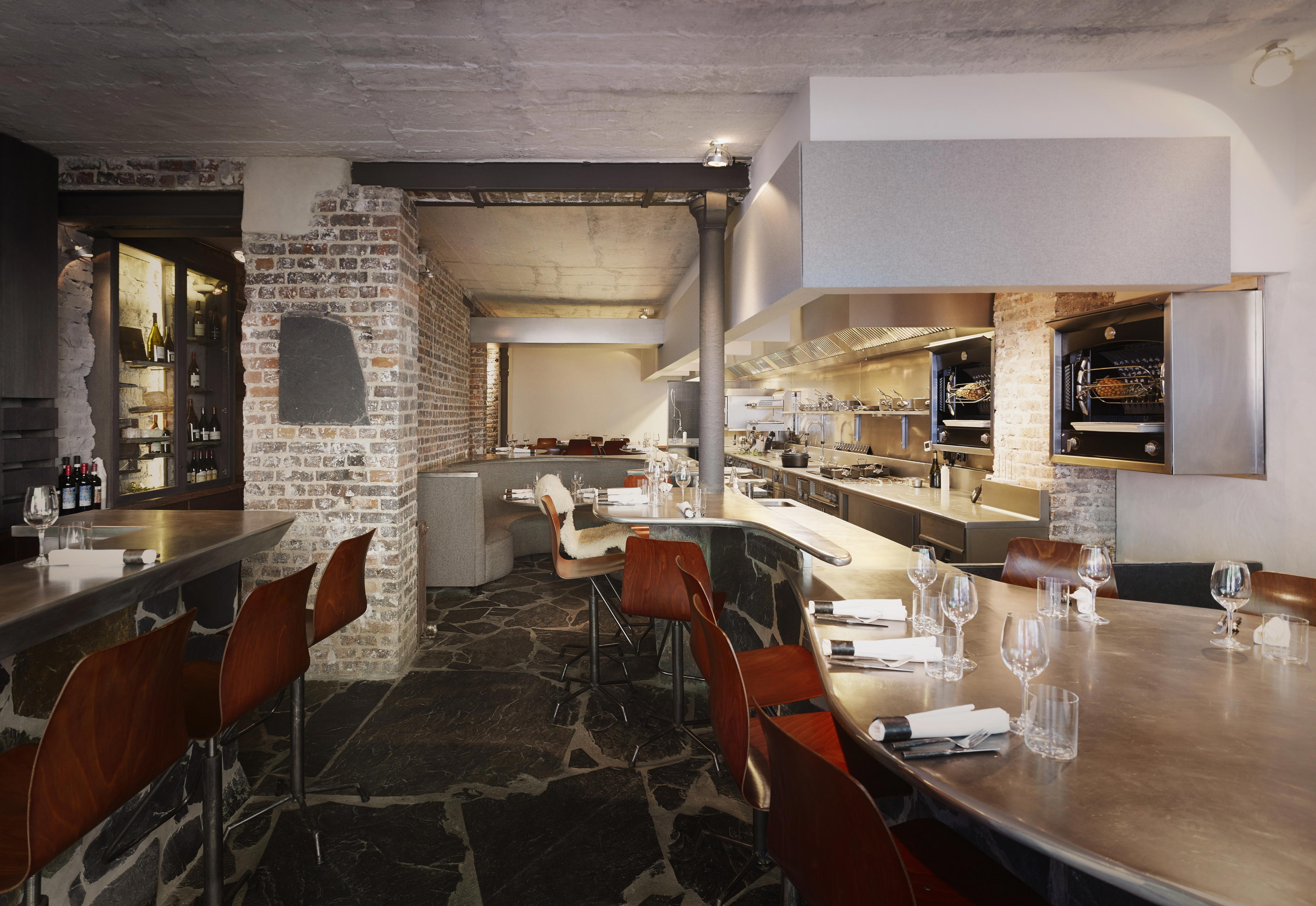
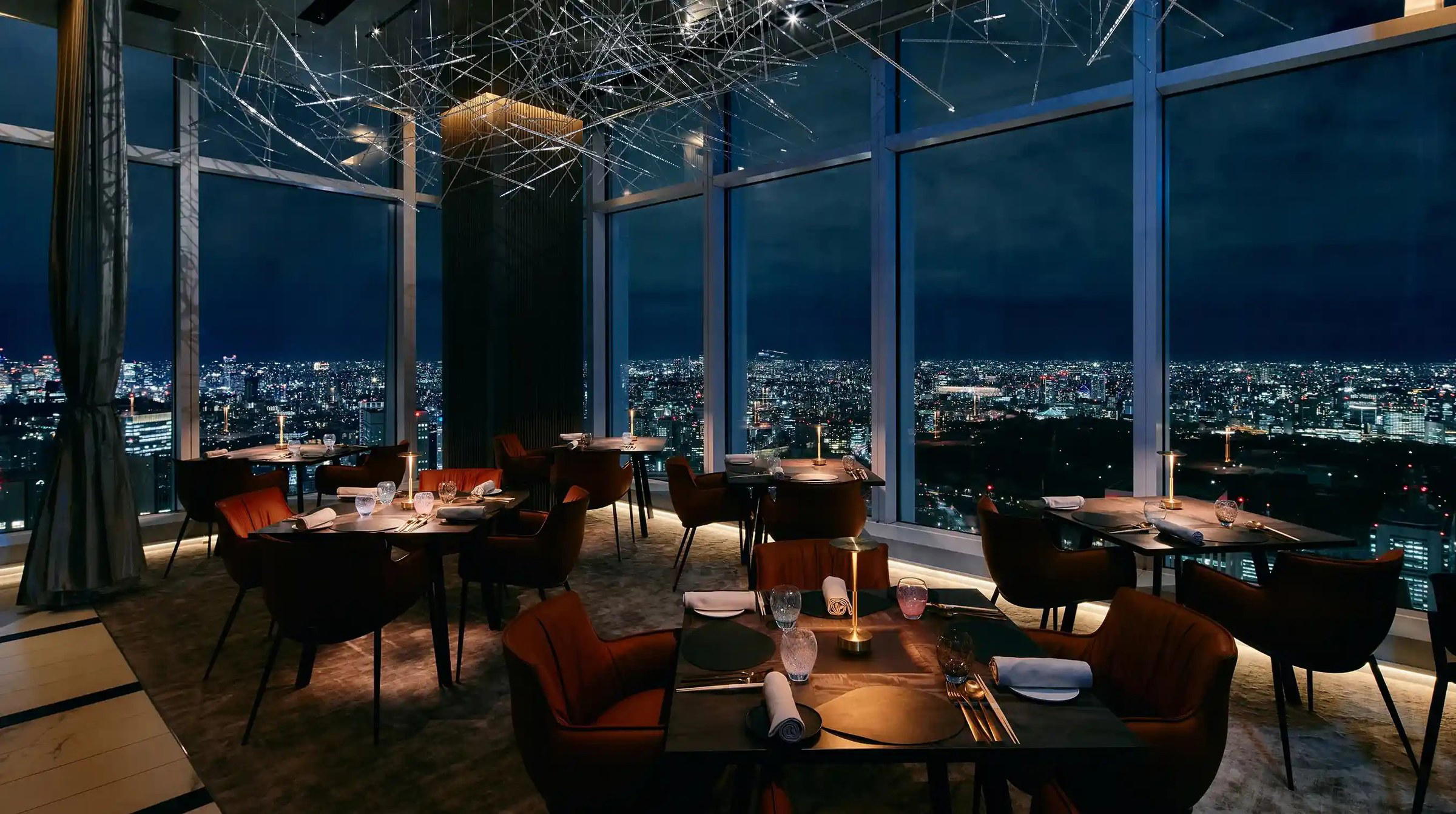
Restaurants in Paris
Browse all →
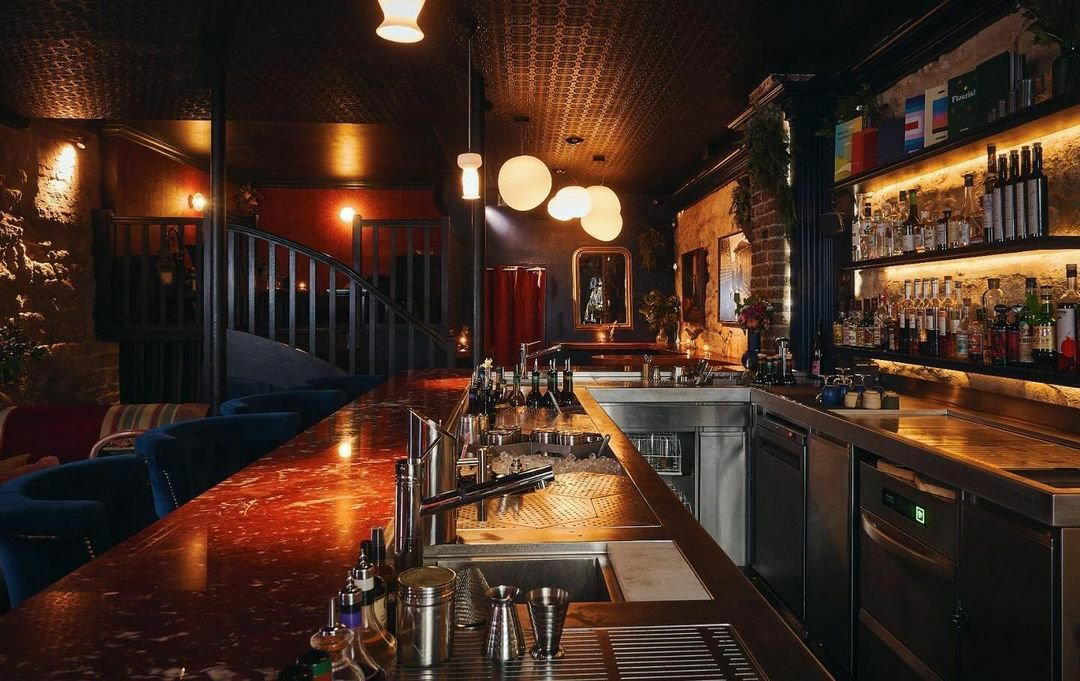
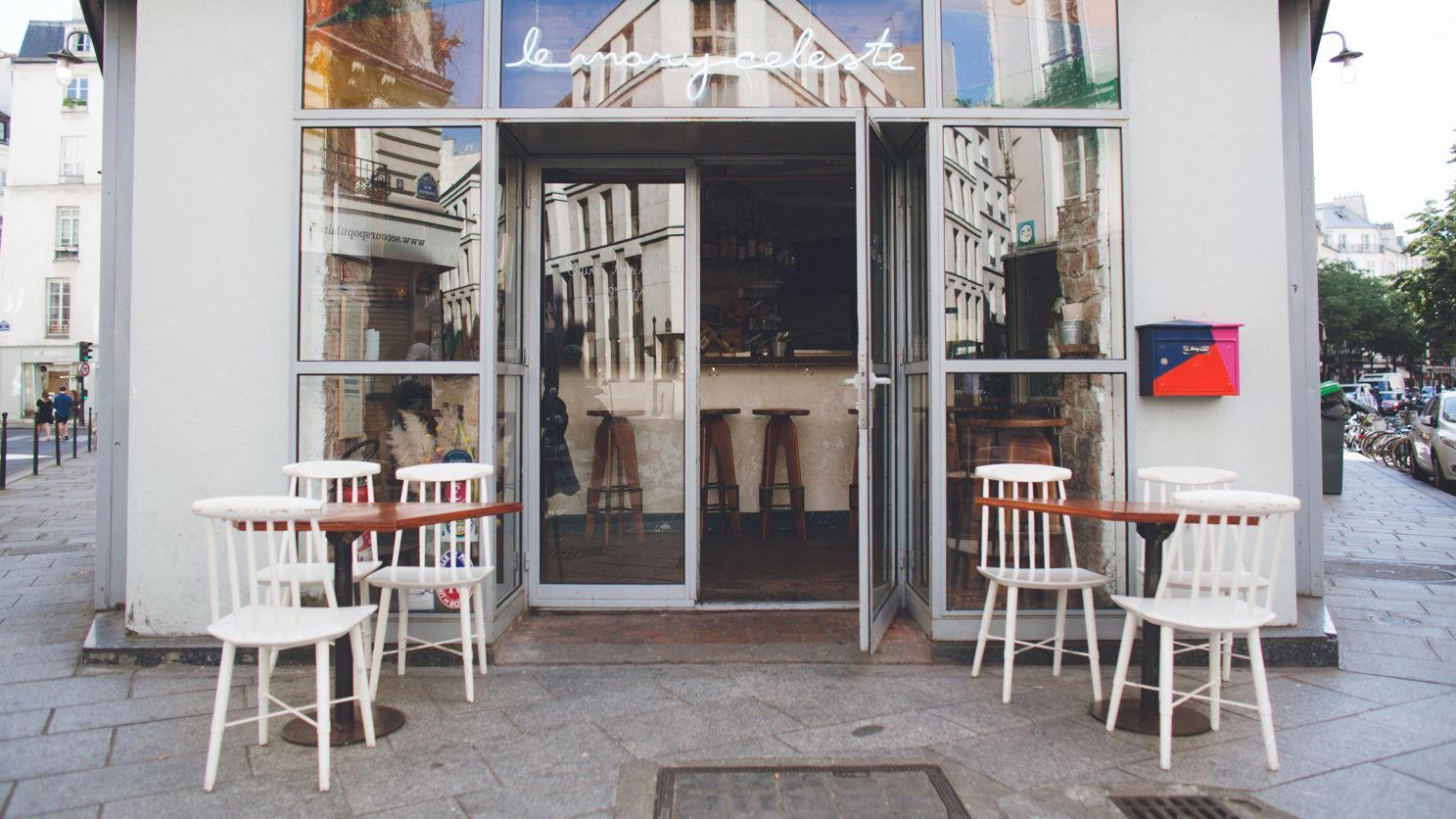
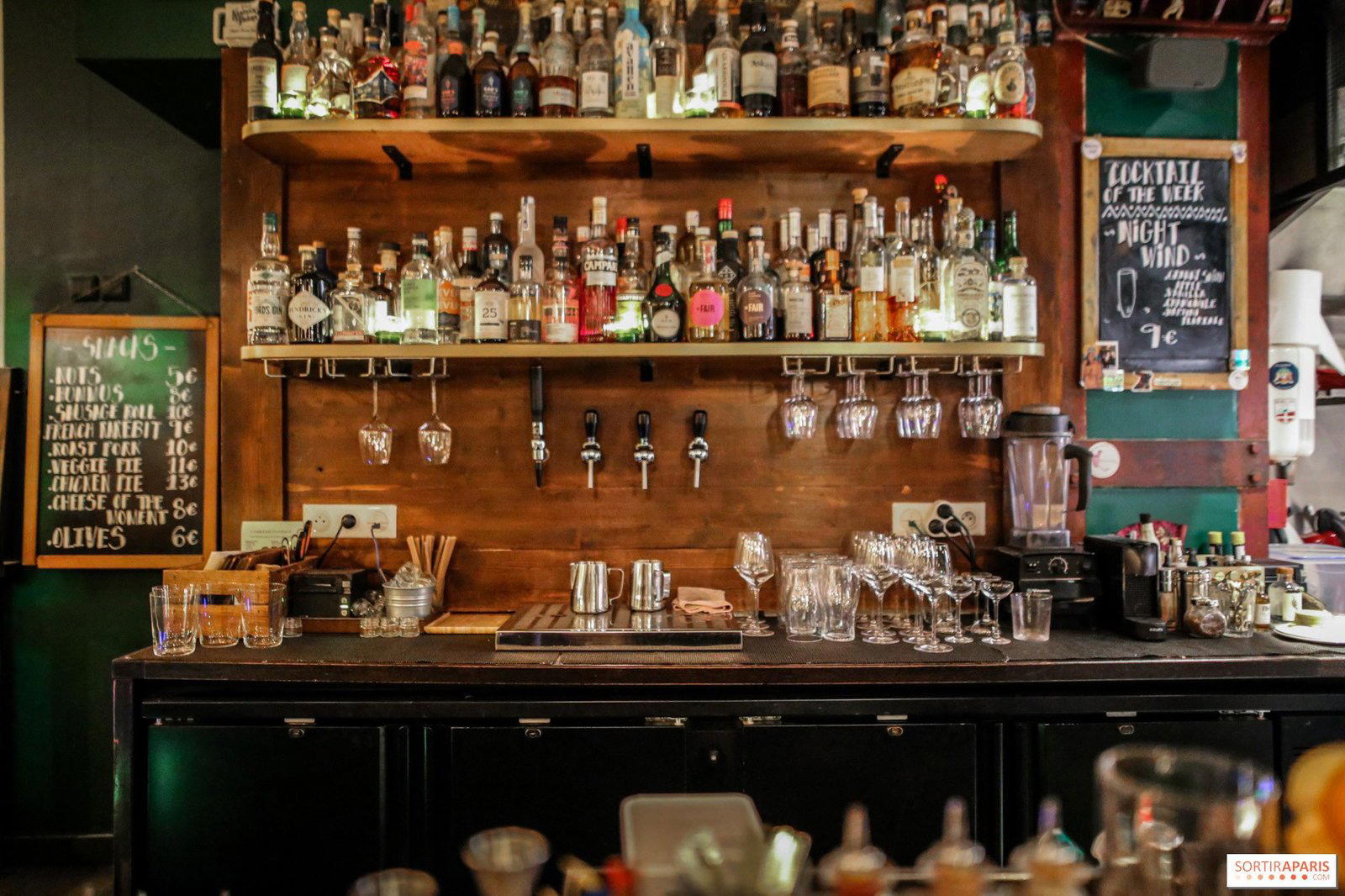
Bars in Paris
Browse all →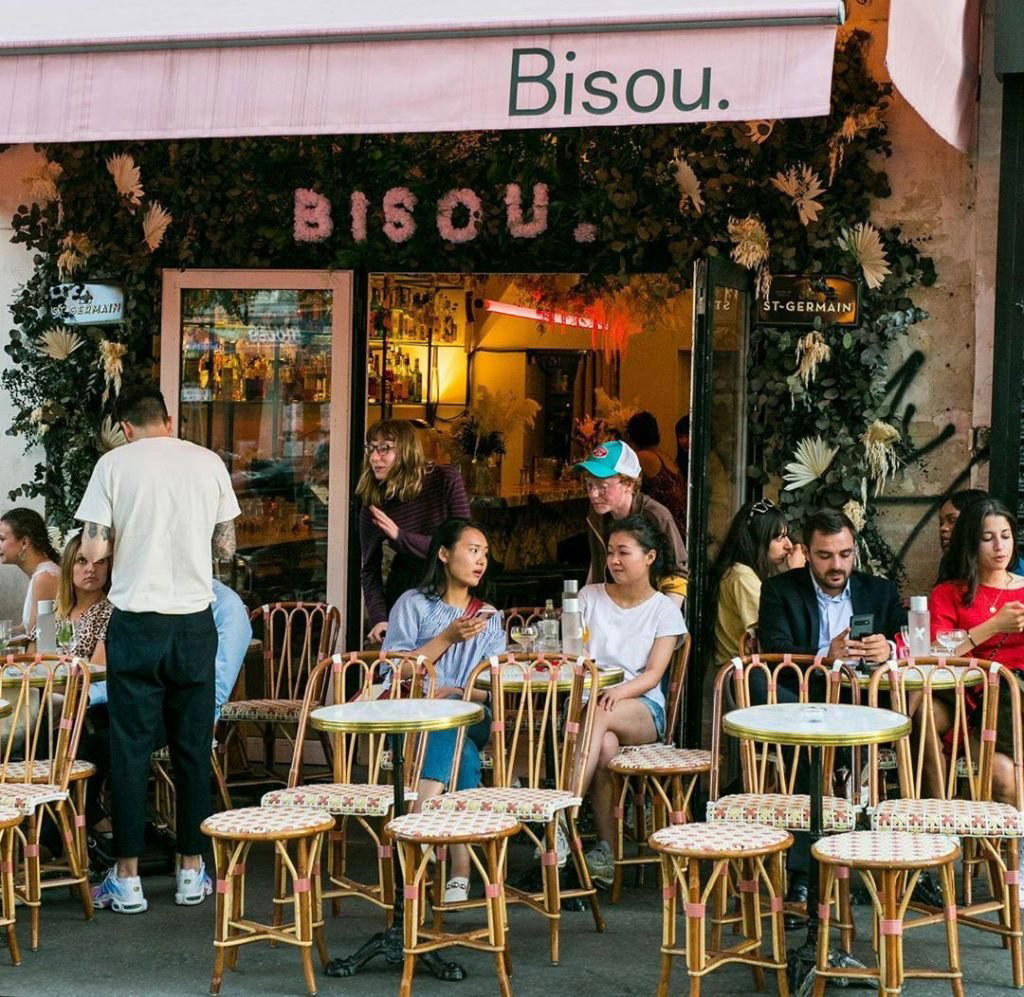
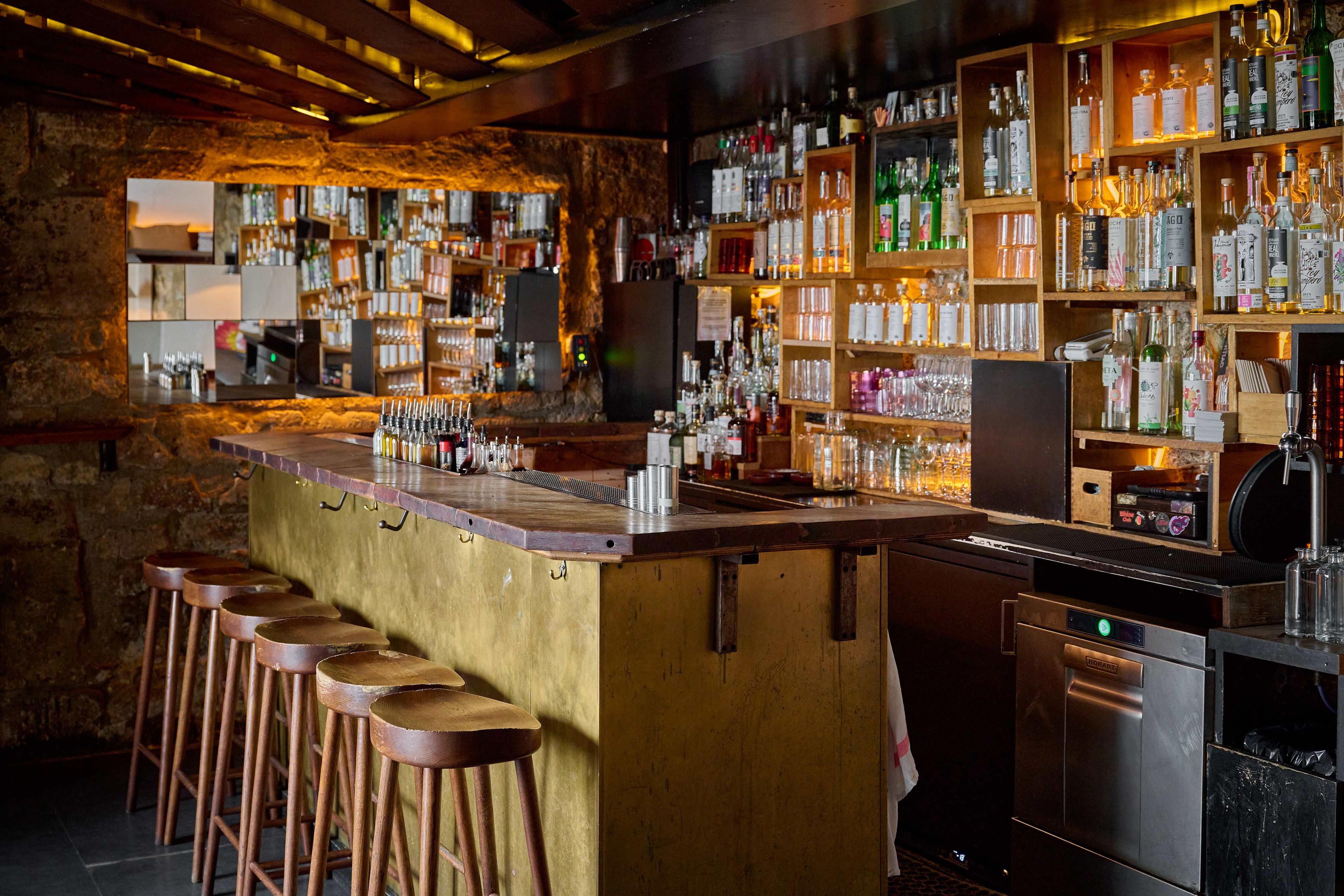
Hotels in Paris
Browse all →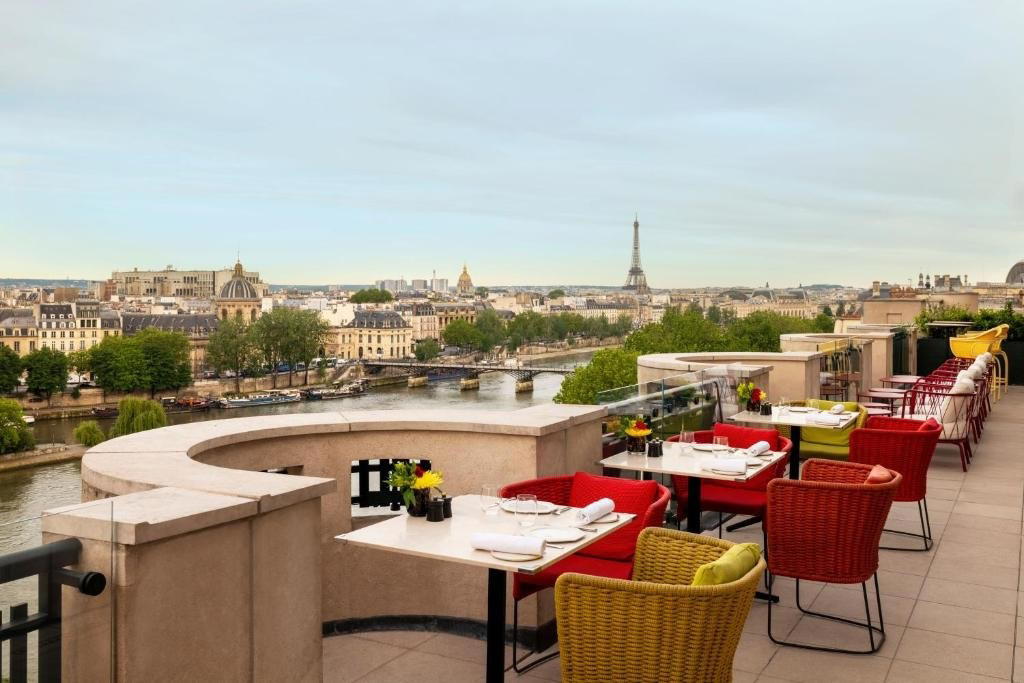

At a Glance
- Intimate
- Cozy
- Rustic
- Romantic
- Elegant
- Date Night
- Group Dining
- Special Occasion
- Open Kitchen
- Terrace
- Extensive Wine List
- Street Scene
Current opening hours
- Monday
- 12–2:30 PM, 7–11 PM
- Tuesday
- 12–2:30 PM, 7–11 PM
- Wednesday
- 12–2:30 PM, 7–11 PM
- Thursday
- 12–2:30 PM, 7–11 PM
- Friday
- 12–2:30 PM, 7–11 PM
- Saturday
- 12–2:30 PM, 7–11 PM
- Sunday
- Closed
Hours can change for holidays and private events. Last verified .
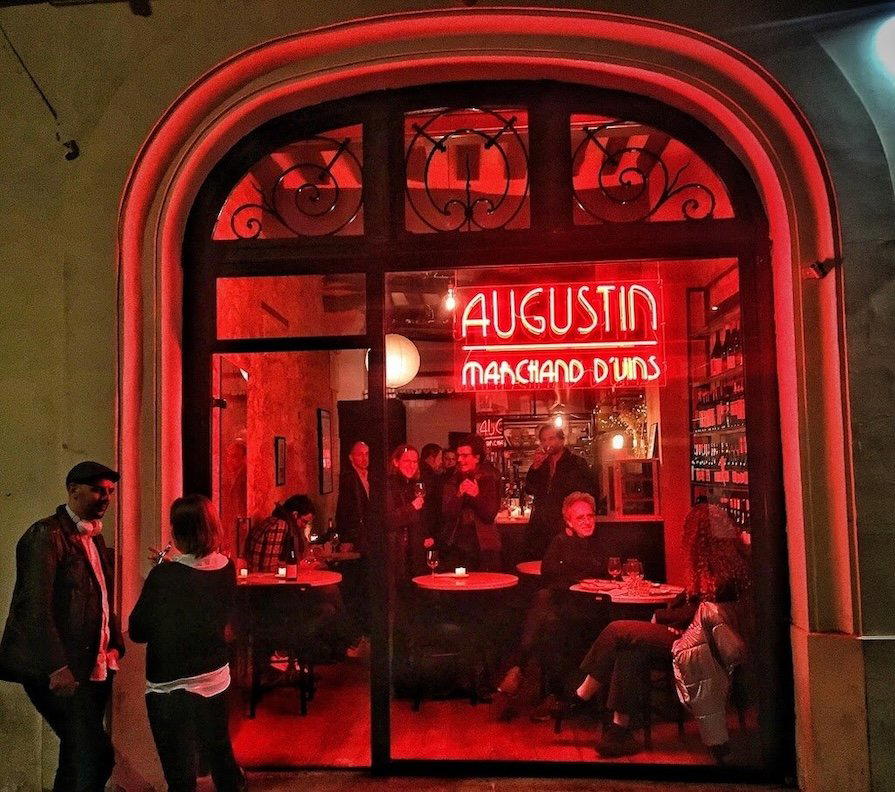
Dim lighting, candlelit tables, rustic decor creating a warm, intimate vibe well-suited for date nights or cozy gatherings.