La Palapa
On St. Marks Place in the East Village, La Palapa occupies a stretch of the neighborhood long associated with counter-culture energy and low-cost eating made interesting. The restaurant brings Mexican cooking to a block where the culinary register runs from ramen to pierogis, and has built a following among locals who treat the address as a reliable fixture rather than a destination event.
Pearl is the En Primeur Club membership app — saves, bookings, and concierge access live there. Same editors, same standards.
- Address
- 77 St Marks Pl, New York, NY 10003
- Phone
- +1 212 777 2537
- Website
- lapalapa.com
- Directions
- Get directions
 Saves & bookings on Pearl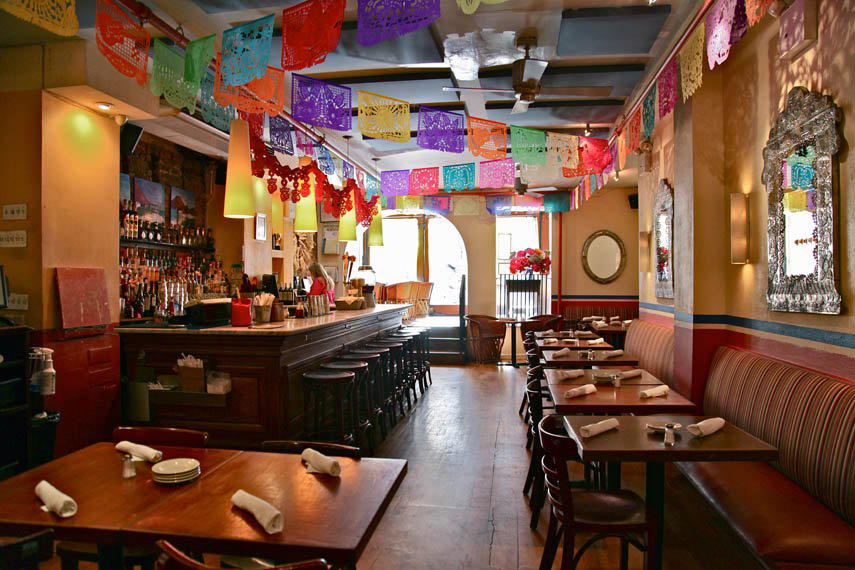
St. Marks Place and the East Village Dining Register
St. Marks Place has always operated at a different frequency from the rest of Manhattan's dining map. Where Midtown concentrates prestige addresses, Le Bernardin, Per Se, Masa, the East Village block between Second and Third Avenues has historically priced itself differently, drawing a demographic more interested in atmosphere and consistency than trophy dining. The restaurants here earn their standing through repetition and neighborhood loyalty rather than award cycles. La Palapa, at 77 St. Marks Place, sits inside that tradition: a Mexican restaurant on a block that has cycled through enough concepts to make longevity its own credential.
The East Village's Mexican dining scene occupies a particular tier in New York City's broader category. It is not the high-technique tasting-menu format that has drawn attention to places like Atomix or eleven madison park, and it is not the casual counter trade of a taqueria. It sits between: a sit-down format with a full bar, regional Mexican cooking, and a room that invites lingering rather than turnover. That middle register is where La Palapa has positioned itself, and it is a register that rewards a different set of expectations from the diner.
The Physical Container: What the Room Does
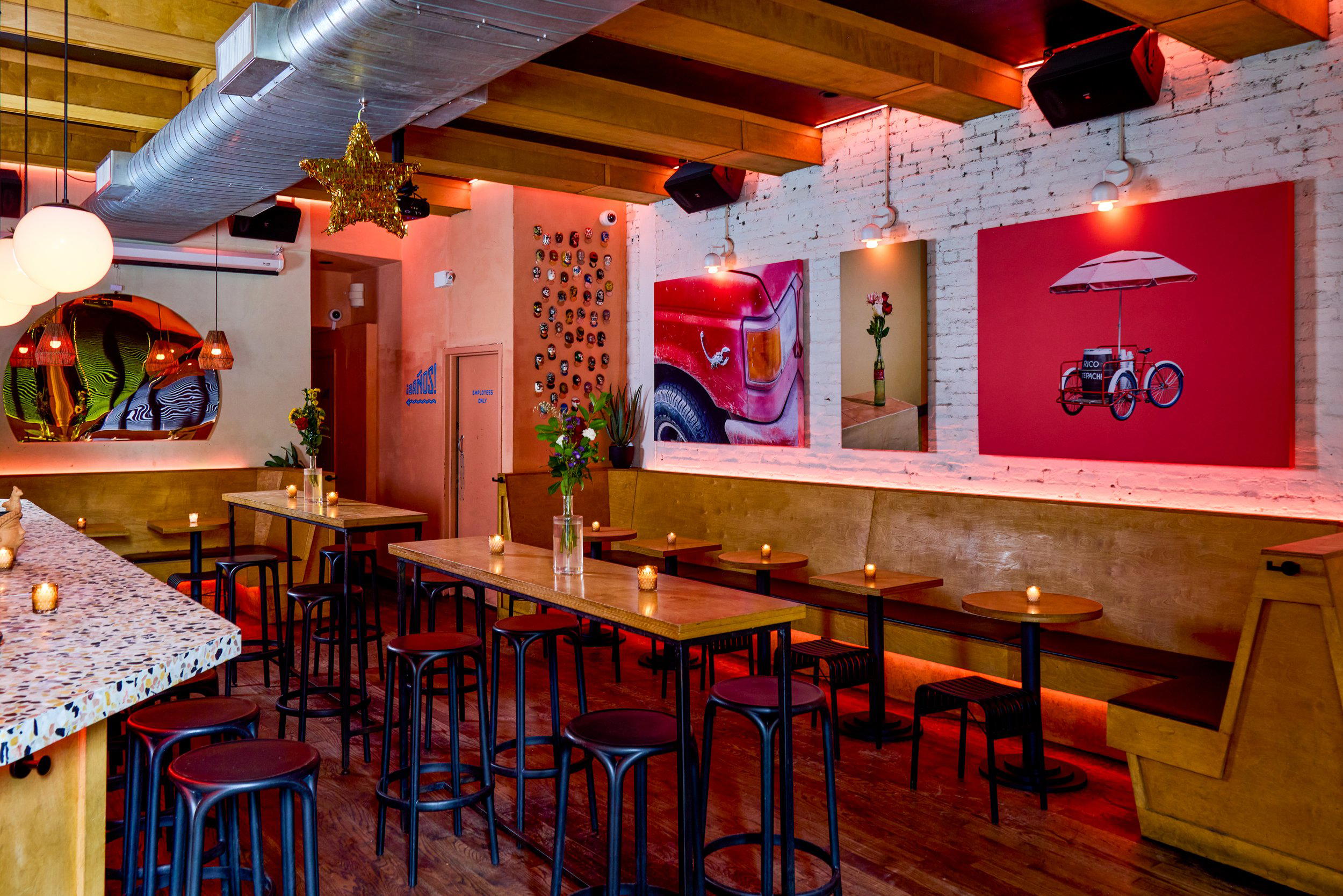
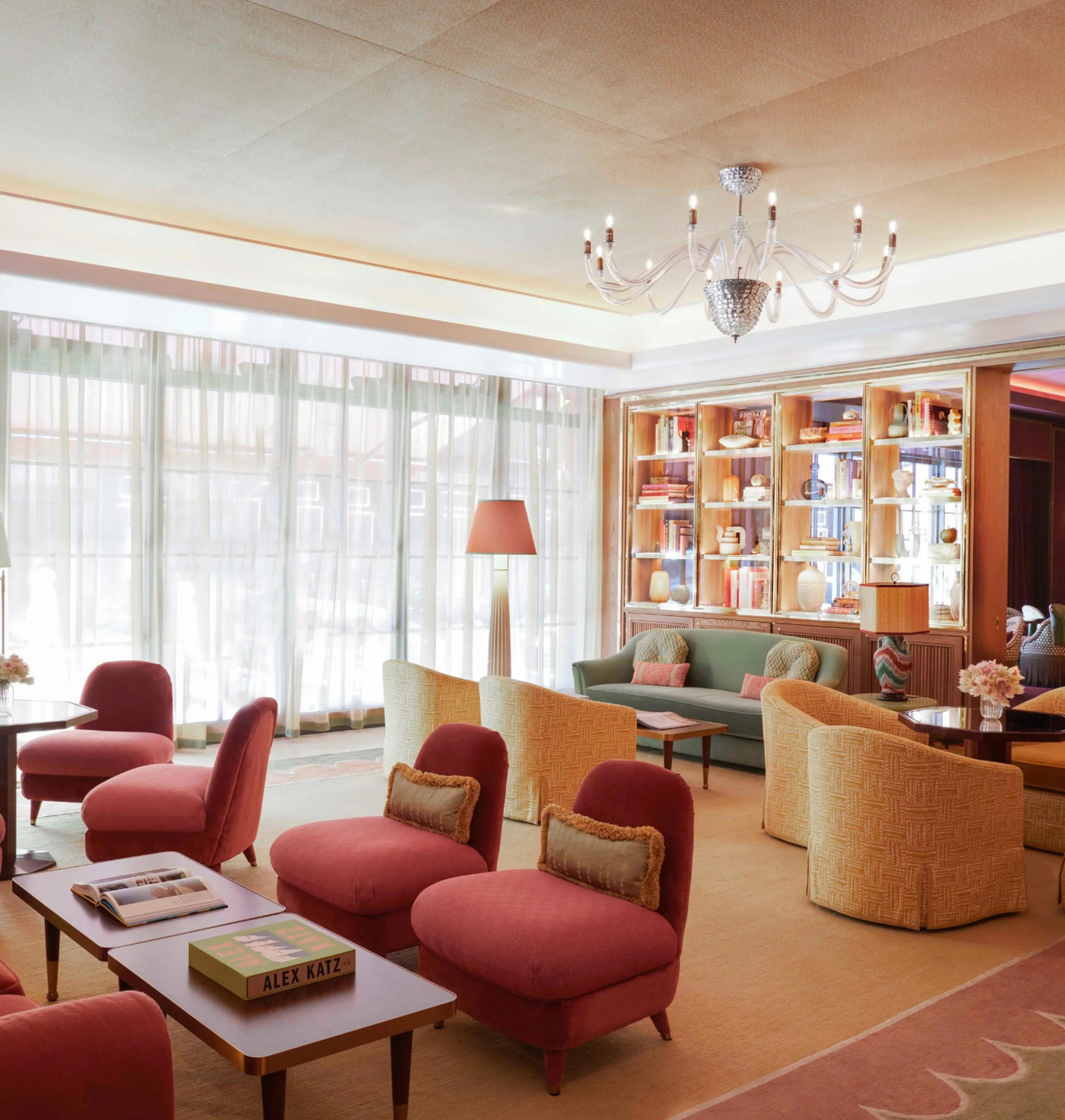
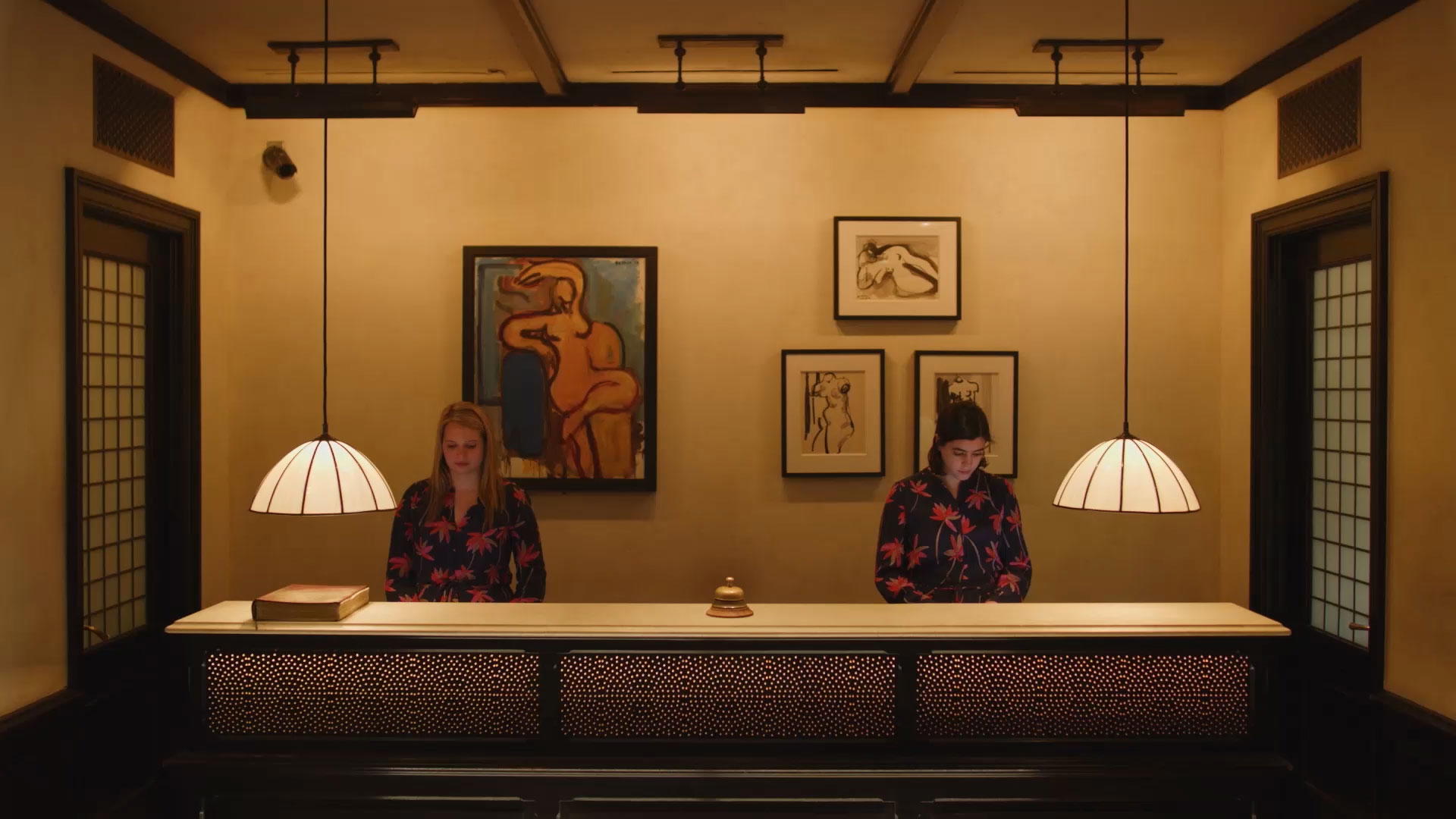
In a neighborhood where storefronts are narrow and double-height ceilings are rare, the design choices inside any East Village restaurant function as editorial statements. Tight tables communicate volume and energy. Wider spacing signals a different ambition. Mexican restaurant interiors in New York have ranged from the deliberately rough-hewn, exposed brick, votive candles, painted tile, to the sleekly minimal, where the cuisine is expected to do the atmospheric work without visual cues from the room.
La Palapa's address on St. Marks operates within a physical reality shared by most restaurants on this stretch: the street-level footprint is bounded, and the room must work efficiently. The design language of Mexican casual-to-mid dining in New York has evolved considerably since the early 2000s, moving away from the folk-art-heavy interiors that once defined the category and toward spaces that carry regional identity through material and color rather than decorative density. How a room signals authenticity without becoming a caricature of it is a question the better operators in this space have had to answer.
For a diner coming from the Blue Hill at Stone Barns school of immersive environmental dining, or from a destination like Single Thread Farm in Healdsburg where the physical space is itself a major part of the editorial proposition, the East Village format is a recalibration. The room at this address is not meant to transport; it is meant to contain a particular kind of evening, relaxed, food-forward, with a bar program that can hold its own on a Friday night on one of Manhattan's more reliably busy pedestrian streets.
Mexican Cooking in New York: The Category Context
New York's relationship with Mexican cuisine has deepened considerably over the past two decades. The city's Mexican restaurant tier now spans from high-volume Tex-Mex hybrids to serious regional cooking from Oaxaca, Yucatan, Veracruz, and the interior states. The operators who have built durable reputations in the mid-market have generally done so by anchoring menus to specific regional traditions rather than presenting a generalised national cuisine, and by developing bar programs serious enough to justify the full-evening format.
That trajectory places the better East Village Mexican addresses in a more interesting comparable set than their price point might suggest. The competition is not The French Laundry or Providence in Los Angeles, it is the expanding cohort of New York Mexican restaurants that have pushed the category's credibility upward, forcing every serious operator to sharpen their sourcing, their drink list, and their regional specificity. Longevity in this environment is earned, not inherited.
Comparable dynamics play out in other American cities where Mexican cooking has undergone serious re-evaluation. Emeril's in New Orleans demonstrated that a city can hold space for both high-profile destination dining and neighborhood-rooted formats simultaneously. Smyth in Chicago and Lazy Bear in San Francisco have shown what happens when mid-register dining concepts are pushed toward their upper ceiling. The question for any sustained Mexican restaurant in New York is which direction the ceiling pressure is coming from, and how the operator responds to it.
The East Village as Dining Destination
The East Village functions as one of New York's most consistent dining neighborhoods precisely because it does not depend on a single format or price point. The block containing the restaurant sits within walking distance of enough variety that no single restaurant needs to be everything to everyone. That physical density, and the foot traffic it generates on St. Marks Place specifically, means that a restaurant at this address operates in one of Manhattan's more competitive micro-markets, where the evening pedestrian count is high and the tolerance for mediocrity is low.
For visitors building a New York itinerary around food, the East Village functions as a useful counterweight to the Midtown and Downtown concentration of high-price tasting menus. Internationally, the comparison points are restaurants like Atelier Moessmer Norbert Niederkofler in Brunico and Dal Pescatore in Runate, places where sustained local commitment has built something that resists easy categorisation. Frasca Food and Wine in Boulder and Addison in San Diego demonstrate that regional anchoring can coexist with serious culinary ambition. The Inn at Little Washington shows what decades of consistency can build. The restaurant's claim on East Village dining operates on a different axis, but durability in this neighborhood is its own form of editorial endorsement.
In Context: Similar Options
Comparable venues nearby, for context on price, style, and recognition.
| Venue | Cuisine | Price | Notes |
|---|---|---|---|
| La PalapaThis venue — the venue you are viewing | Authentic Mexico City Mexican | $$ | Not listed |
| Tequila Chito's | Traditional Mexican Grill | $$ | Chelsea-Hudson Yards |
| El Paso | Authentic Mexican | $$ | East Harlem (South) |
| La Superior | Authentic Mexican Taqueria | $$ | Williamsburg |
| Taqueria Green Valley | Mexican Taqueria | $$ | Fort Greene |
| Chela | Modern Mexican | $$ | Park Slope |
Continue exploring
More in New York City
Restaurants in New York City
Browse all →
Bars in New York City
Browse all →
Hotels in New York City
Browse all →




At a Glance
- Lively
- Cozy
- Rustic
- Celebration
- Brunch
- Casual Hangout
- Special Occasion
- Private Dining
- Craft Cocktails
- Organic
Current opening hours
- Monday
- 12–10 PM
- Tuesday
- 12–10 PM
- Wednesday
- 12–10 PM
- Thursday
- 12–10 PM
- Friday
- 12–11 PM
- Saturday
- 11 AM–11 PM
- Sunday
- 11 AM–9 PM
Hours can change for holidays and private events. Last verified .
Warm, friendly, and festive with a tiki-esque beach palapa vibe, white-linen awnings, wooden tables, and a relaxed staff creating a lazing-in-the-sand feel.