El Paso
El Paso sits at 123 E 110th St in East Harlem, a neighborhood where Latin American culinary traditions have shaped the local food culture for decades. Positioned at the intersection of imported technique and indigenous ingredients, it occupies a distinct space in a New York dining scene that increasingly rewards that kind of specificity. For context on the broader field, see our full New York City restaurants guide.
Pearl is the En Primeur Club membership app — saves, bookings, and concierge access live there. Same editors, same standards.
- Address
- 123 E 110th St, New York, NY 10029
- Phone
- +12128319831
- Website
- elpasonyc.com
- Directions
- Get directions
 Saves & bookings on Pearl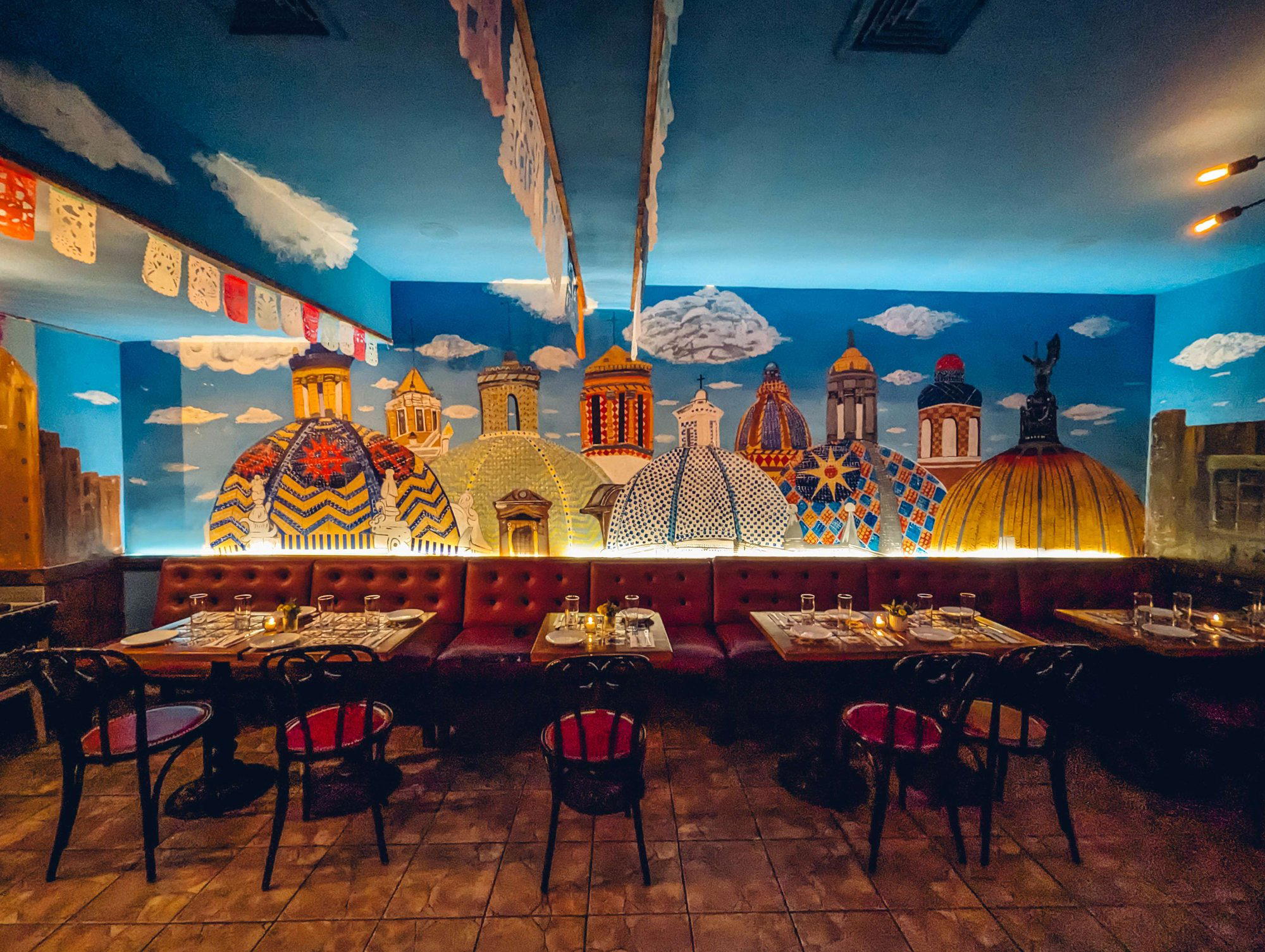
East Harlem and the Question of Technique
New York's most interesting cooking has rarely come from its most expensive zip codes. East Harlem, at 110th Street and beyond, has sustained a Latin American food culture dense enough to support both casual loncheras and more considered kitchens, and the neighborhood's ingredient vocabulary, recao, ají amarillo, dried chiles sourced from suppliers who have been selling to the same families for generations, sits largely outside the procurement networks that feed downtown's fine-dining circuit. When a kitchen in this corridor applies classical or globally-derived technique to that local pantry, the result tends to read differently than fusion cooking does in SoHo or the West Village, because the ingredients aren't imported for effect. They're already here.
El Paso, at 123 E 110th St, New York, NY 10029, operates in that context. The address places it squarely in East Harlem, a part of the city where the gap between neighborhood institution and destination restaurant is narrower than in most Manhattan corridors. Whether it closes that gap depends on how seriously it treats the editorial angle that the neighborhood itself sets up: local ingredients, global technique, and the credibility that comes from being in the right place to source both.
What the Intersection of Method and Product Actually Means
The phrase "local ingredients, global technique" has become a shorthand that restaurants deploy loosely, but the framework has real teeth when applied honestly. At its most rigorous, it means sourcing product that carries genuine regional identity, not just regional branding, and then applying methods that the product itself wouldn't have suggested. The Latin American pantry that East Harlem's suppliers carry is well-suited to this kind of treatment. Masa traditions from Mexico, sofrito-building methods from Puerto Rico and the Dominican Republic, and the acid-forward ceviche logic of Peru all represent technique in the deepest sense: not just cooking methods but organizing principles for flavor. When those principles meet classical French knife work, Japanese precision in service timing, or the Scandinavian discipline around fermentation, the results can be genuinely instructive rather than merely decorative.
This is the culinary pattern that has produced some of the more interesting cooking in American cities over the past decade. Smyth in Chicago applies rigorous technique to hyper-local Midwestern product. Single Thread Farm in Healdsburg organizes an entire restaurant around the tension between Japanese kaiseki discipline and Northern California agriculture. Blue Hill at Stone Barns in Tarrytown has made ingredient provenance itself a structural element of the menu. El Paso's East Harlem address gives it access to a pantry that none of those kitchens can replicate, which is either a significant advantage or an underused one, depending on execution.
The New York Context
Manhattan's highest-profile dining addresses, Le Bernardin, Atomix, Eleven Madison Park, Masa, and Per Se, operate in the $$$$ tier and compete on credential density: Michelin stars, James Beard awards, alumni lineage, and press cycles that have been running for years. That tier is well-documented and well-served by editorial coverage.
East Harlem sits in a different register. The neighborhood's restaurants compete on neighborhood trust, ingredient access, and value density rather than tasting-menu architecture. That makes El Paso's positioning interesting: it is geographically inside a neighborhood defined by those values, but the editorial angle assigned to it, technique meeting indigenous product, suggests an ambition that reaches toward the former category without necessarily adopting its price or format signals. This is not unlike what Addison in San Diego or Providence in Los Angeles have done in cities where the fine-dining infrastructure is thinner: build credibility through ingredient seriousness rather than institutional pedigree.
For readers who track this pattern across American cities, the comparison set extends further. Lazy Bear in San Francisco built a reputation on format innovation tied to local product. Emeril's in New Orleans made regional ingredient identity a long-term institutional position. The French Laundry in Napa and The Inn at Little Washington both demonstrate that kitchen discipline and local sourcing are not in tension. Frasca Food and Wine in Boulder shows how a regional identity thesis can sustain a restaurant across decades. Internationally, Atelier Moessmer Norbert Niederkofler in Brunico and Dal Pescatore in Runate make the case that place-specific ingredient philosophy can anchor Michelin-recognized cooking for years.
Planning Your Visit
Plan ahead if you want to visit. The 110th Street address is accessible via the 6 train at 110th Street/Lexington Avenue, putting the restaurant within a few minutes' walk of the subway.
| Venue | Cuisine | Price Tier | Booking |
|---|---|---|---|
| The restaurant (East Harlem) | Authentic Mexican | $$ | Recommended |
| Le Bernardin | French, Seafood | $$$$ | Reservation required |
| Atomix | Modern Korean | $$$$ | Reservation required |
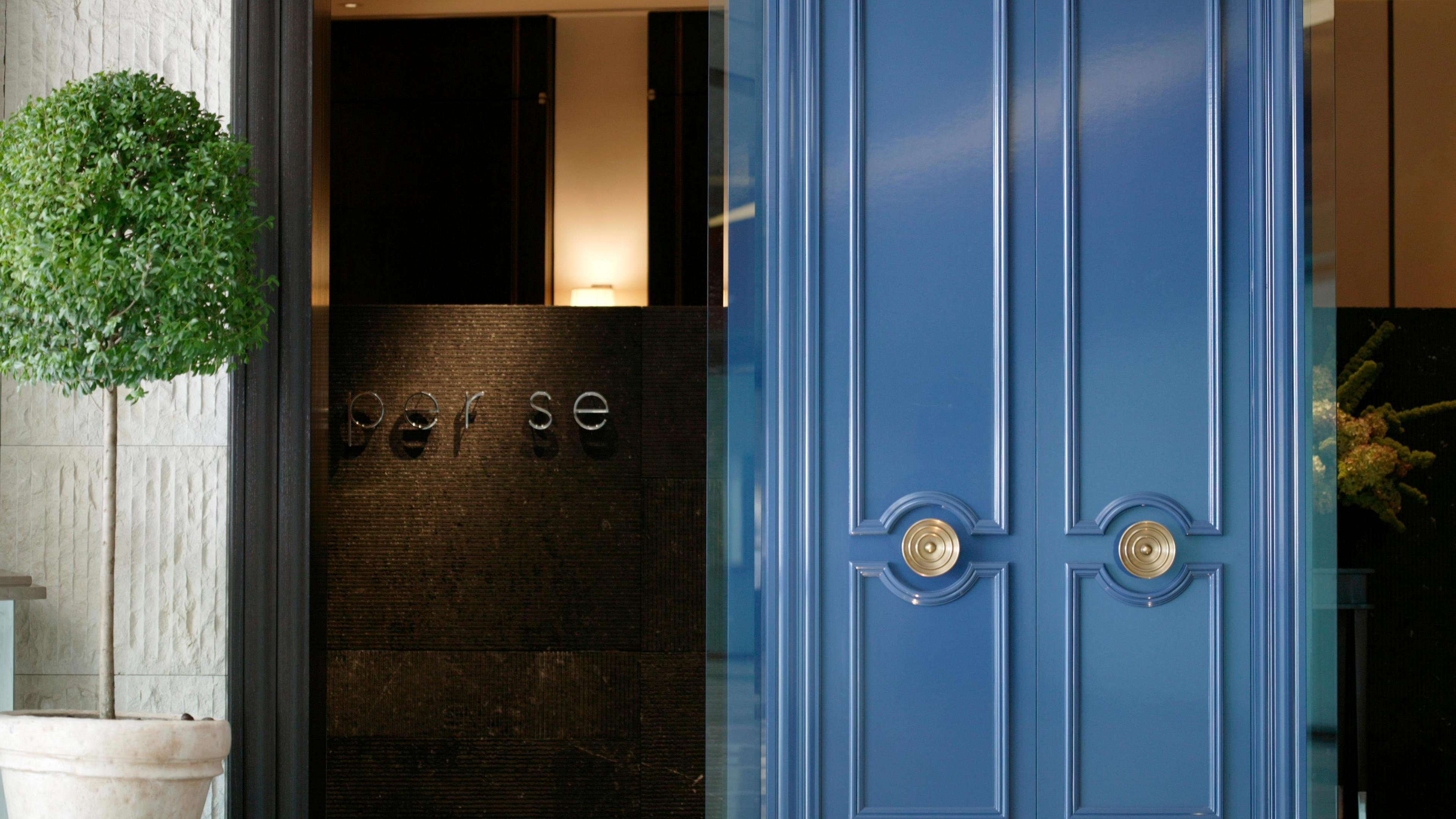
| Per Se | French, Contemporary | $$$$ | Reservation required |
| Masa | Sushi, Japanese | $$$$ | Reservation required |
The Minimal Set
Comparable venues nearby, for context on price, style, and recognition.
| Venue | Cuisine | Price | Notes |
|---|---|---|---|
| El PasoThis venue — the venue you are viewing | Not listed | $$ | Not listed |
| Casa Mezcal | Lower East Side, Oaxacan Mexican | $$ | Not listed |
| Skinnys Cantina | Not listed | $$ | Long Island City-Hunters Point, Mexican Cantina |
| La Palapa | Not listed | $$ | East Village, Authentic Mexico City Mexican |
| Caliente Cab Co. | West Village, Classic Mexican Taqueria | $$ | Not listed |
| Los Dos Hermanos | Fort Greene, Mexican Taqueria | $$ | Not listed |
Continue exploring
More in New York City
Restaurants in New York City
Browse all →
Bars in New York City
Browse all →
Hotels in New York City
Browse all →






At a Glance
- Lively
- Energetic
- Casual Hangout
- Group Dining
- Terrace
- Craft Cocktails
Lively and energetic with sports TVs, murals of Mexican rooftops, and lively happy hour atmosphere.