Chela
Chela occupies a modest address on 5th Avenue in Park Slope, Brooklyn, sitting within a borough dining scene that has grown increasingly serious about sourcing and environmental accountability. With sparse public data and no formal award trail yet, it operates in the same city as destination counters like Le Bernardin and Masa but targets a different register: neighbourhood-scaled, intention-led, and worth understanding on its own terms.
Pearl is the En Primeur Club membership app — saves, bookings, and concierge access live there. Same editors, same standards.
- Address
- 408 5th Ave, Brooklyn, NY 11215
- Phone
- +1 718 701 1891
- Website
- chelaparkslope.com
- Directions
- Get directions
 Saves & bookings on Pearl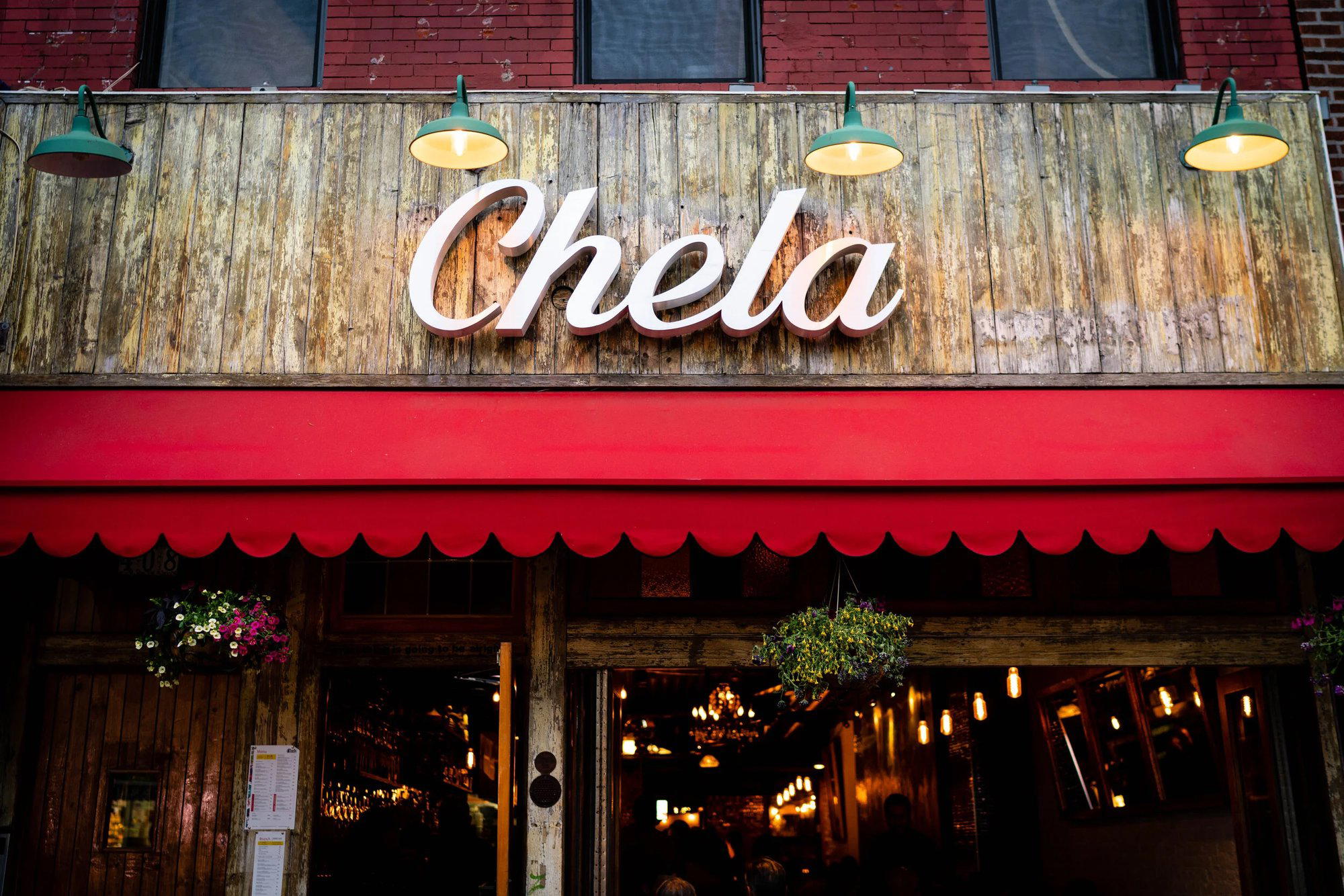
A Brooklyn Address in a City of High Stakes
Park Slope's 5th Avenue runs long and uneven, shifting character every few blocks from coffee shops and bookstores to serious kitchen operations that would hold their own in any borough. The stretch around 408 is mid-density Brooklyn at its most functional: low-rise buildings, pedestrian foot traffic, and the particular energy of a neighbourhood that has absorbed waves of culinary ambition without losing its residential centre of gravity.
New York's restaurant scene in 2024 is not a monolith. At the leading sits a tier of Michelin-decorated counters and tasting-menu formats: Le Bernardin, Atomix, Eleven Madison Park, Masa, and Per Se each occupying a price point and format that places them in conversation with global peers rather than neighbourhood competition. Below and alongside that tier, a different kind of ambition has been taking shape, particularly in Brooklyn, where operators are making quieter but increasingly coherent arguments for place-rooted, ethically grounded cooking. Chela belongs to the latter conversation,
Sustainability as a Structural Choice, Not a Marketing Layer
Across American fine dining, the sustainability conversation has fractured into two camps. In one, environmental credentials function as branding: a seasonal menu note here, a compost programme mentioned in the press release there. In the other, sourcing and waste philosophy are built into the operational architecture from the start, affecting what gets ordered, how menus are written, and what does not appear on the plate at all. Restaurants like Blue Hill at Stone Barns in Tarrytown and Single Thread Farm in Healdsburg have staked their identities on the second approach, where the farm or the producer is as legible on the menu as the chef's name. Smyth in Chicago operates a similar logic through its urban farm connection. What these operations share is a willingness to let supply-side thinking constrain and shape demand-side menus, rather than the reverse.
Brooklyn is a plausible geography for this kind of operation. The borough's proximity to the Hudson Valley agricultural corridor means that ingredient relationships with regional farms are logistically viable in a way that mid-Manhattan kitchens, dependent on wholesale intermediaries, find harder to sustain. Greenmarkets, direct-purchase relationships, and CSA-model sourcing have been part of the Park Slope food culture for decades. A restaurant at this address that takes those supply chains seriously is drawing on a neighbourhood tradition, not importing one from elsewhere.
Nationally, the restaurants most associated with ethical sourcing have tended to share certain structural features: smaller seat counts that allow for tighter ingredient budgeting, tasting-menu or limited-choice formats that reduce waste from overstocked mise en place, and relationships with specific named producers rather than anonymous distributors. Lazy Bear in San Francisco, Providence in Los Angeles, and Addison in San Diego each reflect versions of this model in different coastal markets. The question for any Brooklyn operation working this territory is whether the neighbourhood format and price point allow the sourcing ambition to be financially sustainable, not just philosophically coherent.
The comparable set Beyond New York
Understanding where Chela sits requires looking beyond the five boroughs. American restaurants that have built credibility around place-based, low-waste cooking tend to cluster in specific geographies: the Hudson Valley, Northern California wine country, and a handful of mid-sized cities where the farm-to-table infrastructure is dense enough to support serious sourcing programmes. The French Laundry in Napa operates its own garden programme, reducing external sourcing dependency. Frasca Food and Wine in Boulder has built a regional identity around Northern Italian rigour applied to Colorado producers. The Inn at Little Washington in Virginia has maintained a farm relationship central to its identity across decades of operation.
Internationally, the same structural logic plays out in different idioms. Atelier Moessmer Norbert Niederkofler in Brunico has built its entire programme around Alpine ingredients, refusing to use anything grown outside its mountain region. Dal Pescatore in Runate draws on a generations-long relationship with the Po Valley's agricultural traditions. What both demonstrate is that place-specificity, when held consistently over time, generates a credibility that award tiers alone cannot replicate. Emeril's in New Orleans has similarly argued for Gulf Coast sourcing as a defining regional identity. For a Brooklyn restaurant working the same logic, the question is how long and how rigorously it can hold the commitment.
Chela has no recorded Michelin recognition or major award trail. In New York's dining market, that absence is meaningful but not necessarily negative. The city's most formally decorated restaurants operate in a different economic register: the $$$$ tasting-menu tier occupied by the destination counters listed above serves a different function and a different audience than a neighbourhood restaurant on a Brooklyn avenue. Many of the restaurants that have built the strongest regional sourcing reputations took years to accumulate formal recognition, precisely because the award infrastructure tends to track media visibility rather than operational integrity. The absence of a public record at this stage places Chela in a common position for Brooklyn operators: doing the work before the coverage catches up.
Chela is the kind of address that rewards attention now rather than after the waitlist forms. The Park Slope address, the sustainability-forward framing, and the neighbourhood scale all point toward a specific kind of dining proposition: lower ceremony, higher sourcing accountability, and a sense that the kitchen's priorities extend past the plate into how ingredients were grown and how waste is handled. That is a coherent position in 2024's New York, and it is one the city's dining public has shown it will support.
Know Before You Go
- Address: 408 5th Ave, Brooklyn, NY 11215
- Neighbourhood: Park Slope, Brooklyn
- Le Bernardin and Atomix.
Comparable Venues
Comparable venues nearby, for context on price, style, and recognition.
| Venue | Cuisine | Price | Notes |
|---|---|---|---|
| ChelaThis venue — the venue you are viewing | Modern Mexican | $$ | Not listed |
| Casa Mezcal | Oaxacan Mexican | $$ | Lower East Side |
| Taqueria Santa Fe | Authentic Mexican Taqueria | $$ | Bushwick (West) |
| Mole West Village | Authentic Mexican Bar & Grill | $$ | West Village |
| Beto's Carnitas & Guisados | Mexico City-Style Carnitas & Guisados | $$ | Lower East Side |
| Mesa Coyoacan | Authentic Mexican | $$ | East Williamsburg |
Continue exploring
More in New York City
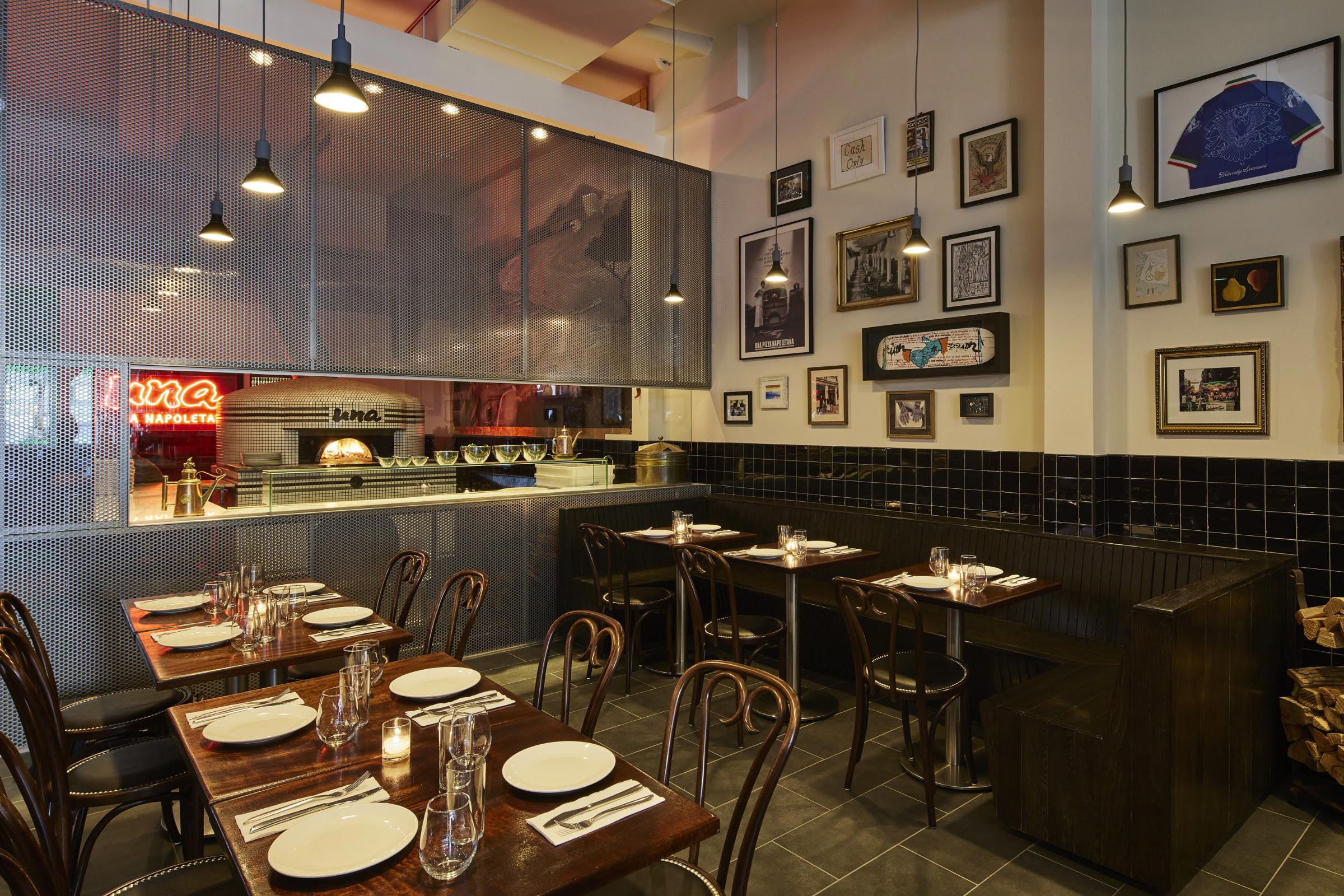
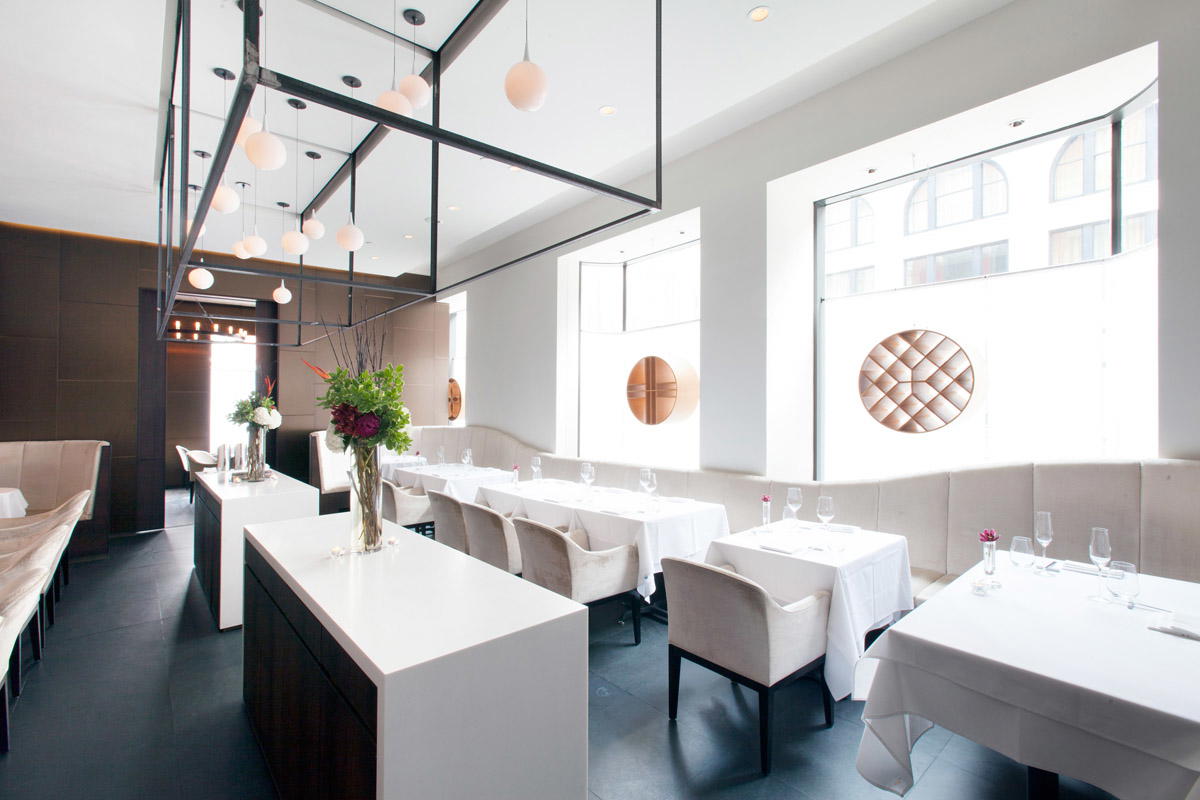
Restaurants in New York City
Browse all →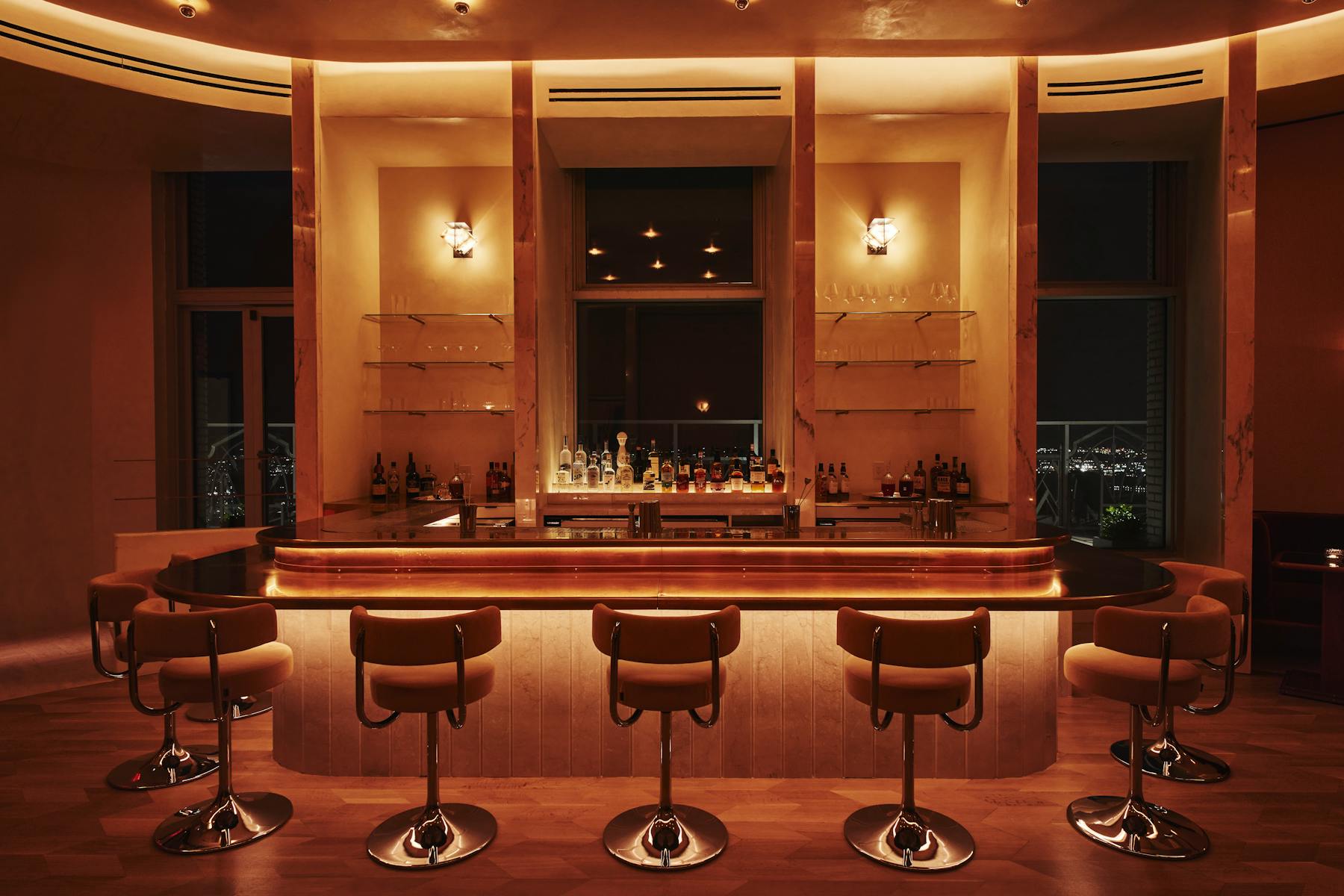
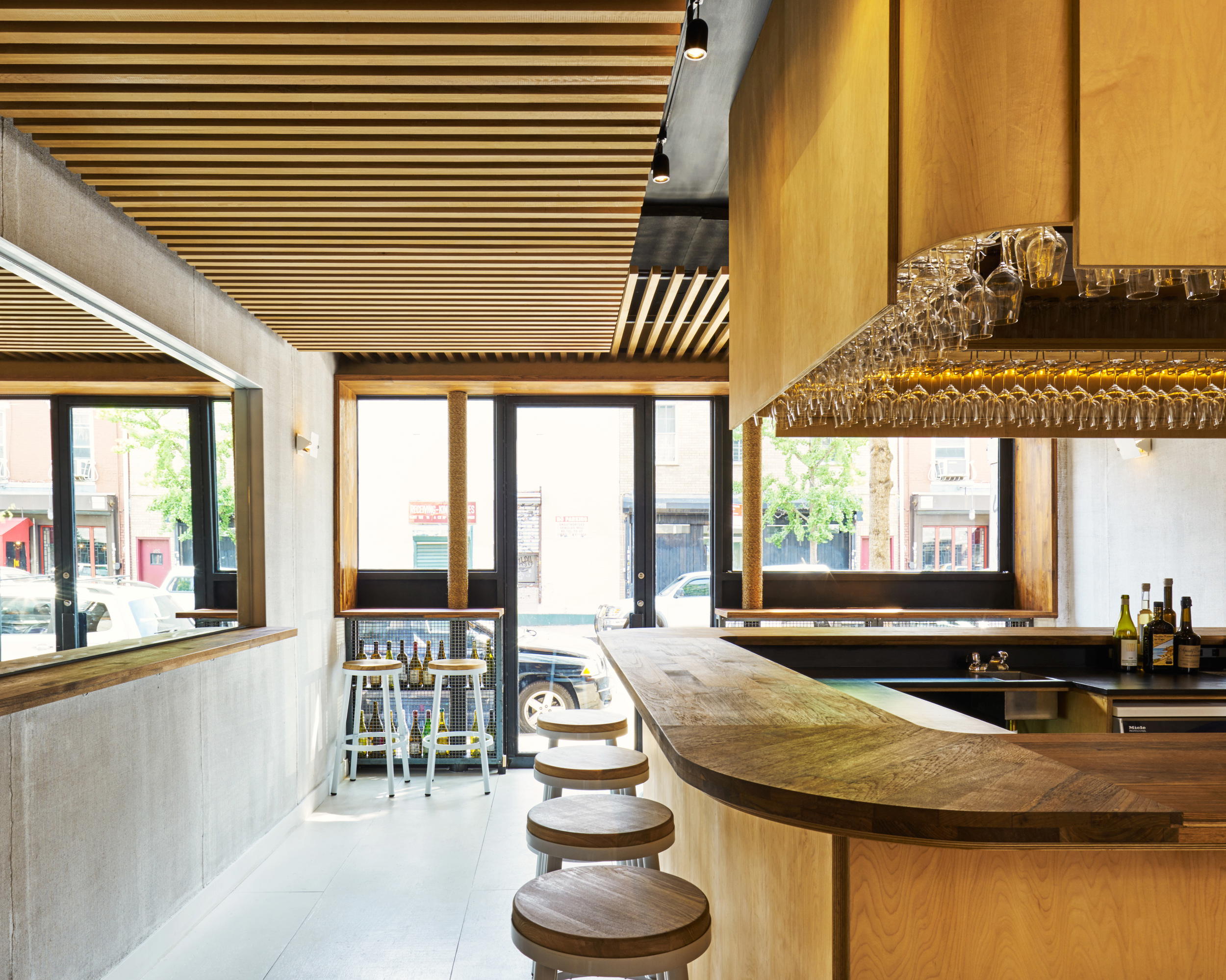
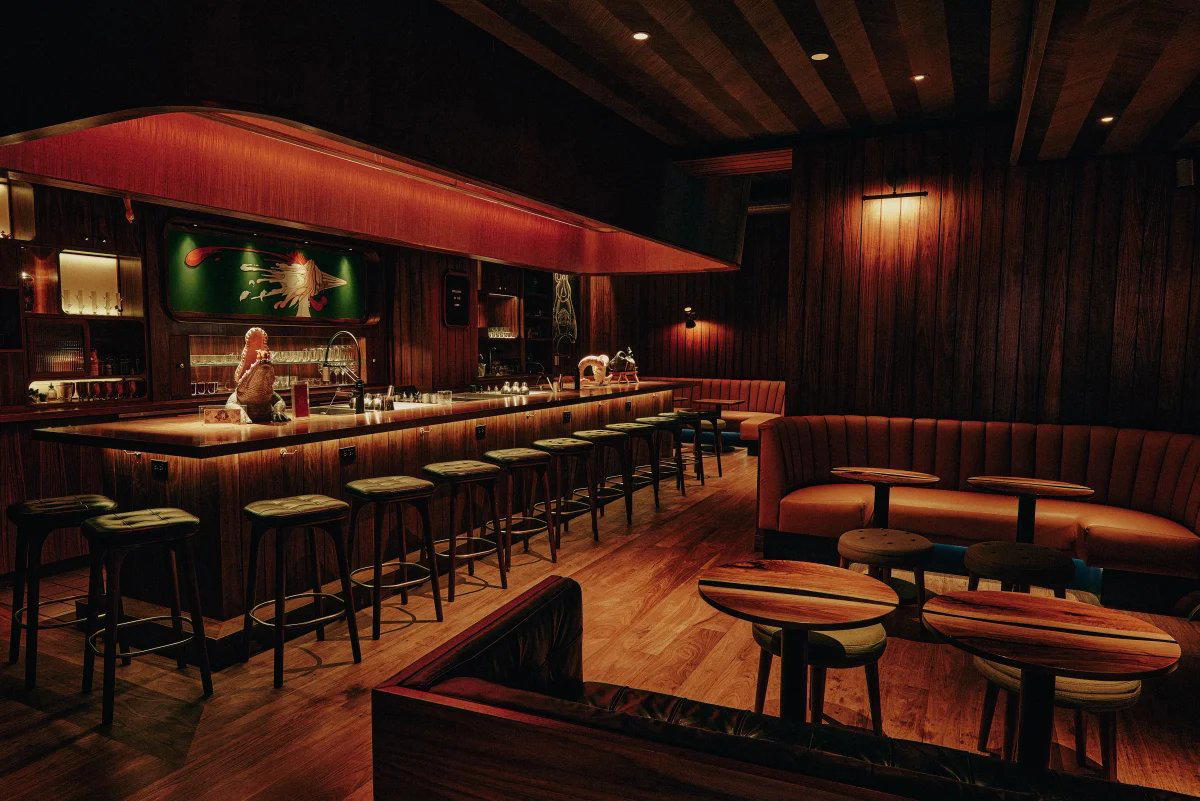
Bars in New York City
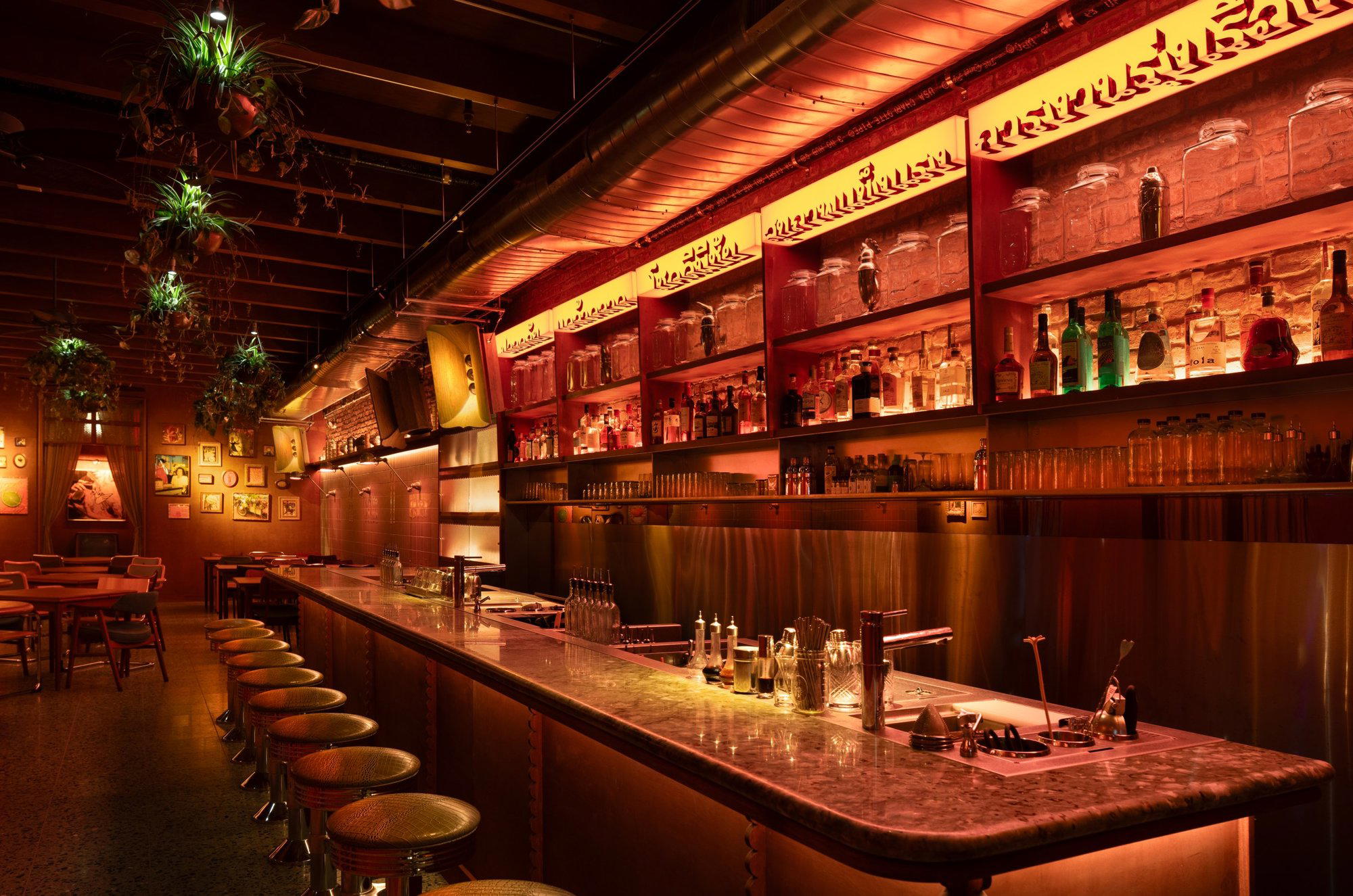
Browse all →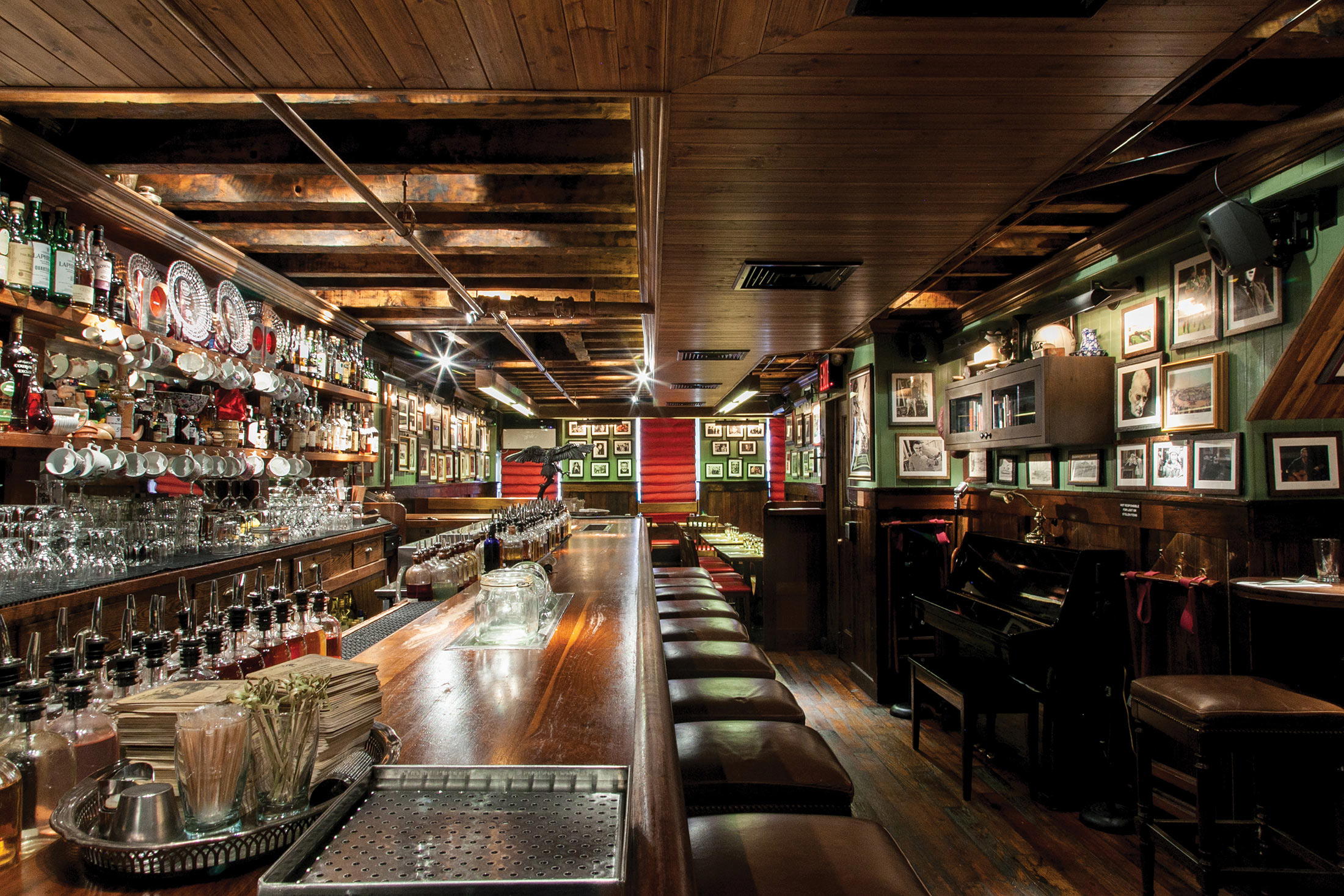
Hotels in New York City
Browse all →






At a Glance
- Modern
- Trendy
- Lively
- Brunch
- Group Dining
- Casual Hangout
- Open Kitchen
- Craft Cocktails
Current opening hours
- Monday
- 12–10 PM
- Tuesday
- 12–10 PM
- Wednesday
- 12–10 PM
- Thursday
- 12–10 PM
- Friday
- 12–11 PM
- Saturday
- 11 AM–11 PM
- Sunday
- 11 AM–10 PM
Hours can change for holidays and private events. Last verified .
Welcoming atmosphere with good music, lively mural over the bar, and a lively yet friendly vibe suitable for groups and casual dining.