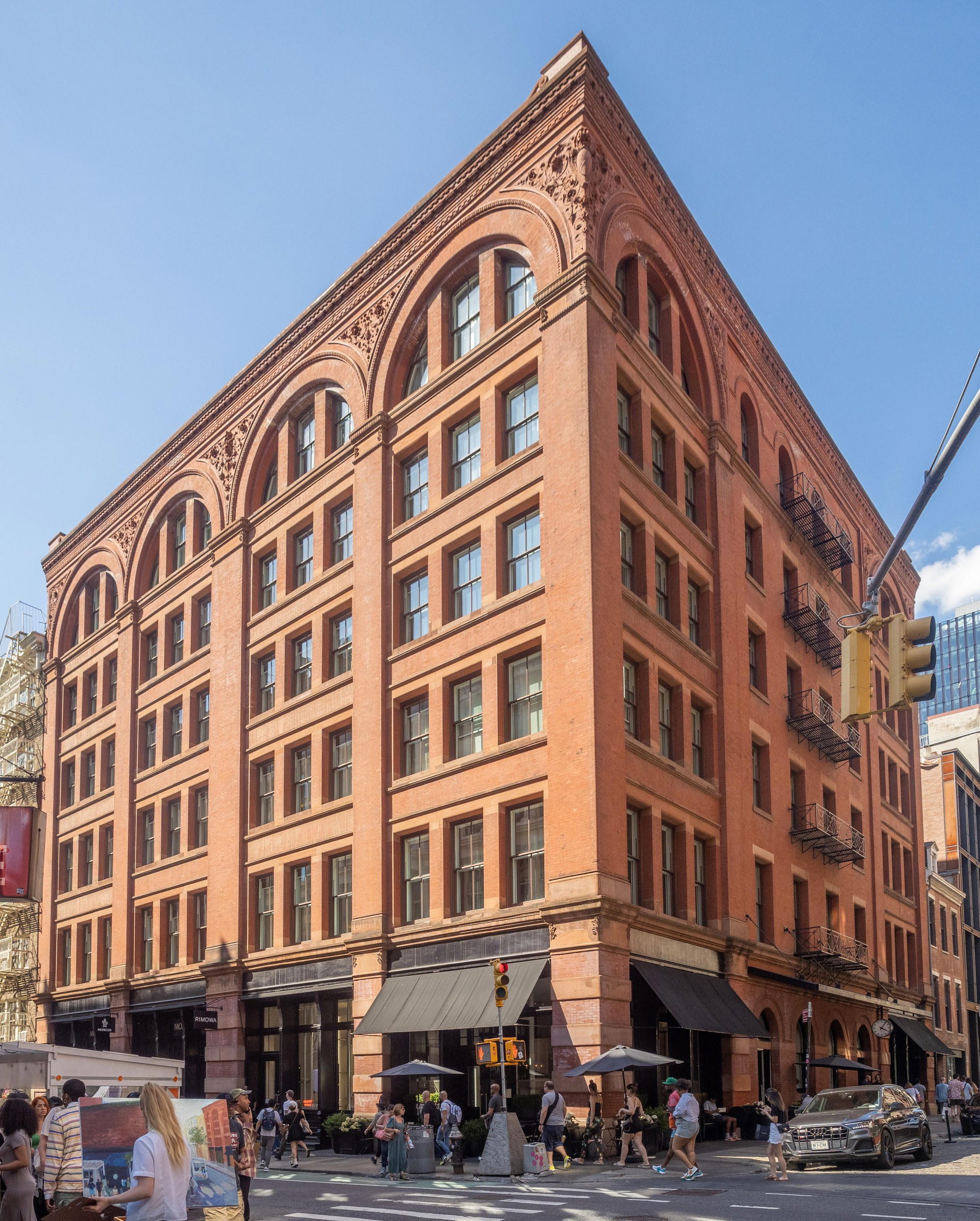
Tequila Chito's
Our verdict
Tequila Chito's occupies a corner of Chelsea's West 23rd Street with a focused approach to Mexican drinking culture that reads differently from the borough's more theatrical tequila bars. The address places it within walking distance of the High Line corridor, where neighborhood bars increasingly compete on specificity rather than volume. Booking details and hours are best confirmed directly with the venue before visiting.

Pearl is the En Primeur Club membership app, where members save venues, book tables and use the concierge.

The menu
What to order
- Guacamole (table-side prepared)
- Fish Tacos
- Bistek Veracruzano
- Chicken Mole
Chelsea's Tequila Bar in Context
New York's Mexican spirits scene has fractured into distinct tiers over the past decade. At one end sit the high-volume margarita bars designed for throughput; at the other, a smaller cohort of agave-focused operations where the conversation centers on production method, region of origin, and the relationship between terroir and distillation. Tequila Chito's, at 358 West 23rd Street in Chelsea, positions itself within the latter register. The address alone signals something: West Chelsea draws a crowd with specific tastes, one that has already self-selected away from tourist-corridor drinking and toward neighborhood bars with a point of view.
Chelsea's bar character has shifted considerably since the gallery district consolidated around the High Line corridor. The neighborhood now supports a range of drinking establishments that reflect the demographic mix of art-world professionals, long-term residents, and visitors with an appetite for specificity over spectacle. In that context, a bar anchored to a single spirits category carries a kind of editorial logic: the menu is a position, not a list.
The Agave Tradition and Why It Matters Here
Tequila as a category carries more production complexity than its reputation in American bar culture typically suggests. The blue agave plant used for tequila requires seven to ten years of maturation before harvest, and the distinctions between blanco, reposado, añejo, and extra añejo reflect not just age but the evolution of the spirit's flavor architecture under wood influence. A bar organized around tequila is, at its finest, organized around time: the time the plant takes to grow, the time the spirit spends in barrel, and the time it takes a drinker to understand what they're tasting.
This framework places Tequila Chito's in a broader national conversation about agave literacy. Across American cities, bars that once treated tequila as a mixer category have begun approaching it with the same seriousness applied to whiskey or Cognac, building programs around producer relationships, highland versus lowland distinctions, and the differences between traditional and industrial production. New York has been slower to this than, say, the bar scenes in Los Angeles or San Antonio, which carry more geographic and cultural proximity to the source regions. That relative scarcity makes a focused tequila operation in Manhattan a more specific proposition than it might appear.
The EA-GN-15 lens applies directly here: the intersection of imported Mexican technique and local New York drinking culture produces something distinct from either tradition in isolation. A blanco poured in Jalisco is consumed in context, surrounded by the culture and climate that produced it. The same spirit poured in Chelsea arrives with different expectations, different food pairings, and a different conversation. What a bar like Tequila Chito's does, at its finest, is bridge that gap, providing enough context for the spirit to carry its own meaning rather than simply functioning as delivery mechanism for lime and salt.
The Chelsea Address and What It Implies
West 23rd Street between Eighth and Ninth Avenues sits within a stretch of Chelsea that mixes residential density with commercial continuity. The High Line terminus at 34th Street draws foot traffic northward, but the blocks around 23rd have maintained a neighborhood cadence distinct from the more tourist-oriented corridors closer to the park. For a bar that depends on repeat custom and genuine agave interest rather than novelty tourism, that address represents a deliberate positioning: close enough to the gallery district and Hudson Yards to draw educated drinkers, far enough from Midtown to filter out the purely transactional visit.
For comparison, New York's top-tier dining operations in the area serve different functions entirely. Restaurants like Le Bernardin, Per Se, and Masa operate at the $$$$ tier with months-long booking windows and formal dress expectations. Korean-progressive establishments like Atomix and Jungsik New York occupy a similar altitude. Tequila Chito's operates in an entirely different register: the neighborhood spirits bar, where the currency is knowledge and consistency rather than ceremony. These are not competing propositions but complementary ones within the city's dining and drinking ecosystem. See our full New York City restaurants guide for the broader picture.
Agave Programs Across the American Scene
To understand what a dedicated tequila bar represents in 2024, it helps to look at how spirits-forward programming has developed across the country's most ambitious dining rooms. Destination restaurants like Alinea in Chicago, The French Laundry in Napa, and Single Thread Farm in Healdsburg have built beverage programs that treat spirits with the same rigor applied to wine lists, curating by producer and method rather than simply by category. Blue Hill at Stone Barns in Tarrytown has pushed the local-ingredient dimension of the beverage equation further than almost any comparable American operation.
Operations like Lazy Bear in San Francisco, Emeril's in New Orleans, Providence in Los Angeles, Addison in San Diego, Bacchanalia in Atlanta, and The Inn at Little Washington represent the broader American fine dining conversation, one increasingly attentive to provenance across food and drink alike. Internationally, 8 1/2 Otto e Mezzo Bombana in Hong Kong and Alain Ducasse at Louis XV in Monte Carlo demonstrate how producer-sourced beverage programs operate at the highest service tier globally. Tequila Chito's doesn't compete in that league by price or format, but it participates in the same underlying conversation: where does what's in the glass come from, and does the bar have anything coherent to say about it?
Planning Your Visit
Frequently Asked Questions
- What should I eat at Tequila Chito's?
- Is Tequila Chito's reservation-only?
- What has Tequila Chito's built its reputation on?
- What if I have allergies at Tequila Chito's?
- Is Tequila Chito's overpriced or worth every penny?
- Does Tequila Chito's focus on a particular style or region of tequila production?
Frequently asked questions
Where do I go for Tequila Chito's?
Tequila Chito's is located at 358 W 23 St, New York, NY 10011, New York City.
Does Tequila Chito's focus on tequila only, or does it also carry mezcal and other agave spirits?
While Tequila Chito's name references tequila specifically, agave spirits bars in New York City increasingly build programs that span the broader category, including mezcal, raicilla, and sotol, given growing consumer interest in production-distinct expressions beyond blue agave. Whether the Chelsea location follows that model or maintains a tequila-centric focus is best confirmed directly with the venue at 358 West 23rd Street, New York, NY 10011.
What should I eat at Tequila Chito's?
Given the bar's agave-forward focus, the food program likely supports the spirits rather than competing with it, think snacks and small plates calibrated to tequila and mezcal.
Is Tequila Chito's reservation-only?
Booking policies for Tequila Chito's have not been confirmed through our current sources. Chelsea bars in this category operate across a range of formats, from walk-in only to partial reservation systems for larger groups. Contact the venue at 358 West 23rd Street, New York, NY 10011 to confirm current availability.
What has Tequila Chito's built its reputation on?
Tequila Chito's occupies a specific position in New York City's agave spirits scene: a Chelsea address dedicated to tequila at a moment when the category's production complexity is finally getting serious bar treatment in the United States. Its reputation appears rooted in spirits-forward programming rather than high-volume margarita service, which places it in a different tier from the city's broader Mexican cocktail bar circuit.
What if I have allergies at Tequila Chito's?
For a venue focused on agave spirits, the primary consideration for most guests will be sulfite sensitivity or reactions to agave-derived products. Reach out directly to the bar at 358 West 23rd Street before your visit to confirm what the kitchen and bar team can accommodate.
Is Tequila Chito's overpriced or worth every penny?
In New York City's spirits bar market, a dedicated agave program with serious tequila and mezcal selection typically commands a premium over standard cocktail bar pricing, reflecting the cost of quality agave spirits at the producer level. Whether that pricing feels proportionate will depend on the depth of the pour list and the knowledge behind the bar.
Booking and Cost Snapshot
Comparable venues nearby, for context on price, style, and recognition.
| Venue | Cuisine | Price | Notes |
|---|---|---|---|
| Tequila Chito'sThis venue (the venue you are viewing) | Traditional Mexican Grill | $20–30 | Not listed |
| Mezcal's | Authentic Mexican | $20–30 | Park Slope, Authentic Mexican |
| Spanglish NYC Astoria | Modern Mexican Taqueria | $30–50 | Astoria (North)-Ditmars-Steinway, Modern Mexican Taqueria |
| Fonda | Contemporary Mexican | $30–50 | Chelsea-Hudson Yards, Contemporary Mexican |
| Javelina | Authentic Tex-Mex | $30–50 | Gramercy, Authentic Tex-Mex |
| B'KLYN BURRO | SF Mission-Style Burritos | $10–20 | Clinton Hill, SF Mission-Style Burritos |