La Muse Bouche sits on the Grande Rue in Poligny, a town whose identity is built on Comté cheese and the Jura's distinctive wine culture. The address places it at the intersection of two serious French provincial food traditions, and the surrounding countryside provides the sourcing context that provincial French kitchens have always depended on. For the region's dining scene, that provenance is the whole argument.
 Discover on Pearl
Pearl is the En Primeur Club membership app — saves, bookings, and concierge access live there. Same editors, same standards.
- Address
- 60 Grande Rue, 39800 Poligny, France
- Phone
- +33384371388
- Website
- la-muse-bouche.fr
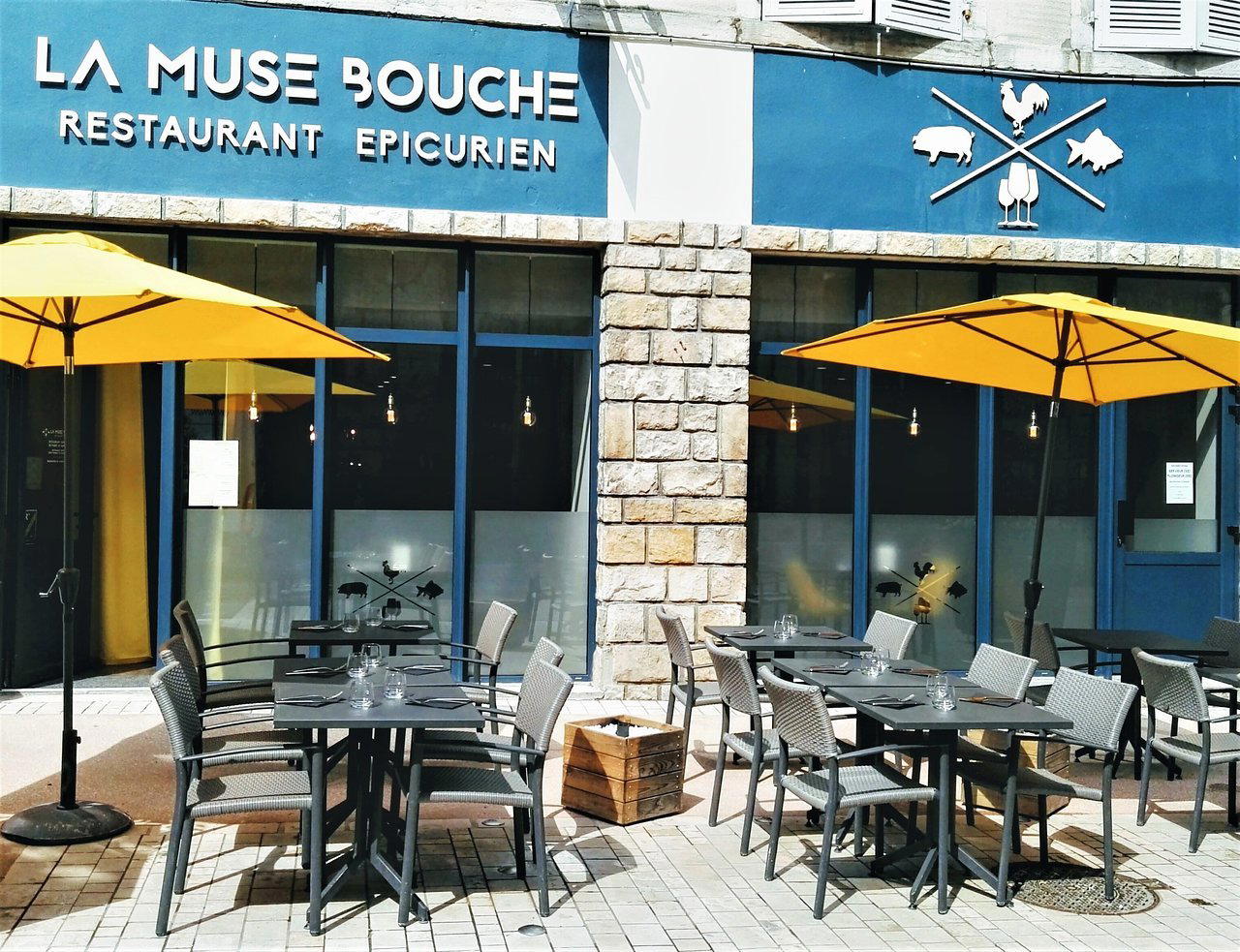
Where Jura Provenance Does the Heavy Lifting
La Muse Bouche is a French Regional Bistro at 60 Grande Rue, 39800 Poligny, France, serving around $35 per person in the Jura. Poligny does not announce itself loudly. The town of roughly four thousand people sits in the Jura foothills between Besançon and Lons-le-Saunier, better known to cheese specialists than to the broader food tourism circuit. It holds the designation as the capital of Comté, producing the aged pressed cheese that represents one of France's most structurally serious AOC products. The milk comes from Montbéliarde and French Simmental cattle grazing pastures under strict feed protocols; the wheels age in affinage cellars that treat cheese with the same patience applied elsewhere to wine. A restaurant operating on the Grande Rue here inherits that sourcing context whether it chooses to or not.
La Muse Bouche occupies number 60 on that main street, in a setting defined by the quiet, functional architecture of a working Jura market town rather than by the groomed village aesthetics that draw weekend tourists to Burgundy. That distinction matters editorially. The restaurants drawing the loudest attention across provincial eastern France, Flocons de Sel in Megève or Georges Blanc in Vonnas, operate in towns shaped significantly by hospitality as an industry. Poligny is shaped by agriculture and small-scale production. A kitchen here draws from a raw-material culture rather than a resort culture, and that starting point tends to produce different priorities on the plate.
The Jura Table and Its Sourcing Logic
The broader Jura tradition in cooking rewards understanding before arrival. The region's larder is specific: Comté in its various ages, Morbier with its ash seam, the blue of Bleu de Gex from the higher plateau. Alongside dairy, the forests provide morels in spring and cèpes through autumn, while the river systems carry trout and crayfish that appeared on Jura tables long before farm-to-table became a marketing phrase. Vin Jaune, made from Savagnin grapes and aged under a yeast veil in small barrels for a minimum of six years and three months, produces a wine of extraordinary textural and oxidative character that functions both as a cooking medium and a pairing vehicle unlike anything produced in neighboring Burgundy.
This is the sourcing tradition that gives a Poligny kitchen its natural vocabulary. The comparison point here is not the grand boulevard restaurants of Paris, not Alléno Paris au Pavillon Ledoyen with its technical modernism, nor the classical precision of a room like Assiette Champenoise in Reims. The relevant frame is the category of French provincial kitchens that treat regional ingredient identity as a structural principle rather than a decorative one. Bras in Laguiole works within that tradition at its most philosophically developed form; closer to Poligny's scale, the model is a cuisine that expresses geography through specificity of ingredient rather than through the elaboration of technique.
Positioning in the Provincial French Dining Scene
France's provincial fine dining has been fragmenting interestingly for the past decade. The older model, the multi-generation family auberge accumulating Michelin stars across decades, the kind of institution represented by Auberge de l'Ill in Illhaeusern or the historical weight of Paul Bocuse - L'Auberge du Pont de Collonges, coexists now with a newer tier of smaller, less decorated restaurants that operate on tighter sourcing networks and shorter menus. The eastern French corridor running through Alsace, Franche-Comté, and the Jura has its own version of this split.
Poligny sits outside the obvious pilgrimage circuit that routes visitors from Lyon to Strasbourg, stopping at Au Crocodile or detouring toward Troisgros - Le Bois sans Feuilles in Ouches. That relative obscurity on the touring map is partly what defines the dining experience here: this is not a restaurant town in the way that Vonnas or Illhaeusern has become. A visitor arriving in Poligny is arriving for the Comté caves, the Jura wine appellations, and a broader agricultural landscape rather than for a specific table. La Muse Bouche operates in that context, serving a local and regional clientele alongside the slower flow of informed food travellers who reach the town deliberately.
For visitors building a broader eastern France itinerary, the surrounding geography offers a logical sequence. The route south from Poligny through the Jura toward the Alps eventually connects to the mountain kitchens of Savoie; heading northwest traces the vineyards of the Côte Chalonnaise into Burgundy proper. Each direction offers its own sourcing logic and its own dining register, from the coastal-influenced precision of a room like Christopher Coutanceau in La Rochelle at one end of the French spectrum to the garden-driven creativity of Mirazur in Menton at the Mediterranean extreme.
Planning a Visit to La Muse Bouche
Poligny is accessible by train from Besançon Franche-Comté TGV station, which connects to Paris Gare de Lyon in under two hours. The town itself is compact enough to reach the Grande Rue on foot from the station. Given the limited public information available on La Muse Bouche's hours, booking system, and price structure, contacting the restaurant directly before visiting is advisable; in a town of this scale, restaurants often operate with reduced service days or seasonal breaks that are not reflected in third-party listing data. The Jura's primary tourist season tracks with summer and the autumn harvest period, when Comté caves and local wine producers are most active.
Side-by-Side Snapshot
Comparable venues nearby, for context on price, style, and recognition.
| Venue | Cuisine | Price | Awards | Notes |
|---|---|---|---|---|
| La Muse BoucheThis venue — the venue you are viewing | French Regional Bistro | $$$ | , | |
| Atelier de Candale | Seasonal French wine‑country restaurant in the vineyards | $$$ | , | Saint-Laurent-des-Combes / Saint-Émilion vineyards |
| Moulin de Bourgchateau | Franco-Italian Bistro | $$$ | , | Louhans |
| L'AbenFant | Modern French Locavore Bistro | $$$ | , | old Dijon |
| LE GRAND JARDIN | Traditional Jura French | $$$ | , | Baume-les-Messieurs |
| The Garden of the bells | Modern French Bourgogne | $$$ | , | Place Darcy |
Continue exploring
More in Poligny
Restaurants in Poligny
Browse all →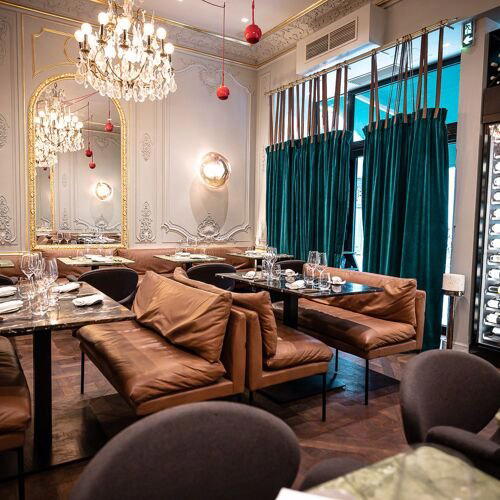
Hotels in Poligny
Browse all →
Wineries in Poligny
Browse all →
At a Glance
- Elegant
- Cozy
- Modern
- Romantic
- Date Night
- Special Occasion
- Terrace
- Natural Wine
- Local Sourcing
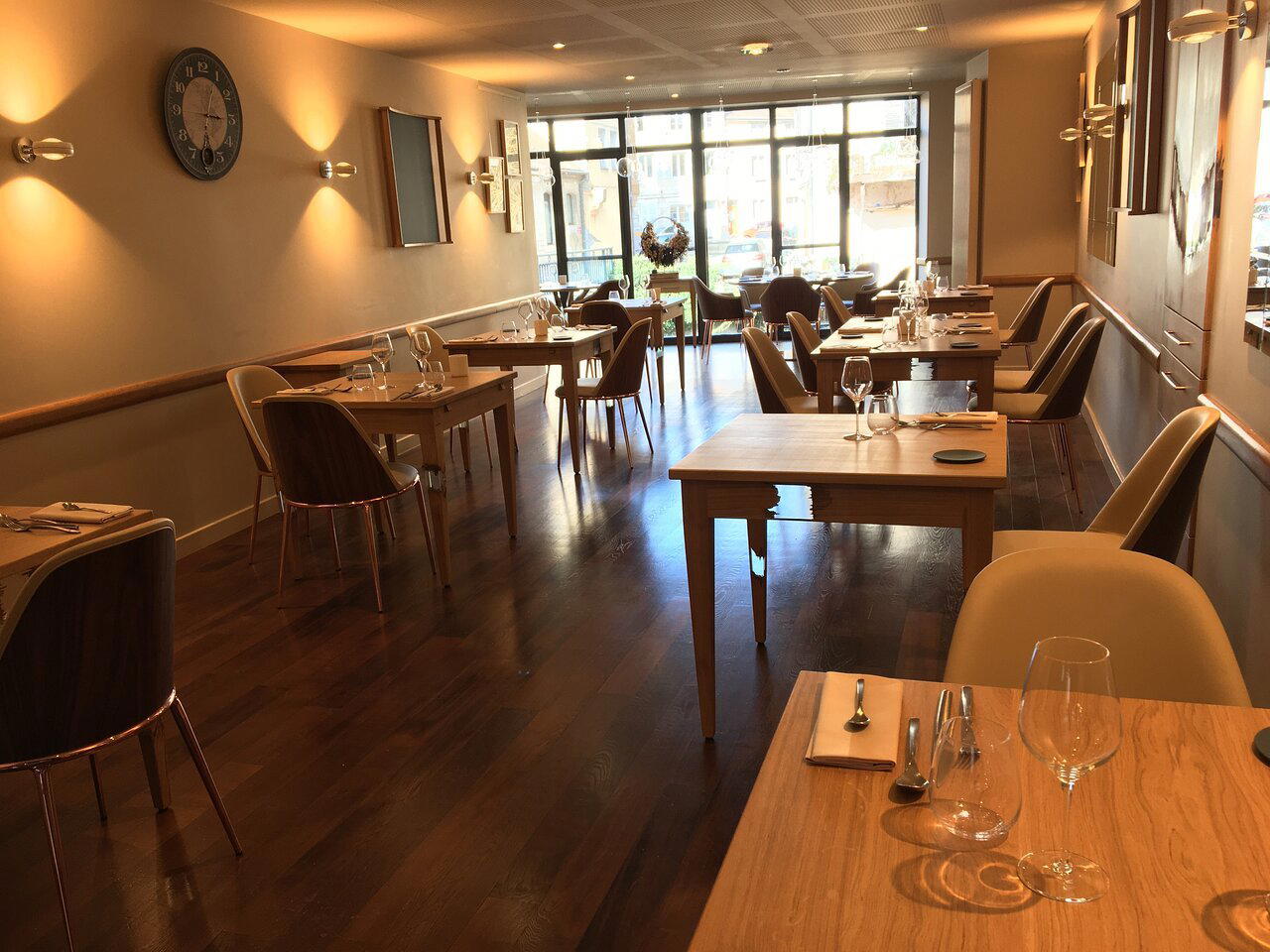
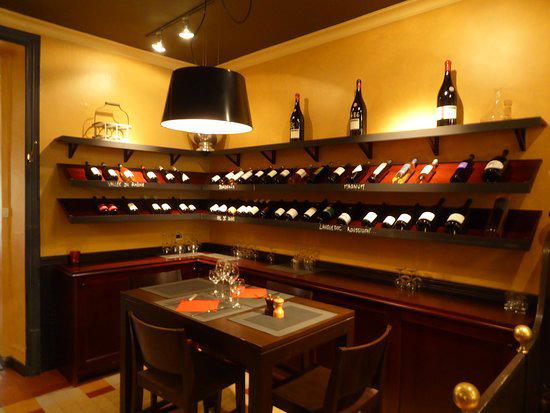
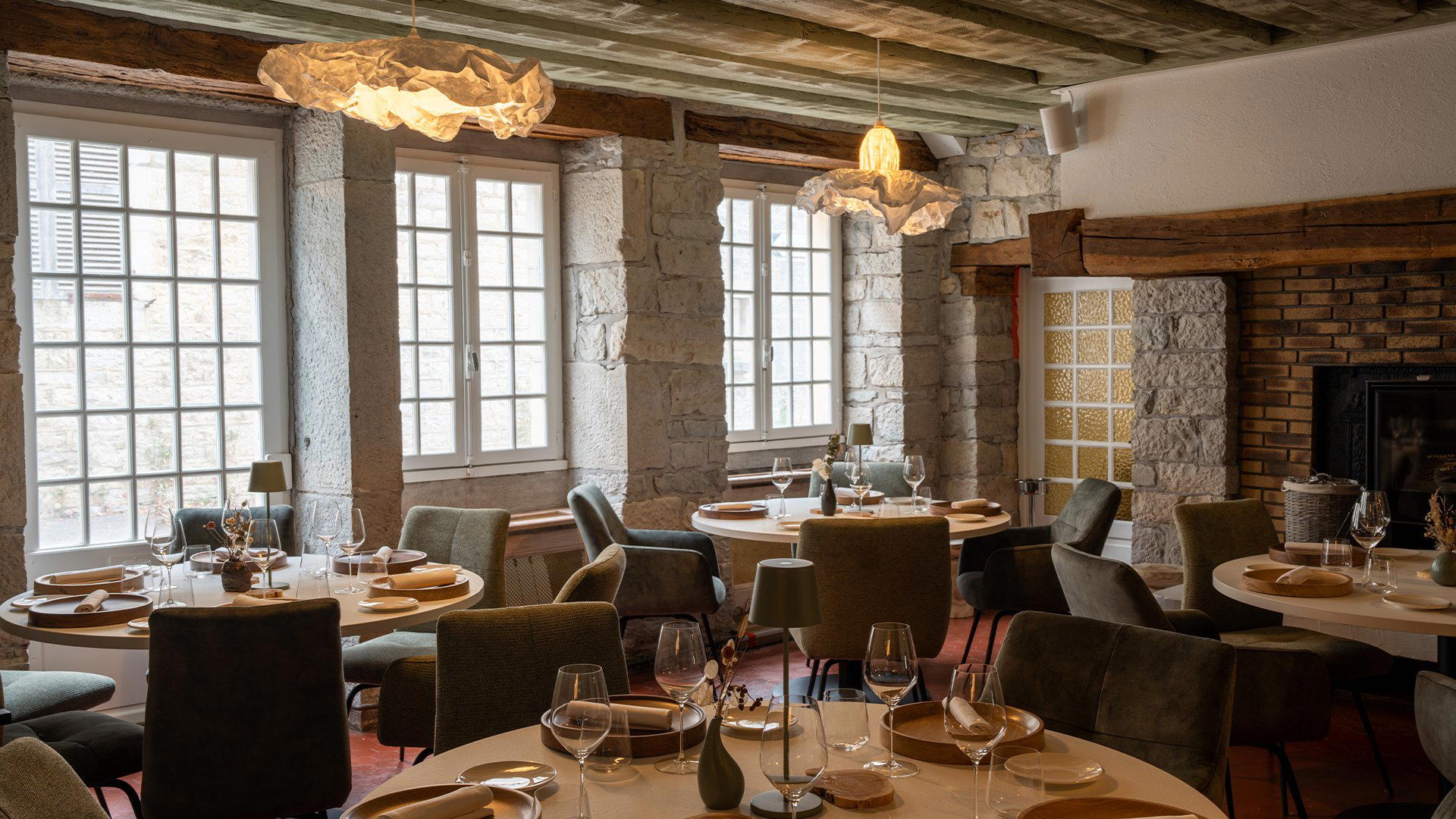
Pleasant place tastefully decorated, quiet establishment beautifully decorated with elegant and modern atmosphere.