On Carrer de Mallorca in the Eixample grid, La Muscleria has built a focused identity around mussels and Catalan coastal produce, applying considered technique to an ingredient that most of Barcelona's dining scene treats as an afterthought. The result is a neighbourhood address that punches above its apparent simplicity, drawing regulars from across the city rather than just the surrounding blocks.
Pearl is the En Primeur Club membership app — saves, bookings, and concierge access live there. Same editors, same standards.
- Address
- Carrer de Mallorca, 290, Eixample, 08037 Barcelona, Spain
- Phone
- +34934589844
- Website
- muscleria.com
- Directions
- Get directions
 Saves & bookings on Pearl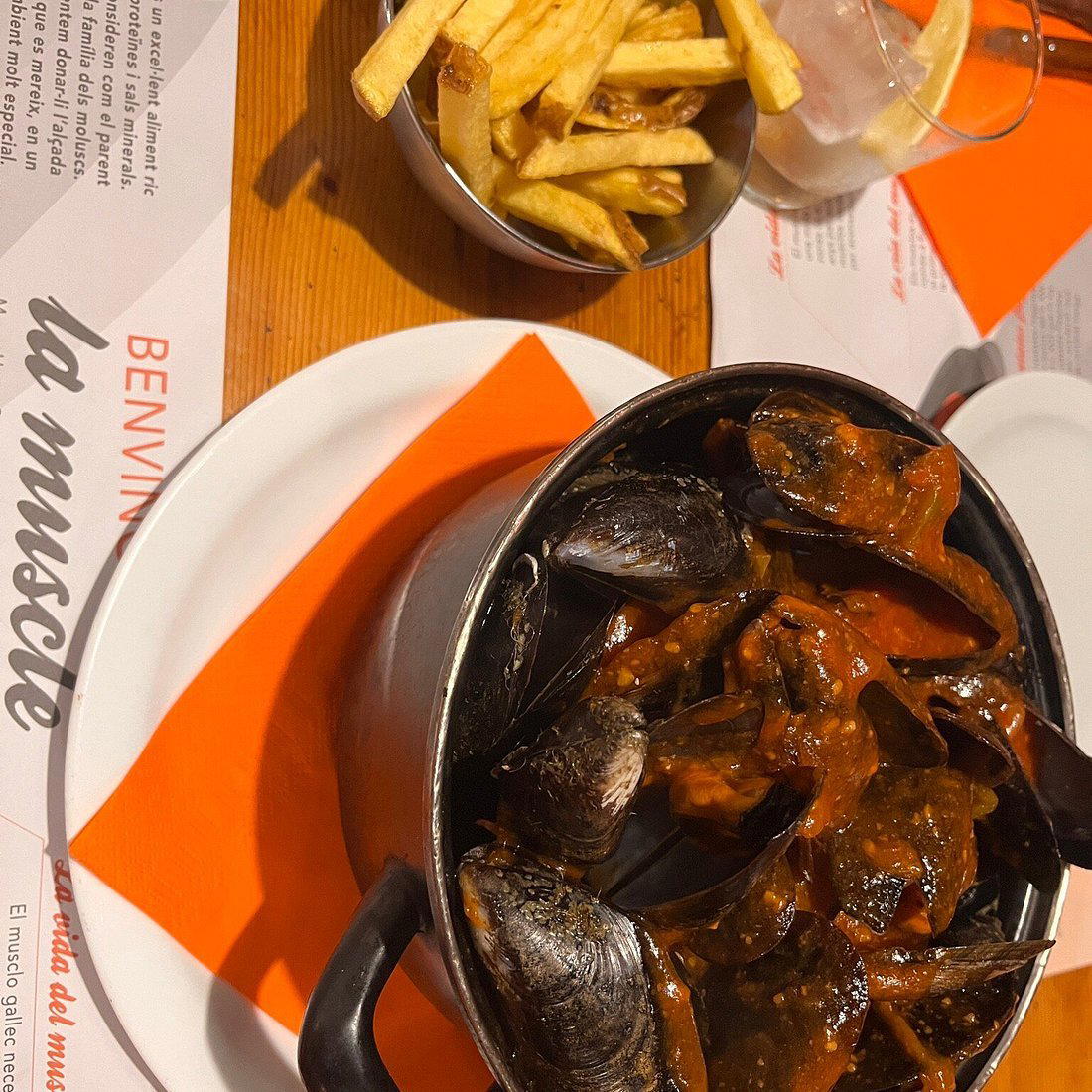
Where the Eixample Grid Meets the Catalan Coast
The Eixample district was designed in the 1850s by Ildefons Cerdà as a rational, orderly expansion of Barcelona, wide octagonal blocks, uniform cornice heights, a repeating geometry that makes it among the more legible urban grids in Europe. What Cerdà could not have planned for is what those blocks would eventually contain: a dining scene that ranges from Michelin-starred creative kitchens like ABaC and Lasarte to tight neighbourhood specialists with a single, unwavering focus. La Muscleria, a mussel and seafood specialist at Carrer de Mallorca, 290, Barcelona, sits firmly in the second category. The street runs east to west through the heart of the district, lined with the kind of mid-century apartment facades that give Eixample its particular urban density. Walk the block and you pass patisseries, wine shops, the odd pharmacy, a residential texture that the more tourist-facing parts of Barcelona have largely lost. La Muscleria exists within that texture rather than against it.
A Single Ingredient, Taken Seriously
Spain's relationship with bivalves is long and commercially significant. The Galician rías produce some of Europe's most prized mussels, farmed on floating platforms called bateas that have operated in roughly the same form since the mid-twentieth century. Catalan cuisine has its own shellfish traditions, the fish markets at La Barceloneta and the broader Mediterranean coastline supply restaurants across the region, but the mussel rarely receives the dedicated kitchen attention that, say, oysters command in Atlantic France or clams do in Basque country. La Muscleria's premise is to take that gap seriously. A specialist address built around a single product occupies a niche that broader Spanish fine dining largely ignores, placing it in a different conversation from the progressive tasting-menu format that defines restaurants like Disfrutar or Enigma.
Across Spain's higher-end dining circuit, from El Celler de Can Roca in Girona to Mugaritz in Errenteria, the dominant mode is conceptual ambition applied across a broad ingredient range. A narrower model, where technique is concentrated on one product category, requires a different kind of discipline. The closest comparison in Spanish seafood terms might be Aponiente in El Puerto de Santa María, where Ángel León's kitchen treats marine ingredients as the exclusive creative territory, though Aponiente operates at a completely different price point and format. La Muscleria's interest lies in what happens when that same spirit of single-source focus is applied at a neighbourhood scale.
Local Ingredients, Applied Method
The intersection of indigenous product and applied technique matters here. Catalan seafood cookery has deep roots in preparations like fideuà, suquets, and rice dishes built on shellfish stock, methods that extract maximum flavour from the ingredient rather than adorning it. When a kitchen specialises in mussels and applies those accumulated techniques with consistency, the result is a product story told through method. The broader Spanish seafood tradition supports this: the work of chefs like Ricard Camarena in València or Quique Dacosta in Dénia demonstrates how Mediterranean coastal produce can sustain serious creative and technical attention without abandoning its regional identity. The restaurant operates at a more modest register, but the underlying logic, technique in service of the ingredient, not the other way round, belongs to the same tradition.
That intersection of local product and considered method also places the restaurant in a category distinct from the fashion for imported cooking frameworks applied to Spanish produce. Across Barcelona's dining scene, there are restaurants drawing on Japanese precision or Nordic restraint as organising principles. The specialist mussel house is something different: a format with Mediterranean antecedents, where the cooking vocabulary is drawn from the same geography as the ingredient itself. For readers accustomed to tracking how technique travels, the way Basque influence shaped Arzak, or how French rigour informs Martín Berasategui, the restaurant represents the less-examined case: a kitchen drawing its method from the same coastal tradition that produced the product.
Barcelona's Specialist Dining Category
Barcelona has developed a clearer structure in its restaurant market. The creative tasting-menu format, represented by addresses like Cocina Hermanos Torres, commands premium pricing and long forward booking. Below that tier, the city's mid-market has fragmented into a range of specialists, natural wine bars, pintxos imports from the Basque Country, rice and seafood houses drawing on Valencian and Catalan traditions. The specialist is not a consolation format for those who cannot get a tasting-menu table; it is a distinct dining mode with its own logic and its own regulars. The restaurant belongs to that specialist category, where the clarity of the offer is part of the proposition.
The comparison set is instructive. In global seafood terms, specialist shellfish restaurants have their own tier: Le Bernardin in New York operates at the summit of the fine-dining seafood register, while Atomix in New York shows how a focused format can build sustained critical attention over time. The restaurant does not compete in that bracket, but it illustrates the same underlying principle: a narrow focus, executed with consistency, builds a more durable identity than a broader offer executed with less conviction. For visitors to Barcelona who have covered the creative tasting-menu circuit and want a different register, or locals looking for a reliable weekly address, the specialist mussel house on Carrer de Mallorca answers a specific question that the rest of the city's dining scene mostly leaves open. A broader survey of where the restaurant sits within Barcelona's restaurant categories is available in our full Barcelona restaurants guide.
Planning Your Visit
Carrer de Mallorca 290 sits in the northern Eixample, roughly between the Diagonal and the Gràcia border, a zone well served by metro (Verdaguer on lines L4 and L5 is the closest stop) and with reasonable street access by foot from the Passeig de Gràcia corridor. The neighbourhood has a working-residential character that means the surrounding blocks are quieter in the early evening before the later Spanish dining hour picks up. Autumn and winter are the traditional peak season for Galician mussels: the bateas produce through the year, but the colder months bring firmer, more flavourful specimens, making October through February the period when a mussel-focused kitchen has much to work with. Regular opening hours are 12:30-4 PM and 7:15-11 PM daily. Reservations are recommended, and the price is about $20 per person.
City Peers
Comparable venues nearby, for context on price, style, and recognition.
| Venue | Cuisine | Price | Notes |
|---|---|---|---|
| La MuscleriaThis venue — the venue you are viewing | Mussel and Seafood Specialist | $$ | Not listed |
| Lascar 74 | Peruvian-Inspired Cevicheria with Fusion | $$ | el Poble Sec |
| Puertecillo Sagrada Familia | Fresh Seafood Market | $$ | la Sagrada Familia |
| El Glop Gaudí | Traditional Catalan | $$ | la Sagrada Familia |
| A Vocados | Mediterranean Flexitarian with Pizza & Poke | $$ | Sant Gervasi - Galvany |
| Elaichi Indian Restaurant | Traditional Indian | $$ | Sant Antoni |
Continue exploring
More in Barcelona
Restaurants in Barcelona
Browse all →
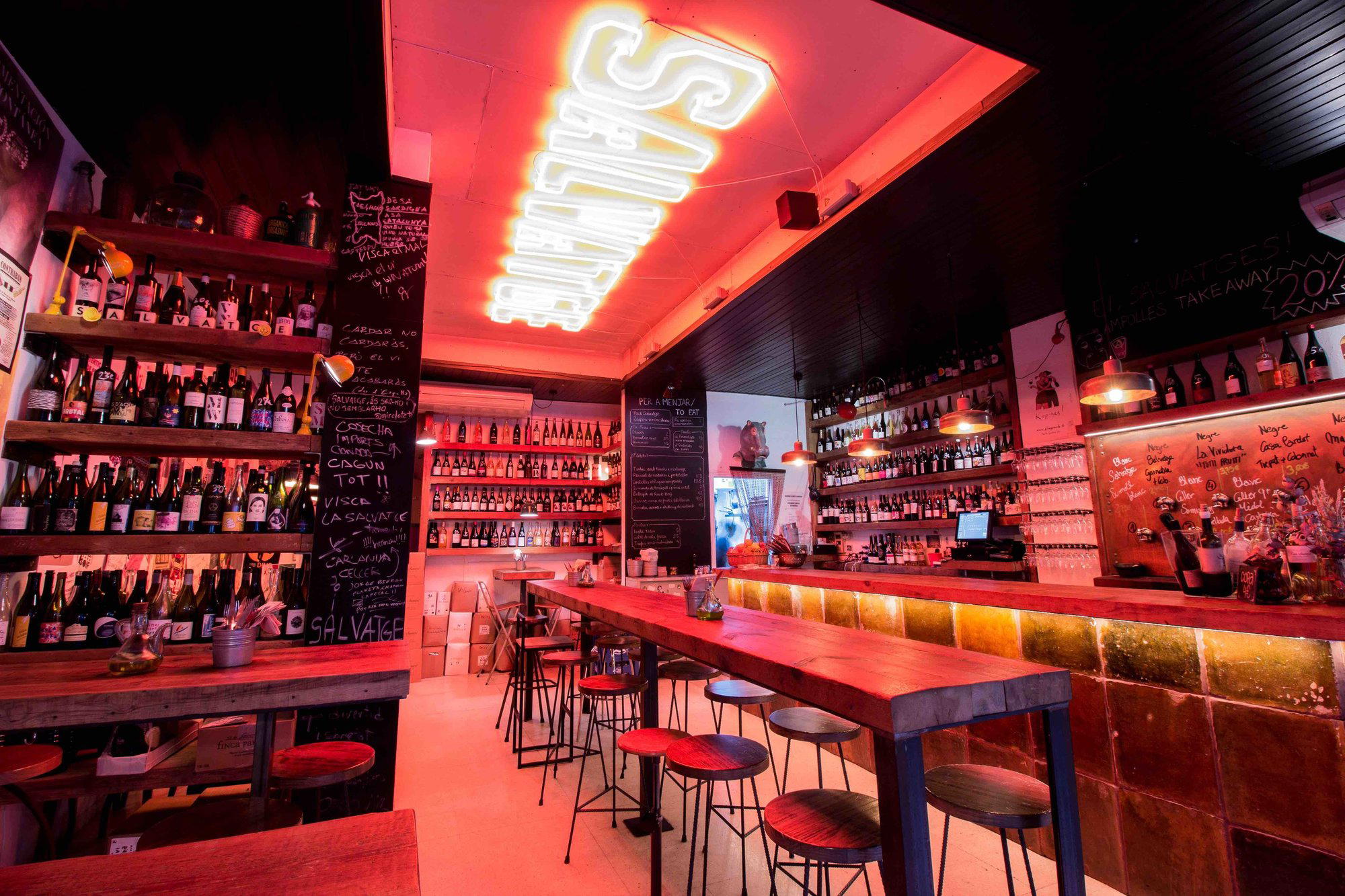
Bars in Barcelona
Browse all →
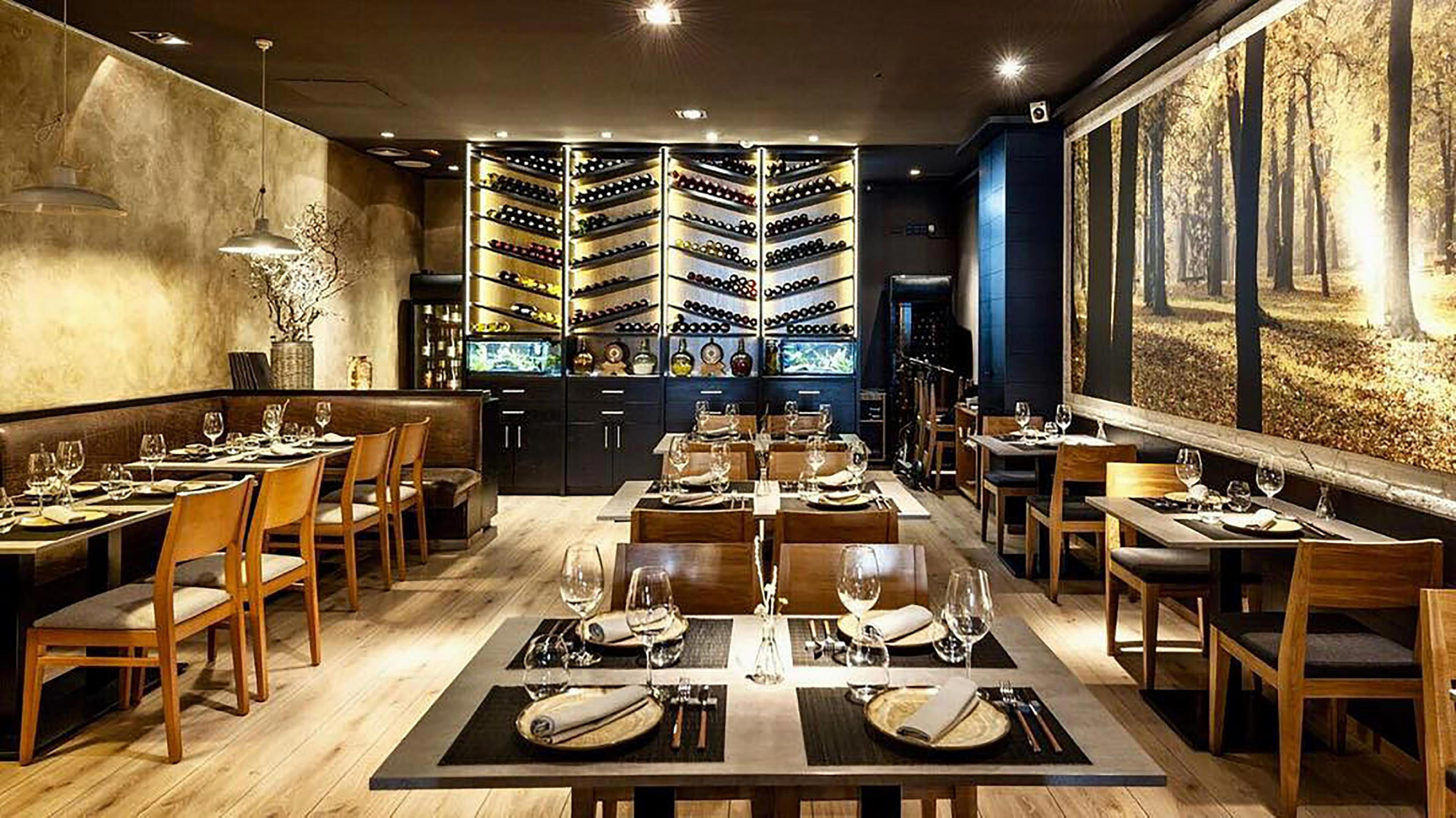
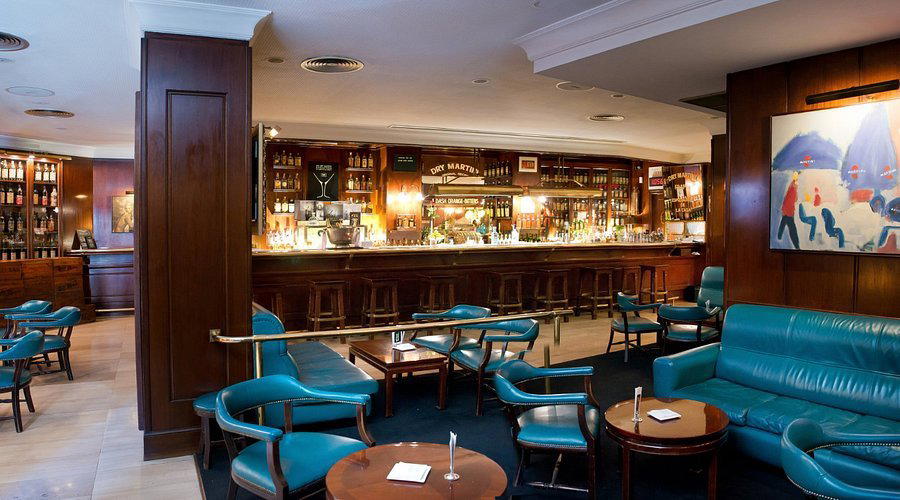
Hotels in Barcelona
Browse all →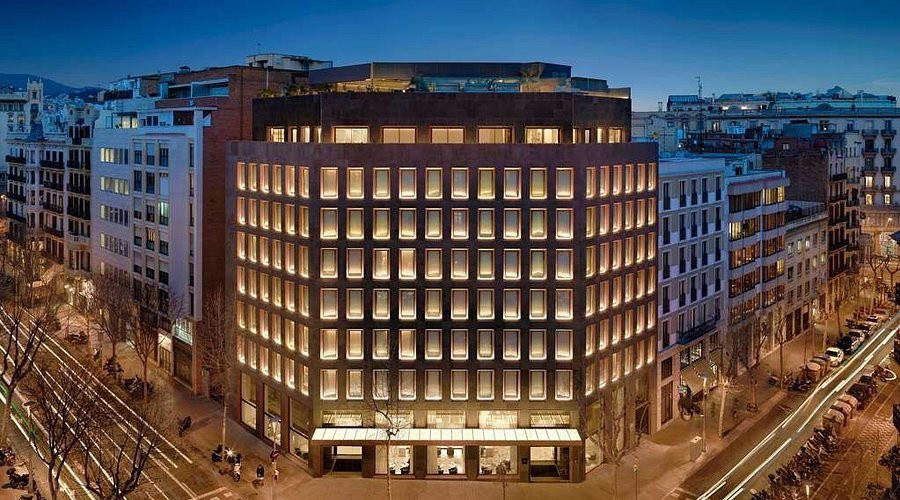
At a Glance
- Cozy
- Intimate
- Casual Hangout
- Family
- Date Night
- Open Kitchen
- Local Sourcing
Current opening hours
- Monday
- 12:30–4 PM, 7:15–11 PM
- Tuesday
- 12:30–4 PM, 7:15–11 PM
- Wednesday
- 12:30–4 PM, 7:15–11 PM
- Thursday
- 12:30–4 PM, 7:15–11 PM
- Friday
- 12:30–4 PM, 7:15–11 PM
- Saturday
- 12:30–4 PM, 7:15–11 PM
- Sunday
- 12:30–4 PM, 7:15–11 PM
Hours can change for holidays and private events. Last verified .
Simple, cozy decor in black and orange mussel colors with a welcoming, family-friendly atmosphere.