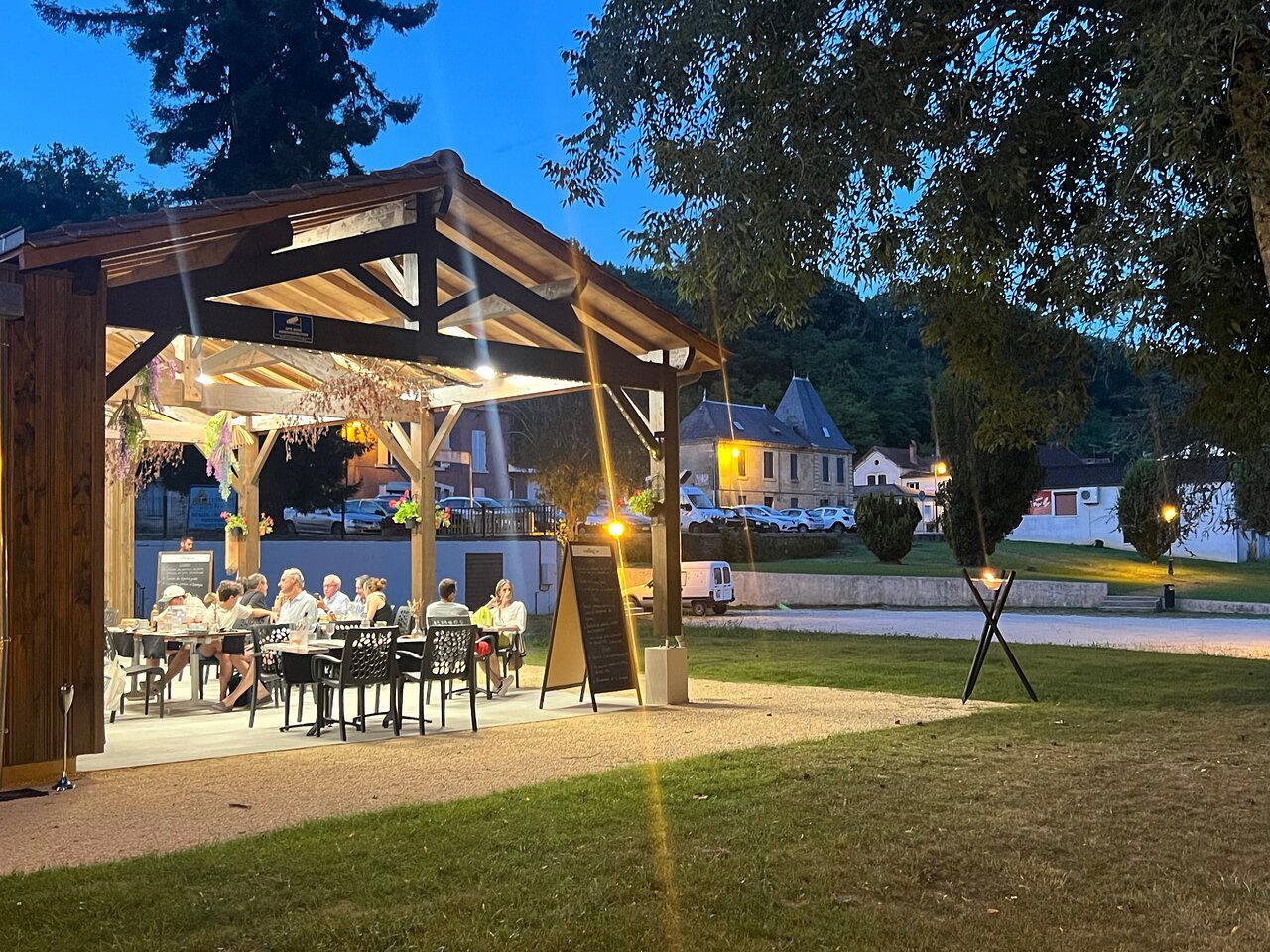
La Guinguette d'Aujourd'hui sits on the Grand Rue in Creysse, a small Dordogne village where the surrounding Périgord farmland shapes what lands on the plate. The address places it firmly in French provincial dining tradition, where sourcing proximity and seasonal rhythm matter more than metropolitan credentials. For visitors exploring the Dordogne's table, it represents a grounded, place-specific option.
 Discover on Pearl
Pearl is the En Primeur Club membership app — saves, bookings, and concierge access live there. Same editors, same standards.
- Address
- 14 Grand Rue, 24100 Creysse, France
- Phone
- +33524108587
- Website
- restaurant-daujourdhui.fr
Périgord at the Table: What Creysse's Position Means for the Plate
The Dordogne has long occupied a particular position in French provincial gastronomy. It is walnut-oil country, truffle country, duck-fat country, a region where the connection between landscape and plate is so direct that the ingredient itself tends to do the heavy editorial work. Restaurants in this part of France sit within a supply network that larger urban kitchens spend considerable effort trying to replicate. In Creysse, a village of fewer than five hundred residents set along the Dordogne River, that supply proximity is simply the operating condition. La Guinguette d'Aujourd'hui, at 14 Grand Rue, occupies that context.
This matters because ingredient sourcing in the Périgord is not a marketing posture, it is a structural reality. The markets at Bergerac and Sarlat-la-Canéda, both within reasonable reach of Creysse, draw producers from surrounding farms and estates that supply the regional restaurant circuit. Duck confit, foie gras, walnuts, cèpes, and black truffles from the Périgord Noir all move through channels that favour local establishments. A kitchen operating at this address has access to a supply chain that French regional restaurants in other parts of the country would struggle to match. Compare that to the metropolitan model: at Alléno Paris au Pavillon Ledoyen in Paris, the sourcing logic requires deliberate construction. In Creysse, the sourcing logic is geographical default.
Provincial Dining in the Dordogne: A Competitive and Culinary Frame
French provincial fine dining outside major cities operates in a different register from its Parisian or Riviera counterparts. The room is often smaller, the formality lower, and the kitchen's relationship with the surrounding territory more immediate. Some of France's most consequential restaurants occupy precisely this format. Bras in Laguiole and Auberge du Vieux Puits in Fontjoncouse both demonstrate that deep rural placement and genuine culinary ambition are not in tension. Auberge de l'Ill in Illhaeusern and Georges Blanc in Vonnas similarly anchor major reputations to small-village addresses.
The Dordogne specifically has a layered dining culture. At the upper end, destination restaurants draw visitors willing to plan an entire trip around a table. Below that tier sits a broader category of address-specific, ingredient-led kitchens that serve the region's substantial tourism population alongside local regulars. Creysse's position on the Dordogne River, between Bergerac and Souillac, places it within reach of both markets. La Guinguette d'Aujourd'hui addresses that geography at 14 Grand Rue, in the kind of village-centre placement that signals a local clientele as primary audience rather than destination seekers as the core demographic.
That distinction matters for how you read the experience. Where Mirazur in Menton operates explicitly as an international destination, and where Flocons de Sel in Megève positions itself within the luxury Alpine circuit, restaurants of Creysse's scale and positioning function differently. Their authority comes from fidelity to place, not from accumulation of international recognition. That is a durable form of culinary credibility.
Why Sourcing Geography Shapes the Menu Logic Here
The Périgord's ingredient calendar is unusually specific. Black truffles from the Périgord Noir peak between December and March. Cèpes appear in autumn. Duck and its derivatives, confits, rillettes, magret, run year-round but are at their most significant in colder months when the regional food culture turns inward. Walnuts from the AOC-designated Noix du Périgord arrive in autumn and press into oils that define the regional cooking fat hierarchy.
For a kitchen operating in Creysse, this calendar is not abstract. It shapes what the menu can credibly offer and when. The seasonal rhythm here is tighter than in cities where refrigeration logistics and import capacity can buffer a kitchen against the actual growing season. In that sense, the Dordogne's ingredient geography enforces a discipline that more deliberately ingredient-focused establishments elsewhere, such as La Marine in Noirmoutier-en-l'île, which anchors its entire program to Atlantic coastal supply, arrive at through editorial choice rather than structural necessity.
A table in truffle season reads differently from one in midsummer, and the price and menu construction may shift accordingly. This is not unique to La Guinguette d'Aujourd'hui, it applies across the Périgord dining circuit, but it is particularly relevant to any kitchen working this closely with its immediate supply environment.
Planning a Table in Creysse
Creysse sits roughly between Bergerac to the west and Souillac to the east, accessible by road along the Dordogne valley. The village has no train station of its own; Bergerac is the nearest rail connection with links to Bordeaux. For visitors basing themselves in Bergerac, the drive is under thirty minutes. Sarlat-la-Canéda, one of the region's primary tourism hubs and a natural base for Dordogne exploration, is approximately forty-five minutes east.
Prospective diners are advised to approach booking through direct enquiry or via local tourism offices in Bergerac or the Dordogne department. Contact details often circulate through local accommodation networks, and enquiring at a nearby hotel or chambre d'hôtes will often produce a current phone number or reservation contact.
For broader context on French restaurant traditions across different categories and price points, the range covered in our editorial extends from Paul Bocuse - L'Auberge du Pont de Collonges in Collonges-au-Mont-d'Or and Troisgros - Le Bois sans Feuilles in Ouches at the established institutional end, through coastal specialists like Christopher Coutanceau in La Rochelle, to more conceptually driven addresses such as AM par Alexandre Mazzia in Marseille and Assiette Champenoise in Reims. For international reference points on ingredient-led cooking at high ambition, Le Bernardin in New York City and Atomix in New York City represent the American end of the sourcing-discipline conversation, while Au Crocodile in Strasbourg and L'Oustau de Baumanière in Les Baux offer useful French provincial comparators.
Side-by-Side Snapshot
Comparable venues nearby, for context on price, style, and recognition.
| Venue | Cuisine | Price | Awards | Notes |
|---|---|---|---|---|
| Restaurant d'Aujourd'huiThis venue — the venue you are viewing | Modern French Bistro with Périgord influences | $$$ | , | |
| Momento | Modern French-Mexican Fusion | $$$ | Bué | |
| Effet Maison | Traditional French Bistro with Local Terroir Focus | $$$ | , | Monflanquin bastide |
| Le Clos du Roy | Modern French Gastronomic | $$$ | , | Saint-Emilion village |
| Le Moulin Du Grand Etang | Modern French Bistronomie | $$$ | , | Saint-Estèphe |
| Restaurant Ròda | French Gastronomic | $$$ | , | Champagnac de Belair |
Continue exploring
More in Creysse
Restaurants in Creysse
Browse all →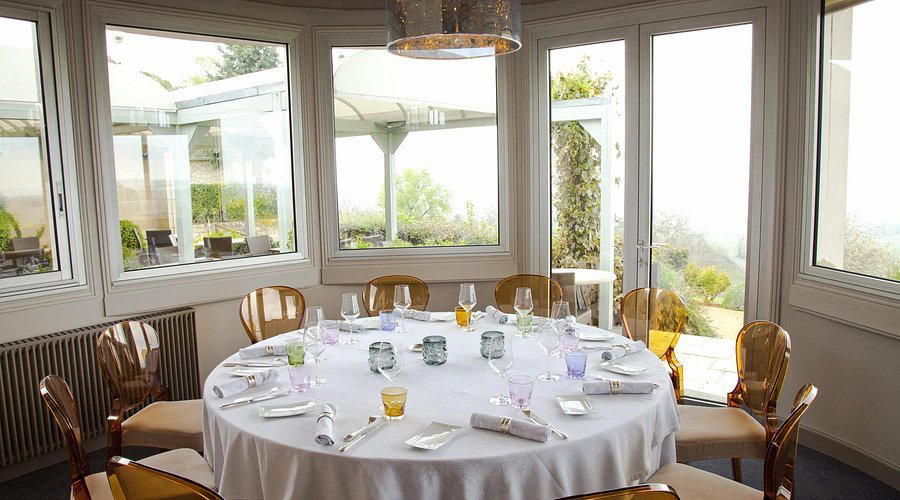
At a Glance
- Cozy
- Rustic
- Scenic
- Elegant
- Date Night
- Family
- Casual Hangout
- Terrace
- Waterfront
- Local Sourcing
- Waterfront
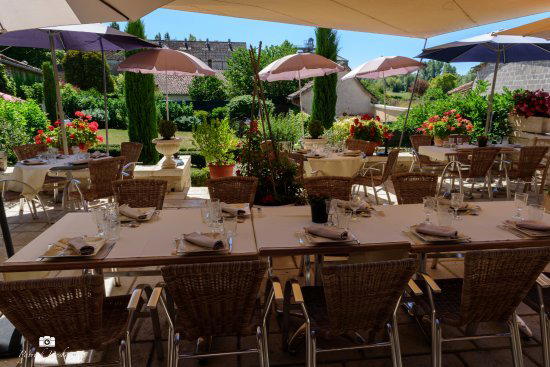
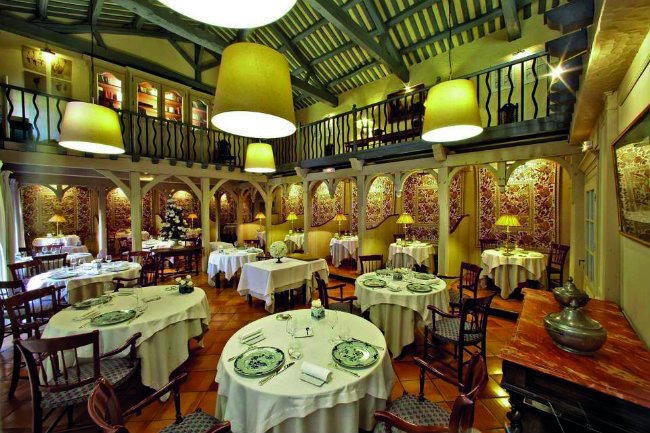
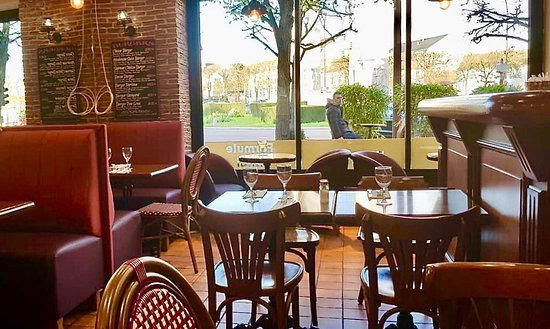
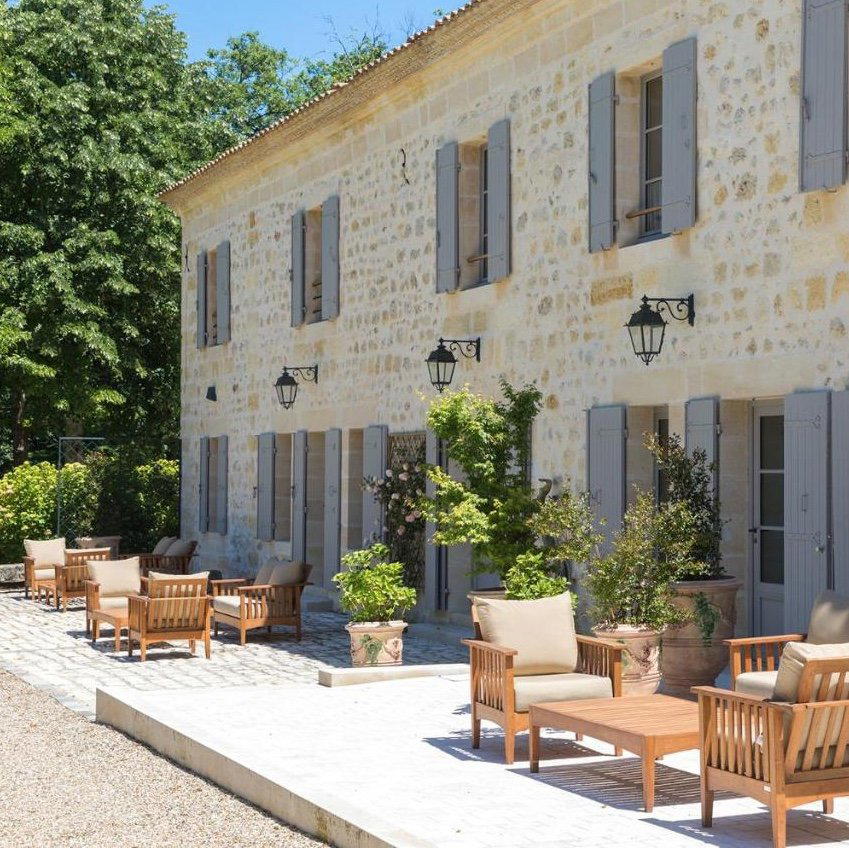
Chaleureuse et décontractée ambiance with panoramic Dordogne river views, ideal for relaxation and conviviality.