Restaurant Ròda
Restaurant Ròda sits in the Périgord Vert village of Champagnac-de-Belair, a corner of the Dordogne where the sourcing calendar and the surrounding landscape dictate what reaches the plate. For travellers moving through southwestern France in search of cooking that answers directly to its territory, Ròda occupies a specific and considered position in the region's dining fabric.
 Discover on Pearl
Pearl is the En Primeur Club membership app — saves, bookings, and concierge access live there. Same editors, same standards.
- Address
- 1 Prom. des Lavandières, 24530 Champagnac-de-Belair, France
- Phone
- +33553028600
- Website
- moulinduroc.com
Where the Périgord Vert Puts Itself on the Plate
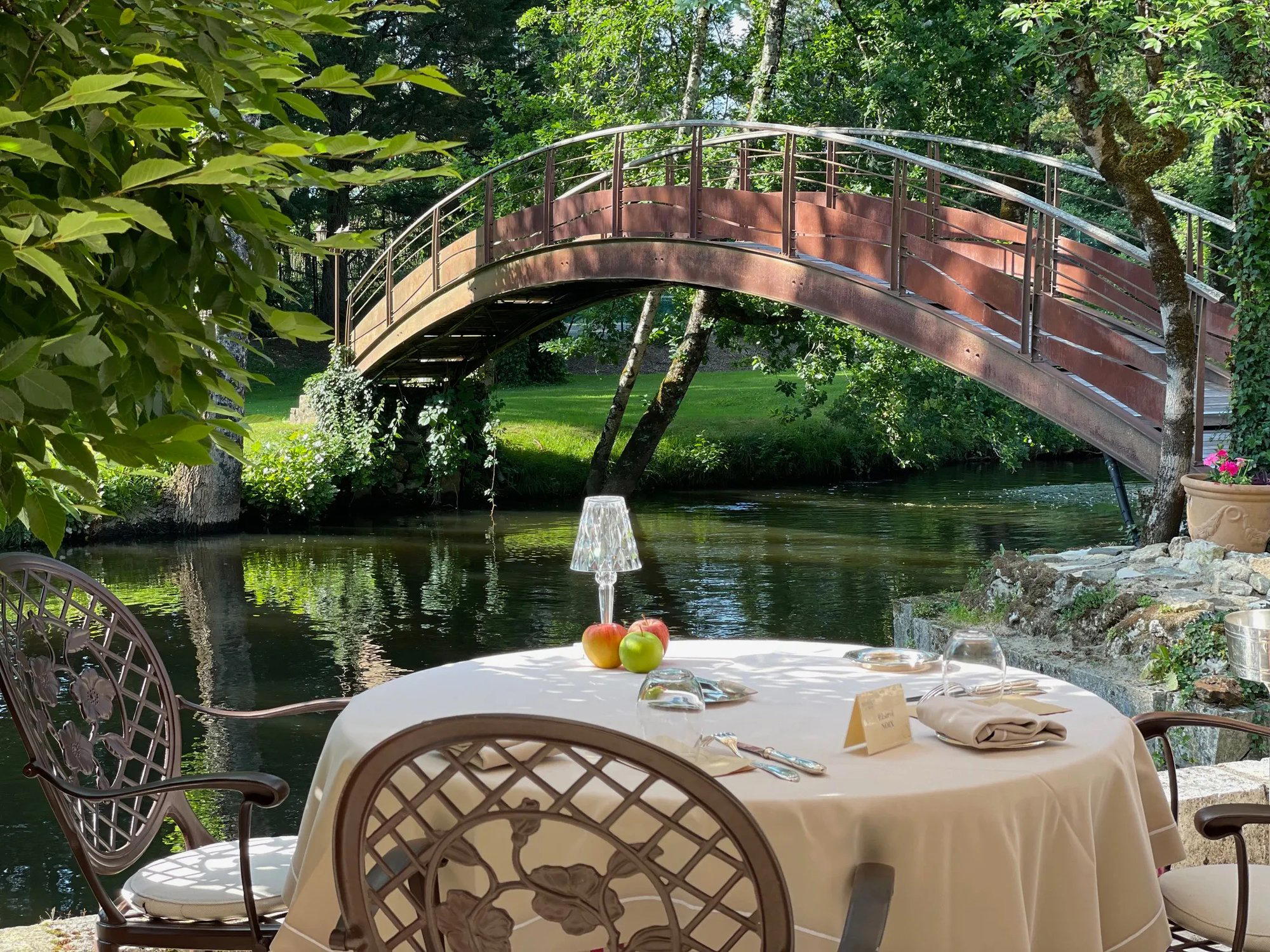
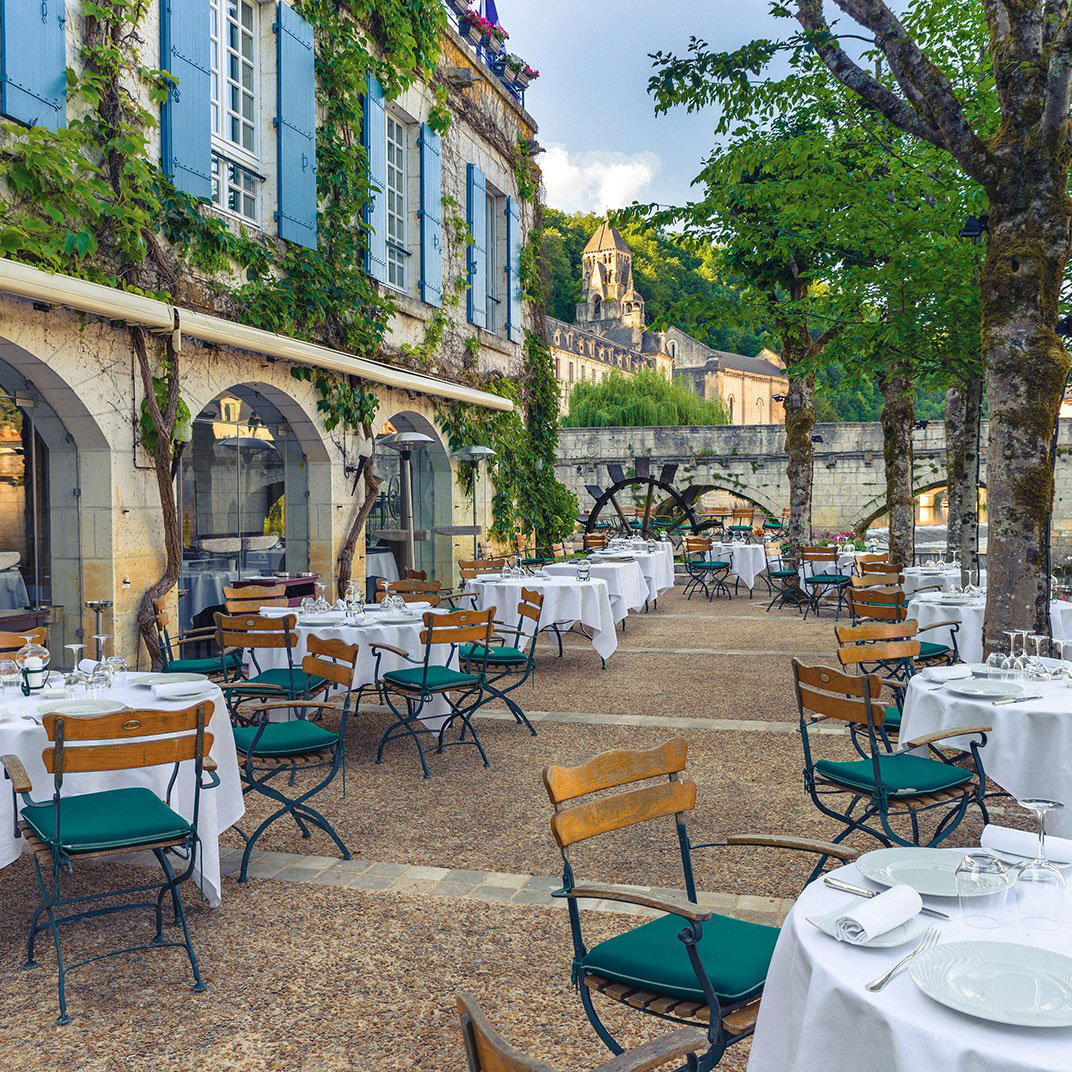
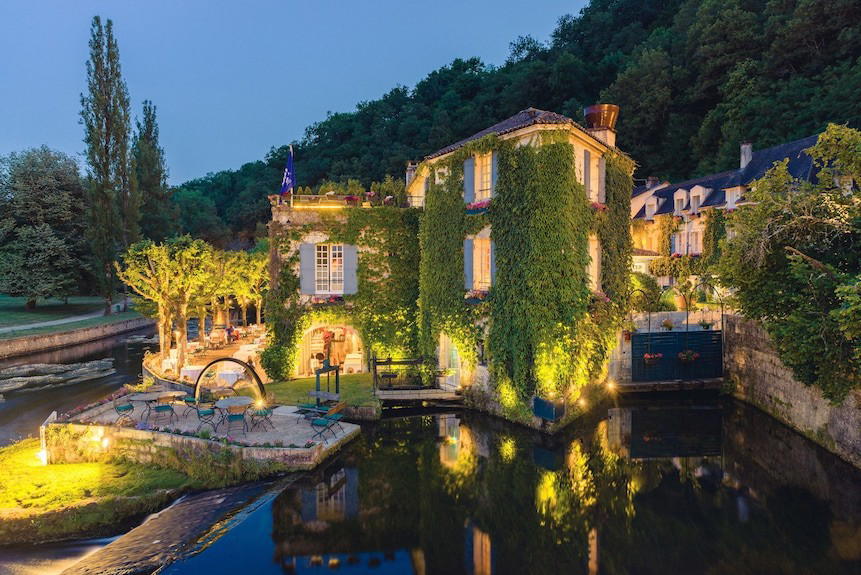
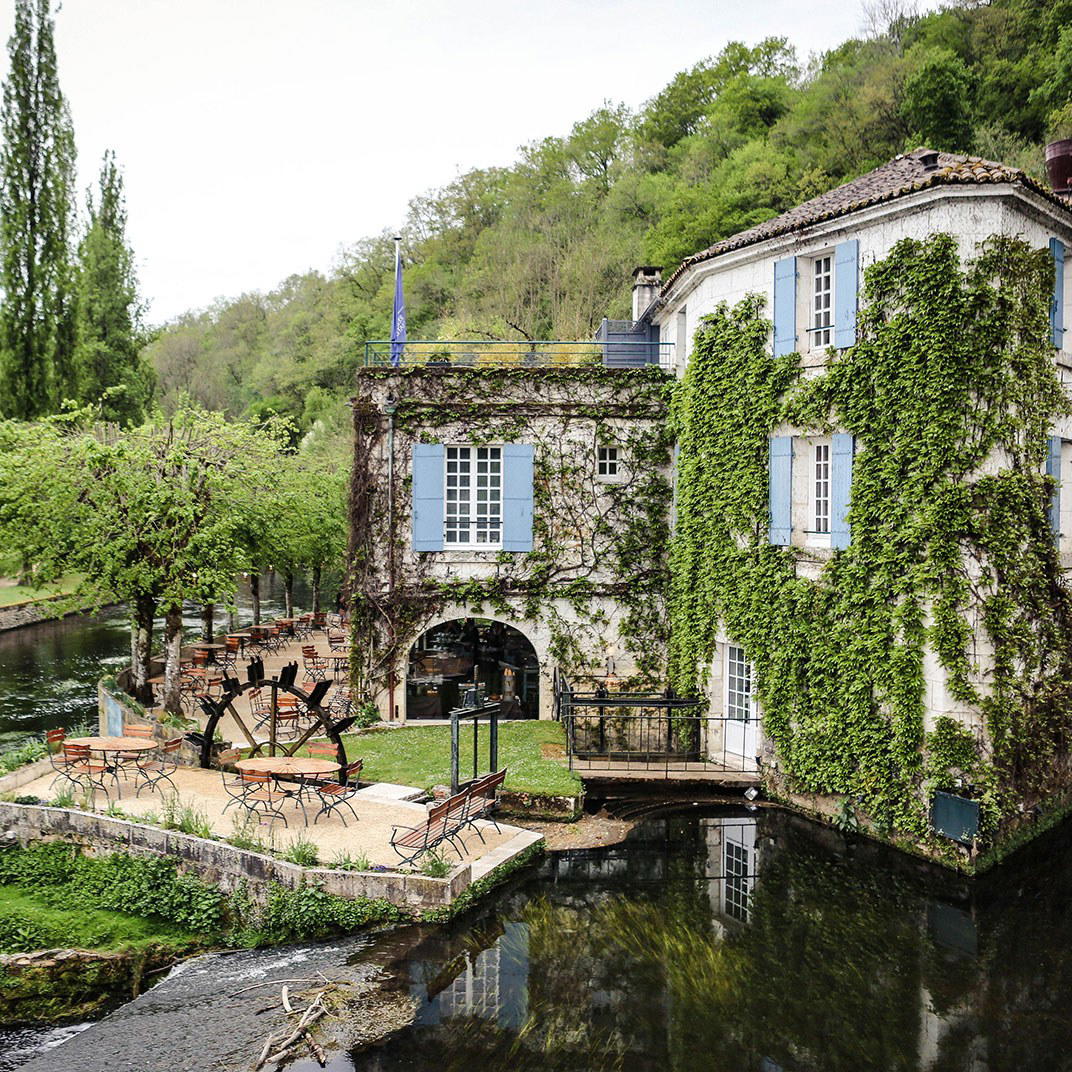
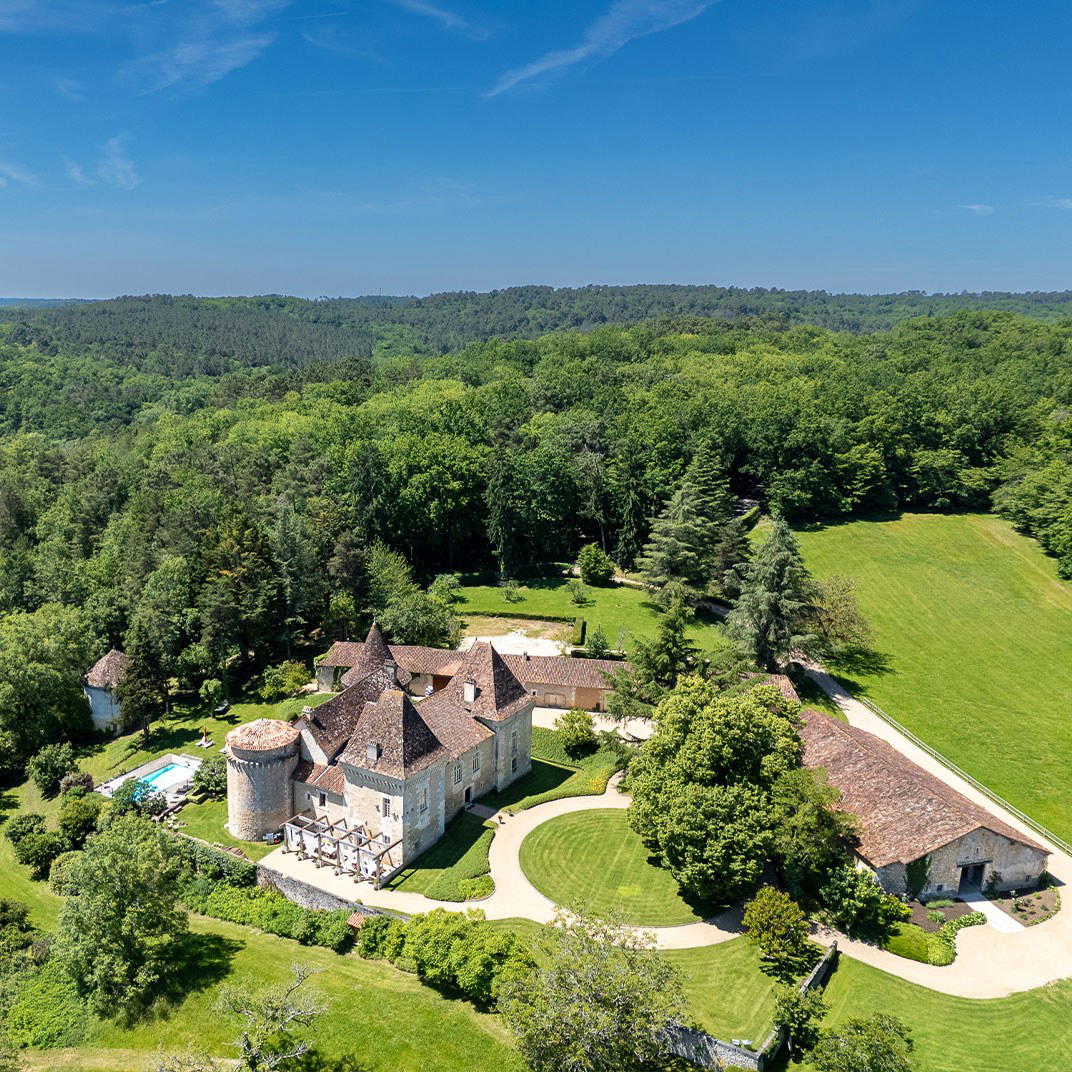
Restaurant Ròda is a French Gastronomic restaurant in Champagnac-de-Belair, France, priced at about $60 per person. The road into Champagnac-de-Belair follows the Dronne river through a corridor of walnut trees and limestone outcrops, the kind of countryside that makes it clear, before you arrive anywhere, that this part of the Dordogne takes its agricultural identity seriously. The Périgord Vert, the green quarter of Périgord, distinct from the more touristed noir to the south, is named for its density of forest and pasture rather than for any of its truffles or foie gras, and that distinction matters for understanding what eating here looks and tastes like. Restaurant Ròda sits along the Promenade des Lavandières, a short reach from the river, in a setting where the physical environment is less backdrop than direct argument: this is a place shaped by what grows and grazes nearby.
On the other are kitchens that operate closer to a different logic: fewer covers, shorter supply lines, a menu that shifts not by season in the calendar sense but by what the week's market and the relationships with particular farmers and foragers actually allow.
Ingredient Sourcing and the Logic of the Périgord Kitchen
The Périgord Vert is an area where sourcing traditions run deep and practical. Walnut oil has been pressed in the Dordogne since medieval cultivation, and the region still accounts for a meaningful share of France's walnut production. The river systems support freshwater species that rarely appear on urban menus. Goat cheese production is distributed across small holdings rather than consolidated into industrial operations, meaning that a kitchen with direct supplier relationships can access varieties at stages of aging that the wholesale market does not reliably reach. None of this is incidental to what a table like Ròda draws from: it shapes the cooking in this particular geography.
The broader French tradition that kitchens in the Périgord inherit is one where the line between cuisine bourgeoise and restaurant cooking has historically been thinner than in urban centres. The farmhouse table, the idea that what is grown or raised on or near a property becomes the centrepiece of hospitality, is not a recent concept here. It predates the language of farm-to-table by several centuries. What distinguishes contemporary kitchens that take this tradition seriously from those that merely invoke it is the depth of the sourcing relationships and the willingness to let availability, rather than menu planning, govern what is served. The most considered provincial tables in France, from Bras in Laguiole, where the Aubrac plateau defines the vocabulary, to Auberge du Vieux Puits in Fontjoncouse, anchored to the garrigue of the Aude, share this quality of place-specific discipline. Ròda occupies a comparable niche within the Dordogne's own culinary register.
For readers accustomed to tracking France's decorated tables, a village restaurant in the Périgord Vert occupies a different tier, but not a lesser argument. Its scale and position allow a directness of sourcing that larger operations, with their need for consistency across multiple service covers, cannot always sustain. The Périgord's own agricultural density makes this particulary credible: the distance between field and kitchen here can be measured in minutes rather than logistics chains.
The Village Setting and What It Signals
Champagnac-de-Belair is a commune of fewer than 500 inhabitants, which places Ròda in a category of restaurant that requires the table itself to be sufficient reason for the journey. This is not a restaurant that benefits from footfall or from being embedded in a larger hospitality offer. The decision to eat here is a deliberate one, and the restaurants that succeed in this kind of location tend to do so because their relationship to the immediate territory is specific enough to reward the detour. Auberge de l'Ill in Illhaeusern and Georges Blanc in Vonnas have each built multi-generational reputations in similarly small Alsatian and Bressane communes, the template for provincial French restaurants that ask guests to travel toward them rather than waiting to be discovered in passing.
For visitors coming from further afield, Champagnac-de-Belair sits at a remove that makes planning necessary. The nearest city of scale is Périgueux, roughly 30 kilometres to the south. Brantôme, the larger riverside town sometimes called the Venice of the Périgord for its abbey and canal system, is within a few kilometres and provides a more practical base for the area. Arriving by car is the realistic option for most travellers; the Dordogne's rural rail connections do not extend to this corner of the Périgord Vert.
Planning Your Visit
For those assembling a broader France itinerary that balances decorated urban tables with provincial cooking of genuine character, Ròda fits a specific slot: the meal that anchors a few days in a part of France where the countryside itself is the point. Paul Bocuse - L'Auberge du Pont de Collonges in Collonges-au-Mont-d'Or, AM par Alexandre Mazzia in Marseille, Assiette Champenoise in Reims, Au Crocodile in Strasbourg, and La Marine in Noirmoutier-en-l'île each hold their own chapters in France's dining geography; the Périgord Vert offers something different in register, quieter, more agrarian, less likely to appear in the international circuit's shortlist. That is, for a certain kind of traveller, precisely the point. Booking ahead is advisable given the restaurant's reservation policy. For further context on eating and drinking in the area, see the full Champagnac de Belair restaurants guide.
Side-by-Side Snapshot
Comparable venues nearby, for context on price, style, and recognition.
| Venue | Cuisine | Price | Awards | Notes |
|---|---|---|---|---|
| Restaurant RòdaThis venue — the venue you are viewing | French Gastronomic | $$$ | , | |
| Restaurant d'Aujourd'hui | Modern French Bistro with Périgord influences | $$$ | , | Creysse |
| Le Vin'Quatre | Bistronomic French | $$$ | , | vieille ville |
| Effet Maison | Traditional French Bistro with Local Terroir Focus | $$$ | , | Monflanquin bastide |
| Capelo | Bistronomic Périgourdine | $$$ | , | Périgueux |
| Breizh Café - Chartrons | Breton Crêperie with Japanese & Southwestern Influences | $$$ | , | Chartrons - Grand Parc - Jardin Public |
Continue exploring
More in Champagnac De Belair
Restaurants in Champagnac De Belair
Browse all →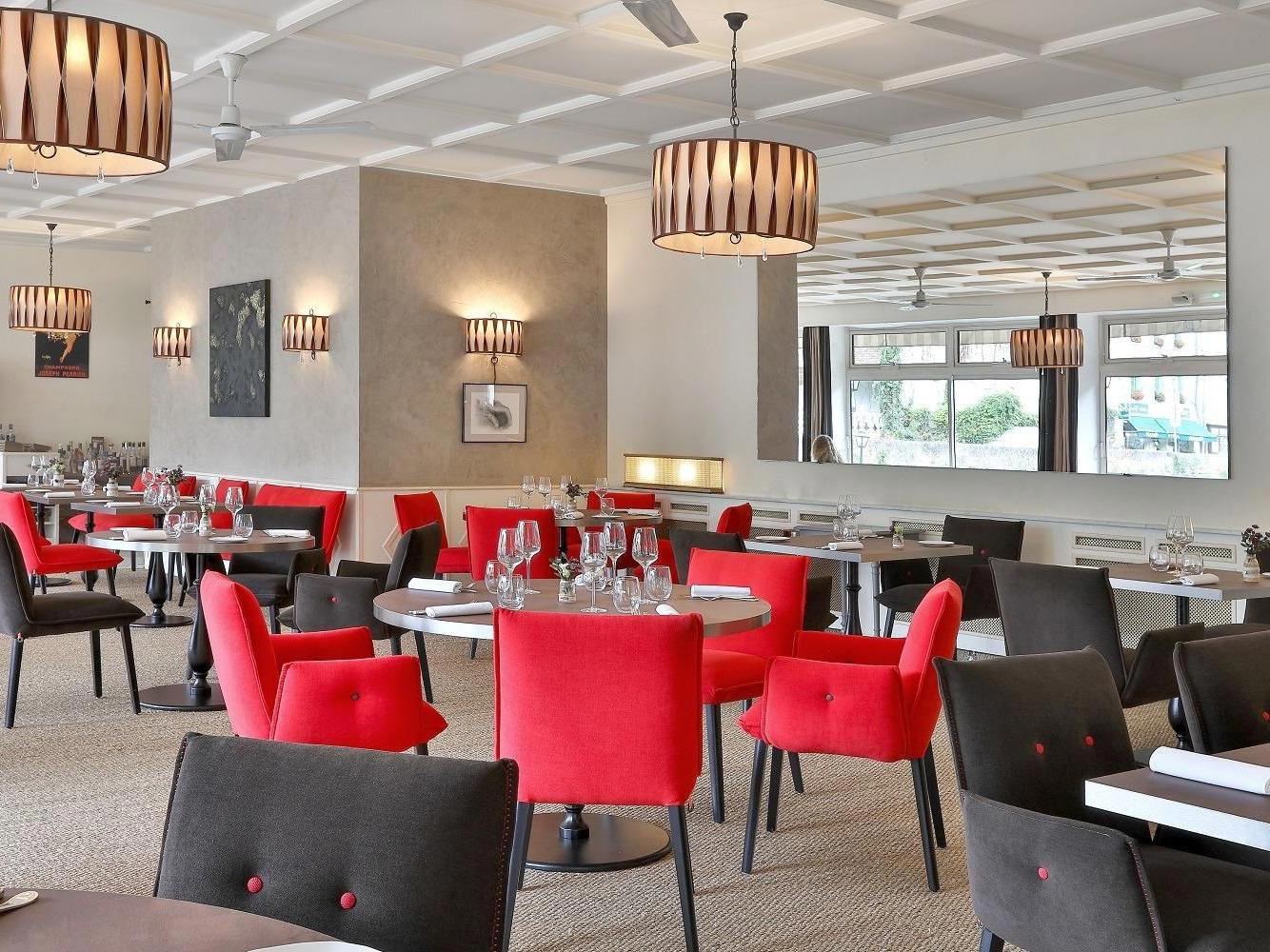
At a Glance
- Romantic
- Intimate
- Rustic
- Elegant
- Scenic
- Date Night
- Special Occasion
- Terrace
- Garden
- Extensive Wine List
- Local Sourcing
- Garden
- Waterfront
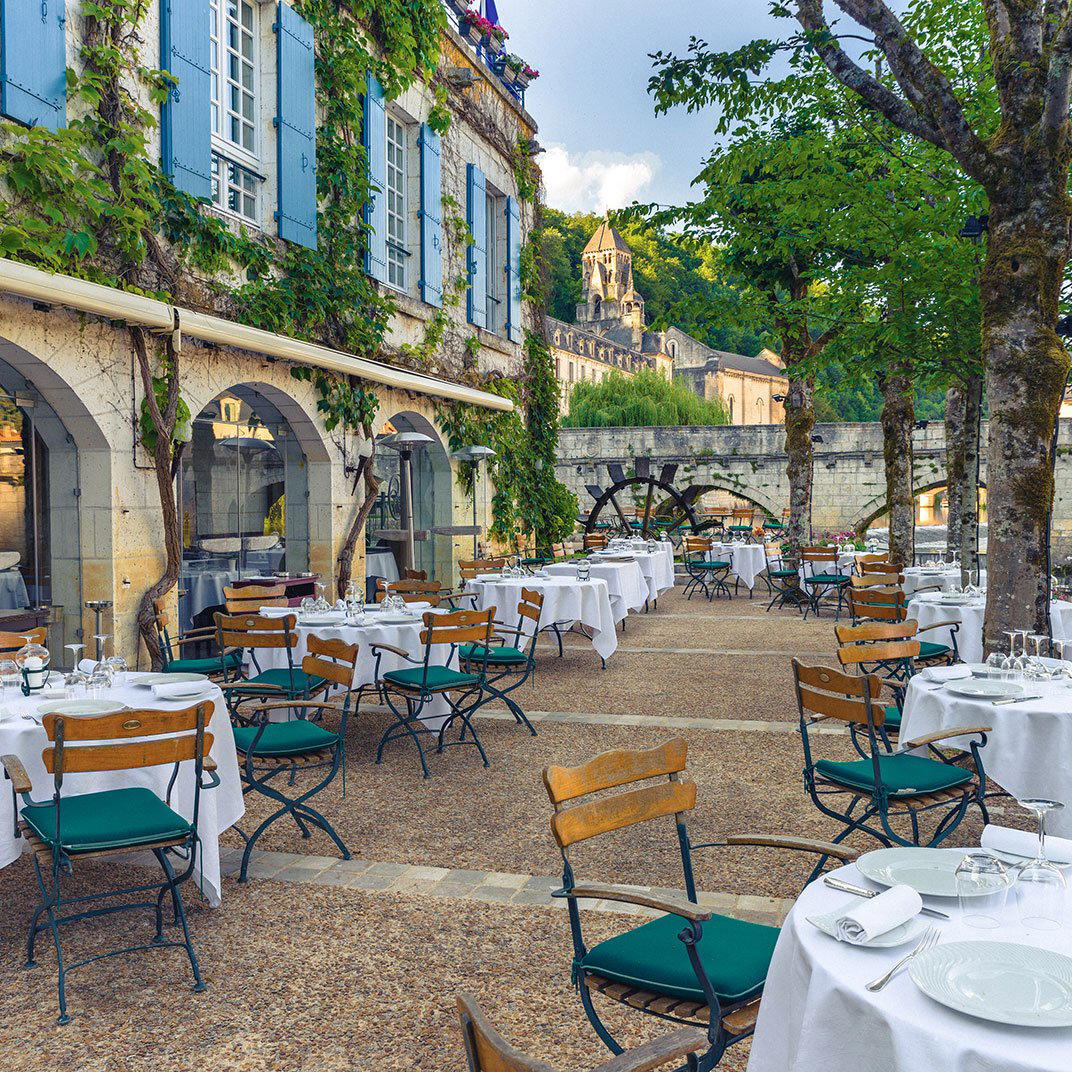
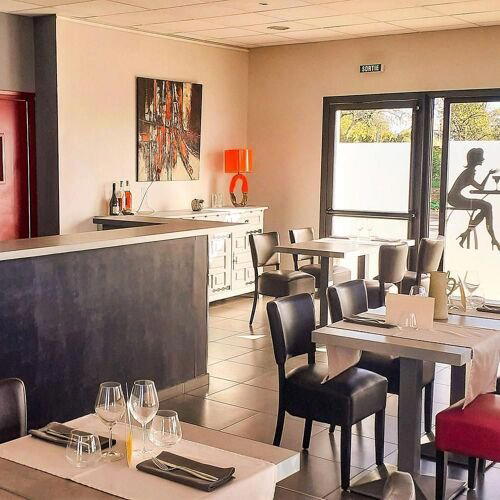
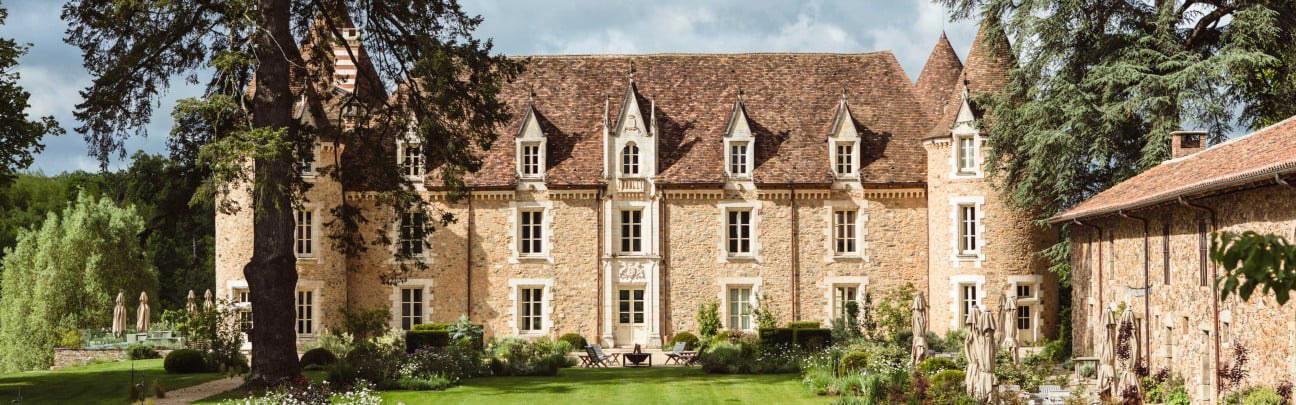
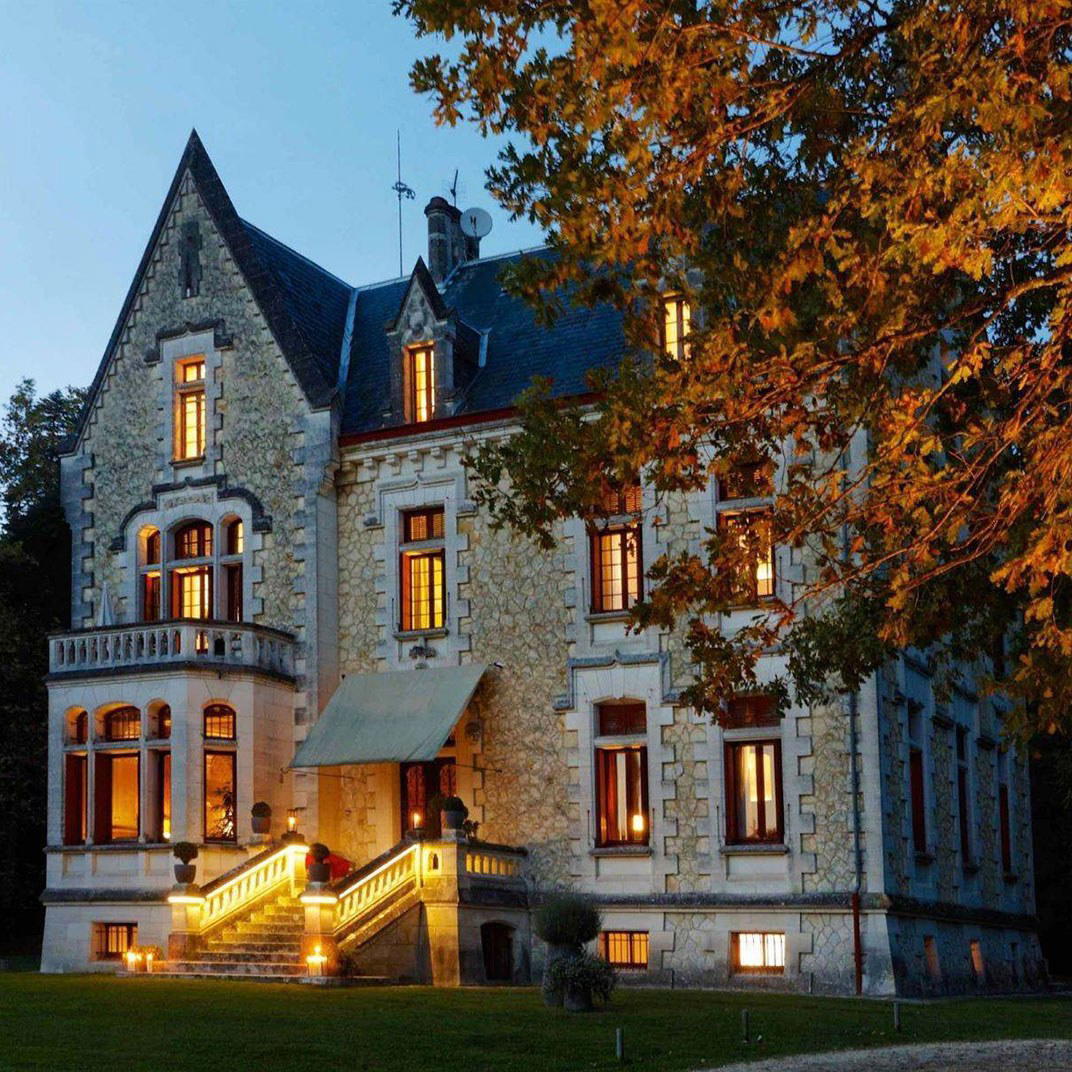
Bucolic and intimate atmosphere with magnificently decorated rooms, riverside terrace lulling guests with water sounds and birdsong.