La Gauloise occupies a well-worn address on the Avenue de la Motte-Picquet in the 15th arrondissement, positioning itself among Paris's dependable classic bistros rather than the trophy-dining tier represented by nearby three-star operations. Where restaurants like L'Ambroisie or Le Cinq trade in ceremony and controlled spectacle, La Gauloise trades in continuity, making it a useful reference point for understanding what everyday serious French dining looks like in the city.
Pearl is the En Primeur Club membership app — saves, bookings, and concierge access live there. Same editors, same standards.
- Address
- 59 Av. de la Motte-Picquet, 75015 Paris, France
- Phone
- +33147341164
- Website
- restaurantlagauloiseparis.fr
- Directions
- Get directions
 Saves & bookings on Pearl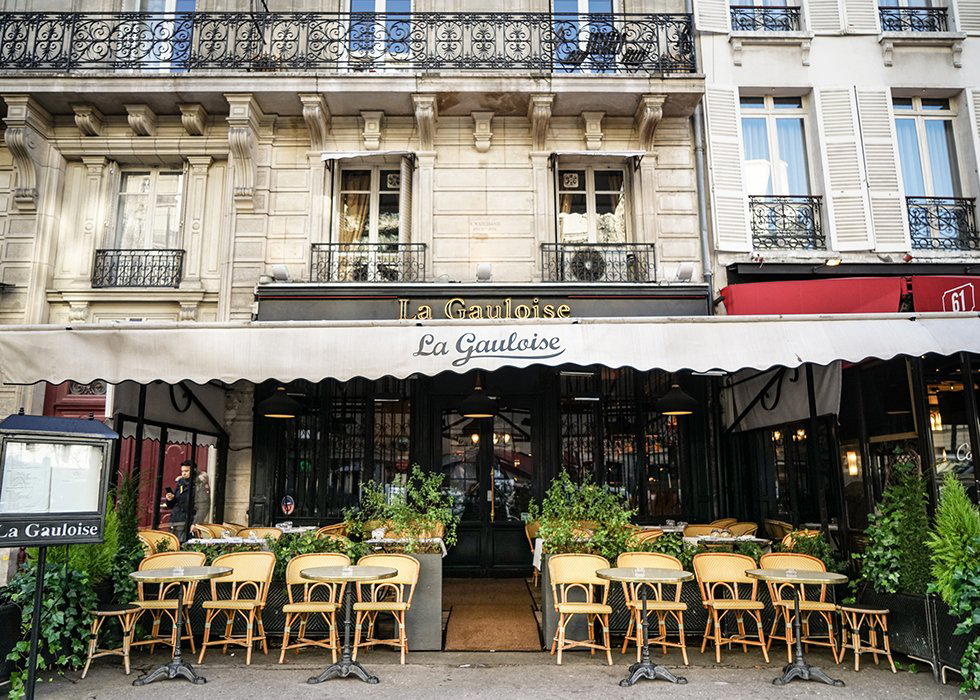
A Bistro Address in the 15th
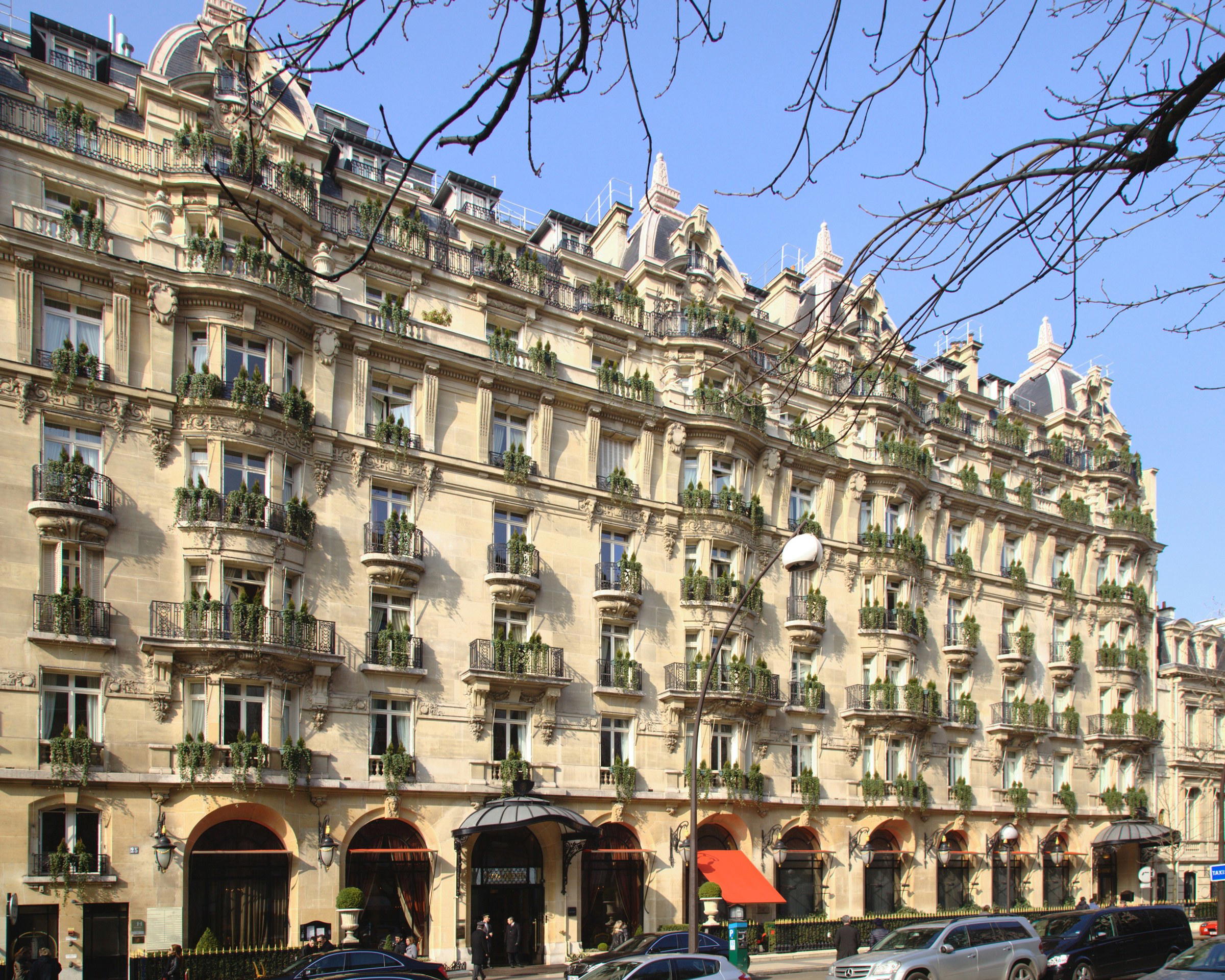
The Avenue de la Motte-Picquet runs through one of Paris's least tourist-saturated arrondissements, a residential quarter where the dining scene skews toward long-standing neighbourhood institutions rather than destination restaurants. La Gauloise at number 59 fits that pattern: a street-level address with the kind of facade that reads as background noise to most visitors moving between the Eiffel Tower and the 7th, yet signals something deliberate to anyone who knows the difference between a bistro built for locals and one built for visitors who want to feel local. The 15th is not an arrondissement that generates significant restaurant press, which is partly why its reliable tables endure without the pressure of trend cycles that govern addresses in the 1st, 6th, or 8th.
What the Menu Structure Reveals
In Paris, the architecture of a menu communicates intent before a single dish arrives. The grandes tables — Alléno Paris au Pavillon Ledoyen, Arpège, Le Cinq — operate through tasting formats with fixed progressions and little concession to individual appetite. The traditional bistro operates differently: a carte with starters, plats, and desserts arranged to be chosen rather than received, a structure that assumes the diner is competent and has preferences worth accommodating. That à la carte format is itself a political act in contemporary Paris, where the tasting menu has migrated steadily down from the haute-cuisine tier into mid-range and even casual restaurants.
A bistro that maintains a traditional carte is implicitly arguing that the bistro tradition, plat du jour, a few classic starters, a cheese course if you want it, a glass of something regional, remains a complete and sufficient proposition. It is a conservative position in a city where Kei and others have demonstrated that hybridised formats can attract both critical recognition and substantial covers. The two camps are not in competition so much as addressing different needs: one serves people who want to experience a chef's vision sequentially, the other serves people who want to eat well and return next week.
The 15th and Its Dining Character
Paris's 15th arrondissement contains more residents than any other, yet remains systematically underrepresented in food media relative to its scale. The dining culture here is shaped by a clientele that eats out regularly rather than occasionally, which produces different pressures on a restaurant than tourist-dependent addresses face. Consistency matters more than novelty; pricing needs to be sustainable for repeat visits; the wine list needs to work by the glass. These constraints, which might look like limitations from the outside, tend to produce more coherent restaurants than the spectacle-driven formats that perform well for single visits and press photographs.
The broader French regional tradition, represented elsewhere by institutions like Troisgros in Ouches, Auberge de l'Ill in Alsace, or Bras in Laguiole, has always been sustained by exactly this kind of repeat-local relationship. Paris bistros like La Gauloise function as the urban equivalent: not the culminating event of a trip to France, but the place you go on a Tuesday because the food is honest and the room doesn't require anything from you beyond showing up.
Classic Bistro Cooking in a €€€€-Adjacent City
Paris has stratified sharply in the past decade. At the top of the market, operations like L'Ambroisie and Paul Bocuse's Auberge du Pont de Collonges price against an international clientele with no real ceiling. In the middle, a wave of natural-wine bistros and neo-brasseries has compressed margins while raising expectations for sourcing. The old-school bistro occupies increasingly awkward ground in this structure: too traditional to appeal to the fashionable diner, too Parisian to serve as a tourist trap. Those that survive do so on the strength of regulars and a clear-eyed sense of what they are.
Comparative context helps here. Consider what a similar cover charge buys in other cities: at Le Bernardin in New York, a three-course prix-fixe lunch runs well above €100 per person before wine; at Atomix, the omakase format removes the à la carte question entirely. Paris's classic bistros still offer something those cities cannot easily replicate: a fully realised cultural format with its own logic of time, sequence, and sociability that predates the tasting menu era by a century.
Regional Anchors and the French Tradition
The French fine-dining network that Paris sits atop includes addresses that have shaped the bistro tradition from the outside. Flocons de Sel in Megève, Mirazur in Menton, Assiette Champenoise in Reims, Auberge du Vieux Puits in Fontjoncouse, and AM par Alexandre Mazzia in Marseille each demonstrate what happens when a kitchen pursues a singular idea with discipline and resource. The bistro tradition represents a different but related discipline: not the singular idea pursued to its limit, but the reliable idea executed without variation, season after season, table after table. Both require a kind of rigour; they just apply it to different goals. Equally, Au Crocodile in Strasbourg illustrates how classic French formats can survive in provincial settings by remaining genuinely useful to a local clientele, a dynamic La Gauloise replicates at the scale of a single Paris arrondissement.
Planning a Visit
La Gauloise sits on the Avenue de la Motte-Picquet in the 15th, a short walk from the La Motte-Picquet-Grenelle metro station served by lines 6, 8, and 10, which connects quickly to the rest of the city without requiring a taxi. The neighbourhood is residential and calm by Paris standards, with no meaningful queue culture or need to arrive well before opening. Booking in advance is advisable for weekend dinners, though the 15th operates on shorter booking horizons than the starred addresses in more central arrondissements. For a fuller picture of where La Gauloise sits in the Paris dining ecosystem, the EP Club Paris restaurants guide maps the city's options by tier, neighbourhood, and format.
How La Gauloise Paris compares with similar nearby venues.
| Venue | Cuisine | Price |
|---|---|---|
| La Borie | Modern Cuisine | €€€ |
| Jium | Korean | €€ |
Continue exploring
More in Paris
Restaurants in Paris
Browse all →
Bars in Paris
Browse all →
Hotels in Paris
Browse all →



At a Glance
- Classic
- Elegant
- Cozy
- Intimate
- Date Night
- Family
- Business Dinner
- Historic Building
- Street Scene
Current opening hours
- Monday
- 12–10:30 PM
- Tuesday
- 12–10:30 PM
- Wednesday
- 12–10:30 PM
- Thursday
- 12–10:30 PM
- Friday
- 12–10:30 PM
- Saturday
- 12–10:30 PM
- Sunday
- 12–10:30 PM
Hours can change for holidays and private events. Last verified .
Timeless Parisian brasserie atmosphere with ancient woodwork, ceiling moldings, red velvet banquettes, and soft lighting.
Know Before You Go
- Getting there
- 59 Av. de la Motte-Picquet, 75015 Paris, France