Le Passy occupies a quietly significant address in Paris's 16th arrondissement, a neighbourhood where formal dining traditions run deep and room-reading matters as much as what arrives on the plate. The 16th's dining culture rewards unhurried attention, and Le Passy sits within that register, a considered address for those who want Paris at its most composed.
Pearl is the En Primeur Club membership app — saves, bookings, and concierge access live there. Same editors, same standards.
- Address
- 2 Rue de Passy, 75016 Paris, France
- Phone
- +33 1 42 88 31 02
- Website
- lepassy.paris
- Directions
- Get directions
 Saves & bookings on Pearl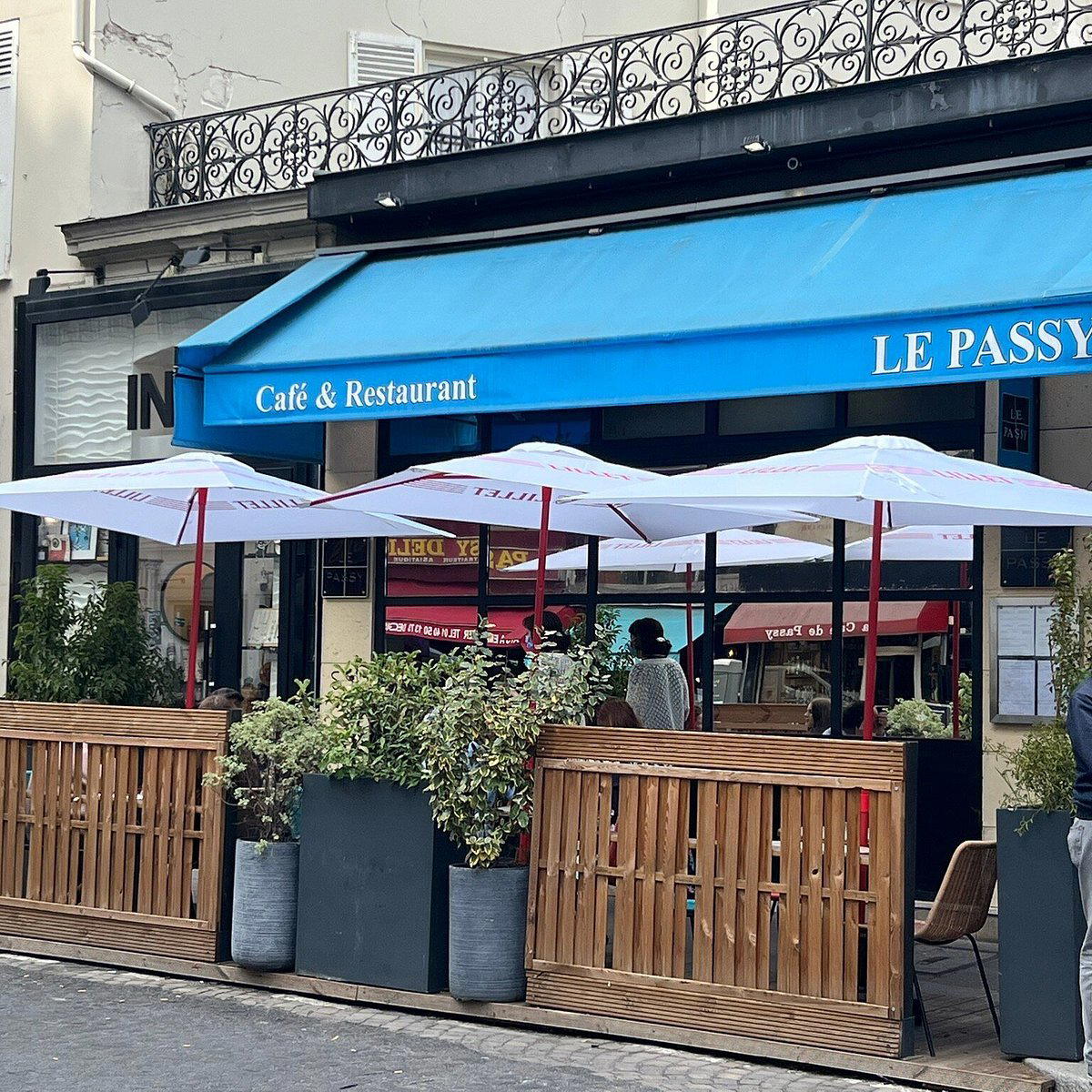
The 16th and Its Dining Logic
Paris's 16th arrondissement operates by its own rules. The streets around Passy, wide, residential, edged by Haussmannian facades that have watched fashions come and go, produce a dining culture that is less concerned with trend cycles than with reliability, precision, and the kind of service that reads the room before a word is spoken. This is not the neighbourhood for experimental pop-ups or natural wine lists that double as ideology statements. The 16th rewards a different kind of ambition: the slow accumulation of trust.
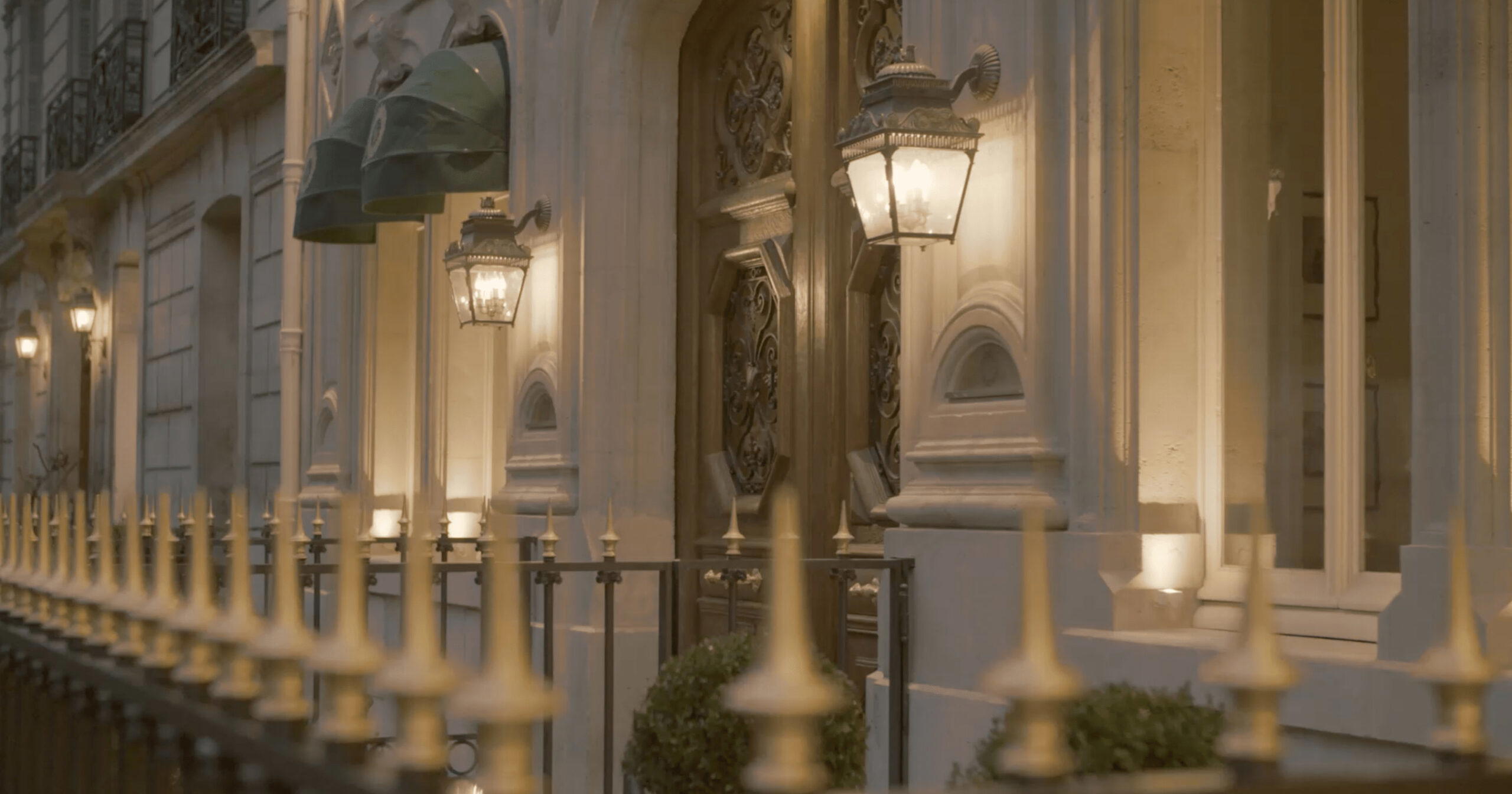
Le Passy is a French Gastropub at 2 Rue de Passy, 75016 Paris, France. The address places it within easy reach of the Passy Metro station and the refined Promenade Plantée-adjacent crowd, but the restaurant's sensibility belongs to the quieter residential logic behind it rather than the commercial strip in front. Approaching from the rue itself, the transition from street noise to interior calm is one of those small Parisian gestures that tells you the room has been considered seriously.
Where the 16th Sits in Paris's Broader Fine Dining Map
To understand what Le Passy is doing, it helps to understand the competitive geography. Paris's highest-profile formal dining now concentrates in clusters: the 8th arrondissement, where Alléno Paris au Pavillon Ledoyen and Le Cinq at the Four Seasons George V anchor the luxury-hotel and grand-avenue tier; the 7th, where Arpège has long defined a more ingredient-obsessive register; the 4th, where L'Ambroisie operates in near-monastic stillness on the Place des Vosges. The 16th sits apart from these clusters, which means restaurants here compete less on proximity to other prestige addresses and more on their own terms: neighbourhood loyalty, consistent execution, and the particular pleasure of a room that isn't full of other people's expense accounts.
The French dining tradition has always had a provincial strand even within Paris, a set of tables that serve a regular clientele rather than the revolving international audience that fills frequently booked rooms. The 16th sustains that strand more reliably than most arrondissements. France's wider constellation of houses, from Troisgros in Ouches to Auberge de l'Ill in Illhaeusern to Bras in Laguiole, built their reputations partly on serving a rooted local clientele first and destination diners second. The 16th's better restaurants operate with a version of that logic inside city limits.
The Team Dynamic as the Defining Variable
In Paris's formal dining sector, the reliable predictor of a room's success over time is rarely the chef alone. It is the coherence of the team: how the sommelier, the front-of-house, and the kitchen communicate with each other and, through that communication, with the guest. The restaurants that hold their standard across years, Kei in the 1st, for instance, or the long-running provincial houses like Assiette Champenoise in Reims and Au Crocodile in Strasbourg, tend to be those where the wine program and the service rhythm are as considered as the cooking.
This is the frame through which a room like Le Passy's should be read. The 16th's dining culture places a high premium on the front-of-house register: pacing, discretion, the ability to calibrate formality to the specific table rather than applying a single template. A sommelier who can move between an older Burgundian and a younger Bordeaux-curious guest without making either feel managed is a more valuable asset in this arrondissement than in many others. The cuisine becomes the anchor, but the team's coherence is what converts a good meal into a reason to return.
France has produced some of its most consistent long-term dining experiences where this dynamic is handled well. Auberge du Vieux Puits in Fontjoncouse, Paul Bocuse's Auberge du Pont de Collonges, and Flocons de Sel in Megève each demonstrate, in different registers, that kitchen precision multiplied by front-of-house intelligence produces something more durable than either element alone. For Paris visitors accustomed to benchmarking against international addresses, the Le Bernardin standard in New York, or the tightly choreographed service at Atomix, the French team-service tradition offers a different, less performative version of the same ambition.
The Passy Address and How to Use It
Rue de Passy is accessible from both Passy Metro (Line 6) and La Muette (Line 9), placing it within a 25-minute Metro ride from most central Paris arrondissements. The neighbourhood is predominantly residential from mid-afternoon onward, which aligns well with the area's ambient quiet. Weekend lunches in the 16th tend to draw a local rather than tourist audience, which shifts the room's energy and, often, the pacing of service.
For visitors whose Paris itinerary already includes the denser dining clusters of the 7th or 8th, the 16th offers a change of register. The arrondissement's restaurant culture is not trying to out-perform its neighbours; it is trying to do something more specific: serve its own neighbourhood at a level that neighbourhood has come to expect. For diners who find frequently booked Paris rooms occasionally exhausting in their self-awareness, that is a meaningful distinction.
France's broader regional fine dining scene, from Mirazur in Menton to AM par Alexandre Mazzia in Marseille, demonstrates that French haute cuisine is not a single register but a family of related approaches. Within Paris, the 16th represents one of those approaches: patient, considered, and calibrated to a clientele that is not easily impressed and does not need to be. The restaurant operates at this address, on this street, within that tradition.
A Quick Peer Check
Comparable venues nearby, for context on price, style, and recognition.
| Venue | Cuisine | Price | Notes |
|---|---|---|---|
| Le PassyThis venue — the venue you are viewing | French Gastropub | $$ | Not listed |
| Maison Rouge | Traditional French Brasserie | $$ | Les Halles |
| Grizzli Cafe | Traditional French Bistro | $$ | Saint-Merri |
| Le Coupe Gorge | Bistronomic French | $$ | Saint-Merri |
| La REcyclerie | Eco-friendly French Bistro | $$ | 18th Arrondissement |
| LE SINGE A PARIS | Modern French Bistronomy | $$ | Bastille |
Continue exploring
More in Paris
Restaurants in Paris
Browse all →

Bars in Paris
Browse all →
Hotels in Paris
Browse all →
Wineries in Paris
Browse all →
At a Glance
- Cozy
- Classic
- Casual Hangout
- Business Dinner
- Standalone
- Street Scene
Current opening hours
- Monday
- 7:30 AM–12:30 AM
- Tuesday
- 7:30 AM–12:30 AM
- Wednesday
- 7:30 AM–12:30 AM
- Thursday
- 7:30 AM–12:30 AM
- Friday
- 7:30 AM–12:30 AM
- Saturday
- 7:30 AM–12:30 AM
- Sunday
- Closed
Hours can change for holidays and private events. Last verified .
Warm and inviting with a cozy atmosphere praised for friendly service.