In the shadow of the Dolomites, La Fenice occupies a dining tradition that Belluno has quietly sustained for decades: mountain-inflected Italian cooking where proximity to raw materials shapes the plate as much as technique. The address on Via Ippolito Caffi places it at the working centre of a provincial capital with stronger ties to the alpine interior than to the Veneto plain below.
Pearl is the En Primeur Club membership app — saves, bookings, and concierge access live there. Same editors, same standards.
- Address
- Via Ippolito Caffi, 11, 32100 Belluno BL, Italy
- Phone
- +39437380122
- Website
- lafenicebelluno.it
- Directions
- Get directions
 Saves & bookings on Pearl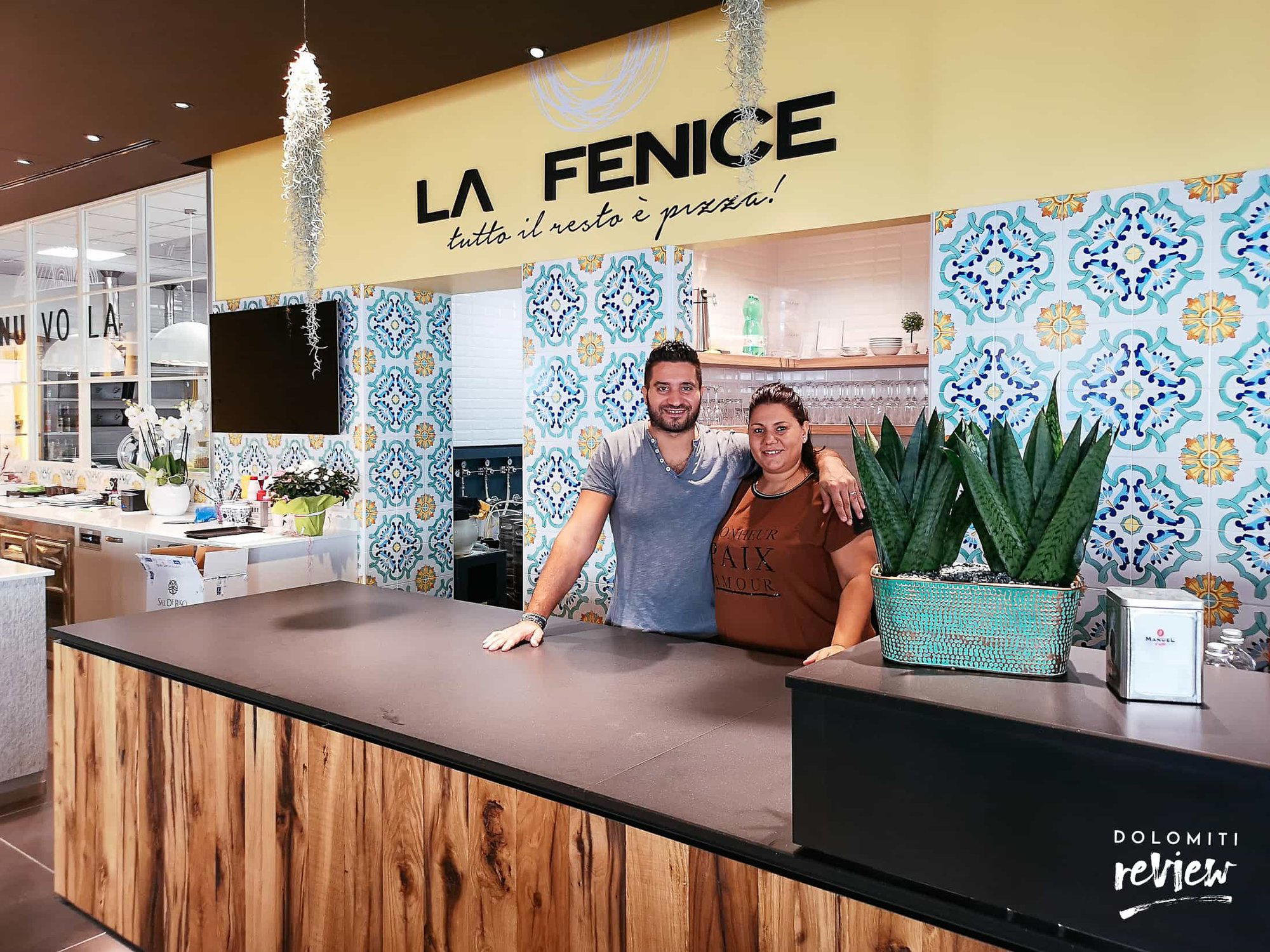
Where the Dolomites Set the Table
Belluno sits at an altitude and latitude that most Italian food conversations overlook. The Veneto region tends to draw attention southward, toward Verona and the lagoon cities, but the northern edge of the province tells a different culinary story. Here, the pantry is defined by what the mountains yield: foraged herbs and fungi from the Agordino valley, small-herd dairy from plateau farms, freshwater fish from the Piave river corridor, and game harvested in seasons that alpine hunters still observe with precision. La Fenice, at Via Ippolito Caffi 11, operates inside that tradition rather than against it.
The address itself is informative. Via Ippolito Caffi runs through the historic core of Belluno, close enough to the cathedral district that the approach involves narrow stone streets and the kind of provincial quiet that a city of forty thousand sustains without effort. This is not a dining neighbourhood engineered for tourism. The clientele at a restaurant like this is largely local, which in a town of this size and altitude means regulars who track the kitchen's relationship with seasonal supply rather than a rotating audience seeking novelty.
Alpine Ingredient Logic in the Northern Veneto
The framing question for any serious restaurant in this part of Italy is whether the kitchen draws from the land around it or simply imports the same proteins and produce that a restaurant in Treviso or Padova would use. The distinction matters more at altitude. In the Belluno Dolomites, seasonal compression is aggressive: the window for fresh porcini, for ramps, for wild asparagus from south-facing slopes is measured in weeks rather than months. Kitchens that actually source locally operate on a different calendar than those that use regional identity as a marketing descriptor without the purchasing relationships to back it up.
Alpine cooking tradition of the northern Veneto draws on a repertoire that differs markedly from the lagoon and flatland traditions further south. Polenta made from local varietals, braised and slow-cooked meats suited to cold-weather eating, cheeses with protected designation from nearby mountain dairies, and preparations that reflect centuries of preserving, drying, and curing before refrigeration made seasonality optional. Restaurants across this zone that take those traditions seriously tend to attract regional attention beyond their size, in the same way that mountain cooking establishments in comparable Italian alpine provinces, like Norbert Niederkofler’s landmark work at Atelier Moessmer in Brunico, have drawn national and international recognition by insisting on hyper-local sourcing as a philosophical position rather than a convenience.
La Fenice sits within that northern Italian alpine cooking tradition. Its address at Via Ippolito Caffi, 11, places it in the cohort of Belluno establishments where the surrounding landscape functions as a working larder rather than a backdrop.
Belluno’s Dining Tier and How La Fenice Fits
Belluno’s restaurant scene is small enough that the tiers are fairly legible. At the accessible end, trattorie and osterie serve the kind of lunch-anchored, wine-friendly cooking that has sustained northern Italian provincial towns for generations. A step up from that, a smaller group of restaurants operates with more deliberate technique and a tighter focus on sourcing and presentation. The restaurant occupies this middle-to-upper band of the local market, sitting alongside places like Al Borgo, which brings a Piedmontese influence to the table, and Nogherazza and Officine del Buon Gusto, each of which takes a distinct angle on what cooking in this province can mean. Terracotta rounds out the local options for those working through the city’s dining options systematically.
At the national level, the restaurant is not positioned in the same competitive tier as Italy’s awarded destination restaurants: the multi-Michelin houses like Osteria Francescana in Modena, Le Calandre in Rubano, or Enoteca Pinchiorri in Florence. Nor does it belong to the coastal fine-dining cohort anchored by places like Uliassi in Senigallia or Quattro Passi in Marina del Cantone. What the restaurant represents is something different and harder to find: serious regional cooking in a city where the region itself is not yet a major draw for food tourists, which means the kitchen performs for an audience with long institutional memory rather than a captive visitor base.
Planning a Visit
Belluno is reachable by train from Venice in roughly two hours, with services running through Conegliano and Vittorio Veneto on the Belluno line. The town is compact enough that Via Ippolito Caffi is walkable from the central station. Reservations are recommended. Visiting during autumn aligns with the mountain harvest season, when the supply of foraged ingredients is at its most varied.
Those planning a broader culinary itinerary in the northeast should also consider Casa Perbellini 12 Apostoli in Verona and Dal Pescatore in Runate as part of a longer loop through northern Italy’s dining geography. For reference points further afield that illustrate what altitude-committed sourcing can achieve at the highest level internationally, Reale in Castel di Sangro, Piazza Duomo in Alba, and Enrico Bartolini in Milan each demonstrate how regional specificity can translate into national standing. At a global scale, the ingredient-first discipline practiced in alpine Italian kitchens finds its closest analogues in the sourcing philosophy visible at Le Bernardin in New York and the produce-led precision of Atomix, though the contexts are radically different.
Side-by-Side Snapshot
Comparable venues nearby, for context on price, style, and recognition.
| Venue | Cuisine | Price | Awards | Notes |
|---|---|---|---|---|
| La FeniceThis venue — the venue you are viewing | Italian Pizzeria with Amalfi Influences | $$ | Not listed | Not listed |
| Nogherazza | Traditional Italian Trattoria | $$ | Not listed | Belluno countryside |
| Officine del Buon Gusto | Modern Italian Regional | $$ | Not listed | industrial estate |
| Terracotta | Modern Italian Contemporary | $$$ | Michelin Plate | old town |
| Al Borgo | Regional Italian in Historic Villa | $$ | Bib Gourmand | Anconetta |
| Gelateria La Romana | Artisanal Italian Gelato | $$ | Not listed | Sallustiano |
Continue exploring
More in Belluno
Restaurants in Belluno
Browse all →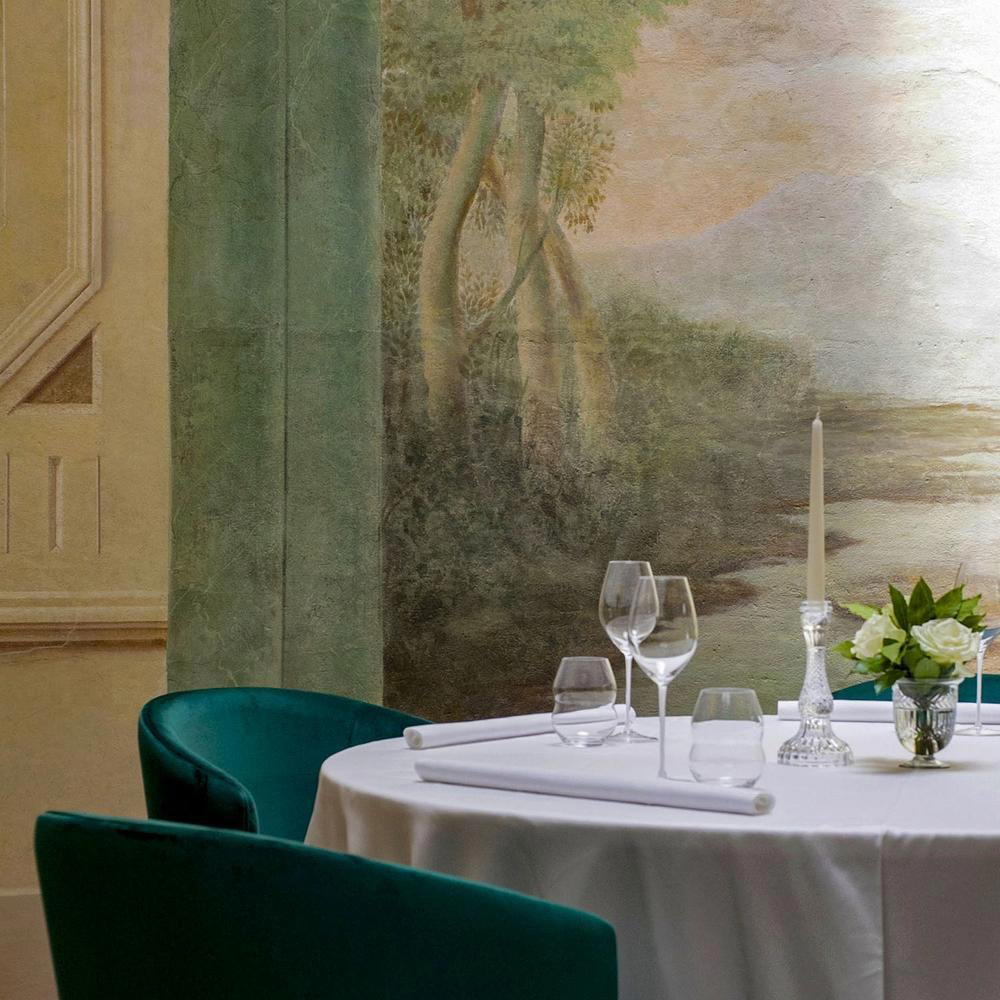
Bars in Belluno
Browse all →
Hotels in Belluno
Browse all →
At a Glance
- Cozy
- Elegant
- Classic
- Family
- Casual Hangout
- Beer Program
- Organic
- Street Scene
Current opening hours
- Monday
- 11:30 AM–2:30 PM, 6:45–11 PM
- Tuesday
- 11:30 AM–2:30 PM, 6:45–11 PM
- Wednesday
- Closed
- Thursday
- 11:30 AM–2:30 PM, 6:45–11 PM
- Friday
- 11:30 AM–2:30 PM, 6:45–11 PM
- Saturday
- 11:30 AM–2:30 PM, 6:45–11 PM
- Sunday
- 11:30 AM–2:30 PM, 6:45–11 PM
Hours can change for holidays and private events. Last verified .
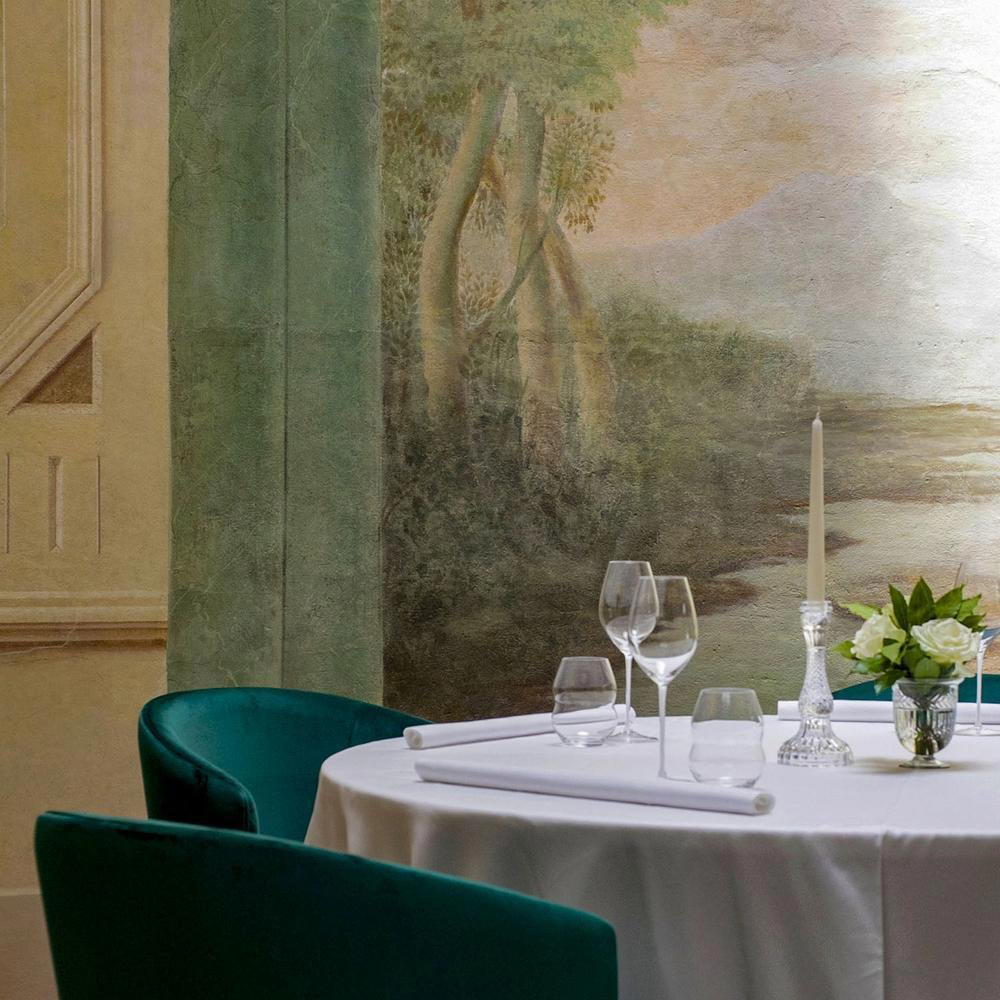
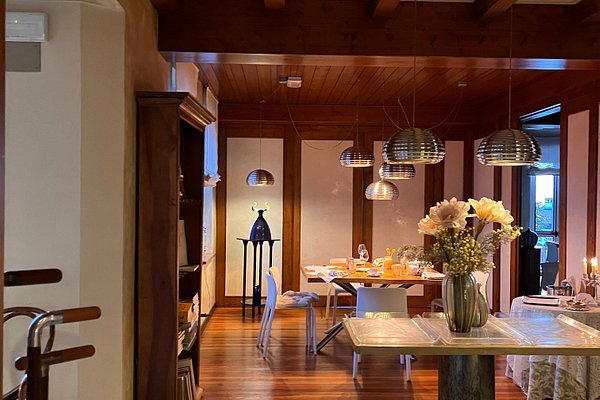
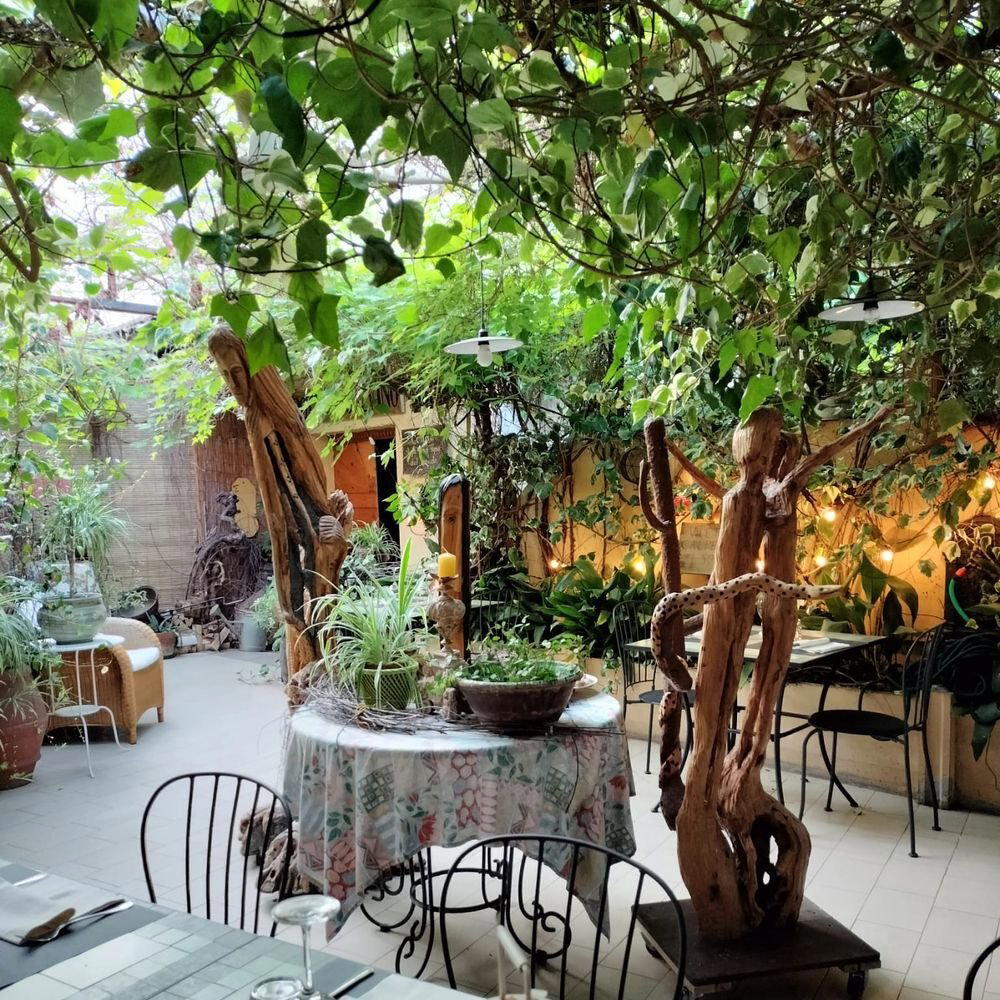
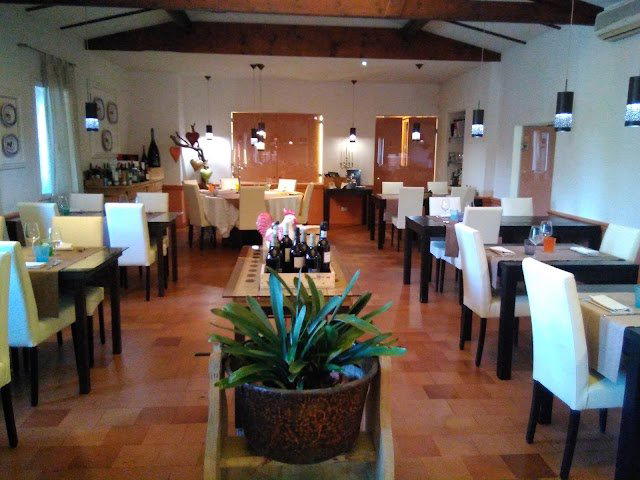
Well-suited mix of old (Vietri ceramics, wood, stone) and modern (glass, metal) elements, described as cozy, elegant, fresh, and pleasant.