
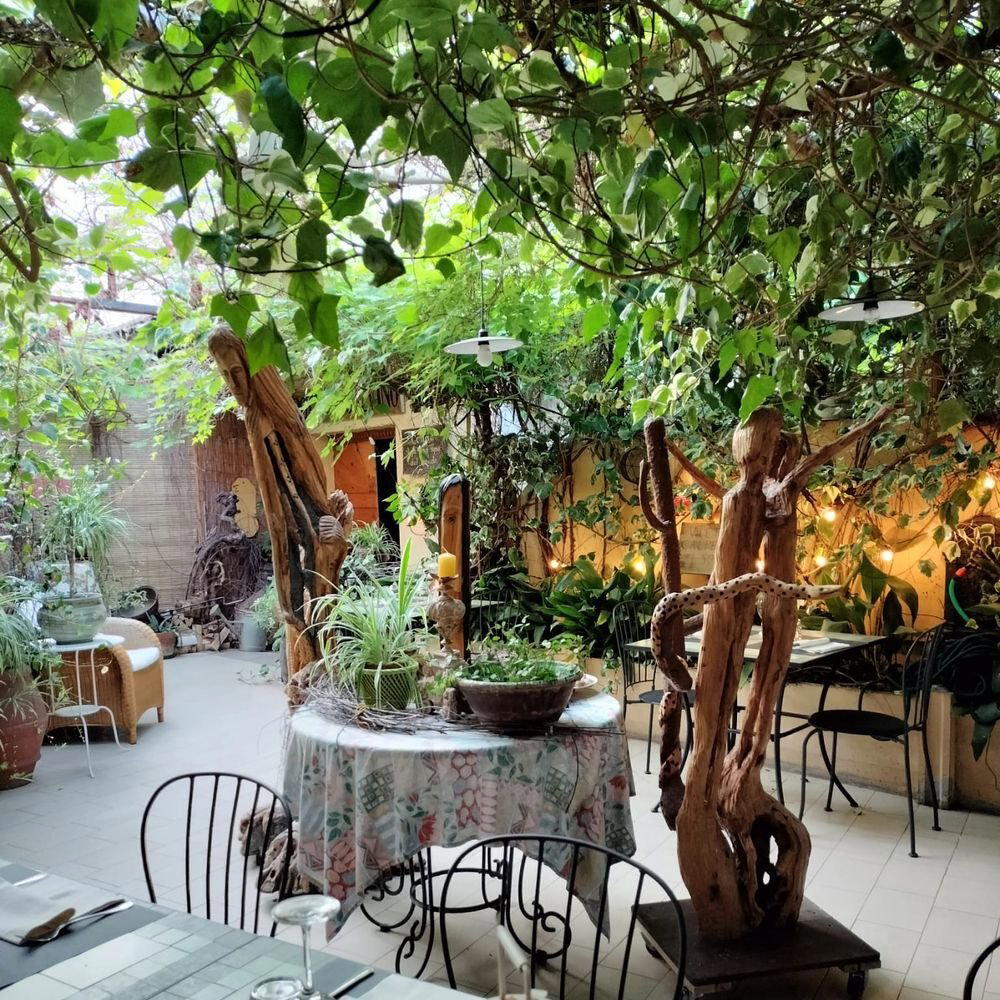
A small restaurant in Belluno's old town, Terracotta occupies a corner of Via Garibaldi where Italian regional cooking meets considered international influence. In summer, a wisteria-covered terrace shifts the setting entirely. The kitchen revisits familiar recipes rather than reproducing them, which places it in a different register from the trattoria circuit that defines most of the Dolomite foothills.
Pearl is the En Primeur Club membership app — saves, bookings, and concierge access live there. Same editors, same standards.
- Address
- Via Garibaldi 61
- Phone
- +39 0437 291692
- Website
- ristoranteterracotta.it
- Directions
- Get directions
 Saves & bookings on Pearl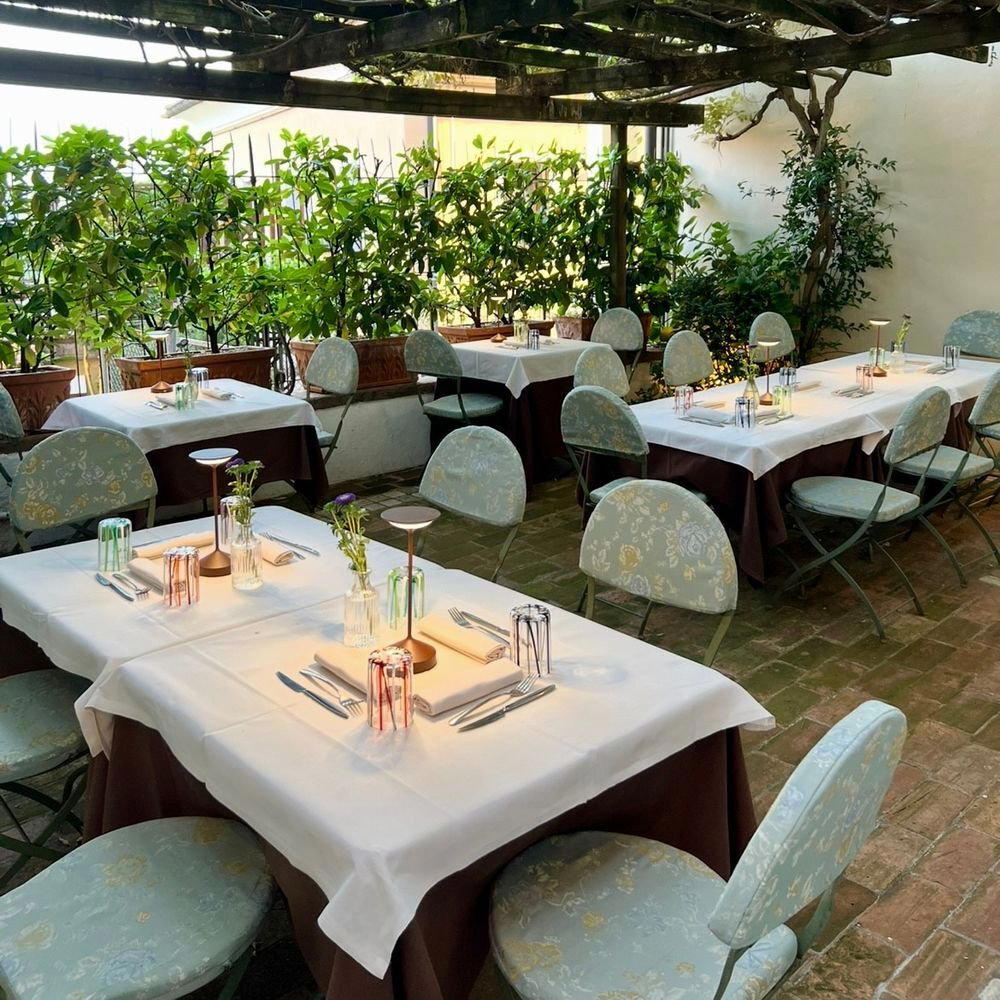
A Courtyard Table in the Dolomite Foothills
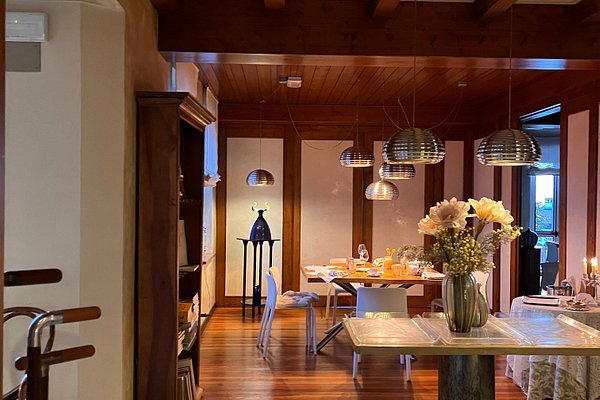
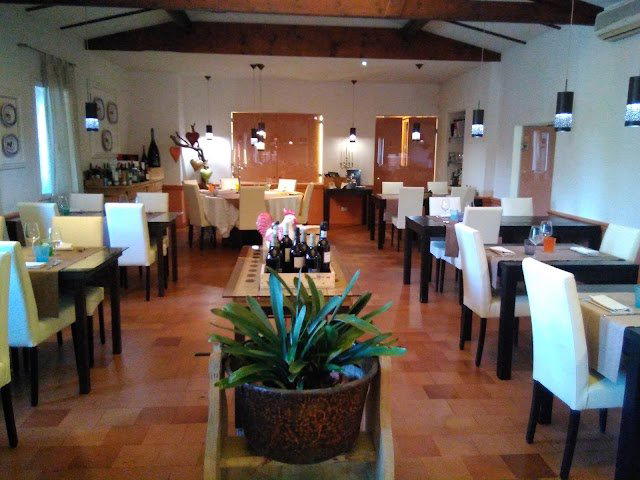
Belluno sits at the point where the Venetian plain gives way to the Dolomites in earnest, a provincial capital with a compact historic centre and a culinary culture that has always drawn from both Alpine and lowland traditions. The old town along Via Garibaldi retains its stone-fronted continuity, and Terracotta occupies one of those addresses at number 61, a small, close-set room that reads immediately as a place where the cooking matters more than the theatre. Approach in summer and the wisteria that canopies the terrace changes the proposition: the meal moves outside, under a plant that has been trained over years, and the street-level quality of the setting becomes part of the experience rather than background detail.
Restaurants at this scale in mid-sized northern Italian towns tend to resolve into one of two types: the family trattoria anchored entirely in local tradition, or the more restless kitchen that reaches across borders without fully committing to either identity. Terracotta occupies a third position, working with Italian and international reference points but reprocessing both rather than reproducing either. That editorial instinct in the kitchen is exactly what distinguishes the more considered provincial restaurants from their peers, and it is rarer in the Veneto foothills than the density of good cooking here might suggest.
Where the Ingredients Come From and Why That Shapes the Plate
The Belluno province is one of the more agriculturally specific corners of the Veneto. The valleys running north toward the Dolomite passes carry their own microclimate conditions: shorter growing seasons, cooler nights, and soil profiles distinct from the Po plain below. Historically, this produced a larder built around preserved proteins, mountain dairy, foraged material, and river fish rather than the abundance of the lagoon or the plains. That foundation still shapes what arrives at tables in this part of Italy, even when the kitchen is working with a broader reference frame.
A restaurant revisiting Italian recipes through an international lens in this context is making a sourcing argument as much as a culinary one. The raw material available locally carries the character of the Alpine-Venetian borderland, and that character tends to assert itself regardless of technique. Cured meats from the Bellunese valleys, late-season mushrooms from the surrounding forests, and dairy products from farms at altitude all carry provenance that changes what a dish does on the plate compared with the same recipe made from lowland substitutes. The small, cosy room at Terracotta is the delivery mechanism; the sourcing geography around Belluno is the underlying logic.
This kind of ingredient-first positioning has become the organising principle at some of Italy's most discussed kitchens. Atelier Moessmer Norbert Niederkofler in Brunico has built an entire programme around Alpine sourcing discipline, while Dal Pescatore in Runate has long demonstrated how a provincial address with strong regional ingredient relationships can sustain a reputation well beyond its immediate geography. Terracotta operates at a different scale and register from those rooms, but the underlying argument about place-specific material is shared territory.
Cooking That Revisits Rather Than Replicates
Italian restaurants that describe their cooking as internationally influenced tend to resolve into two categories: those where the international reference is superficial, applied as garnish to otherwise conventional Italian plates, and those where the cross-cultural dialogue actually changes the dish's logic. The note on Terracotta's kitchen suggests the second approach, with recipes that are revisited rather than simply executed. That distinction matters because it implies a kitchen that is reading its source material critically, deciding what to keep, what to discard, and what to replace with something from a different tradition.
In a provincial city like Belluno, that approach carries a different weight than it would in Milan or Florence. The comparison set here is not Enrico Bartolini in Milan or Enoteca Pinchiorri in Florence, restaurants operating in markets with deep pools of internationally trained diners. The Belluno audience is smaller and more local, which means a kitchen making creative departures from the regional template is taking a more exposed position. That Terracotta has established itself in the old town with a format built around this kind of cooking is itself a signal worth reading.
For context on the wider Italian fine dining arc, Osteria Francescana in Modena, Le Calandre in Rubano, and Piazza Duomo in Alba each represent the progressive Italian format at its most ambitious. Terracotta operates well below that tier in terms of scale and formality, but the intellectual impulse toward reinterpretation rather than repetition connects it to the same broader conversation about what Italian cooking can do when it is not simply reproducing received forms.
The Terrace in Summer
The summer terrace under the wisteria is worth addressing specifically, because it changes the category of experience on offer. Wisteria as a canopy plant requires years of training to produce the coverage that makes a terrace feel enclosed and planted rather than merely adjacent to greenery. A mature wisteria overhead shifts a meal from a restaurant visit into something closer to dining in a private garden, with the ambient quality of light and the faint fragrance of the vine working on the experience in ways that the interior cannot replicate. In June and early July, when wisteria is typically in full bloom across northern Italy, the terrace at Via Garibaldi 61 moves from a pleasant option to the clear first choice for the evening sitting.
Timing a visit around the wisteria bloom is the kind of logistical detail that separates a good meal from a precisely calibrated one. Belluno's old town is navigable on foot from most accommodation in the city centre, and the summer evenings in the Dolomite foothills carry a different temperature profile from the Venetian plain: cooler air descends from the valleys after sunset, which makes outdoor dining comfortable well into the evening without the heat that makes summer terraces in Venice or Verona occasionally difficult.
Placing Terracotta in Belluno's Dining Circuit
Belluno's restaurant offer is smaller in scale than the major Veneto cities, but it covers the essential registers: traditional Piedmontese-influenced cooking at places like Al Borgo, and restaurants that work in more creative territory. Terracotta sits in the latter group, and for visitors building a full itinerary around the city, it fits naturally as the meal where the kitchen's interpretation of local material is given more latitude than the trattoria format allows.
For international reference points outside Italy, Uliassi in Senigallia, Quattro Passi in Marina del Cantone, Reale in Castel di Sangro, Le Bernardin in New York City, and Emeril's in New Orleans each represent the kind of kitchen ambition that contextualises what a restaurant working with international influences is positioning itself alongside, however different the scale.
Reservations for a small restaurant in a city of Belluno's size are advisable in summer, particularly if the terrace is the preference. The old town address at Via Garibaldi 61 is reachable on foot from the central squares,
A Quick Peer Check
Comparable venues nearby, for context on price, style, and recognition.
| Venue | Cuisine | Price | Awards | Notes |
|---|---|---|---|---|
| TerracottaThis venue — the venue you are viewing | Modern Italian Contemporary | $$$ | Michelin Plate | Not listed |
| Officine del Buon Gusto | Modern Italian Regional | $$ | Not listed | industrial estate |
| Al Borgo | Regional Italian in Historic Villa | $$ | Bib Gourmand | Anconetta |
| Nogherazza | Traditional Italian Trattoria | $$ | Not listed | Belluno countryside |
| La Fenice | Italian Pizzeria with Amalfi Influences | $$ | Not listed | center |
| La Pajara Gourmet | Modern Italian with Trentino and Seafood | $$$ | Michelin Plate | Transacqua |
Recognition history
Dated appearances from independent guides and award organizations, with the underlying list record or original source where available.
Michelin Plate
Michelin · 2026 Michelin Plate
At a Glance
- Romantic
- Intimate
- Cozy
- Elegant
- Date Night
- Celebration
- Special Occasion
- Terrace
- Garden
- Standalone
- Extensive Wine List
- Local Sourcing
- Garden
Current opening hours
- Monday
- 12–2 PM, 7:30–9:30 PM
- Tuesday
- Closed
- Wednesday
- 7:30–9:30 PM
- Thursday
- 7:30–9:30 PM
- Friday
- 12–2 PM, 7:30–9:30 PM
- Saturday
- 12–2 PM, 7:30–9:30 PM
- Sunday
- 12–2 PM, 7:30–9:30 PM
Hours can change for holidays and private events. Last verified .
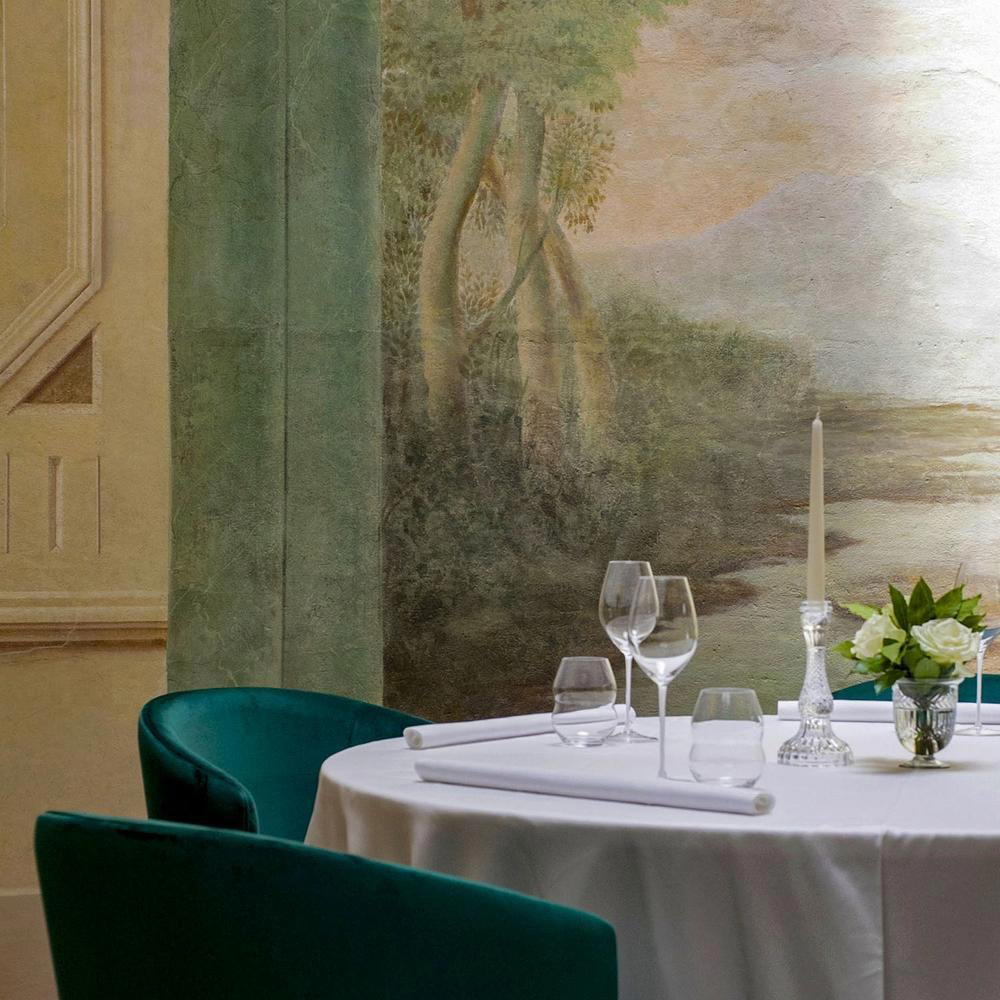
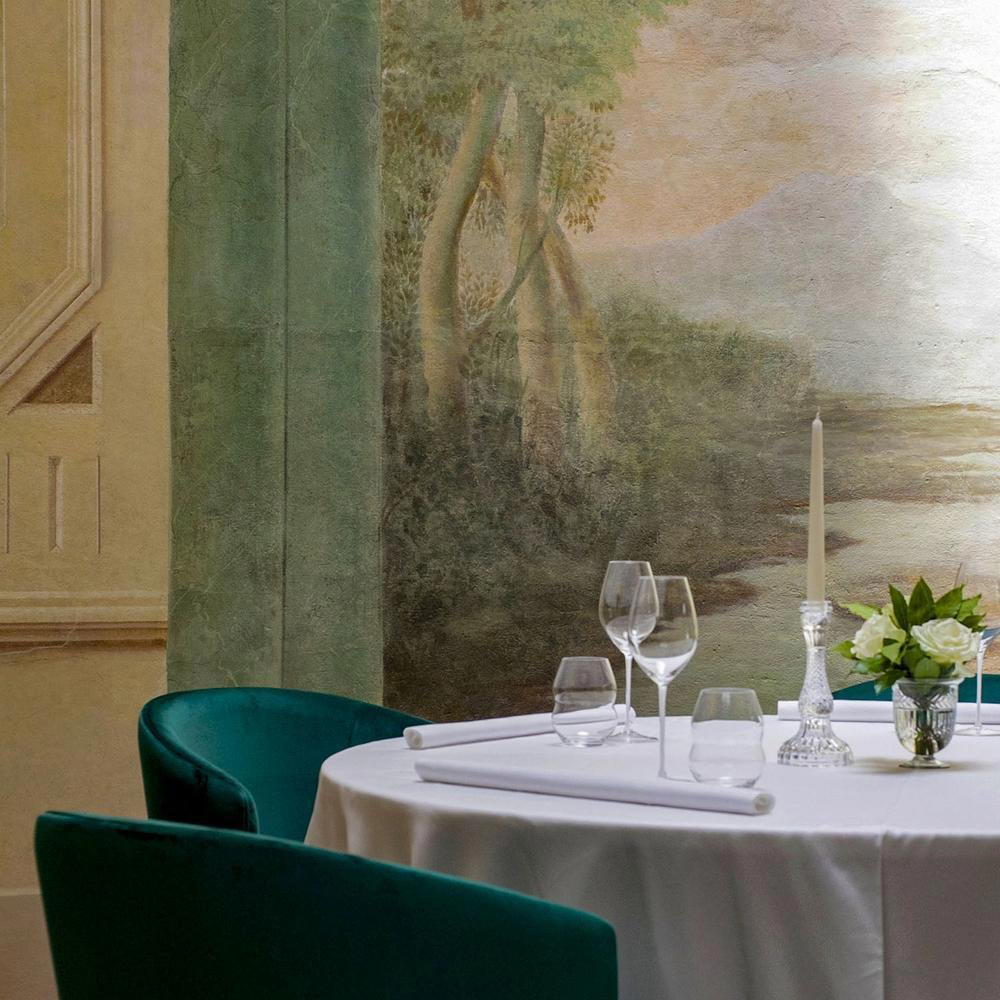
Cozy and refined with warm, intimate lighting; the back terrace features a beautiful wisteria-covered pergola creating a romantic, secluded atmosphere.