Faloria Mountain Spa Resort

Michelin Selected
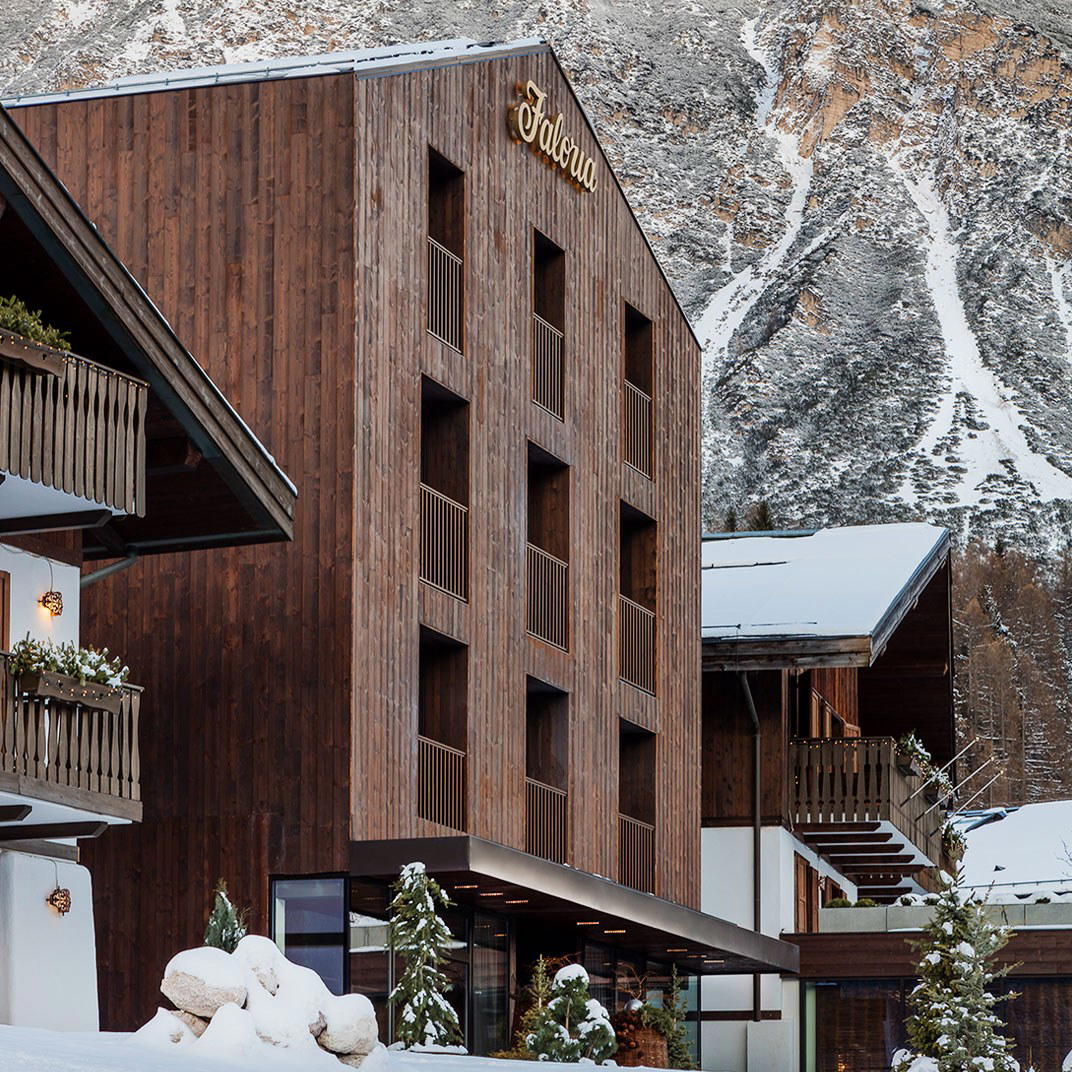
Selected by the Michelin Guide for 2025, Faloria Mountain Spa Resort occupies the quieter upper slopes above Cortina d'Ampezzo at Località Zuel di Sopra, positioning it at a remove from the town's busier hotel corridor. The property sits within the smaller, design-conscious tier of Dolomite mountain resorts, where spa programming and mountain proximity carry as much weight as room count.

Pearl is the En Primeur Club membership app — saves, bookings, and concierge access live there. Same editors, same standards.
- Address
- Località Zuel di Sopra, 46, 32043 Cortina d'Ampezzo BL, Italy
- Phone
- +39 0436 2959
- Website
- faloriasparesort.com
- Directions
- Get directions
Where the Dolomites Shape the Dining Agenda
Alpine resort dining in the Dolomites has undergone a meaningful shift over the past decade. Properties that once leaned on generic mountain-lodge menus have increasingly committed to regional culinary identity, treating the surrounding Veneto and South Tyrolean larder as a serious source rather than a postcard backdrop. The elevation matters here: at altitude, with skiing and hiking defining the daily rhythm, a hotel's food and drink programme carries disproportionate weight. Guests eat in. They return between runs. They linger over dinner because the alternative is a dark mountain road. Faloria Mountain Spa Resort, selected by the Michelin Guide in 2025, operates in this context, holding a position at Località Zuel di Sopra that places it above the main Cortina corridor and closer to the natural environment that shapes its hospitality offer.
The Mountain-Resort Dining Register
In the upper tier of Dolomite resort hotels, the dining programme typically anchors the stay rather than supplementing it. This is distinct from city hotels, where guests scatter to neighbourhood restaurants each evening. At altitude in the Ampezzo basin, geography concentrates demand at the property level, and the kitchen has to perform across breakfast, lunch (often ski-stop formats or terrace service), and dinner. The regional tradition here draws on ingredients that have defined mountain cooking for centuries: mushrooms gathered from Cadore forests, game from the surrounding Belluno province, aged dairy from high-altitude pastures, and polenta in forms that bear little resemblance to the simplified versions found lower in the Veneto. When a Dolomite hotel aligns its kitchen with that tradition rather than defaulting to pan-European luxury standards, the result reads as place rather than product. Faloria's Michelin recognition in 2025 places it in the company of properties where that alignment has been noticed by the guide's inspectors, who visit the Cortina area with increasing regularity as the town's profile has risen ahead of its co-hosting role in the 2026 Winter Olympics.
Cortina's Hotel Tier and Where Faloria Sits
Cortina d'Ampezzo now divides its hotel offer across several clear bands. At one end, large historic properties like Grand Hotel Savoia & Spa operate with full-service footprints and central positions on the Corso Italia corridor. At the other, smaller character properties like Casa Guargnè and De LEN offer limited keys and a more calibrated sense of place. Faloria occupies the latter category in geographic terms, with its Zuel di Sopra address signalling deliberate distance from the town's retail and social centre. That positioning carries a trade-off: less walking access to Cortina's bars and boutiques, but a more immediate relationship with the mountain terrain and a quieter arrival experience. For guests whose priority is the spa programme and mountain proximity over town access, the location is the point rather than the compromise.
Cortina's broader positioning within Italian luxury travel continues to shift. The town has long attracted a northern Italian aristocratic set alongside international skiers, but the 2026 Olympics co-hosting has accelerated infrastructure investment and drawn wider international attention. For a full picture of where to eat and drink across the town, see our full Cortina d'Ampezzo restaurants guide.
The Spa as Structural Anchor
At mountain properties in this bracket, the spa operation functions as a structural equal to the dining programme rather than an amenity add-on. In the broader Alpine context, guests choose between properties partly on the basis of their wellness infrastructure, and Michelin's hotel selection criteria now weight experiential coherence alongside culinary performance. The Faloria name references the mountain directly above Cortina, accessible by cable car from the town centre, and that geographical grounding extends into the property's identity as a place oriented toward the physical environment rather than social performance. The distinction matters when comparing it to city-adjacent luxury hotels in Italy: properties like Aman Venice in Venice or Bulgari Hotel Roma in Rome operate on an entirely different social register, where urban access and brand visibility are central.
Italian Mountain Hotels in Comparative Context
The wider Italian luxury hotel field spans a remarkable range of settings and styles. Properties like Borgo Egnazia in Puglia, Il Pellicano in Porto Ercole, and Borgo Santandrea on the Amalfi Coast operate in warm-season coastal modes. Wine-country properties like Rosewood Castiglion Del Bosco in Montalcino and Casa Maria Luigia in Modena are anchored in agricultural landscape and food production. Faloria belongs to the mountain subset, a category that defines itself through seasonality across two modes (ski season and hiking season), altitude-specific physical activity, and a clientele that plans around snow conditions as much as restaurant reservations. The Michelin Selected distinction it carries in 2025 places it in qualified company, but within the Dolomites specifically it competes against a growing field of properties that have invested heavily in culinary and wellness credentials ahead of the 2026 Olympic moment. Properties like Four Seasons Hotel Firenze in Florence, Portrait Milano in Milan, and Passalacqua in Moltrasio represent the urban and lake district poles of Italian luxury, each with its own competitive logic. Faloria's differentiation rests on the specificity of its mountain setting and the coherence of its positioning within it.
Planning a Stay
Cortina d'Ampezzo operates on two distinct seasonal peaks. The ski season from December through March commands the highest room rates and the most compressed booking windows, with the Christmas-New Year period and the February half-term weeks filling earliest. The summer hiking and cycling season, peaking from late June through August, has grown substantially in recent years as the town's profile has expanded beyond its traditional skiing clientele. Shoulder periods in November and April offer a quieter version of Cortina at meaningfully different price points, though some mountain facilities operate on reduced hours during those windows. Faloria's address at Zuel di Sopra sits outside the town centre, so guests without a vehicle should factor in transfer logistics from Cortina's bus connections or arrange private transfers from Venice Marco Polo or Innsbruck airports, the two most practical entry points for international arrivals. Booking directly through the property is advisable for guests with specific room or spa preferences, as allocation at mountain resorts in this tier tends to move quickly once the key winter dates open. For those comparing options across Italian mountain and Alpine destinations, Badrutt's Palace Hotel in St. Moritz and Hôtel de Paris Monte-Carlo in Monte Carlo represent points of comparison in the broader European luxury resort category, each operating on different seasonal and social logic from a Dolomite mountain property.
Price and Positioning
Comparable venues nearby, for context on price, style, and recognition.
| Venue | Price | Awards | Notes |
|---|---|---|---|
| Faloria Mountain Spa ResortThis venue — the venue you are viewing | $300–500 | Michelin Selected | Not listed |
| Grand Hotel Savoia & Spa | $500–750 | Michelin Selected | Cortina d'Ampezzo, Timeless Alpine heritage with modern luxury renovations |
| De LEN | $300–500 | Michelin Selected · Mr & Mrs Smith Seal of Approval | center, Sustainable alpine boutique with sleep-centric design |
| Rosapetra SPA Resort | $200–300 | Michelin Selected · Virtuoso Luxury Hotel Partner | Cortina d'Ampezzo, Contemporary mountain design using authentic natural materials like fir wood and stone. |
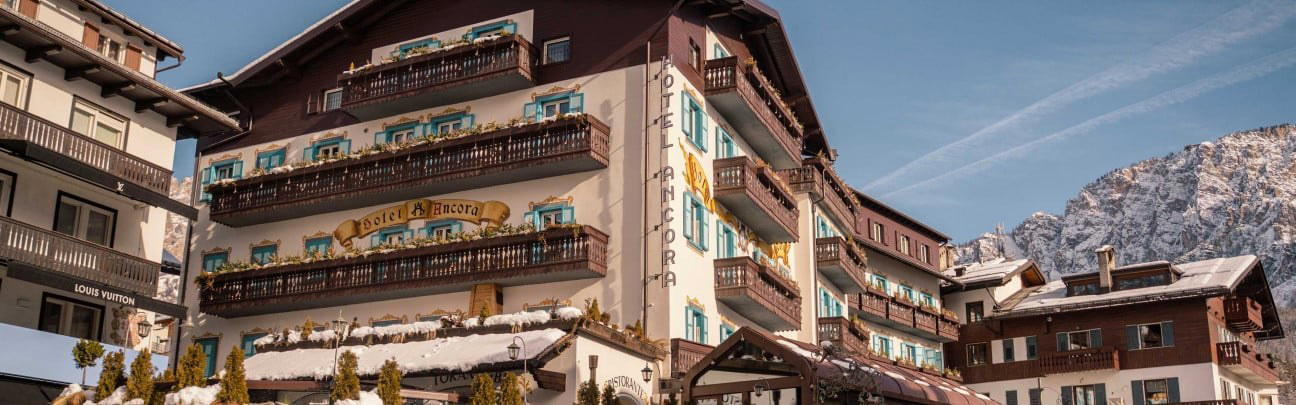
| Ancora Cortina | Not listed | 1 Michelin Key · Mr & Mrs Smith Seal of Approval | Cortina d'Ampezzo Historic Centre, Historic boutique hotel blending Ampezzana tradition with contemporary design |
| Casa Guargnè | $300–500 | Michelin Selected | Ampezzo basin, Refined boutique retreat reinterpreting 1980s Cortina elegance with contemporary mountain hospitality. |
Recognition history
Dated appearances from independent guides and award organizations, with the underlying list record or original source where available.
Michelin Selected
Michelin
Continue exploring
More in Cortina d'Ampezzo
Hotels in Cortina d'Ampezzo
Browse all →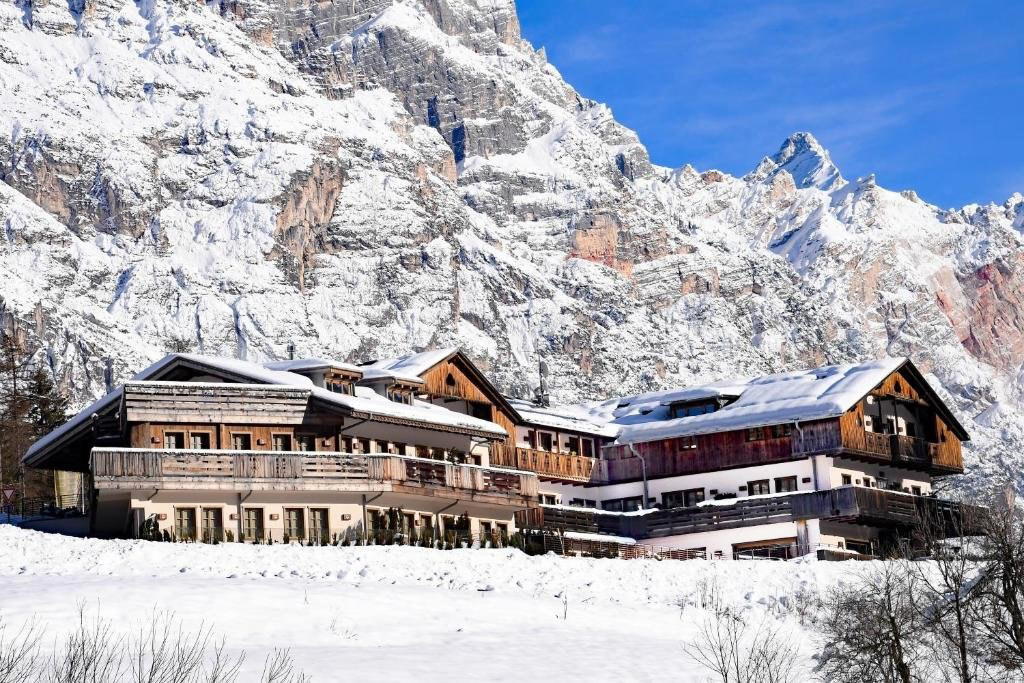
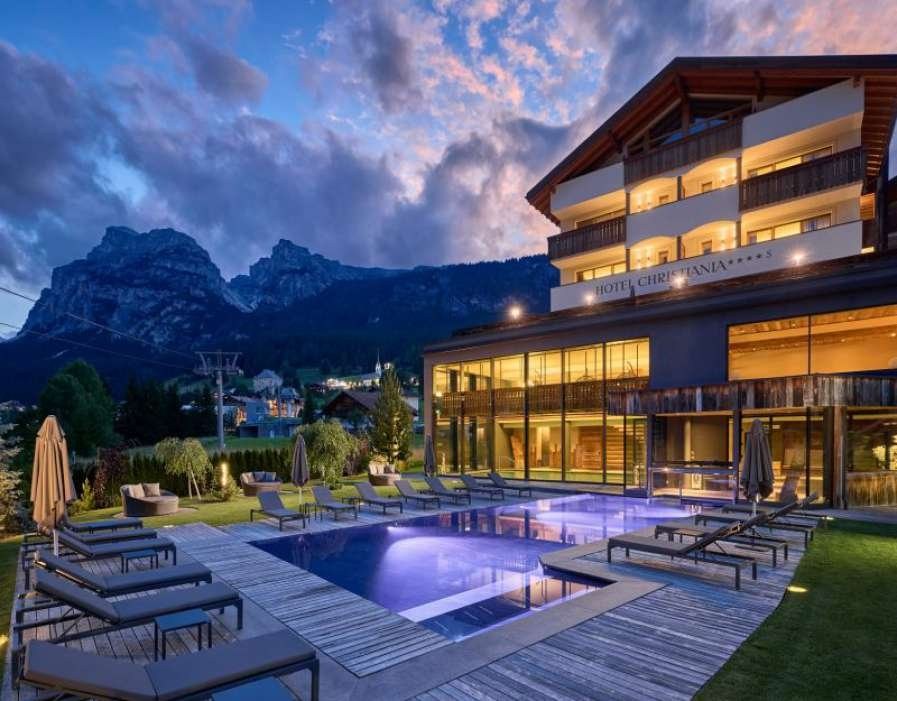
Bars in Cortina d'Ampezzo
Browse all →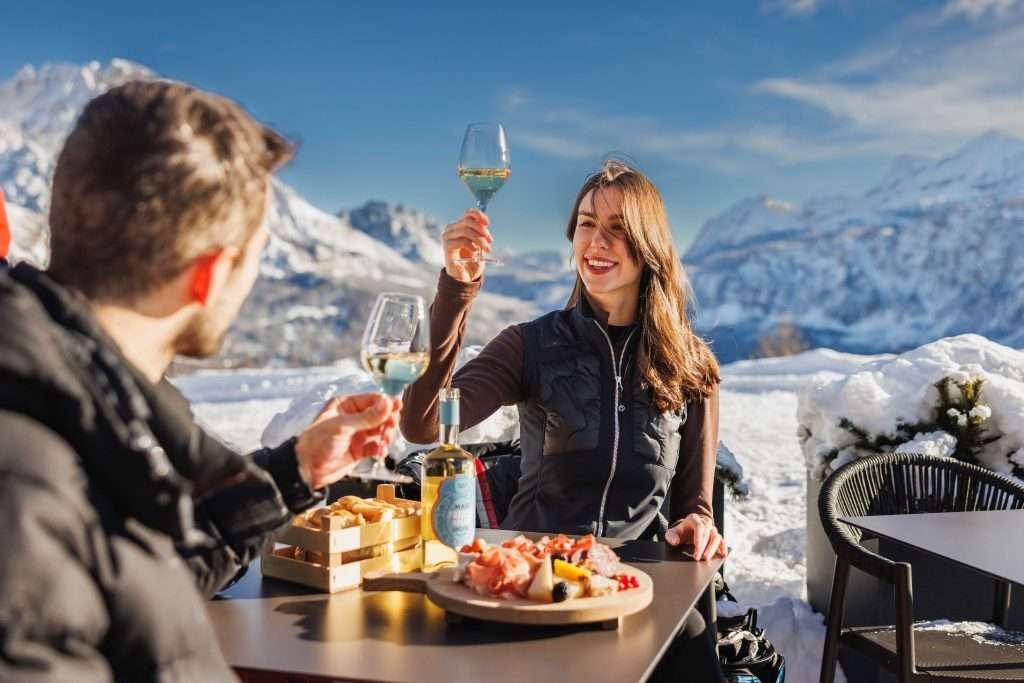
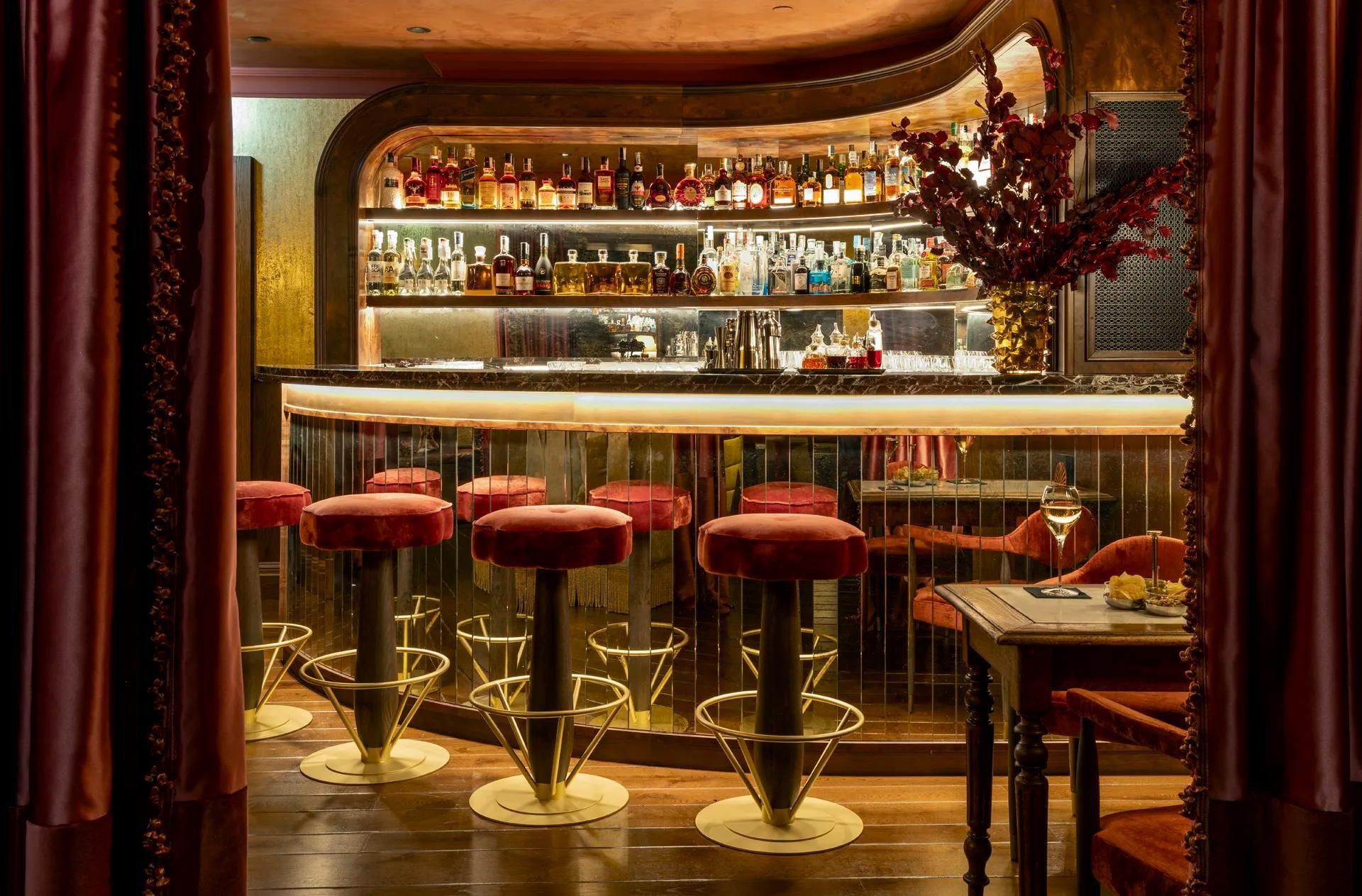
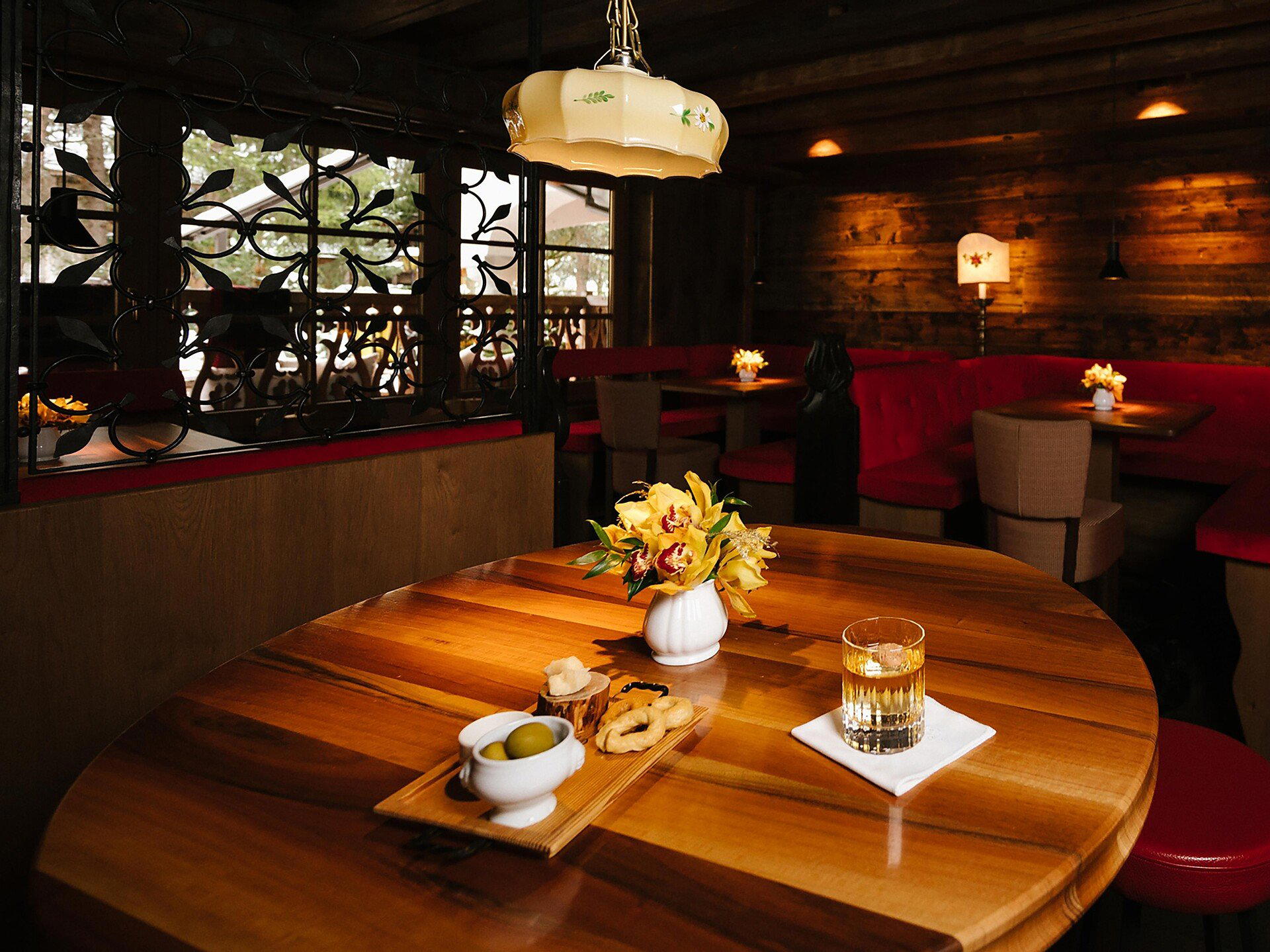
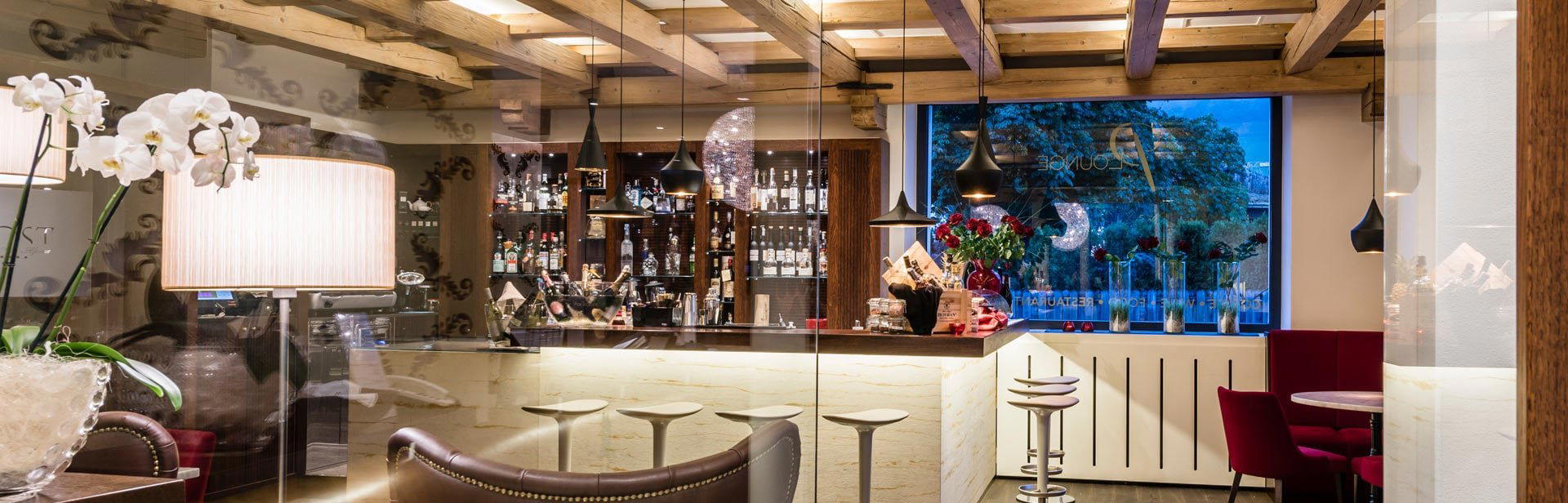
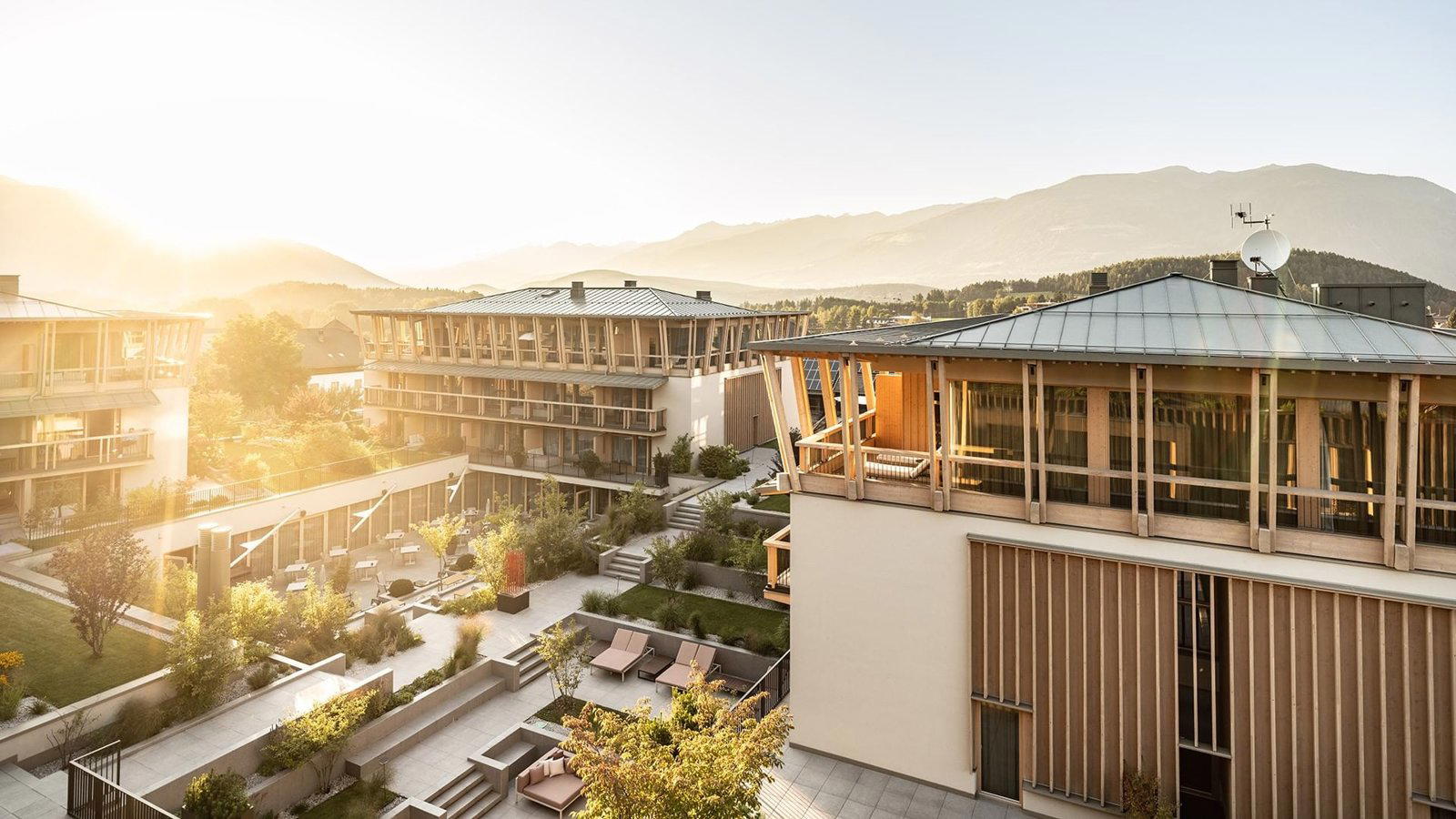
Restaurants in Cortina d'Ampezzo
Browse all →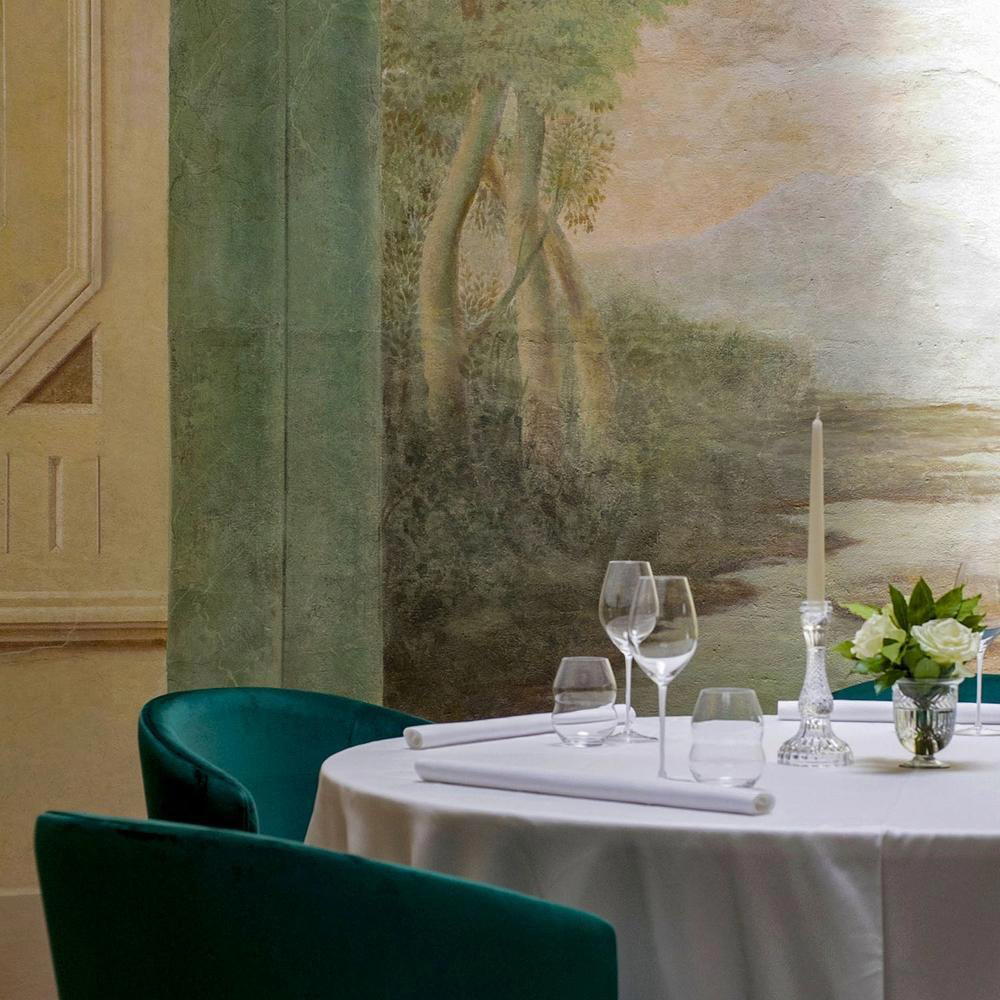
Wineries in Cortina d'Ampezzo
Browse all →

Details
- Elegant
- Scenic
- Cozy
- Sophisticated
- Quiet
- Romantic Getaway
- Wellness Retreat
- Family Vacation
- Weekend Escape
- Panoramic View
- Destination Spa
- Spa
- Pool
- Fitness Center
- Room Service
- Concierge
- Restaurant
- Wi Fi
- Mountain
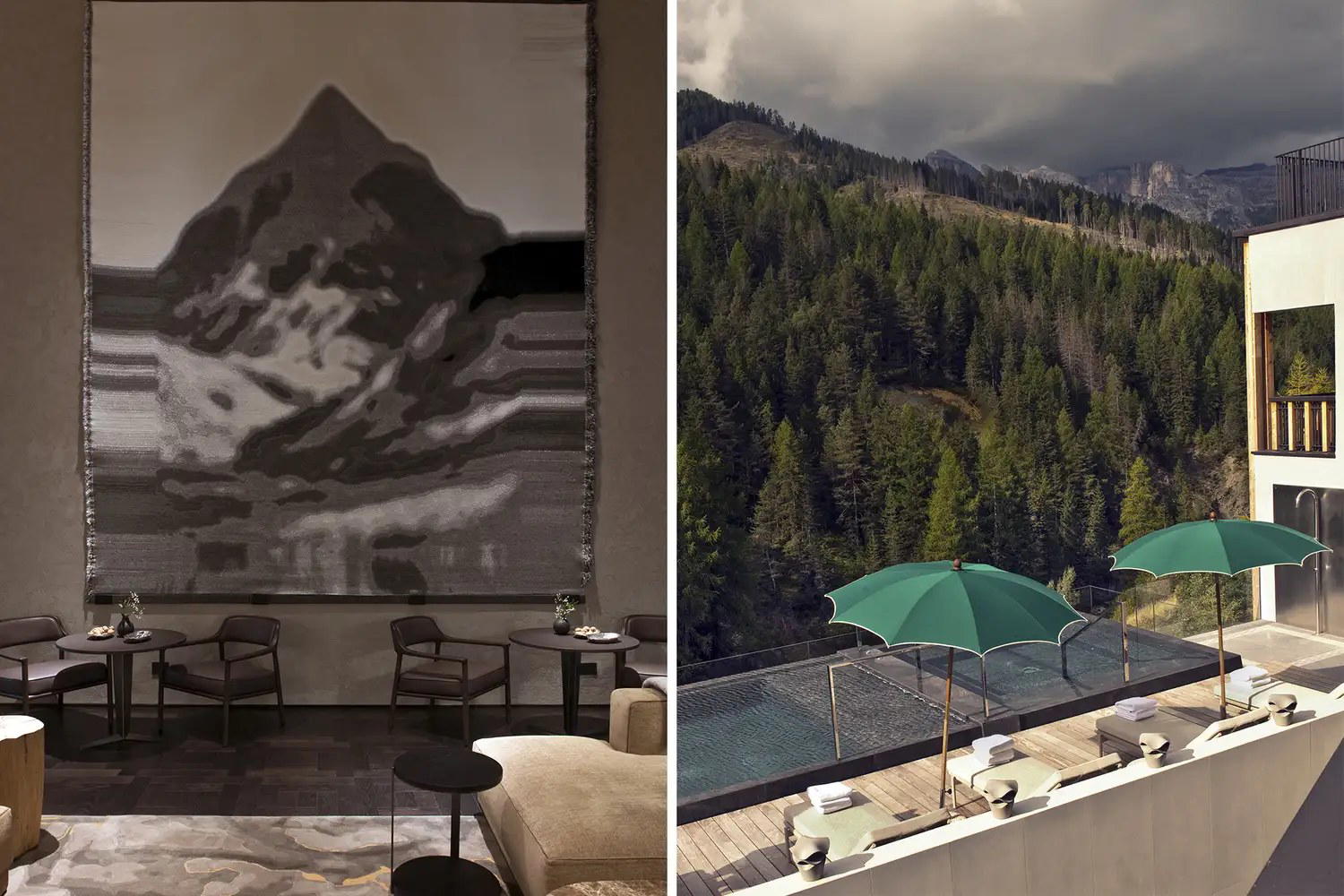
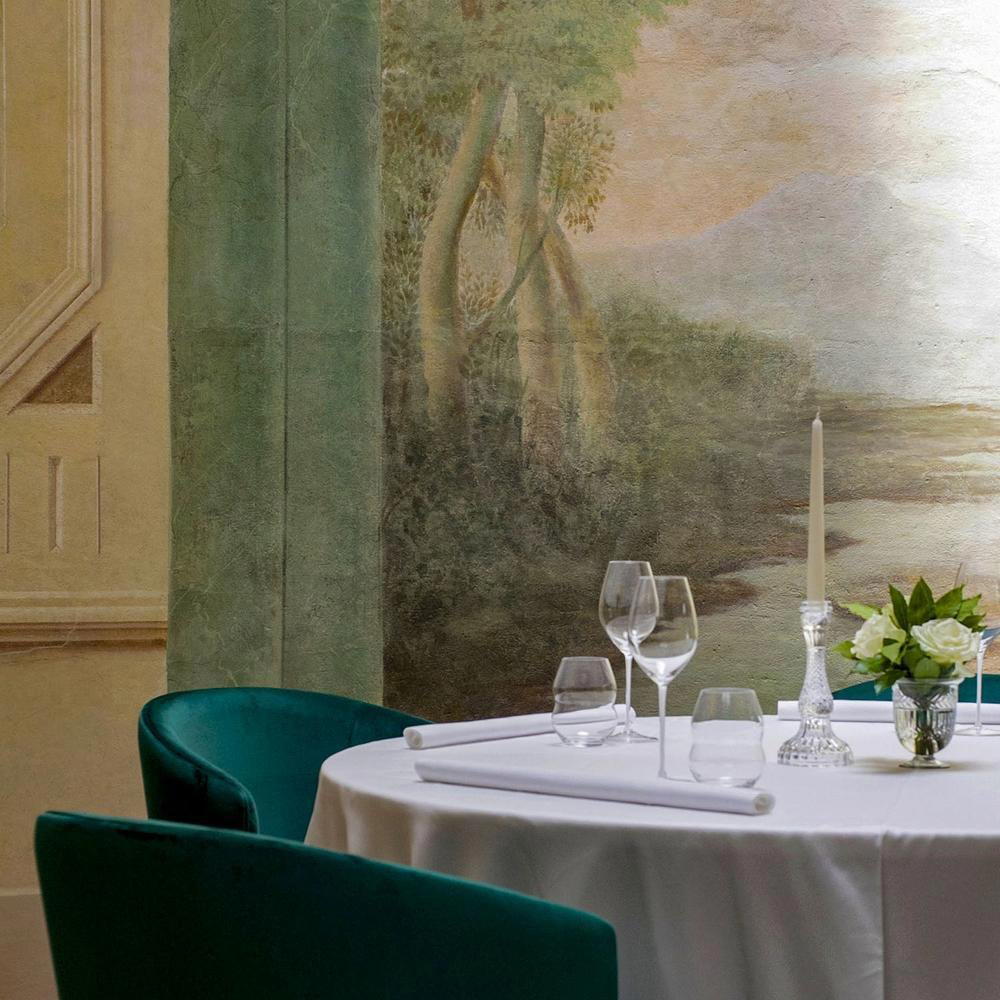
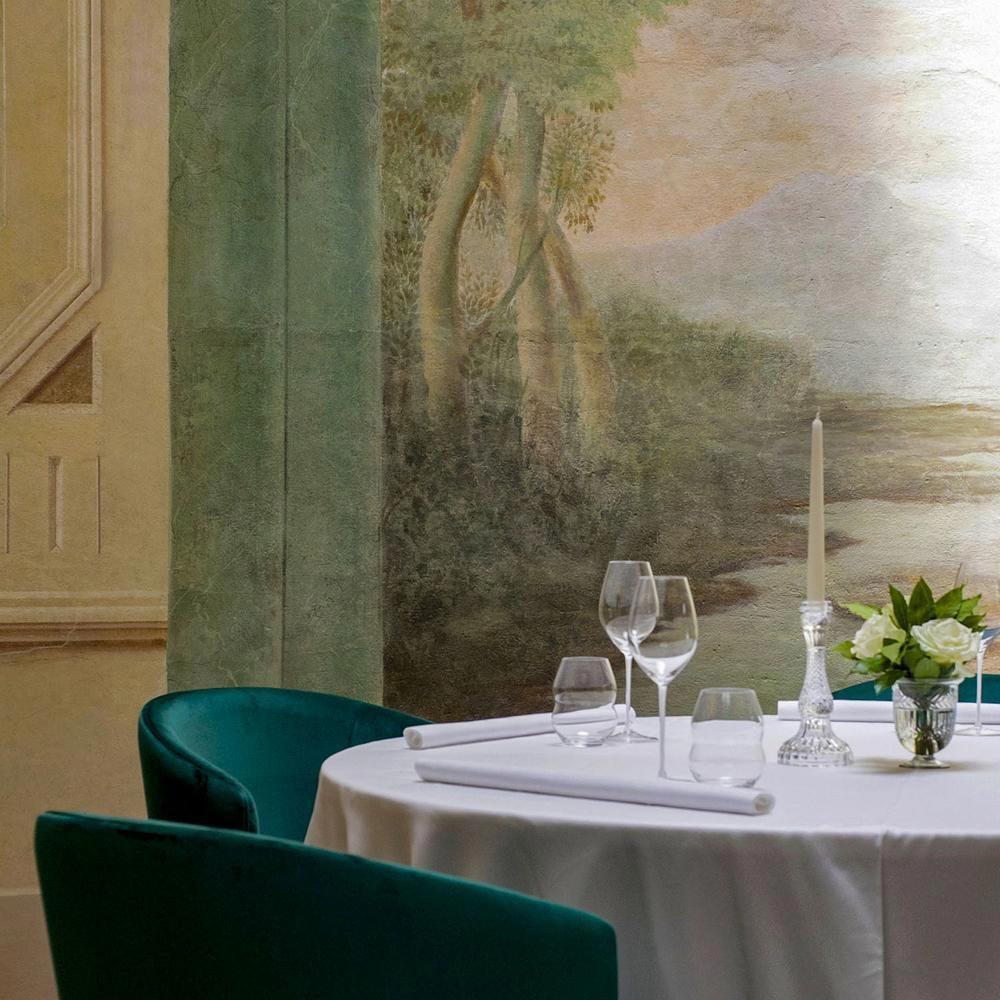
Nordic, elegant, essential atmosphere with natural larch wood, Dolomia stone, and relaxed comfort inspired by alpine context.