La fantaisie
La fantaisie sits in Seillonnaz, a small commune in the Ain department of eastern France, where the productive farmlands of the Dombes plateau meet the foothills of the Bugey. Positioned in a region with deep roots in poultry, freshwater fish, and market-garden produce, it operates in a culinary tradition that values provenance over spectacle. See our full guide to dining in the area for broader context.
Pearl is the En Primeur Club membership app — saves, bookings, and concierge access live there. Same editors, same standards.
- Address
- 50 Rue des Alinieres, 01470 Seillonnaz, France
- Phone
- +33633989835
- Website
- la-fantaisie.fr
- Directions
- Get directions
 Saves & bookings on Pearl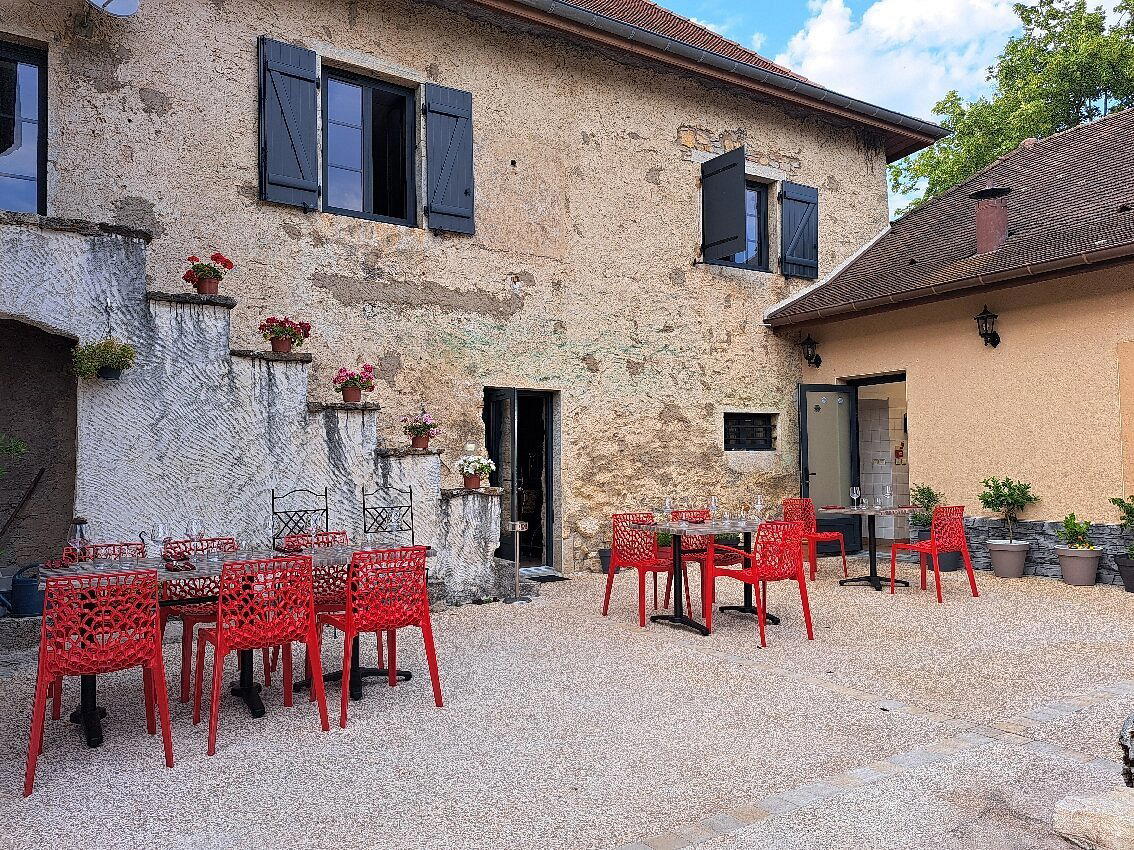
Seillonnaz and the Ain: A Region That Feeds by Proximity
Eastern France's Ain department does not generate the same critical heat as Lyon, forty minutes to the south, or the Savoie alpine corridor to the east, yet it supplies both. The Dombes plateau, which stretches across much of the department, is one of France's most productive wetland systems: its network of étangs, the shallow man-made ponds maintained since the Middle Ages, yields freshwater crayfish, pike, tench, and the region's celebrated frogs. Simultaneously, the Bresse appellation, whose borders run through the northern Ain, produces what is formally the protected poultry in France, the Poulet de Bresse carrying an AOC designation since 1957. A restaurant in Seillonnaz does not need to reach far for serious ingredients. The fields and waters are immediately local in a way that kitchens in larger cities have to negotiate through supply chains.
This is the culinary geography in which La fantaisie operates, at 50 Rue des Alinieres in a village whose scale demands that any dining room establish its own quiet authority rather than borrow it from urban proximity.
The Sourcing Logic of a Region That Produces Its Own Larder
The question worth asking about any small-commune restaurant in this corridor of France is not whether the food is local, but whether the sourcing is integrated into the format, or simply gestured at on a menu. The Ain and Bugey have an unusually well-developed infrastructure for short supply chains. Markets at Bourg-en-Bresse, the departmental capital twenty kilometres north of Seillonnaz, run with a regularity and variety that gives small kitchens access to seasonal produce, farmhouse cheeses from the Revermont hills, and freshwater catches without the minimum-order constraints that urban wholesalers impose. A kitchen in this geography that takes its sourcing seriously is working within a tradition rather than making a statement.
Regionally, this Ain corridor occupies a distinct position relative to the grand French restaurant tradition. The multi-generational institutions that have defined French fine dining at scale, places like Paul Bocuse's Auberge du Pont de Collonges in Collonges-au-Mont-d'Or or Georges Blanc in Vonnas, sit within the same broad culinary zone and have built their identities partly on Bresse poultry and regional produce refined to table-theatre scale. Smaller operations in surrounding villages work the same raw materials without the institutional weight, which can produce a more direct relationship between what the land offers and what arrives on the plate.
Where La fantaisie Sits in the Broader French Dining Conversation
French restaurant culture beyond the major metropolitan corridors has been reshaping itself over the past decade. The middle category, neither the destination three-star experience nor the bistro trading on comfort and price, has grown more legible as a format. Kitchens in market towns and small communes have found audiences willing to travel specifically for cooking that is grounded in a place, rather than in a particular chef's credentials or a dining-room design statement. This is the environment in which a village address in the Ain becomes a viable editorial subject rather than simply a local option.
The comparison set for a restaurant at this address is not Paris. Operations like Alléno Paris au Pavillon Ledoyen or Mirazur in Menton compete on international recognition and conceptual ambition. The more relevant peer conversation for a Seillonnaz address is with restaurants that have built strong regional followings through disciplined sourcing and format clarity: places like Bras in Laguiole, which has spent decades defining a cuisine rooted in the Aubrac plateau, or Auberge du Vieux Puits in Fontjoncouse, which generates serious critical attention from a village in the Corbières that most visitors would not locate without directions. The logic in each case is the same: the remoteness is part of the argument, not an obstacle to it.
Elsewhere in France, the same dynamic plays out in alpine and coastal formats. Flocons de Sel in Megève has used mountain-specific foraging and altitude-conscious cooking to sustain destination status. La Marine on Noirmoutier built its identity around the island's particular tidal ecosystem. In each case, the sourcing argument and the geographic argument are the same argument. For readers whose reference points extend to international destinations, Le Bernardin in New York City has made precisely this case for decades with seafood sourcing, and Atomix, also in New York, has applied a similar discipline to Korean-rooted ingredients and suppliers. Closer to Seillonnaz, the Rhône Valley fine dining corridor includes Troisgros in Ouches and AM par Alexandre Mazzia in Marseille, both of which have made sourcing transparency a structural part of their menus. Christopher Coutanceau in La Rochelle and Assiette Champenoise in Reims represent further points on that map, as do Auberge de l'Ill in Illhaeusern, Au Crocodile in Strasbourg, and L'Oustau de Baumanière in Les Baux, each anchored to a specific French territory.
Planning a Visit
Seillonnaz is a small commune in the Ain department, accessible from Bourg-en-Bresse and from Lyon via the A42 motorway. The address is 50 Rue des Alinieres, 01470 Seillonnaz. Given the village scale, driving is the practical mode for most visitors. The address is 50 Rue des Alinieres, 01470 Seillonnaz. Driving is the practical mode for most visitors.
In Context: Similar Options
Comparable venues nearby, for context on price, style, and recognition.
| Venue | Cuisine | Price | Notes |
|---|---|---|---|
| La fantaisieThis venue — the venue you are viewing | Seasonal French Bistro | $$$ | Not listed |
| Restaurant Paquet | Regional French Bistro | $$$ | Druillat |
| Bacchanales | Modern French Gastronomique | $$$ | Quartier Bellecour Carnot |
| Le comptoir | Lyonnaise Bistronomique | $$$ | Quartier Quartiers Anciens |
| Restaurant Du Pont de Jons | Classic French Gastronomic | $$$ | Jons |
| Le Simple Goût Des Choses | Bistronomic French | $$$ | Quartier Parc Duquesne |
Continue exploring
More in Seillonnaz
Restaurants in Seillonnaz
Browse all →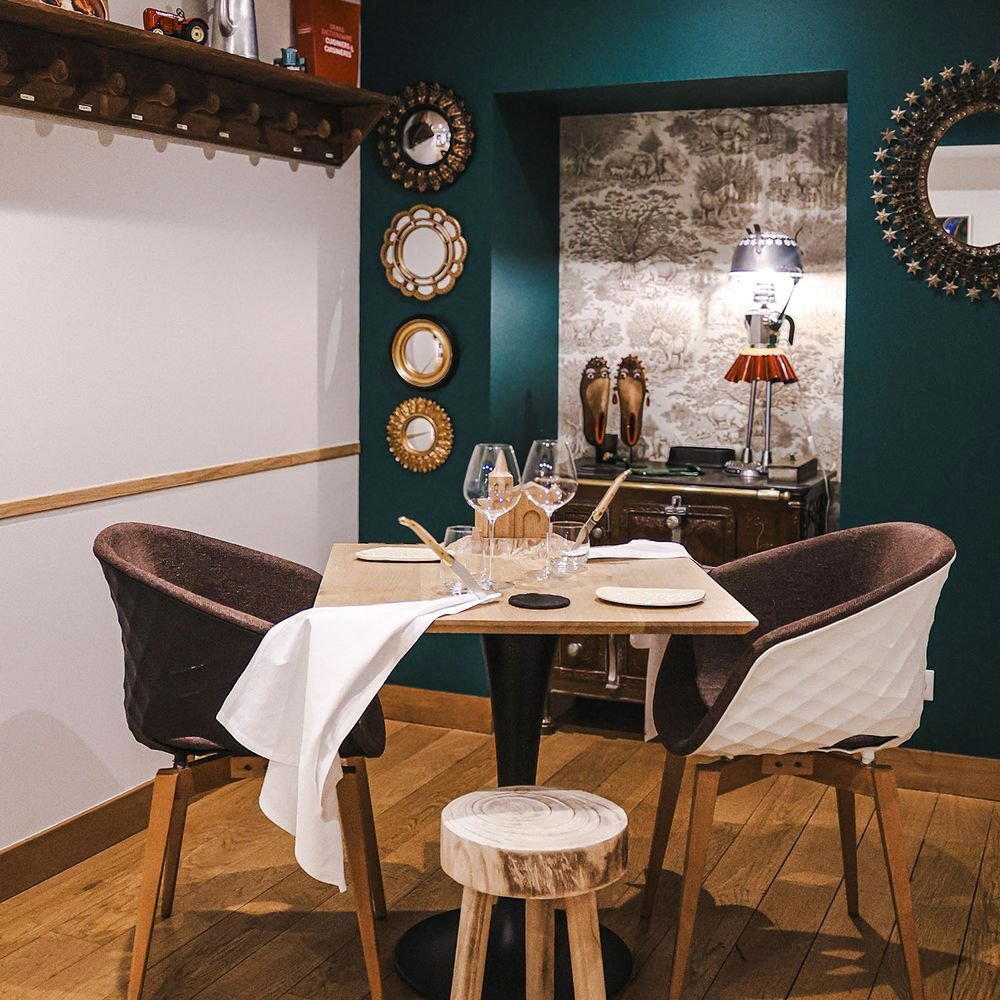
Bars in Seillonnaz
Browse all →
Hotels in Seillonnaz
Browse all →
Wineries in Seillonnaz
Browse all →
At a Glance
- Romantic
- Intimate
- Cozy
- Date Night
- Special Occasion
- Standalone
- Local Sourcing
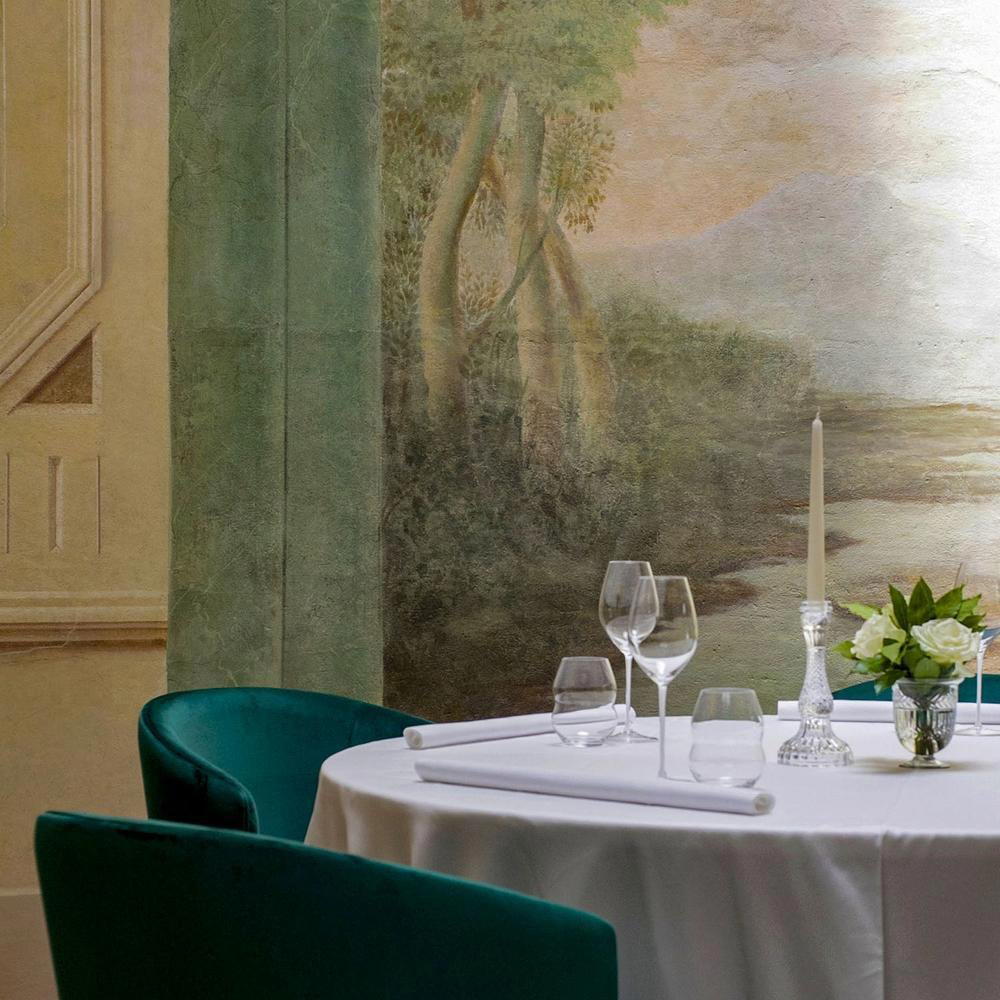
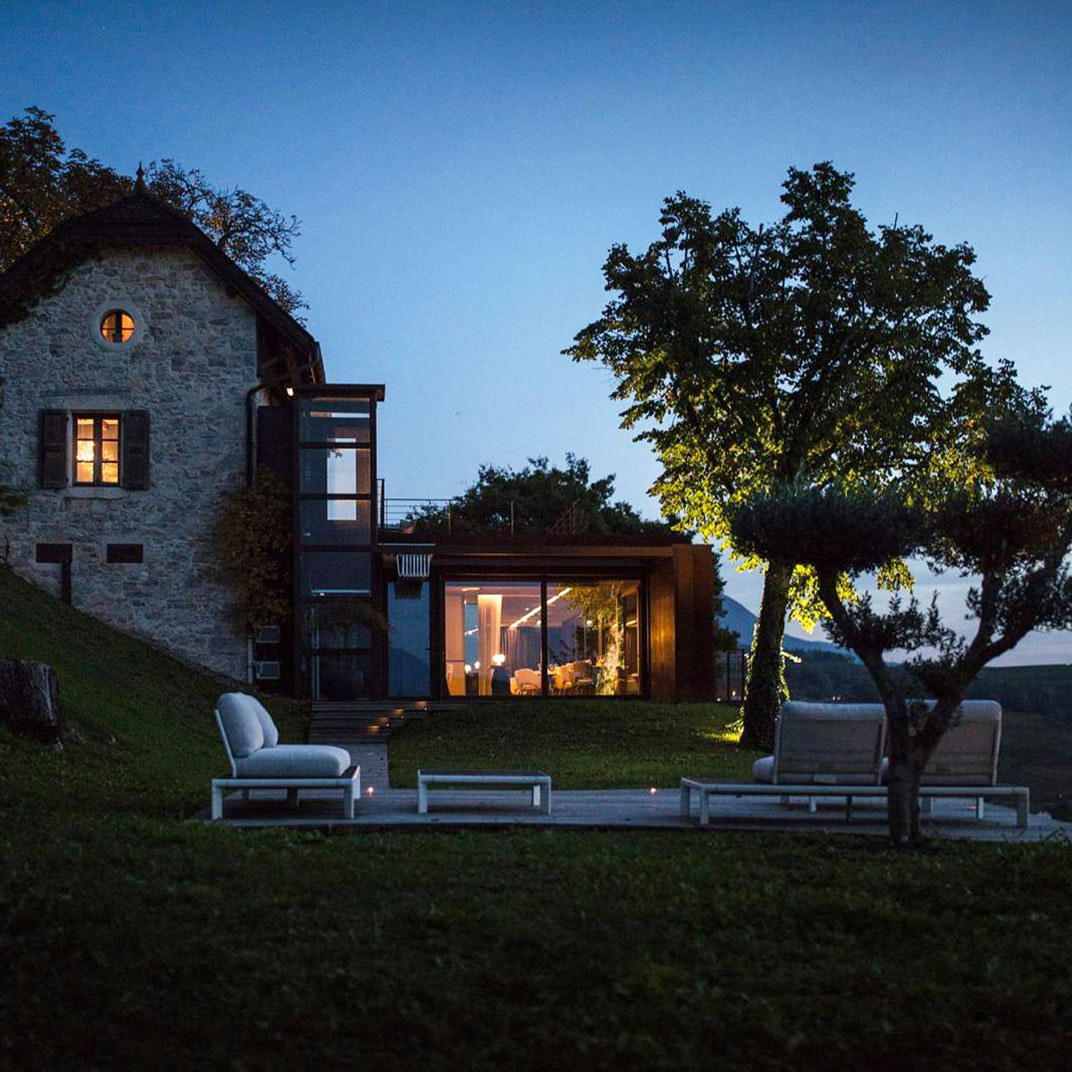
Guest descriptions point to a romantic, small-scale atmosphere with friendly service.