On the second floor of a 19th-century building in Lyon's 2nd arrondissement, Bacchanales occupies a tier of the city's dining scene where environmental sourcing and format restraint matter as much as technical precision. Set against peers like Le Neuvième Art and Takao Takano, it represents a smaller, quieter current in Lyon's gastronomy, one less interested in institutional recognition than in what ends up on the plate and where it came from.
Pearl is the En Primeur Club membership app — saves, bookings, and concierge access live there. Same editors, same standards.
- Address
- 31 Rue des Remparts d'Ainay à l'étage, 69002 Lyon, France
- Phone
- +33478374769
- Website
- bacchanales.fr
- Directions
- Get directions
 Saves & bookings on Pearl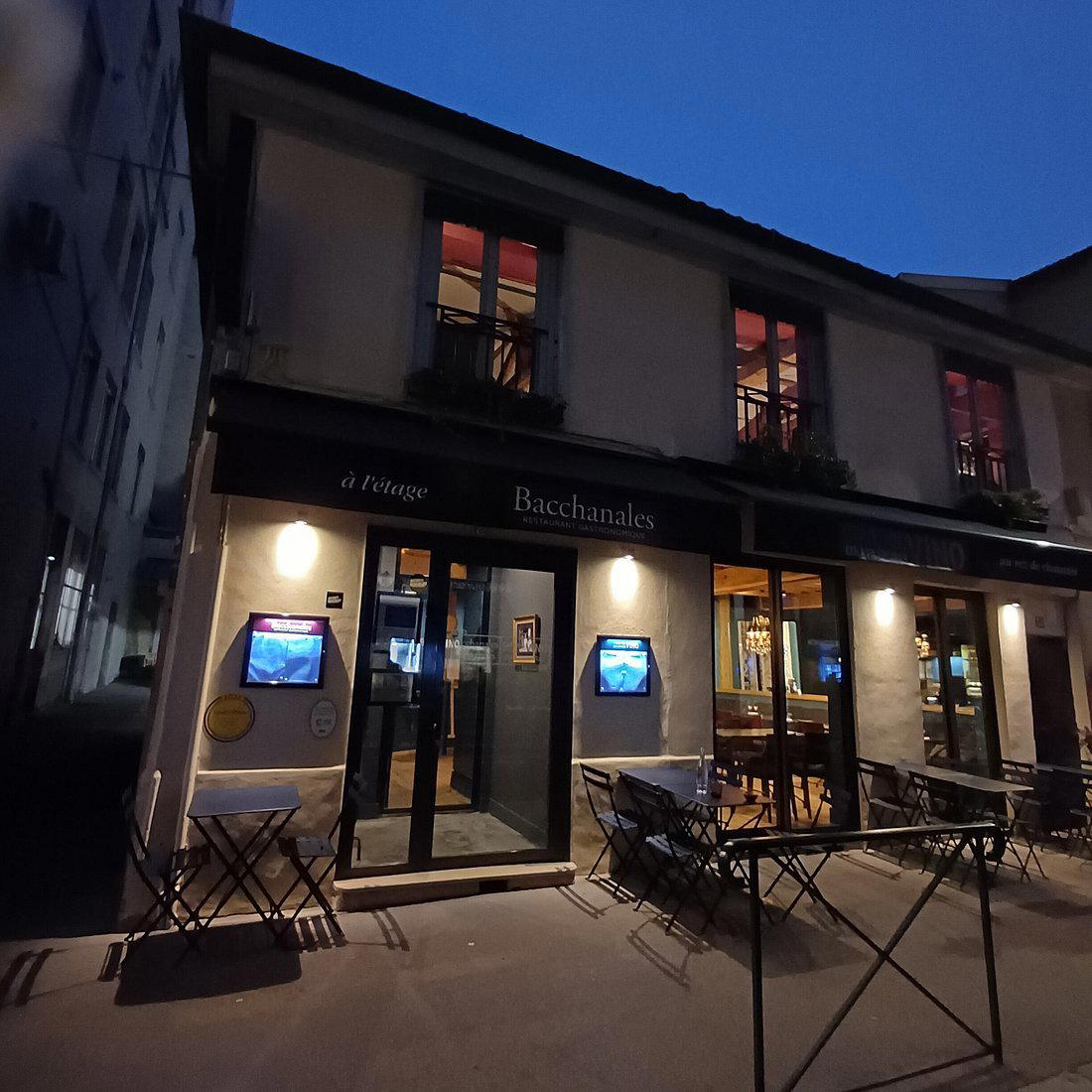
A Second-Floor Address in Lyon's Most Layered Dining District
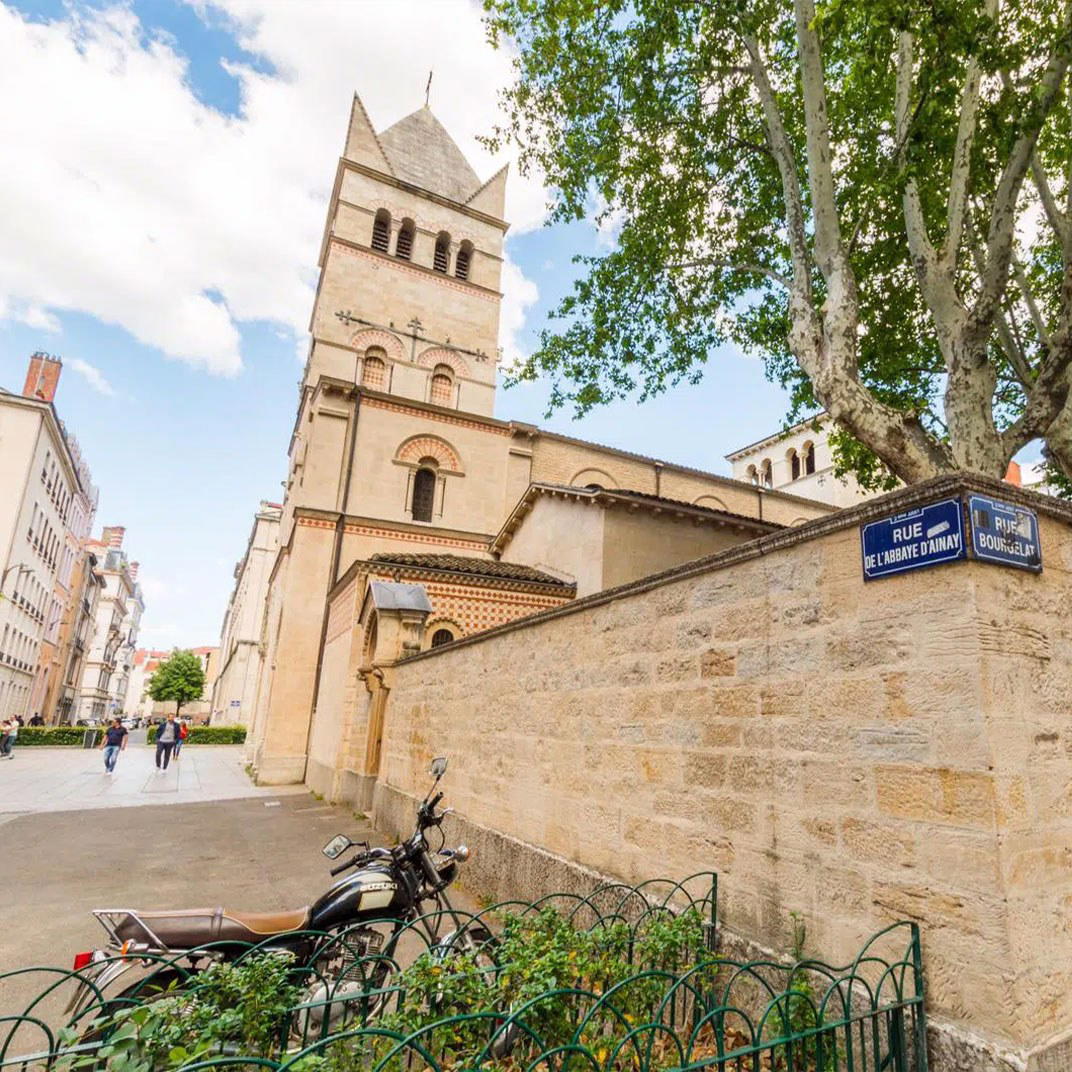
Bacchanales is a restaurant in Lyon's 2nd arrondissement serving Modern French Gastronomique at about €60 per person. Rue des Remparts d'Ainay, in the southern stretch of the Presqu'île, sits at a slight remove from the tourist-facing bouchon circuit, which is precisely why a venue like Bacchanales can exist there without fanfare. The address is upstairs, on the first floor above street level. To find it, you have to already know it's there.
That kind of low-profile positioning is not uncommon among Lyon's more considered independent restaurants. The city has a long tradition of small, owner-driven rooms where the sourcing philosophy is the point and the room itself is secondary. Bacchanales fits that pattern. The setting gives the room a removed quality that street-level venues in the same neighbourhood rarely achieve.
Sourcing as the Central Argument
Across France's mid-to-upper independent restaurant tier, the conversation about ethical sourcing has shifted from marketing language to operational commitment. The restaurants that have moved furthest in this direction tend to share certain structural traits: tighter menus with fewer covers, direct producer relationships that require negotiation rather than catalogue ordering, and a willingness to let ingredient availability shape the menu rather than the reverse. These are not cosmetic choices, they create real constraints that affect what you can offer and at what price point.
Bacchanales sits within this current. The name itself is a provocation, Bacchanalian excess reframed through restraint, sourcing discipline, and environmental awareness rather than abundance. Where La Mere Brazier represents Lyon's classical institutional inheritance and Le Neuvième Art operates at the creative tasting-menu end of contemporary French cooking, Bacchanales belongs to a smaller category: the independently minded room where the kitchen's relationship to its supply chain is the founding editorial argument.
This approach aligns Bacchanales with a broader French movement that has gathered force since roughly 2015, one visible in Paris at a handful of bistronomie addresses, in the Auvergne at producers-turned-restaurateurs, and at larger-scale reference points like Bras in Laguiole, where the kitchen garden and its terroir context have been the central subject for decades. Bacchanales operates at a smaller scale and without that level of institutional gravity, but the animating logic is comparable.
Where Bacchanales Sits in Lyon's Competitive Set
Lyon's restaurant culture is usually described through its bouchons on one end and its Michelin-tracked tasting rooms on the other. The truth is more layered. Between those poles sits a set of owner-operated rooms that don't map neatly onto either category. Burgundy by Matthieu occupies part of this middle space with a modern cuisine format at the €€€ price tier. Au 14 Février brings a creative format with its own distinct positioning. Takao Takano represents the city's capacity to absorb Japanese-influenced contemporary French cooking into its mainstream.
Bacchanales doesn't compete directly with any of these on format or price signalling in the ways that are immediately obvious. Its competitive set is more accurately the cluster of Lyonnais independents where the sourcing story is genuine rather than aspirational, rooms where the producer network is built over years and where the menu changes not because the chef wants to show range, but because what's available has changed. This is a smaller peer group than it might appear, even in a city as food-serious as Lyon.
For comparison with how similar ethical-sourcing commitments operate at destination scale elsewhere in France, Flocons de Sel in Megève and Les Prés d'Eugénie in Eugénie-les-Bains show how environmental philosophy can operate at three-star scale with kitchen gardens and regional sourcing programmes. Bacchanales makes a similar argument at a fraction of the profile. That's a meaningful difference in accessibility, if not in ambition.
The Regional and French Context
Lyon's identity as France's gastronomic capital is well-documented but worth interrogating. The claim rests largely on the concentration of serious kitchens per capita, the strength of the regional larder, Bresse poultry, Rhône valley produce, proximity to Burgundy's wine circuit, and the city's history of producing cooks who went on to define French cuisine internationally. Paul Bocuse at L'Auberge du Pont de Collonges is one cited reference point. Troisgros in Ouches extends the lineage outward from the region.
What this tradition created, alongside its monuments, is a food culture with genuine depth at the neighbourhood level. Bacchanales benefits from that infrastructure, both the producer networks the region makes available and the dining public that has been educated, over generations, to care about where food comes from and how it was raised. A sourcing-led restaurant in Lyon is working with a more receptive local audience than the same restaurant would find in most other French cities.
For those tracking how the French fine dining conversation has evolved internationally, Mirazur in Menton and Alléno Paris au Pavillon Ledoyen represent the highest institutional expression of that conversation. Bacchanales operates below that tier but within the same cultural current, the idea that French cuisine's next serious development runs through sustainability, producer ethics, and ingredient integrity rather than further technical elaboration.
Beyond France, the same sourcing-led logic has found expression at places like Lazy Bear in San Francisco, where format experimentation and producer relationships define the identity, and at Le Bernardin in New York City, where sourcing ethics have long been embedded in the kitchen's approach to seafood. Georges Blanc in Vonnas and Auberge de l'Ill in Illhaeusern anchor the Alsace-Burgundy-Rhône corridor of French regional cooking that gives Bacchanales its geographical and culinary context.
Planning a Visit
Bacchanales is on the second floor at 31 Rue des Remparts d'Ainay in the 2nd arrondissement. The address is accessible on foot from the Ampère-Victor Hugo metro station in a few minutes. Reservations are recommended, and the restaurant's address is 31 Rue des Remparts d'Ainay à l'étage, 69002 Lyon, France. Advance contact is advisable rather than walk-in.
A Minimal comparable set
Comparable venues nearby, for context on price, style, and recognition.
| Venue | Cuisine | Price | Notes |
|---|---|---|---|
| BacchanalesThis venue — the venue you are viewing | Not listed | $$$ | Not listed |
| L'Atelier du Square | Not listed | $$$ | Quartier Bellecour Cordeliers, Modern French Bistronomie |
| L'Écume | Quartier Gerland, Modern French Bistro | $$$ | Not listed |
| À La Piscine | Not listed | $$$ | Quartier Guillotière, French Bistro with Rhône Views |
| Chez Steff | Not listed | $$$ | Quartier Parc Duquesne, Modern French Mediterranean Bistro |
| Brasserie de l'Ouest | Not listed | $$$ | Quartier Vaise Rochecardon Industrie, French Brasserie with Island Influences |
Continue exploring
More in Lyon
Restaurants in Lyon
Browse all →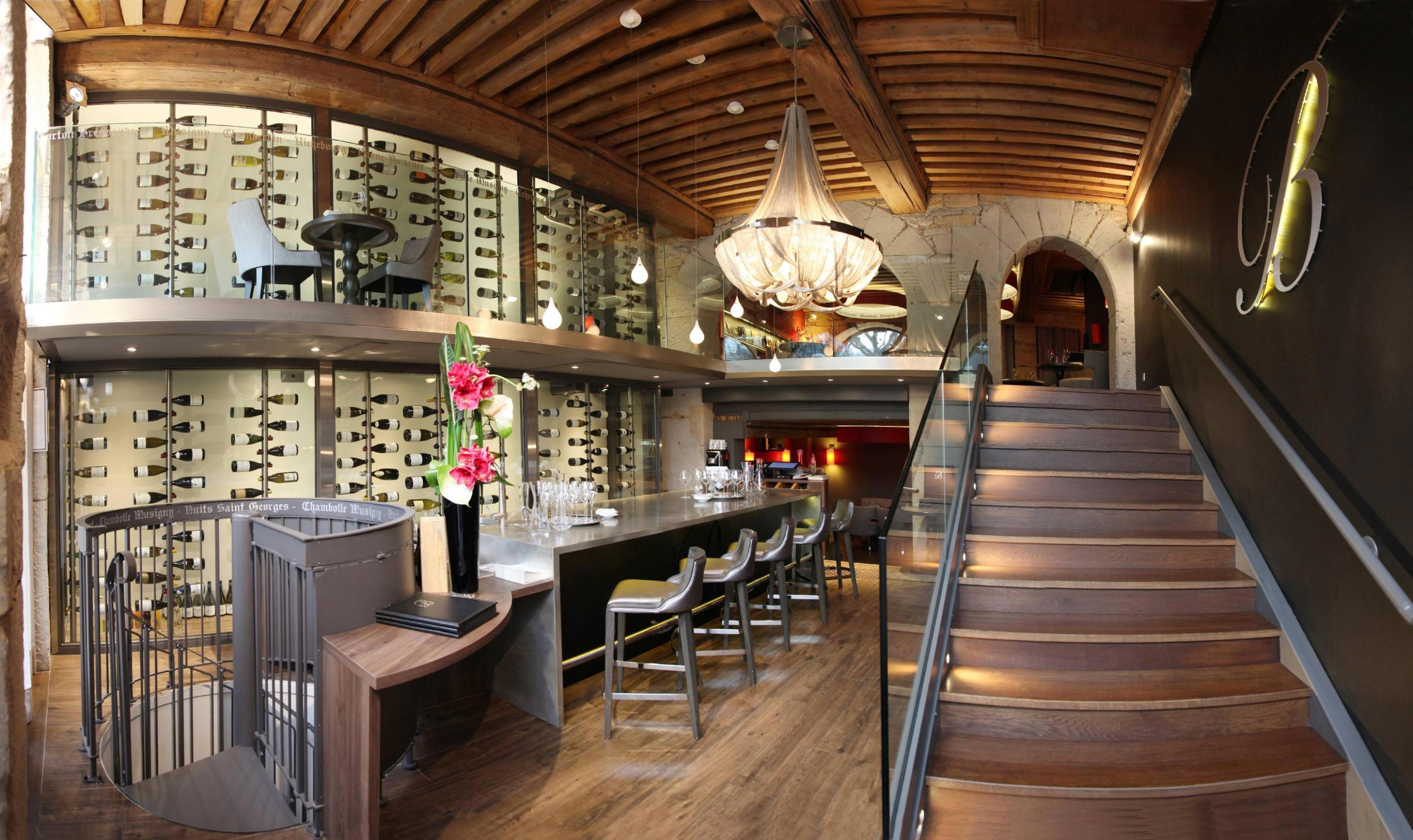
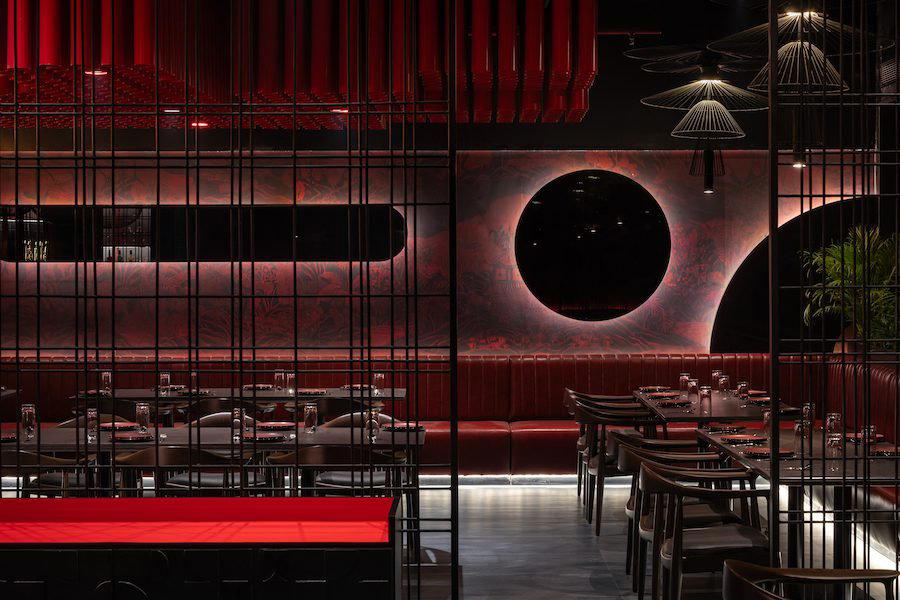
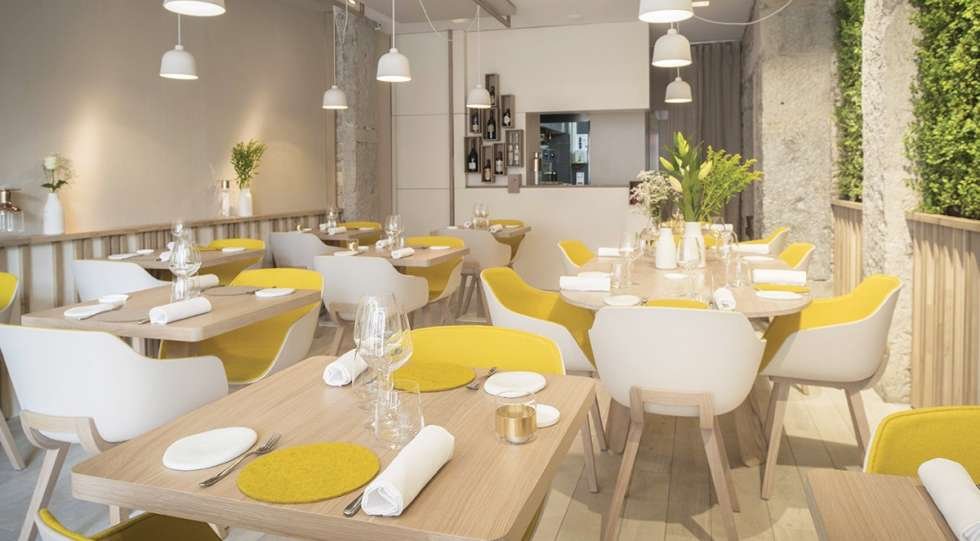
Bars in Lyon
Browse all →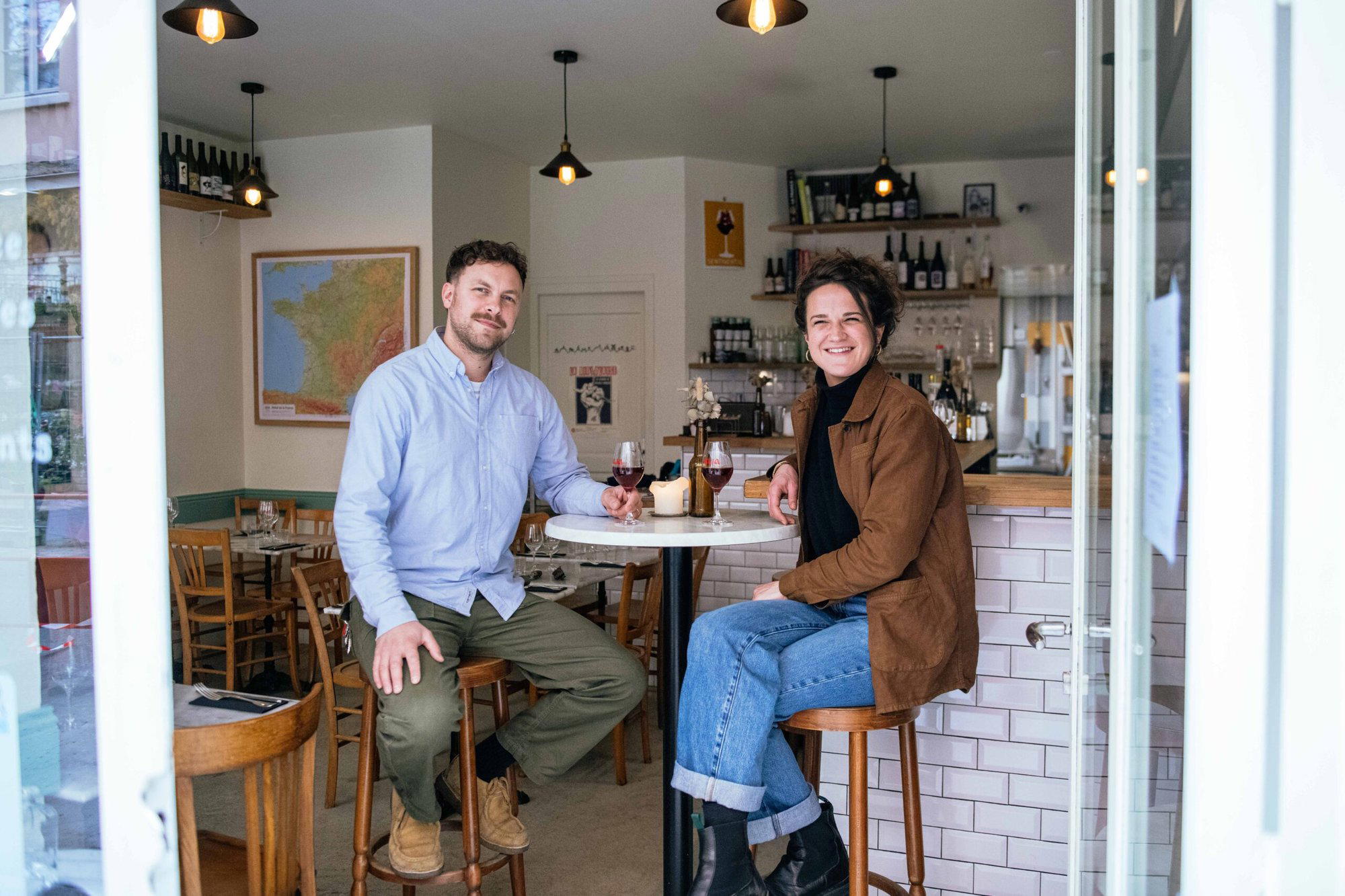
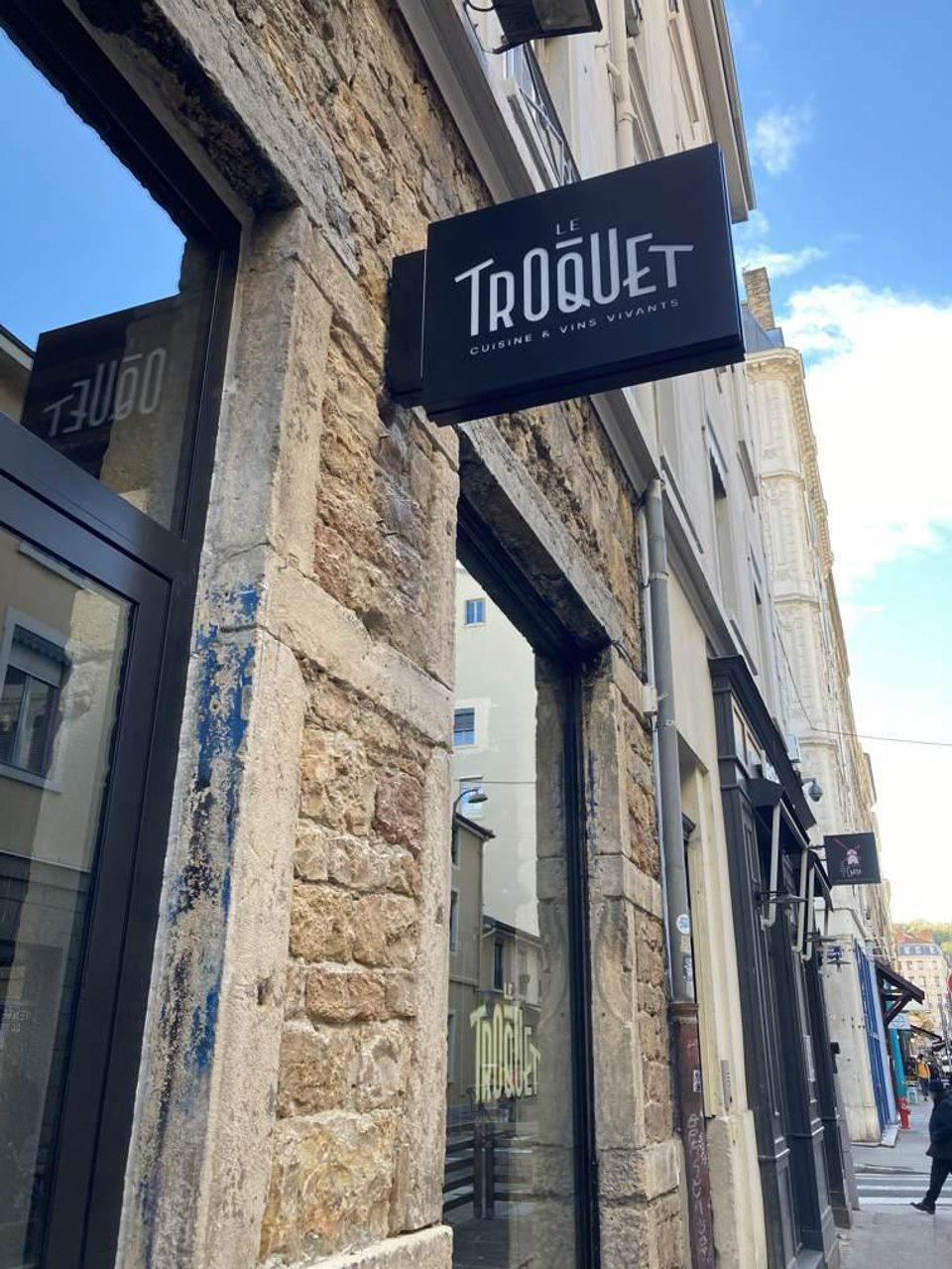
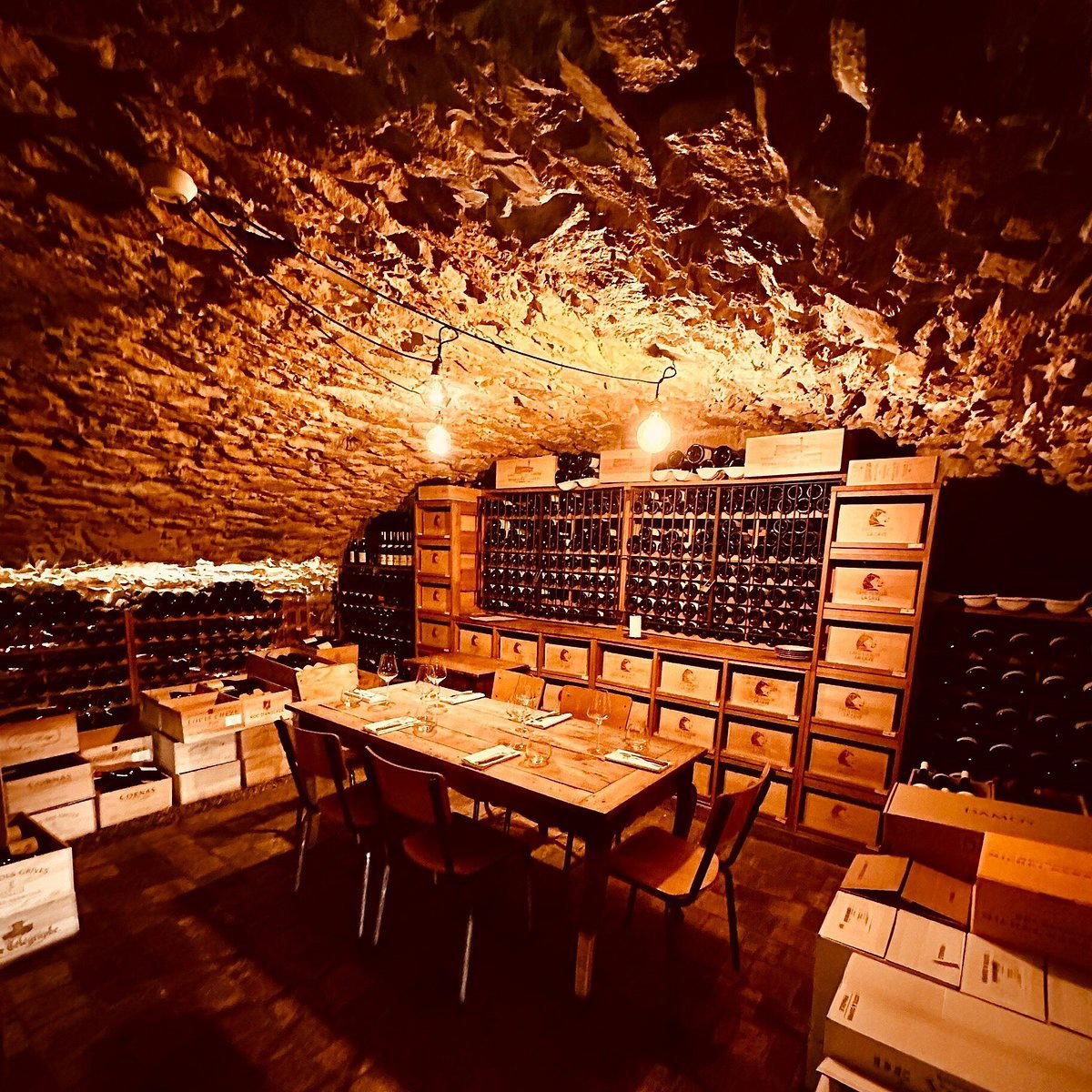
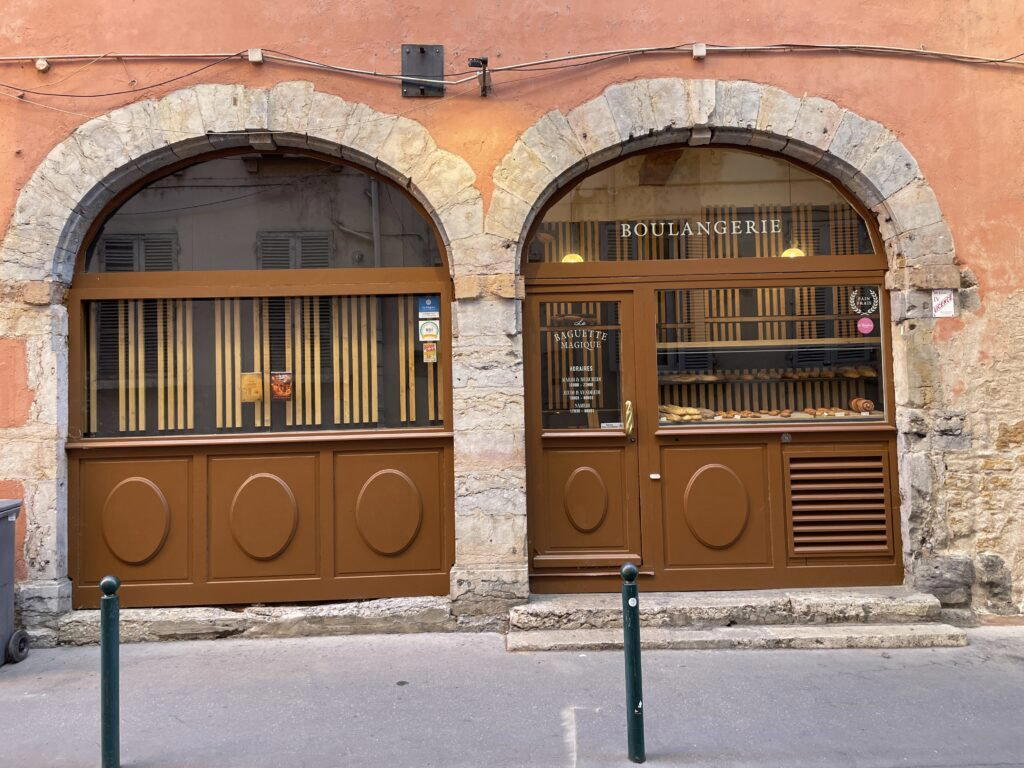
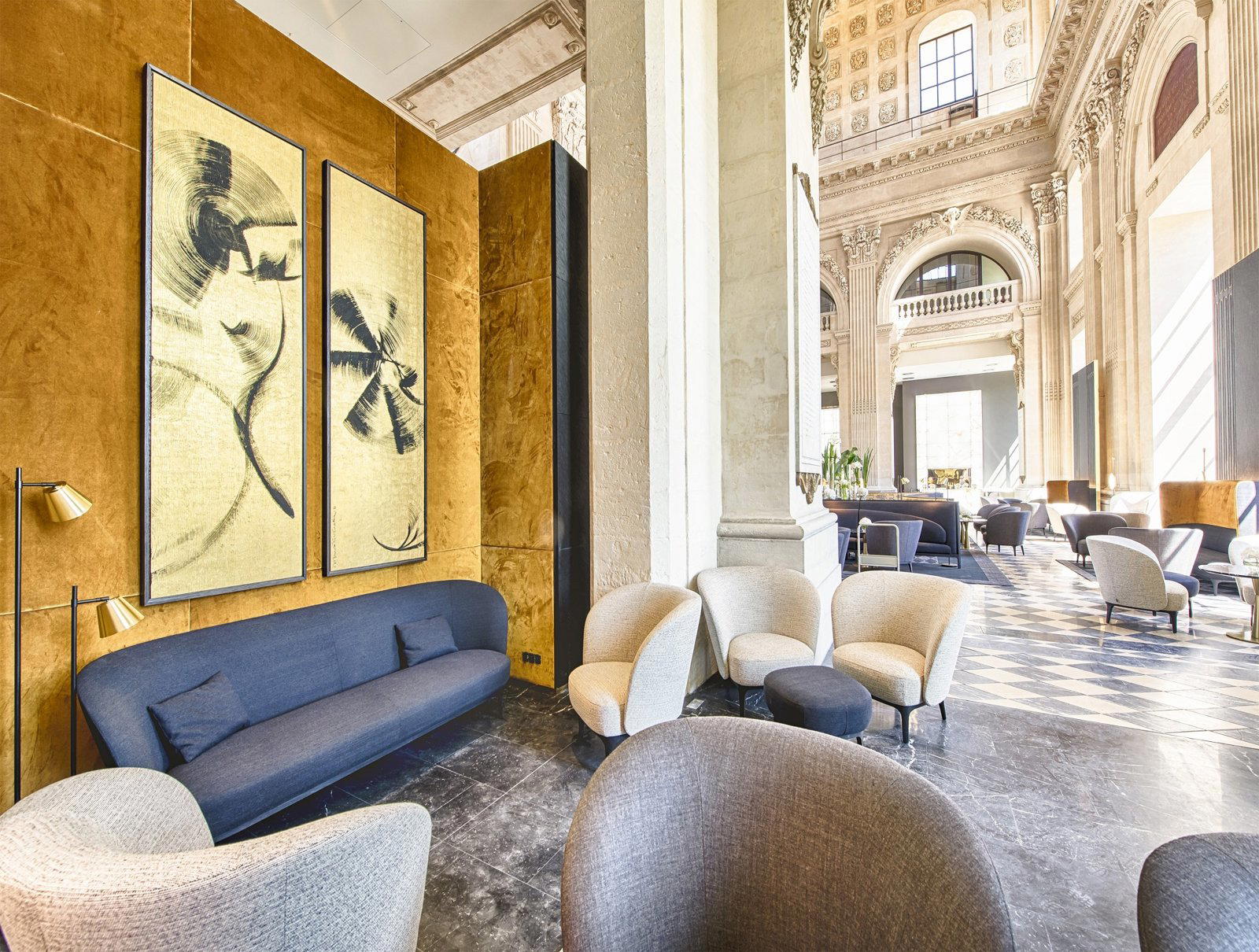
Hotels in Lyon
Browse all →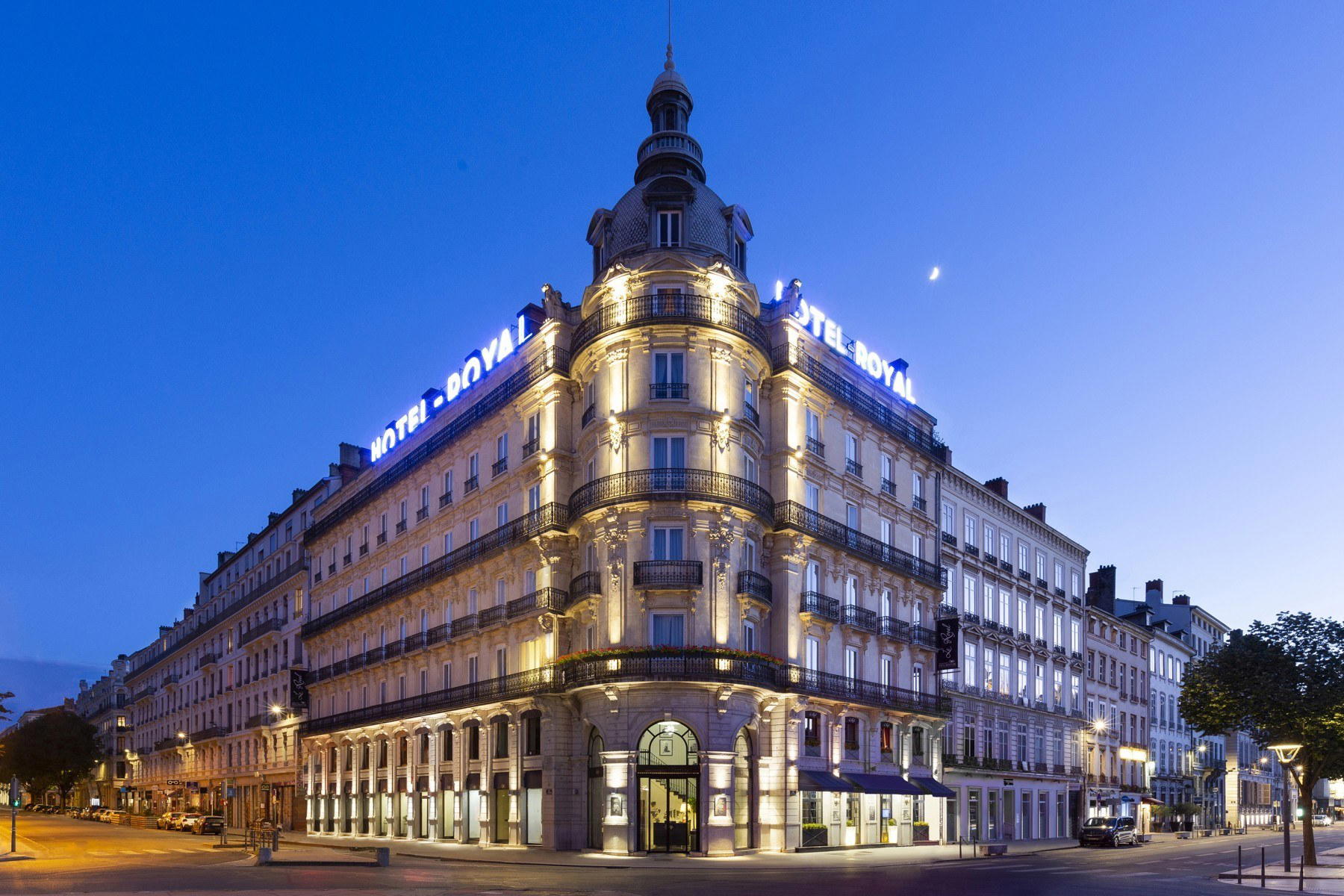

At a Glance
- Elegant
- Sophisticated
- Intimate
- Classic
- Date Night
- Special Occasion
- Open Kitchen
- Extensive Wine List
Current opening hours
- Monday
- Closed
- Tuesday
- 7:30–9 PM
- Wednesday
- 7:30–9 PM
- Thursday
- 12–1:30 PM, 7:30–9 PM
- Friday
- 12–1:30 PM, 7:30–9 PM
- Saturday
- 12–1:30 PM, 7:30–9 PM
- Sunday
- Closed
Hours can change for holidays and private events. Last verified .
Serene and warm with classical music, refined French hospitality, and attention to detail creating a festive yet nostalgic atmosphere.