
At the foot of Ambronay's medieval Benedictine abbey, this address earns its place through set menus built on regional produce and a chef-owner who moves between floor and kitchen with equal confidence. The contemporary interior holds its own against the weight of history outside. Lunch and dinner menus make it a credible stop whether you're passing through the Ain or staying in the village.
Pearl is the En Primeur Club membership app — saves, bookings, and concierge access live there. Same editors, same standards.
- Address
- 47 place des Anciens-Combattants
- Phone
- +33 4 74 46 42 54
- Directions
- Get directions
 Saves & bookings on Pearl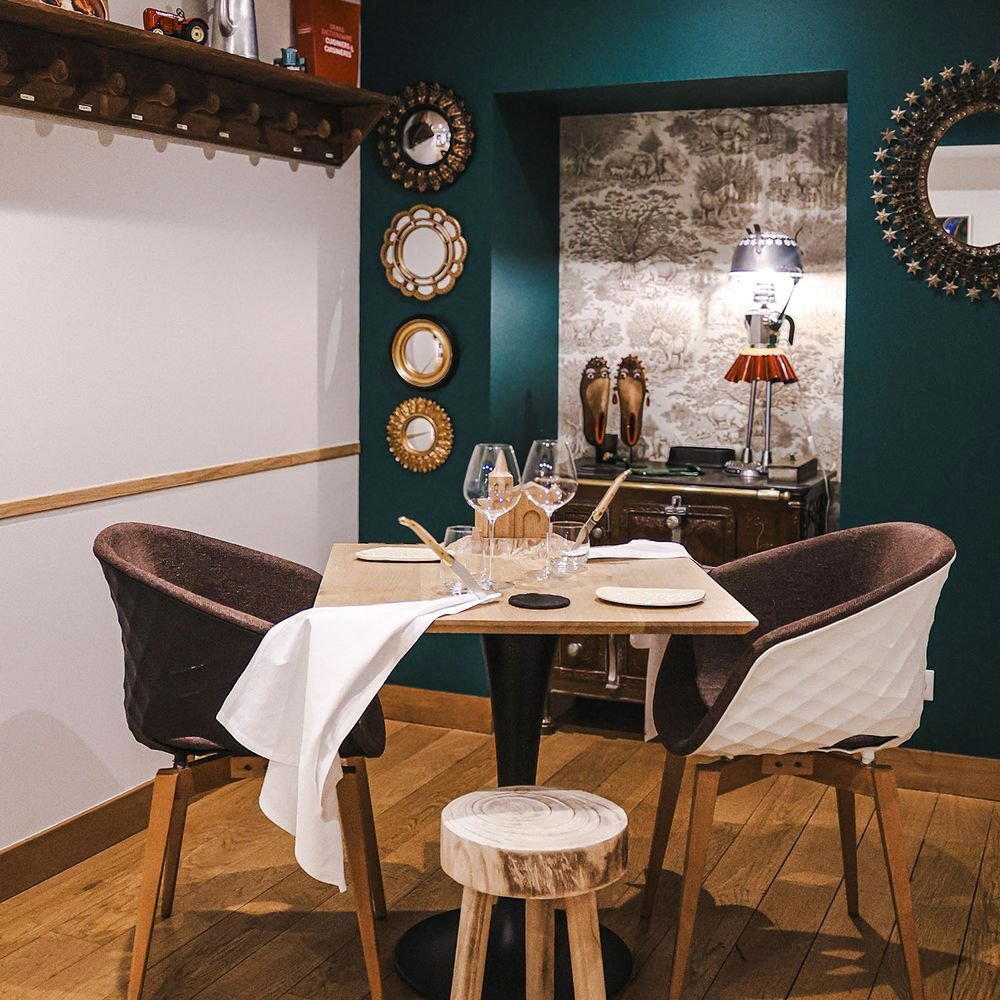
Where the Abbey Sets the Terms
Ambronay is the kind of Ain village that rewards attention. The Benedictine abbey at its centre has shaped the settlement's rhythms since the eighth century, and the abbey's presence still organises the square around it. Auberge de l'Abbaye sits at the base of that architecture, on the place des Anciens-Combattants, where the stone and the scale of the building create a frame that any restaurant would have to work hard to match. The interior answers that pressure with a contemporary register, refined without leaning into pastiche.
This balance between historical weight and modern culinary intent is more common in rural France than the country's starred city addresses suggest. Properties like Auberge du Vieux Puits in Fontjoncouse and Auberge de l'Ill in Illhaeusern have long demonstrated that serious French cooking does not require a city postal code. The model is essentially the same: a village address, a chef-owner with a defined point of view, and a menu that draws its authority from the surrounding region rather than from imported prestige. Auberge de l'Abbaye is a one-Michelin-star restaurant inside that tradition.
The Logic of Local Sourcing in the Ain
The Ain département sits in a productive corridor between the Jura foothills to the east and the Dombes plateau to the west. This geography matters at the table. The Dombes is one of France's principal freshwater fish and poultry zones; Bresse chickens, which carry their own AOC designation and represent the tightly regulated poultry appellation in the country, originate within the same regional envelope. The river systems, the Ain itself, the Rhône to the south, contribute further variety. A chef working with local produce here is not making a stylistic concession to trend; the raw material is genuinely among the stronger arguments for cooking in this part of France.
At Auberge de l'Abbaye, the chef-owner's approach is described as modern-minded with a clear commitment to that local produce and to selected wines. This positions the kitchen inside a well-established French regional cooking tradition, one that distinguishes itself from the creative abstraction of addresses like Mirazur in Menton or AM par Alexandre Mazzia in Marseille and sits closer to the produce-led seriousness of Bras in Laguiole, where sourcing and terroir function as the primary editorial statement of the menu. The difference is one of scale and ambition tier, not philosophy.
Sourcing-led cooking of this type lives or dies by the chef's relationships with the land around the restaurant. In the Ain, those relationships are long-standing and culturally embedded in a way that does not replicate easily. Restaurants in Paris spending at the summit end of the Alléno Paris au Pavillon Ledoyen price tier can access Bresse poultry by logistics; a chef-owner in Ambronay accesses it by geography and proximity, which is a different category of connection entirely.
Set Menus and the Discipline They Impose
The decision to serve set menus at both lunch and dinner is an operational and philosophical one. Set formats concentrate the kitchen's effort, reduce waste, and allow a small team to execute with higher consistency than à la carte service typically permits. They also signal something to the guest: you are eating what the kitchen believes is worth cooking today, not selecting from a menu designed to accommodate every preference simultaneously. This model is standard practice at the higher tiers of French fine dining, Troisgros in Ouches and Flocons de Sel in Megève both operate inside set-menu logic, but it carries particular weight at a village address where the supply chain is shorter and more seasonal by nature.
The chef-owner's visible presence across both the floor and the kitchen is a defining characteristic of the auberge format in France. This dual role is more common in provincial addresses than in city restaurants, where the complexity of larger operations tends to separate those functions early. It creates a different quality of service communication: the person who cooked the dish can, in principle, explain its provenance without routing the explanation through front-of-house intermediaries. For guests specifically interested in understanding the sourcing and selection behind a menu, that direct line of accountability is worth noting.
Ambronay in Context: Where to Place This Visit
Ambronay sits roughly forty kilometres north of Lyon on the eastern bank of the Ain, accessible by road from Bourg-en-Bresse. The abbey itself hosts a well-regarded early music festival each autumn, which draws visitors who might not otherwise find themselves in a village of this scale. Outside festival season, the town is quiet in the way that most of the Ain's smaller communes are quiet, and the restaurant is a primary reason to stop rather than pass through.
For travellers building a broader Ain or Rhône-Alpes itinerary, the address pairs logically with a visit to the abbey itself and with the wider wine context of the nearby Bugey appellation, an area producing Chardonnay and Cerdon pétillant naturel with growing attention from buyers outside the region.
The restaurant's position in the French regional dining picture sits well below the prestige ceiling occupied by addresses like Assiette Champenoise in Reims or Au Crocodile in Strasbourg, and that is not a criticism. The auberge format serves a different function. It is a fixed point in a village, a place where local supply chains reach the table with minimal intermediary distance, and where the scale of operation allows a degree of personal attention that larger houses cannot sustain. Those qualities have a value that award tiers do not fully capture.
Reservations for both lunch and dinner services are advisable, particularly during the Ambronay Festival period in September and October when the village's capacity tightens considerably.
Quick Comparison
Comparable venues nearby, for context on price, style, and recognition.
| Venue | Cuisine | Price | Awards | Notes |
|---|---|---|---|---|
| Auberge de l'AbbayeThis venue — the venue you are viewing | Modern French Farm-to-Table | $$$$ | Michelin 1 Star | Not listed |
| Pierre | Michelin-Starred French Gastronomic | $$$$ | Michelin 1 Star | centre-ville |
| Ambroisie | Modern French Gastronomic with Truffle Focus | $$$$ | Michelin 1 Star | Saint-Didier-de-la-Tour |
| L'Émulsion | Modern French Fine Dining | $$$$ | Michelin 1 Star | Saint-Alban-de-Roche |
| Le Refuge des Gourmets | Modern French Fine Dining | $$$$ | Michelin 1 Star | Machilly |
| AinTimiste | Modern French Fine Dining | $$$$ | Michelin 1 Star | Poncin |
Recognition history
Dated appearances from independent guides and award organizations, with the underlying list record or original source where available.
Michelin Plate
Michelin
Continue exploring
More in Ambronay
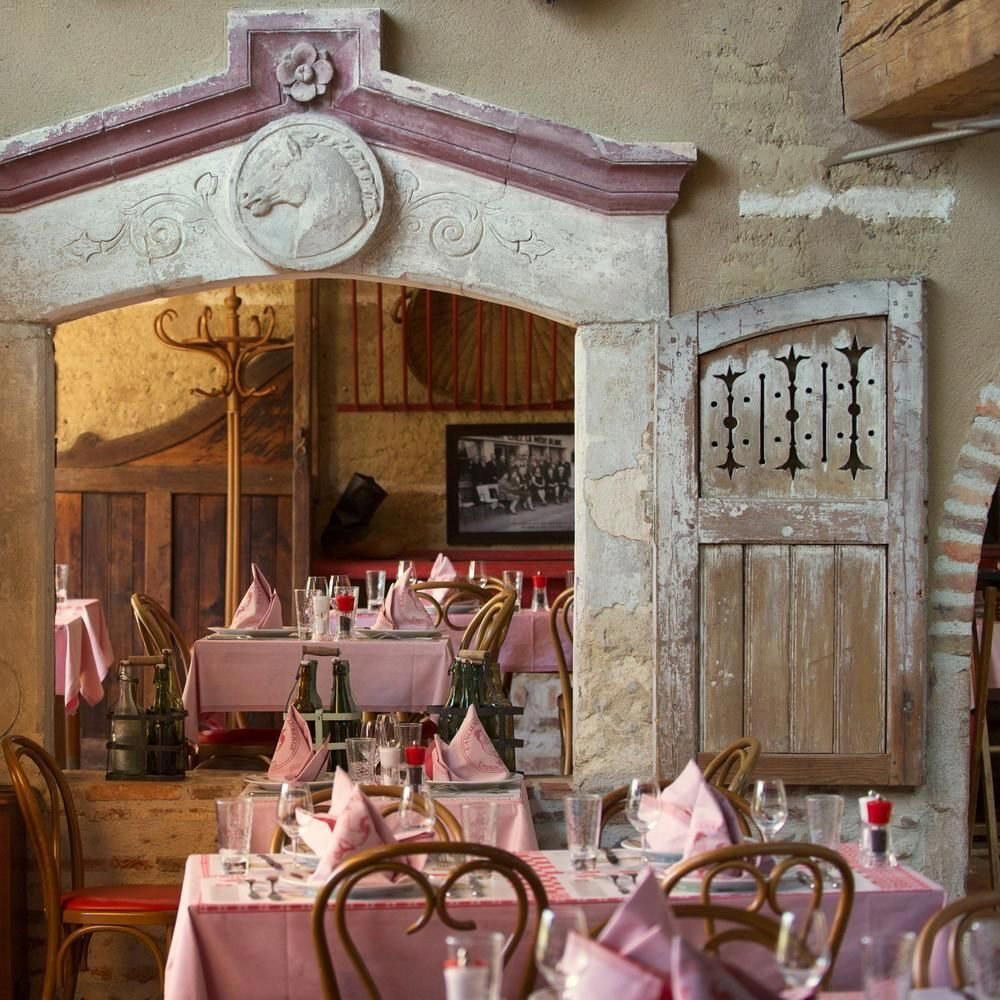
Restaurants in Ambronay
Browse all →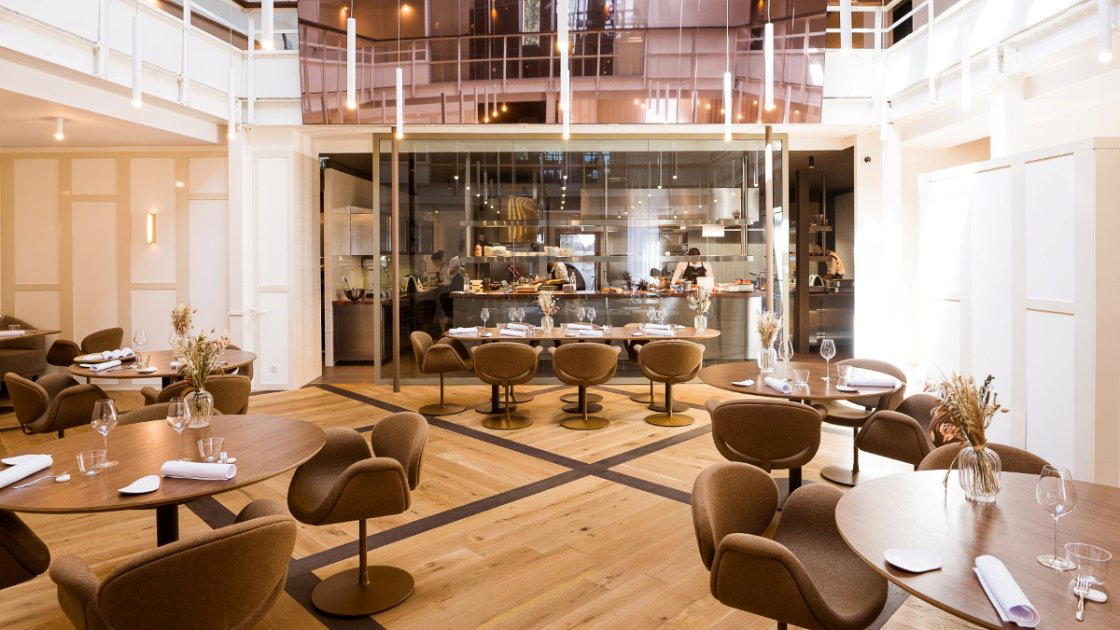
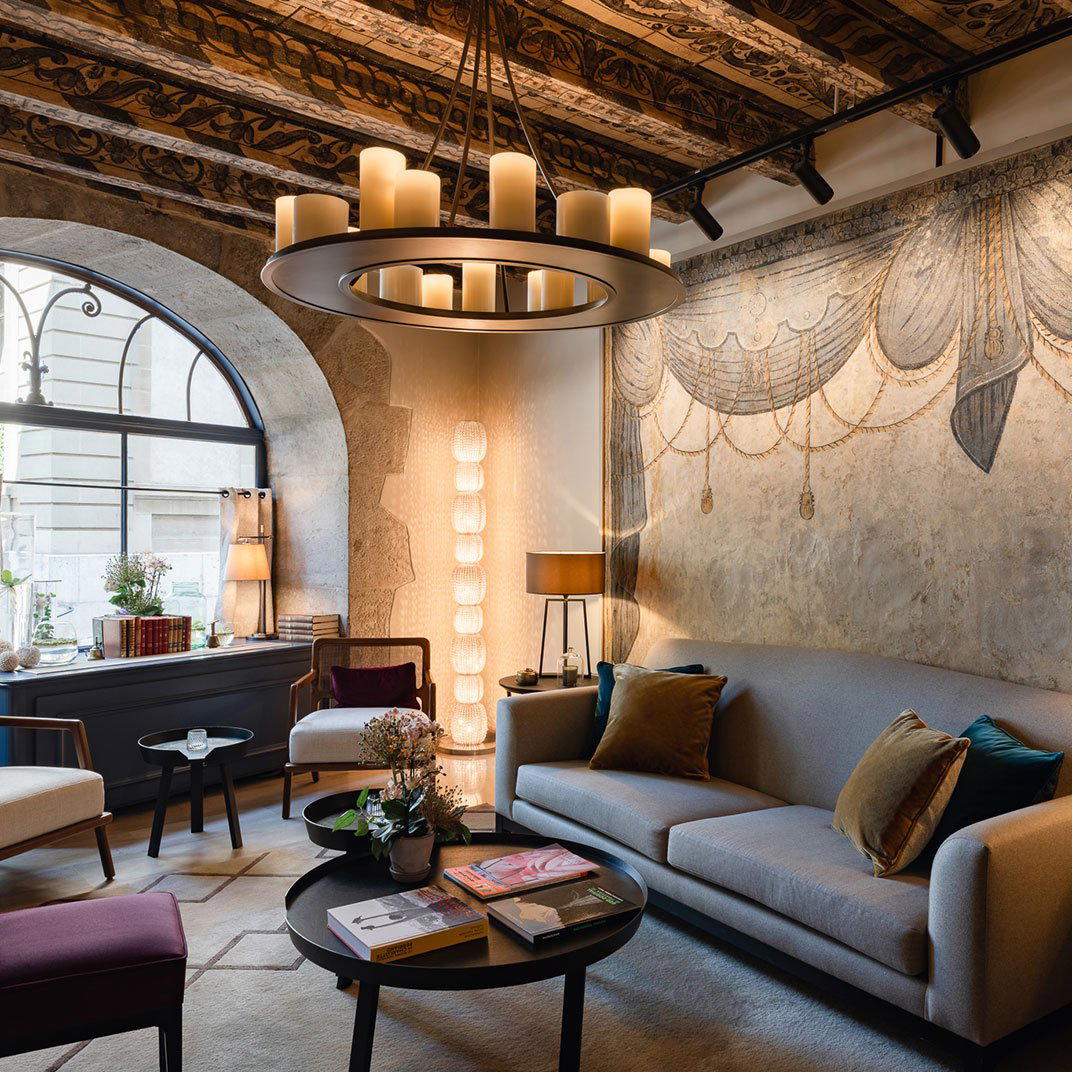
Bars in Ambronay
Browse all →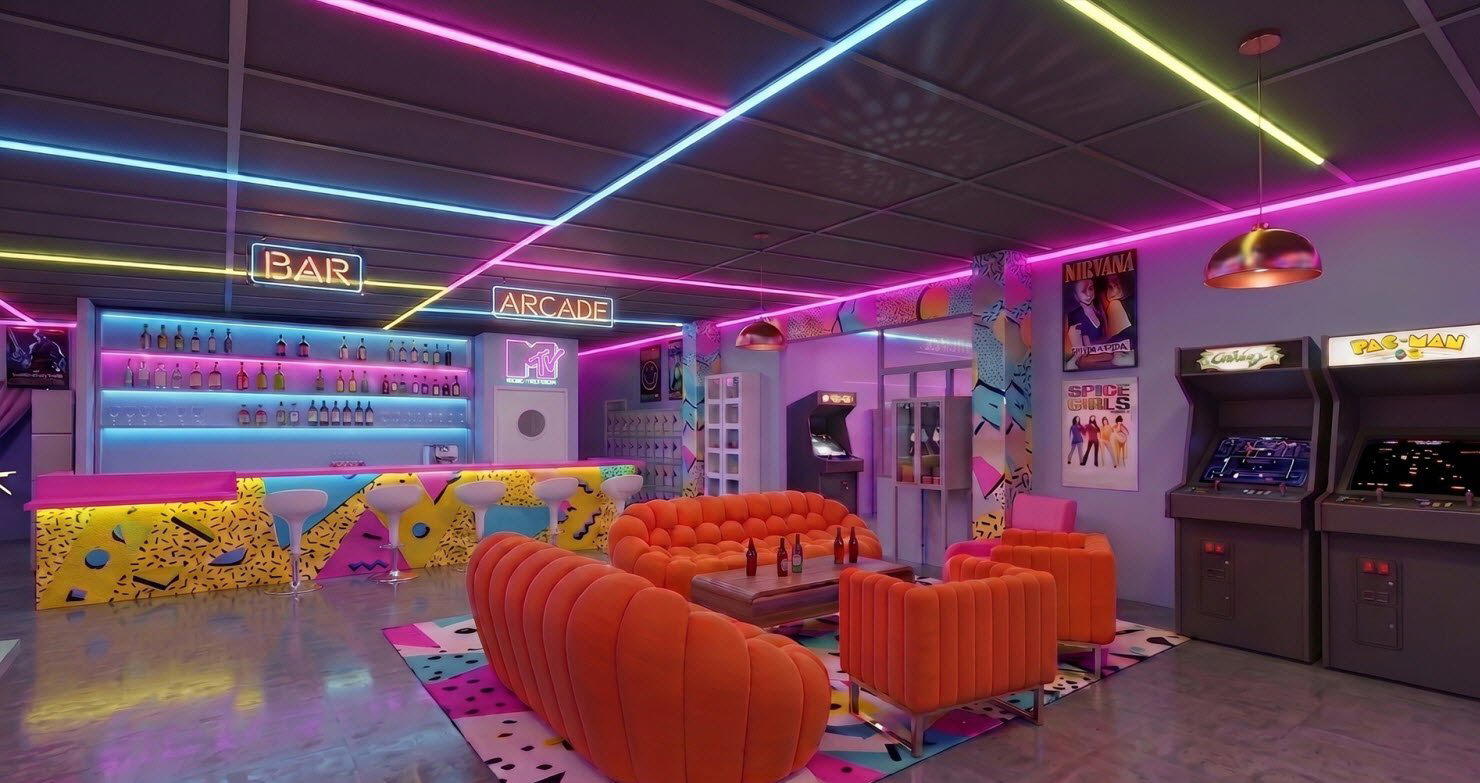
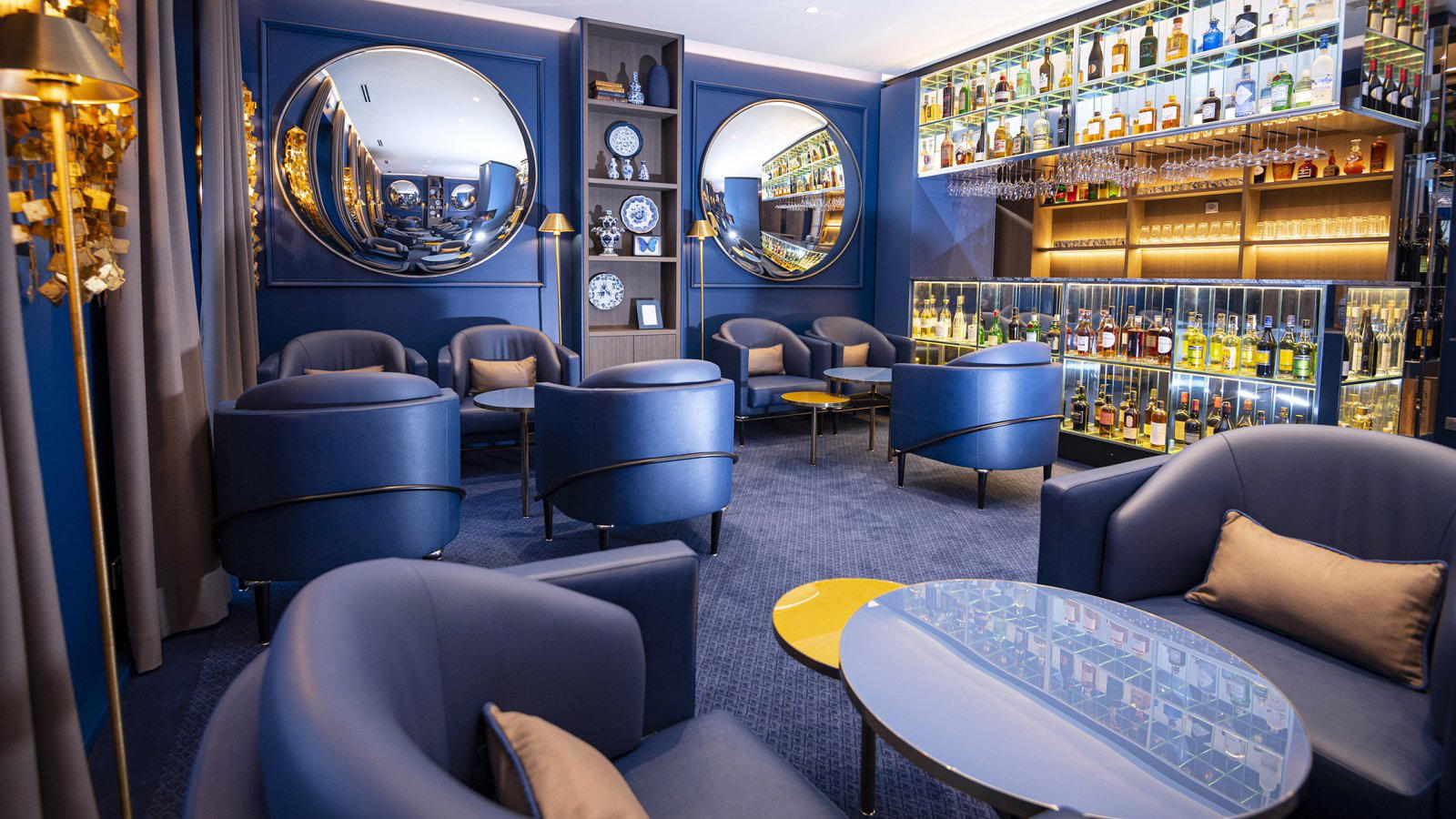
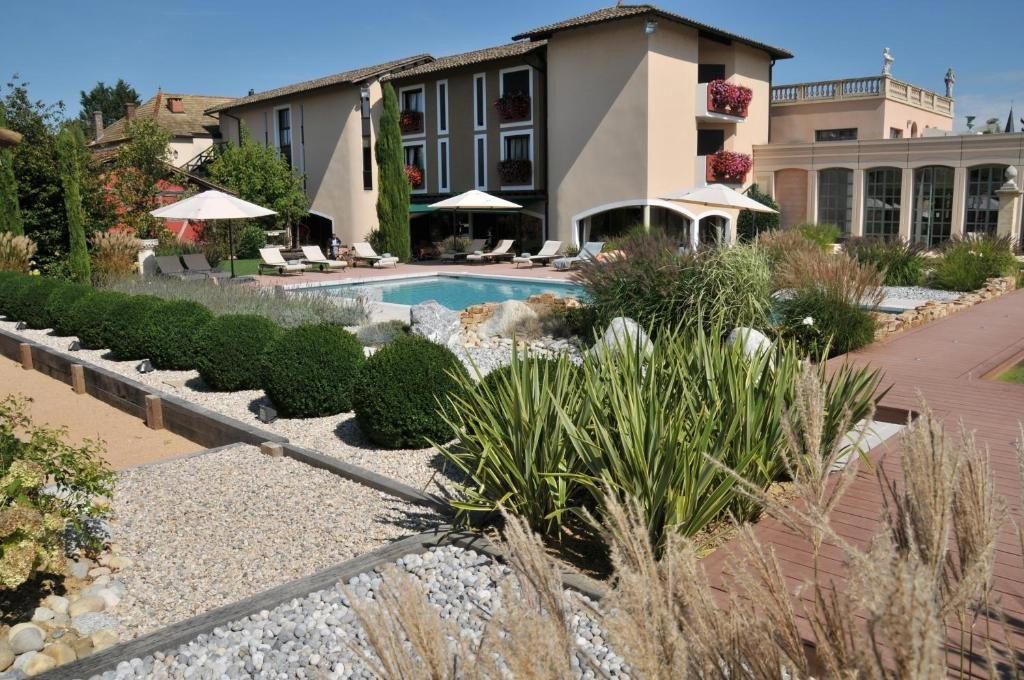
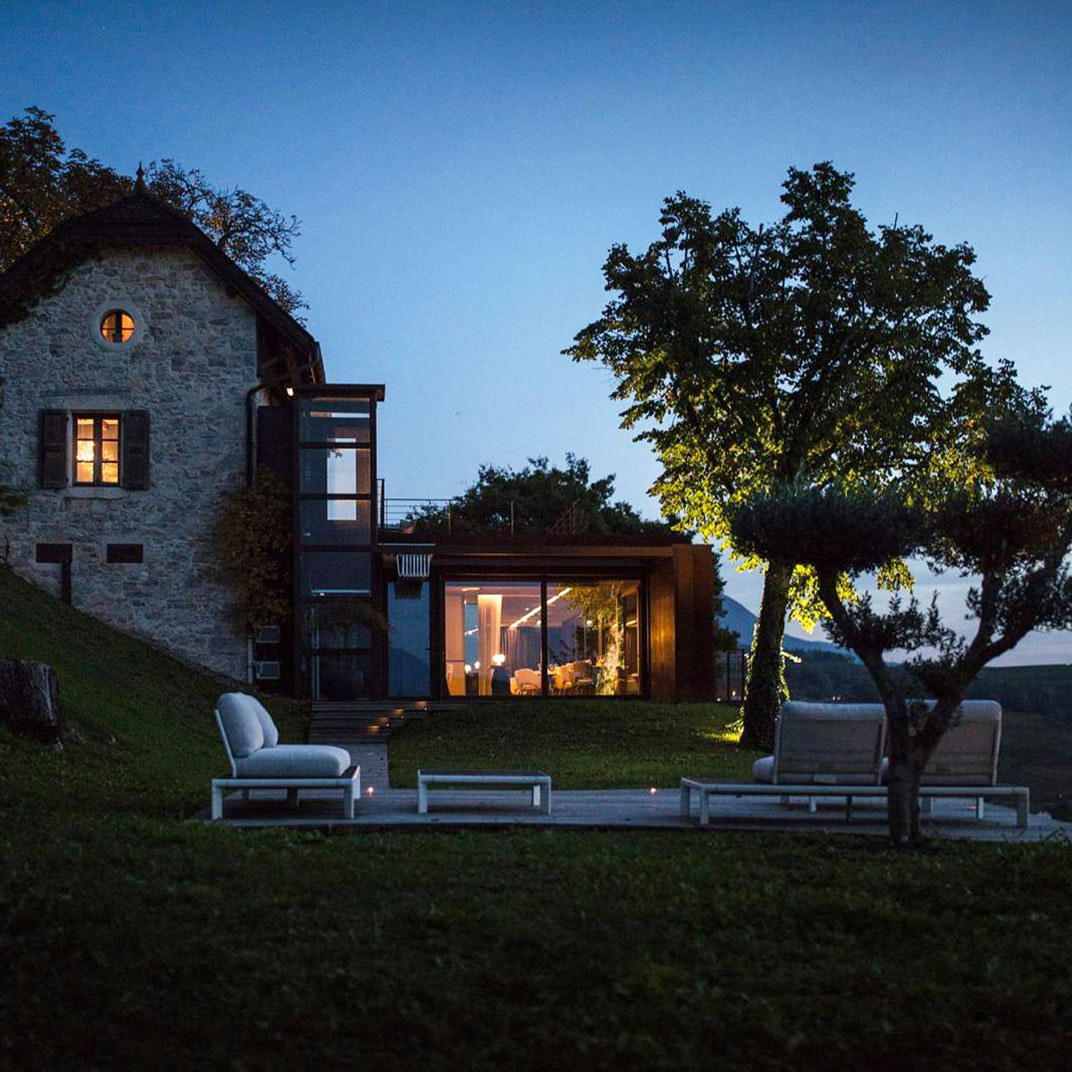
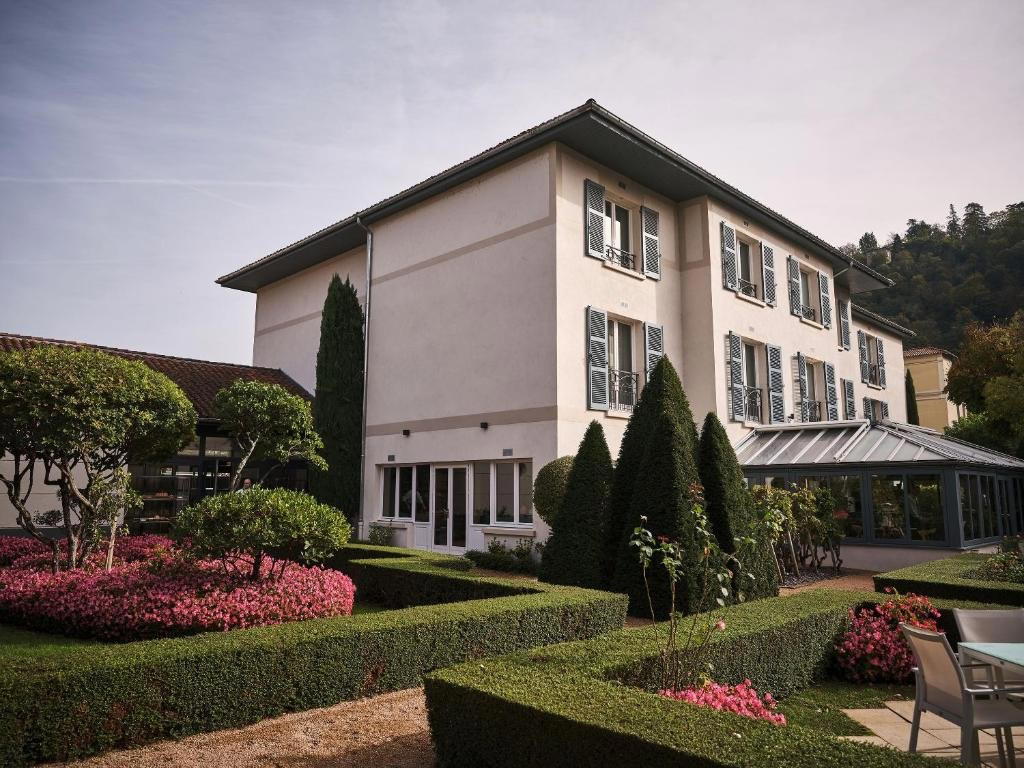
Hotels in Ambronay
Browse all →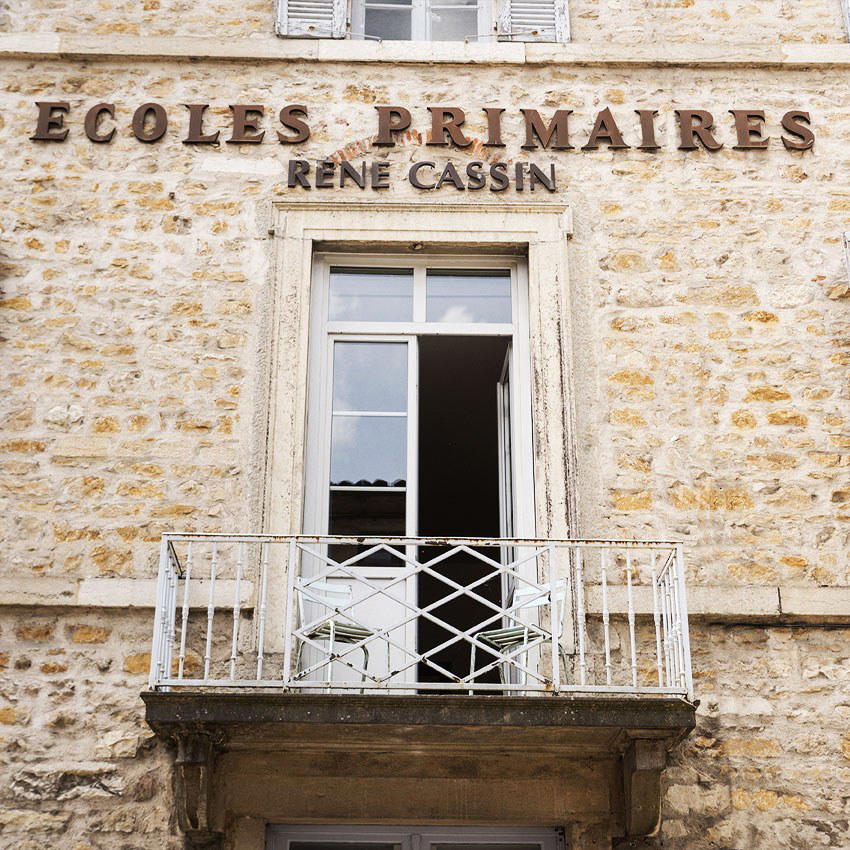
Wineries in Ambronay
Browse all →
At a Glance
- Elegant
- Intimate
- Romantic
- Sophisticated
- Modern
- Date Night
- Special Occasion
- Celebration
- Business Dinner
- Historic Building
- Wine Cellar
- Open Kitchen
- Private Dining
- Design Destination
- Extensive Wine List
- Sommelier Led
- Farm To Table
- Local Sourcing
- Organic
Current opening hours
- Monday
- Closed
- Tuesday
- 12:30–1:30 PM, 8–9 PM
- Wednesday
- 12:30–1:30 PM
- Thursday
- 12:30–1:30 PM, 8–9 PM
- Friday
- 12:30–1:30 PM, 8–9 PM
- Saturday
- 12:30–1:30 PM, 8–9 PM
- Sunday
- 12:30–1:30 PM
Hours can change for holidays and private events. Last verified .
Refined and luminous with pale grey walls, contemporary furnishings, and distinctive alcoves that create intimate dining spaces; modern wallpaper and antique objects blend old and new aesthetics.