A riverside address in the village of Jons, east of Lyon, Restaurant Du Pont de Jons represents the kind of rooted French provincial dining that the Rhône corridor does quietly and consistently well. Set along the Route du Pont, it draws from the agricultural depth of the Ain and Rhône departments, placing it within a broader tradition of ingredient-led cooking that defines this stretch of countryside between Lyon and the Dombes.
Pearl is the En Primeur Club membership app — saves, bookings, and concierge access live there. Same editors, same standards.
- Address
- Route du Pont, Rte du Pont, 69330 Jons, France
- Phone
- +33616261640
- Website
- restaurant-dupontdejons.fr
- Directions
- Get directions
 Saves & bookings on Pearl
Where the Rhône Corridor Eats: Provincial Dining East of Lyon
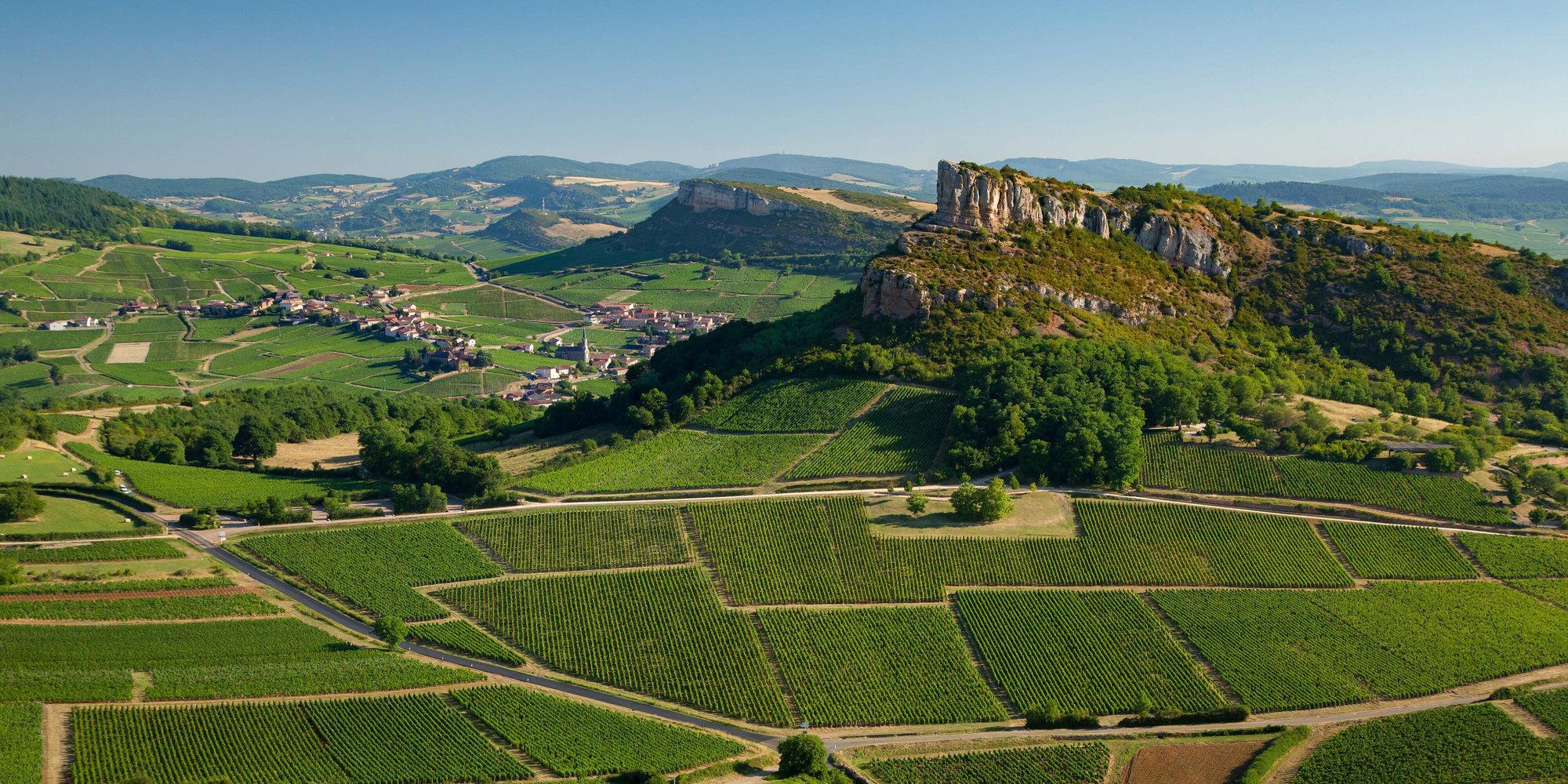
The villages strung along the eastern fringe of Lyon rarely attract the attention that the city itself commands, yet they sustain a tradition of French provincial cooking that operates with a quieter profile than Lyon's headline dining rooms. Jons, a small commune in the Ain department roughly fifteen kilometres from central Lyon, sits in this category. The Route du Pont, the road leading to the old bridge over the Rhône, has long functioned as the kind of address that locals know and visitors rarely stumble upon without a recommendation. Restaurant Du Pont de Jons occupies that position: a riverside dining room tied to the agricultural rhythms of a region that supplies some of France's most serious kitchens.
To understand what a restaurant in this location means, it helps to understand what surrounds it. The Ain and northern Isère departments form a larder that Lyon's starred kitchens have drawn on for generations: Bresse poultry with its protected designation, freshwater fish from the Dombes lakes, dairy from the southern Jura foothills, and market gardens that run along the Rhône plain. A restaurant positioned at the intersection of these supply lines, in a village rather than a city postcode, has access to produce at a stage closer to the source than most urban addresses can manage. That proximity to the land is the editorial argument for driving east from Lyon rather than booking another table in the 6th arrondissement.
The Setting: Bridge, River, and Room
The physical approach to Restaurant Du Pont de Jons carries the logic of the address. The road narrows as it reaches the water, and the building presents itself in the way that serious provincial restaurants in France often do: without theatrics, with a steadiness that comes from serving a local community over time rather than performing for a passing audience. The Rhône here is wider and slower than it is in the city, and the dining room's relationship to the river provides a spatial context that no urban address can replicate. There is a particular quality to eating near water in the French countryside that has less to do with views and more to do with the sense that the kitchen is drawing from what is immediately around it.
In the broader French dining typology, this kind of riverine auberge format sits between the grand destination restaurants, places like Paul Bocuse's L'Auberge du Pont de Collonges in Collonges-au-Mont-d'Or, just up the Saône, or Georges Blanc in Vonnas, which draws international visitors to the Bresse, and the neighbourhood bistrot. The mid-register provincial restaurant in a village setting is the form that French cuisine has defended most successfully against both globalisation and the homogenisation of fine dining formats. It answers to a local clientele first, which tends to enforce honest cooking and fair pricing in ways that destination restaurants cannot always guarantee.
Ingredient Logic: Cooking from the Rhône Plain
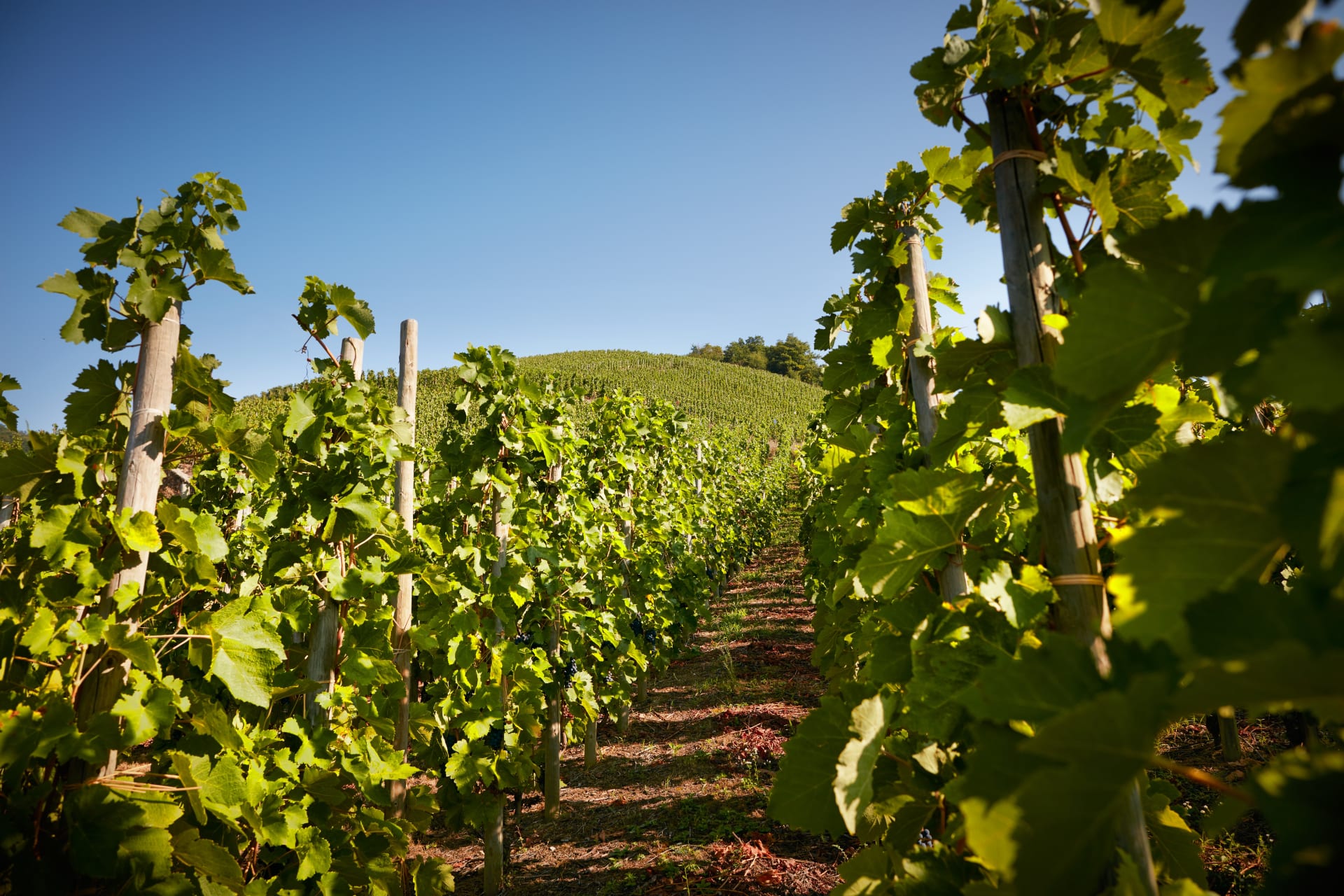
The editorial angle here is the sourcing territory, not the menu itself. The Rhône plain between Lyon and the Jura edge is among the more ingredient-dense zones in France, and restaurants in this corridor benefit from a supply infrastructure that took centuries to build. Bresse chicken, carrying its AOC designation since 1957, is raised within a short drive of Jons. The Dombes, the lake district north of the commune, produces pike, perch, and tench that appear on menus throughout the region. The proximity to the Beaujolais and the northern Rhône wine appellations means that wine lists in this area can be sourced hyper-locally without sacrificing quality or range.
This is the regional context that separates a restaurant in Jons from a similarly priced restaurant in a city neighbourhood. Urban addresses, even particularly serious ones, are working with produce that has traveled through wholesalers and central markets. A village address on a river road, embedded in a farming and fishing landscape, has the option to source in ways that compress the supply chain substantially. The restaurant's approach to sourcing is best judged in person. What the address makes possible is worth understanding before you go.
For readers tracking how French regional cooking at this level compares to the destination tier, the reference points are instructive. Troisgros in Ouches and Bras in Laguiole both built their identities around the specific landscapes that surround them, treating the terrain as the primary creative constraint. Auberge du Vieux Puits in Fontjoncouse and Auberge de l'Ill in Illhaeusern are auberge-format restaurants that sustain serious reputations precisely because they never left their village contexts. Restaurant Du Pont de Jons operates in a comparable format, even if its profile sits in a different register from those named institutions.
Planning Your Visit
Jons is accessible from Lyon by car in under twenty minutes via the D517, making it a practical lunch or dinner destination for anyone based in the city. The village has no significant hotel infrastructure, so this is most naturally a drive-out-and-return proposition rather than an overnight stay. Given the riverside location and the agricultural calendar of the surrounding region, spring and autumn are the periods when local produce is at its most varied, Bresse poultry season, freshwater fish from the autumn Dombes harvest, and the first-press wines from the Beaujolais nouveau release in November all coincide with what the kitchen can legitimately source within the immediate supply territory. Booking in advance is advisable for weekend service at any serious provincial French restaurant, and this address is no exception. Arriving without a reservation on a Saturday evening is a risk that the room's local following makes inadvisable.
French Regional Dining in Context
For readers building a broader itinerary around this part of France, the comparison set extends beyond the immediate region. Mirazur in Menton and AM par Alexandre Mazzia in Marseille represent the Mediterranean edge of French regional identity; Christopher Coutanceau in La Rochelle and La Marine in Noirmoutier-en-l'Île anchor the Atlantic side. The Rhône corridor, running from Lyon south to Provence, represents a third distinct register: richer, more land-anchored, defined by poultry, freshwater fish, and root vegetables rather than by coastline. Flocons de Sel in Megève and Alléno Paris au Pavillon Ledoyen mark different points on the spectrum from alpine precision to Parisian technical ambition. Restaurant Du Pont de Jons occupies none of those positions. It is a village restaurant on a river road, and that is its argument.
Side-by-Side Snapshot
Comparable venues nearby, for context on price, style, and recognition.
| Venue | Cuisine | Price | Notes |
|---|---|---|---|
| Restaurant Du Pont de JonsThis venue — the venue you are viewing | Classic French Gastronomic | $$$ | Not listed |
| Carré Royal | French Bistronomique | $$$ | Quartier Bas des Pentes Presqu'île |
| Le Rochetoirin | Seasonal French Gastro-Brasserie | $$$ | Rochetoirin |
| L'Auberge du Coq | Traditional French Regional | $$$ | Pérouges |
| Canopée | Modern French Bistronomie | $$$ | Quartier Bas des Pentes Presqu'île |
| Arsëne | Modern French Neo-Bistro | $$$ | Quartier Bellecour Carnot |
Continue exploring
More in Jons
Restaurants in Jons
Browse all →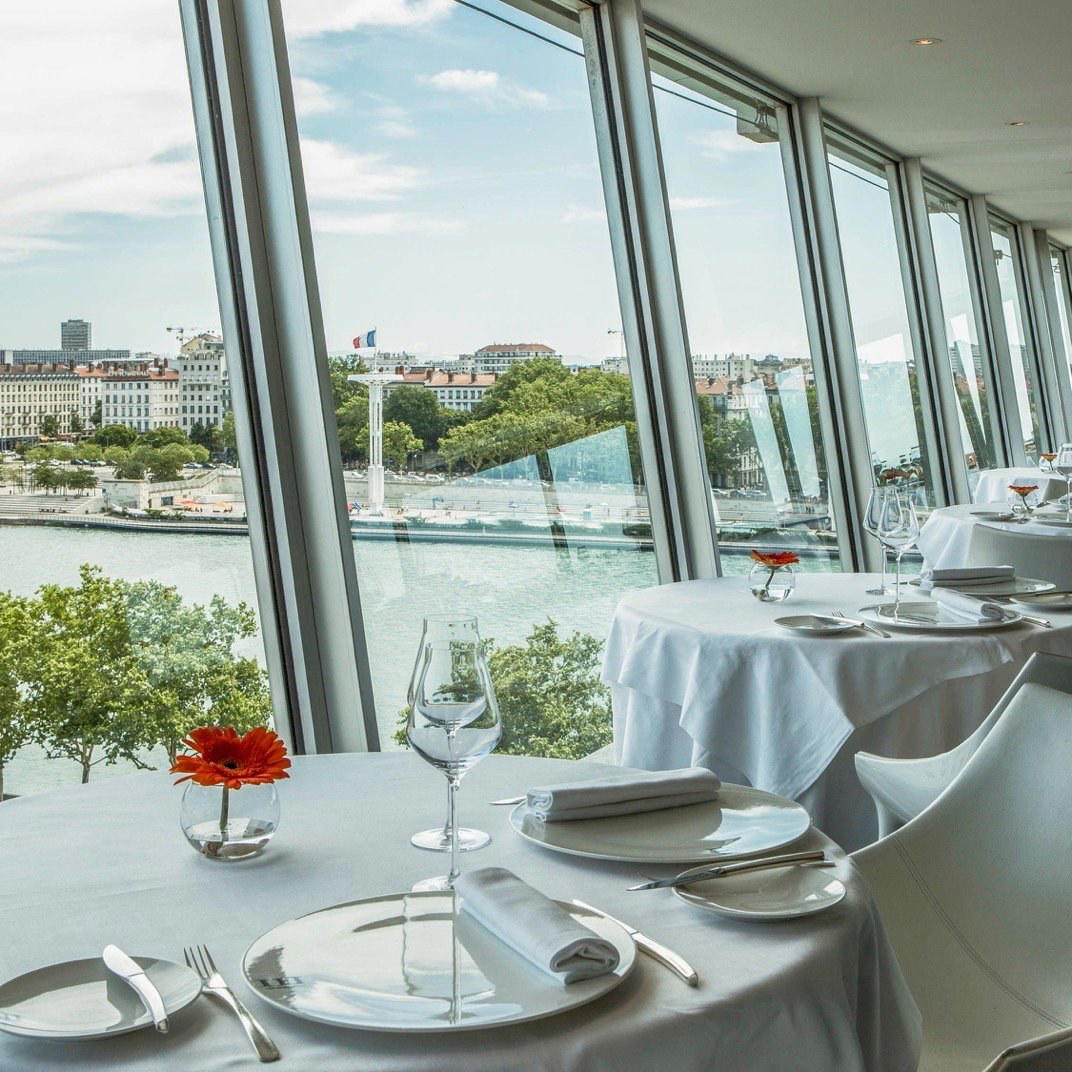
Bars in Jons
Browse all →
Hotels in Jons
Browse all →
At a Glance
- Romantic
- Scenic
- Elegant
- Cozy
- Date Night
- Business Dinner
- Group Dining
- Special Occasion
- Terrace
- Waterfront
- Extensive Wine List
- Waterfront
Current opening hours
- Monday
- Closed
- Tuesday
- Closed
- Wednesday
- 12–1:30 PM, 7–9:30 PM
- Thursday
- 12–1:30 PM, 7–9:30 PM
- Friday
- 12–1:30 PM, 7–9:30 PM
- Saturday
- 12–1:30 PM, 7–9:30 PM
- Sunday
- 12–1:30 PM
Hours can change for holidays and private events. Last verified .
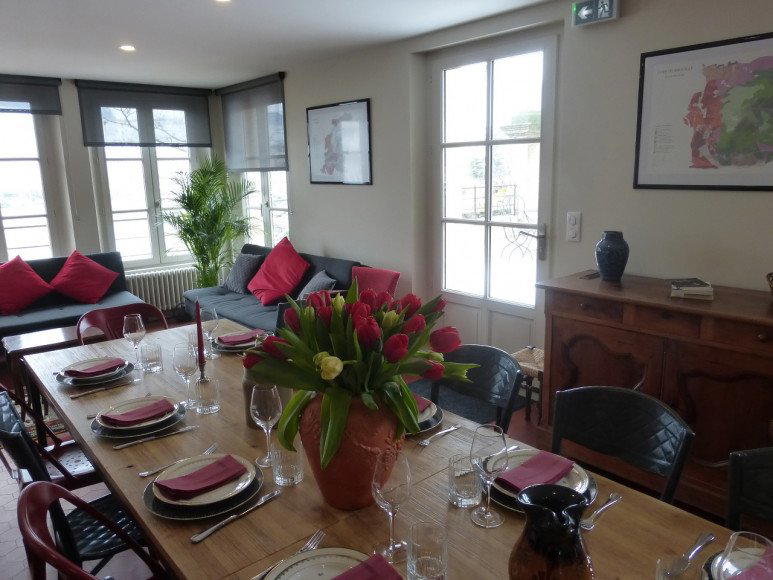
Cozy and romantic atmosphere with views of the river, calm dining room, and Provençal terrace.