L'Émulsion


1 Michelin Star · Gault & Millau Remarkable Restaurant
Our verdict
L'Émulsion Saint-Alban-de-Roche transforms hyperlocal sourcing into Michelin-starred artistry within a restored Dauphiné farmstead, where chef Romain Hubert's carte blanche menus celebrate 99% local ingredients through innovative preparations that bridge rustic tradition with contemporary French finesse.

Pearl is the En Primeur Club membership app, where members save venues, book tables and use the concierge.
The menu
What to order
- Cube à l'Antésite
- Rabbit three ways
A Farmstead on the Route de Lyon, Quietly Earning Its Star
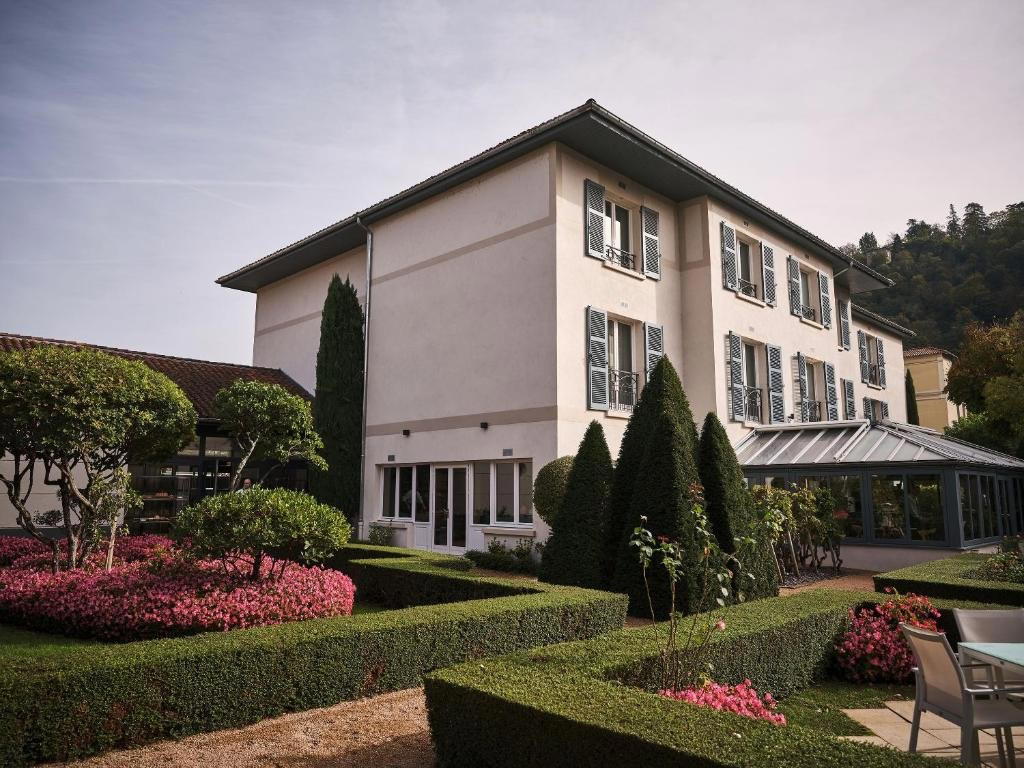
The approach to L’Émulsion along the RN6 on the Route de Lyon is not what most diners associate with a Michelin-starred table. The road is functional, the address industrial in character, the setting a restored farmstead in Bas-Dauphiné rather than a manicured alpine retreat or a city-centre address with a famous postcode. That incongruity is precisely the point. In the southern reach of the Isère department, where the Dauphiné plain gives way to the foothills above Grenoble, a quiet tier of kitchen-serious restaurants has grown around direct producer relationships and land-conscious sourcing. L’Émulsion is among the most committed.
The Logic of 99 Percent Local
The sourcing figure that frames L’Émulsion’s identity is specific and verifiable: 99% of ingredients are local and purchased direct from producers, bypassing the intermediary supply chains that allow many ‘regional’ menus to carry only nominal local character. That degree of direct procurement is not merely a marketing position. It restructures the entire kitchen calendar. Dishes are determined by what growers and small-scale producers can deliver each week rather than by a stable printed menu, which is why the kitchen operates on a carte blanche format.
Discipline this requires is considerable. At a restaurant where the ingredient supply is this closely tied to local harvest cycles and producer capacity, the menu can shift materially between sittings. Diners who arrive in spring may encounter Dauphiné asparagus, both green and white varieties, treated with the kind of attention that only makes sense when the produce has travelled a short distance from field to kitchen. Trout from local waterways appears alongside lovage, a herb common in historic French country cooking but still rare enough on contemporary menus to signal deliberate sourcing. Free-range rabbit, cooked three ways with chard, shows the same philosophy applied to meat: small-farm protein, multiple preparations, minimal waste.
Regional benchmark for this approach within France’s starred tier is set by kitchens like Bras in Laguiole, where the Aubrac plateau has long shaped a menu built almost entirely on hyper-local forage and farm relationships. L’Émulsion operates on the same philosophical axis but in a lower-profile setting and at a price point that reflects its single-star position rather than the three-star bracket occupied by houses like Mirazur in Menton or Alléno Paris au Pavillon Ledoyen.
Tradition and Creativity as a Working Tension
Michelin inspectors’ 2024 description frames the kitchen’s output in terms of a deliberate negotiation: menus that ‘err between tradition and creativity.’ That is a more useful formulation than the usual claim of balance, because it implies active tension rather than easy synthesis. The classic preparations embedded in French country cooking, specifically the slow-braised and multi-treatment approach to proteins, sit alongside combinations that read as contemporary: lovage with trout, the Antesite cube as a closing dessert.
Antesite is a Dauphinois product with a specific regional history, a liquorice and anise concentrate made in the area since the nineteenth century and long used as a local alternative to more expensive pastis. Using it as a dessert element is not a whimsical fusion choice. It is a direct line to the food culture of the Isère, the kind of regional signal that requires local knowledge to land correctly. Michelin’s inspectors specifically identify the Antesite cube as a signature, which positions it as the dish that most fully concentrates what the kitchen is doing: local ingredient, historical reference, technique as vehicle rather than as spectacle.
This places L’Émulsion in a tradition of regional French kitchens that have always understood their distinctiveness as inseparable from their geography. The approach echoes, at different scale and setting, what houses like Auberge de l’Ill in Illhaeusern or Troisgros in Ouches have built over generations: a cuisine whose authority derives from place as much as from technique. The difference is longevity and institutional weight; L’Émulsion’s 2024 star is relatively recent, placing it in the same category as kitchens still establishing their critical record rather than those with decades of Michelin continuity.
The Farmstead Setting and What It Means for the Experience
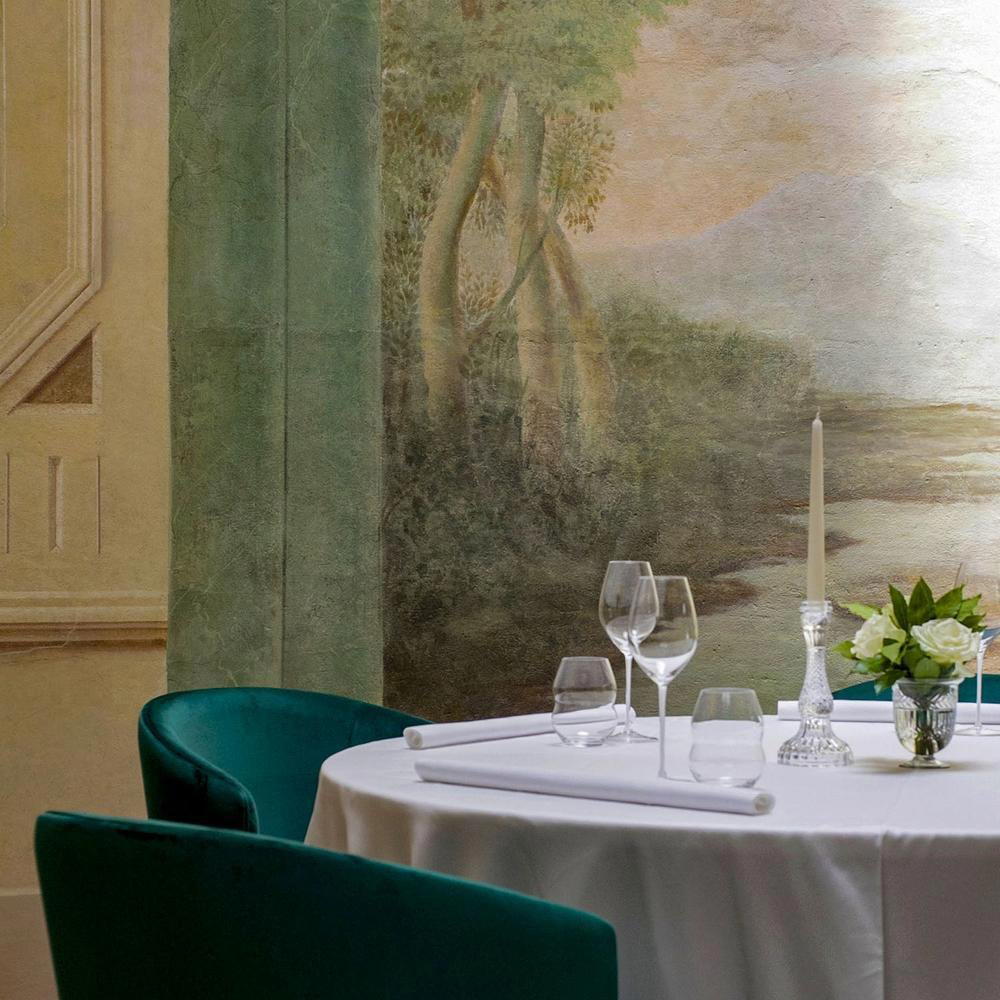
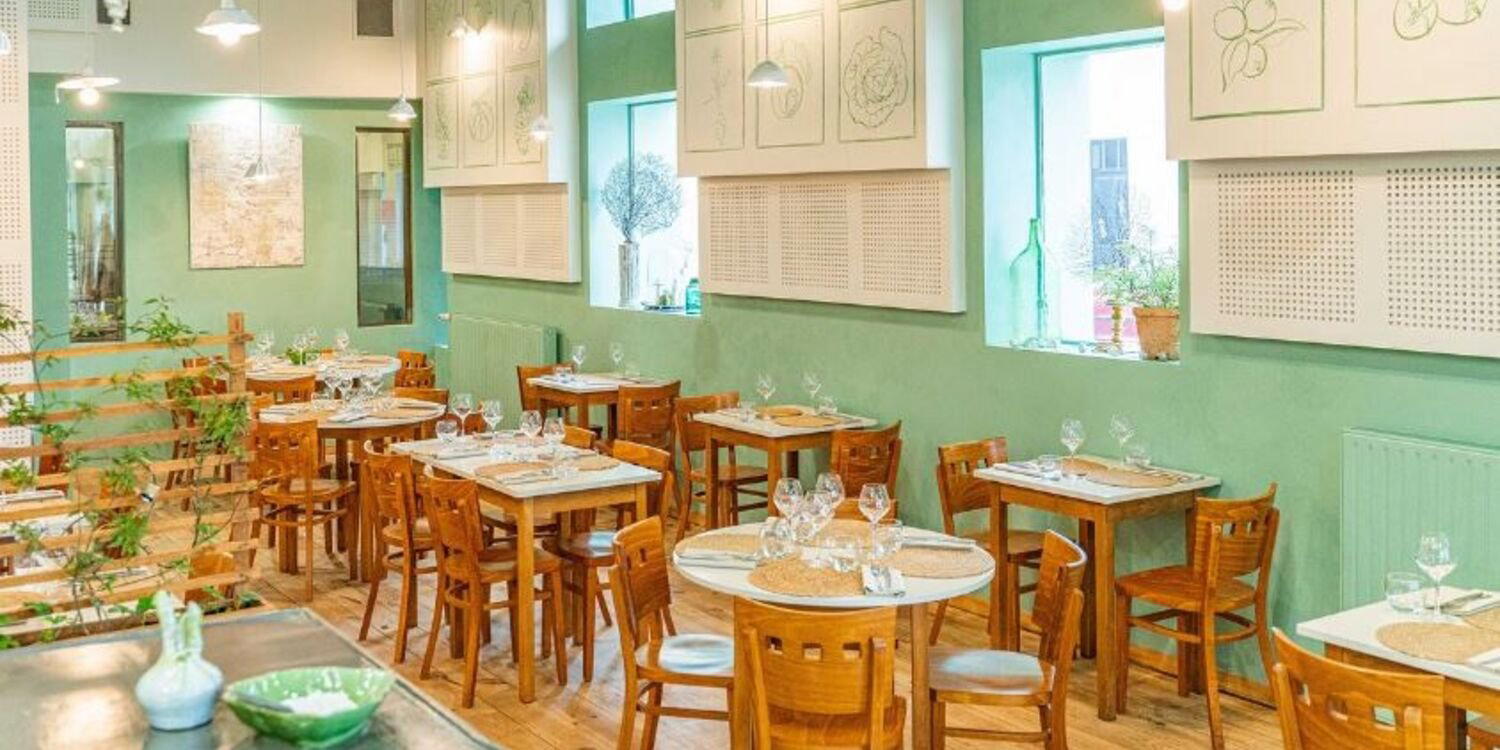
A tastefully restored farmstead in the Bas-Dauphiné is a specific type of dining environment. The architecture carries the weight of agricultural history without the manicured self-consciousness of purpose-built restaurant spaces in larger cities. Farmstead restaurants in the French regional tradition tend toward materials and proportions that are already resolved by the building itself: thick walls, stone or timber, natural light structured by old windows. The atmosphere is serious without being austere, a quality that suits a kitchen operating at the €€€€ price tier without the formal apparatus of a grand hotel dining room.
The service hours give the dining a particular character. L’Émulsion is closed Sunday and Monday, open for dinner Tuesday through Thursday from 7:30 PM, and adds lunch service on Friday and Saturday from noon. This is a schedule built for a kitchen at full capacity during a compressed week, which is consistent with the direct-sourcing model: tighter service windows mean tighter ingredient procurement cycles. Diners who want the full range of options should note that the weekend lunch sittings on Friday and Saturday may draw a different crowd than the mid-week evening services.
For context on the local dining scene and comparable options in the area, the full Saint-Alban-de-Roche restaurants guide covers the broader range, including Lo Fieu, which represents the regional cuisine tradition at a different register.
Where L’Émulsion Sits in the Wider French Modern Cuisine Tier
Within the Michelin single-star tier for modern cuisine in France, the distinctions that matter are sourcing philosophy, format, and the degree to which the kitchen’s identity is genuinely rooted in its region rather than using regional ingredients as a cosmetic layer over a style that could function anywhere. L’Émulsion’s 99% local, direct-purchase sourcing is a structural commitment that places it closer to the high-discipline end of regional sourcing than most kitchens at the same award level.
The comparison set for kitchens at this tier with similar sourcing philosophies would include other single-star regional addresses across the Auvergne-Rhône-Alpes corridor and beyond. At three-star level, the comparison points shift considerably: Flocons de Sel in Megève operates with its own rigorous Alpine sourcing model, while Paul Bocuse’s Auberge du Pont de Collonges in Collonges-au-Mont-d’Or represents the classic Lyonnais tradition at institutional scale. L’Émulsion operates in a quieter register than any of these, without the cultural weight of those addresses, but with sourcing credentials that would hold up in any of those conversations.
For readers tracking the modern cuisine category further afield, the editorial comparison points extend internationally to kitchens like Frantzén in Stockholm and its satellite FZN by Björn Frantzén in Dubai, both of which operate with structured sourcing programs in the modern cuisine format, or AM par Alexandre Mazzia in Marseille and Assiette Champenoise in Reims, which represent the French three-star tier’s different approaches to creative modern cooking. Au Crocodile in Strasbourg provides another regional French reference point for tradition-meets-modernity positioning.
Planning a Visit
L’Émulsion is located at RN6-Lieu dit, 57 Route de Lyon in Saint-Alban-de-Roche, a commune in the Isère department most easily accessed by road. The restaurant sits at the €€€€ price tier, appropriate for a Michelin-starred carte blanche format. Reservations are advisable; the compressed weekly schedule, Tuesday through Saturday with Sunday and Monday closures, and the kitchen’s reliance on direct sourcing with limited volume suggest that sittings fill at a pace disproportionate to the restaurant’s low-profile address.
For those building a broader itinerary around the area, the Saint-Alban-de-Roche hotels guide, bars guide, wineries guide, and experiences guide map the surrounding options.
Frequently asked questions
What do people recommend at L’Émulsion?
Michelin’s inspectors specifically call out the “Antesite cube” as the kitchen’s signature dessert: a reference to the Dauphinois liquorice concentrate that has been produced in the Isère since the nineteenth century, deployed here as a closing course that anchors the menu in specific regional culture. Among the savory courses, the asparagus preparations, trout with lovage, and free-range rabbit cooked three ways with chard are cited as representative of the kitchen’s approach: local produce sourced direct, cooked with restraint and technical command, and presented without unnecessary complexity. The carte blanche format means the exact dishes available shift with the season and the week’s producer deliveries, so these dishes serve as illustrations of the kitchen’s direction rather than a guaranteed menu.
A Quick Peer Check
| Venue | Cuisine | Price | Awards | Notes |
|---|---|---|---|---|
| L'ÉmulsionThis venue (the venue you are viewing) | Modern French Fine Dining | Not listed | 1 Michelin Star · Gault & Millau Remarkable Restaurant | Not listed |
| Alléno Paris au Pavillon Ledoyen | Modern French Fine Dining | $150–200 | 3 Michelin Stars · World's 50 Best #79 | Creative |
| Kei | Contemporary French, Modern Cuisine | Not listed | Michelin 3 Star | Not listed |
| L'Ambroisie | Classic French Haute Cuisine | $300–500 | 2 Michelin Stars · World's 50 Best #23 | French, Classic Cuisine |
| Le Cinq - Four Seasons Hôtel George V | Modern French Fine Dining | $300–500 | 3 Michelin Stars · World's 50 Best #24 | French, Modern Cuisine |
| Plénitude | Modern French Sauce-Led Fine Dining | $300–500 | 3 Michelin Stars · World's 50 Best #14 | Contemporary French |
Recognition history
Dated appearances from independent guides and award organizations, with the underlying list record or original source where available.
Michelin 1 Star
Michelin
Gault & Millau Remarkable Restaurant
Gault & Millau
Full recognition history (4 entries)
Michelin 1 Star
Michelin
Michelin 1 Star
Michelin
Continue exploring
More in Saint-Alban-de-Roche
Restaurants in Saint-Alban-de-Roche
All restaurants in Saint-Alban-de-Roche →
Bars in Saint-Alban-de-Roche
Browse all →

Details
- Modern
- Elegant
- Cozy
- Sophisticated
- Date Night
- Special Occasion
- Open Kitchen
- Extensive Wine List
- Farm To Table
- Local Sourcing
- Tasting Menu
Current opening hours
- Monday
- Closed
- Tuesday
- 7:30–11:30 PM
- Wednesday
- 7:30–11:30 PM
- Thursday
- 7:30–11:30 PM
- Friday
- 12–3 PM, 7:30–11:30 PM
- Saturday
- 12–3 PM, 7:30–11:30 PM
- Sunday
- Closed
Hours can change for holidays and private events. Hours as of .
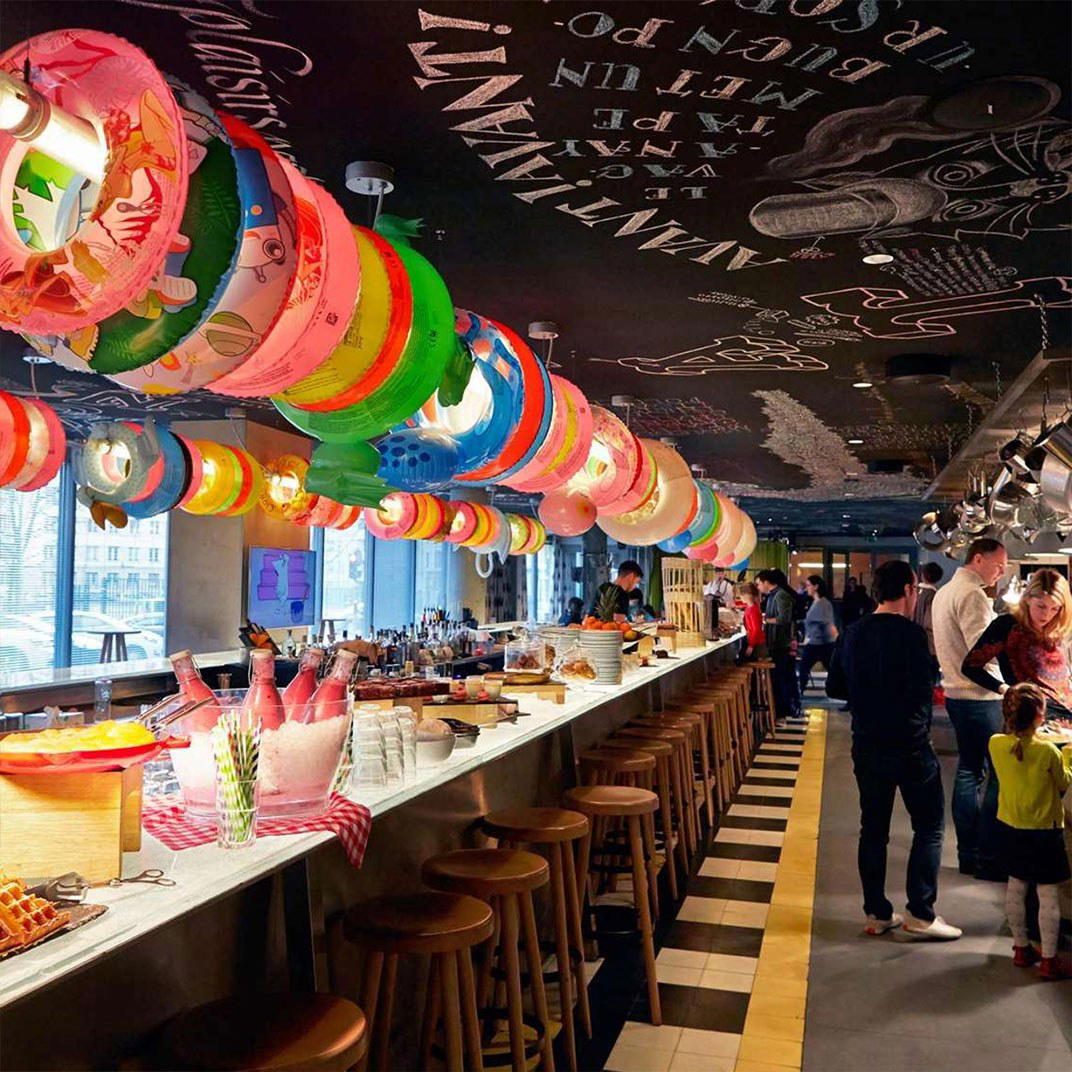
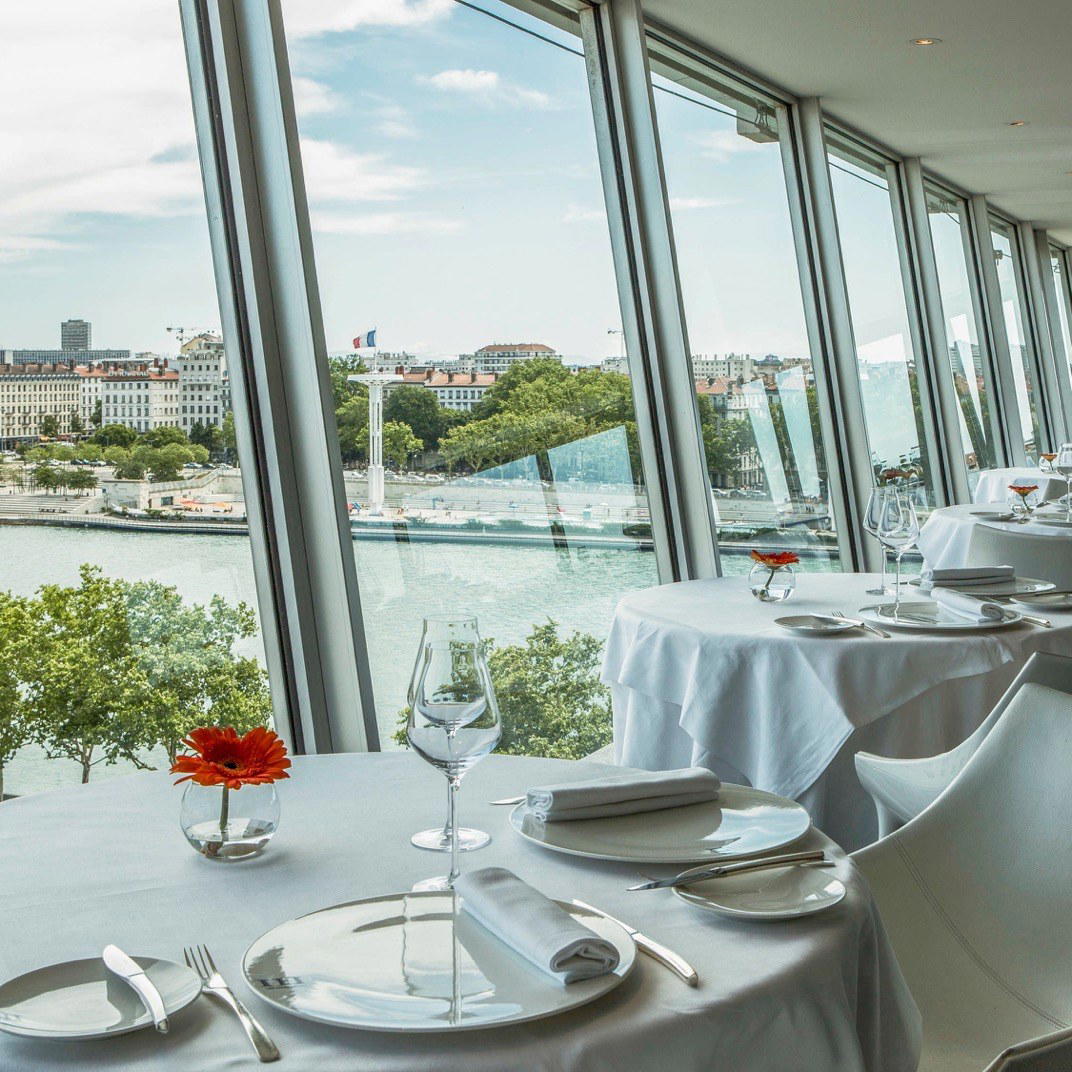
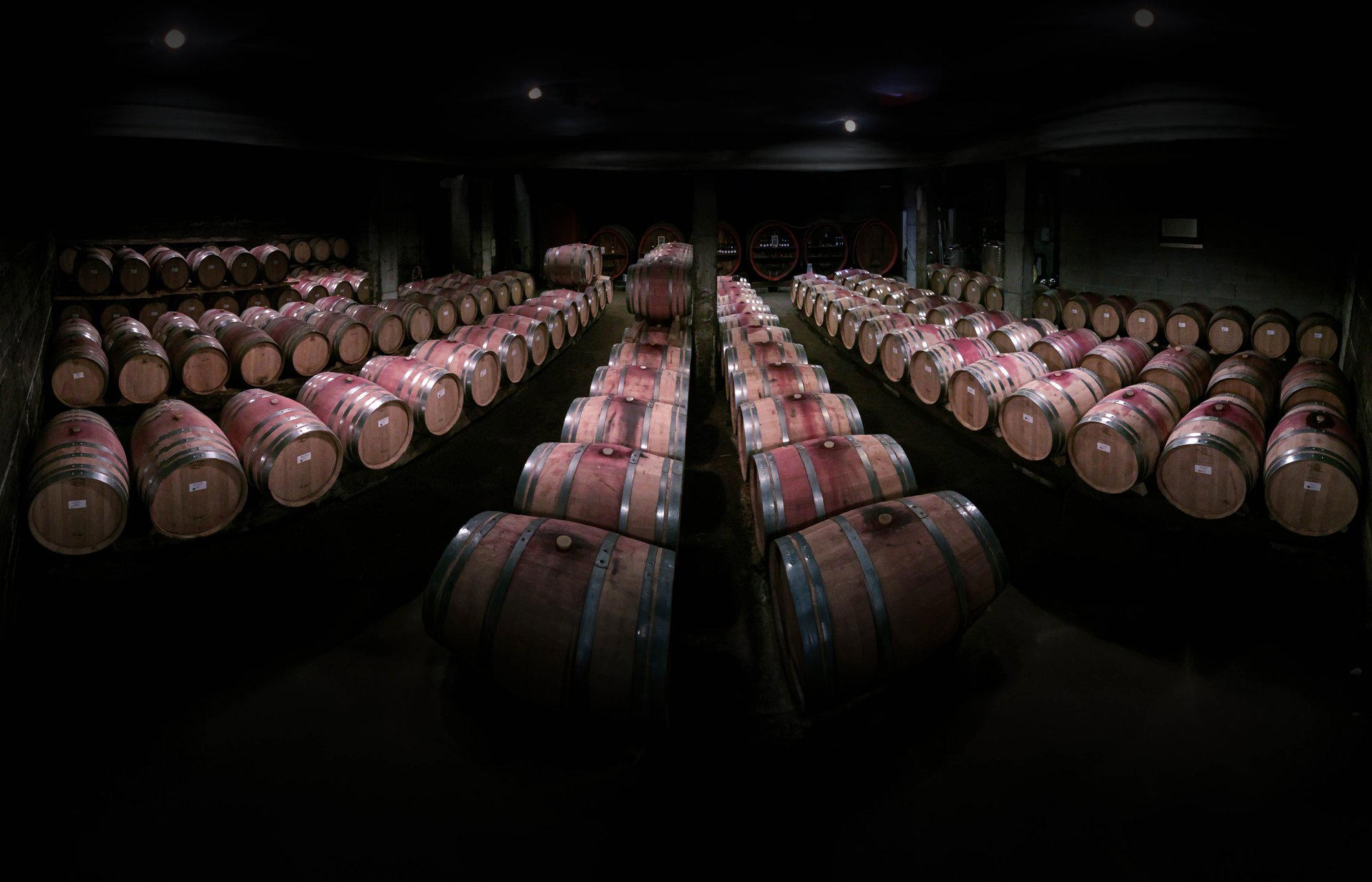
Modern atmosphere blending restored farmstead charm with contemporary elegance, warm hospitality, absence of tablecloths, and subtle mood music.