La Faena

James Beard Award Semi Finalist
Our verdict
La Faena sits along Carretera 834 in Guaynabo, one of Puerto Rico's most restaurant-dense suburban corridors, where locally sourced ingredients and island culinary tradition shape the menu. The address places it squarely in a neighbourhood where serious diners from the San Juan metro gravitate for cooking that roots itself in Puerto Rican produce rather than import-reliant shortcuts. It is a destination for those who want the island's flavours treated with precision.

Pearl is the En Primeur Club membership app — saves, bookings, and concierge access live there. Same editors, same standards.
- Address
- Carr 834 k.m 4.9, Guaynabo 00971, Puerto Rico
- Phone
- (787) 698-4823
- Hours
- Mon–Tue ClosedWed 6–10 PMThu–Sat 5–10 PMSun Closed
- Website
- agrococina.com
- Directions
- Get directions
- Booking
- Book on OpenTable
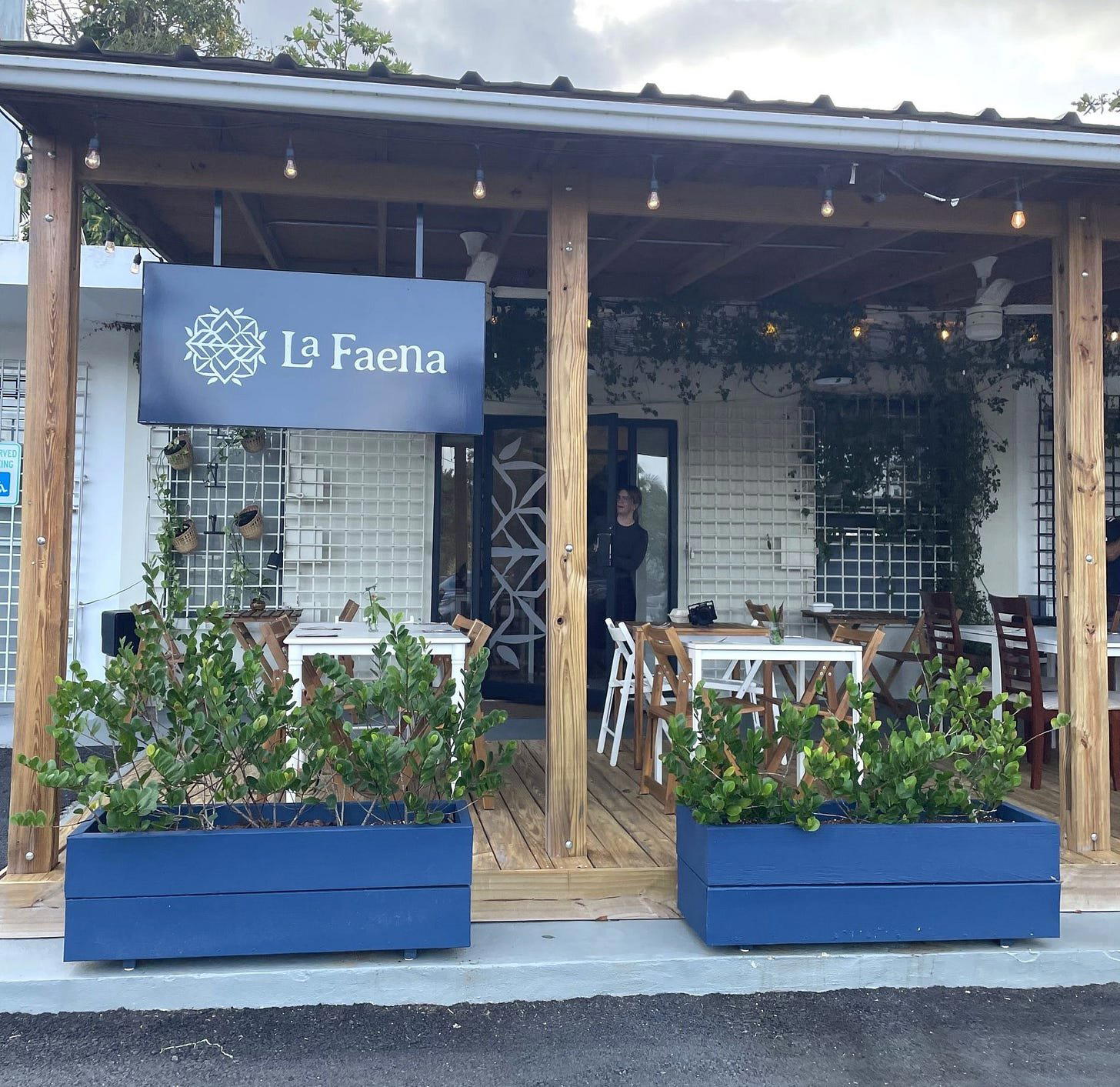
Where Guaynabo's Ingredient Story Gets Told
Puerto Rico's restaurant culture has spent the better part of the last decade working through a specific tension: how much of what lands on a plate is genuinely sourced from the island's farms, coastal waters, and interior valleys, and how much arrives via the shipping containers that feed a territory reliant on imported goods for roughly 85 percent of its food supply. On Carretera 834 in Guaynabo, that tension becomes the subtext of a meal at La Faena. The address itself says something. Guaynabo is not the tourist-facing dining strip of Condado or Santurce; it is where metro-area residents eat, which means the room is filled with people who know what Puerto Rican cooking is supposed to taste like and will notice when it does not.
The broader corridor along Carr 834 has quietly accumulated a serious cluster of dining options, and La Faena sits within that concentration at kilometre 4.9. For visitors arriving from San Juan, the drive cuts through suburban Guaynabo's commercial density before the road narrows and the feel shifts. The logistics are direct: a car is the practical option, and evenings are the conventional window for the kind of meal this address implies. For broader context on what the municipality offers, our full Guaynabo restaurants guide maps the scene across price tiers and formats.
The Sourcing Question in Puerto Rican Cooking
When a restaurant operates in Puerto Rico and takes ingredient sourcing seriously, the choices it makes carry more weight than they might on a continent with developed regional supply chains. The island has a growing network of small farms producing plantains, root vegetables, chiles, tropical fruits, and fresh herbs, alongside coastal fisheries that supply snapper, mahi-mahi, and shellfish to kitchens that know how to use them. But accessing those networks consistently requires deliberate relationships with producers, not simply placing orders through a distributor. Restaurants in Guaynabo that build their menus around that supply model tend to produce food that reads differently from the tourist-district versions of the same dishes: less generic, more calibrated to what is actually growing or swimming nearby.
That sourcing orientation is part of what positions La Faena in a specific tier of the local dining conversation. Guaynabo's serious restaurant community, which includes Bottles among its references, operates within a municipal dining culture that rewards substance over spectacle. Across Puerto Rico more broadly, you find this pattern in different registers: the whole-animal tradition at places like Lechonera Los Pinos in Cayey, the coastal ingredient logic at El Dorado in Playita, and the produce-forward approach at Frescura Vegan Kitchen in Bayamon. La Faena belongs to that wider network of kitchens that have decided the island has enough to work with.
The Room and What It Signals
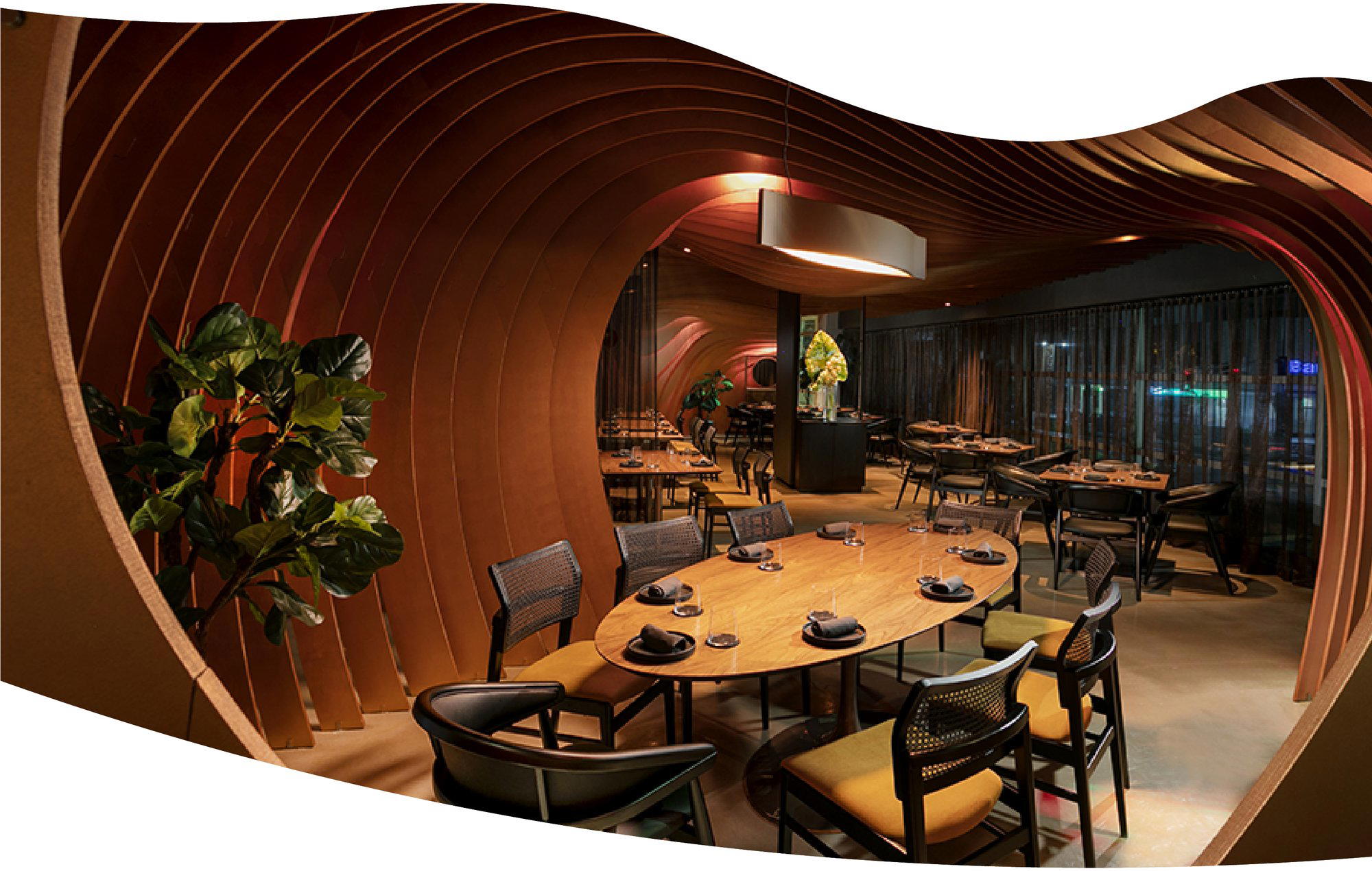
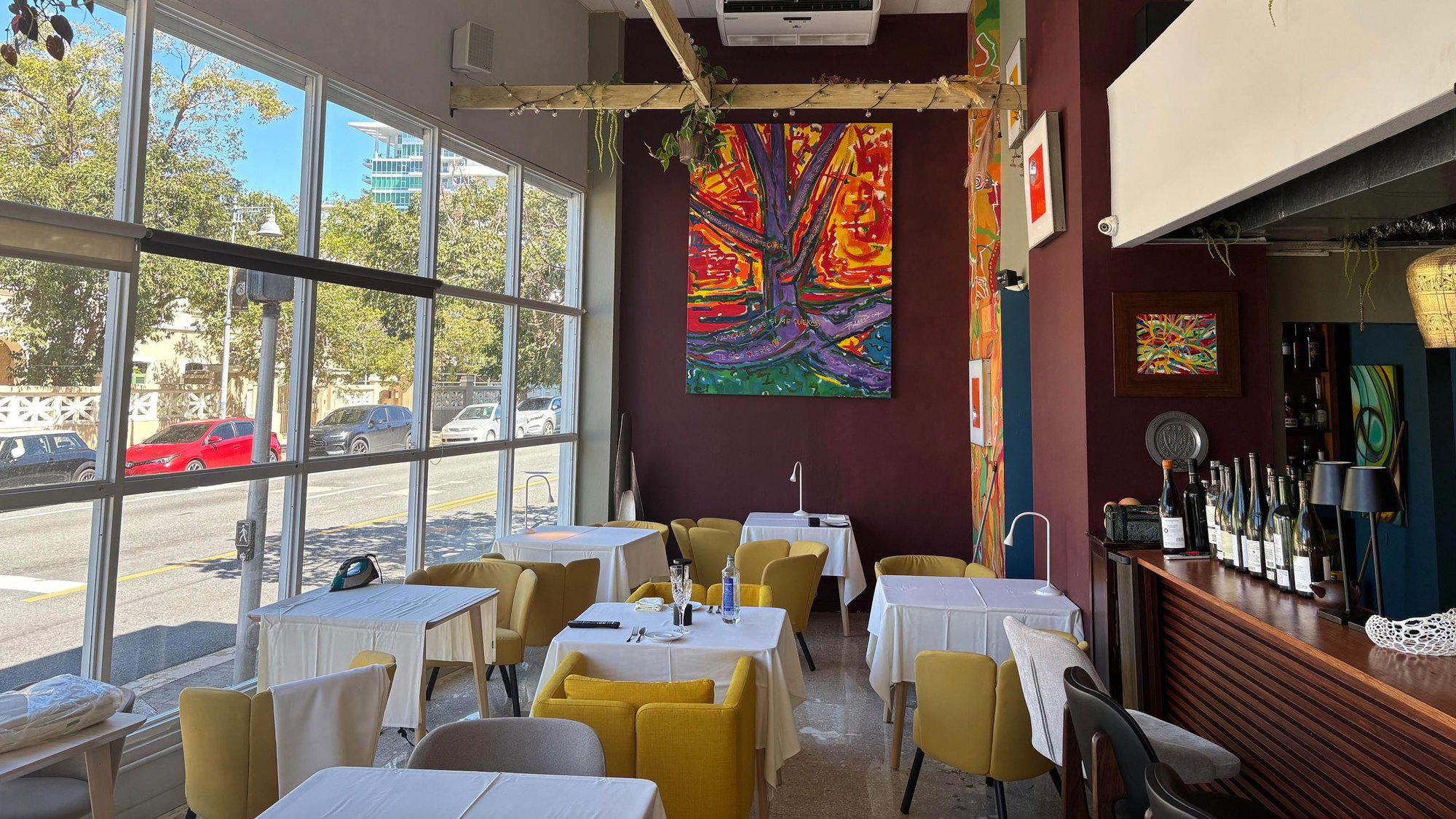
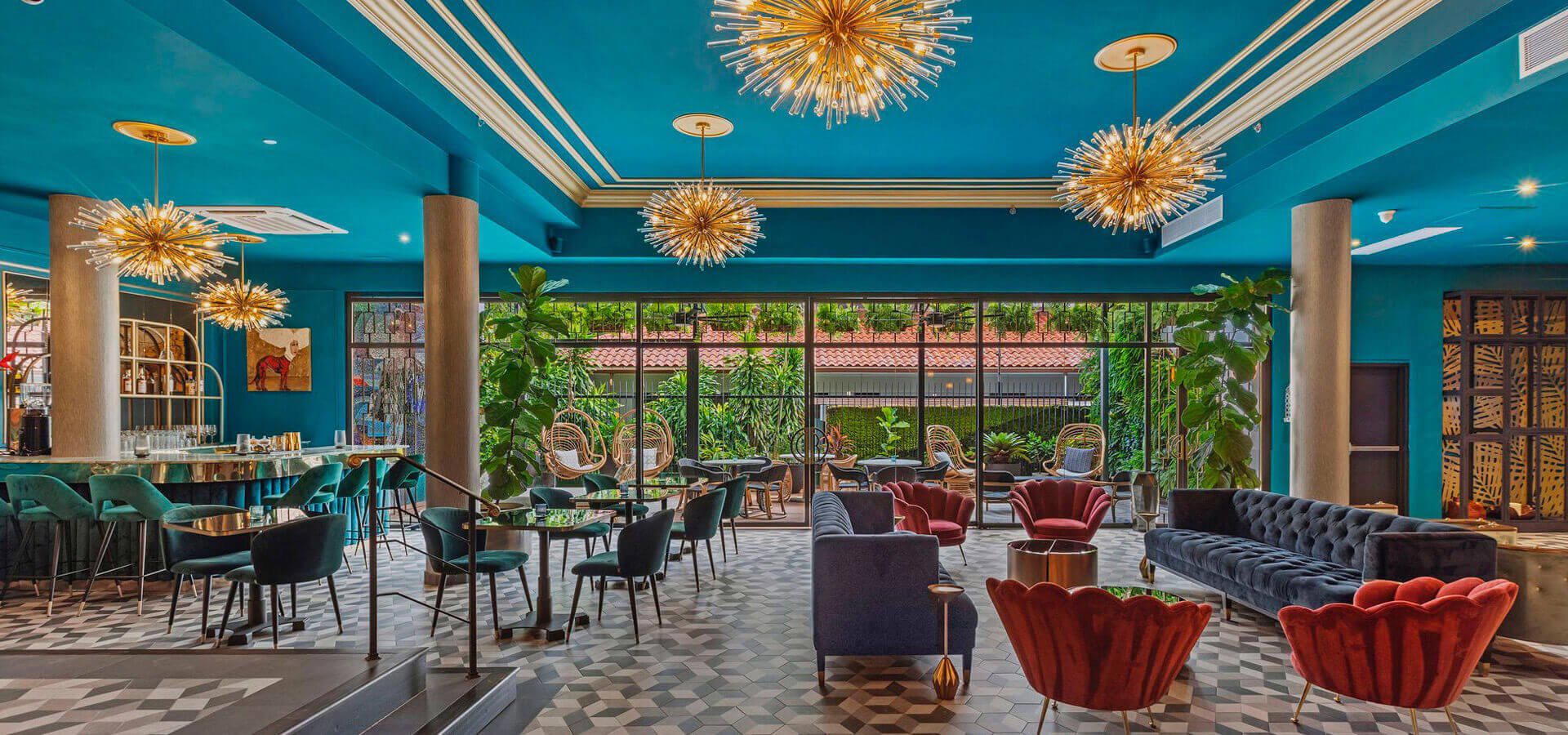
Guaynabo's dining rooms do not perform. There is no waterfront theatrics, no hotel-lobby grandeur, no rooftop-bar posturing. The neighbourhood format tends toward spaces that communicate seriousness through quality of food and consistency of service rather than architecture. La Faena on Carr 834 fits that register: the address is a working-suburb road, and arriving there on a weekday evening puts you in a room that is there to serve food rather than to stage an experience. That distinction matters for Puerto Rican dining culture, where the most credible kitchens often occupy the least ostentatious rooms. The comparison that comes to mind is not the polished hotel restaurants of the capital but the more rooted, neighbourhood-specific cooking found at places like CAÑA in Carolina or BODEGA in Caguas, where the local clientele sets the terms.
For visitors accustomed to the edited, export-ready version of Puerto Rican cuisine served in San Juan's tourist corridors, eating in Guaynabo offers a recalibration. The audience in these rooms is domestic, and the food adjusts accordingly. Seasonings are not dialled back. Portion logic follows local expectation. Ingredients are understood rather than explained. That context shapes what a meal at La Faena represents: access to the island's cooking on the island's own terms, in a municipality that does not need to translate itself for outside visitors.
Placing La Faena in the Puerto Rico Dining Map
Puerto Rico's restaurant geography has grown more distributed over the past several years, with serious cooking no longer concentrated in San Juan's established neighbourhoods. The west coast has kitchens like Estela Restaurant in Rincon and Carne Mía Restaurant in Aguada; the north coast has Bottles Dorado in Dorado; the east has Escobar in Canovanas. Guaynabo, sitting immediately south and west of San Juan, occupies a different position in that map: it is metro-adjacent enough to draw from the capital's dining population while maintaining its own neighbourhood identity. La Faena at Carr 834 km 4.9 sits squarely within that dynamic, functioning as a local anchor rather than a destination imported from elsewhere.
The comparison to San Juan's more internationally positioned kitchens is instructive. Places like Canvas Restaurant in San Juan operate in a context that includes international visitors and the credentials that come with attracting them. Guaynabo operates in a different register, where the credential is the local clientele's repeat business. For reference points outside Puerto Rico, the contrast with something like Le Bernardin in New York City or Atomix in New York City clarifies the category distinction: La Faena belongs to the neighbourhood-serious tier rather than the internationally ranked tier, and that is a meaningful distinction rather than a deficiency.
Elsewhere on the island, the bakery tradition at Panaderia La Patria in Morovis, the seafood approach at Charco Azul in Vega Baja, and the western mountain cooking at Brazo Gitano Franco in Mayaguez each represent how Puerto Rico's culinary geography fragments into distinct local traditions. La Faena and Kaplash in Anasco occupy their own corners of that map, shaped by the municipalities that surround them.
Planning a Visit
Guaynabo requires a car. Carr 834 is a suburban road, not a walking-district street, and arriving at kilometre 4.9 by any means other than driving involves unnecessary complication. From central San Juan, the drive runs roughly through the Minillas interchange and south, putting La Faena within reasonable range for an evening meal. The practical recommendation is to treat a visit as part of an intentional Guaynabo evening rather than a San Juan detour, pairing it with the broader dining concentration along the same corridor.
Frequently asked questions
Does La Faena work for a family meal?
La Faena is on Carr 834 in Guaynabo, a suburban road that requires a car, which makes it a practical choice for groups arriving together. The neighbourhood format, as the body content notes, favours a lower-key setting without hotel-lobby theatrics, which tends to suit family-style dining.
What is the atmosphere like at La Faena?
Guaynabo's dining rooms operate without the waterfront posturing or rooftop-bar staging found in parts of San Juan. La Faena sits on a suburban road at kilometre 4.9 of Carr 834, and the neighbourhood context shapes a format that is grounded rather than performative. Expect a room that signals cooking over concept.
How does La Faena fit into Puerto Rico's shift toward suburban dining destinations?
Puerto Rico's restaurant geography has grown more distributed over recent years, with Guaynabo emerging as part of that expansion beyond the San Juan core. La Faena's address at Carr 834 km 4.9 places it squarely in this suburban tier, where the draw is the cooking rather than a high-footfall location. For visitors tracking where Puerto Rico's food scene is heading geographically, Guaynabo represents that direction, and La Faena is one of its reference points.
What's the signature dish at La Faena?
The restaurant's editorial framing centres on ingredient sourcing within Puerto Rico's cooking culture, which suggests the menu reflects what is locally and seasonally available. check the venue's official channels for current offerings.
What's La Faena's location?
La Faena is located at Carr 834 k.m 4.9, Guaynabo 00971, Puerto Rico, Guaynabo.
Is La Faena reservation-only?
Given its location on Carr 834 in Guaynabo — a suburban road rather than a walk-in dining strip — calling ahead before visiting is a practical step regardless of policy.
What is La Faena known for?
La Faena is part of Guaynabo's dining circuit, which has drawn attention as serious cooking spreads beyond San Juan's established neighbourhoods. The restaurant's positioning, as covered in editorial context, connects to Puerto Rico's broader conversation about local ingredient sourcing and what that means on the plate. It operates on Carr 834, a suburban address that requires deliberate planning to reach.
How It Stacks Up
Comparable venues nearby, for context on price, style, and recognition.
| Venue | Cuisine | Price | Awards | Notes |
|---|---|---|---|---|
| La FaenaThis venue — the venue you are viewing | Modern Puerto Rican Creole | Not listed | James Beard Award Semi Finalist | Not listed |
| Bottles | Modern Steakhouse with Fresh Seafood & Pasta | $50–100 | Not listed | Guaynabo |
| BODEGA | Modern Criollo Gastropub | $20–30 | Not listed | centro urbano |
| Christianson | Caribbean Cafe Brunch | $20–30 | Not listed | Condado |
| Kaplash | Puerto Rican Seafood Empanadillas | Not listed | Not listed | Anasco |
| Leña Eh Food Truck | Wood-Fired Puerto Rican Street Food | $10–20 | Not listed | Miramar |
Recognition history
Dated appearances from independent guides and award organizations, with the underlying list record or original source where available.
James Beard Award Semi Finalist
James Beard Award





Details
- Cozy
- Rustic
- Intimate
- Sophisticated
- Date Night
- Special Occasion
- Extensive Wine List
- Farm To Table
- Local Sourcing
- Mountain
- A La Carte
- Vegetarian Friendly
- Vegan Options
Current opening hours
- Monday
- Closed
- Tuesday
- Closed
- Wednesday
- 6–10 PM
- Thursday
- 5–10 PM
- Friday
- 5–10 PM
- Saturday
- 5–10 PM
- Sunday
- Closed
Hours can change for holidays and private events. Last verified .
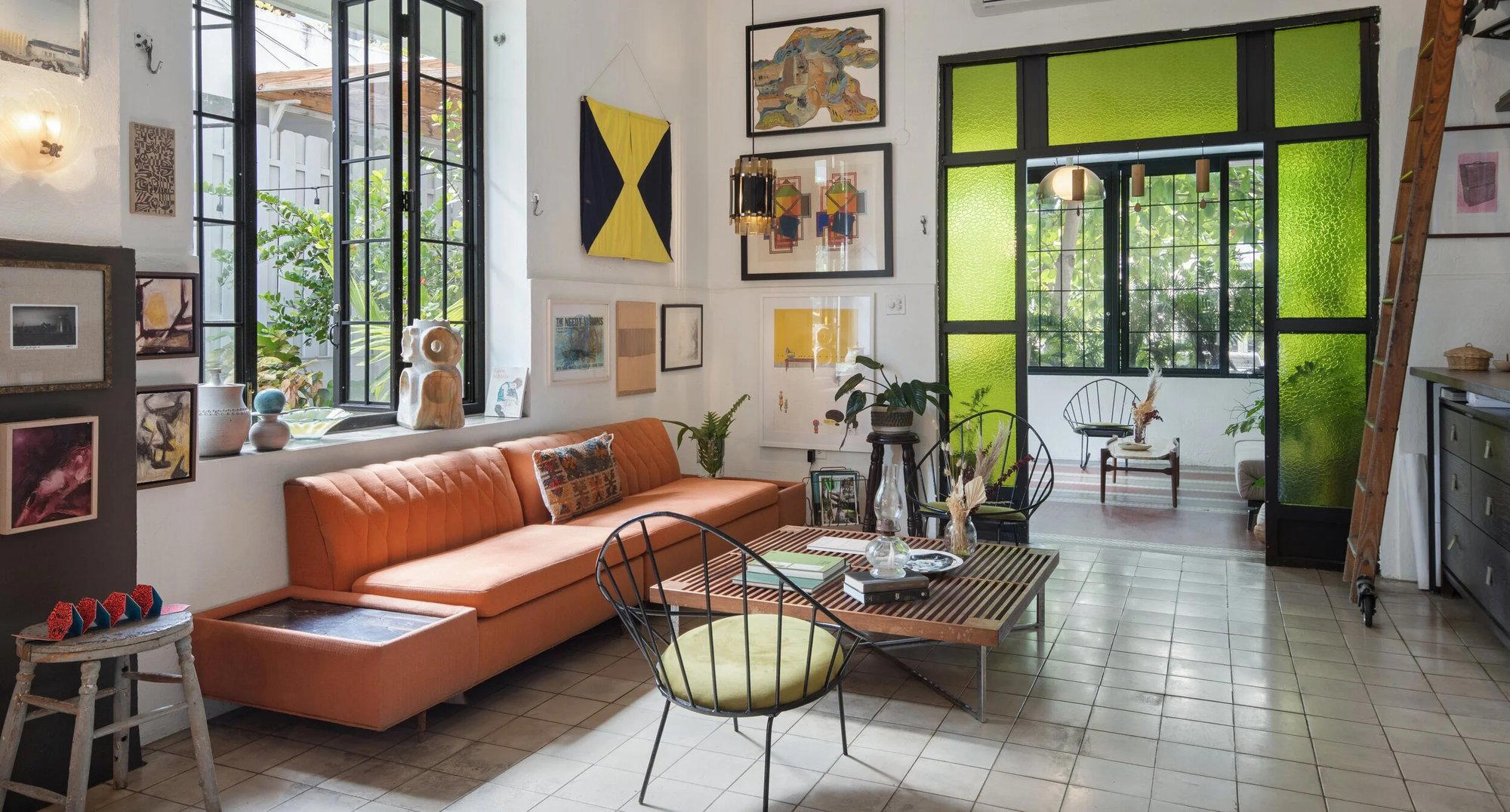
Welcoming and cozy atmosphere in a countryside setting with a home-style touch evoking collective flavor memories.