Our verdict
La Cognette sits on Boulevard de Stalingrad in Issoudun, a town in the Berry region of central France where the slower rhythms of provincial dining still hold. The restaurant draws on a corner of France where terroir is taken seriously and the sourcing traditions of the Indre département shape what reaches the table. For travellers making their way through the Loire Valley's southern edges, it represents a case study in place-specific French cooking.

Pearl is the En Primeur Club membership app — saves, bookings, and concierge access live there. Same editors, same standards.
- Address
- 6 Bd de Stalingrad, 36100 Issoudun, France
- Phone
- +33254035959
- Website
- la-cognette.com
- Directions
- Get directions
- Booking
- Book on TheFork
The menu
What to order
- Stuffed Carp
- Pigeon Breast Farcie
- Veal Three Ways
Provincial France, on Its Own Terms
Issoudun sits in the Indre département of the Berry region, roughly midway between Bourges and Châteauroux, in a part of central France that neither the high-speed rail network nor the major autoroutes have made particularly convenient. That distance from the well-worn tourist circuits is precisely what defines the dining character here. Where restaurants in Paris or Lyon must compete on spectacle and media cycles, provincial establishments in this corridor of France have historically competed on something more durable: the quality of what the surrounding land produces and the discipline required to cook it honestly.
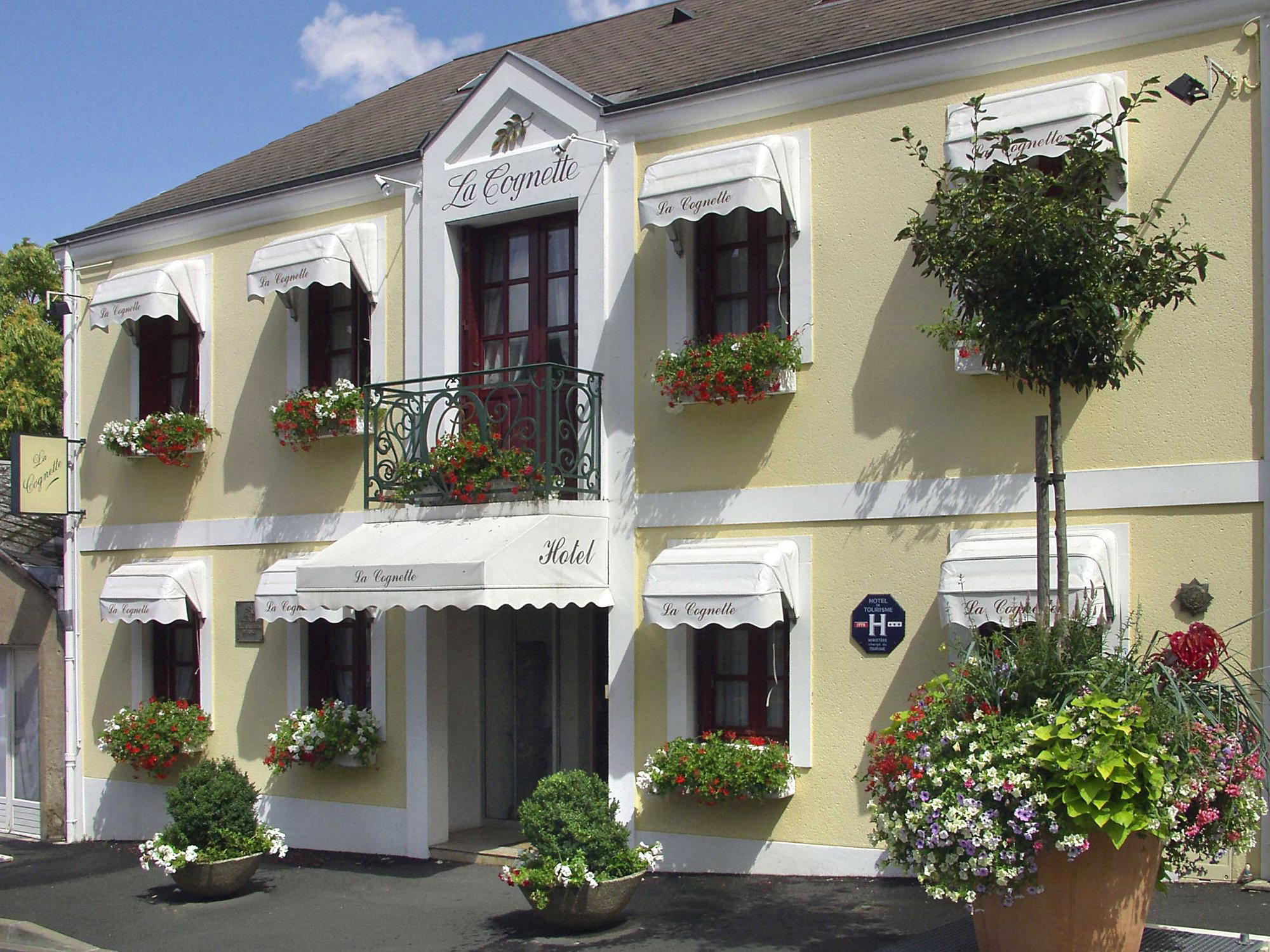
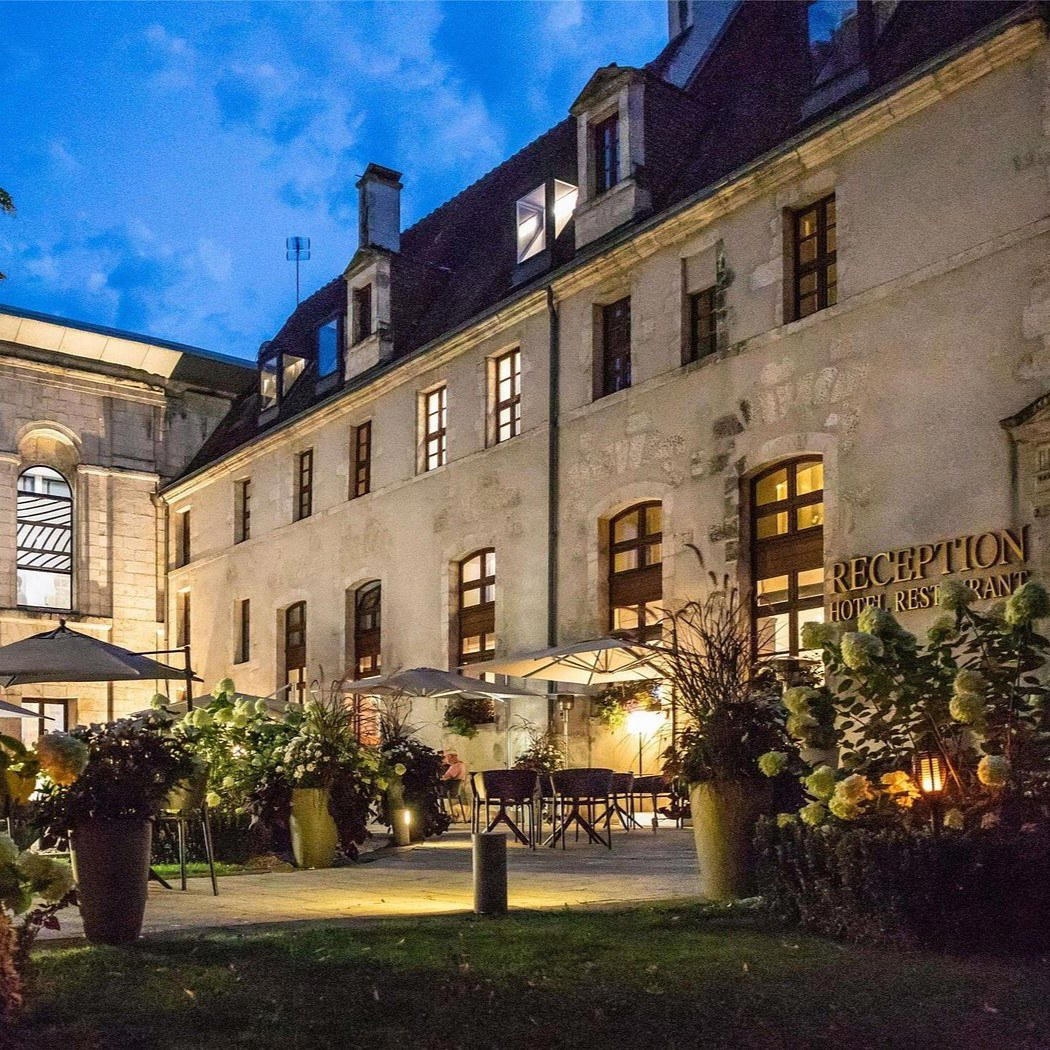
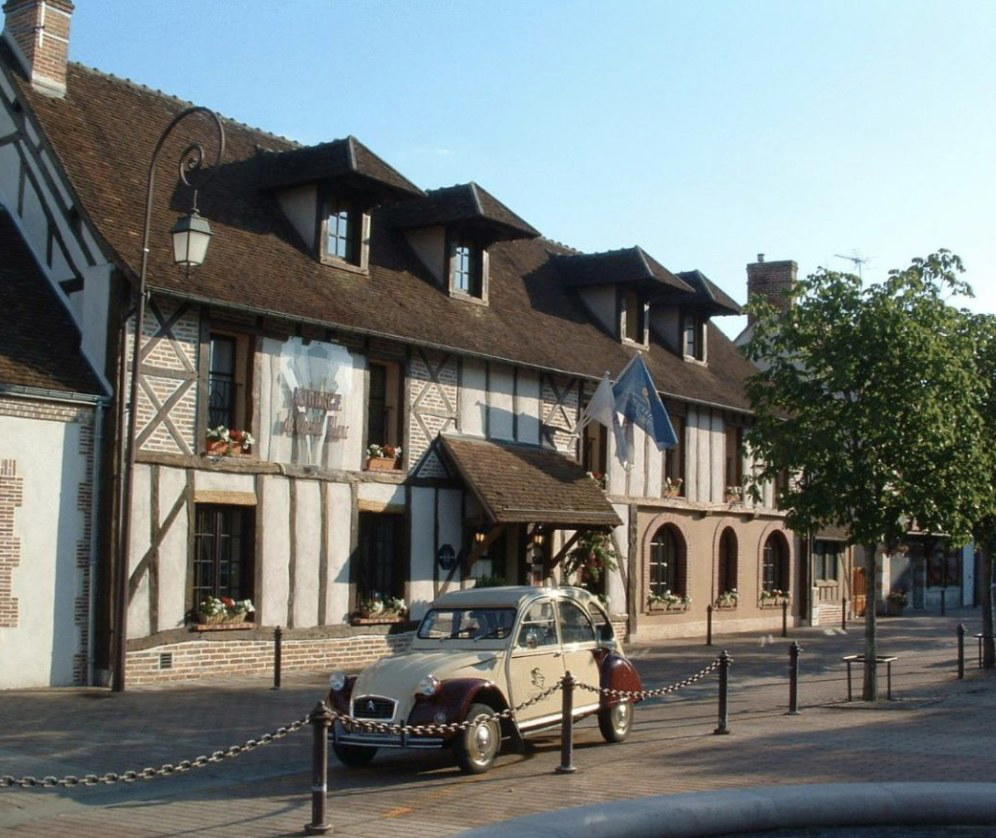
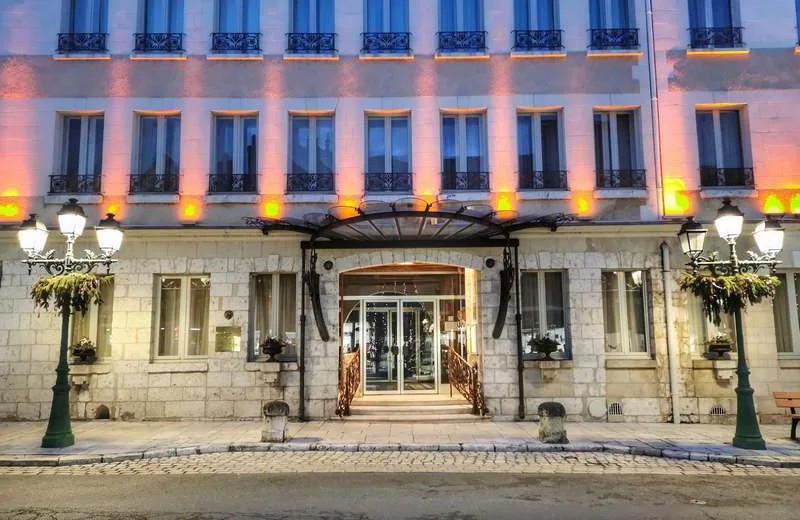
La Cognette occupies a position on Boulevard de Stalingrad that feels consistent with the Berry town it inhabits. This is not a destination that announces itself through design or theatrics. The physicality of the address suggests something grounded in place rather than performing for visitors passing through — a restaurant that has measured itself against the standards of its own region, not against the noise of a broader metropolitan scene. For travellers who have spent time at establishments like Auberge de l'Ill in Illhaeusern or Georges Blanc in Vonnas, the appetite for deeply rooted, regionally anchored French cooking will be familiar. La Cognette operates in that same tradition, though on a more intimate provincial scale.
What the Indre Puts on the Table
The Berry region does not have the promotional machinery of Périgord or Normandy, but its agricultural identity is substantial. The Indre produces poultry that competes credibly with the better-publicised birds of Bresse, and the rivers and ponds of the region supply freshwater fish that have fed local tables for centuries. Lamb from the surrounding plateaux carries a character shaped by the chalky, herb-dotted terrain. These are not interchangeable ingredients; they carry the specific signature of a landscape that has been farmed slowly and without industrial pressure.
The sourcing traditions that shaped cooking in this part of France long predate the contemporary farm-to-table rhetoric. In a region like Berry, the question was never whether to source locally — there was rarely an alternative. What this produces, at its finest, is cooking where the ingredient does most of the work and the kitchen's role is clarification rather than transformation. Compare this model against what happens at restaurants like Bras in Laguiole, where the Aubrac plateau's produce drives an entire creative vocabulary, or Auberge du Vieux Puits in Fontjoncouse, where a remote southern French village became a destination on the strength of what its land and sea produced. The principle is the same, even if the register differs.
Central France's interior position means the kitchen here works without the Atlantic coast's seafood advantage, unlike Christopher Coutanceau in La Rochelle or La Marine in Noirmoutier-en-l'île, where the ocean is the defining creative input. Instead, the focus turns inward to the region's meat, game, and freshwater traditions. That constraint, in practice, is a form of creative discipline.
The Register of the Room
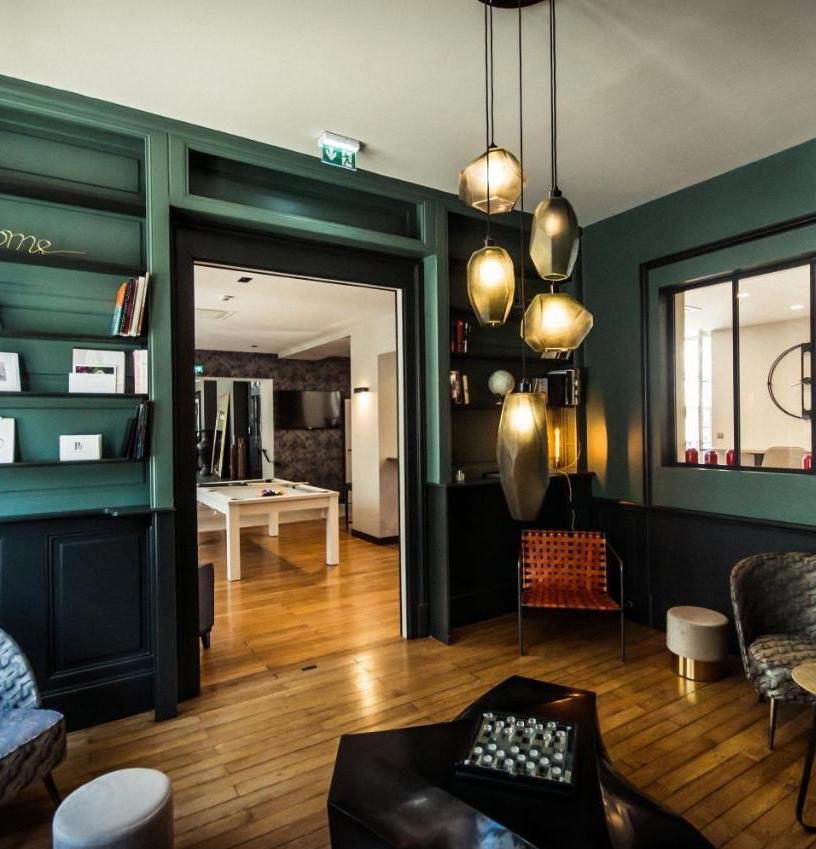
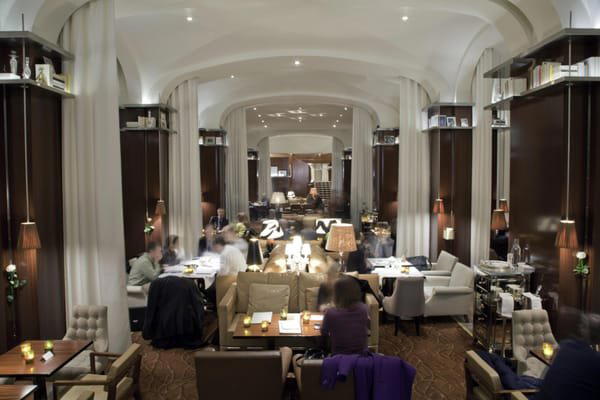
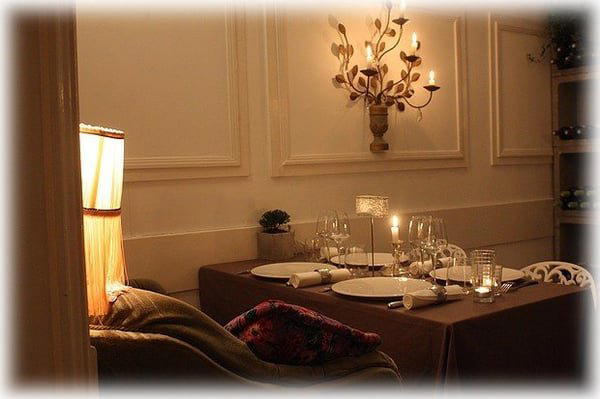
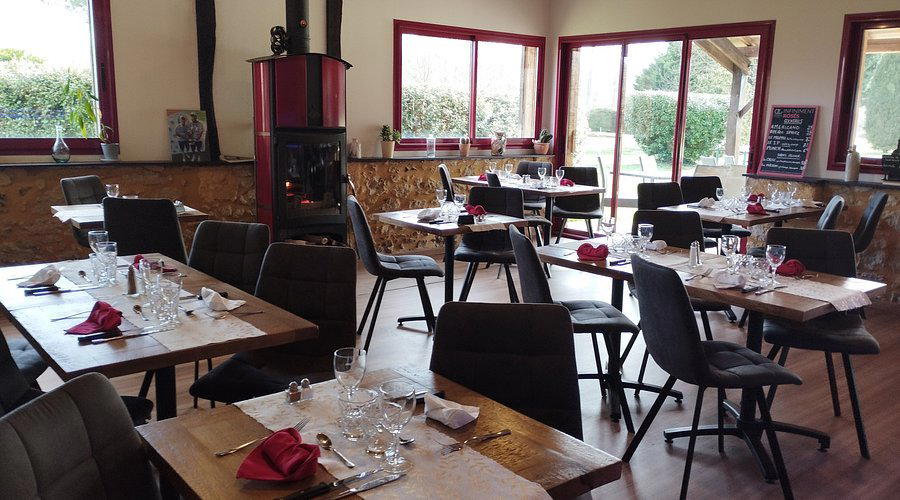
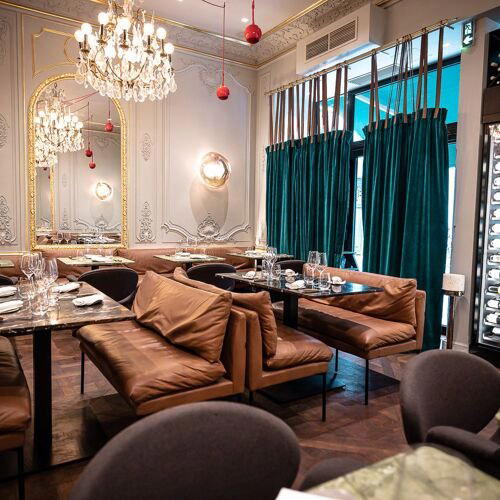
French provincial dining at this level occupies a register that has largely disappeared from major cities. It is neither casual bistro nor grand temple of gastronomy in the Parisian mode, the kind of formal, architecturally freighted experience represented by Alléno Paris au Pavillon Ledoyen. The formality that exists in a room like La Cognette's is earned through cooking and service rather than expressed through room design. Tablecloths, an unhurried pace, and a wine list weighted toward the Loire and Burgundy appellations, these are the ambient signals of a restaurant that takes its own tradition seriously without needing to perform that seriousness.
This is the kind of room where a lunch can run three hours without discomfort, where the service is structured but not stiff, and where the gap between kitchen and dining room feels smaller than in more theatrically organised establishments. For context, the contrast with tasting-menu-focused venues like Mirazur in Menton or Flocons de Sel in Megève is instructive, those restaurants exist in a different tier of ambition and budget, but also in a different relationship to place. La Cognette's claim to attention is quieter and more specific.
Issoudun in the Wider French Restaurant Picture
Understanding what La Cognette represents requires understanding what Issoudun is not. It is not a gastronomic circuit city in the way that Lyon, Reims, or Strasbourg function. Restaurants in those cities, Assiette Champenoise in Reims, Au Crocodile in Strasbourg, operate within urban ecosystems that generate regular high-spending visitors and media attention. Issoudun generates neither at scale. What it does sustain is a local dining culture where restaurants serve the communities around them rather than the international traveller primarily.
That positioning makes La Cognette interesting to a different kind of visitor: the traveller who has already worked through the marquee addresses, Paul Bocuse in Collonges-au-Mont-d'Or, Troisgros in Ouches, and is now looking for what French cooking looks like when it is not performing for an audience. The Berry region, and addresses like La Cognette, answers that question more honestly than most. For a broader view of what the city offers, see our full Issoudun restaurants guide.
Planning Your Visit
Issoudun is most practically reached by car from Bourges (around 30 kilometres north) or Châteauroux (around 25 kilometres south), with the A20 motorway providing the main arterial connection. There is a train station in Issoudun on the Paris-Toulouse line, though service is infrequent compared to the main TGV corridors. Travellers building a wider itinerary through central France might pair a meal here with time in Bourges, whose Gothic cathedral and medieval quarter are among the most undervisited in France.
As with most provincial French establishments of this character, contacting the restaurant directly before travelling is the reliable approach. Lunch service typically offers the better-value entry point at restaurants in this category, and midweek visits are generally easier to arrange than weekend reservations in smaller towns where local demand can be higher than it appears.
Frequently asked questions
Is La Cognette good for families?
French provincial restaurants of La Cognette's register in Issoudun typically run at a pace and formality that suits older children and adults more naturally than young families. The setting at 6 Bd de Stalingrad is a sit-down dining room, not a casual brasserie, so parents with young children should factor in the room's character before booking. Families travelling through the Indre on the A20 corridor who want a proper meal rather than a motorway stop will find it a reasonable choice for a relaxed lunch.
Is La Cognette formal or casual?
La Cognette occupies the middle register of classic French provincial dining — more considered than a neighbourhood bistro, but without the ceremonial weight of a grand restaurant in a gastronomic city. In Berry, where this kind of table still functions as the everyday anchor of serious local eating rather than a special-occasion institution, the dress code follows suit: presentable but not black-tie. Think of it as the register that Paris lost when rents pushed out the old-school bourgeois restaurants.
What makes La Cognette worth a detour in central France?
Issoudun sits roughly 30 kilometres south of Bourges and 25 kilometres north of Châteauroux on the A20 axis, making La Cognette a practical stop rather than a forced diversion for anyone crossing the Indre. The Berry region has none of the promotional weight of Périgord or the Loire Valley, which means its restaurants operate without the tourist mark-up that inflates both prices and expectations in better-known food destinations. For travellers who want a meal rooted in genuine provincial French cooking rather than a performance of it, this part of central France is consistently underexplored.
What's the signature dish at La Cognette?
What is clear from the venue's location in the Indre is that the Berry larder — poulet du Berry, local freshwater fish, lentils from the region — shapes what kitchens in Issoudun put on the table. For current menu information, contacting the restaurant directly at its address on Bd de Stalingrad is the most reliable approach.
Where exactly is La Cognette?
La Cognette is located at 6 Bd de Stalingrad, 36100 Issoudun, France, Issoudun.
Side-by-Side Snapshot
| Venue | Cuisine | Price | Awards | Notes |
|---|---|---|---|---|
| La CognetteThis venue — the venue you are viewing | Modern French with Berrichon Heritage | $50–100 | Not listed | Not listed |
| Alléno Paris au Pavillon Ledoyen | Modern French Fine Dining | $150–200 | 3 Michelin Stars · World's 50 Best #79 | Creative |
| Kei | Modern French with Japanese Influences | $300–500 | 3 Michelin Stars · World's 50 Best #93 | Contemporary French, Modern Cuisine |
| L'Ambroisie | Classic French Haute Cuisine | $300–500 | 2 Michelin Stars · World's 50 Best #23 | French, Classic Cuisine |
| Le Cinq - Four Seasons Hôtel George V | Modern French Fine Dining | $300–500 | 3 Michelin Stars · World's 50 Best #24 | French, Modern Cuisine |
| Mirazur | Modern French Fine Dining | $300–500 | 3 Michelin Stars · World's 50 Best #1 | Modern French, Creative |

Details
- Classic
- Elegant
- Romantic
- Intimate
- Date Night
- Business Dinner
- Celebration
- Special Occasion
- Historic Building
- Private Dining
- Hotel Restaurant
- Extensive Wine List
- Local Sourcing
- Farm To Table
- A La Carte
- Prix Fixe
- Loire Valley Wines
- Vegetarian Friendly