Les Saisons Gourmandes

Michelin Plate
Our verdict
A Michelin Plate-recognised address in the Berry heartland, Les Saisons Gourmandes works through the pantry of the Indre with seriousness and restraint. Foie gras poached in Reuilly wine and hay-steamed pigeon signal a kitchen that sources with purpose, while the terrace and Berrichon-blue beams give the room a character that feels earned rather than staged. Priced at €€, it sits well within reach for what it delivers.

Pearl is the En Primeur Club membership app — saves, bookings, and concierge access live there. Same editors, same standards.
- Address
- Le Bourg, 36260 Saint-Pierre-de-Jards, France
- Phone
- +33 2 54 49 37 67
- Hours
- Mon–Tue ClosedWed–Thu 12–1:30 PMFri–Sat 12–1:30 PM, 7–8:30 PMSun 12–1:30 PM
- Website
- lessaisonsgourmandes.fr
- Directions
- Get directions
- Booking
- Book on TheFork
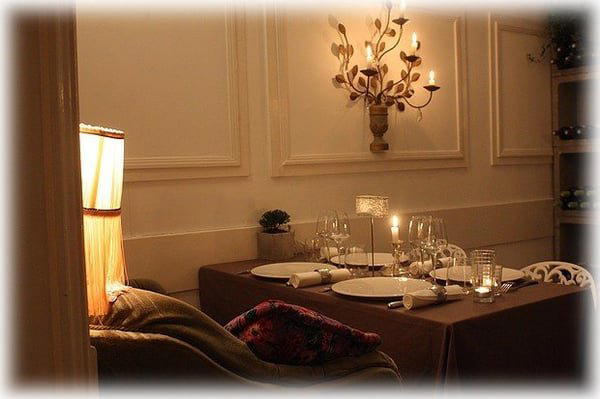
The menu
What to order
- Foie gras poché au Reuilly
- Pigeon rôti
Where the Berry Pays Its Rent in the Kitchen
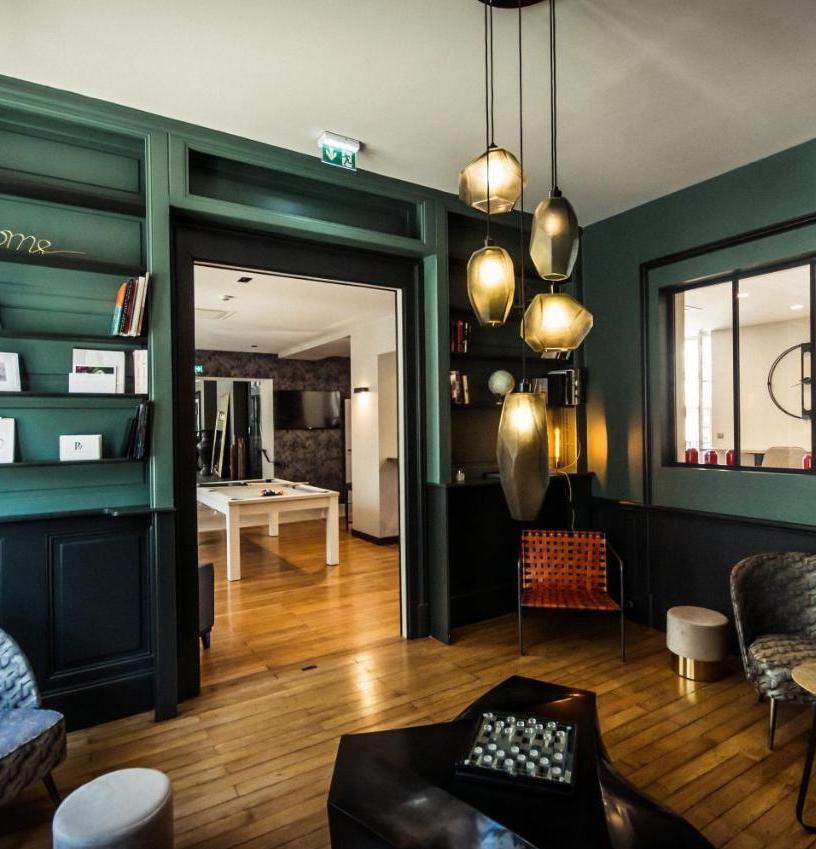
Drive through the flatlands of the Indre department and the villages arrive at long intervals, each one compact and quietly self-contained. Saint-Pierre-de-Jards offers little in the way of visual drama: a church, a square, the low horizon of cereal fields pushing outward in every direction. The dining room of Les Saisons Gourmandes, when you find it on Le Bourg, earns its welcome through specificity rather than spectacle. The beams are painted in what the Michelin inspectors correctly call "Berrichon blue" — a muted, chalky register that the Berry region has historically applied to woodwork and ironwork, distinguishing its architecture from Burgundy to the east or the Loire châteaux to the northwest. That colour choice is not decorative whimsy; it anchors the room to its territory before a single plate arrives.
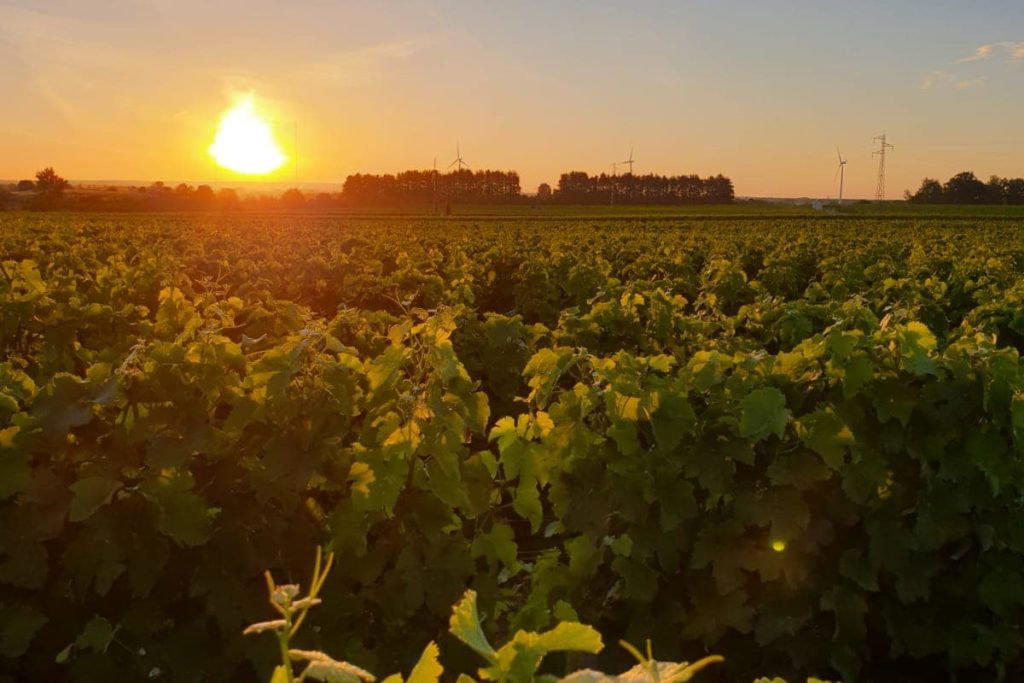
French regional cooking at this level has always operated on a direct contract: the dining room should reflect the land outside, and the kitchen should demonstrate that it understands what that land produces. A great deal of French cooking advertised as "regional" now means something narrower — local cheese on an otherwise generic menu, or a wine list that draws from nearby appellations while the proteins arrive from elsewhere. The Berry makes that shortcut harder to hide, because its own indigenous ingredients, freshwater fish from the Creuse, game from the forests of the Sologne, the foie gras that passes through Périgord and Quercy traditions but finds expression here too, and above all the wines of Reuilly and Quincy, are specific enough that a kitchen using them seriously announces itself clearly.
What the Sourcing Signals About the Kitchen
The two dishes cited in the Michelin recognition make the philosophy visible without requiring a manifesto. Foie gras poached in Reuilly wine ties a luxury ingredient to an appellation most French diners north of Bourges would struggle to name. Reuilly, a small AOC situated roughly twenty kilometres west of Bourges, produces Sauvignon Blanc and Pinot Gris with a mineral edge that differs from its better-known Sancerre neighbour. Using it as a poaching medium rather than simply listing it on the wine card by the glass is a choice that compresses geography into a single preparation. The Reuilly acidity tightens the foie gras; the terroir arrives in the fat. It is the kind of move that reads as obvious once you taste it but requires a kitchen that has interrogated its own region closely enough to make the connection.
Hay-steamed pigeon sits in a longer French tradition, one with roots in the auberge cooking of central France where hay was an agricultural constant and its aromatic properties, dry grass, fennel seed, a faint lanolin note, were understood as seasoning rather than novelty. The technique appears across the region's serious tables in various forms, but it depends entirely on sourcing: the hay needs to be clean and properly dried, and the pigeon needs to come from a producer whose birds have the muscle density to survive the steaming without turning dense. Dishes like this fail loudly when the sourcing is approximate. At a €€ price point, which in the Michelin framework for rural France means main courses likely in the mid-to-upper teens, with menus potentially below €40, that commitment to ingredient quality carries real weight.
For wider context on France's ingredient-led kitchen tradition across its provincial restaurants, the contrast with destination dining at addresses such as Bras in Laguiole or Flocons de Sel in Megève is instructive. Those kitchens work at a different budget tier and with different technical ambition, but the sourcing logic, cook what is nearest, understand what the surrounding land does well, flows from the same current. At the other end of French ambition, Alléno Paris au Pavillon Ledoyen, Mirazur in Menton, and Troisgros in Ouches each operate at €€€€ and represent the apex of French table investment. Les Saisons Gourmandes occupies a different position: a Michelin Plate address in a village of few hundred people, doing serious work at a price accessible enough that the regional producer relationship has to justify itself on flavour, not on rarity signalling.
The broader category of French auberge cooking with a Michelin Plate credential is worth placing in context. Addresses like Auberge Grand'Maison in Mûr-de-Bretagne and Auberge du Vieux Puits in Fontjoncouse occupy a similar role in their own regions, smaller destinations that hold Michelin attention not through technical pyrotechnics but through rooted, disciplined cooking. Paul Bocuse's Auberge du Pont de Collonges and Auberge de l'Ill in Illhaeusern represent the historical summit of that tradition; the Berry table works in the same lineage at a much smaller scale. Other recognised French tables carrying Michelin attention, Au Crocodile in Strasbourg, Assiette Champenoise in Reims, AM par Alexandre Mazzia in Marseille, each embed themselves in their regional identity through different means, which illustrates how varied the commitment to place can look across the country's dining culture.
The Terrace and What It Adds
In fine weather, the terrace becomes the practical preference. Rural auberge terraces in central France tend to face the village square or a garden, and the light in the Berry in late afternoon has the soft, directionless quality of a landscape without elevation. Dining outside here is less about view and more about air and season, a reminder that the kitchen's hay-and-garden vocabulary has a literal referent just beyond the table. The Michelin note advises reserving a terrace table specifically when weather permits, which functions as a practical instruction worth following: terrace capacity at a room this size fills before indoor tables, especially at lunch.
Planning a Visit
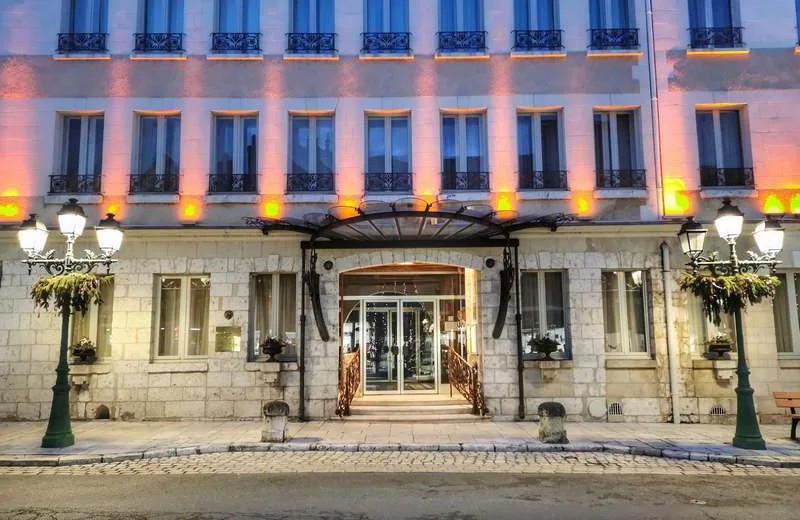
Saint-Pierre-de-Jards sits in the Indre, roughly equidistant from Bourges to the north and Châteauroux to the south, each around thirty to forty minutes by road. Neither city is a hub, which means this is a deliberate detour rather than an incidental stop. The price tier, €€, places it in reach for a lunch anchor rather than a special-occasion dinner, though the Reuilly pairing and the quality of sourcing described in the Michelin record support treating it as a destination meal. Booking in advance is advisable given the seat count at a village address of this type; terrace tables should be requested at reservation.
For visitors planning a wider stay, our full Saint-Pierre-de-Jards restaurants guide covers the local dining picture, while our hotels guide addresses overnight options in the area. The wineries guide is particularly relevant given the Reuilly and Quincy appellations nearby, and the bars guide and experiences guide round out options for a longer visit to the Indre.
Frequently asked questions
Is Les Saisons Gourmandes okay with children?
At €€ pricing in a village auberge setting, the format is broadly compatible with family dining, particularly at lunch. French regional restaurants of this type typically accommodate children without a formal policy being required. The terrace, recommended by Michelin for fine-weather visits, adds practical space that suits families well.
What's the vibe at Les Saisons Gourmandes?
A classic Berry village auberge: beams painted in traditional Berrichon blue, a room that reads as local rather than destination-dressed, and a Michelin Plate (2025) that confirms the kitchen is doing more than keeping up appearances. In fair weather, the terrace shifts the register toward something more relaxed.
Is Les Saisons Gourmandes award-winning?
Les Saisons Gourmandes has received recognition including: Michelin Plate (2025); With its beams painted "Berrichon blue", this is an extremely appealing spot. You are in for a culinary treat, safe in the hands of a chef who draws inspiration from tradition and premium ingredients, producing dishes….
What should I order at Les Saisons Gourmandes?
Michelin's 2025 recognition singles out two dishes as representative of the kitchen's approach: foie gras poached in Reuilly wine, which ties a local Loire Valley appellation directly to the plate, and hay-steamed pigeon, a technique with deep roots in central French farm cooking. Both reflect a chef who works from regional tradition and premium sourcing rather than contemporary trend.
Quick Comparison
| Venue | Cuisine | Price | Awards |
|---|---|---|---|
| Les Saisons GourmandesThis venue — the venue you are viewing | Seasonal French Gastronomic | $50–100 | Michelin Plate |
| Alléno Paris au Pavillon Ledoyen | Creative | Not listed | Michelin 3 Star |
| Kei | Contemporary French, Modern Cuisine | Not listed | Michelin 3 Star |
| L'Ambroisie | French, Classic Cuisine | Not listed | Michelin 3 Star |
| Le Cinq - Four Seasons Hôtel George V | French, Modern Cuisine | Not listed | Michelin 3 Star |
| Plénitude | Contemporary French | Not listed | Michelin 3 Star |
Recognition history
Dated appearances from independent guides and award organizations, with the underlying list record or original source where available.
Michelin Plate
Michelin
Full recognition history (3 entries)
Michelin Plate
Michelin
Michelin Plate
Michelin
Continue exploring
More in Saint-Pierre-de-Jards
Restaurants in Saint-Pierre-de-Jards
Browse all →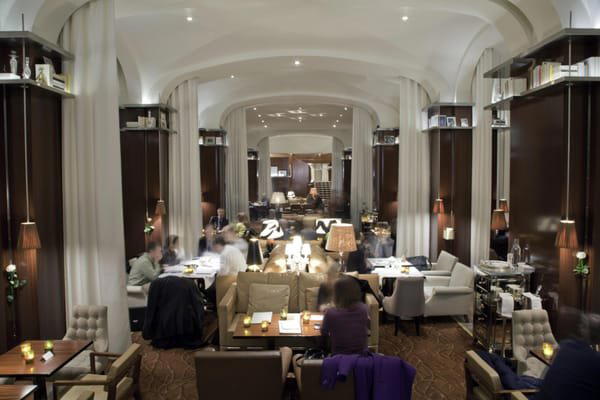
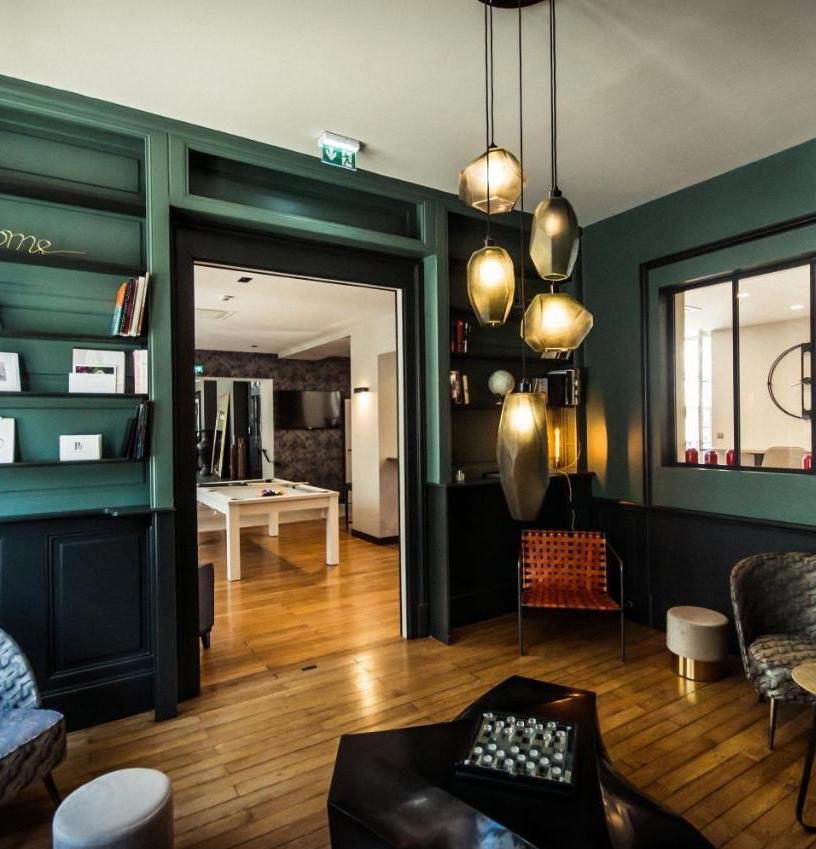
Hotels in Saint-Pierre-de-Jards
Browse all →

Details
- Cozy
- Elegant
- Rustic
- Intimate
- Special Occasion
- Date Night
- Terrace
- Local Sourcing
- A La Carte
- Prix Fixe
Current opening hours
- Monday
- Closed
- Tuesday
- Closed
- Wednesday
- 12–1:30 PM
- Thursday
- 12–1:30 PM
- Friday
- 12–1:30 PM, 7–8:30 PM
- Saturday
- 12–1:30 PM, 7–8:30 PM
- Sunday
- 12–1:30 PM
Hours can change for holidays and private events. Last verified .
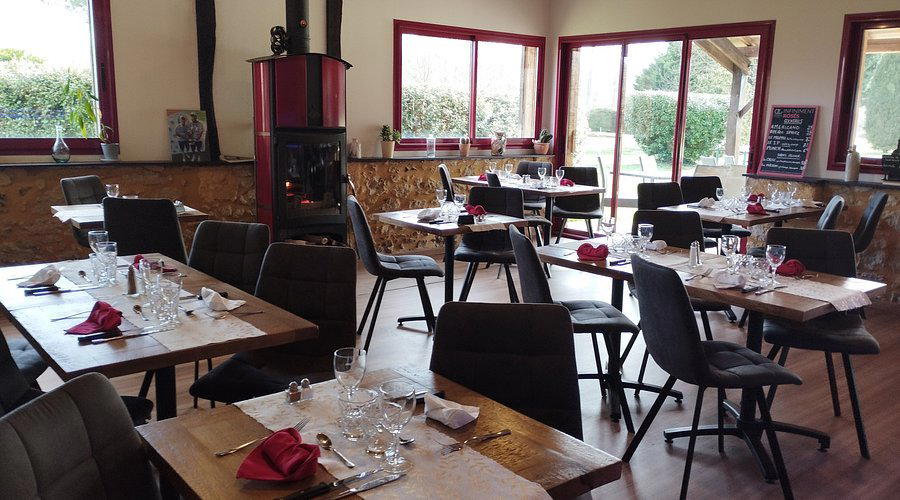
Chaleureux cadre with traditional 'bleu berrichon' beams, summer terrace, and winter fireplace, creating a cozy and convivial countryside atmosphere.