A wistub in Colmar's Petite Venise quarter, Wistub de la Petite Venise delivers the Alsatian tradition of convivial, ingredient-led cooking in one of the city's most photographed canal-side settings. The format sits squarely in the regional bistro tier, where tarte flambée, choucroute, and local Pinot Gris define the rhythm of the table. For visitors mapping Colmar's dining scene, it anchors the accessible end of a city that runs all the way up to creative tasting menus.
Pearl is the En Primeur Club membership app — saves, bookings, and concierge access live there. Same editors, same standards.
- Address
- 4 Rue de la Poissonnerie, 68000 Colmar, France
- Phone
- +33389417259
- Website
- facebook.com
- Directions
- Get directions
 Saves & bookings on Pearl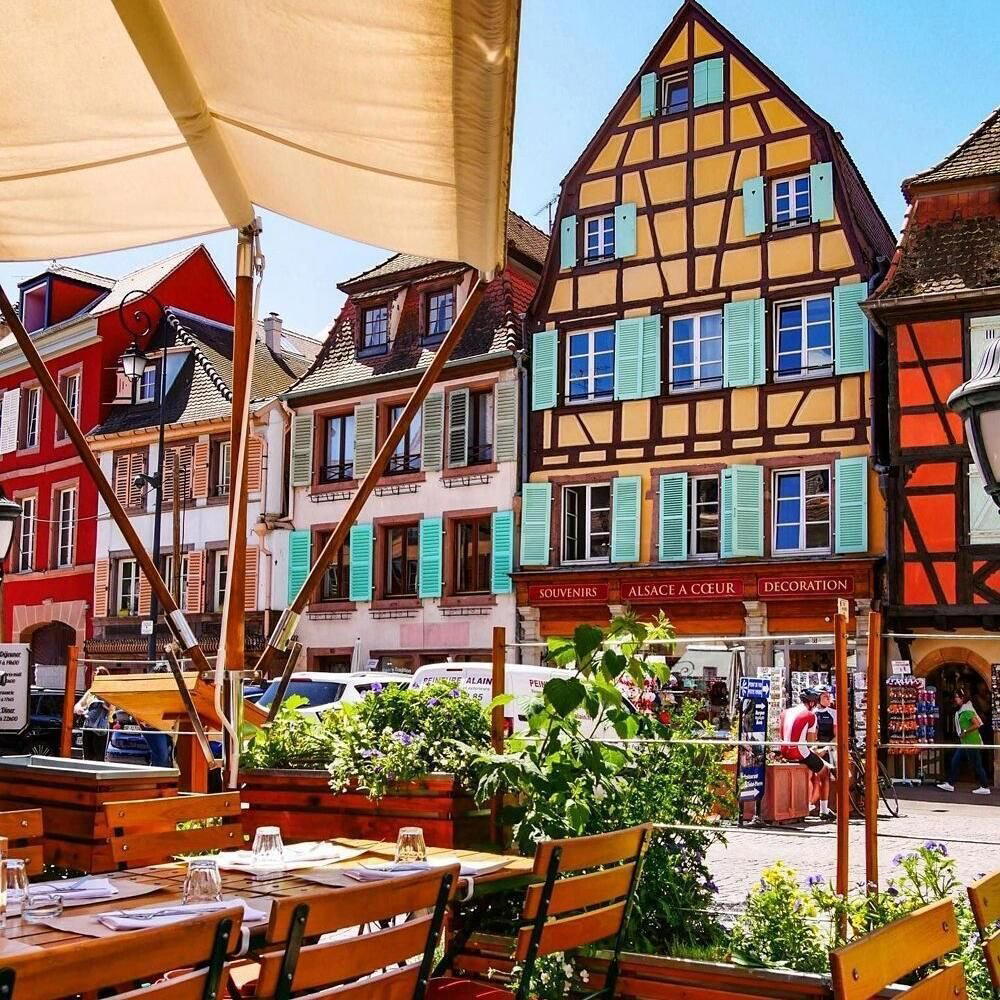
Canal-Side Alsace, Honestly Rendered
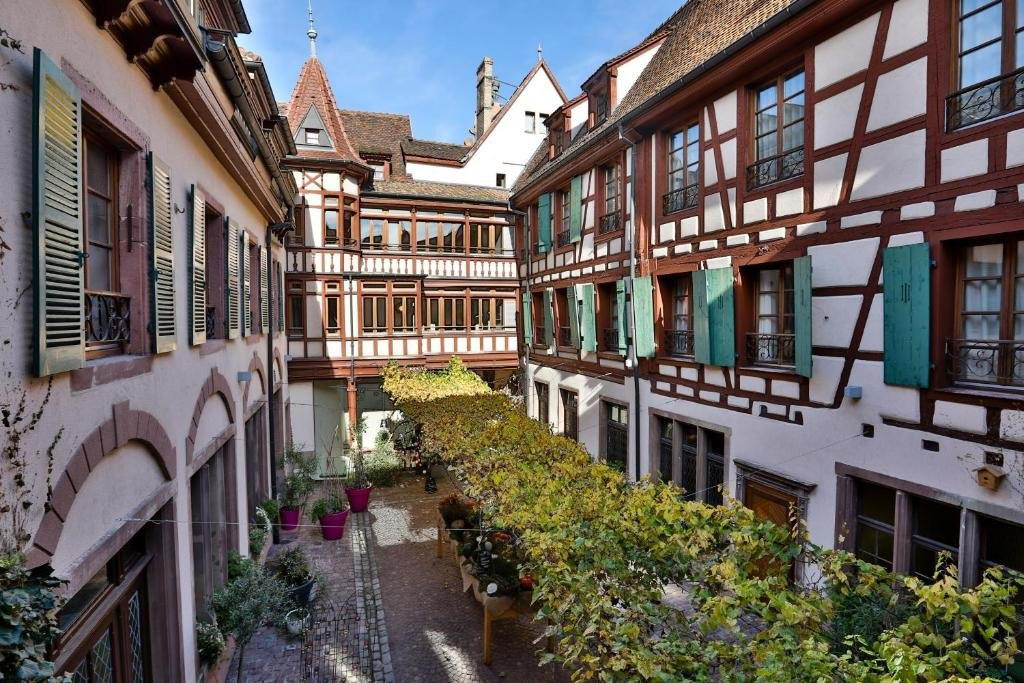
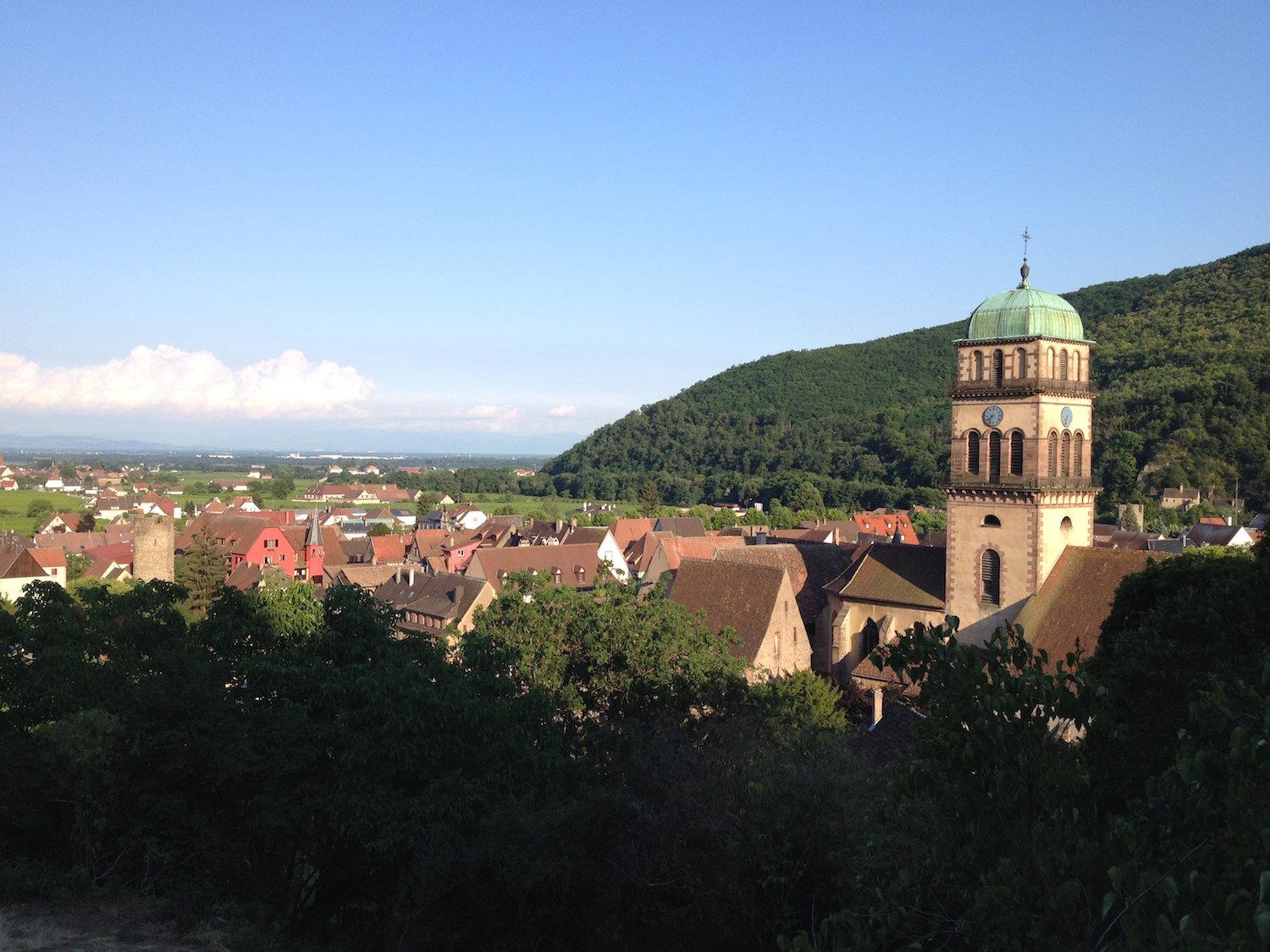
Approach 4 Rue de la Poissonnerie on a weekday afternoon and you encounter something that much of France has quietly lost: a dining room that feels continuous with its neighbourhood rather than imposed upon it. The Petite Venise quarter, where the Lauch river bends through a grid of half-timbered façades and window boxes, has been Colmar's most painted corner for centuries. The wistub format that occupies this address belongs to the same long story. A wistub, in Alsatian tradition, is not a restaurant in the contemporary sense. It is a wine-serving room, historically attached to a producer or a négociant, where food existed to keep the drinking honest. That original logic, produce-driven, unceremonious, anchored to what the Alsace plain and the Vosges foothills could actually supply, still governs the category today.
The Ingredient Logic of an Alsatian Wistub
The key focus for any serious wistub is sourcing geography. Alsace operates with a larder that is unusually self-contained by French regional standards. The Rhine plain delivers cereals, root vegetables, and freshwater fish. The Vosges piedmont produces the pork that underpins choucroute, baeckeoffe, and the various confits that anchor cold-weather menus. The vineyards that run north from Thann to Marlenheim, among the more precisely delineated in France, town by town and lieu-dit by lieu-dit, supply wines that are matched to this food not by sommelier convention but by centuries of parallel evolution. A Riesling from a grand cru site like Schlossberg or Brand brings the acidity to cut a slow-cooked sauerkraut preparation in ways that a Burgundy or a Loire white simply cannot replicate at the same register.
This is the context in which any Petite Venise wistub sits. The kitchens at this level of Colmar dining are not innovating the ingredients; they are executing the logic of provenance that the tradition already contains. For a visitor arriving from one of the city's creative addresses, such as JY'S or L'Atelier du Peintre, where Alsatian produce is the substrate for contemporary technique, a wistub offers the reverse view: the same ingredients without the mediation of a creative programme.
Where This Sits in Colmar's Dining Tier
Colmar runs a wider range of serious dining than its size might suggest. At the summit of the register, Restaurant Girardin operates at a Michelin-starred level, and JY'S sustains a creative tasting menu format at the €€€€ tier. In the middle band, modern cuisine addresses like L'Atelier du Peintre work the €€€ range. The wistub category, alongside traditional addresses like Au Cygne and Au Soleil Levant, occupies the accessible tier where the ratio of regional authenticity to price point is at its most favourable.
Within Alsace more broadly, the wistub tradition also connects to the regional dining institutions that have shaped French provincial cooking at a national level. Auberge de l'Ill in Illhaeusern, roughly 25 kilometres north along the Ill river, represents the haute expression of what Alsatian hospitality can achieve at three Michelin stars. The wistub is the other end of the same conversation: the same instinct for produce and conviviality, applied without the formality. Both traditions are worth understanding as a pair rather than as separate categories.
The Broader French Context
Ingredient-led regional cooking at the bistro tier has been under pressure across France for two decades, as tourism demand inflates prices and homogenises menus toward a generic French-bistro international register. The Alsatian wistub has proved more resistant to this drift than most regional formats, partly because the cuisine is distinctive enough to be unreproducible without genuine local supply chains, and partly because the wine pairing logic creates a natural guardrail against genericisation. A local Gewurztraminer with munster or a nearby Pinot Noir with game keeps the meal regional.
This resistance to drift is visible at various scales across French fine dining. The sourcing discipline that defines the leading French kitchens, from Bras in Laguiole with its plateau-herb foraging, to Mirazur in Menton with its kitchen garden, to the classical rigour of Paul Bocuse in Collonges-au-Mont-d'Or, all trace back to the same foundational argument: that geography is the first ingredient. At the wistub tier, that argument is made without ceremony, in earthenware and breadbaskets rather than fine china, but the underlying claim is identical.
Other high-end French addresses worth placing on the same itinerary for context include Alléno Paris au Pavillon Ledoyen, Flocons de Sel in Megève, Troisgros in Ouches, AM par Alexandre Mazzia in Marseille, Assiette Champenoise in Reims, and Au Crocodile in Strasbourg, the last being the nearest peer city with its own deep Alsatian dining tradition. For international reference points on ingredient-driven cooking at the highest level, Le Bernardin in New York City and Atomix in New York City represent different expressions of the same sourcing discipline in a transatlantic context.
Planning a Visit
Wistub de la Petite Venise is a traditional Alsatian restaurant in Colmar, France, at 4 Rue de la Poissonnerie. The quarter draws the highest visitor density of anywhere in Colmar, which means that canal-side tables at peak season, particularly the summer months and the December Christmas market period, fill quickly.
Fast Comparison
Comparable venues nearby, for context on price, style, and recognition.
| Venue | Cuisine | Price | Awards | Notes |
|---|---|---|---|---|
| Wistub de la Petite VeniseThis venue — the venue you are viewing | Traditional Alsatian | $$ | Not listed | Not listed |
| La Soï | Traditional Alsatian Tarte Flambée | $$ | Not listed | centre-ville |
| Bartholdi | Traditional Alsatian French | $$ | Not listed | Petite Venise |
| Wistub Brenner | Traditional Alsatian | $$ | Michelin Plate | Petite Venise |
| La Cocotte de Grand-Mère | Homemade French Bistro | $$ | Not listed | Place de l'École |
| Bord'eau | Modern French Bistronomic | $$$ | Michelin Plate | La Petite Venise |
Continue exploring
More in Colmar
Restaurants in Colmar
Browse all →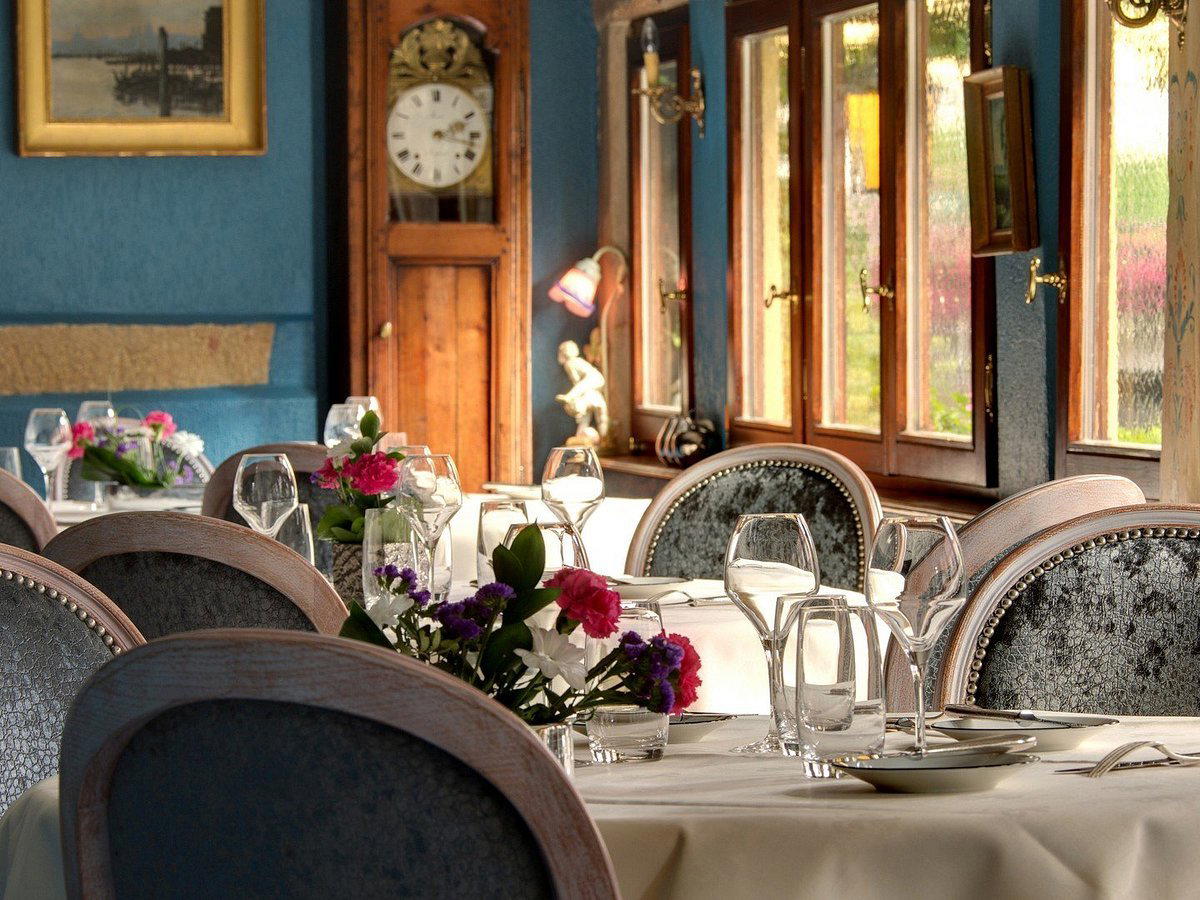
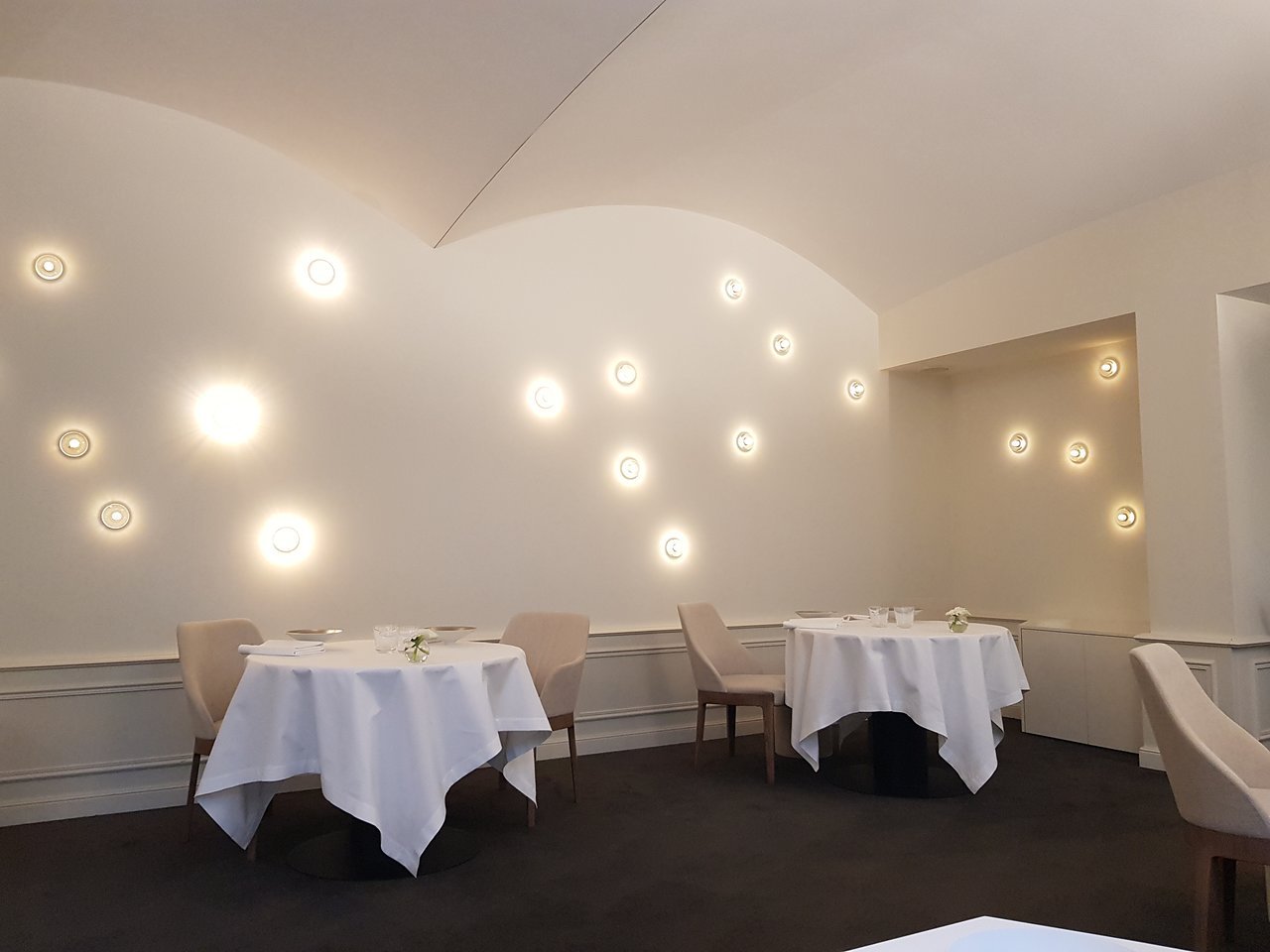
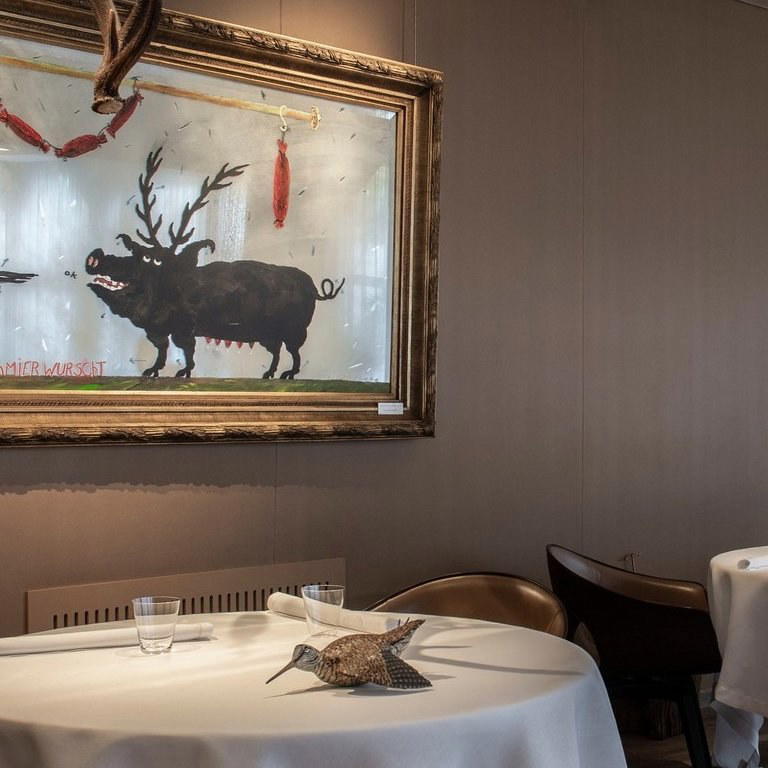
Bars in Colmar
Browse all →
Hotels in Colmar
Browse all →
At a Glance
- Cozy
- Rustic
- Romantic
- Classic
- Intimate
- Date Night
- Special Occasion
- Family
- Historic Building
- Extensive Wine List
- Local Sourcing
- Street Scene
Current opening hours
- Monday
- 12–4 PM, 7–10 PM
- Tuesday
- 12–4 PM, 7–10 PM
- Wednesday
- 12–4 PM, 7–10 PM
- Thursday
- 12–4 PM, 7–10 PM
- Friday
- 12–4 PM, 7–10 PM
- Saturday
- 12–4 PM, 7–10 PM
- Sunday
- 12–4 PM, 7–10 PM
Hours can change for holidays and private events. Last verified .
Warm and authentic atmosphere with wood paneling, antique objects, and a cozy, traditional Alsatian feel.