On Rue des Marchands, one of Colmar's most photographed medieval streets, La Soï occupies a setting where the city's Franco-Alsatian character is at its most concentrated. The address places it among a tier of Colmar restaurants where neighbourhood atmosphere and culinary intent reinforce each other, making it a reference point for visitors moving beyond the old town's more tourist-facing options.
Pearl is the En Primeur Club membership app — saves, bookings, and concierge access live there. Same editors, same standards.
- Address
- 17 Rue des Marchands, 68000 Colmar, France
- Phone
- +33389296350
- Website
- lasoi.fr
- Directions
- Get directions
 Saves & bookings on Pearl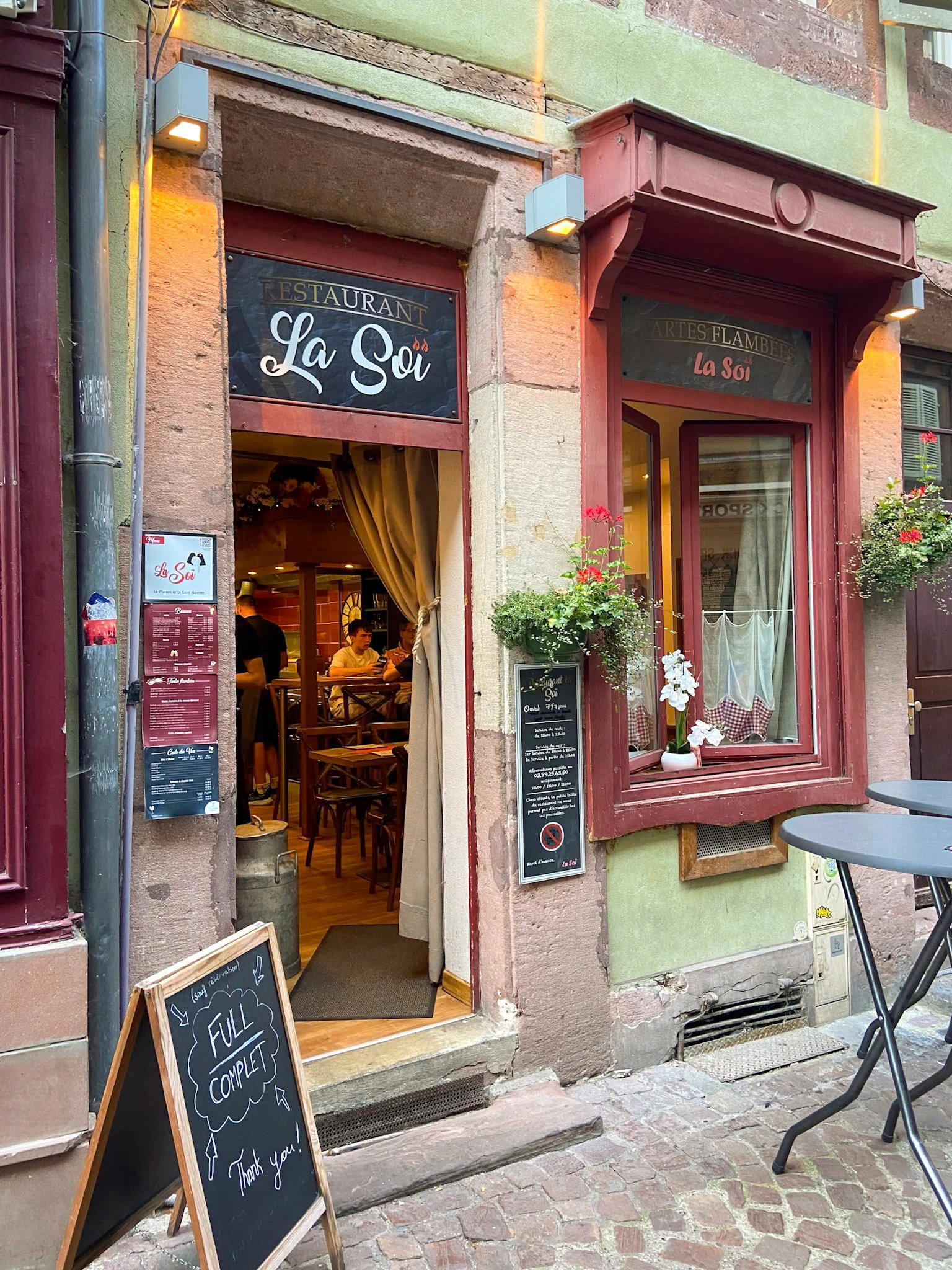
A Street That Sets the Register
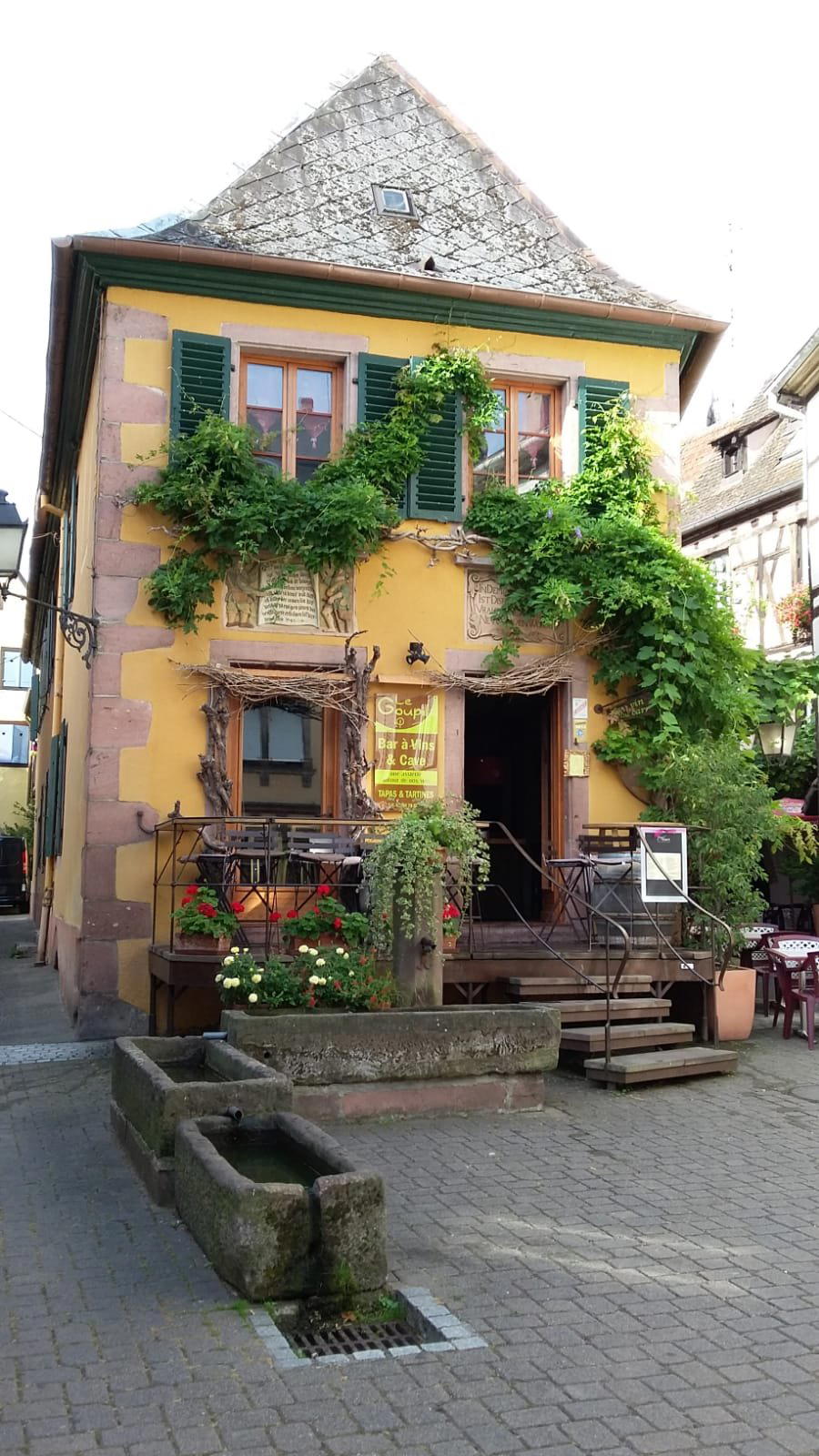
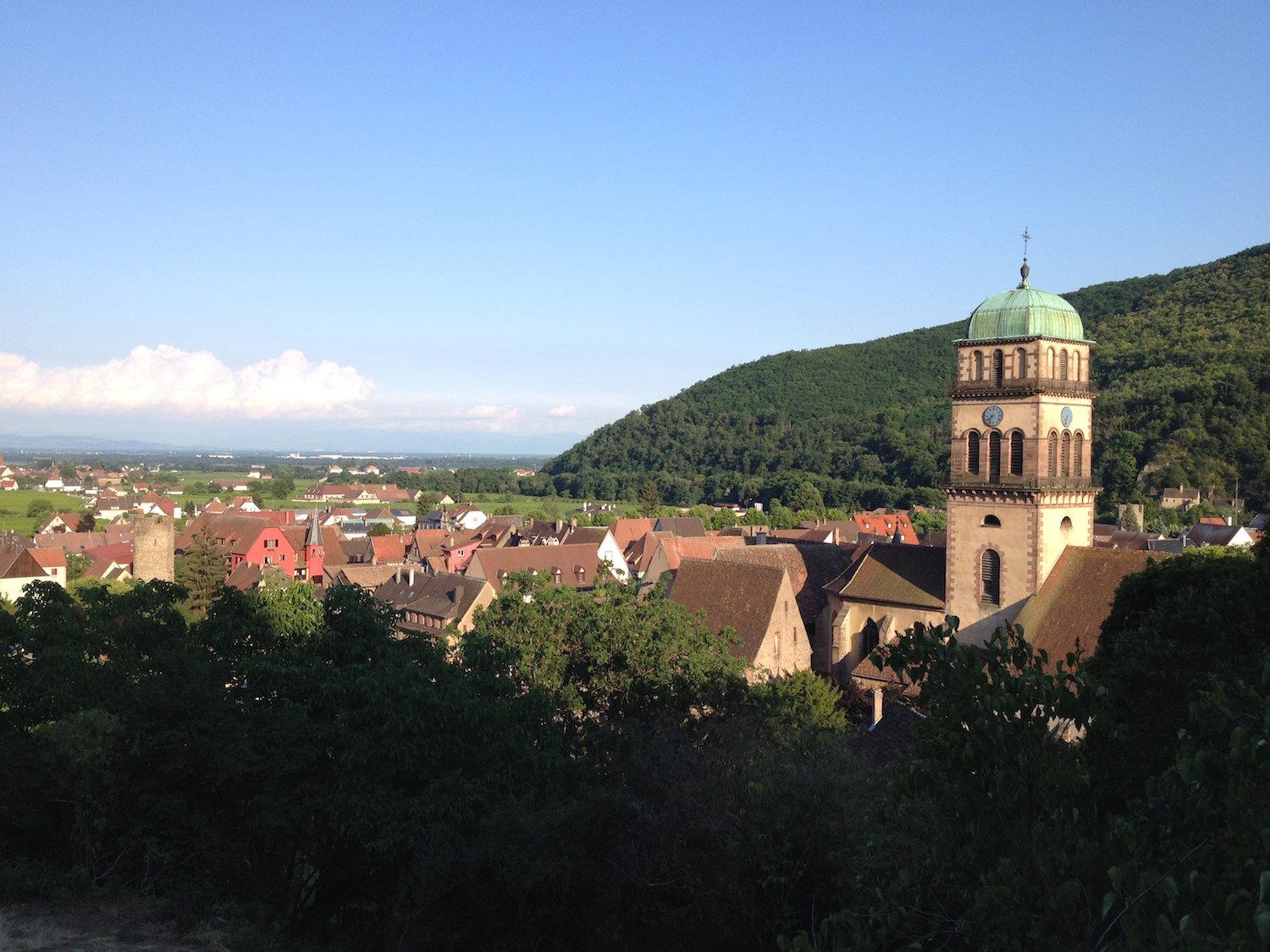
Rue des Marchands runs through the heart of Colmar's historic core, a narrow corridor of half-timbered facades and carved stone doorways that define the setting around La Soï. The street has the kind of density that makes it feel like architecture closing in, not oppressively, but in the way that medieval urban planning often prioritised enclosure over openness. Arriving at number 17, where La Soï is found, you approach through a passage that the surrounding buildings have framed for generations. The visual grammar of the neighbourhood is already doing work before you reach the door.
This matters because Colmar operates on a split register. Its most frequented dining addresses can feel calibrated for the tour-group rhythm of a city that welcomes significant visitor numbers each year, particularly between the Christmas market season in November and December and the summer wine-route months. La Soï's address on Rue des Marchands places it inside that footfall zone, but the street's character tends to filter the crowd somewhat. For visitors building an itinerary around Colmar's dining options, the physical context is a useful signal of what to expect inside.
Colmar's Dining Tiers and Where This Address Sits
Colmar's restaurant scene organises itself across several legible bands. At the upper end, JY'S represents the city's creative fine-dining ceiling, operating at a price point (€€€€) that positions it against regional peers rather than local competition. One step below, L'Atelier du Peintre holds the modern cuisine tier at €€€, drawing on Alsatian produce through a contemporary lens. Further down the register, addresses like Au Cygne and Au Soleil Levant cover more accessible ground. This is the competitive framework within which any Colmar restaurant operates, and understanding where a given address sits in that structure tells you more than any single adjective could.
Alsace more broadly is a region with a clear culinary identity: choucroute, baeckeoffe, flammekueche, and the region's signature Riesling and Pinot Gris pairings form the backbone of traditional cooking, while a generation of younger kitchens has been working to apply that produce to less codified formats. The pull between Alsatian tradition and continental influence is a live tension in Colmar's dining scene, and it shapes how most addresses here position themselves, either leaning into the regional canon or working to reframe it. For context on how the broader French dining ecosystem operates above and beyond Colmar, it is worth noting the range that runs from Auberge de l'Ill in Illhaeusern, the region's most storied Michelin address, a short drive from Colmar, through to the ambition levels represented by Alléno Paris au Pavillon Ledoyen or Mirazur in Menton.
The Sensory Frame of the Old Town
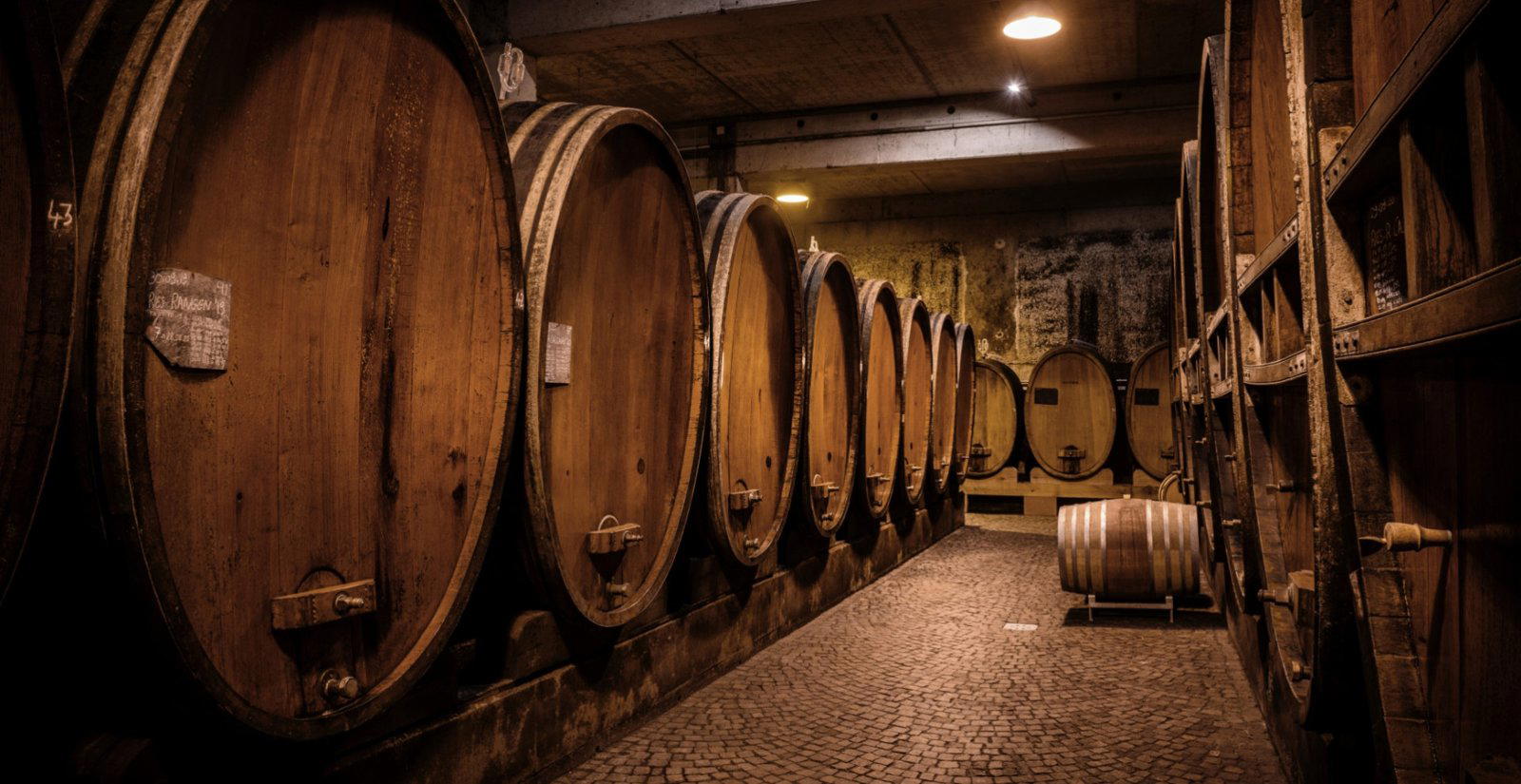
There is a particular quality to dining in Colmar's historic centre that distinguishes it from the more clinical settings of newer French restaurant districts. The buildings on Rue des Marchands are not dressed for dining, they predate that ambition by several centuries. Stone floors, low thresholds, and rooms shaped by structural necessity rather than interior design briefs produce a physical environment where the atmosphere arrives pre-loaded. Sound behaves differently in these spaces: ambient noise absorbs into stone and timber rather than bouncing off glass and polished concrete, which keeps the register lower than you might expect for a busy street-level address.
Smell is equally part of the arrival. The old town in Colmar carries its own olfactory signature depending on the season, baked goods and mulled wine in winter, open-window cooking smells in summer, the faint dampness of the canal-adjacent streets in spring. By the time you are seated at an address like La Soï, the environment has already engaged several senses before a menu arrives. This is part of the address that any visitor should factor into how they read the experience. The room and the street are part of the meal in a way that a purpose-built dining room in a newer part of the city simply cannot replicate.
Contextualising the Address in a Wider French Frame
For visitors who move between French dining destinations, Colmar represents a particular register: a city with genuine culinary depth but one that has not generated the same volume of internationally covered Michelin addresses as, say, Lyon or the Côte d'Azur. The comparison matters. Lyon's density of recognized kitchens, from Paul Bocuse's Auberge du Pont de Collonges to newer addresses, operates on a different scale. In Alsace, the reference points are fewer and more spread out, which gives individual addresses like those on Rue des Marchands a different kind of weight in the local context. Other French regional kitchens worth cross-referencing include Bras in Laguiole, Flocons de Sel in Megève, and Assiette Champenoise in Reims, each operating within a strong regional identity, each navigating a similar tension between local tradition and broader French fine-dining conversation.
Within the Alsace corridor, Au Crocodile in Strasbourg holds the region's most prominent city-based fine-dining position, and Strasbourg's larger population base gives it a different competitive density than Colmar. For kitchens operating in Colmar's more concentrated environment, the relationship to the city's historic character is an asset that Strasbourg's scale partially dilutes. Internationally, the contrast is sharper still: kitchens like Le Bernardin in New York City, Atomix, or AM par Alexandre Mazzia in Marseille operate in entirely different registers of scale, recognition infrastructure, and media environment. Colmar's dining scene, including addresses on Rue des Marchands, is better understood on its own regional terms than through those comparisons.
Planning a Visit
Colmar's tourist calendar peaks sharply in December during the Christmas markets and again across July and August. Rue des Marchands is among the more photographed streets in the city and carries corresponding foot traffic during those windows. Visitors who prefer the old town with less crowd pressure generally do better arriving in April through June or in September and October, when Alsace's vineyard landscapes are also at their most photogenic. La Soï fits within Colmar's dining options across all price tiers, alongside addresses including Restaurant Girardin.
Peers in This Market
Comparable venues nearby, for context on price, style, and recognition.
| Venue | Cuisine | Price | Notes |
|---|---|---|---|
| La SoïThis venue — the venue you are viewing | Traditional Alsatian Tarte Flambée | $$ | Not listed |
| L'Epicurien | Contemporary French Bistro | $$ | Petite Venise |
| Wistub de la Petite Venise | Traditional Alsatian | $$ | Petite Venise |
| Bistrot des Lavandières | Traditional Alsatian Bistro | $$ | Little Venice |
| La Table du Lac | Modern French Bistronomie | $$$ | Kraehenbruckle Weg |
| Lucas et Chris | Modern Alsatian Bistronomic | $$$ | Old Colmar / Historic Center |
Continue exploring
More in Colmar
Restaurants in Colmar
Browse all →
Bars in Colmar
Browse all →
Hotels in Colmar
Browse all →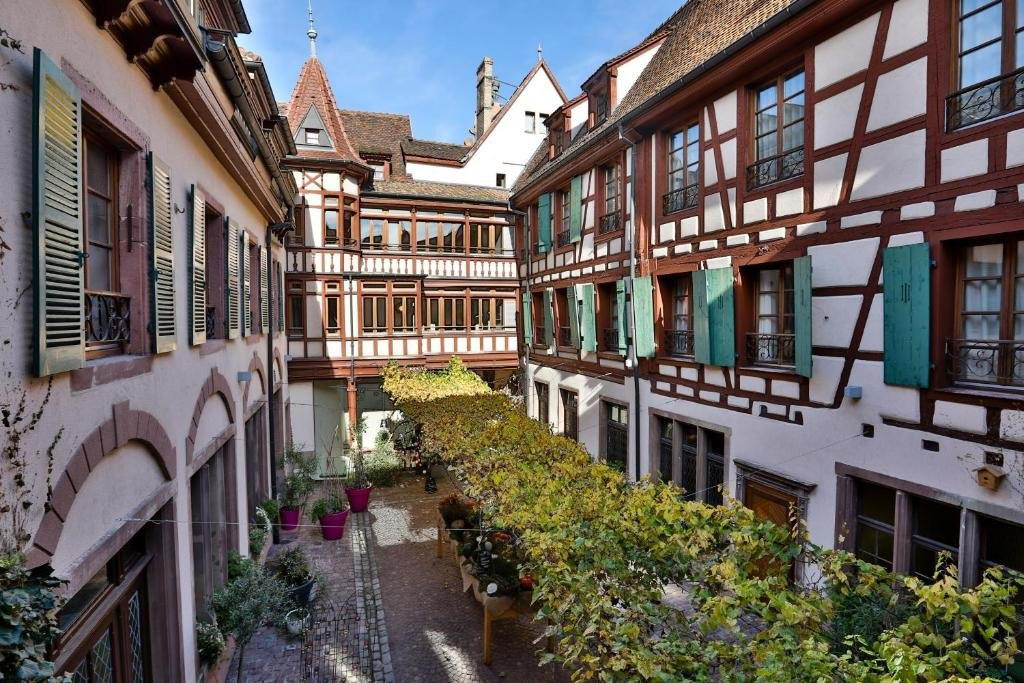
At a Glance
- Cozy
- Rustic
- Intimate
- Date Night
- Casual Hangout
- Standalone
- Extensive Wine List
Current opening hours
- Monday
- 12–1:30 PM, 7–9:30 PM
- Tuesday
- 12–1:30 PM, 7–9:30 PM
- Wednesday
- Closed
- Thursday
- 12–1:30 PM, 7–9:30 PM
- Friday
- 12–1:30 PM, 7–9:30 PM
- Saturday
- 12–1:30 PM, 7–9:30 PM
- Sunday
- 12–1:30 PM, 7–9:30 PM
Hours can change for holidays and private events. Last verified .
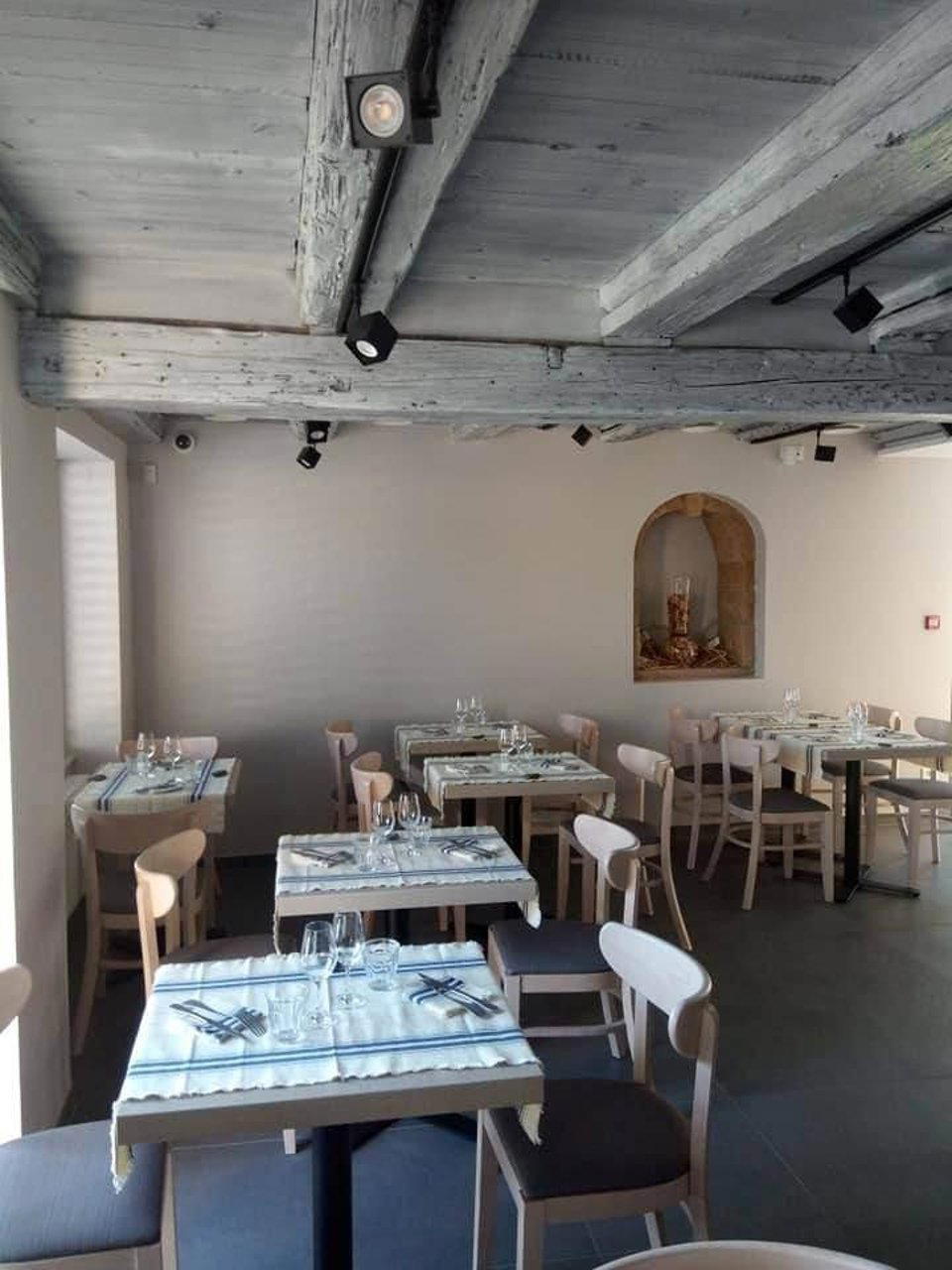
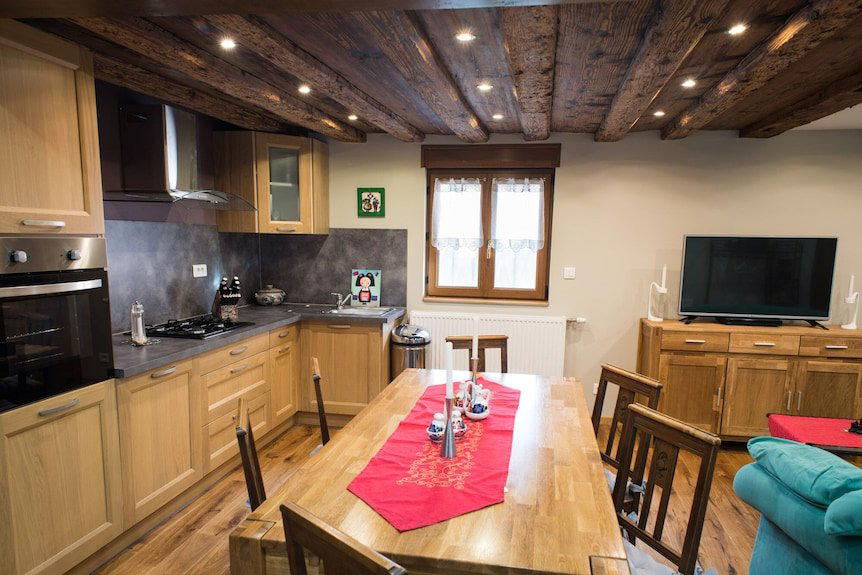
Cozy winstub atmosphere with warm, welcoming rustic charm featuring low ceilings and heavy wooden furniture.