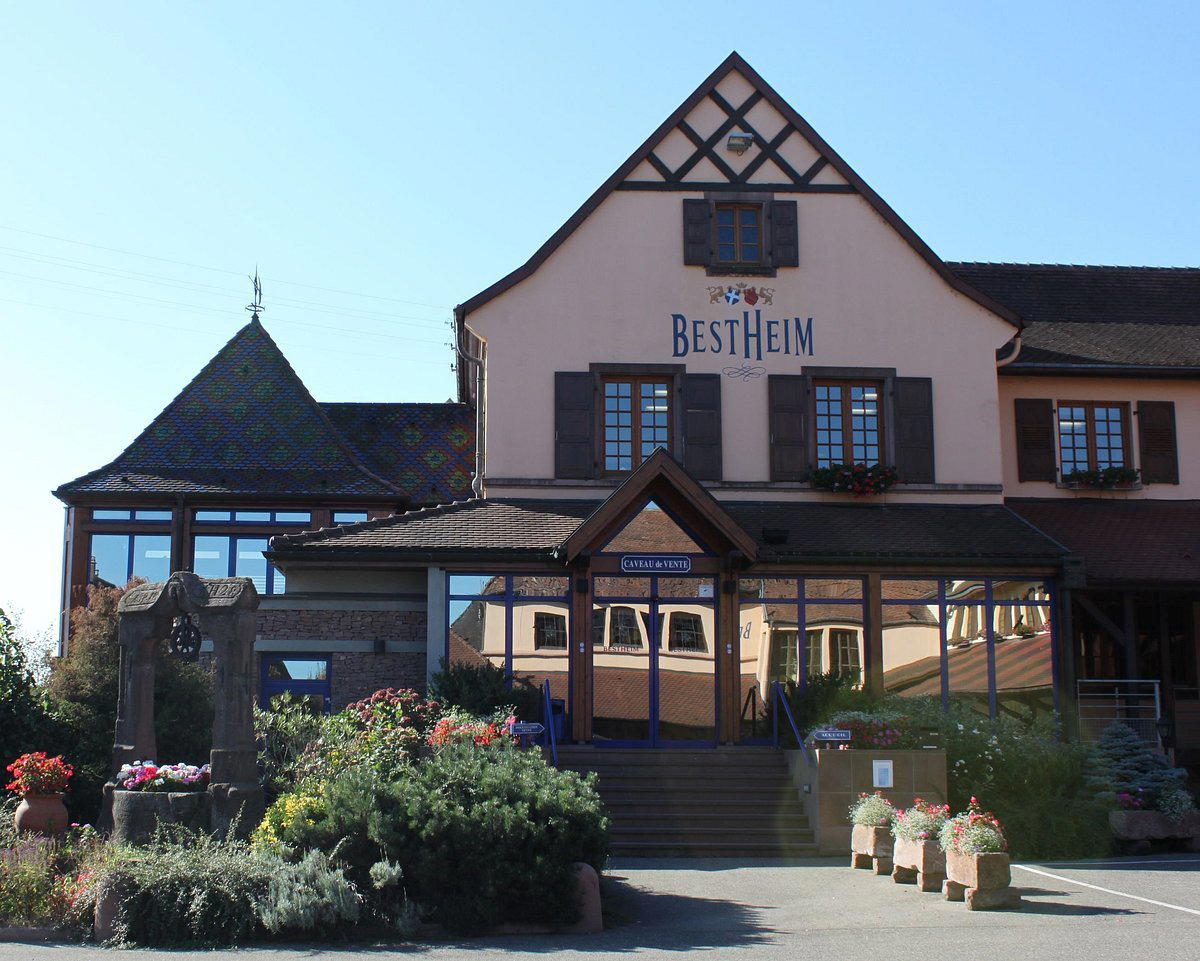
L'Auberge sits at 7 Place de la Gare in Colmar, a city where Alsatian dining tradition and contemporary French technique overlap in ways found almost nowhere else in France. The address places it squarely in the flow of the city, steps from the main rail connection and within walking distance of Colmar's dense concentration of serious restaurants. For visitors building a meal-led itinerary through Alsace, it belongs on the shortlist alongside the neighbourhood's better-documented addresses.
Pearl is the En Primeur Club membership app — saves, bookings, and concierge access live there. Same editors, same standards.
- Address
- 7 Pl. de la Gare, 68000 Colmar, France
- Phone
- +33389231757
- Website
- grand-hotel-bristol.com
- Directions
- Get directions
 Saves & bookings on Pearl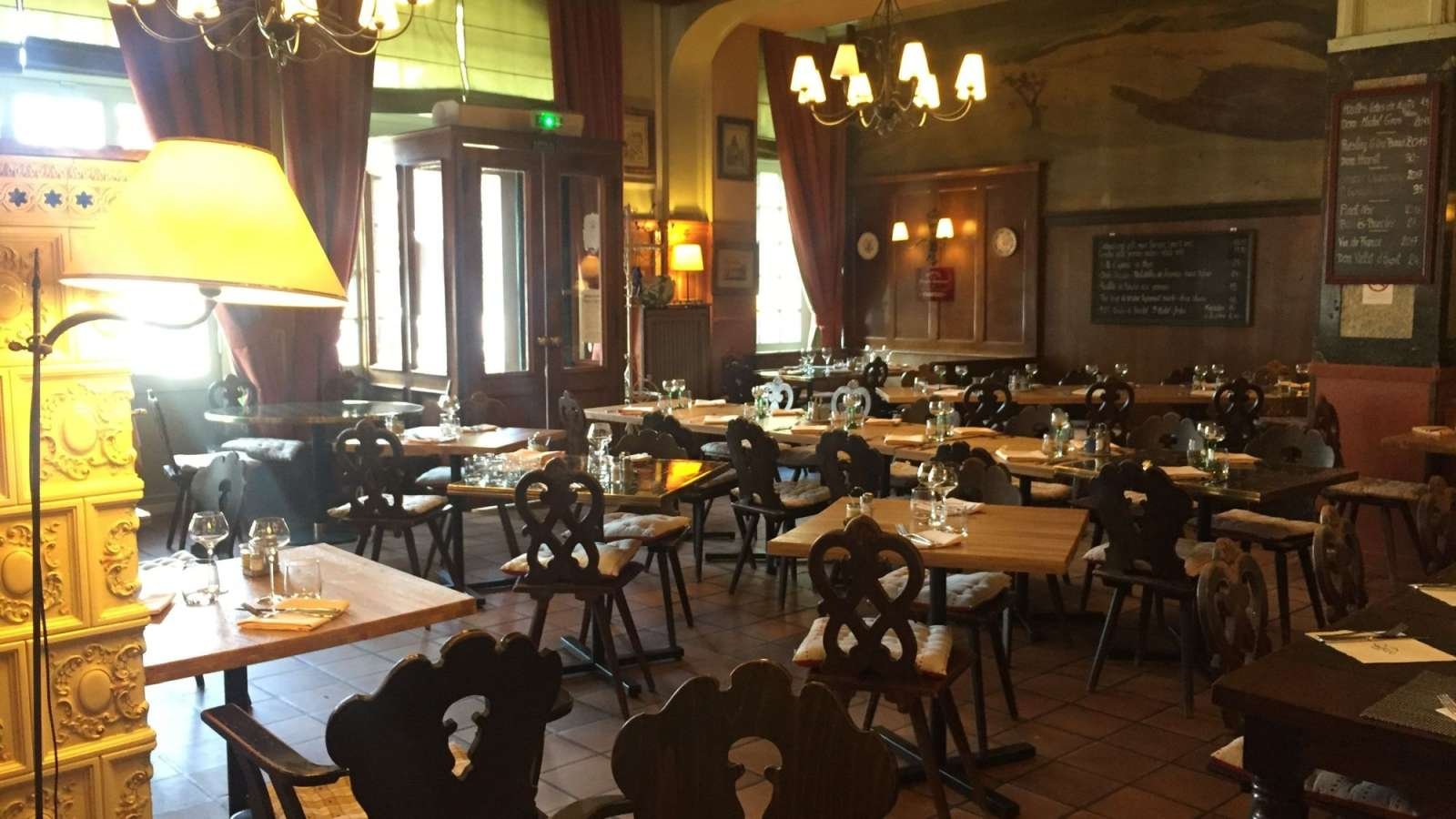
Place de la Gare and the Rhythm of Dining in Colmar
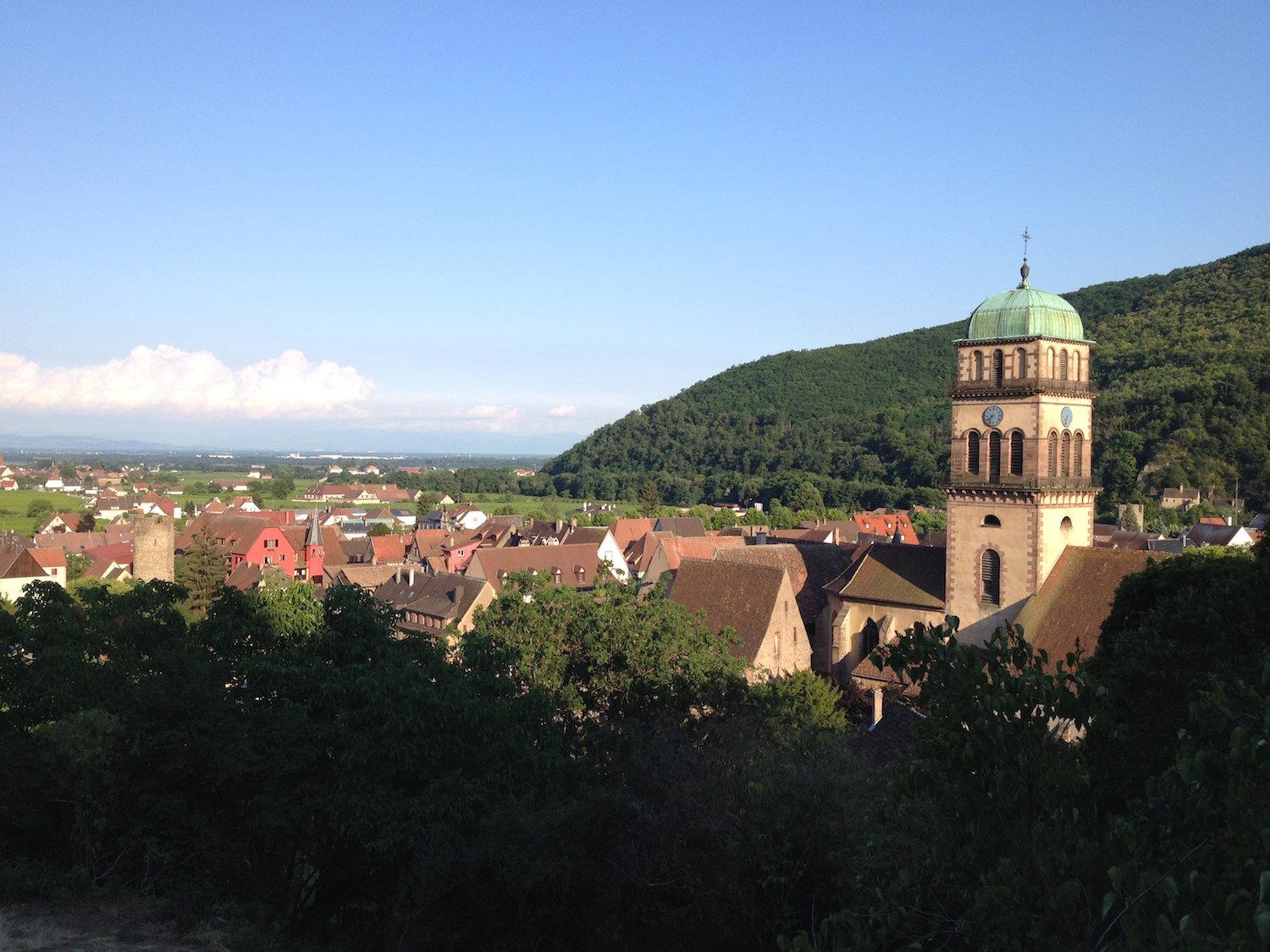
The square in front of Colmar's main station has a different energy from the postcard lanes of the Petite Venise quarter. Foot traffic here is purposeful rather than touristic: commuters, arriving visitors, locals running errands before the evening. It is in this context that L'Auberge occupies its address at 7 Place de la Gare, a location that signals a particular kind of restaurant, one oriented toward the city's working rhythms rather than its heritage-trail circuit. In Alsace, that positioning often matters more than it might first appear. The region's most embedded dining institutions have historically sat adjacent to, rather than inside, particularly photographed streets, letting the food carry the argument for the detour.
Colmar is a city where the line between French and Alsatian culinary identity remains genuinely contested at the table. The choucroute and the baeckeoffe belong to one tradition; the tasting-menu format and the Burgundy-inflected wine list belong to another. Particularly interesting restaurants in the city work somewhere between those two registers, and the neighbourhood around the station is where several of them have landed.
The Alsatian Dining Ritual: What the Meal Expects of You
Dining in Alsace carries a set of expectations that differ from both Parisian formality and the more casual tempo of southern France. Meals here tend to be long, structured, and sequential in a way that feels almost Central European in its deliberateness. Courses arrive at measured intervals; wine service is taken seriously; the table is expected to be occupied for the duration rather than turned. This is not a region where a quick two-course lunch is the norm at addresses that take their kitchen seriously. The format implies commitment, and the leading experiences in Colmar reward guests who arrive with time rather than agenda.
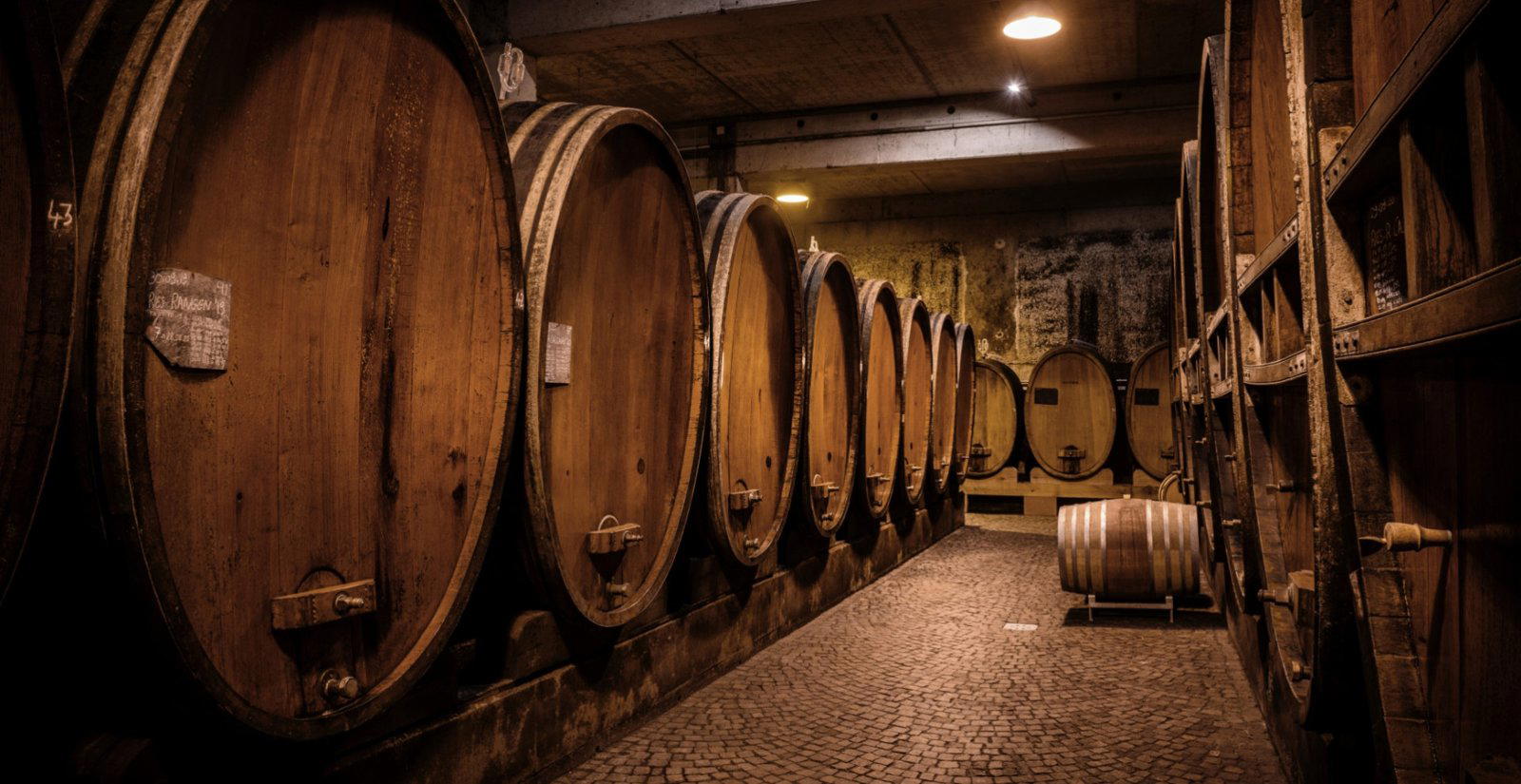
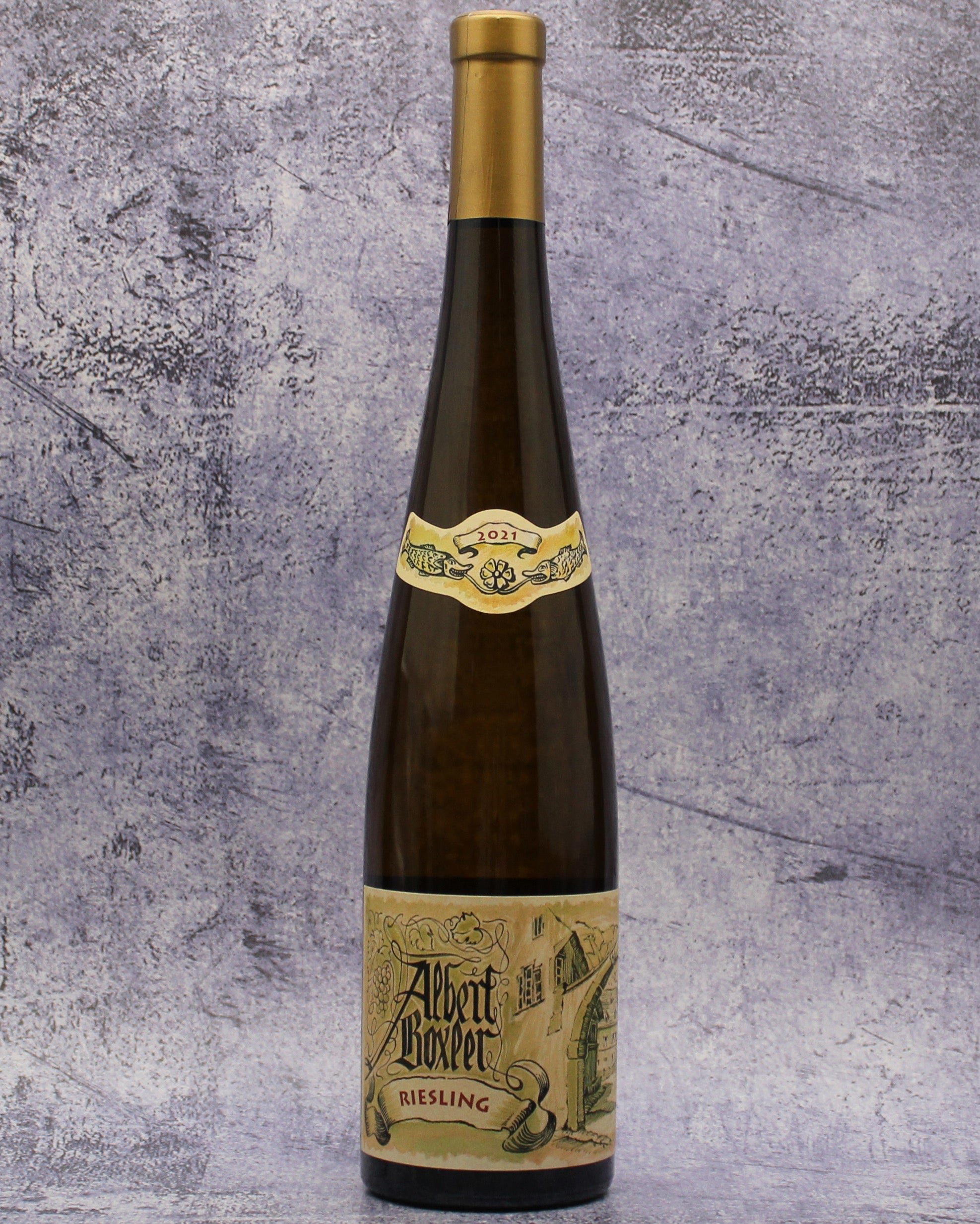
At addresses positioned around the Place de la Gare, this ritual pacing takes on a particular character. The pre-meal period, often spent with a glass of Crémant d'Alsace or a local Riesling, sets a tempo that the kitchen then respects. Alsatian wine is an underappreciated companion to the regional table: the dry Gewurztraminers and Pinot Gris from the nearby Grand Cru vineyards of the Haut-Rhin carry enough structure to hold up against the richer preparations the cuisine favours, without the tannin weight that makes heavy red pairing difficult mid-meal. Any serious address in this part of Colmar will have a wine list that reflects this geography.
The comparison addresses in the city help calibrate what to expect across different formats and price points. JY'S operates at the €€€€ tier with a creative approach that represents the city's most contemporary positioning. L'Atelier du Peintre sits at €€€ with modern cuisine that bridges regional ingredient sourcing and technique-forward presentation. For those who want the full weight of Alsatian tradition without contemporary intervention, addresses like Au Cygne and Au Soleil Levant represent the other end of the spectrum.
Alsace in the Broader Context of French Regional Dining
To understand where a Colmar address sits in the French dining hierarchy, it helps to place Alsace within the wider map. The region occupies a distinctive position: technically French in administration but shaped by centuries of Germanic culinary influence, with a wine tradition that parallels the Rhine rather than the Loire or the Rhône. The great starred addresses of eastern France, among them Auberge de l'Ill in Illhaeusern, the region's most historically significant fine-dining institution, and Au Crocodile in Strasbourg, have long demonstrated that Alsatian kitchens can compete at the highest tier of French gastronomy.
Further afield, the French regional dining tradition that Alsace sits within is one of the richest in Europe. Addresses like Flocons de Sel in Megève, Mirazur in Menton, Troisgros - Le Bois sans Feuilles in Ouches, and Bras in Laguiole each represent a version of deep regional identity expressed through contemporary technique. In Paris, addresses like Alléno Paris au Pavillon Ledoyen and the long-established Paul Bocuse - L'Auberge du Pont de Collonges in Collonges-au-Mont-d'Or anchor the institutional end of French fine dining. Colmar's scene is smaller in scale but shares the underlying logic: that geography, season, and local produce should shape what appears on the plate.
Beyond France, the structural parallels are visible in addresses like Assiette Champenoise in Reims, where regional identity and formal service combine, and even in the approach of internationally influential kitchens such as AM par Alexandre Mazzia in Marseille. For readers whose frame of reference extends to international fine dining, Le Bernardin in New York City and Atomix in New York City offer useful benchmarks for the kind of structured, ritual-focused meal format that serious regional French addresses share with upper-tier international kitchens. And for those travelling the French creative tier, Restaurant Girardin in Colmar rounds out the city's most ambitious addresses.
Planning Your Visit: What the Address Requires
L'Auberge sits at 7 Place de la Gare, 68000 Colmar, making it among the more accessible addresses in the city for visitors arriving by rail. Colmar is served by direct TGV connections from Paris and regional links from Strasbourg, placing the restaurant within a short walk of the platform exit. For guests travelling from Basel or Mulhouse by car, the station square is direct to reach and parking availability around the perimeter is generally manageable outside peak tourist season, which in Colmar runs heavily through the summer months and the December Christmas market period. Those months compress booking windows across the city's better restaurants, and advance planning of two to four weeks is a reasonable minimum. Reservations are recommended.
Cuisine and Recognition
Comparable venues nearby, for context on price, style, and recognition.
| Venue | Cuisine | Price | Notes |
|---|---|---|---|
| L'AubergeThis venue — the venue you are viewing | Traditional Alsatian Brasserie | $$ | Not listed |
| Au Cygne | Traditional Alsatian Winstub | $$ | Colmar center |
| La Cocotte de Grand-Mère | Homemade French Bistro | $$ | Place de l'École |
| Wistub de la Petite Venise | Traditional Alsatian | $$ | Petite Venise |
| L'Essentiel | Modern French Bistro | $$$ | . Colmar center |
| Au Soleil Levant | Authentic Japanese Sushi | $ | Champ-de-Mars |
Continue exploring
More in Colmar
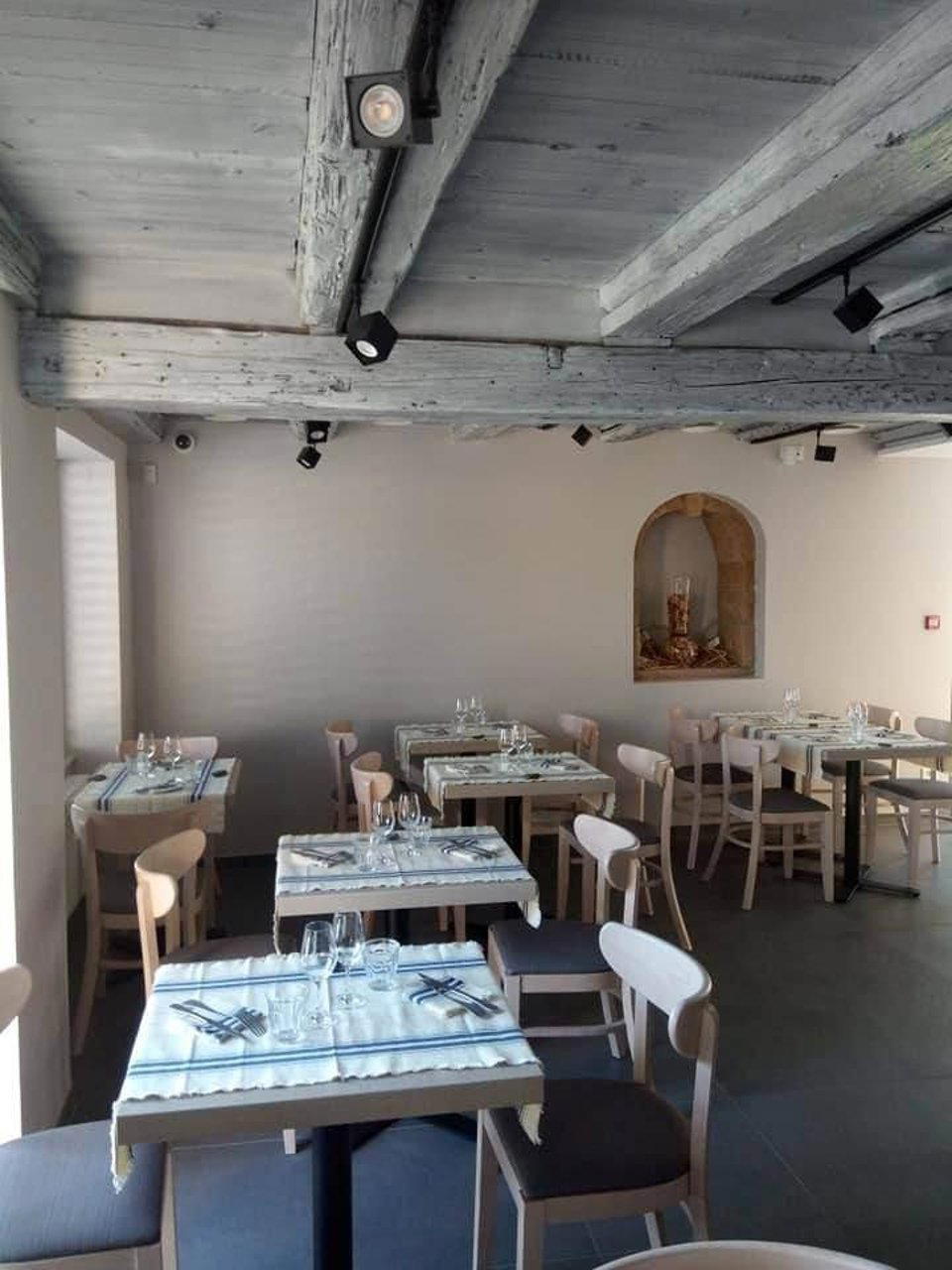
Restaurants in Colmar
Browse all →
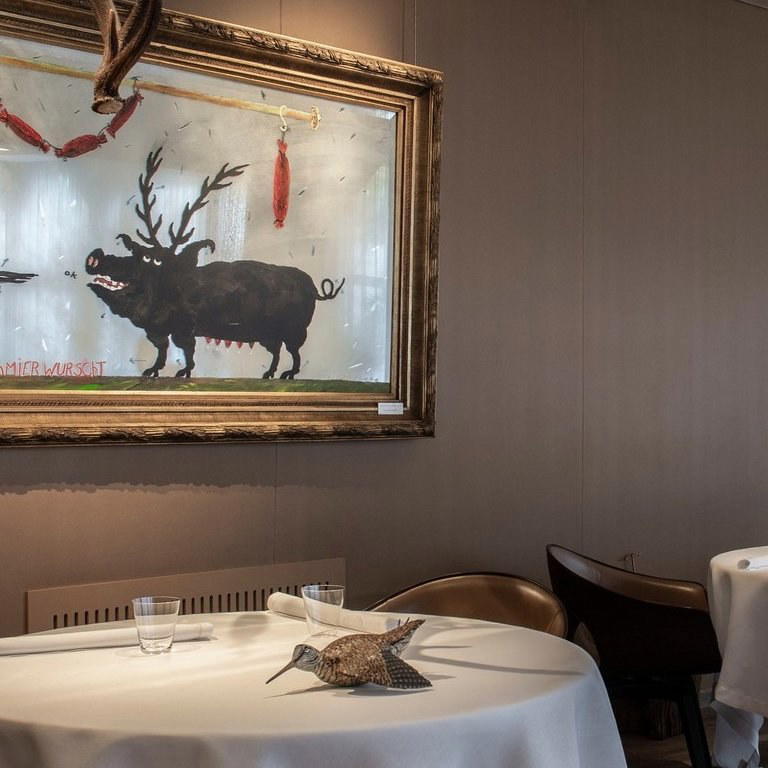
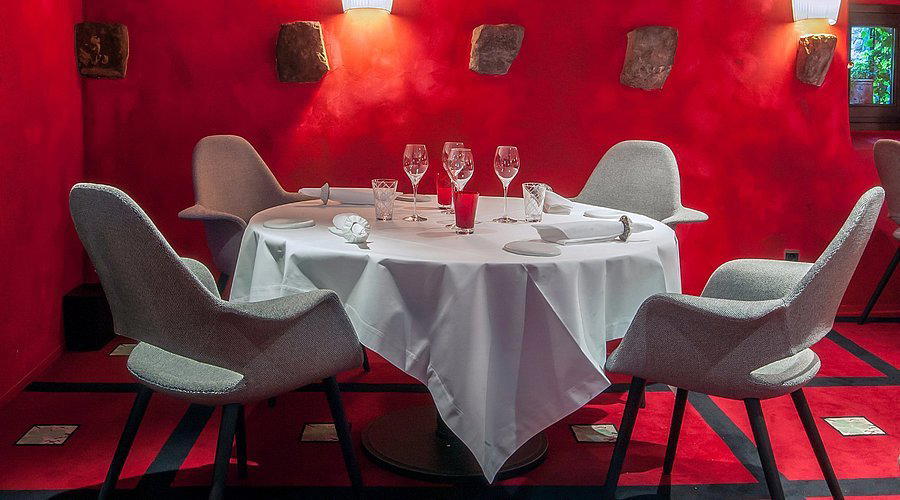
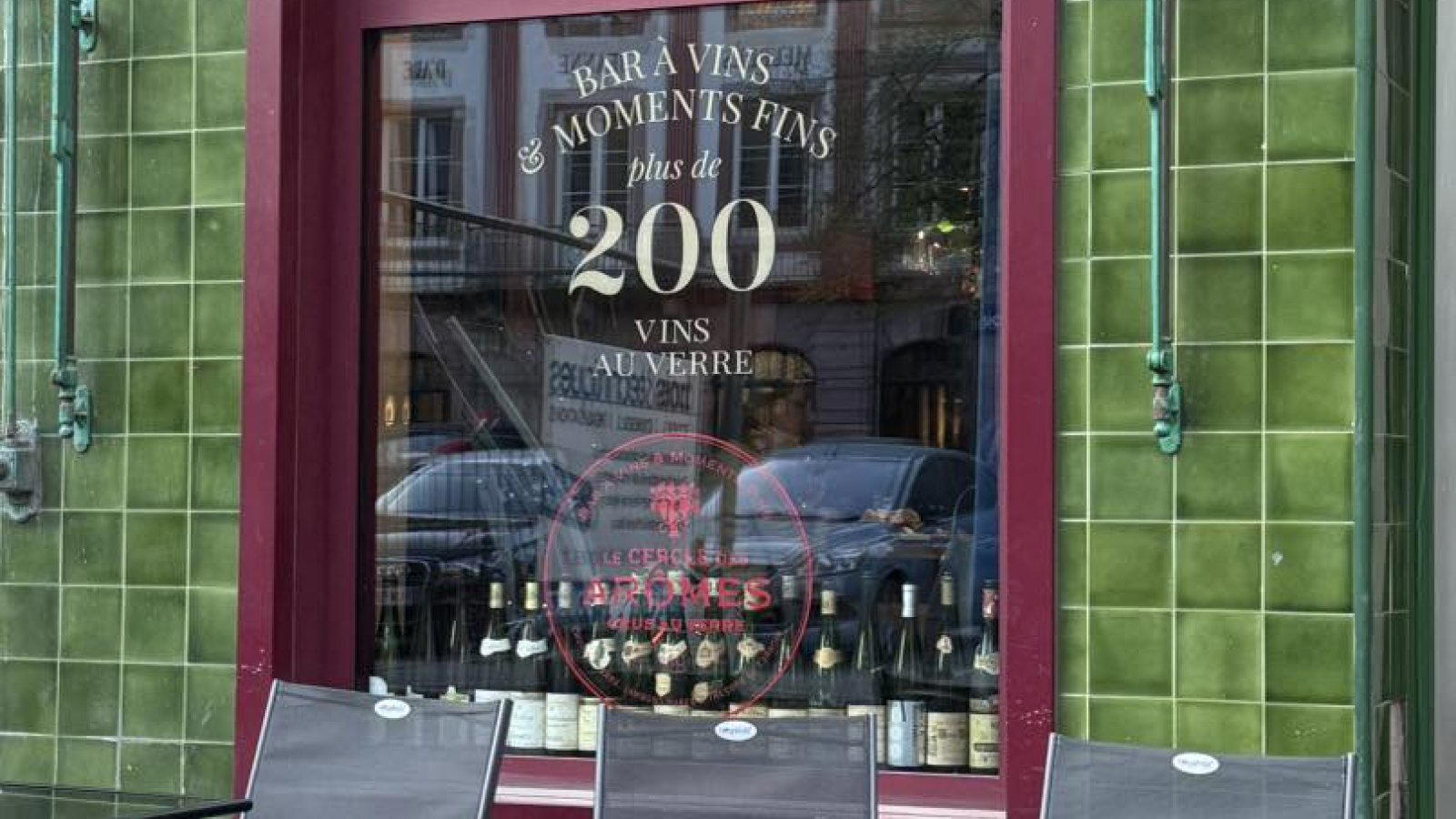
Bars in Colmar
Browse all →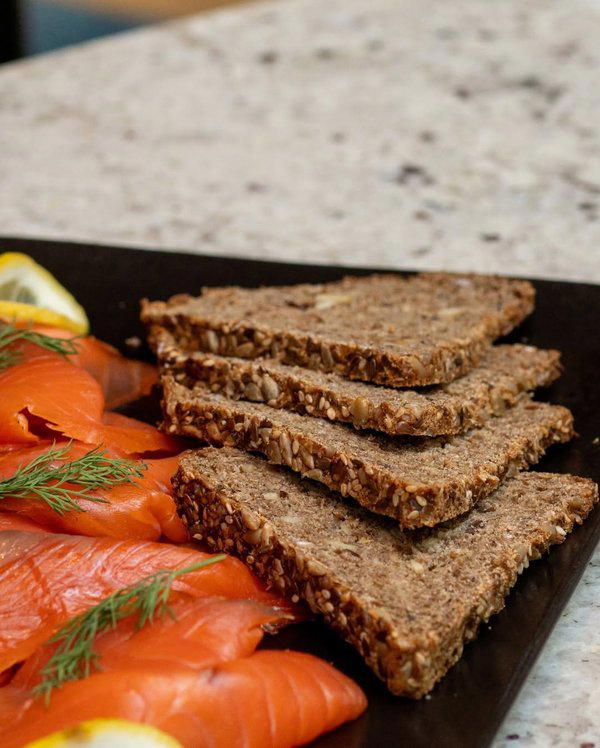
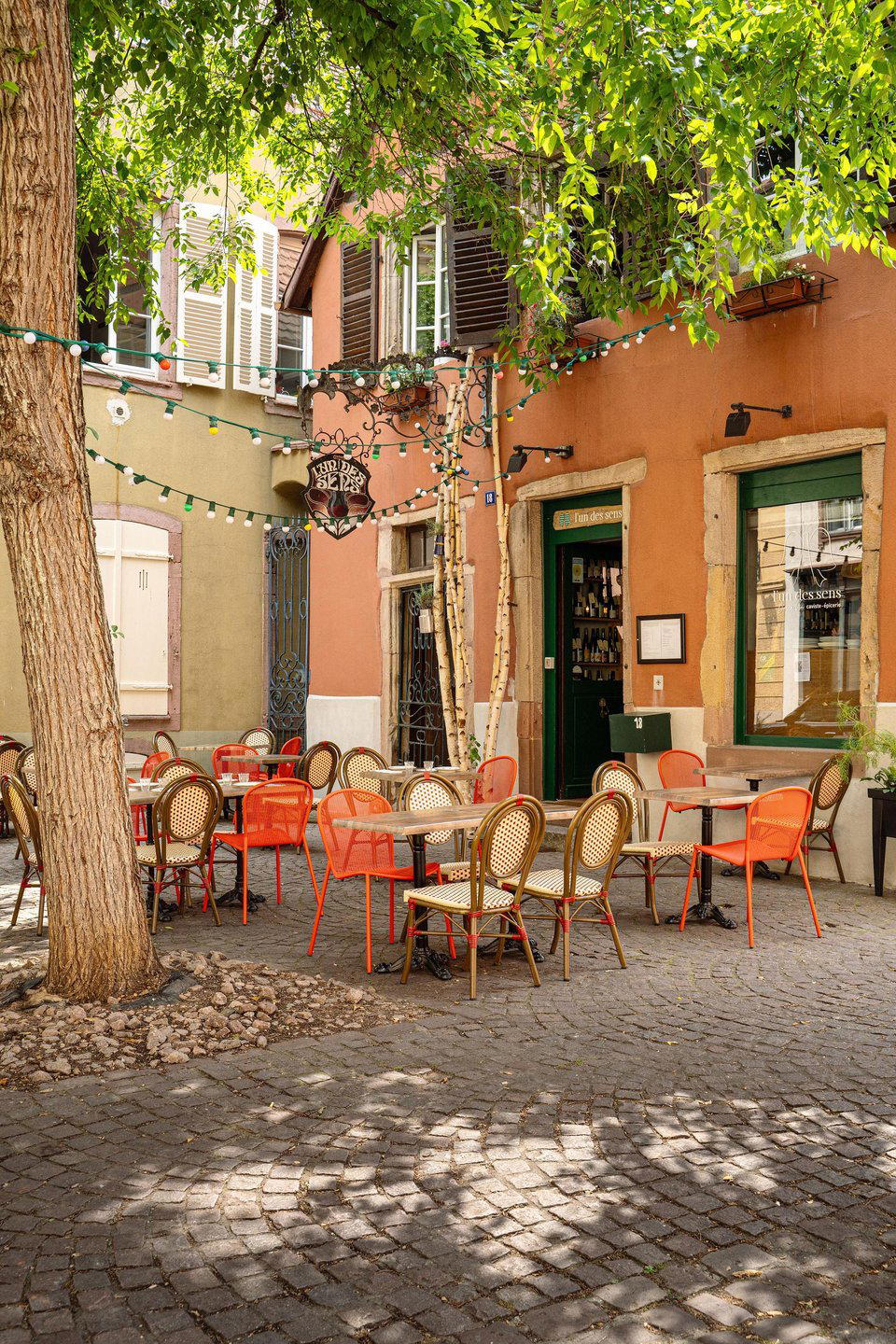
Hotels in Colmar
Browse all →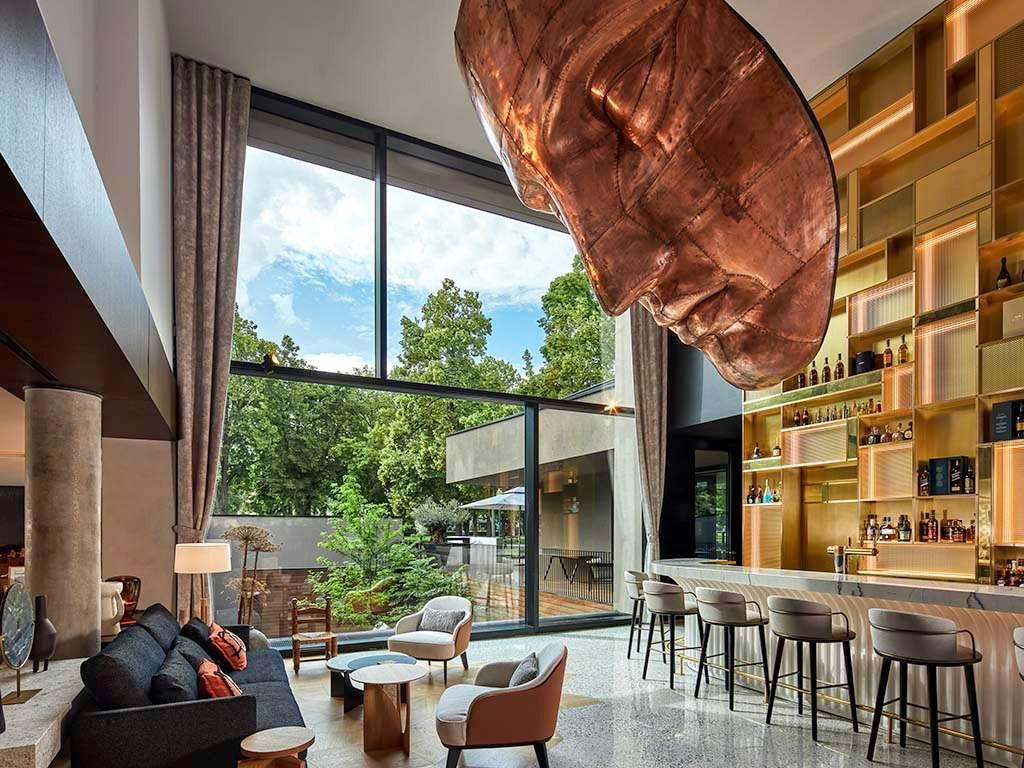
At a Glance
- Classic
- Cozy
- Rustic
- Family
- Casual Hangout
- Special Occasion
- Terrace
- Hotel Restaurant
- Extensive Wine List
- Local Sourcing
- Street Scene
Current opening hours
- Monday
- 11:45 AM–2:30 PM, 6:45–10:30 PM
- Tuesday
- 11:45 AM–2:30 PM, 6:45–10:30 PM
- Wednesday
- 11:45 AM–2:30 PM, 6:45–10:30 PM
- Thursday
- 11:45 AM–2:30 PM, 6:45–10:30 PM
- Friday
- 11:45 AM–2:30 PM, 6:45–10:30 PM
- Saturday
- 11:45 AM–2:30 PM, 6:45–10:30 PM
- Sunday
- 6:45–10:30 PM
Hours can change for holidays and private events. Last verified .
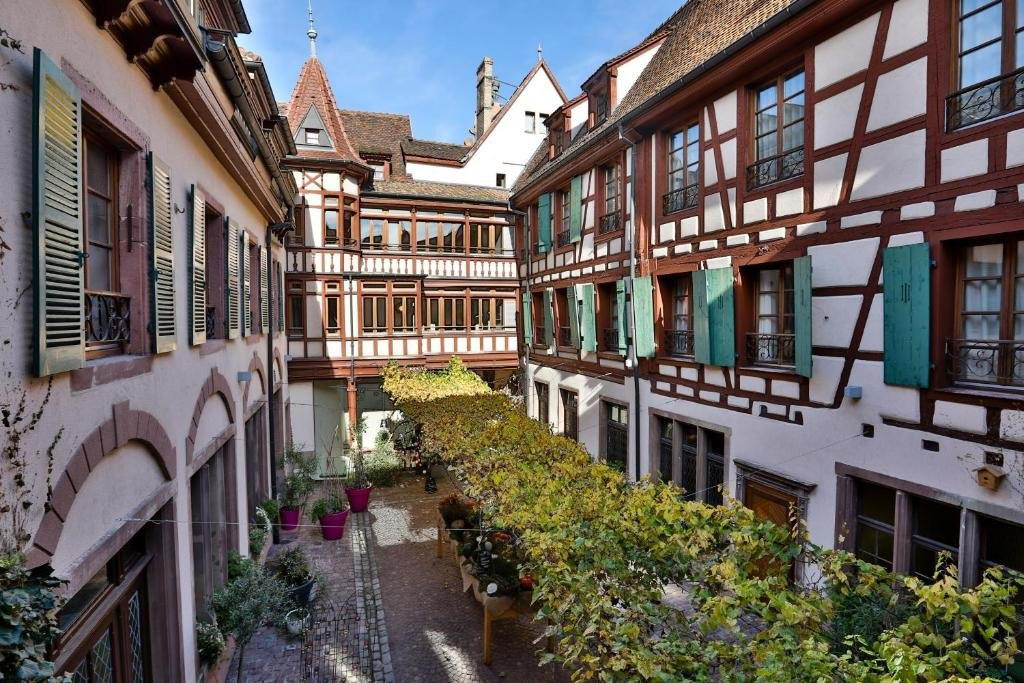
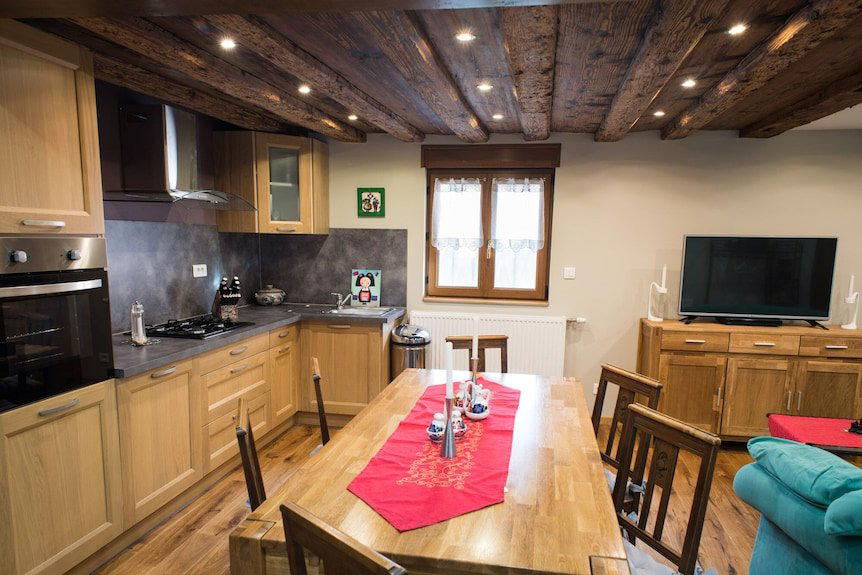
Warm and friendly atmosphere with typical Alsatian decor, quiet and studious vibe.