Au Soleil Levant serves authentic Japanese sushi at 15 Rue Berthe Molly in Colmar, with sushi, sashimi, and sukiyaki; quiet, casual service suits lunch or dinner.
Pearl is the En Primeur Club membership app — saves, bookings, and concierge access live there. Same editors, same standards.
- Address
- 15 Rue Berthe Molly, 68000 Colmar, France
- Phone
- +33389244855
- Website
- au-soleil-levant.fr
- Directions
- Get directions
 Saves & bookings on Pearl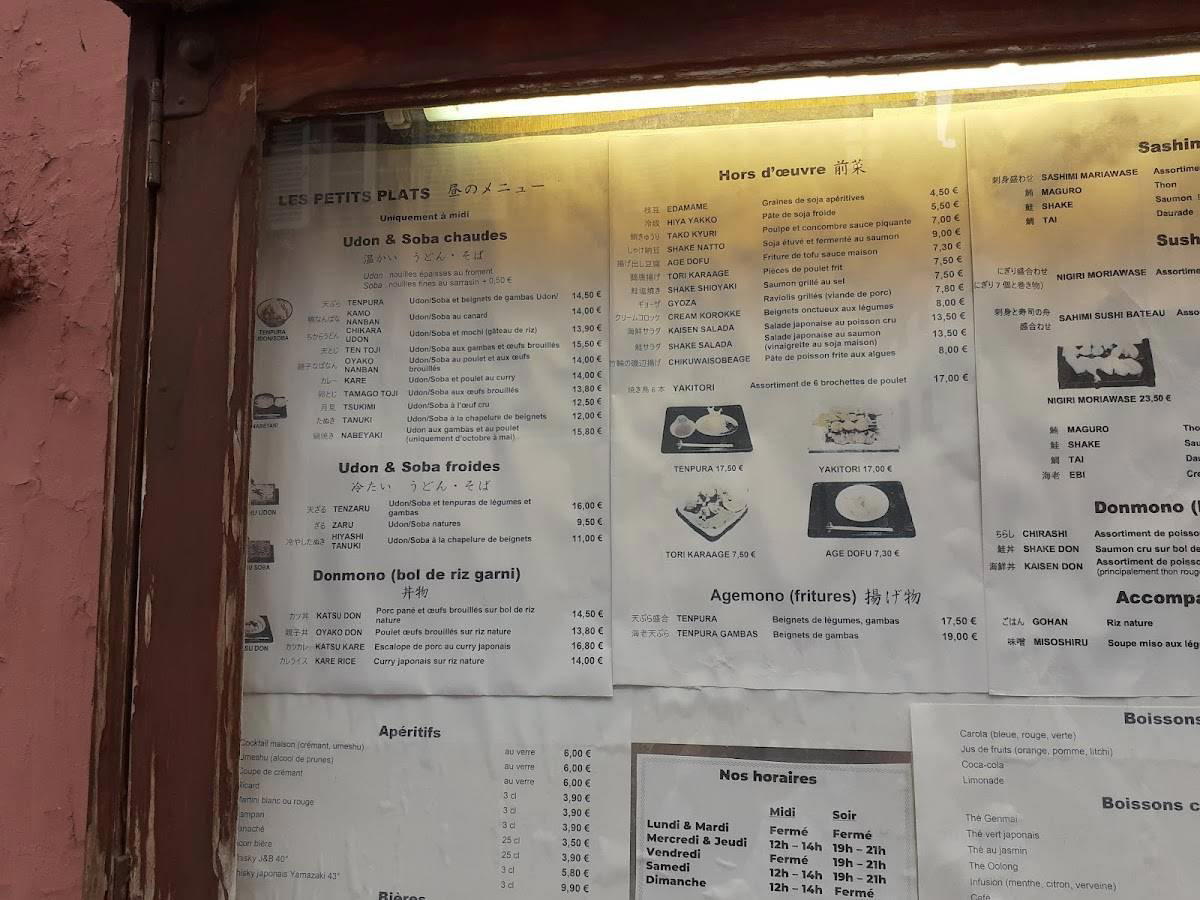
Where Alsace Comes to the Table
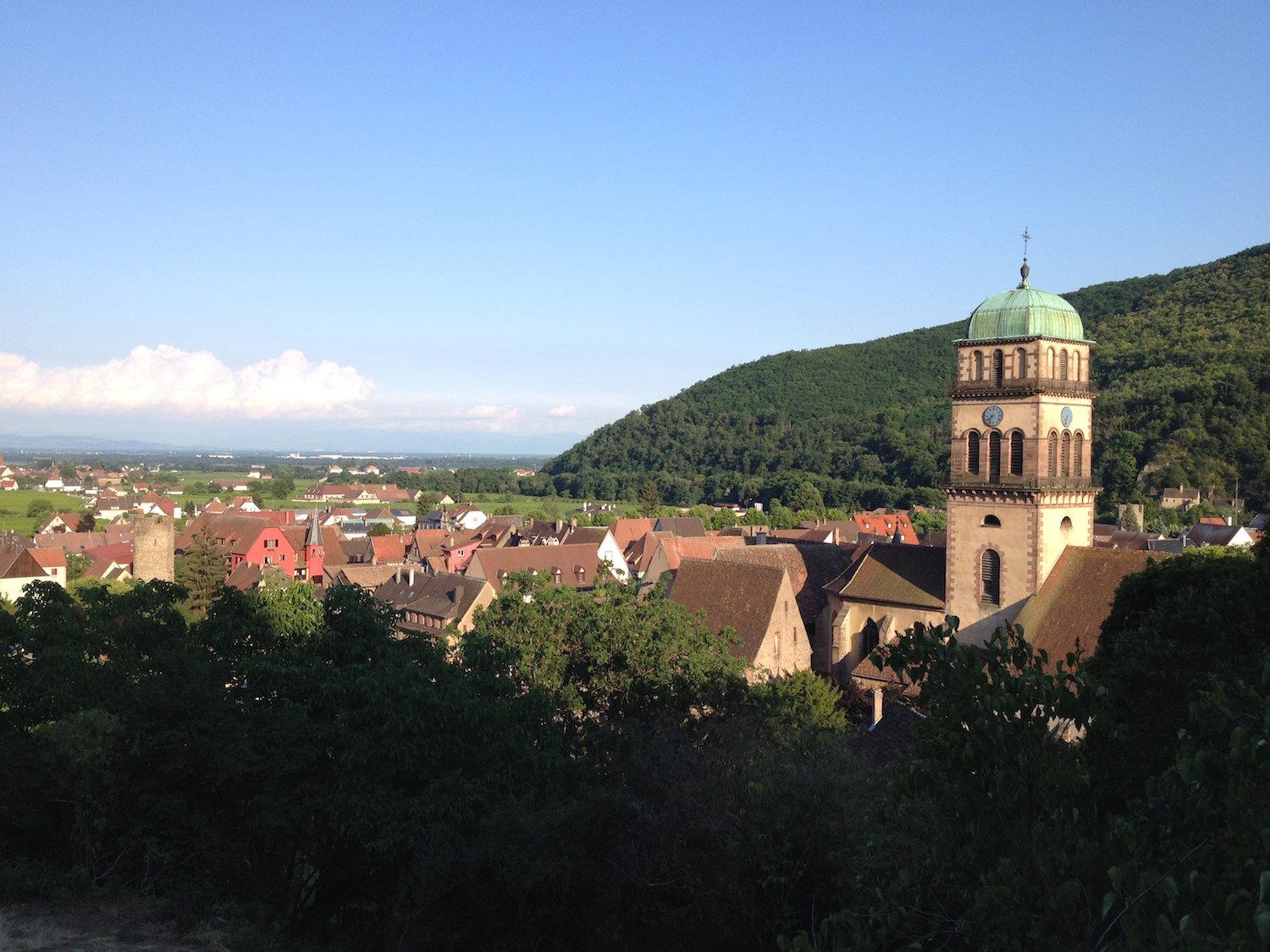
Rue Berthe Molly sits a short walk from Colmar's most-photographed quarter, the Petite Venise canal district, where half-timbered facades lean over flower-lined waterways and the tourist circuit is dense. Au Soleil Levant is a restaurant at 15 Rue Berthe Molly in Colmar, serving authentic Japanese sushi at a casual price tier of about $15 per person. Au Soleil Levant occupies a position at number 15 on that street, close enough to draw from the city's considerable foot traffic but planted in a residential grain that gives the address a different character from the more theatrical dining rooms that front the main squares. In a city where the line between heritage backdrop and genuine local life can blur quickly, that distinction matters.
The Alsatian Dining Tradition in Context
Colmar sits at the heart of one of France's most codified regional food cultures. Alsatian cuisine is the product of centuries of Franco-German border tension resolved, improbably, into something coherent and deeply pleasurable: choucroute garnie built around long-braised sauerkraut and cured pork, baeckeoffe slow-cooked in earthenware with three meats and Riesling, tarte flambée stretched thin and finished fast in a wood oven, flammekueche served informally as both everyday food and festival centrepiece. The canon is specific, the technique demanding, and the local audience unforgiving when liberties are taken carelessly.
The city's dining offer spans a wide register. At the high end, JY'S operates at the €€€€ tier with a creative format that places it among the region's destination tables, while L'Atelier du Peintre works modern cuisine at the €€€ level. Further down the register, addresses like Au Cygne and Bartholdi anchor the mid-range, and the winstub format, the traditional Alsatian tavern, provides a casual baseline for the city's food culture. For a fuller map of how Colmar's dining scene is structured, the EP Club Colmar restaurants guide places these venues in their neighbourhood and price-tier context.
Au Soleil Levant sits within this ecosystem at an address that signals neighbourhood dining rather than destination spectacle. That positioning is not a limitation. In Alsatian towns, the local restaurant with regulars who arrive without reservations, where the menu follows the market and the wine list leans hard on nearby Alsace producers, has historically been where the cuisine stays honest. The winstub tradition, which shaped so much of how Colmar eats, was built on exactly that premise.
What the Wider French Table Offers as a Reference Point
Colmar sits in a country where regional cooking at every price tier competes with particularly scrutinised fine dining in the world. Alsace itself is home to Auberge de l'Ill in Illhaeusern, one of France's longest-standing three-Michelin-star tables and a benchmark for what Alsatian haute cuisine can look like when technique and terroir are pushed to their furthest register. Elsewhere in France, the tradition of ambitious regional cooking at permanent addresses is represented by Flocons de Sel in Megève, Bras in Laguiole, Georges Blanc in Vonnas, and Les Prés d'Eugénie in Eugénie-les-Bains, each of which built a loyal audience on the strength of a specific local identity rather than a cosmopolitan one.
That broader French tradition, where the meal is inseparable from the place and the season, is what gives neighbourhood restaurants like Au Soleil Levant their frame of reference. Internationally, French-rooted dining culture continues to set a standard against which even casual meals are measured, whether at Alléno Paris au Pavillon Ledoyen, Troisgros in Ouches, Mirazur in Menton, or the French-trained kitchens that shaped dining in other markets entirely, from Le Bernardin in New York to Lazy Bear in San Francisco and Paul Bocuse's Auberge du Pont de Collonges and La Table du Castellet. The neighbourhood restaurant in Alsace inherits that tradition at a different scale, which is precisely where its value lies for a certain kind of traveller.
Planning a Visit
The restaurant is located at 15 Rue Berthe Molly in central Colmar, within walking distance of the city's main landmarks and the pedestrianised old town. Colmar is served by TGV connections via Strasbourg (approximately 30 minutes by regional train from Strasbourg Gare Centrale) and sits along the Alsace Wine Route, making it a logical base for multi-day itineraries that combine dining, wine, and architecture. The city's compact scale means most restaurant-to-hotel movement is on foot or by bicycle. Because current hours, booking policy, and pricing for the restaurant are not listed in public databases, contacting the restaurant directly or visiting the address in person is the safest approach before planning an itinerary around a specific meal. Colmar's high season runs from late spring through the wine harvest in October, and the Christmas market period brings significant crowds to the centre; those windows typically require more lead time for any dining reservation in the city.
For visitors who want to cover the full range of what Colmar's restaurants offer, Restaurant Girardin represents the creative end of the local market.
Price and Positioning
Comparable venues nearby, for context on price, style, and recognition.
| Venue | Cuisine | Price | Notes |
|---|---|---|---|
| Au Soleil LevantThis venue — the venue you are viewing | Champ-de-Mars, Authentic Japanese Sushi | $ | Not listed |
| La Soï | Not listed | $$ | centre-ville, Traditional Alsatian Tarte Flambée |
| Au Cygne | Not listed | $$ | Colmar center, Traditional Alsatian Winstub |
| Bartholdi | Not listed | $$ | Petite Venise, Traditional Alsatian French |
| L'Essentiel | Not listed | $$$ | . Colmar center, Modern French Bistro |
| L'Auberge | Not listed | $$ | Place de la Gare, Traditional Alsatian Brasserie |
Continue exploring
More in Colmar
Restaurants in Colmar
Browse all →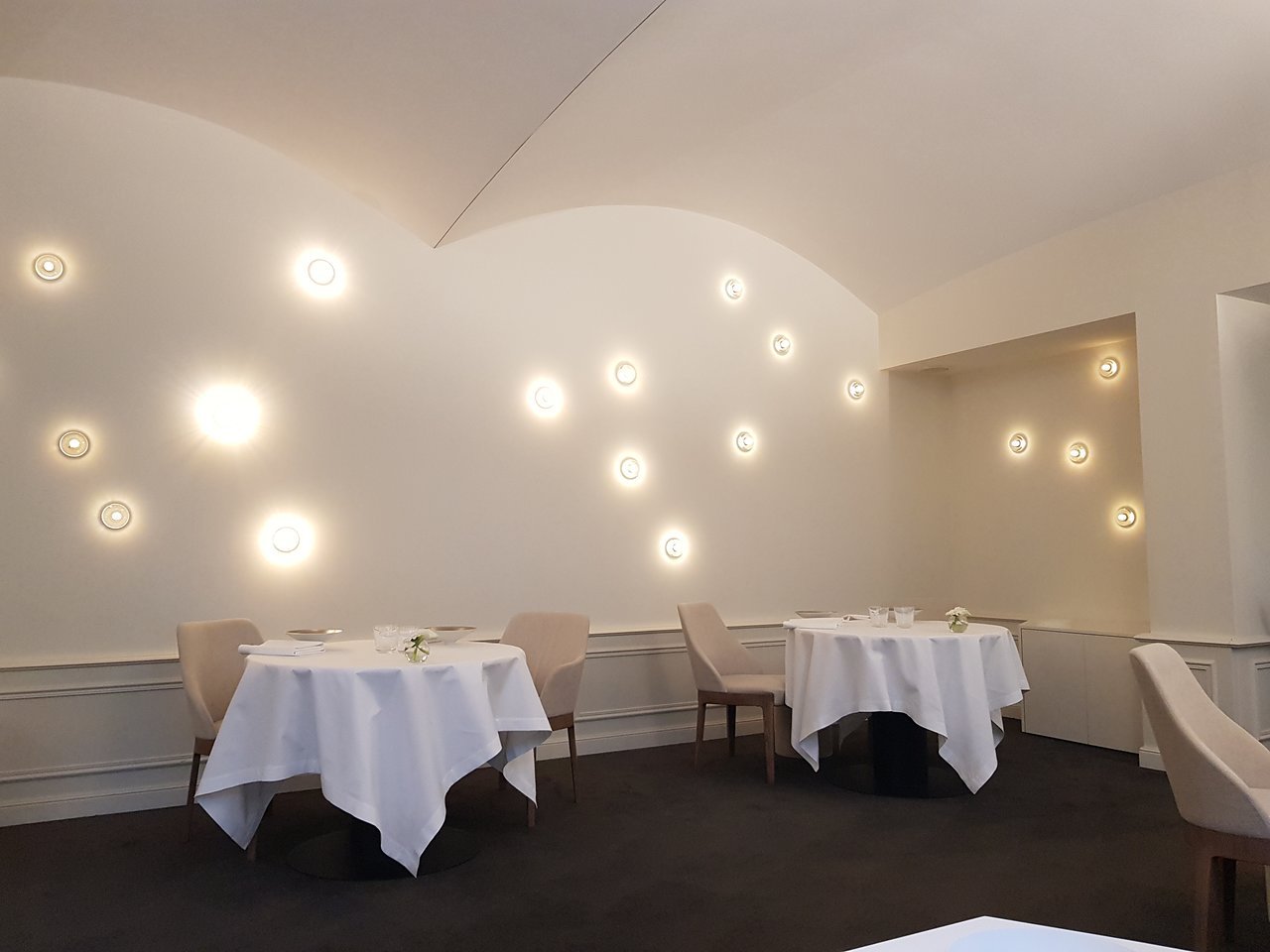
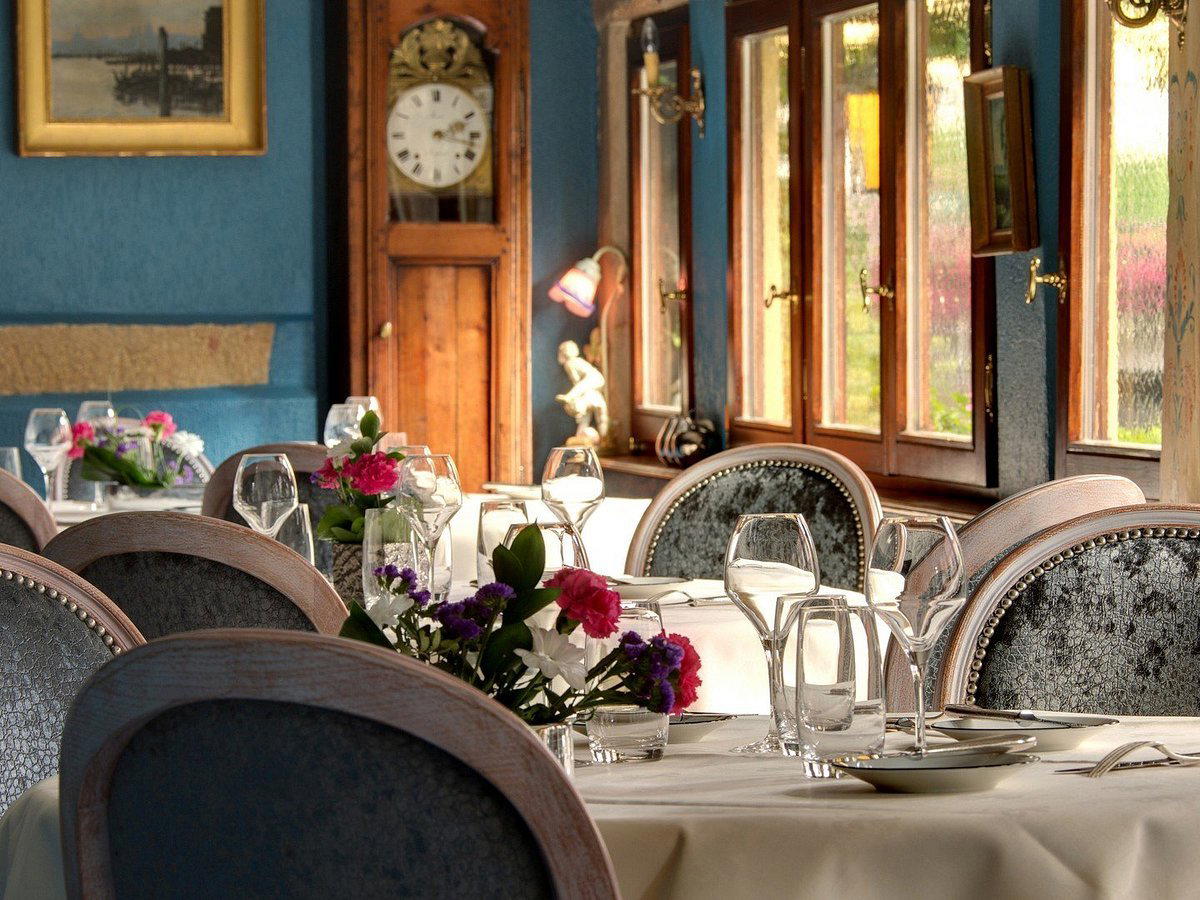
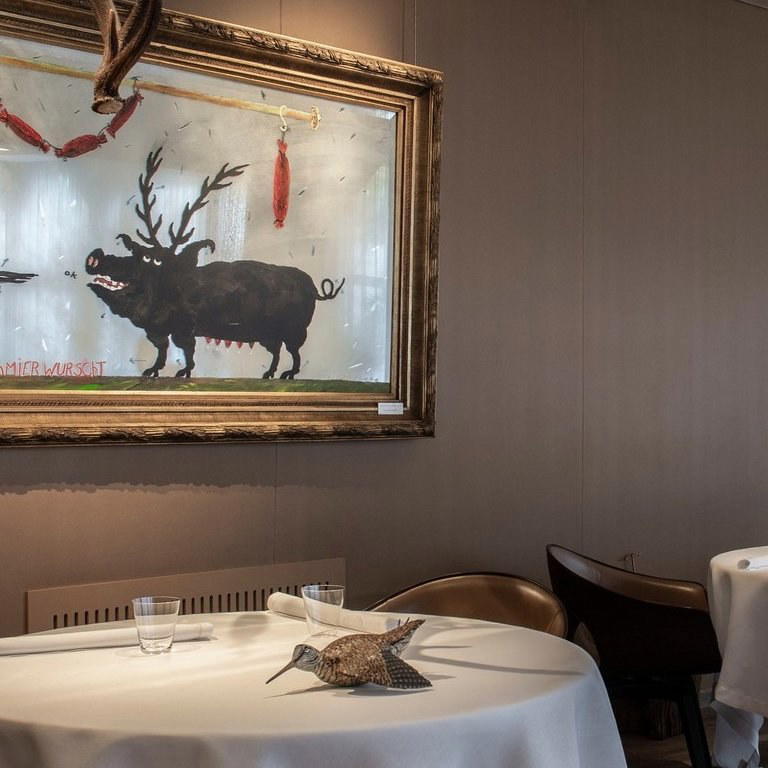
Bars in Colmar
Browse all →
Hotels in Colmar
Browse all →
At a Glance
- Cozy
- Classic
- Intimate
- Casual Hangout
- Date Night
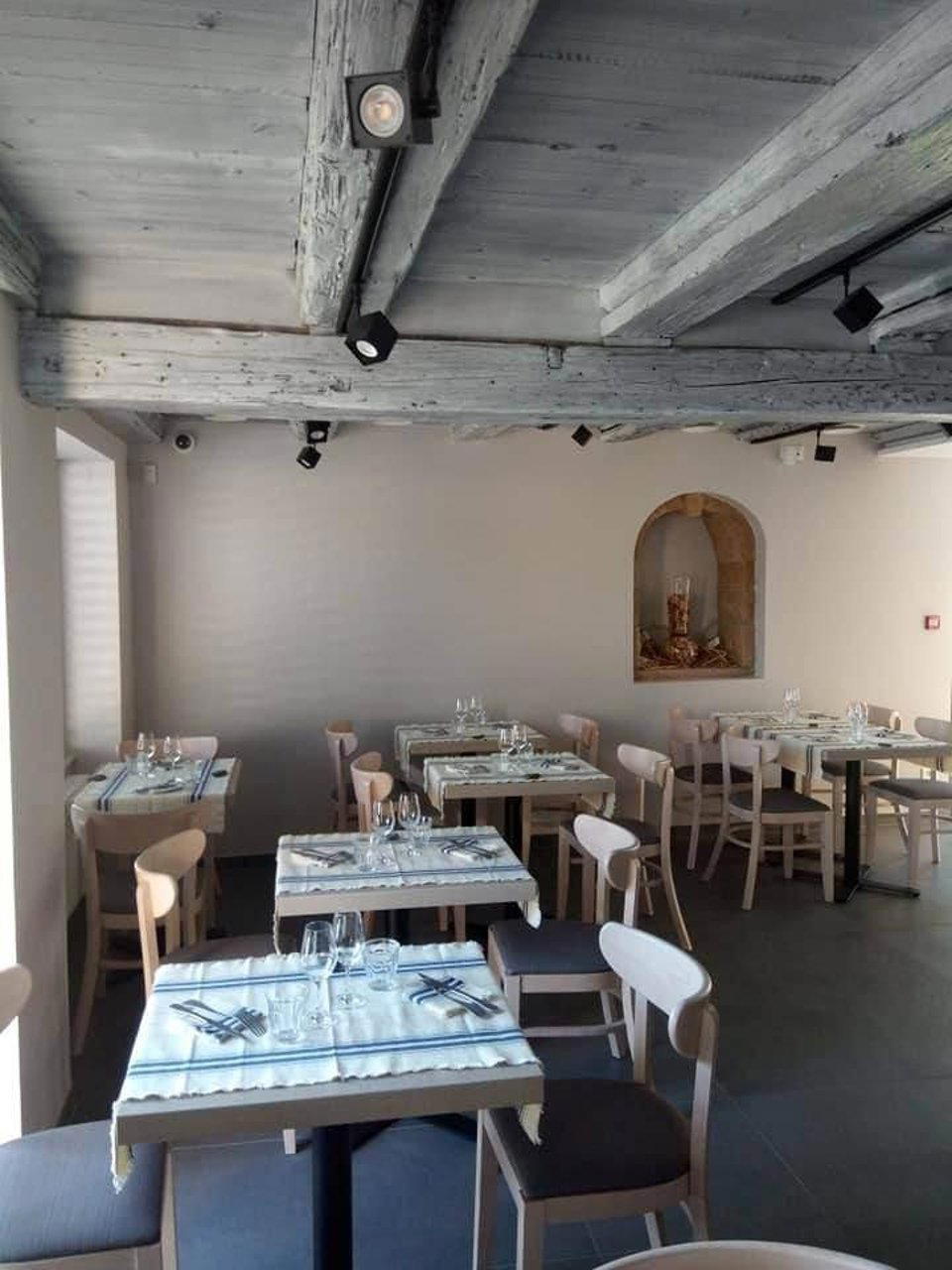
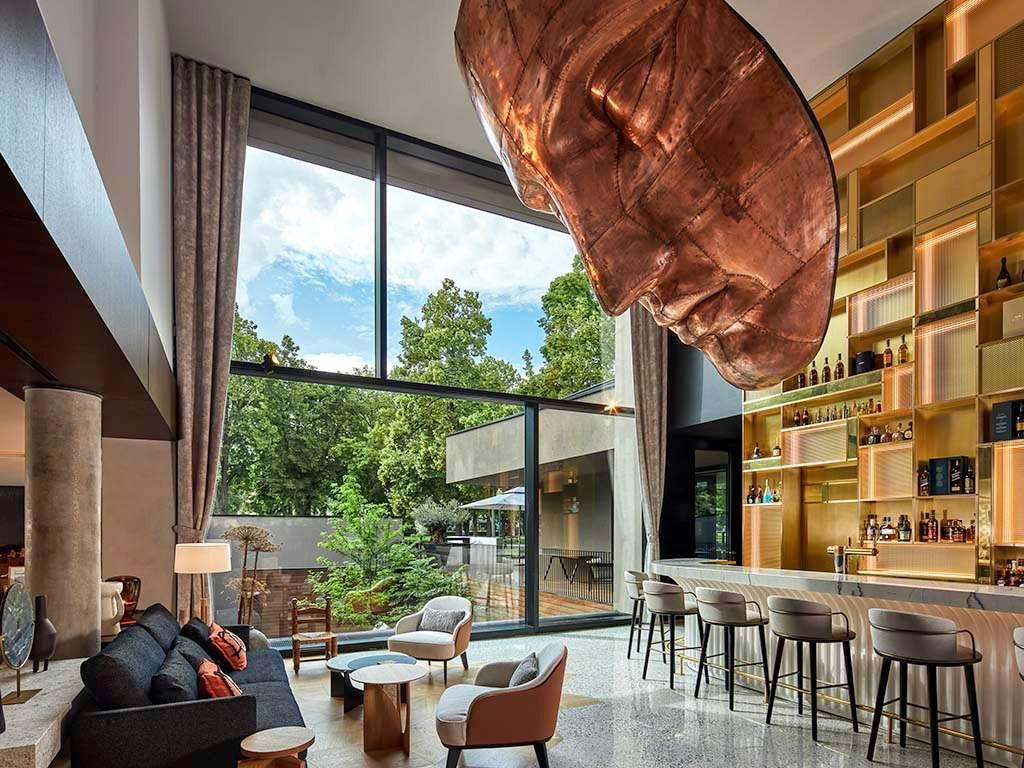
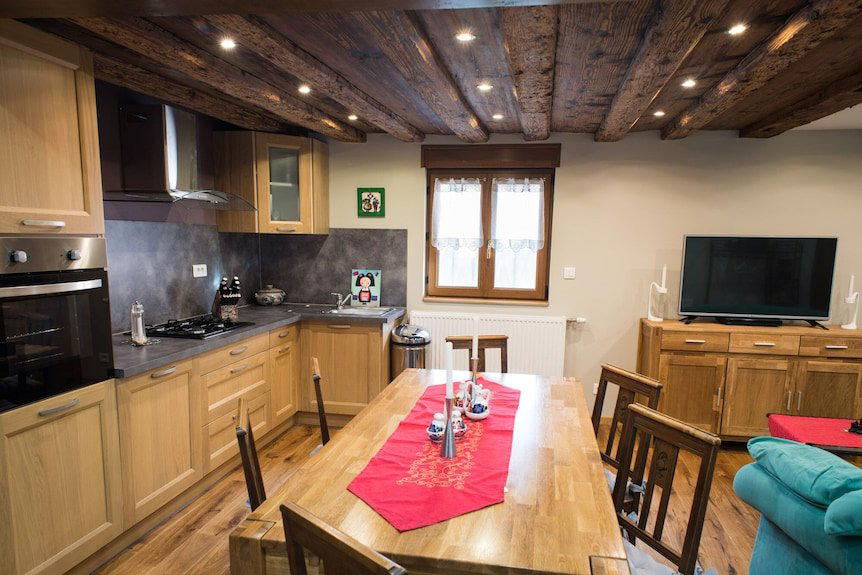
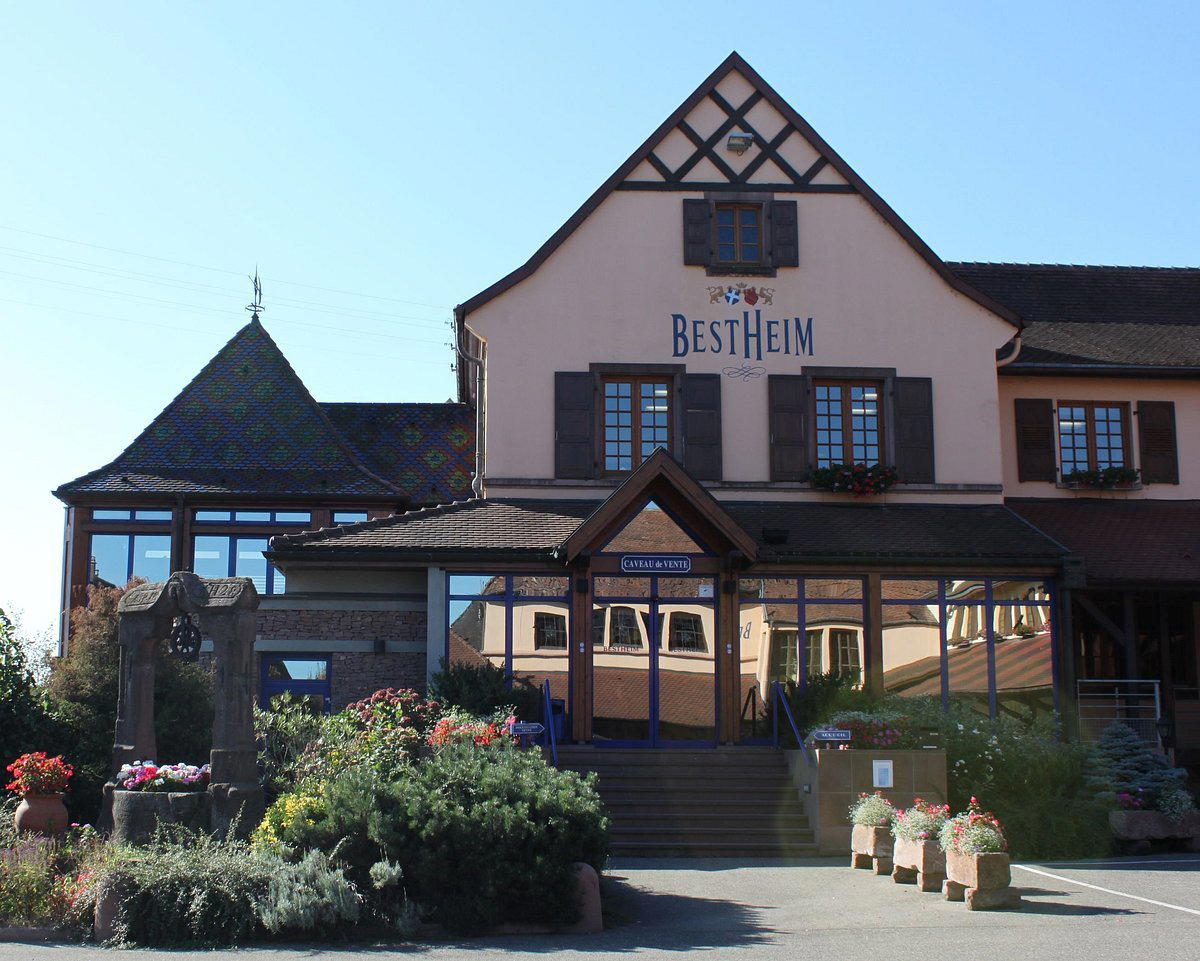
Slightly soothing but sincere atmosphere with traditional Japanese decor and calm, serene setting.