La Cheneaudière - Le Feuillage


1 Michelin Star · Relais Chateaux Award
Our verdict
A Michelin-starred creative restaurant within a three-generation family property in the Alsatian forest, La Cheneaudière - Le Feuillage pairs chef Jean-Paul Acker's ingredient-driven cooking with a 30,000-square-foot spa and deep rural setting. Rated 4.6/5 by Relais & Châteaux members, it occupies the upper tier of Alsace's destination-dining circuit, priced at €€€€.

Pearl is the En Primeur Club membership app, where members save venues, book tables and use the concierge.
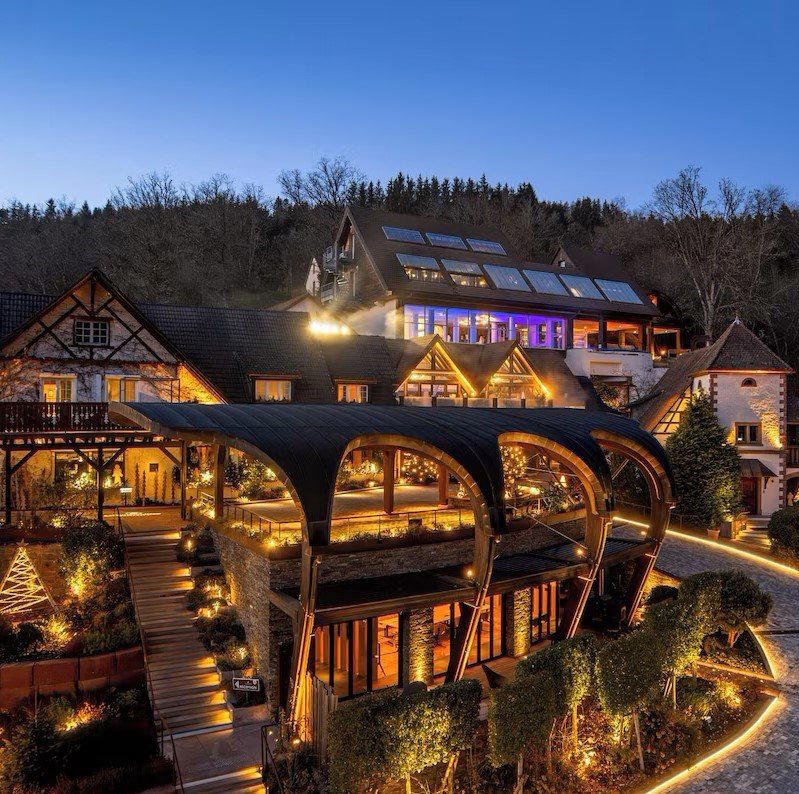
Where the Alsatian Forest Becomes the Menu
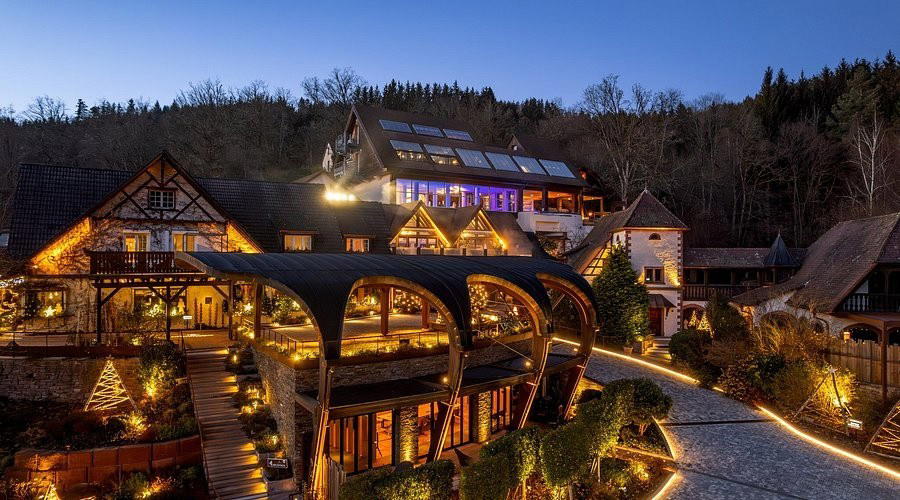
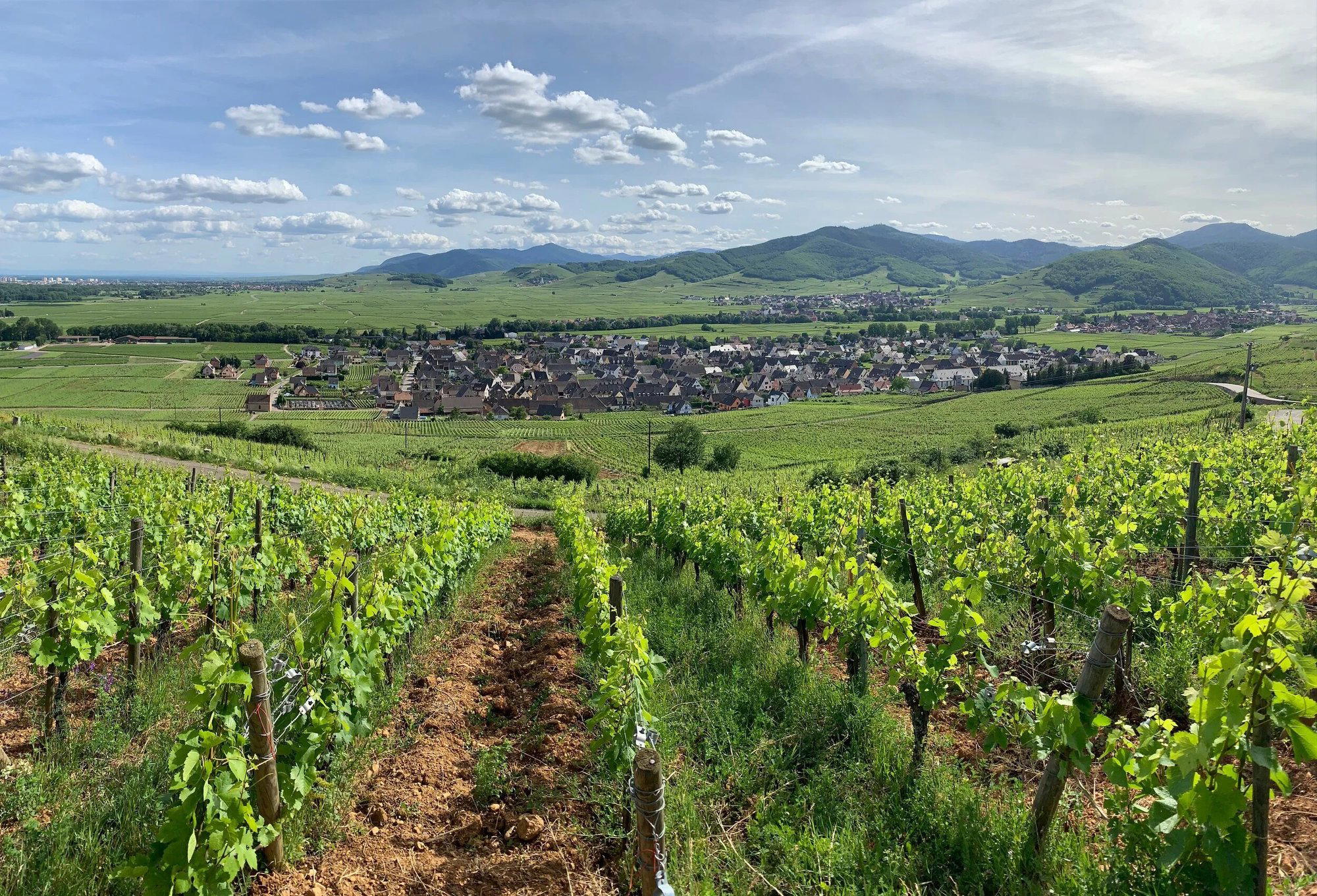
The approach to Colroy-la-Roche sets the terms of engagement before you reach the dining room. The village sits in the Val de Villé, a fold in the Vosges massif where the tree line is dense and the road narrows progressively, the kind of geography that filters out the casually curious. Arriving at La Cheneaudière, the property's forested surround is not decorative backdrop; it is the operative logic of everything that follows. In French destination dining, this pattern has well-established precedents: Bras in Laguiole built its identity around the Aubrac plateau's wild herbs and volcanic terrain, and Flocons de Sel in Megève grounds its alpine cooking in the immediate mountain environment. Le Feuillage operates within that same tradition: landscape as ingredient list, territory as culinary argument.
The Sourcing Logic Behind the Cooking
Creative cuisine at the €€€€ tier in France covers a spectrum from highly technical urban kitchens to those where creativity is inseparable from regional provenance. Le Feuillage sits toward the provenance end. The Vosges and lower Alsatian plain together constitute one of France's more varied larders: Munster valley dairy, river fish from the Bruche and Ill, game from the surrounding forests, and a vegetable-growing tradition that predates modern farm-to-table framing by centuries. In this context, sourcing is not a marketing posture, it is the pre-condition for what the kitchen can actually do.
Chef Jean-Paul Acker's creative direction at Le Feuillage draws on that immediate territory in a way that distinguishes the restaurant from Alsatian peers who treat regional ingredients more selectively. The Michelin one-star recognition confirmed in 2025 signals a kitchen operating with consistency and a clear point of view, even if the precise menu composition shifts with season and supply. For comparison, Auberge de l'Ill in Illhaeusern has long anchored the region's highest-end dining to classical Alsatian technique; Le Feuillage represents a different register, where the same regional materials are treated through a contemporary creative lens.
The sourcing argument matters most in spring and autumn, when Vosges forest ingredients, wild garlic, morels, chanterelles, game birds, reach their productive peak. A kitchen that has built its identity around proximity to those sources is structurally positioned to cook them better than urban competitors sourcing the same ingredients through distribution chains. This is the operational advantage of the rural destination format, and it is why properties like Troisgros - Le Bois sans Feuilles in Ouches made the deliberate move away from city centres toward agricultural territory.
Le Feuillage Within the Property's Dining Architecture
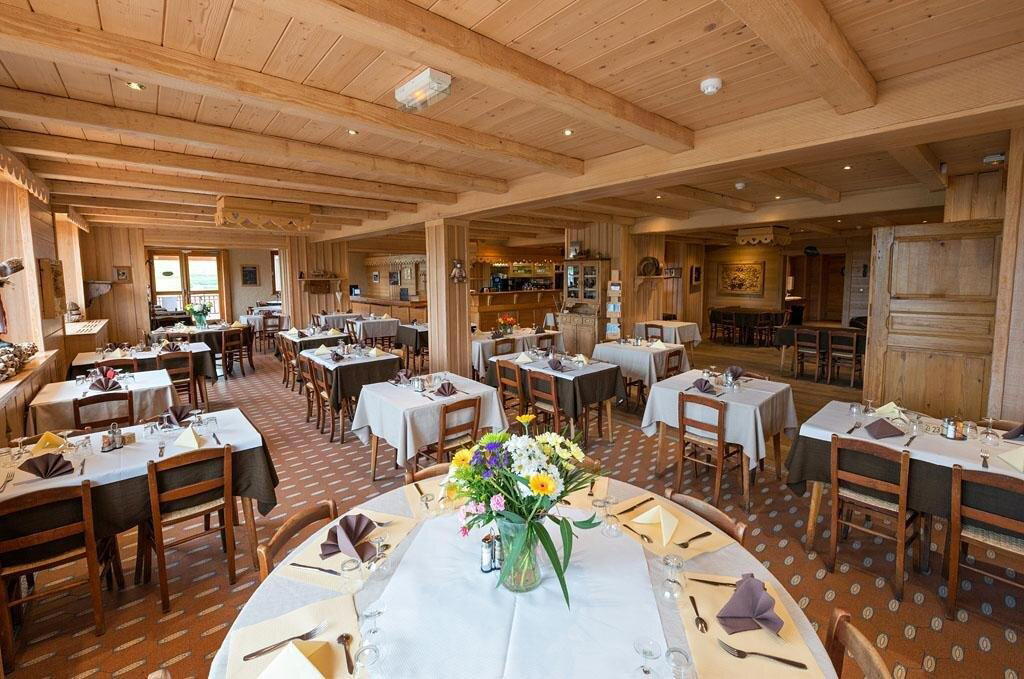
La Cheneaudière operates as a multi-restaurant property, a structure common among Relais & Châteaux members with sufficient scale. The property's two dining expressions, La Cheneaudière - Le Chêne, addressing modern cuisine, and Le Feuillage, the gastronomic flagship, serve different moments within a stay. This internal stratification is a practical design: guests in a multi-night property need options, and the gastronomic room requires a different register of attention than an everyday dinner might warrant. Le Feuillage is where the kitchen's more extended, ingredient-specific work is presented, and where the Michelin star applies.
The family-run, three-generation character of the property shapes the dining experience in ways that distinguish it from hotel restaurants operated within large international groups. Three-generation ownership at a single property typically means accumulated knowledge of local suppliers, seasonal rhythms, and what the regional kitchen actually requires, knowledge that cannot be imported wholesale. Among French rural properties, this continuity of ownership is a meaningful credential; it implies that supplier relationships and terrain knowledge predate the current chef's tenure.
The Spa as Part of the Destination Calculus
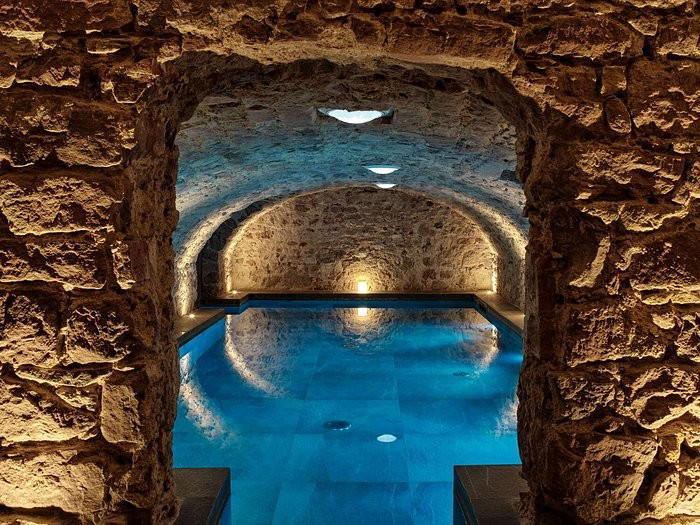
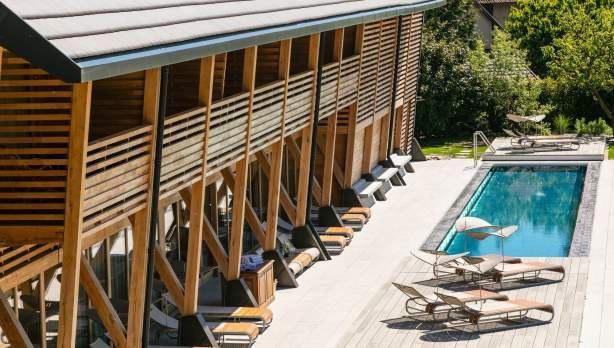
The 30,000-square-foot spa is not incidental to understanding what Le Feuillage is. In the destination-dining model, the restaurant's appeal is amplified or constrained by what surrounds it. A multi-night stay in Colroy-la-Roche is a commitment, the property needs to justify the time investment beyond a single meal. The spa infrastructure, combined with the forest setting, positions the property as a well-being destination in which serious eating is one component rather than the sole justification for travel. This is a structurally different proposition from driving to a country-road table for lunch and returning to the city the same evening.
This model has obvious parallels elsewhere in French provincial dining. Mirazur in Menton draws visitors who combine the meal with the Côte d'Azur stay. In Alsace, La Cheneaudière has positioned itself as the destination property where a two- or three-night stay packages the gastronomic meal inside a broader programme of walks, thermal treatment, and Vosges countryside. The Relais & Châteaux membership, which carries a member-verified rating of 4.6 out of 5, supports this positioning with a network guarantee of property standard.
Where Le Feuillage Sits in French Creative Dining
At the €€€€ price point with one Michelin star, Le Feuillage occupies a tier below the multi-starred urban benchmarks, Alléno Paris au Pavillon Ledoyen, Arpège in Paris, or Assiette Champenoise in Reims, while commanding the same price bracket. That gap is partly explained by the destination overhead: the property is delivering accommodation, landscape, and spa alongside the meal, and pricing reflects the full experience rather than the restaurant in isolation. For a creative-cuisine comparison beyond France, Cocina Hermanos Torres in Barcelona and AM par Alexandre Mazzia in Marseille represent the urban, high-technical end of the creative spectrum; Le Feuillage occupies a different position, where the creative argument is rooted in place rather than in technical invention alone.
The competitive set for Le Feuillage is more accurately other Relais & Châteaux properties with starred restaurants in north-eastern France and the greater Alsace region than it is the leading tables in Paris or Lyon. The Auberge du Pont de Collonges model demonstrated what sustained family investment in a property can produce over decades; La Cheneaudière is operating within that same long-term logic, even if the culinary approach differs.
Planning a Visit
Colroy-la-Roche is accessible from Strasbourg in under an hour by car, making it feasible as a day trip for the meal alone, though the property's design clearly assumes overnight guests. The gastronomic table at Le Feuillage requires advance reservation; for multi-night stays that include a Feuillage dinner, booking well ahead is advisable, particularly for autumn when forest ingredients are at their seasonal peak and the property draws visitors combining the meal with foliage-season walking. Reservations and property enquiries are handled through the property's Relais & Châteaux contact (cheneaudiere@relaischateaux.com) rather than a third-party platform. For those building a broader Alsace itinerary, our full Colroy-la-Roche restaurants guide, hotels guide, bars guide, wineries guide, and experiences guide cover the full local context.
Frequently asked questions
What do people recommend at La Cheneaudière - Le Feuillage?
Verified guest and member feedback consistently points to the kitchen's use of foraged and locally sourced Vosges ingredients as the defining characteristic of the meal. The one Michelin star awarded in 2025 recognises Jean-Paul Acker's creative approach, which draws directly from the Val de Villé surroundings rather than producing a menu that could sit unchanged in an urban setting. For guests staying on property, the 30,000-square-foot spa reinforces the case for an overnight visit rather than a standalone dinner trip from Strasbourg.
What should I budget for a meal at La Cheneaudière - Le Feuillage?
Pricing at La Cheneaudière - Le Feuillage is listed as €€€€.
Price and Recognition
| Venue | Cuisine | Price | Awards | Notes |
|---|---|---|---|---|
| La Cheneaudière - Le FeuillageThis venue (the venue you are viewing) | French Gastronomique Fine Dining | $100–150 | 1 Michelin Star · Relais Chateaux Award | Not listed |
| Alléno Paris au Pavillon Ledoyen | Modern French Fine Dining | $150–200 | 3 Michelin Stars · World's 50 Best #79 | Creative |
| Kei | Contemporary French, Modern Cuisine | Not listed | Michelin 3 Star | Not listed |
| L'Ambroisie | Classic French Haute Cuisine | $300–500 | 2 Michelin Stars · World's 50 Best #23 | French, Classic Cuisine |
| Le Cinq - Four Seasons Hôtel George V | Modern French Fine Dining | $300–500 | 3 Michelin Stars · World's 50 Best #24 | French, Modern Cuisine |
| Plénitude | Modern French Sauce-Led Fine Dining | $300–500 | 3 Michelin Stars · World's 50 Best #14 | Contemporary French |
Recognition history
Dated appearances from independent guides and award organizations, with the underlying list record or original source where available.
Michelin 1 Star
Michelin
Relais Chateaux Award
Relais Chateaux
Full recognition history (3 entries)
Michelin 1 Star
Michelin
Continue exploring
More in Colroy-la-Roche
Restaurants in Colroy-la-Roche
All restaurants in Colroy-la-Roche →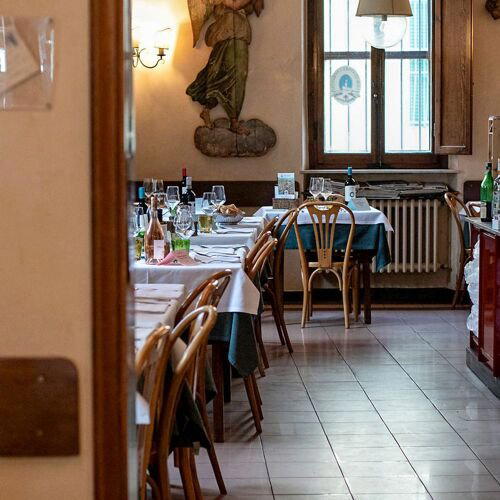
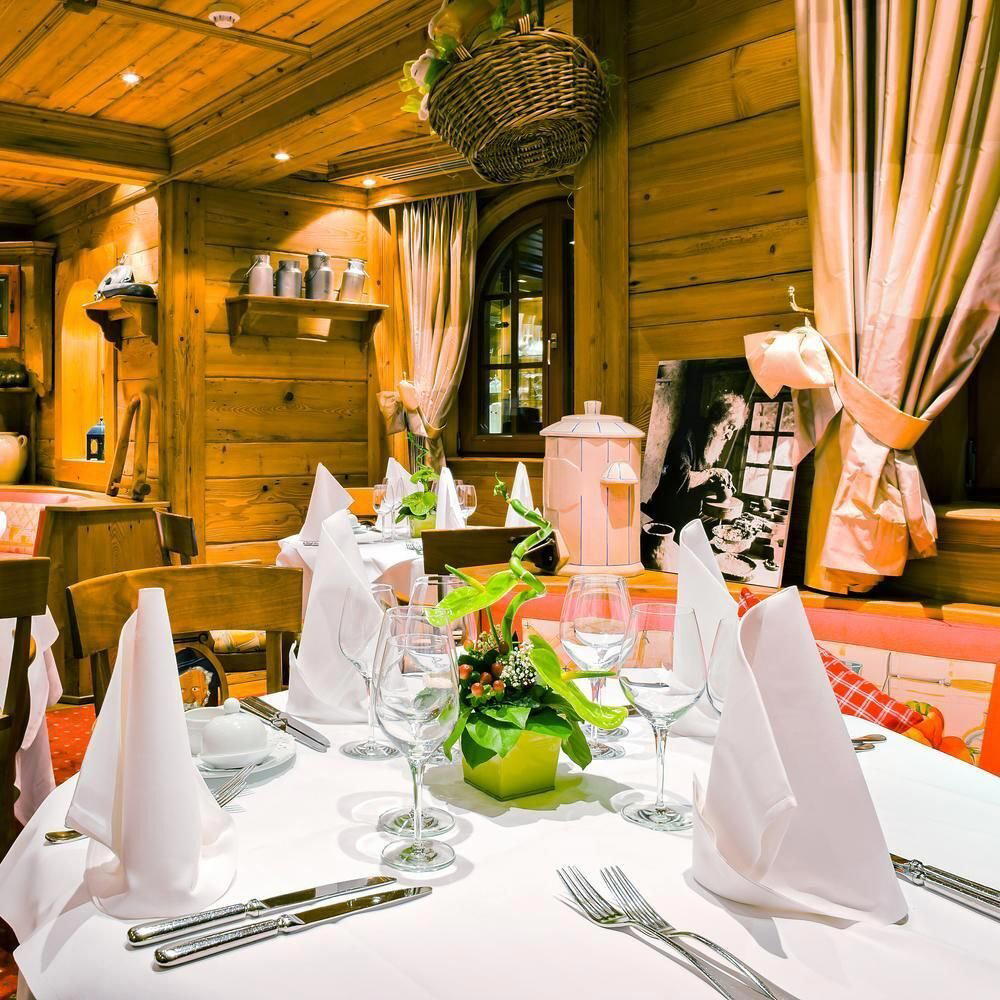
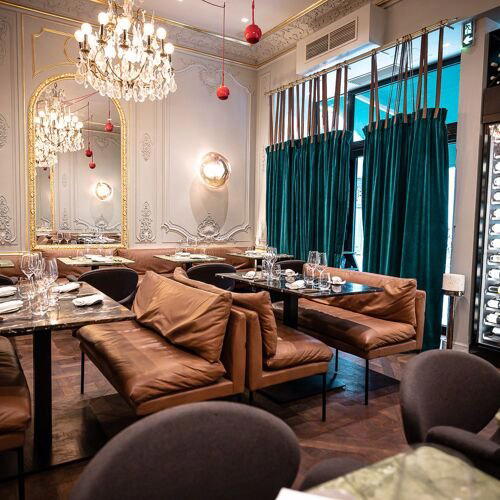
Bars in Colroy-la-Roche
Browse all →

La Cheneaudière - Le Feuillage
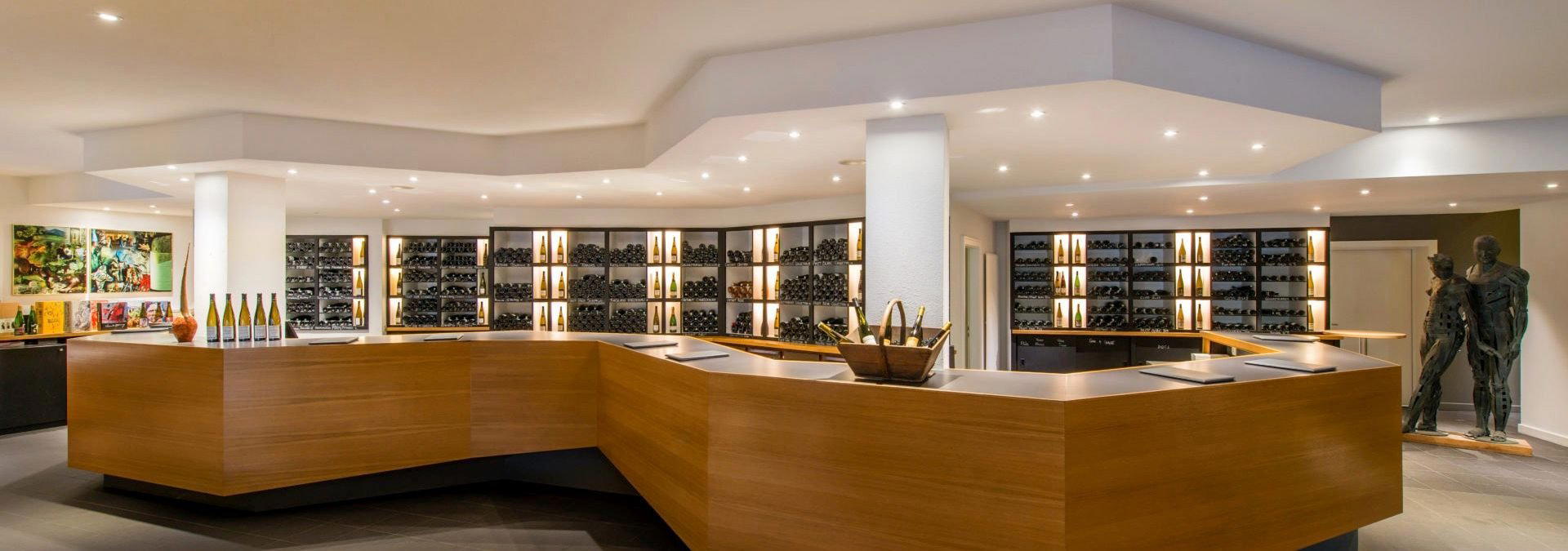
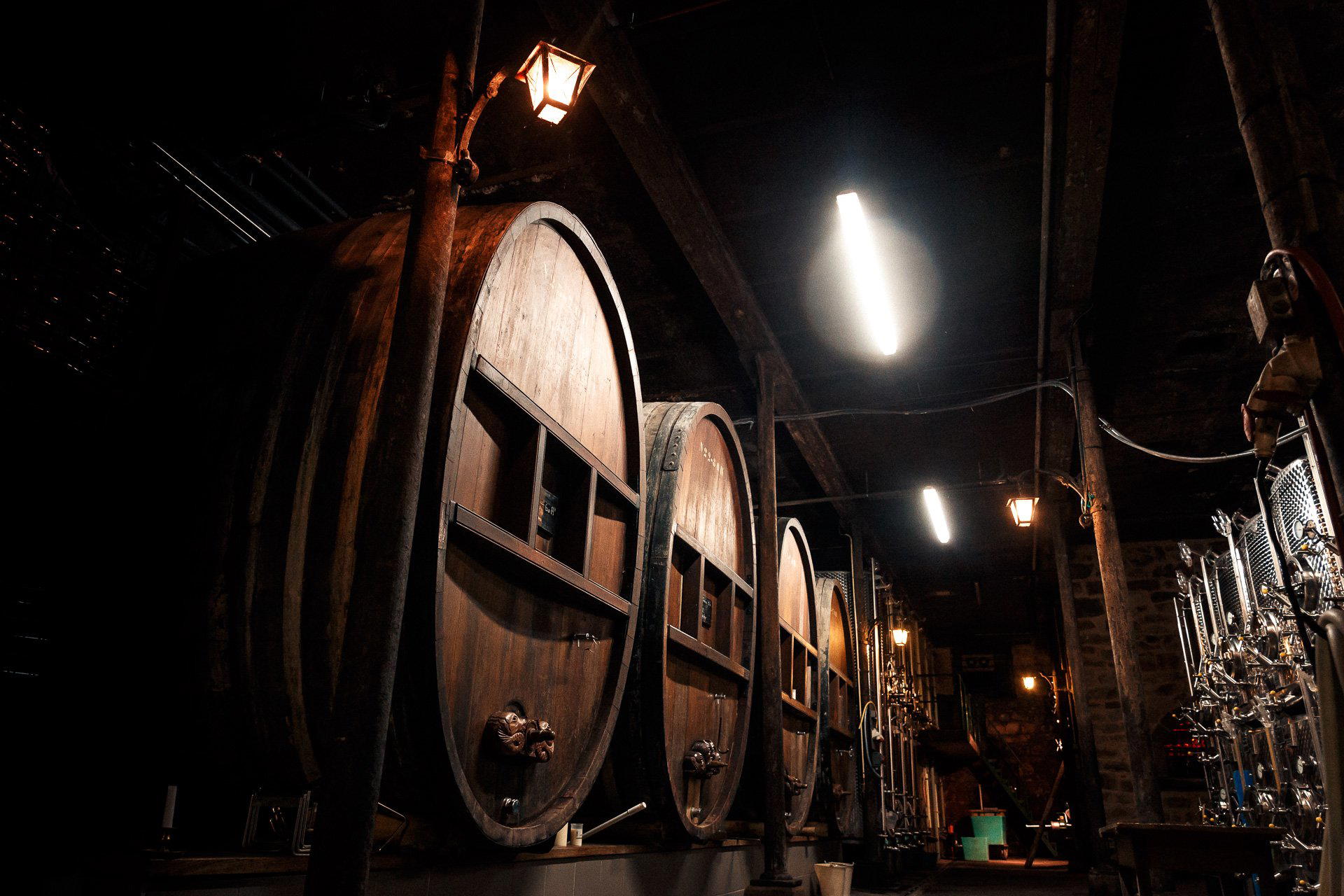
The wine
- Wine program
- Deep wine list
- Extensive wine list
- Sommelier-led
Details
- Elegant
- Intimate
- Romantic
- Sophisticated
- Special Occasion
- Date Night
- Celebration
- Hotel Restaurant
- Garden
- Extensive Wine List
- Sommelier Led
- Local Sourcing
- Garden
- Mountain
- Tasting Menu
- Prix Fixe
- Vegetarian Friendly
- Gluten Free Options
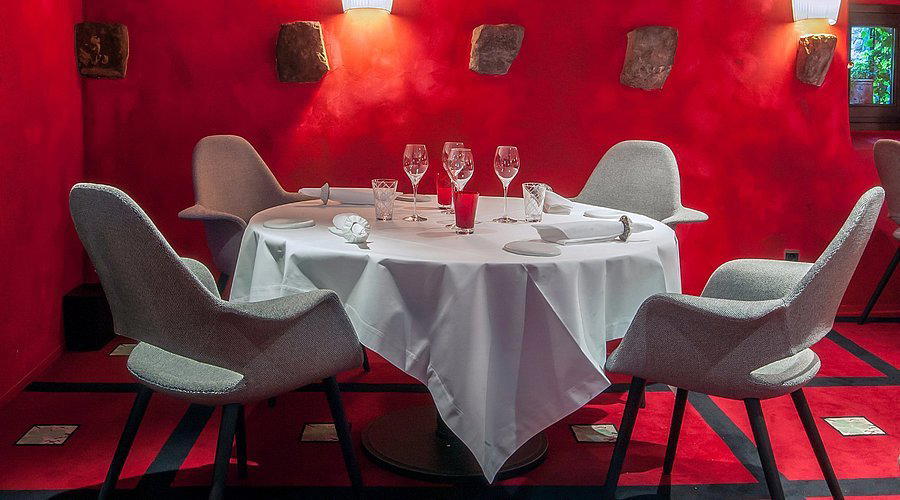
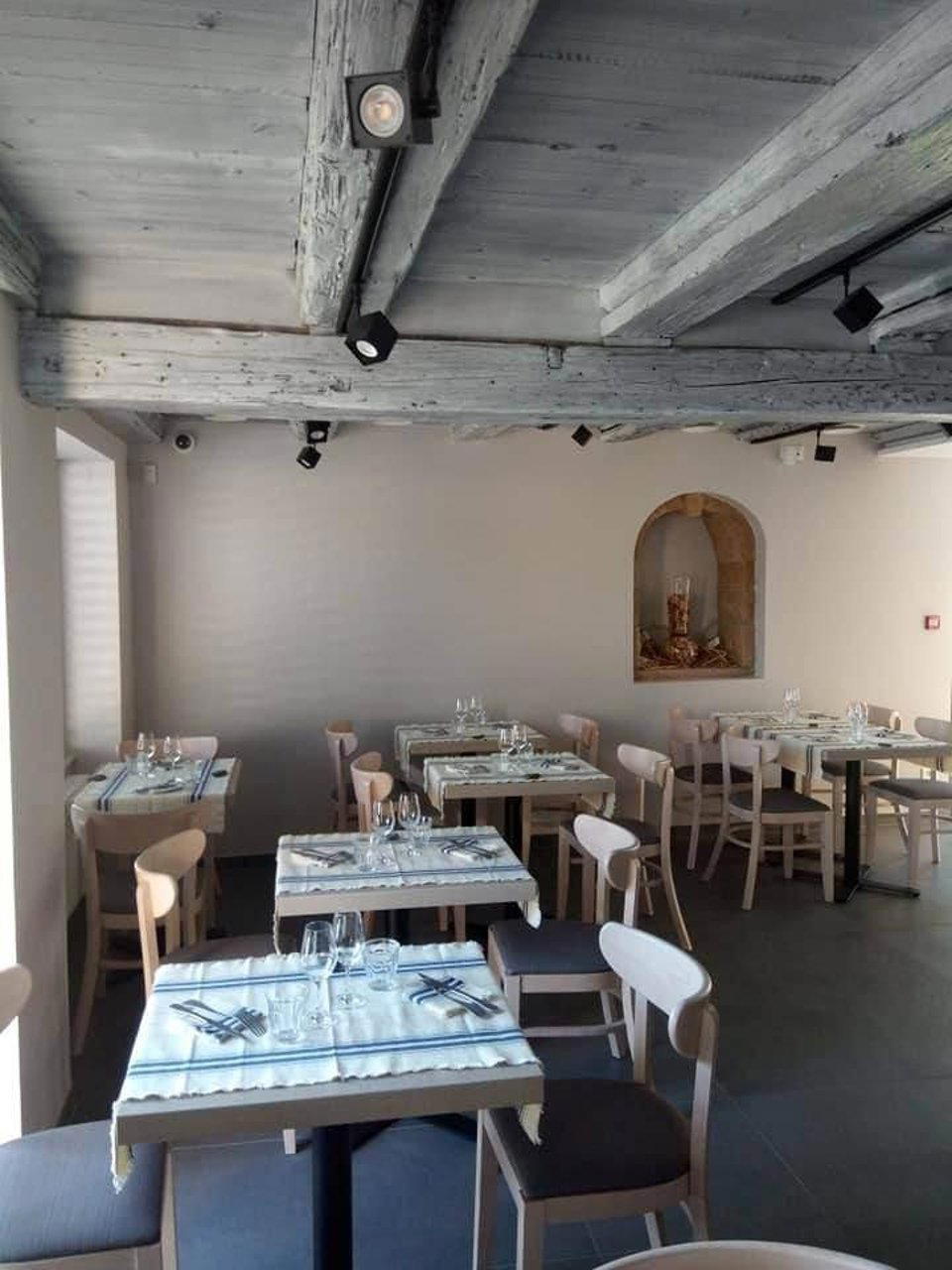
Feutrée and intimate atmosphere with black draperies, hammered copper, circular alcoves, monumental chandeliers, and candlelight creating a boudoir-like elegance.