La Cheneaudière - Le Chêne

Le Chêne sits within the La Cheneaudière estate in the Alsatian Vosges valley, holding consecutive Michelin Plate recognition in 2024 and 2025 and earning,000 reviewers. The kitchen works in the Modern Cuisine register at the €€€ price point, drawing on a region where forest, farm, and river converge within a short radius of the plate.
Pearl is the En Primeur Club membership app — saves, bookings, and concierge access live there. Same editors, same standards.
- Address
- 3 Rue du Vieux Moulin, 67420 Colroy-la-Roche, France
- Phone
- +33 3 88 97 61 64
- Website
- cheneaudiere.com
- Directions
- Get directions
 Saves & bookings on Pearl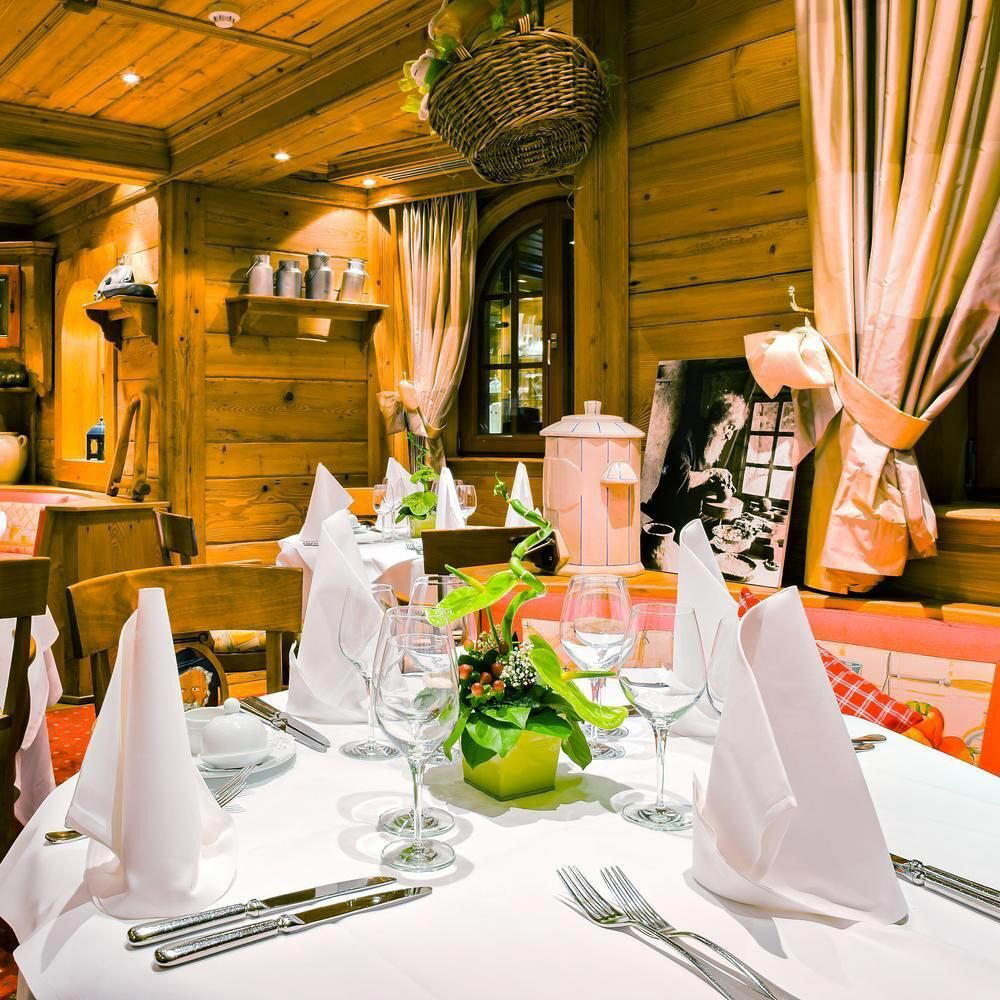
Where the Vosges Valley Feeds the Kitchen
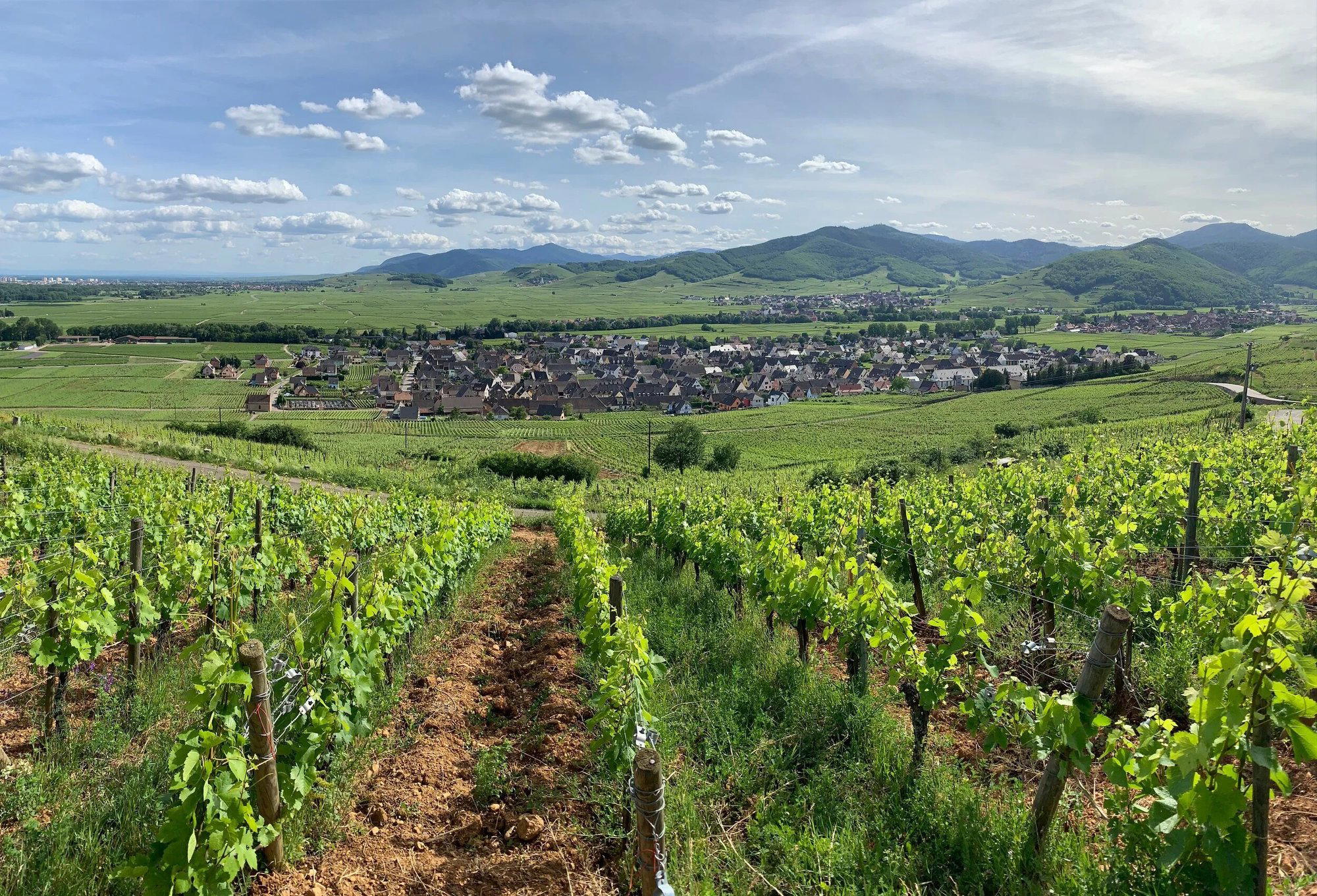
The road into Colroy-la-Roche arrives through a tightening corridor of fir and beech before the valley floor opens onto the La Cheneaudière estate. The setting is not incidental to the cooking at Le Chêne: this stretch of the Alsatian Vosges sits at the intersection of some of France's most productive foraging and farming territory, and the kitchen's relationship with that geography is the clearest argument for the restaurant's place in the regional dining conversation.
Alsace occupies a particular position in French gastronomy. The region's restaurants range from the three-star formality of Auberge de l'Ill in Illhaeusern down through a layered mid-tier of hotel dining rooms and winstubs that collectively express one of France's most distinctive ingredient traditions: foie gras, Munster, choucroute, freshwater fish from the Rhine tributaries, and wild mushrooms from the Vosges forest floor. Le Chêne operates inside that tradition, at the €€€ price tier, and frames its Modern Cuisine approach around sourcing proximity rather than technical spectacle.
The Sourcing Logic Behind the Menu
In regions where the landscape does the heavy lifting, the kitchen's job is largely one of restraint and selection. The Vosges foothills and the Alsatian plain on the valley's eastern edge produce an uncommonly broad supply base within a tight radius. Soft-fruit orchards, river trout, wild boar, roe deer, and a foraging calendar that runs from ramps and morels in spring through chanterelles and ceps in autumn give a kitchen in Colroy-la-Roche access to ingredients that restaurants in Strasbourg or Colmar often source from greater distances.
This is the structural advantage that estate and village restaurants in this part of France have over their urban counterparts. A table at Mirazur in Menton or Flocons de Sel in Megève makes a similar argument: proximity to a specific terrain confers an ingredient identity that is difficult to replicate in a city context regardless of budget or supplier network. Le Chêne's Michelin Plate recognition in both 2024 and 2025 signals that the guide's inspectors have found the kitchen's execution consistent and the quality proposition credible within its tier.
The Modern Cuisine classification matters here. It signals a kitchen working with classical French technique but editing menus according to what the surrounding territory offers seasonally, rather than building around a fixed canon of dishes. The approach sits at a middle distance from the more rigidly codified regional cooking of eastern France's older dining institutions, and closer to the ingredient-first methodology you find at houses like Bras in Laguiole, where the menu is essentially a seasonal argument about a specific place.
The Estate Context and What It Changes
Le Chêne operates within the La Cheneaudière hotel, which changes the dining calculus in ways worth understanding before you book. Hotel restaurants in this category either lean heavily on the captive guest base and underperform as stand-alone dining destinations, or they develop enough independent kitchen identity to draw reservations from outside the property. The sustained Michelin Plate recognition places Le Chêne in the latter category, suggesting the kitchen maintains standards that hold up against regional peers rather than simply serving as an amenity for hotel guests.
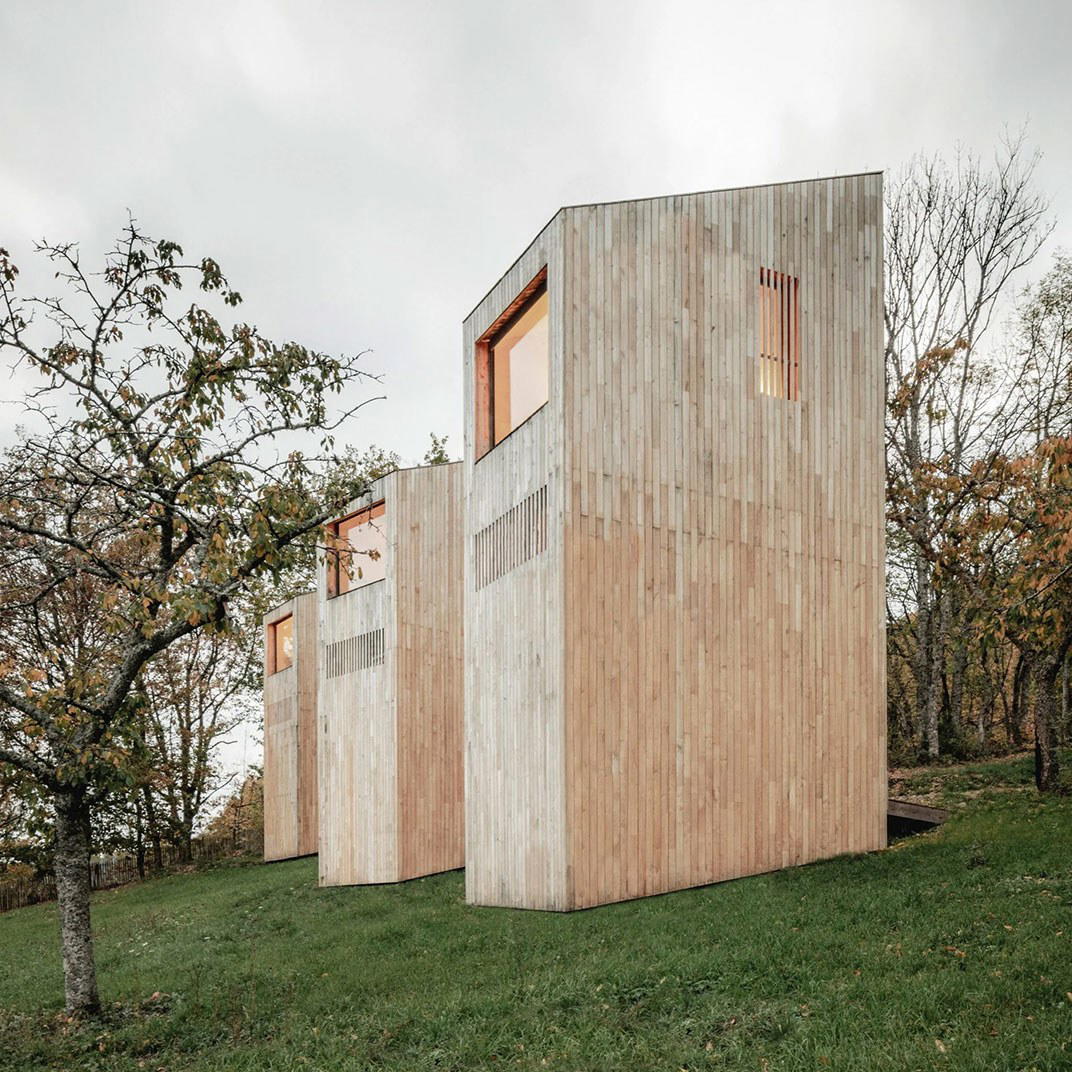
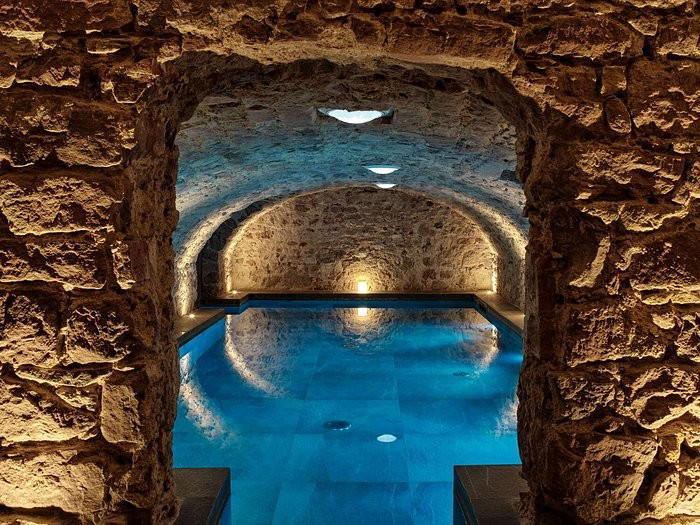
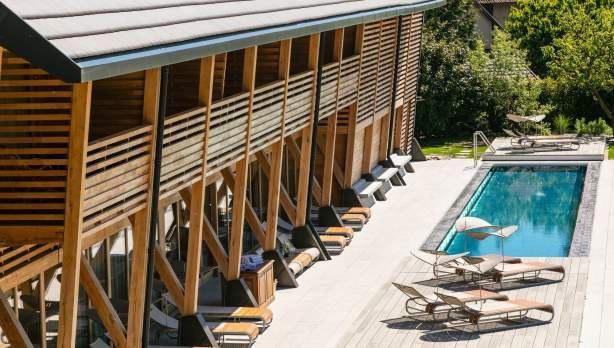
The estate setting also means the dining experience extends beyond the table. Arriving in the valley, walking the grounds before a meal, and eating in a room that looks onto forested hillsides rather than a city street affects the pace of a meal and the way a menu reads. This is the kind of context that tasting menus built around seasonal Alsatian produce are designed for: unhurried, geographically anchored, and removed from the compressed urban dining rhythm where three-hour dinners feel like an imposition rather than the point.
Within the same property, the La Cheneaudière estate also houses La Cheneaudière - Le Feuillage (Creative) and the Restaurant Gastronomique "Le Feuillage", which positions the property as a multi-format dining destination rather than a single-table operation. This matters for planning: guests staying at the hotel can compare registers across the estate's dining options, while those making a dedicated restaurant visit should clarify which room they are booking and what format it follows.
At the €€€ price point, Le Chêne competes in a bracket that includes a number of hotel dining rooms and destination restaurants across Alsace and the northern Vosges. It sits clearly below the three-star tier that Alléno Paris au Pavillon Ledoyen or Troisgros - Le Bois sans Feuilles in Ouches represent, and is not making the same technical or conceptual claims as those rooms. The relevant comparison is other estate and hotel restaurants in northeastern France that hold Michelin recognition without stars, and where the dining proposition is grounded in setting, seasonal produce, and consistent execution rather than in the kind of boundary-testing ambition you find at AM par Alexandre Mazzia in Marseille or Assiette Champenoise in Reims.
Planning a Visit
Colroy-la-Roche lies roughly 60 kilometres southwest of Strasbourg, accessible by car through the Route des Vins or via the valley roads from Sélestat to the southeast. The village is not served by direct rail, which means most diners arrive by road, and the journey itself through the Vosges foothills functions as a transition into a slower register before the meal begins. For those combining the restaurant with an overnight stay, the estate's hotel position means that dinner can extend into the evening without the constraint of a drive back to a city. Reservations should be made in advance, particularly for weekend evenings in the peak autumn season when the Vosges foraging calendar is at its most productive and regional hotel occupancy runs high. See our full area guides for broader planning: restaurants in Colroy-la-Roche, hotels, bars, wineries, and experiences.
Comparison Snapshot
| Venue | Cuisine | Price | Awards |
|---|---|---|---|
| La Cheneaudière - Le ChêneThis venue — the venue you are viewing | Modern Cuisine | €€€ | Michelin Plate (2025); Michelin Plate (2024) |
| Alléno Paris au Pavillon Ledoyen | Creative | €€€€ | Michelin 3 Star |
| Kei | Contemporary French, Modern Cuisine | €€€€ | Michelin 3 Star |
| L'Ambroisie | French, Classic Cuisine | €€€€ | Michelin 3 Star |
| Le Cinq - Four Seasons Hôtel George V | French, Modern Cuisine | €€€€ | Michelin 3 Star |
| Plénitude | Contemporary French | €€€€ | Michelin 3 Star |
Recognition history
Dated appearances from independent guides and award organizations, with the underlying list record or original source where available.
Michelin Plate
Michelin
Michelin Plate
Michelin
Michelin Plate
Michelin
Continue exploring
More in Colroy-la-Roche
Restaurants in Colroy-la-Roche
Browse all →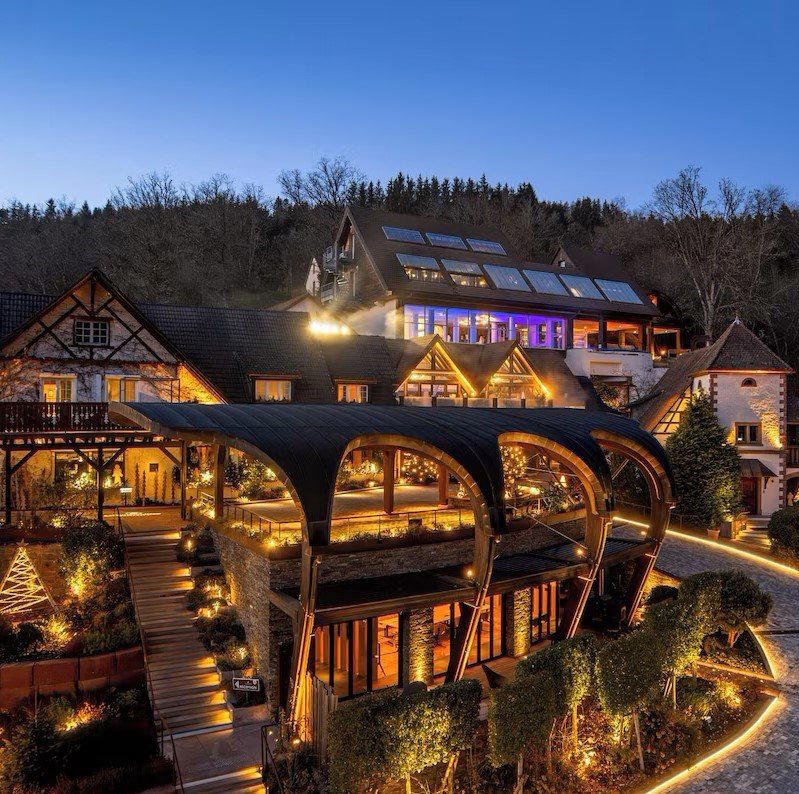
Bars in Colroy-la-Roche
Browse all →
Hotels in Colroy-la-Roche
Browse all →
At a Glance
- Elegant
- Intimate
- Romantic
- Cozy
- Sophisticated
- Special Occasion
- Date Night
- Celebration
- Hotel Restaurant
- Garden
- Extensive Wine List
- Sommelier Led
- Local Sourcing
- Garden
- Mountain
Feutrée and raffinée atmosphere with black tentures, hammered coppers, circular alcoves, monumental chandeliers, and candlelight creating an intimate boudoir-like setting.
Know Before You Go
- Getting there
- 3 Rue du Vieux Moulin, 67420 Colroy-la-Roche, France