
The kitchen works in the modern cuisine register, drawing on the agricultural depth of the Bas-Rhin for a menu that speaks to place rather than trend.
Pearl is the En Primeur Club membership app — saves, bookings, and concierge access live there. Same editors, same standards.
- Address
- 4 Rue du 1er Décembre, 67230 Sand, France
- Phone
- +33 3 88 74 42 66
- Website
- lacharrue.com
- Directions
- Get directions
 Saves & bookings on Pearl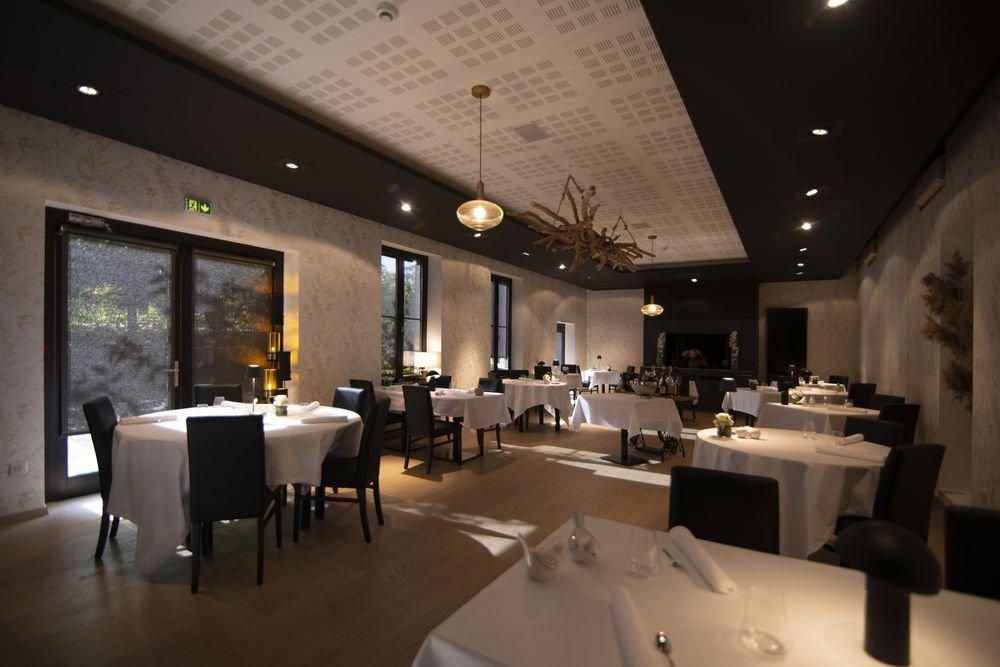
Where Alsatian Agriculture Meets the Modern Plate
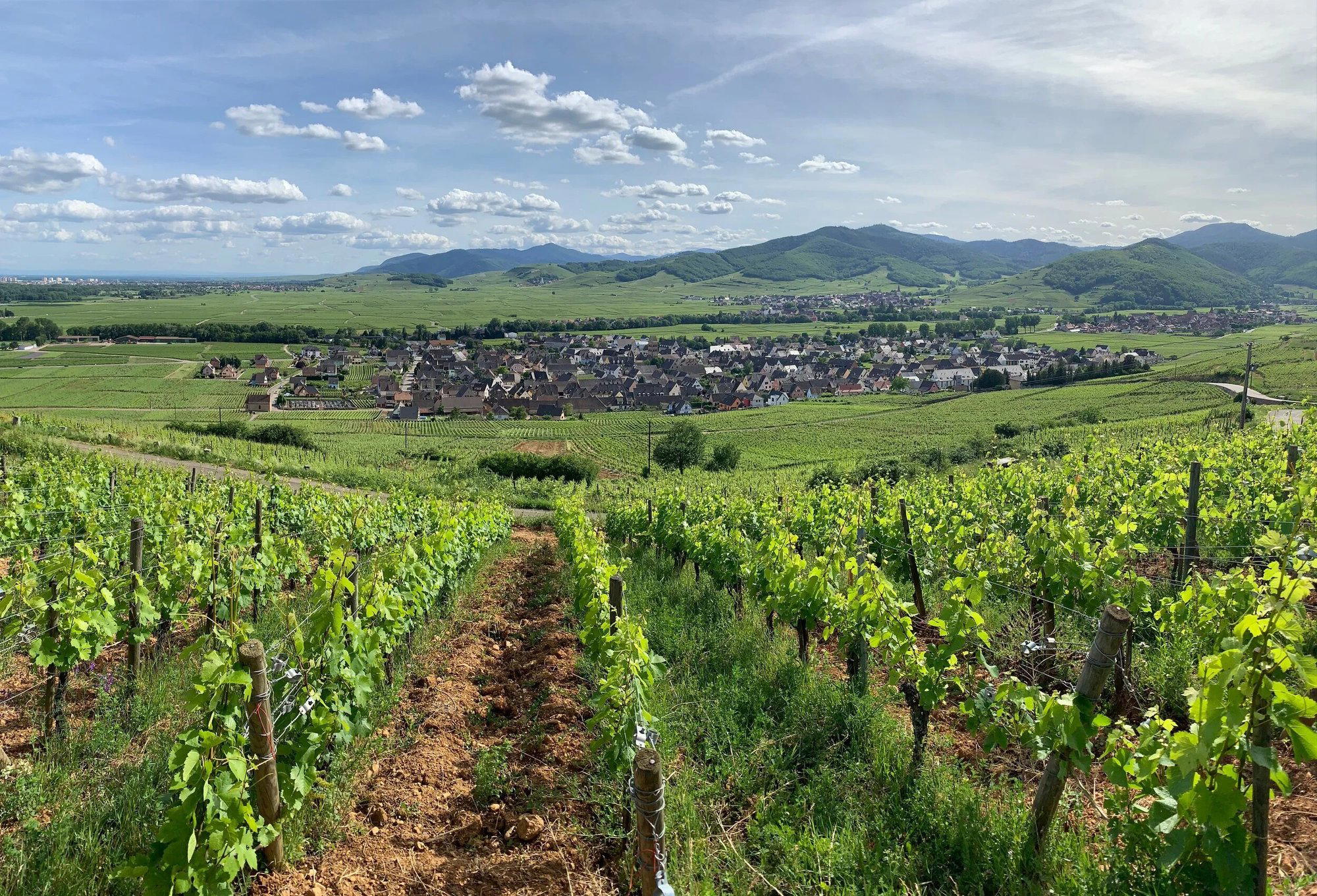
The Bas-Rhin is one of France's more quietly productive agricultural corridors. Between the Rhine plain to the east and the Vosges foothills to the west, the department sustains a density of market gardens, small-scale farms, and specialist producers that larger French cities actively court. Sand, a village of a few thousand residents roughly fifteen kilometres south of Strasbourg, sits inside that productive belt, and a restaurant like La Charrue, its name translating simply as "the plough", is not an accident of location. The reference is agricultural, deliberate, and tells you something about where the kitchen's orientation lies before you've read a menu.
This is the context that matters when placing La Charrue within the wider Alsatian dining scene. Strasbourg itself carries the region's culinary prestige, anchored by long-standing institutions like Au Crocodile in Strasbourg, and the broader region feeds into a national tradition of producer-led cooking that runs from Auberge de l'Ill in Illhaeusern to Bras in Laguiole. La Charrue operates at a different scale and price point than those references, but it draws from the same underlying logic: that sourcing with precision and cooking in a recognisably modern register is rooted in place.
The Village Setting and What It Signals
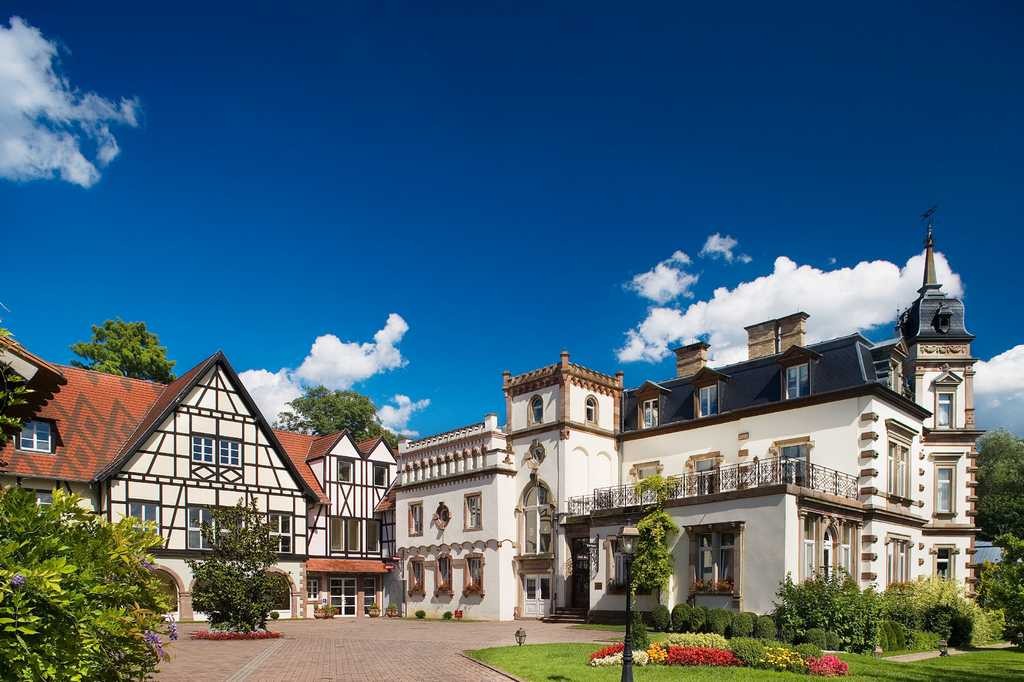
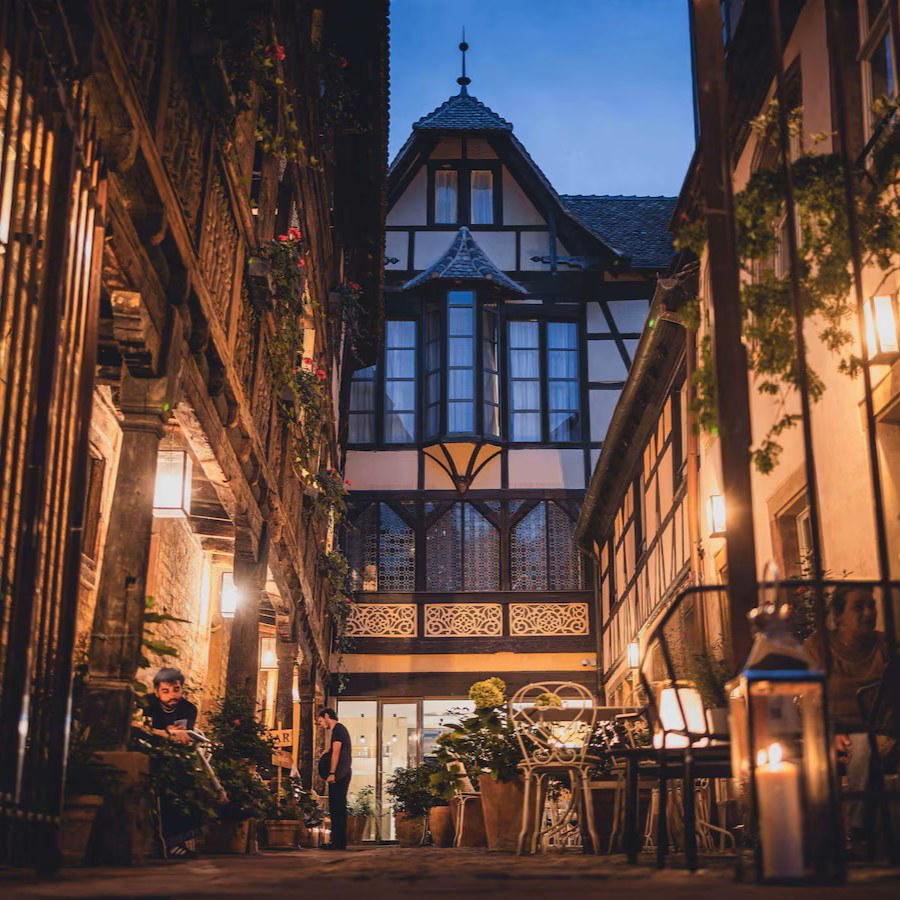
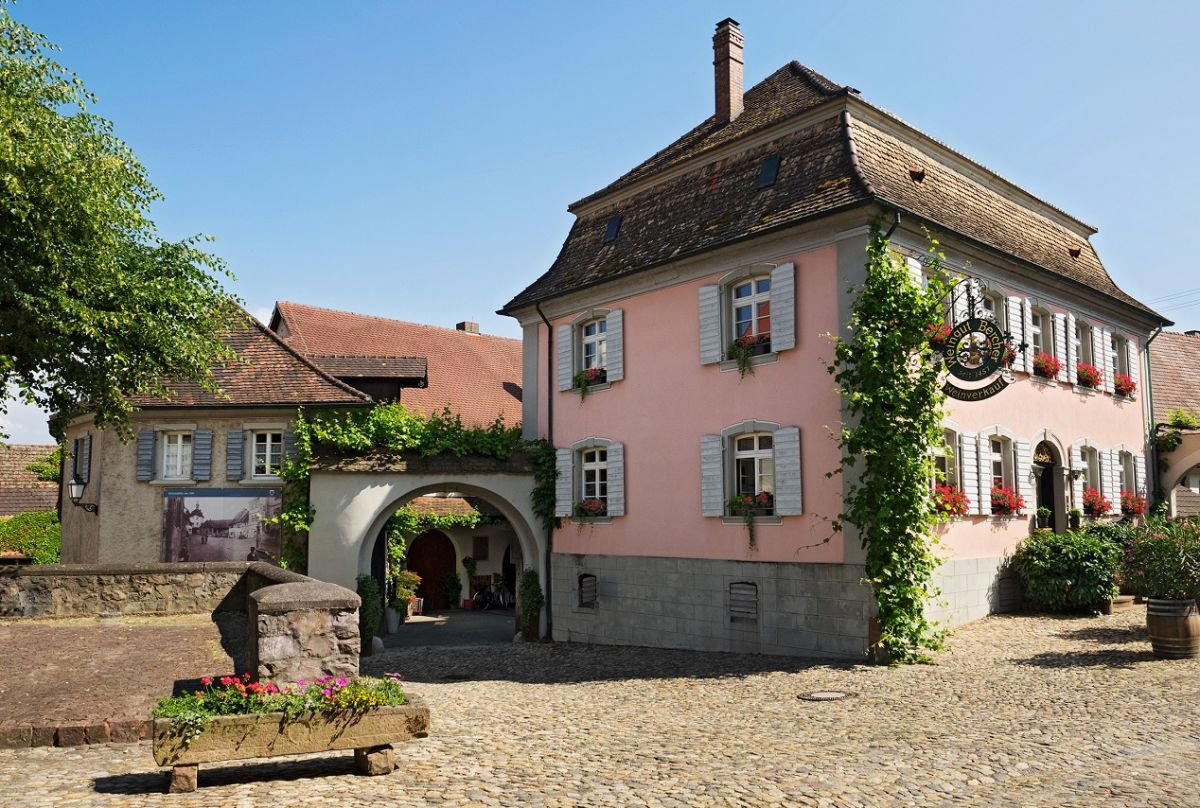
Arriving in Sand along the D35, the village reads as quintessentially Alsatian, half-timbered facades, compact streets, the plain stretching wide in every direction. The restaurant's address on Rue du 1er Décembre places it in the village centre, which means a dining room scaled to its surroundings rather than engineered for metropolitan theatre. In France's rural fine dining tradition, this format carries its own coherence: the room is the counterpoint to the plate, and the absence of urban spectacle focuses attention on what arrives from the kitchen.
That physical modesty is worth contextualising against the benchmark tier. Restaurants earning three Michelin stars, from Mirazur in Menton to Alléno Paris au Pavillon Ledoyen, operate environments designed to match the ambition of the plate. At the Michelin Plate level, the proposition is different: the recognition signals kitchen quality and care, not spectacle or ceremony. The restaurant's 2025 Michelin Plate reflects precisely that, a kitchen positioned within the modern cuisine category, and priced at €€€, the mid-upper tier where serious cooking becomes accessible without the full theatre of a destination-format evening.
Modern Cuisine Through a Regional Lens
The modern cuisine designation covers a wide range of approaches across France. At the upper end of that spectrum, think Troisgros - Le Bois sans Feuilles in Ouches or AM par Alexandre Mazzia in Marseille, modern cuisine implies radical technique applied to hyper-local sourcing with near-theatrical presentation. At the restaurant's tier, the designation more typically describes a kitchen that has moved beyond strictly classical French execution while staying grounded in the seasonal and regional logic that Alsace makes particularly legible.
The Bas-Rhin's agricultural calendar matters here. Spring brings asparagus from the Rhine plain, Alsace is one of France's primary asparagus regions, and the white variety harvested around Hoerdt and the surrounding plain is treated with a seriousness that mirrors white truffle season in other European regions. Summer transitions to small-scale vegetable production and freshwater fish from the Ill and associated waterways. Autumn is game and foie gras territory, the Alsatian charcuterie tradition running parallel to the formal table. Any kitchen working in modern cuisine in this part of France has access to a sourcing palette that doesn't require the supply chain gymnastics more urban restaurants must manage. The name the restaurant points toward exactly that advantage.
Reading the 4.5 Google Rating
. At the €€€ tier in a village of this size, a review pool of 468 suggests the restaurant draws from a radius that extends well beyond Sand itself, pulling diners from Strasbourg and likely from visitors using the Bas-Rhin as a base for Alsatian touring. The consistency implied by that score across a meaningful sample signals reliability, the kind that comes from a kitchen operating to a house standard rather than an irregular one.
Among France's regional dining options in this tier and category, the restaurant competes for the same audience that might otherwise drive to Assiette Champenoise in Reims for a more formal benchmark, or who might calibrate expectations against the mountain-context modern cuisine of Flocons de Sel in Megève. The proposition is different in each case: the restaurant's argument is the agricultural plainness of the Alsatian countryside converted into something careful and current, without the altitude or the grand-hotel framing.
Planning a Visit
Sand is accessible from Strasbourg in roughly twenty minutes by car, making the restaurant a viable dinner destination for visitors using the city as a base without committing to a full rural overnight. The restaurant's address at 4 Rue du 1er Décembre places it centrally in the village, and parking in villages of this scale is generally uncomplicated. Given the Michelin Plate recognition and the review volume, booking ahead is advisable, particularly on weekends and during Alsace's peak autumn season when regional tourism concentrates around the Route des Vins corridor and the harvest period. Reaching the restaurant directly through available channels, or through a hotel concierge in Strasbourg, is the practical approach. The €€€ price point positions an evening here above the casual bistro tier but well below the commitment of a starred tasting menu; budget accordingly for a full table experience with wine.
For those building a broader itinerary around Alsatian and French regional dining, local guides cover the wider visit. Those extending the French fine dining circuit further might cross-reference references like Auberge du Vieux Puits in Fontjoncouse or Paul Bocuse - L'Auberge du Pont de Collonges for the historical anchors of the tradition the restaurant operates within. For those interested in how modern cuisine reads internationally at the upper tier, the contrast with Frantzén in Stockholm or FZN by Björn Frantzén in Dubai is instructive, if geographically distant.
Comparable Venues
Comparable venues nearby, for context on price, style, and recognition.
| Venue | Cuisine | Price | Awards | Notes |
|---|---|---|---|---|
| La CharrueThis venue — the venue you are viewing | Modern Alsatian Fine Dining | $$$ | Michelin Plate | Not listed |
| La Brasserie des Haras | Modern Alsatian Brasserie | $$$ | Michelin Plate | Centre |
| Les Alisiers | Modern Alsatian Bistro | $$$ | Michelin Plate | Vallée de Kaysersberg |
| Au Coin des Pucelles | Alsatian Bistro | $$$ | Michelin Plate | Centre |
| À l'Ami Fritz | Traditional Alsatian French | $$$ | Michelin Plate | Ottrott |
| Acolytes | Modern French Gastronomic | $$$ | Michelin Plate | centre-ville |
Recognition history
Dated appearances from independent guides and award organizations, with the underlying list record or original source where available.
Michelin Plate
Michelin
Michelin Plate
Michelin
Continue exploring
More in Sand
Restaurants in Sand
Browse all →
Bars in Sand
Browse all →


Hotels in Sand
Browse all →
At a Glance
- Elegant
- Romantic
- Sophisticated
- Cozy
- Date Night
- Special Occasion
- Celebration
- Terrace
- Garden
- Historic Building
- Hotel Restaurant
- Extensive Wine List
- Sommelier Led
- Farm To Table
- Local Sourcing
- Garden
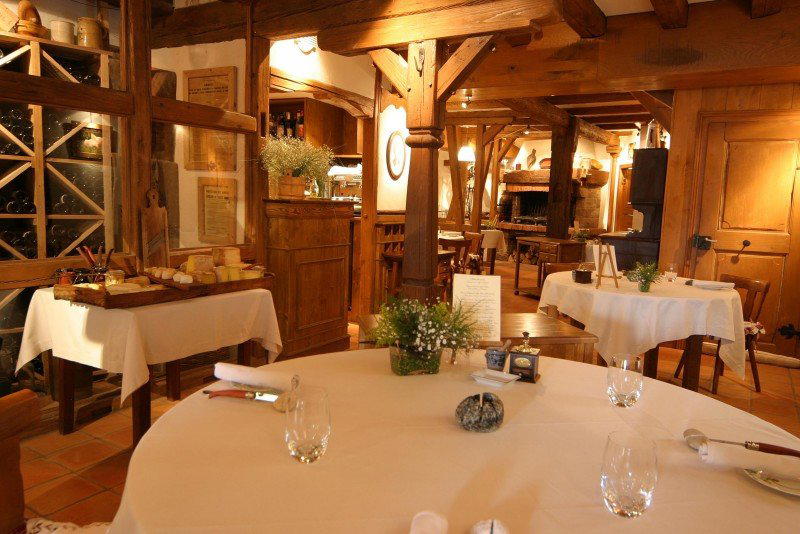
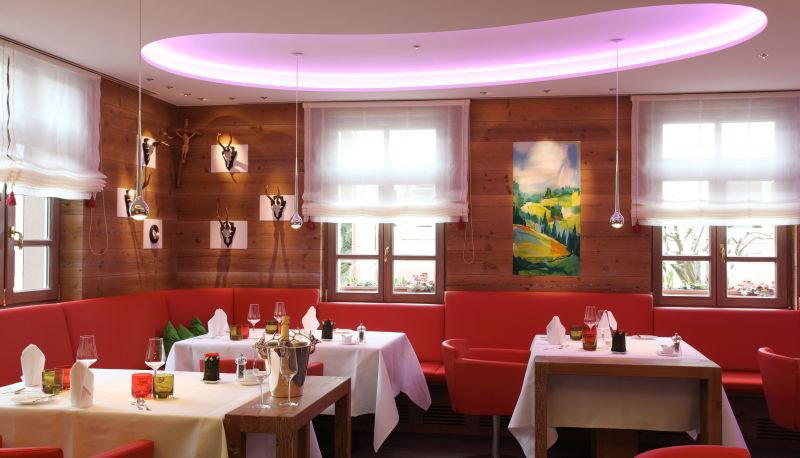
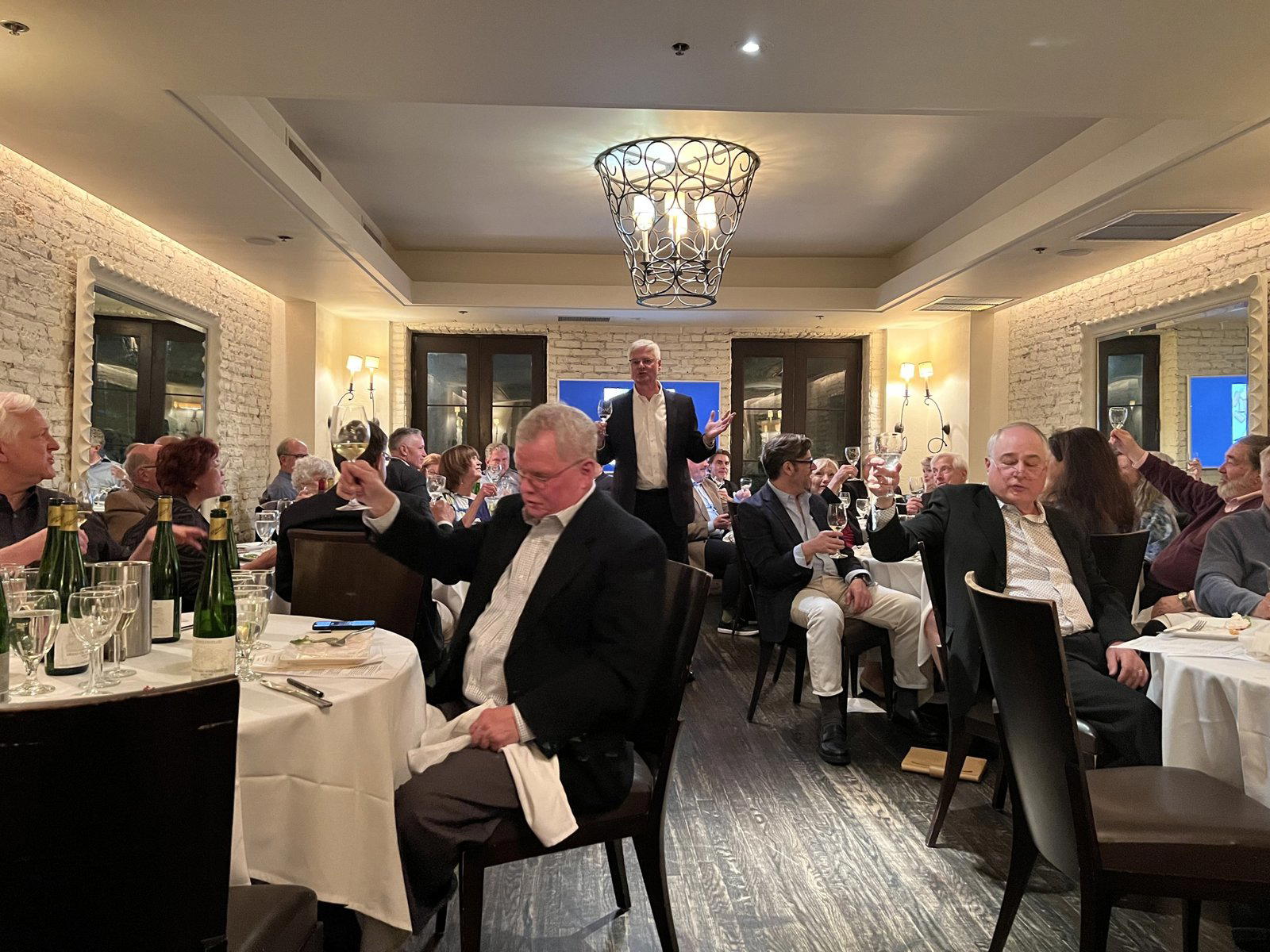
Warm and refined setting with sober elegant décor, comfortable seating, quality linens, crackling fireplace, and soft lighting creating a peaceful dining atmosphere.